
Namaste Tateshina ten gives Chino’s resort-country dining scene a sharper Asian and ethnic-cuisine reference point, with Indian and Indian curry cooking placed inside a mountain setting rather than an urban curry-house frame. Its Tabelog 100 Asian cuisine / Ethnic cuisine EAST selections in 2022, 2023, and 2024 make it a serious stop for travelers tracking regional restaurants beyond Tokyo and Kyoto.
Pearl is the En Primeur Club membership app — saves, bookings, and concierge access live there. Same editors, same standards.
- Address
- 鹿山4026−2 Kitayama, Chino, Nagano 391-0301, Japan
- Phone
- +81 266-71-9600
- Website
- namastejapan.com
 Saves & bookings on Pearl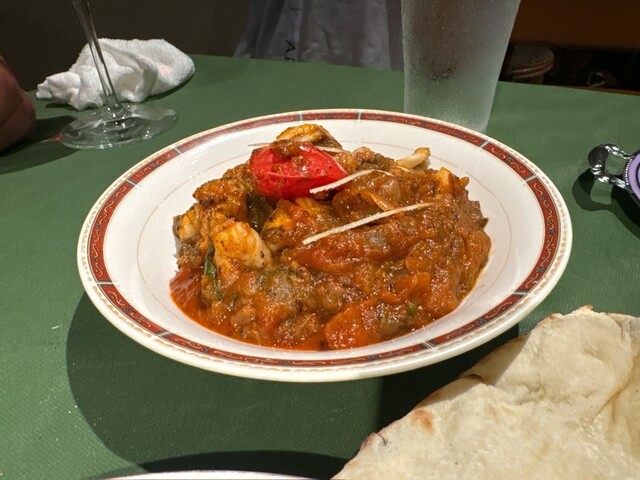
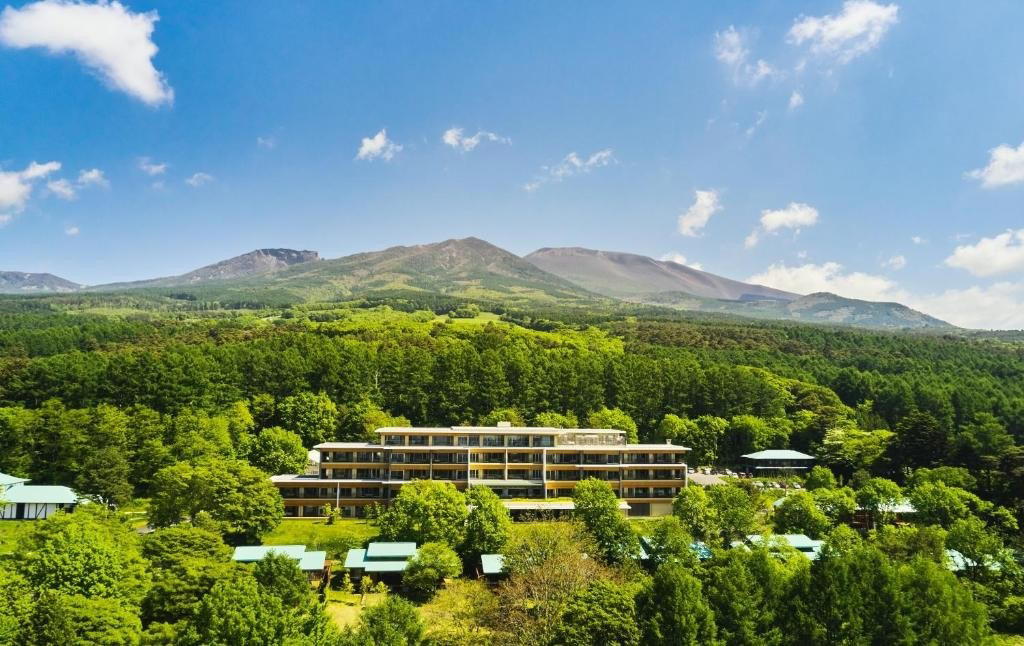
Approaching the Tateshina side of Chino, the dining context shifts before the menu does: resort roads, forested slopes, and Nagano highland leisure replace the station-front density behind much of Japan’s curry culture. Here, Indian cooking reads differently. Spice is not only heat or comfort; it interprets a mountain resort town where travelers often expect soba, French-influenced auberge cooking, or hotel dining.
Namaste Tateshina ten sits in that less predictable category. Publicly classified as Indian and Indian curry, its repeated selection for Tabelog 100 Asian cuisine / Ethnic cuisine EAST in 2022, 2023, and 2024 puts it in a broader conversation about non-Japanese cuisines maturing outside major metropolitan centers. Chino’s dining identity usually leans toward alpine produce, villa culture, and destination restaurants rather than dense ethnic-food districts. A 30-seat house restaurant with an open terrace and a health-and-wellness menu is therefore instructive: Indian cooking enters the resort grammar of Tateshina without becoming hotel-neutral.
Indian curry reframed for Nagano's highland resort belt
Japan runs several curry traditions in parallel: yōshoku curry, the thick brown comfort dish; South Asian restaurants shaped by immigrant communities and regional specialisation; and the contemporary health-leaning format that treats spice, vegetables, and grain as a lighter meal structure. In Chino, the last has force because the area already attracts diners seeking mountain air, seasonal produce, and meals connected to a day of walking, driving, or hotel stay.
The useful detail is not a named dish, since public information fixes none as a signature. It is the category signal: Indian, Indian curry, wine, and a health-and-wellness menu. That points away from late-night urban curry and toward a slower lunch-or-dinner rhythm. Wine service matters because Tateshina dining often overlaps with auberge and resort expectations; curry is not isolated from the area’s wider table culture. It sits alongside a Chino itinerary that might include Ca’enne (ITALIAN FOOD), Centro Basco, オーベルジュ・エスポワール, or カエンネ, each answering the same question differently: what should destination dining in a mountain resort town feel like?
Ingredient sourcing is the strongest lens for reading the room, even without a farm list or producer roster. Nagano’s chef appeal is structural: altitude, defined seasons, dairy, fruit, vegetables, and customers who notice freshness more than spectacle. Indian cooking here can lean into vegetable-led plates and spice balance rather than excess richness. The health-and-wellness tag carries editorial weight because it signals a meal built for the region’s resort pace, whether diners arrive from a hotel, family outing, or long drive through the Yatsugatake foothills.
A small dining room in a city of destination detours
Chino is not a city where restaurants compete only on foot traffic. Meals are often planned around cars, hotels, seasonal second homes, or wider Nagano routes. The format fits: 30 seats, no private rooms, no private use, children welcome, and parking for about four cars underneath the restaurant. These details clarify access and scale. It is neither a grand resort dining room nor a counter-only urban specialist, but the middle ground that defines many strong regional Japanese restaurants: modest capacity, destination intent, and enough recognition to justify planning.
The Tabelog 100 Asian cuisine / Ethnic cuisine EAST selection is the core trust signal because it places the restaurant against a regional field, not merely within Chino. A 3.62 Tabelog score adds another marker, especially in Japan, where local-rating culture can be conservative and category-specific. The award does not make it a luxury temple and should not be read that way. It means this address has earned recurring attention within Asian and ethnic cuisine in eastern Japan. For travelers, the distinction is practical: the meal is not just convenient to a resort stay; it belongs to an independently recognised food category.
Chino’s dining map rewards travelers who avoid treating the city as a single-style destination. Italian cooking, auberge formats, curry, and regional Japanese meals coexist because the customer base is mixed: local families, villa owners, hotel guests, hikers, and weekend drivers. For a wider scan, Our full Chino restaurants guide gives context, while Our full Chino hotels guide, Our full Chino bars guide, Our full Chino wineries guide, and Our full Chino experiences guide place the meal inside a larger Tateshina stay.
Who should put it on a Chino dining plan
Namaste Tateshina ten is strongest for diners wanting a regional meal that breaks from the expected Nagano script without losing the area’s seasonality and calm. Spending sits in Chino’s deliberate middle tier, below high ceremony but above casual curry-shop grazing. Reservations are available, and fixed lunch and dinner windows suit hotel check-in, family schedules, or a day in the highlands.
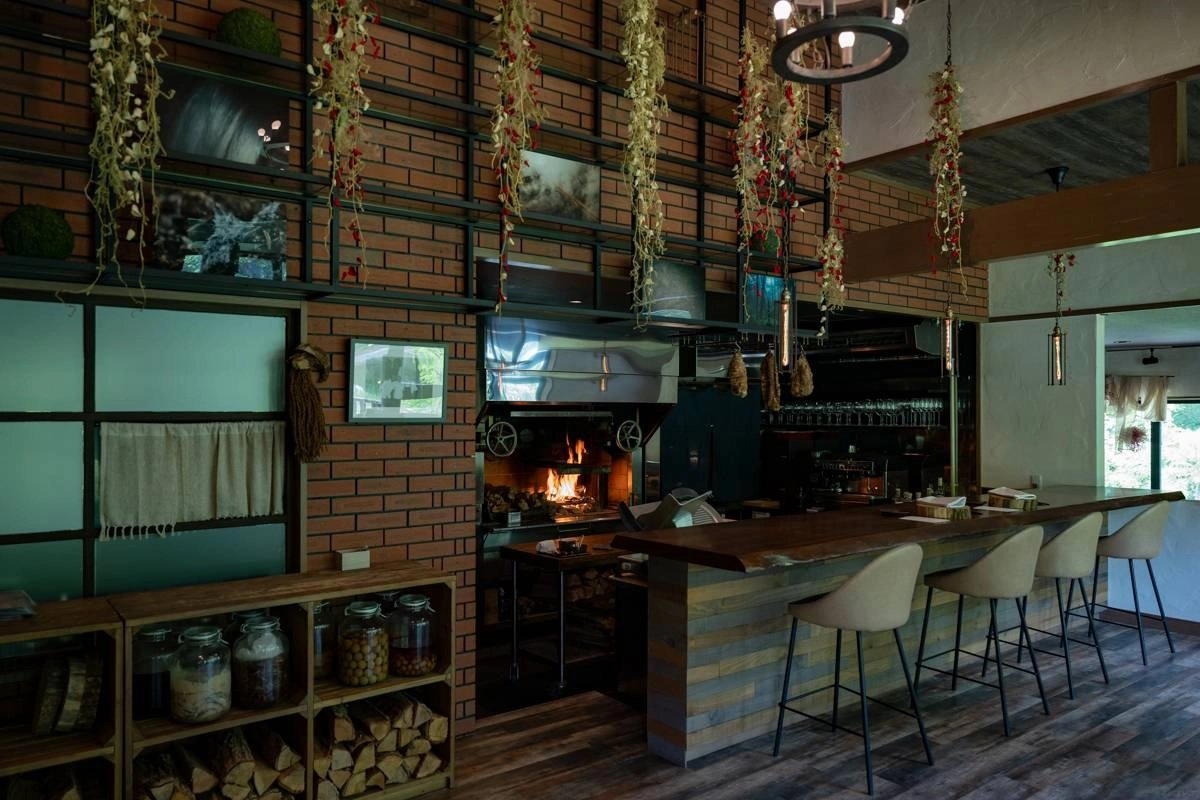
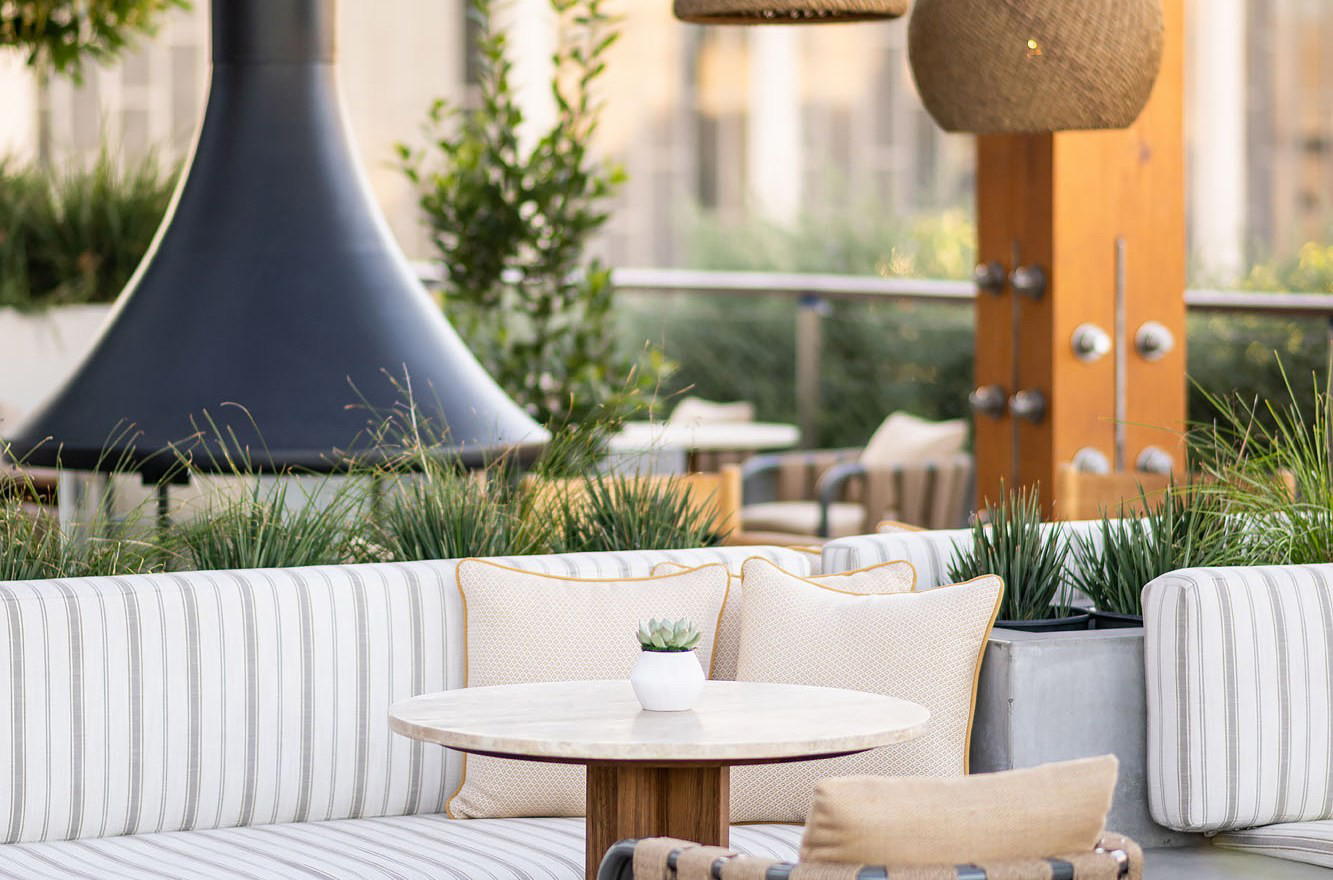
The room profile matters too. A house-restaurant setting, open terrace, non-smoking policy, and children-welcome stance make it more flexible than many destination tables. No private rooms and no private hire keep it from becoming a sealed-off occasion restaurant. That suits the food: Indian curry here works as a serious meal, but not one demanding theatrical service or rigid tasting-menu posture.
For readers building a Japan itinerary around food categories rather than city prestige, the lesson is useful. Strong meals are not confined to Ginza counters, Kyoto kappo rooms, or Osaka grills. A Chino curry restaurant selected for an eastern Japan Asian-and-ethnic list can say as much about contemporary Japanese dining as a famous urban address, because it shows imported cuisines adapting to regional expectations. Nearby and further afield, the same comparative thinking can stretch from -Grilled beef Sukiyaki- KAMAKURA TANUKIAN 鎌倉 たぬき庵 in Kamakura and. 鮪と炭火焼き うお炭 秋葉原店 in Tokyo to.cafe in Osaka.know in Kumamoto, (Shoku) Vietnam in Kawasaki, [Curry Senmon Ten] Maruyama Kyoju. in Sapporo, [ki:] in Kyoto, Jōdo Saké Bar in Los Angeles, and Onigiri Time in Pasadena. These places are not interchangeable. The point is that serious eating now often sits at category edges: curry in a resort town, sake-bar logic abroad, Vietnamese cooking in Kawasaki, or onigiri with standalone focus.
Comparable Spots, Quickly
Comparable venues by cuisine and price in the same metro.
| Venue | Cuisine | Price | Notes |
|---|---|---|---|
| Namaste Tateshina tenThis venue — the venue you are viewing | North Indian Curry House | $$ | Not listed |
| オーベルジュ・エスポワール | French Gibier Fine Dining | $$$$ | 蓼科高原 |
| Ca’enne | Wood‑fired Seasonal Italian from Yatsugatake | $$$$ | Toyohira Higashitake |
| カエンネ | 薪火イタリアン (Wood-fired Italian) | $$$ | Toyohira |
| スパイス厨房来風 | Handmade Ōmi Beef Curry | $$ | Takashima, Shiga Prefecture |
| ナマステネパール 稚内店 | Authentic Indian-Nepalese Curry | $$ | 港 |
Recognition history
Dated appearances from independent guides and award organizations, with the underlying list record or original source where available.
Tabelog 100 #85 · No. 85
Tabelog · Tabelog 100 - Asian cuisine / Ethnic cuisine - EAST - 2024


At a Glance
- Cozy
- Classic
- Family
- Casual Hangout
- Group Dining
- Standalone
- Mountain
Current opening hours
- Monday
- 12–2 PM, 5:30–8 PM
- Tuesday
- 12–2 PM, 5:30–8 PM
- Wednesday
- 12–2 PM, 5:30–8 PM
- Thursday
- 12–2 PM, 5:30–8 PM
- Friday
- 12–2 PM, 5:30–8 PM
- Saturday
- 12–2 PM, 5:30–8 PM
- Sunday
- 12–2 PM, 5:30–8 PM
Hours can change for holidays and private events. Last verified .
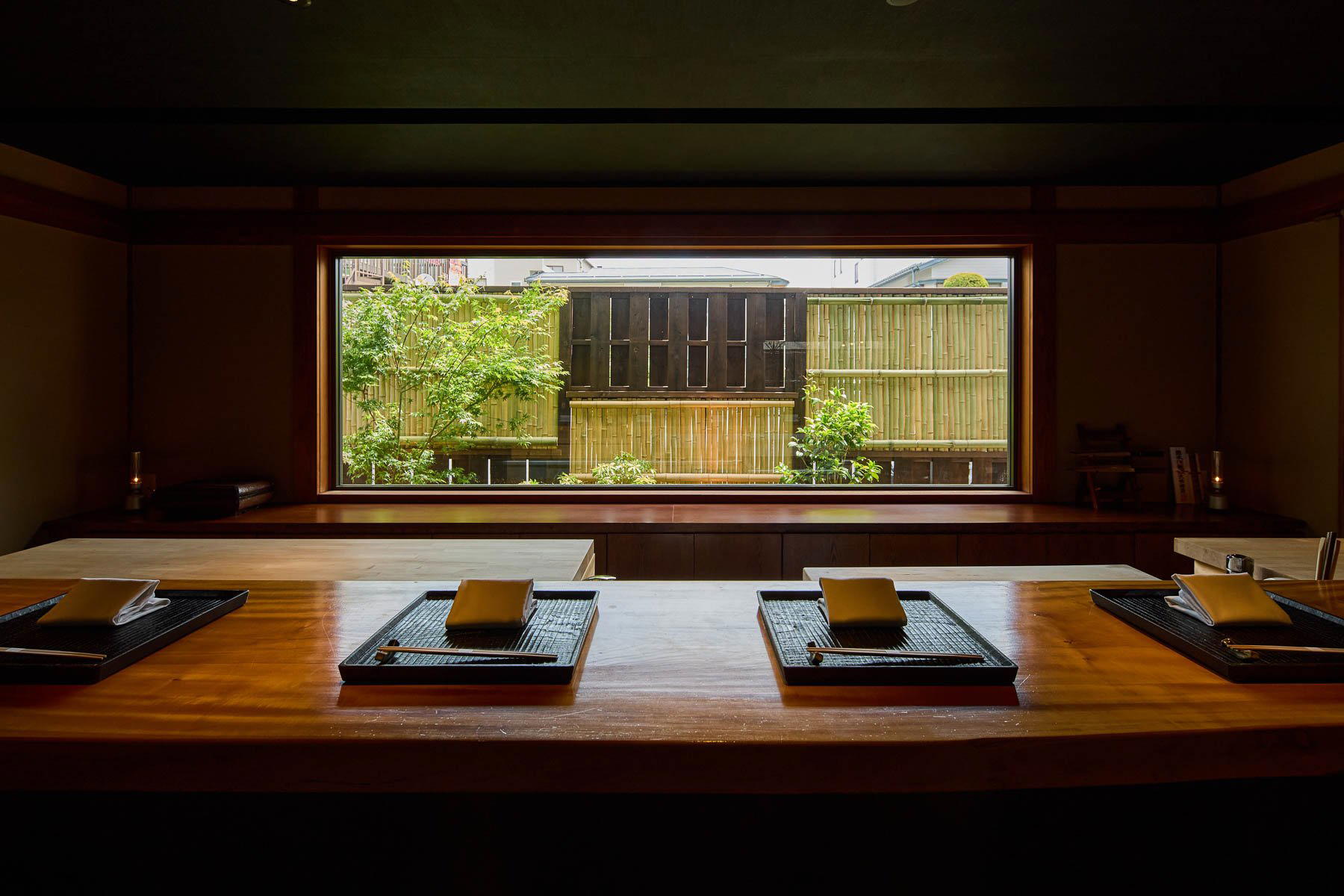
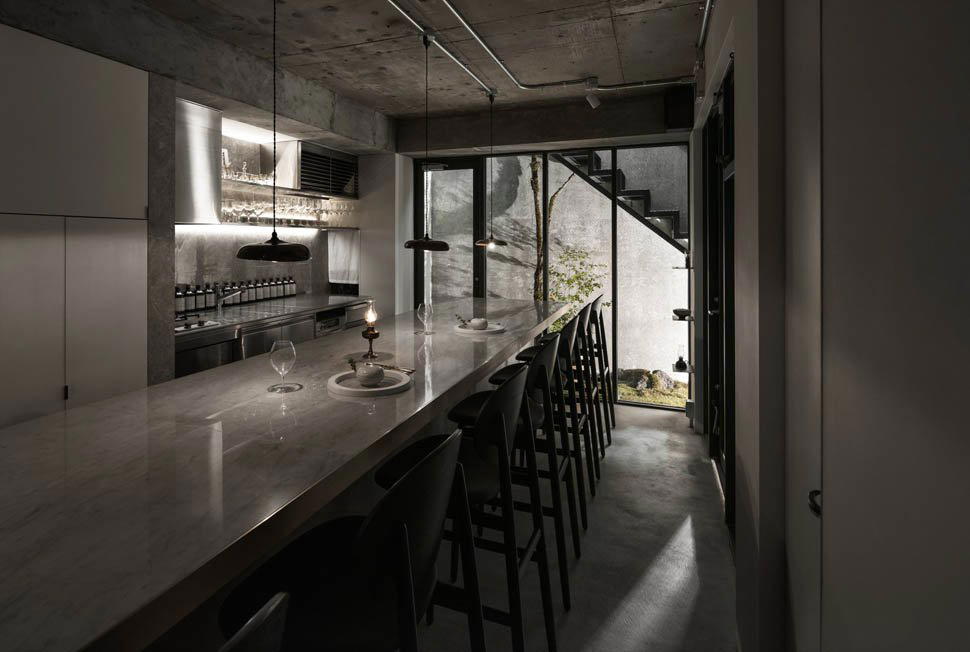
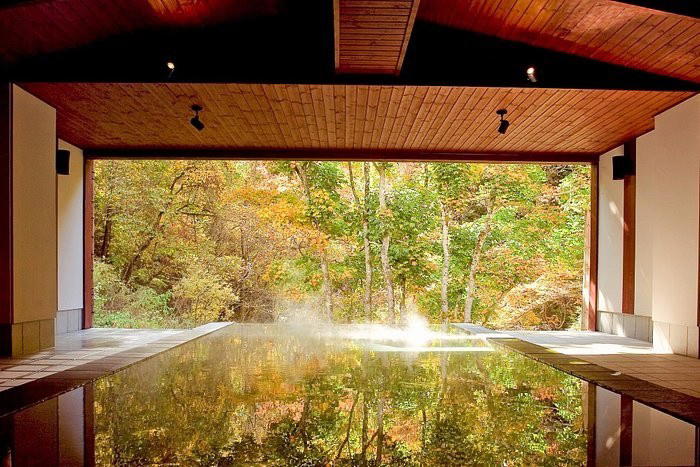
A warm, casual mountain dining room with a relaxed resort-restaurant feel and scenic highland setting.