Our verdict
NAMAIKI sits on Ginza-dori in central Tokushima, a city where the Yoshino River basin and Awa's agricultural hinterland place unusually good produce close to the kitchen door. The restaurant's address in Tokushima's compact dining corridor puts it alongside a small number of serious independent tables that look to regional sourcing as a structural commitment rather than a seasonal note.

Pearl is the En Primeur Club membership app — saves, bookings, and concierge access live there. Same editors, same standards.
The menu
What to order
- Iga beef raw/seared
- Roast beef salad
Tokushima's Table: What the Yoshino River Basin Puts on the Plate
There is a particular logic to serious dining in Tokushima that visitors from Osaka or Tokyo often miss on a first pass. The city sits at the mouth of the Yoshino River, one of the clearest fast-running rivers in Japan, and the prefectural hinterland — Awa — has been producing distinctive agricultural goods for centuries: Naruto kintoki sweet potatoes, sudachi citrus, Awa odori chicken, mountain vegetables from the Tsurugi range. For a kitchen that takes ingredient sourcing seriously, Tokushima is not a compromise posting. It is, quietly, one of the better-supplied positions in the Shikoku region. NAMAIKI occupies an address on Ginza-dori in central Tokushima, a compact commercial strip that functions as the city's most concentrated run of independent restaurants. That address places it inside a small but serious dining corridor where sourcing discipline and regional identity tend to define the better tables.
The Ginza-dori Setting
Tokushima's Ginza-dori is not a destination street in the way that, say, Kyoto's Gion quarter announces itself. It is a working city block, modest in scale, where the restaurants that matter tend to be found by recommendation rather than by foot traffic. NAMAIKI's position at number 20 puts it within this zone of low-key independent dining that Tokushima has built incrementally, without the international attention that has landed on comparable scenes in Fukuoka or Kyoto. That relative obscurity has, in practice, kept the local sourcing networks intact and the competitive pressure focused on quality rather than on spectacle. Tables in this part of Tokushima tend to draw from a loyal regional clientele, which shapes both the menu calendar and the relationship between kitchen and supplier. For visitors arriving from Osaka on the Tokushima Express or crossing from Kochi on the national highway, Ginza-dori is a ten-minute walk from the central station, accessible without being trafficked.
Ingredient Logic in the Awa Region
The case for Tokushima as a sourcing base is worth spelling out, because it explains why a number of independent kitchens in this city operate with a confidence that their counterparts in larger urban markets sometimes struggle to replicate. Shikoku's geography delivers variety in a compressed space: the Pacific coast to the south, the river plains in the centre, the Tsurugi mountain range to the west. That range puts seafood, rice-belt produce, and mountain forage within a single prefecture's supply radius. Sudachi, the small green citrus that is arguably Tokushima's most distinctive agricultural export, appears in regional cooking as both a seasoning and a finishing acid in ways that imported lemon or yuzu cannot quite replicate. Naruto kintoki sweet potatoes, protected under a regional GI designation, carry a density and sweetness that comes specifically from the sand-soil conditions near the Naruto Strait. When kitchens on Ginza-dori work with these ingredients at peak season, the result is cooking that is difficult to contextualise outside of Tokushima itself. This is the category of regional Japanese dining that tables like Gion Sasaki in Kyoto and Goh in Fukuoka have demonstrated can generate serious critical attention when the sourcing is treated as a structural commitment rather than a marketing position.
Where NAMAIKI Sits in Tokushima's Dining Tier
Tokushima does not yet have the Michelin infrastructure that Osaka, Tokyo, or Kyoto carry, which means the signalling systems that international travellers use to identify serious tables are less legible here. The city's restaurant tier is better read through a combination of address, tenure, and the kind of supplier relationships that only accumulate over time. Among the independent tables that make Tokushima worth a deliberate detour, Toraya Kochuan and 食士わたなべ represent different points on the city's dining range; NAMAIKI's Ginza-dori position places it within this same independent tier. For a fuller map of what Tokushima's restaurant scene offers across price points and formats, our full Tokushima restaurants guide is the more practical reference.
The broader Shikoku and western Japan circuit offers useful comparison points for understanding what regional sourcing at this level can produce. HAJIME in Osaka operates in the innovative French tier at the top of the national price range, while akordu in Nara demonstrates how European technique applied to Japanese regional produce can occupy a distinct critical position. Further afield, 龍泉 SORAE in Takamatsu, Tokushima's nearest Shikoku city of comparable size, provides a useful peer reference for how Shikoku regional kitchens are positioning in the current period. At the international end of the comparison range, the ingredient-obsessive sourcing discipline visible at Le Bernardin in New York City and the Korean regional sourcing model at Atomix in New York City illustrate how seriously the top tier of global dining takes provenance as a structural argument. Tokushima's independent kitchens are building that same argument from a different geographic starting point. Additional regional comparisons worth considering include Harutaka in Tokyo, Birdland in Sakai, Bistro Ange in Toyohashi, Blue Ocean Steak in Nakagami District, bodai in 那智勝浦町, Douze Miyajima in Hatsukaichi, 湖魚荘 in Takashima, and 羽根屋 in Nishikawa Machi, each anchored in regional produce with its own distinct character.
Planning a Visit
NAMAIKI's address, 20番地 Ginza, Tokushima 770-0916, is a ten-to-fifteen minute walk from Tokushima Station, or a short taxi ride from the central ferry terminal for those arriving by sea from Wakayama or Kobe. Tokushima is accessible by highway bus from Osaka in roughly two hours, making it a viable day trip from the Kansai region, though the city rewards an overnight stay, particularly during the Awa Odori festival period in August when regional produce and cultural programming converge.
Frequently asked questions
Is NAMAIKI a family-friendly restaurant?
The available information on NAMAIKI does not cover family-specific facilities such as children's menus or high chairs. The Ginza-dori address in central Tokushima is accessible and straightforward to reach from Tokushima Station on foot, which suits most group configurations. Contacting the venue directly before visiting with young children is advisable.
What kind of setting is NAMAIKI?
NAMAIKI sits on Ginza-dori, a working city block in Tokushima rather than a high-profile dining street. The address — 20番地 Ginza, Tokushima 770-0916 — places it within a ten-to-fifteen minute walk of Tokushima Station, making it a neighbourhood venue rather than a destination precinct. Tokushima's dining tier operates largely outside Michelin infrastructure, so independent kitchens here tend to signal quality through sourcing and local reputation.
Is NAMAIKI worth visiting if you're travelling to Tokushima from another part of Japan?
Tokushima remains outside the Michelin coverage that draws international travellers to Osaka or Kyoto, which means restaurants like NAMAIKI on Ginza-dori operate below most radar systems but within a city that has genuine sourcing credentials through the Awa region. The address at 20番地 Ginza, Tokushima 770-0916, is accessible from the central ferry terminal and Tokushima Station, making it a practical stop for visitors already in the city rather than a sole reason to travel from afar.
What's the must-try dish at NAMAIKI?
Tokushima's position at the mouth of the Yoshino River basin gives kitchens in this city access to distinct Awa-region produce, which shapes menus at independent restaurants on Ginza-dori.
Where exactly is NAMAIKI?
NAMAIKI is located at 20çªå° Ginza, Tokushima, 770-0916, Japan, Tokushima.
Quick Comparison
Comparable venues nearby, for context on price, style, and recognition.
| Venue | Cuisine | Price | Awards | Notes |
|---|---|---|---|---|
| NAMAIKIThis venue (the venue you are viewing) | Meat Kappo Bar | $30–50 | Not listed | Not listed |
| 食士わたなべ | Traditional Japanese Kaiseki | $50–100 | Not listed | 籠屋町 |
| Ponzu | Yakitori & Izakaya Dining | $30–50 | Tabelog 100 #78 | Tokushima |
| Izakaya Harubo | Seafood-focused Japanese Izakaya | $30–50 | Tabelog 100 #21 | Akitamachi / Chuodori, Tokushima |
| Teuchi Soba Yusan | Traditional hand-made soba | $10–20 | Tabelog 100 #57 | Tokushima-shi Hachimancho Kaminagaya |
| Toraya Kochuan | Traditional Kaiseki | $100–150 | Tabelog Bronze #470 | Sanagochi-son |
Continue exploring
More in Tokushima
Restaurants in Tokushima
All restaurants in Tokushima →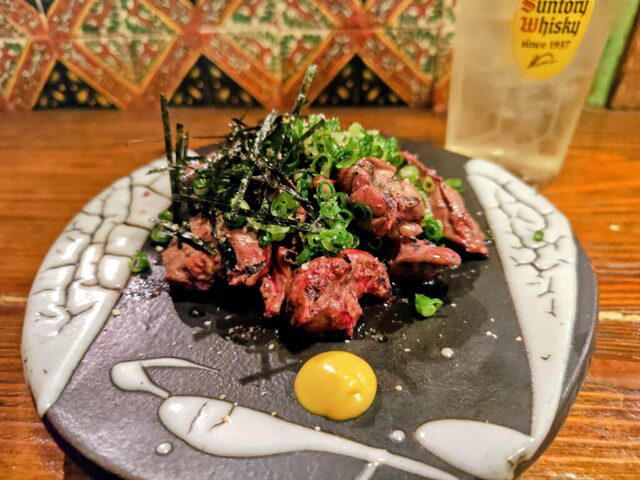
Hotels in Tokushima
Browse all →
Details
- Elegant
- Relaxed
- Date Night
- Group Dining
- Business Dinner
- Private Dining
- Sake Program
- A La Carte
- Small Plates
- Sake
- Shochu
- Wine
- Cocktails
Current opening hours
- Monday
- 6 PM–12 AM
- Tuesday
- Closed
- Wednesday
- 6 PM–12 AM
- Thursday
- 6 PM–12 AM
- Friday
- 6 PM–12 AM
- Saturday
- 6 PM–12 AM
- Sunday
- 6 PM–12 AM
Hours can change for holidays and private events. Last verified .
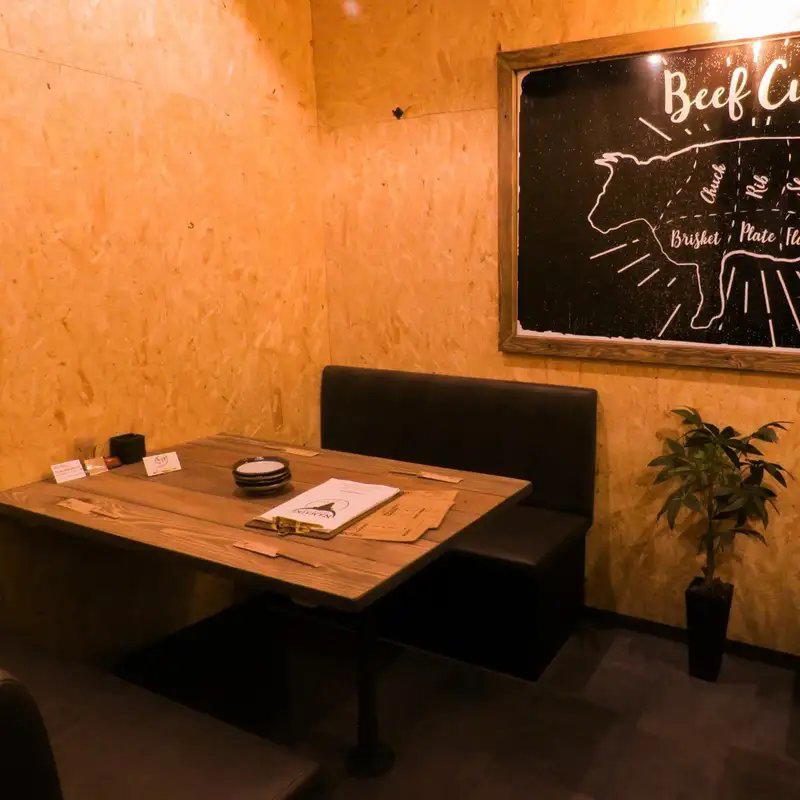
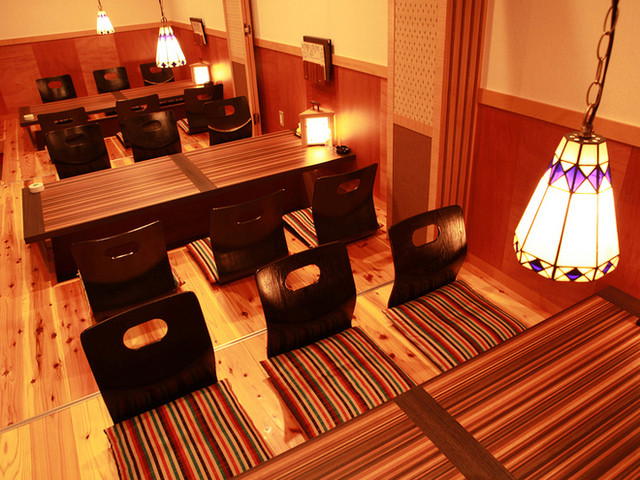
Stylish and relaxing space featuring spacious seating, couple seating, sofa seating, and counter seating with beautiful decor and great music.