
Tabelog 100 #33
Our verdict
Gyoza Ya is a compact Takamatsu dumpling counter built around a narrow gyoza-only format rather than a broad izakaya menu. Its 2024 selection for Tabelog 100 Dumplings and 3.68 Tabelog score place it within Japan’s serious specialist-dumpling conversation, while the small counter setting keeps the experience closer to everyday local eating than destination dining theatre.

Pearl is the En Primeur Club membership app — saves, bookings, and concierge access live there. Same editors, same standards.
- Address
- 3-1 Furubabacho, Takamatsu, Kagawa 760-0045, Japan
- Phone
- +81 90-9773-9860
- Hours
- Mon–Sat 5 PM–12 AMSun 5–10 PM
- Website
- ku-zou.com
- Directions
- Get directions
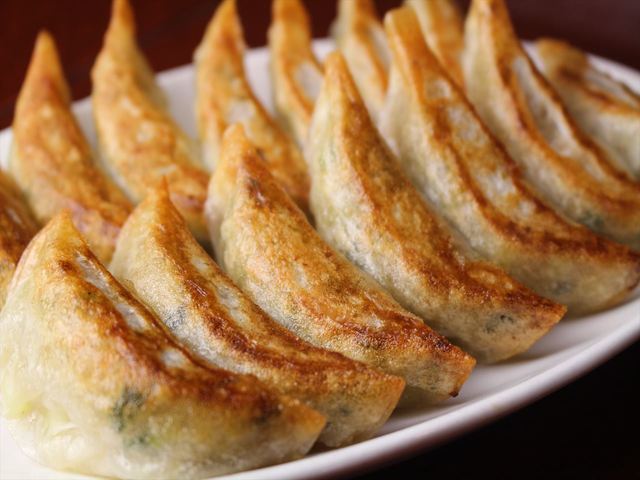
Takamatsu’s evening dining rhythm is compact and practical: small signs, narrow shopfronts, quick decisions, and meals that often begin after work rather than after ceremony. In that setting, Gyoza Ya reads as part of a Japanese specialist tradition that rewards repetition over range. The room is presented through a focused dumpling identity, and the point is not a sprawling occasion but a clearly defined format strong enough to earn national recognition.
That matters in Kagawa, where many visitors arrive with udon already fixed in mind. Takamatsu’s food identity is often mapped through wheat noodles and casual counters, including places such as Teuchi Udon Tsurumaru and Udonya Goemon. Dumplings offer a different lens on the city: less pilgrimage-like than sanuki udon, more tied to everyday eating, quick meals, and the Japanese habit of turning one familiar food into a discipline.
A dumpling specialist in a city better known for udon
Japan’s gyoza culture sits between Chinese inheritance and postwar Japanese adaptation. The familiar yaki-gyoza format, pan-fried with a crisp base and steamed interior, became a democratic comfort food: beer-friendly, quick to serve, and suited to compact urban kitchens. The specialist shop is the serious end of that tradition. It asks the kitchen to be judged on dough, filling, wrapping, heat control, and turnover rather than on the breadth of a general restaurant menu.
Gyoza Ya’s appeal rests on that narrow reading of dumplings as a category worth seeking out in its own right. In gyoza, freshness and timing change the eating structure: the skin needs enough tensile strength to hold, the filling needs moisture without collapse, and the pan work has to produce contrast without turning the wrapper brittle. A dumpling-focused address lives or dies by those small calibrations.
The recognition gives the format weight beyond neighbourhood affection. Selection for Tabelog 100 Dumplings 2024 places the shop in a national category devoted to dumpling specialists rather than a general restaurant list. A 3.68 Tabelog score is also meaningful in Japan’s rating culture, where scores tend to move conservatively and category specialists often compete on tiny margins. This is not fine dining validation; it is more useful than that for this kind of address. It signals that the fundamentals have been judged against other dumpling rooms, not against unrelated luxury restaurants.
Why the format works for Takamatsu's evening circuit
Takamatsu has a dining map with sharp price and format contrasts. The city can move from low-cost noodle counters to broader restaurant rooms such as Jidori Labo, Osteria enne, or Ryobo, while casual late eating remains anchored by compact specialists and simple, repeatable pleasures. Compared with Teuchi Udon Tsurumaru or Udonya Goemon, a dumpling stop asks for a different appetite: less about the daytime noodle trail, more about a short, salty, cooked-to-order meal in the evening.
That is the useful way to read Gyoza Ya. It is not trying to compete with the city’s broader restaurants on breadth. It belongs in the same mental itinerary as single-focus places across Japan, where confidence comes from omission. There is no chef biography to decode and no tasting-menu arc to explain from the available record. The cultural interest is the constraint itself: a small-scale dumpling address and enough reputation around that food to make the format feel purposeful.
The practical implications follow from the category. A dumpling-led meal is narrow by design, so mixed groups should treat it as a focused stop rather than a catch-all dinner. The setting is best understood as casual and direct, with the strongest case remaining dine-in immediacy: dumplings lose their edge as they cool, and specialist shops are built around the short distance from pan to plate.
How to place it within a Takamatsu food day
The smarter Takamatsu itinerary does not treat every meal as udon research. Use the noodles where they belong, then leave room for categories that show how locals actually eat outside the tourist frame. Pair a daytime noodle stop with an evening dumpling specialist, or build a low-key crawl around Takamatsu. For broader planning, our full Takamatsu restaurants guide gives the city’s restaurant spread, while our full Takamatsu hotels guide, our full Takamatsu bars guide, our full Takamatsu wineries guide, and our full Takamatsu experiences guide help shape the rest of the trip.
Within the city’s casual dining field, the comparison is not only with udon. Other Takamatsu dining rooms show the city’s everyday restaurant range through different comfort-food structures, price points, and levels of formality. Seen against that backdrop, Gyoza Ya is a category specialist with a clear editorial reason to be on a serious eating map: it gives dumplings the same single-minded treatment that Kagawa visitors often reserve for noodles.
For readers using Japan as a wider food itinerary, the appeal sits in a recognizable national pattern. Small-format specialists appear across cities and price tiers, often proving that a tightly defined format can be more memorable than a long menu. Takamatsu’s version is smaller in feeling than the city’s broader restaurant scene, more direct than a destination tasting room, and more local in usefulness, which is exactly why it belongs beside the udon trail rather than beneath it.
Frequently asked questions
What price level is Gyoza Ya?
Pricing at Gyoza Ya is listed as JPY 1,000 - JPY 1,999.
How do I find Gyoza Ya?
Gyoza Ya is located in Takamatsu.
What's the standout thing about Gyoza Ya?
The defining detail is the format: a dumpling specialist in Takamatsu. It was selected for Tabelog 100 Dumplings in 2024, which gives the room more than local curiosity value.
Can Gyoza Ya accommodate dietary restrictions?
The provided location information should be treated simply as Takamatsu for planning purposes.
Cost and Credentials
Side-by-side context: comparable cuisine and price.
| Venue | Cuisine | Price | Awards | Notes |
|---|---|---|---|---|
| Gyoza YaThis venue — the venue you are viewing | Gyoza specialty shop | $10–20 | Tabelog 100 #33 | Not listed |
| Udonya Goemon | Late-night Sanuki udon & black curry udon | $10–20 | Tabelog 100 #56 | Takamatsu, Late-night Sanuki udon & black curry udon |
| Shinpei Udon | Sanuki udon noodle shop | $10–20 | Tabelog 100 #33 | Takamatsu, Sanuki udon noodle shop |
| Teuchi Udon Fugetsu | Traditional Sanuki Udon | Not listed | Tabelog 100 #62 | Takamatsu, Traditional Sanuki Udon |
| Mendokoro Wataya Takamatsu ten | Sanuki udon noodle shop | $1–10 | Tabelog 100 #3 | Takamatsu, Sanuki udon noodle shop |
| Chikusei Honten | Traditional Sanuki Udon | $1–10 | Tabelog 100 #69 | Takamatsu, Traditional Sanuki Udon |
Recognition history
Dated appearances from independent guides and award organizations, with the underlying list record or original source where available.
Tabelog 100 #33 · No. 33
Tabelog · Tabelog 100 - Dumplings - 2024
Continue exploring
More in Takamatsu
Restaurants in Takamatsu
Browse all →
Bars in Takamatsu
Browse all →


Details
- Cozy
- Lively
- Classic
- Solo
- Casual Hangout
- Late Night
- Standalone
- Beer Program
- A La Carte
- Counter Dining
- Beer
Current opening hours
- Monday
- 5 PM–12 AM
- Tuesday
- 5 PM–12 AM
- Wednesday
- 5 PM–12 AM
- Thursday
- 5 PM–12 AM
- Friday
- 5 PM–12 AM
- Saturday
- 5 PM–12 AM
- Sunday
- 5–10 PM
Hours can change for holidays and private events. Last verified .
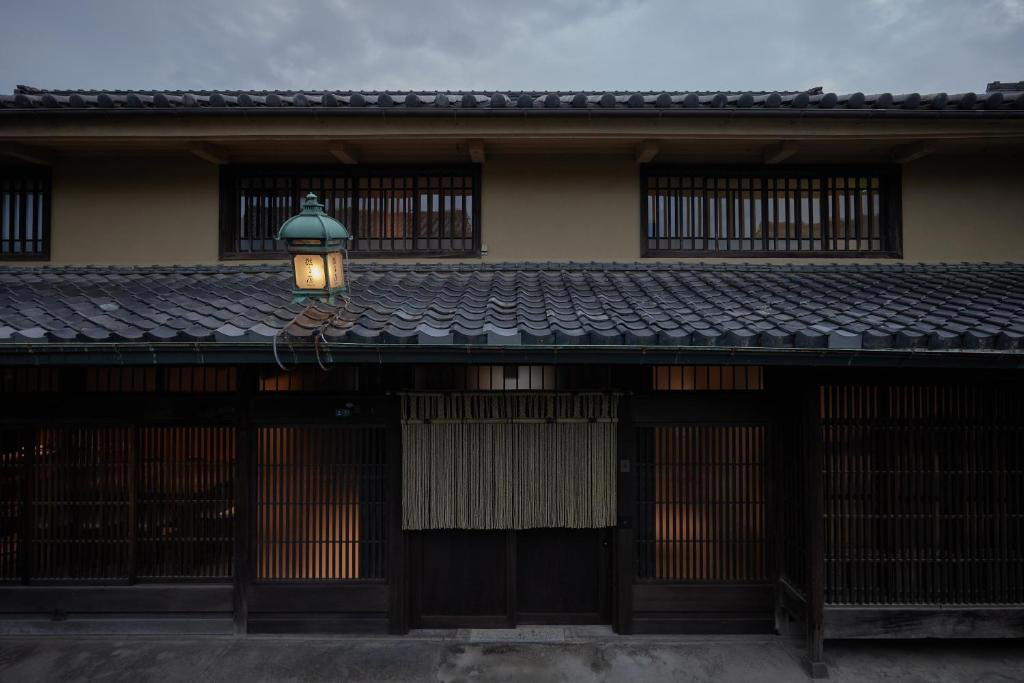
A small counter-style space tucked in a narrow alley, with simple classic decor, warm lighting, and a lively but relaxed atmosphere that feels like a neighborhood hideaway suited to solo diners.