Our verdict
食士わたなべ occupies a quiet address in Kagoyamachi, one of central Tokushima's older residential-commercial streets. Details on format, pricing, and cuisine style are sparse in public records, which itself signals the kind of low-profile operation that local regulars tend to protect. Visitors planning a trip should confirm hours and availability directly before travelling.

Pearl is the En Primeur Club membership app, where members save venues, book tables and use the concierge.
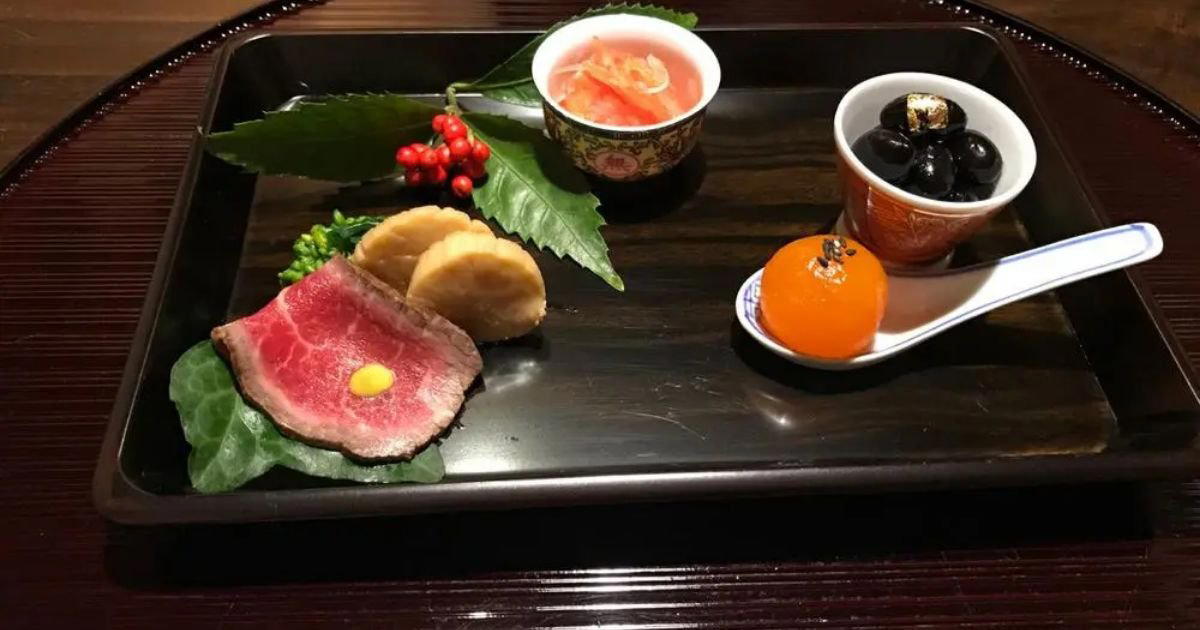
The menu
What to order
- アワビ、ホタテ、ウドの酒煮
- 厚揚げ、昆布、竹の子、木の芽
- マグロ有馬煮茶漬け
Kagoyamachi and the Tokushima Dining Register
Tokushima sits at an awkward remove from Japan's main dining circuits. Osaka is roughly two hours by express bus, Tokyo considerably further, and the Shinkansen does not reach Shikoku. That distance has shaped the prefecture's restaurant culture in a specific way: the venues that survive here do so on local loyalty rather than tourist throughput. The address in Kagoyamachi, a compact, mixed-use block in central Tokushima, is the kind of location that suits that model. It is not a dining district designed for visitors; it is a neighbourhood where people eat regularly and where a restaurant earns its standing over years rather than press cycles.
That context matters when approaching 食士わたなべ. The name itself uses the character 士, which carries connotations of craft, discipline, and a certain seriousness of purpose, a register more commonly found in traditional artisan trades than in casual eateries. Combined with the わたなべ surname reading, the naming convention suggests a chef-led operation rather than a group concept, though the available public record does not confirm specific details about format, cuisine type, or the person behind it. What can be said with confidence is that the address places it squarely within walking distance of Tokushima's central retail and transport core, making it accessible without being conspicuous.
The Cultural Weight of the Chef-Named Restaurant in Japan
Across Japan, the convention of naming a restaurant after its chef or proprietor carries specific meaning. It implies personal accountability for every plate, a structural commitment that differs fundamentally from branded or group-operated dining. This format appears at every price point, from neighbourhood teishoku counters to the rarefied tier occupied by restaurants like Harutaka in Tokyo or Gion Sasaki in Kyoto, where the proprietor's name functions as both brand and guarantee.
In smaller cities, this model takes on additional significance. Without the density of competition that forces constant reinvention in Tokyo or Osaka, a chef-named restaurant in a city like Tokushima can settle into a long relationship with its regulars, refining rather than pivoting, deepening rather than expanding. The comparison venues operating at the highest tier of Japanese cuisine, including HAJIME in Osaka and Goh in Fukuoka, demonstrate how regional cities outside Tokyo have developed serious dining identities on their own terms. Tokushima's food culture is less documented than those cities, but the prefecture's agricultural output, naruto kintoki sweet potatoes, sudachi citrus, Awa beef, gives any locally committed kitchen genuine raw material to work with.
Shikoku's culinary identity has historically been understated relative to its produce quality. The island's fishing grounds supply some of Japan's most prized bonito and bream; the mountain agriculture produces ingredients that appear on kaiseki menus in Kyoto and high-end counters in Tokyo. A restaurant operating in this environment, particularly one with a name structure suggesting chef ownership, has access to a supply chain that urban venues often pay a premium to source.
Positioning Within Tokushima's Restaurant Set
Tokushima's dining scene is smaller than Matsuyama or Takamatsu within Shikoku, and correspondingly less covered in international food media. Our full Tokushima restaurants guide maps these operations against each other by format and occasion.
The Kagoyamachi address positions 食士わたなべ in a part of the city that is neither the tourist-facing riverfront nor the nightlife concentration around Clement Plaza. It is a working neighbourhood address, and in Japan that typically correlates with a locally embedded operation rather than one calibrated for visitors. For travelling diners accustomed to the planning rhythms of Tokyo omakase counters, where Harutaka books months ahead and competition for seats is structural, the process for a Tokushima venue of this profile is likely to be more direct, though verification before travel is strongly advised given the absence of booking data in public records.
For broader context on how Japanese regional restaurants sit within their culinary traditions, the range of approaches visible at venues like akordu in Nara or 湖麺屋ロタス in Takashima illustrates how prefecture-level dining can anchor itself in local identity while engaging with wider culinary frameworks. The contrast with internationally exposed counters, Atomix in New York City or Le Bernardin in New York City, helps calibrate what a deeply local operation like this one is and is not attempting to do.
Planning a Visit
The practical information available for 食士わたなべ is limited. For a venue of this profile in a Japanese regional city, the most reliable approach is to ask a hotel concierge with local contacts to confirm availability, or to visit in person during likely service hours. Visitors arriving from Osaka should factor in the two-hour bus journey on the Tokushima Express; those combining the visit with broader Shikoku travel can reference our Tokushima guide for neighbourhood orientation. Diners who have found their way to comparably low-profile operations, bodai in 那智勝浦町 or 羽根屋 in Nishikawa Machi, will recognise the planning effort required and generally consider it appropriate to the reward.
Frequently asked questions
Can I bring kids to 食士わたなべ?
The Kagoyamachi address and chef-named format in Tokushima typically signal an intimate, focused operation where the room and pacing are built around adult dining. Younger children may find the setting and tempo difficult.
Is 食士わたなべ formal or casual?
In Japanese regional cities, attaching a proprietor's name to a restaurant is a deliberate signal: it places personal reputation behind every cover. At 1 Chome-33 Kagoyamachi, that convention points toward a composed, chef-led room rather than a casual neighbourhood spot. Dress conservatively and treat the reservation as a structured dinner rather than a drop-in meal.
Is 食士わたなべ worth travelling to Tokushima specifically for dinner?
Tokushima sits outside Japan's main food-media circuits, and chef-named restaurants in Kagoyamachi tend to attract a local and regional following rather than international coverage, which often means fewer competing reservations than equivalent venues in Osaka or Takamatsu. For travellers already visiting Shikoku, a meal at a proprietor-named counter in the city's established dining district is a reasonable anchor for the itinerary. Confirming format and availability directly with the venue before building a trip around it is advisable.
What's the best thing to order at 食士わたなべ?
Tokushima's produce strengths, sudachi citrus, naruto kintoki sweet potato, local Pacific bonito, tend to anchor serious kitchens in the prefecture, so a chef-led operation in Kagoyamachi would have strong reason to work with at least some of these ingredients. Ask at the time of booking what the kitchen is currently focused on.
Where exactly is 食士わたなべ?
食士わたなべ is located at Japan, 〒770-0914 Tokushima, Kagoyamachi, 1 Chome−33, Tokushima.
Price Lens
Comparable venues nearby, for context on price, style, and recognition.
| Venue | Cuisine | Price | Awards | Notes |
|---|---|---|---|---|
| 食士わたなべThis venue (the venue you are viewing) | Traditional Japanese Kaiseki | $50–100 | Not listed | Not listed |
| NAMAIKI | Meat Kappo Bar | $30–50 | Not listed | Ginza, Meat Kappo Bar |
| Shokurakuen | Japanese Yakiniku / BBQ | Not listed | Tabelog 100 #24 | Minami-Nakano-cho, Japanese Yakiniku / BBQ |
| Toraya Kochuan | Traditional Kaiseki | $100–150 | Tabelog Bronze #470 | Sanagochi-son, Traditional Kaiseki |
| Ishikawa Shoten | Yakitori & chicken dishes | Not listed | Tabelog 100 #79 | Not listed |
| Tori Bon Tokushima honmachi ten | Traditional Yakitori & Chicken Dishes | $30–50 | Tabelog 100 #43 | Tokushima Honmachi, Traditional Yakitori & Chicken Dishes |
Continue exploring
More in Tokushima
Restaurants in Tokushima
All restaurants in Tokushima →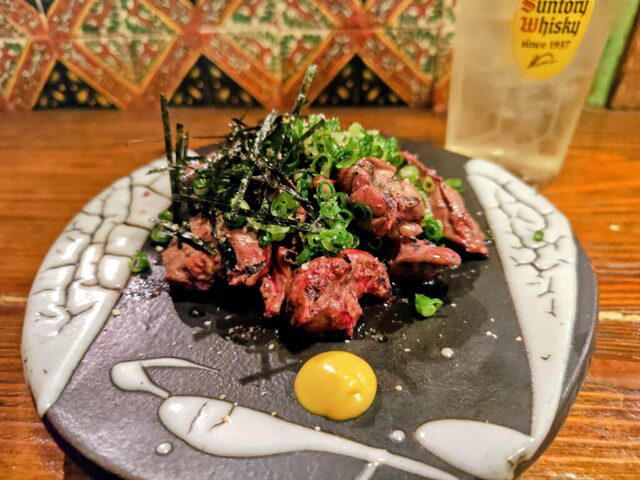
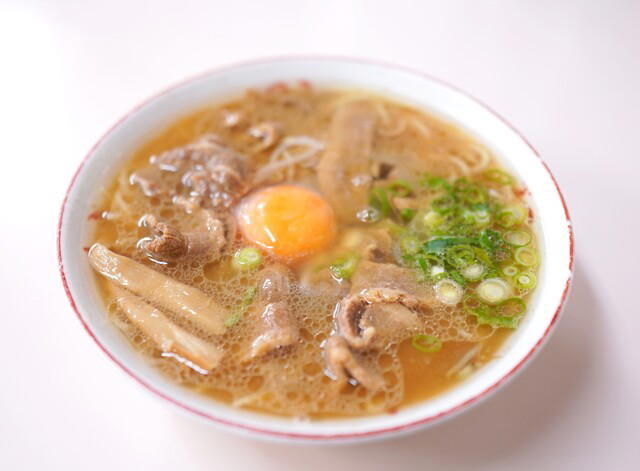
Hotels in Tokushima
Browse all →
Details
- Cozy
- Rustic
- Intimate
- Date Night
- Special Occasion
- Sake Program
- Set Menu
Current opening hours
- Monday
- 12–2:30 PM, 6–10 PM
- Tuesday
- 12–2:30 PM, 6–10 PM
- Wednesday
- Closed
- Thursday
- 12–2:30 PM, 6–10 PM
- Friday
- 12–2:30 PM, 6–10 PM
- Saturday
- 12–2:30 PM, 6–10 PM
- Sunday
- 12–2:30 PM, 6–10 PM
Hours can change for holidays and private events. Last verified .
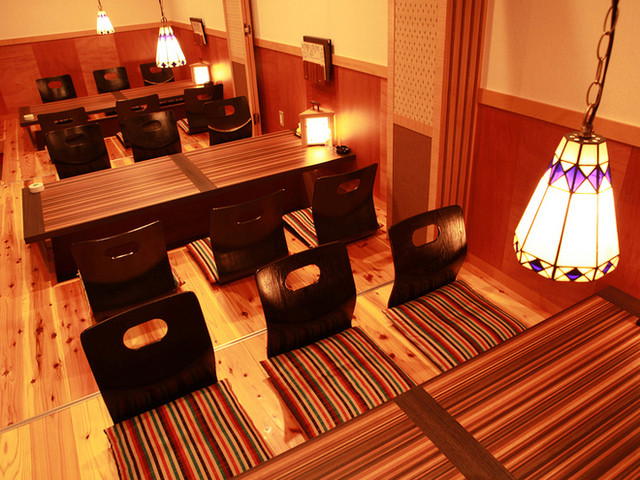
Cozy and atmospheric with preserved warehouse walls, pillars, and beams creating an intimate, traditional Japanese ambiance.