
Tabelog 100 #21
Our verdict
Izakaya Harubo sits in Tokushima’s fish-led tavern lane rather than the city’s ramen-and-snack shorthand. Its Tabelog 100 Izakaya WEST 2025 selection, seafood focus, sake and shochu program, counter seating, and private rooms make it a serious local choice for a relaxed evening built around regional catch and drinks.

Pearl is the En Primeur Club membership app — saves, bookings, and concierge access live there. Same editors, same standards.
The menu
What to order
- Kinmedai aburi sushi
- Assorted sashimi platter
- Awaodori chicken dishes
- Sakana no nitsuke (braised fish)
Tokushima’s evening rhythm suits an izakaya better than a formal dining room: small signs lit, workers and regulars moving toward fish, Japanese tavern cooking, and conversation rather than ceremony. In Tokushima, where the dining identity is often reduced from outside to festival timing and famous local dishes, the more useful reading is broader. The city’s stronger taverns treat seafood as the anchor for drinking and dining rather than a supporting category.
Izakaya Harubo belongs to that fish-first side of the city. The recognition that matters here is not a luxury guide star but selection for Tabelog 100 Izakaya WEST 2025, a list that places the room among a competitive western Japan tavern field. That distinction says something specific: this is not a novelty stop for visitors passing through Shikoku, but a local izakaya whose appeal depends on regular use, seafood-led cooking, and consistency across the kind of dinner where the food has to keep pace with the night.
Fish sets the pace in Tokushima's serious izakaya tier
The better izakaya tradition in regional Japan is not about breadth for its own sake. It is about knowing which ingredients can carry a night without turning the room into a tasting-menu performance. Here, the listed categories are izakaya, seafood, and Japanese cuisine rather than seafood as an add-on. That matters in Tokushima because the city’s dining map rewards places that understand the difference between drinking food and restaurant food: salt, texture, cut, heat, and pacing have to work with the table.
The format signals the same intent. A tavern with a seafood and Japanese-cuisine identity is operating in a different register from a casual fallback stop where the food is secondary. The appeal is not built around ceremony or a chef-led narrative; it is built around ordering by appetite, sharing plates, and letting the meal find its own pace. That flexibility is part of the izakaya form, and it is especially useful for diners who want a serious dinner without turning the evening into a fixed procession.
Tokushima’s comparison set helps define the decision. Shokurakuen, Ponzu, and Ishikawa Shoten each give diners other local reference points when building an izakaya or casual-dining shortlist. NAMAIKI adds another city comparison for travellers mapping Tokushima by mood and meal type. Izakaya Harubo occupies the slot where the bill remains izakaya-shaped, but the award signal and fish emphasis push the meal above a casual fallback.
A tavern room built for repeat drinking, not destination theatre
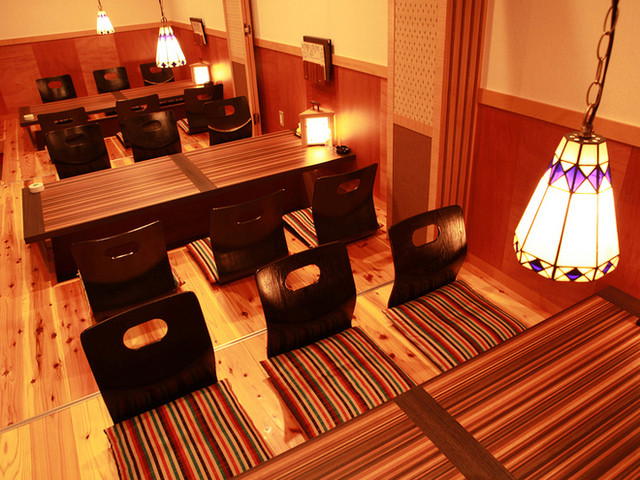
The room’s identity reinforces that reading. This is best understood as a local izakaya rather than a destination dining room built around spectacle: a place for straightforward meals, friends settling in over shared plates, and diners choosing a seafood-led tavern format without turning dinner into a banquet. This is the category’s strength. It can be social without becoming loud theatre, and serious about food without asking diners to behave as if every plate needs commentary.
That balance is why the venue’s 2025 selection carries weight. Tabelog 100 Izakaya WEST recognition places Izakaya Harubo in a noted award conversation for western Japan izakaya rather than relying on inflated praise or vague local reputation. For a regional izakaya, that kind of signal is useful: it suggests that ordinary service nights, local expectations, and the restaurant’s seafood-and-Japanese-cuisine positioning have enough consistency to register beyond Tokushima alone.
Readers mapping a fuller Tokushima food day should treat this as the evening fish-and-izakaya slot, not as an all-purpose city introduction. Other local specialties and casual meals have their own gravity elsewhere in Tokushima, while the broader city edit belongs in our full Tokushima restaurants guide. For planning beyond dinner, pair it with our full Tokushima hotels guide, our full Tokushima bars guide, our full Tokushima wineries guide, and our full Tokushima experiences guide.
How it fits a Japan-wide dining itinerary
For travellers moving through Japan, this is the kind of regional tavern that explains why eating outside the major cities pays off. Tokyo and Osaka concentrate technique and capital; smaller cities often make ingredient access and repeat local custom do the heavy lifting. A meal here belongs beside, not beneath, more specialised stops elsewhere: it offers the appeal of a seafood-led Japanese tavern in Tokushima rather than trying to imitate the capital’s destination formats or the more formal rooms that dominate many Japan itineraries.
The useful editorial call is simple: choose Izakaya Harubo when the night calls for fish, Japanese izakaya cooking, and a room with local momentum rather than a chef-led performance. Vegetarian diners should be more cautious, because the public positioning is seafood and Japanese tavern cooking, not plant-led dining. For broader routing, compare it with other regional dining in Tokushima and elsewhere in Japan without assuming that every meal needs the same level of formality. Tokushima rewards that kind of calibration: know which meal each room is built for, then let the city’s smaller scale work in its favor.
Frequently asked questions
Where exactly is Izakaya Harubo?
Tokushima.
What are the operating hours at Izakaya Harubo?
Operating hours are not provided in the available venue facts. Confirm directly with Izakaya Harubo before visiting.
How much does it cost to eat at Izakaya Harubo?
Pricing at Izakaya Harubo is listed as JPY 4,000 - JPY 4,999.
What's the standout thing about Izakaya Harubo?
Its strongest credential is the Tabelog 100 Izakaya WEST 2025 selection, which places it among the region’s noted izakaya. The other clear draw is its listed focus on izakaya, seafood, and Japanese cuisine in Tokushima.
Is Izakaya Harubo good for vegetarians?
It is not an obvious vegetarian address, since the venue is listed as an izakaya with seafood and Japanese cuisine. Vegetarians can call +81-88-678-6646 to ask how flexibly the kitchen can handle a meal at the JPY 4,000–JPY 4,999 price point.
A Quick Peer Check
Comparable venues by cuisine and price in the same metro.
| Venue | Cuisine | Price | Awards | Notes |
|---|---|---|---|---|
| Izakaya HaruboThis venue (the venue you are viewing) | Seafood-focused Japanese Izakaya | $30–50 | Tabelog 100 #21 | Not listed |
| Inotani Honten | Tokushima-style ramen | $1–10 | Tabelog 100 #82 | .null |
| Shokurakuen | Japanese Yakiniku / BBQ | Not listed | Tabelog 100 #24 | Minami-Nakano-cho |
| NAMAIKI | Meat Kappo Bar | $30–50 | Not listed | Ginza |
| 食士わたなべ | Traditional Japanese Kaiseki | $50–100 | Not listed | 籠屋町 |
| Ponzu | Yakitori & Izakaya Dining | $30–50 | Tabelog 100 #78 | Tokushima |
Recognition history
Dated appearances from independent guides and award organizations, with the underlying list record or original source where available.
Tabelog 100 #21 · No. 21
Tabelog · Tabelog 100 - Izakaya - WEST - 2025
Continue exploring
More in Tokushima
Restaurants in Tokushima
All restaurants in Tokushima →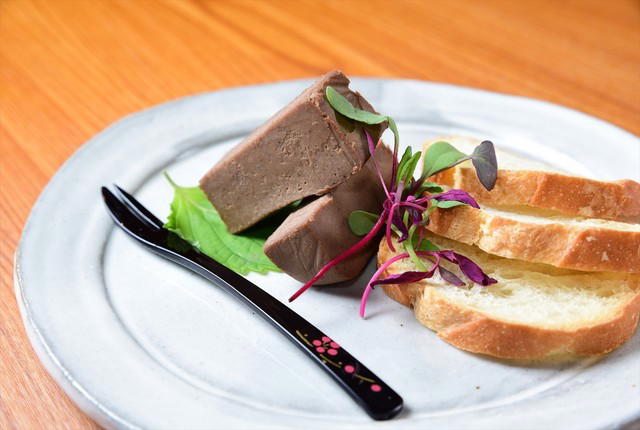
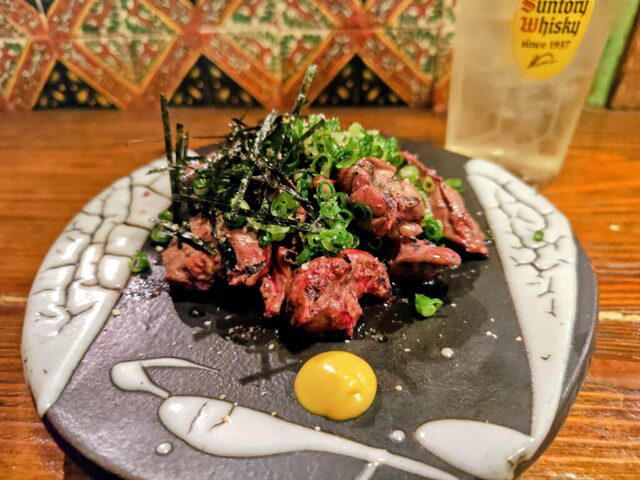
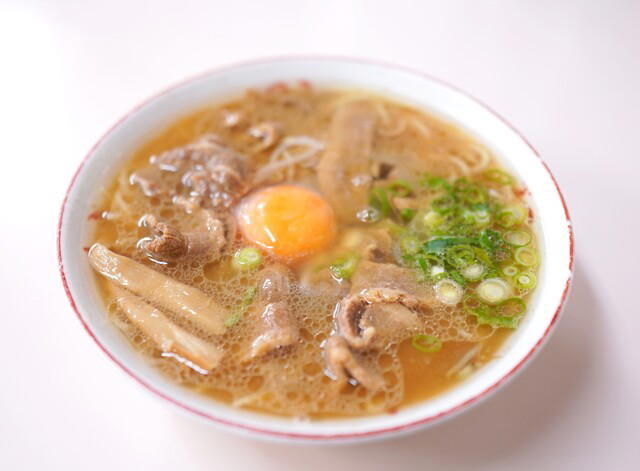
Hotels in Tokushima
Browse all →
Details
- Cozy
- Lively
- Intimate
- Group Dining
- After Work
- Casual Hangout
- Business Dinner
- Date Night
- Celebration
- Private Dining
- Standalone
- Chefs Counter
- Sake Program
- Beer Program
- Local Sourcing
- A La Carte
- Small Plates
- Counter Dining
- Set Menu
- Sake
- Shochu
- Beer
- Pescatarian Friendly
Current opening hours
- Monday
- Closed
- Tuesday
- 6–10:30 PM
- Wednesday
- 6–10:30 PM
- Thursday
- 6–10:30 PM
- Friday
- 6–10:30 PM
- Saturday
- 6–10:30 PM
- Sunday
- 6–10:30 PM
Hours can change for holidays and private events. Last verified .
Warm, relaxed izakaya with counter seats facing the open prep area and multiple small tatami and private rooms; lighting is comfortable rather than bright, giving a cozy, slightly bustling feel suited to dinners, drinking parties, and casual business entertaining.