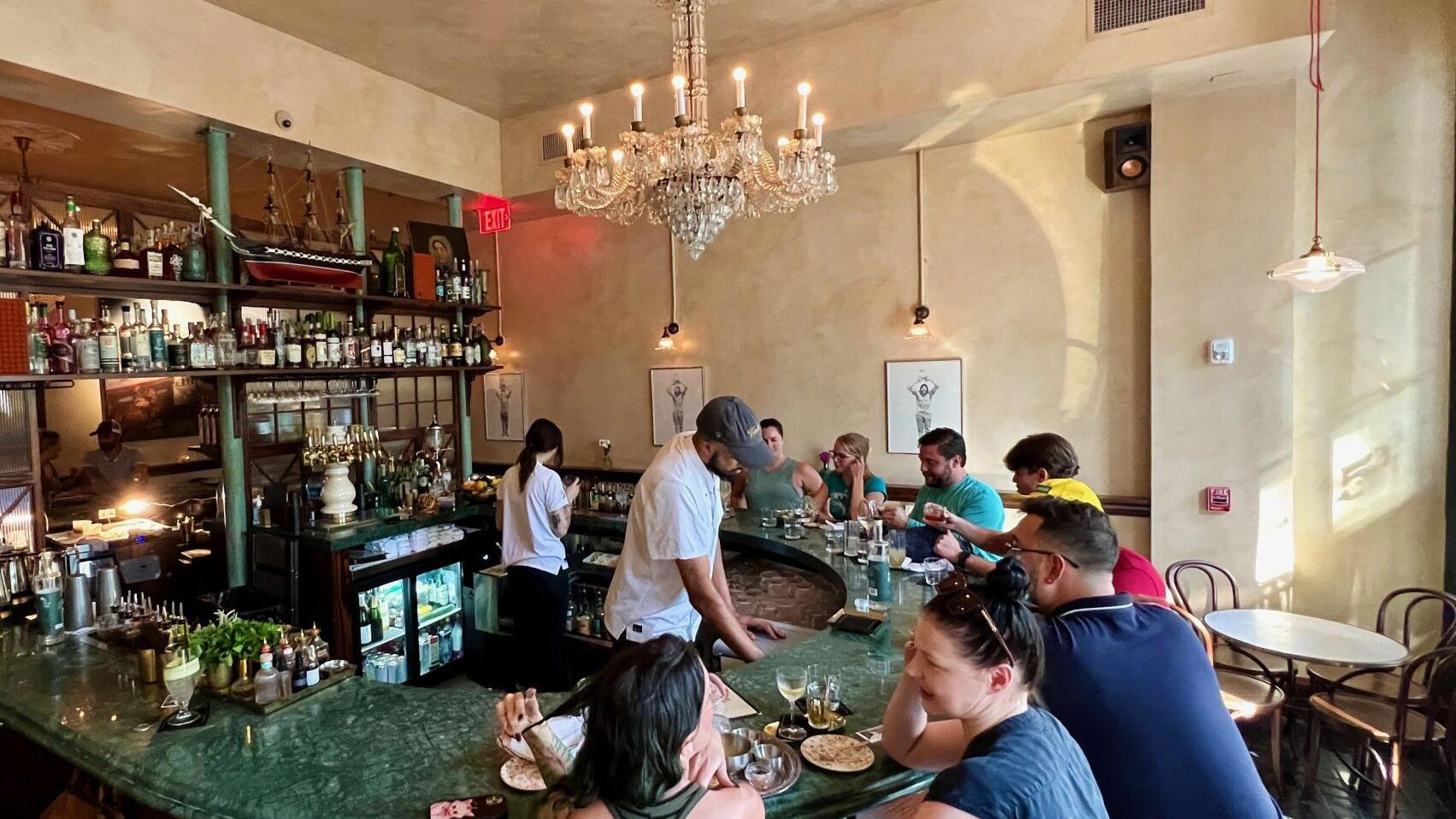
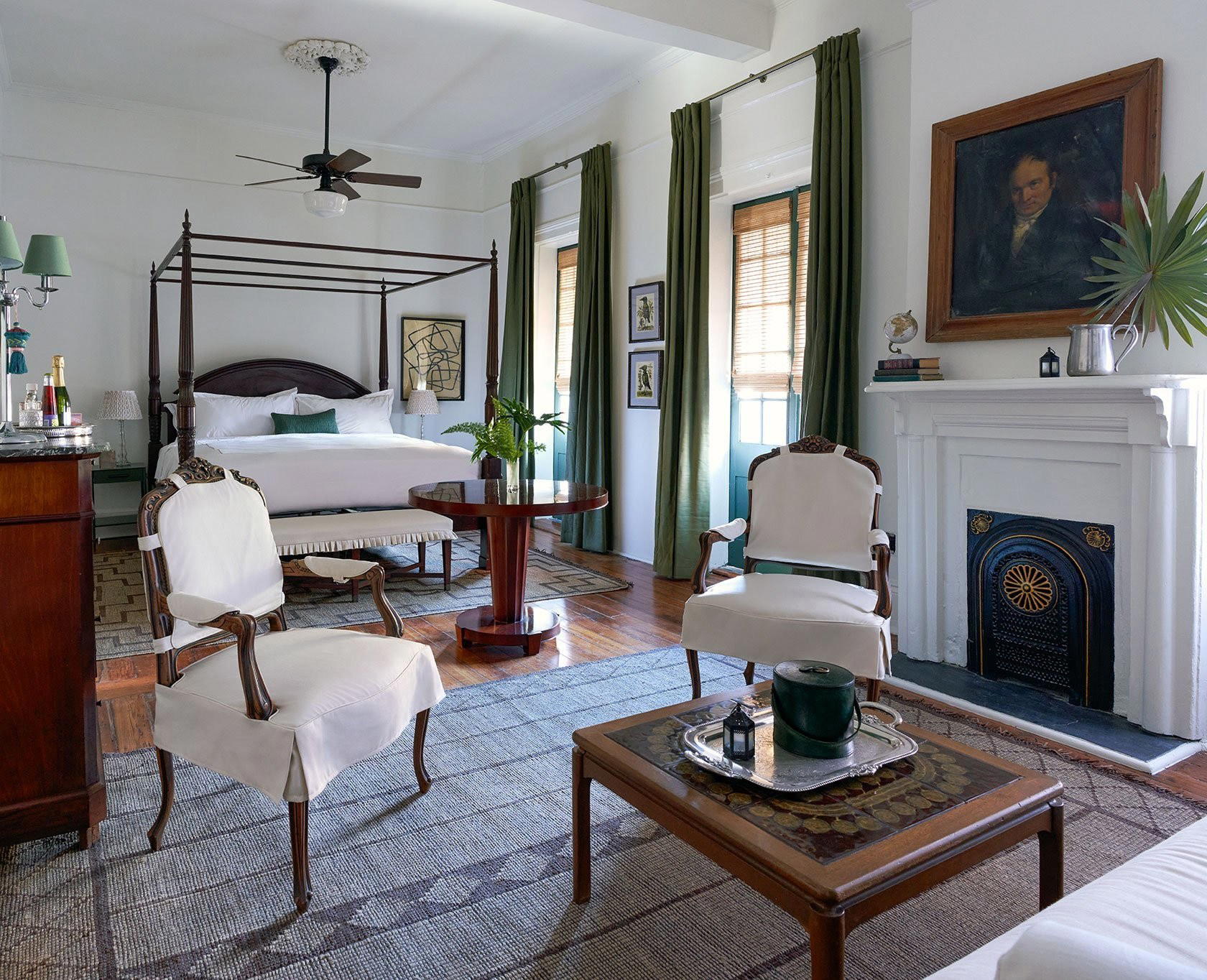
Located on Montegut Street in the Bywater, N7 operates from a converted space that sits at a considered distance from the French Quarter dining circuit. The room draws as much attention as the plate, positioning the venue within a tier of New Orleans restaurants where design and atmosphere carry deliberate weight alongside the cooking.
Pearl is the En Primeur Club membership app — saves, bookings, and concierge access live there. Same editors, same standards.
- Address
- 1117 Montegut St, New Orleans, LA 70117
- Website
- n7nola.com
- Directions
- Get directions
 Saves & bookings on Pearl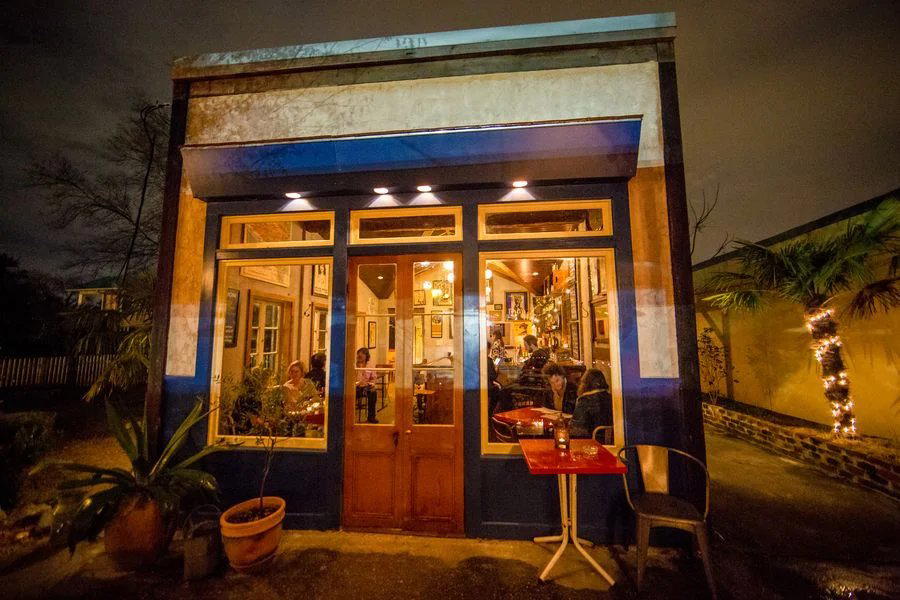
The Building Before the Menu
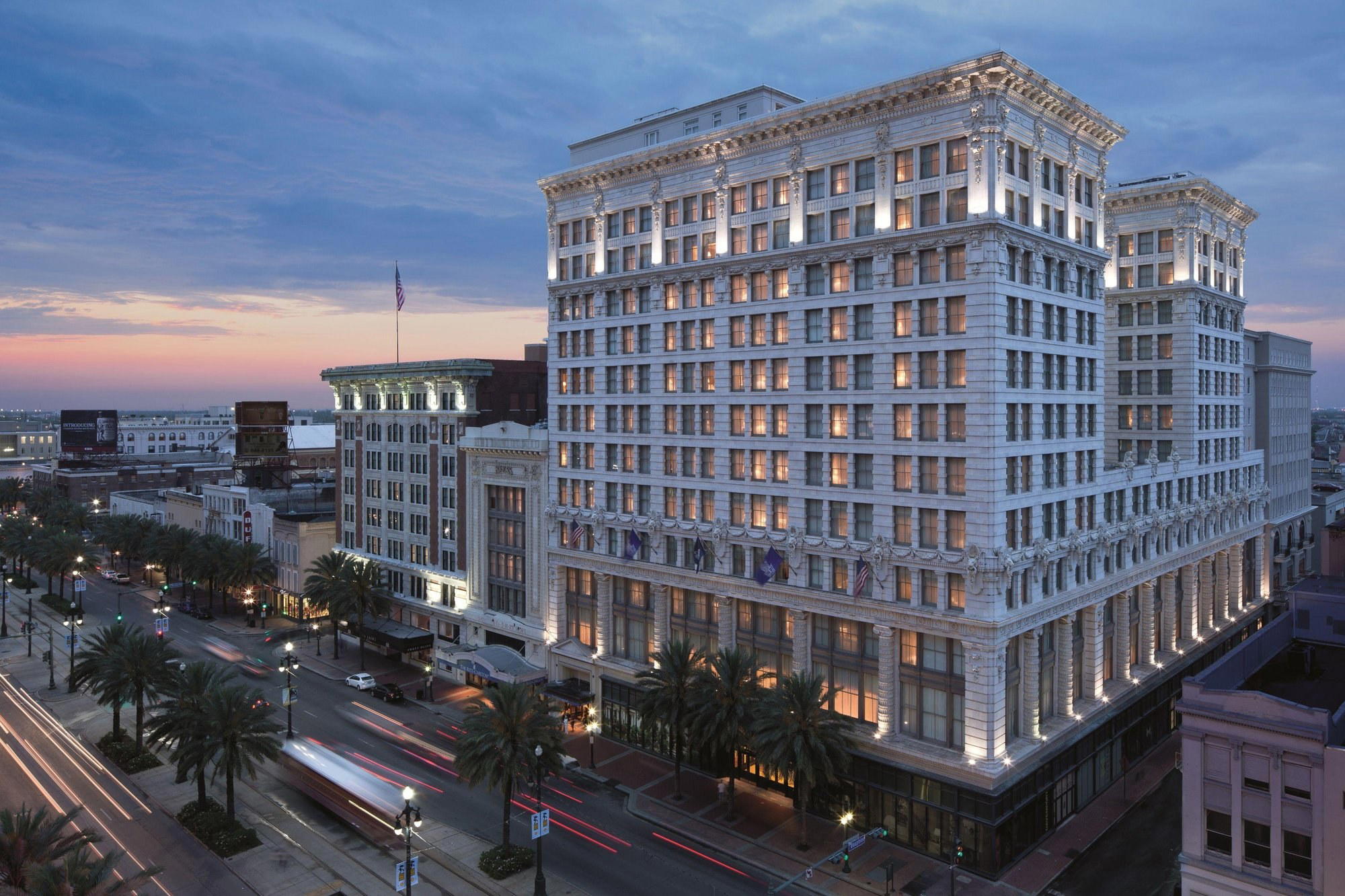
Montegut Street in the Bywater does not announce itself. The neighborhood sits downriver from the French Quarter, past the Marigny, in a stretch of New Orleans where converted warehouses and shotgun houses share blocks with art studios and corner bars. It is in this context that N7 operates, at 1117 Montegut St, and the address matters because it tells you something about the register of the experience before you ever open the door. Restaurants that choose the Bywater are making a statement about distance from the tourist circuit, and N7 reads as a deliberate exercise in that positioning. N7 is a restaurant in New Orleans' Bywater at 1117 Montegut St, serving French with Japanese influences at about $70 per person.
New Orleans has, over the past decade, developed a secondary dining tier that sits apart from the Canal Street and Warehouse District concentration. While venues like Emeril's anchor the city's established Cajun tradition and Bayona holds its place in the French Quarter's New American conversation, a cluster of younger, design-attentive rooms has formed in the neighborhoods that ring the Quarter. N7 belongs to this second tier, and the physical space is where that argument is made most clearly.
A Room Built for a Specific Atmosphere
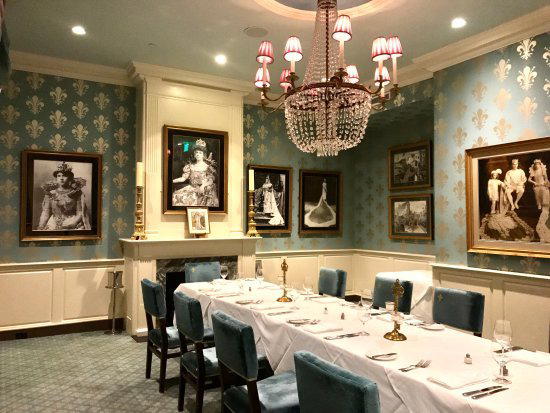
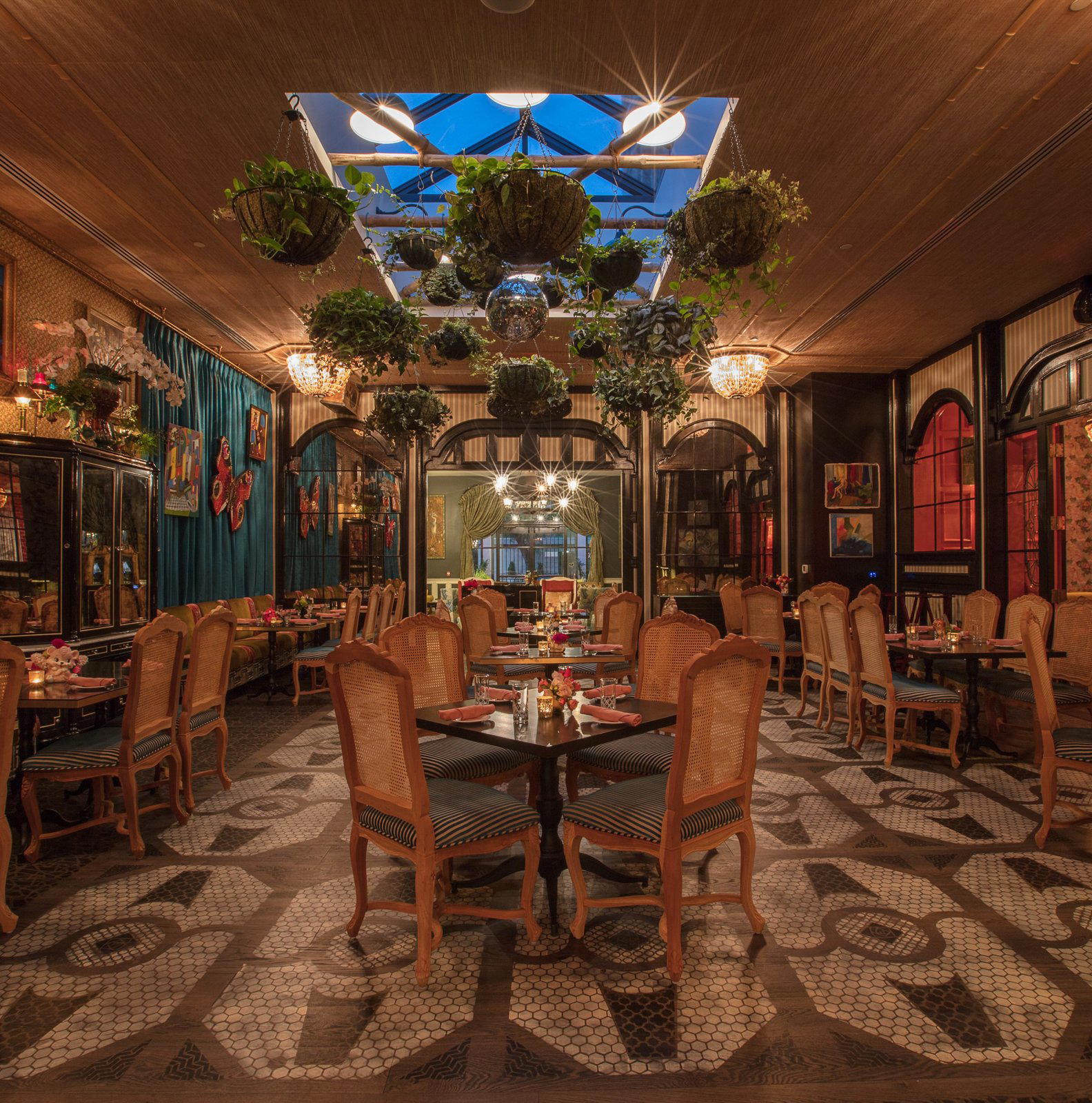
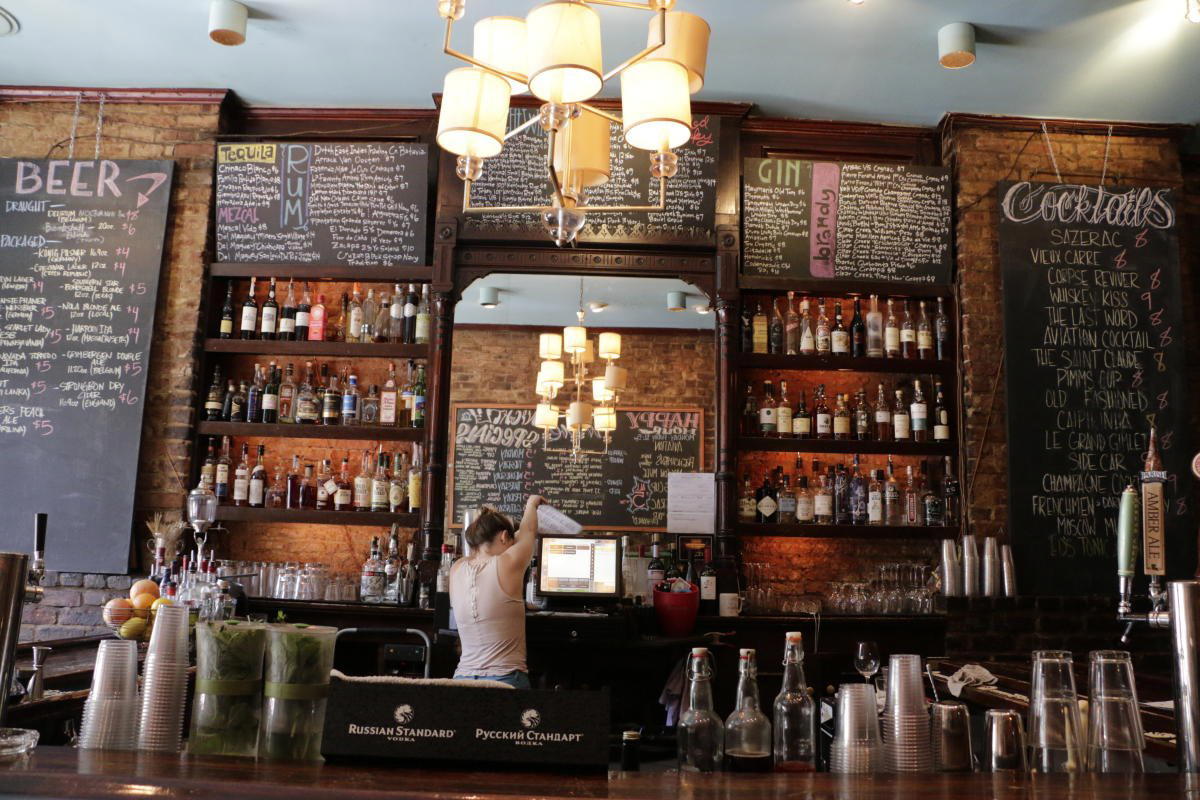
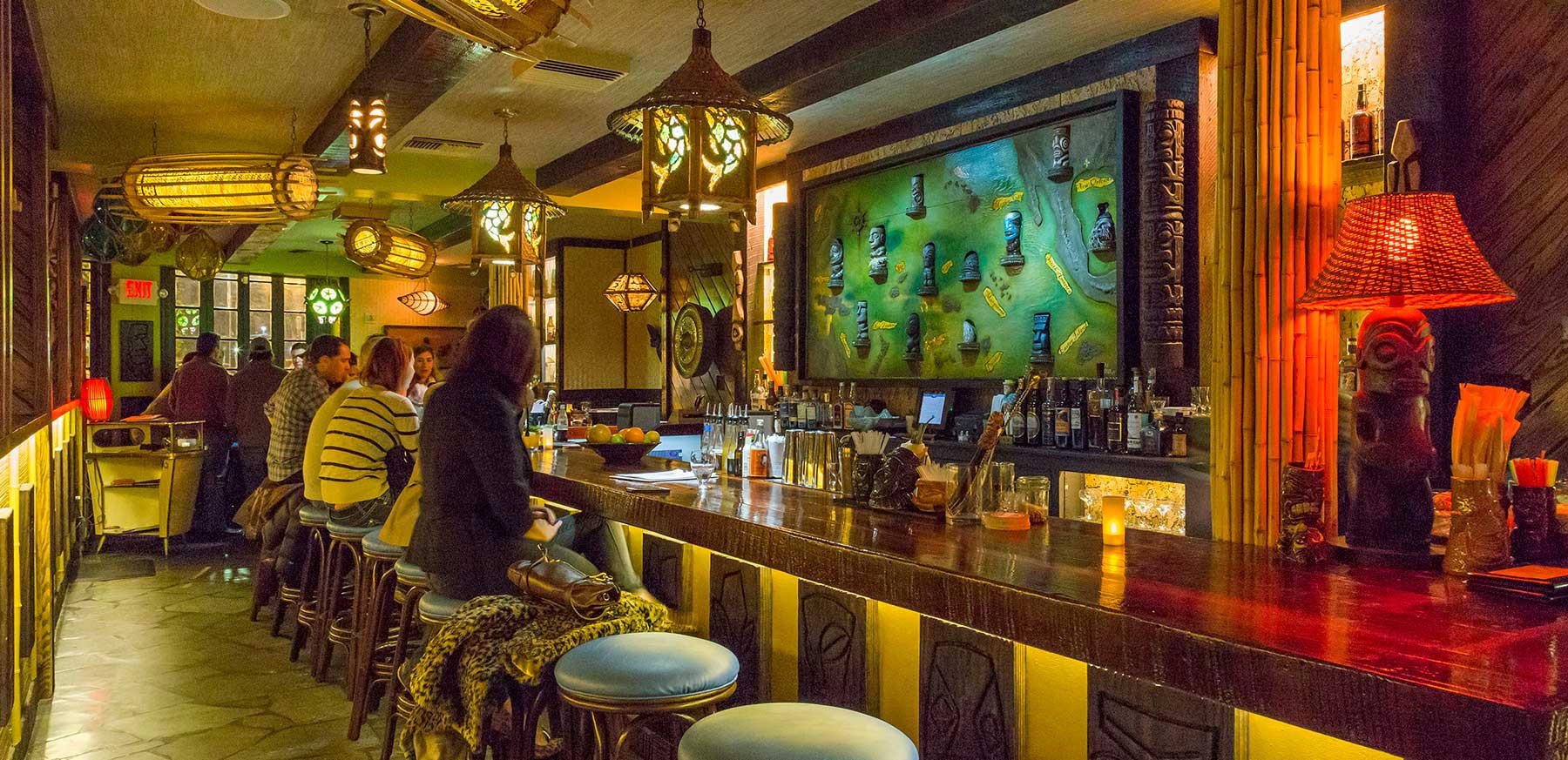
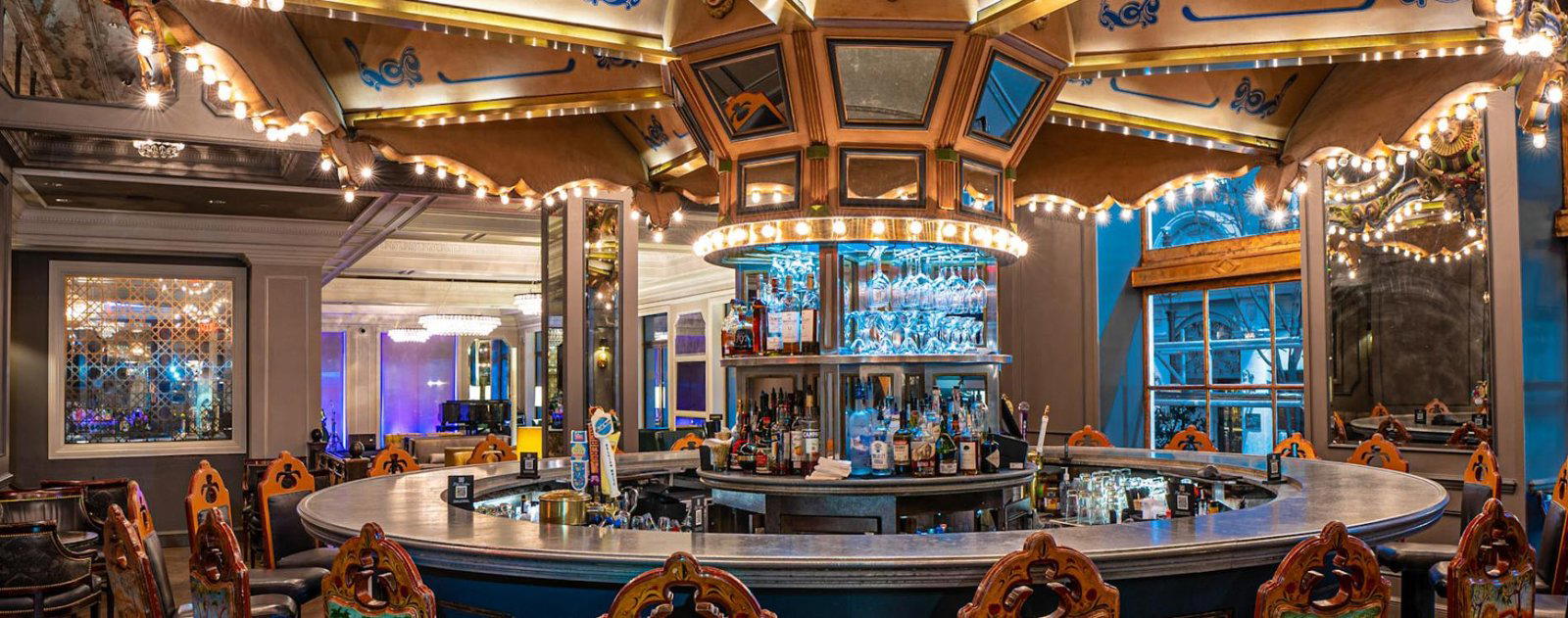
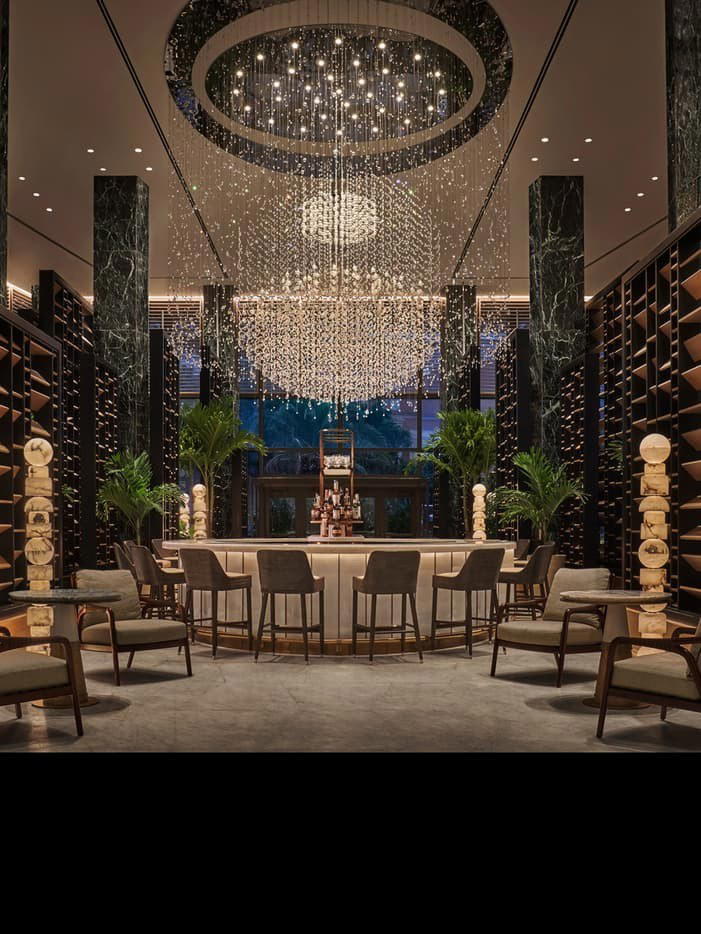
The design language of upper-tier independent restaurants in American cities has largely split into two camps: the stripped-back, raw-material aesthetic that signals seriousness without ornament, and the maximalist, curated-collector approach that treats the dining room as a cabinet of curiosities. N7 draws from the latter tradition. The room is frequently described in terms of its atmosphere as much as its food, which is its own signal: when a room commands that kind of attention, it is because the physical container has been treated as part of the proposition rather than background.
In cities like San Francisco, where Lazy Bear transformed a communal-table format into a ticketed dining event, or in Healdsburg, where Single Thread Farm built an entire experience architecture around the physical space as much as the menu, the room is the argument. N7 operates in a similar register for New Orleans, though at a scale more consistent with the Bywater's character than with the grand-room tradition of older French Quarter institutions.
Where N7 Sits in the New Orleans Dining Picture
New Orleans dining has always operated in tiers that are partially defined by neighborhood. Commander's Palace holds the Garden District's fine-dining anchor position. The French Quarter produces its own gravity around legacy Creole houses. The Warehouse District drew a wave of chef-driven rooms in the post-Katrina decade. The Bywater and Marigny represent the recent phase of that expansion, where the premium on space and lower rents allowed a different kind of restaurant to exist: smaller, more idiosyncratic, less dependent on the volume economics of the tourist economy.
N7 fits into this context not as an outlier but as a natural product of it. Restaurants in this part of the city compete on atmosphere, point of view, and the quality of the local following they can build. Compare that to the positioning of Saint-Germain or Re Santi e Leoni, two contemporary rooms operating in the higher price brackets of the New Orleans scene, and you start to map the terrain. N7 operates in a space where the design credentials carry as much weight as the tasting menu tier or the award count. For Zasu in the American Contemporary register, the comparison is instructive: the city now supports a range of independent rooms that command serious attention.
The Broader Context: Design-Led Dining in American Independents
The turn toward design as a primary signal in independent fine dining is well-documented in American restaurant culture. At Atomix in New York City, the physical presentation of each course is inseparable from the room's design logic. At Smyth in Chicago, the loft-like space carries a specific philosophical weight. Even at Blue Hill at Stone Barns in Tarrytown or The Inn at Little Washington, the physical environment is part of what the diner is paying for, in ways that differ meaningfully from a room where the food does all the work.
N7 participates in this broader American shift, but it does so from a Southern independent base rather than a major-market, multi-award platform. That distinction matters. Restaurants at Addison in San Diego or Frasca Food and Wine in Boulder have built sustained reputations through a combination of design attention, cooking rigor, and years in market. N7 operates in a smaller city with a more compressed comparable set, which means that the design investment in the room reads differently: less as competitive positioning against a national tier, more as a statement of intent to the city's own dining audience.
For international context, the turn toward deeply considered physical spaces in independent fine dining mirrors what rooms like Atelier Moessmer Norbert Niederkofler in Brunico or Le Bernardin in New York have long understood: the room frames the experience before the first course arrives, and a dining room that has been treated seriously communicates that seriousness to the guest before any food is served.
Planning Your Visit
N7 is located at 1117 Montegut St in the Bywater, a neighborhood that requires either a short cab or rideshare from the French Quarter or a considered walk through the Marigny. Reservations are advisable; rooms at this level of profile in smaller cities can move from accessible to difficult depending on season and press cycles. New Orleans sees its highest visitor concentration during Mardi Gras season and Jazz Fest, typically in late February through May.
Cuisine and Awards Snapshot
Comparable venues nearby, for context on price, style, and recognition.
| Venue | Cuisine | Price | Notes |
|---|---|---|---|
| N7This venue — the venue you are viewing | French with Japanese influences | $$$ | Not listed |
| MaMou | Modern French Brasserie | $$$ | French Quarter |
| Couvant | French-Southern Brasserie | $$$ | Central Business District |
| Café Normandie | Rustic French Bistro with Cajun Influences | $$ | Arts District |
| Broussard's | Classic French-Creole | $$$$ | French Quarter |
| Red Fish Grill | New Orleans Gulf Seafood Grill | $$$ | French Quarter |
Continue exploring
More in New Orleans
Restaurants in New Orleans
Browse all →
Bars in New Orleans
Browse all →
At a Glance
- Romantic
- Cozy
- Intimate
- Elegant
- Date Night
- Special Occasion
- Garden
- Open Kitchen
- Extensive Wine List
- Natural Wine
- Sake Program
- Natural Wine
- Garden
Current opening hours
- Monday
- 5–9 PM
- Tuesday
- 5–9 PM
- Wednesday
- 5–9 PM
- Thursday
- 5–9 PM
- Friday
- 11:30 AM–2:30 PM, 5–10 PM
- Saturday
- 11:30 AM–2:30 PM, 5–10 PM
- Sunday
- 11:30 AM–2:30 PM, 5–9 PM
Hours can change for holidays and private events. Last verified .
Cozy and romantic with indoor and outdoor garden seating, featuring a sweet vibe and pleasant courtyard atmosphere.