Couvant
Our verdict
Couvant occupies a considered address on Magazine Street, where New Orleans' multi-course dining tradition intersects with contemporary American ambition. The room signals seriousness without ceremony, and the meal is structured to move through a progression of courses rather than a simple parade of plates. For visitors already familiar with the city's canonical Creole institutions, this is where the next conversation starts.

Pearl is the En Primeur Club membership app, where members save venues, book tables and use the concierge.

The menu
What to order
- Shrimp and grits
- Panisse
- Duck confit and waffles
Magazine Street and the Architecture of Anticipation
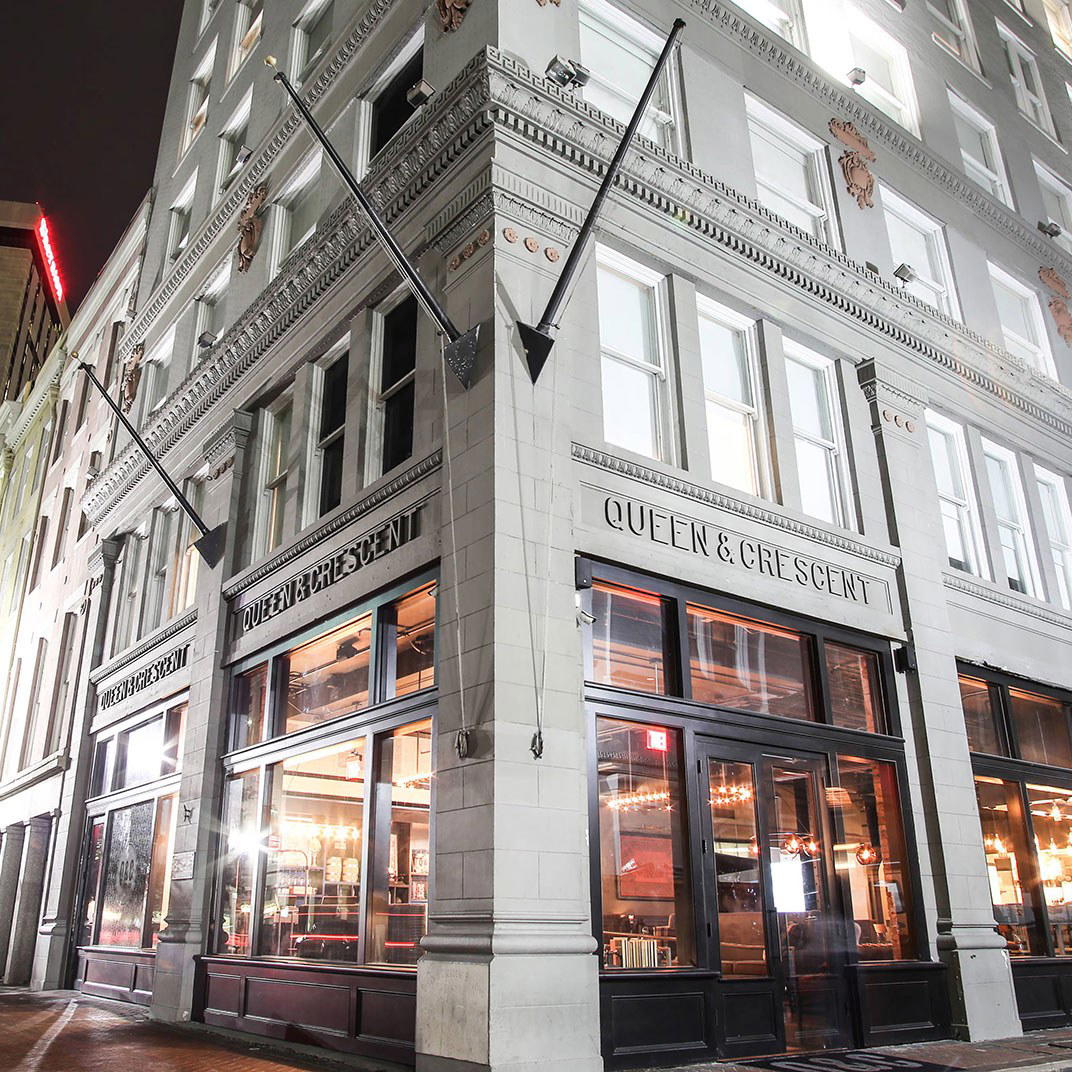
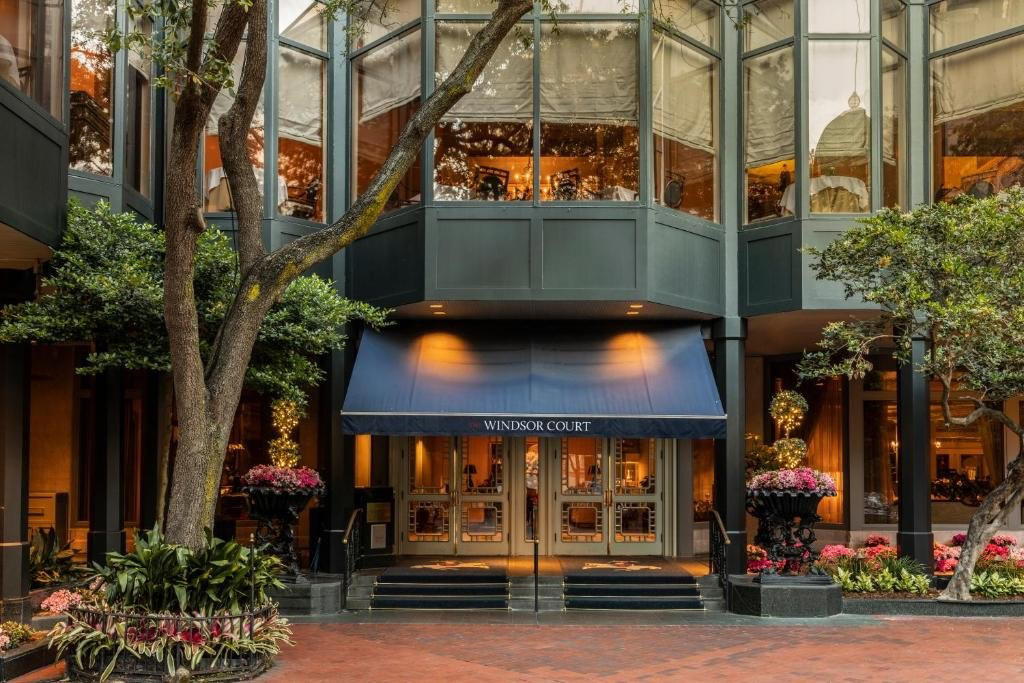
Magazine Street runs the length of Uptown New Orleans like a long argument about what the city is becoming. Antique shops, independent boutiques, and neighborhood bars anchor its character at the street level, but the stretch near the 300 block has quietly attracted a more considered dining culture. Couvant, at 315 Magazine St, sits within that current: a room that announces its intentions through physical environment before a single plate arrives. The approach to the entrance carries the weight of a city that has always treated the prelude to a meal as part of the meal itself.
New Orleans has long organized its serious dining around ritual. Commander's Palace built an institution on the dressed table and the deliberate pace. Emeril's reframed Cajun ambition for a national audience. What has emerged in the last decade is a smaller cohort of restaurants that treat the multi-course format not as ceremony for its own sake but as a structural tool for building flavor across time. Couvant belongs to that cohort.
The Logic of the Progression
The multi-course format, when it works, is an argument made in sequence. Each dish should change what follows, shifting salt, acid, or weight so that the diner arrives at the main course having been prepared rather than simply fed. This is the discipline that separates a tasting menu from a collection of dishes that happen to arrive one at a time. Restaurants that do it well, from Le Bernardin in New York City to Lazy Bear in San Francisco, treat the arc of the meal as the primary creative unit. The French Laundry in Napa and Smyth in Chicago have made the sequencing itself a form of authorship.
In New Orleans, the challenge for any restaurant working in this format is that the city's culinary grammar runs deep. Roux, trinity, long-braised proteins, and the layered heat of Creole seasoning are not neutral ingredients, they carry expectation. A kitchen working with those flavors inside a progression format has to decide at every course whether to satisfy that expectation or complicate it. The more interesting choice is usually to do both: give the diner the flavor they anticipate, then shift the texture or temperature underneath it.
Couvant's position on Magazine Street places it in the company of restaurants committed to that more deliberate approach. Re Santi e Leoni operates in the contemporary register nearby, and Saint-Germain, at the higher end of the city's price tier, has made a case for formal progression dining in New Orleans on its own terms. Zasu takes a lighter hand with American contemporary, while Bayona has held its New American ground in the French Quarter for decades.
What the Room Tells You
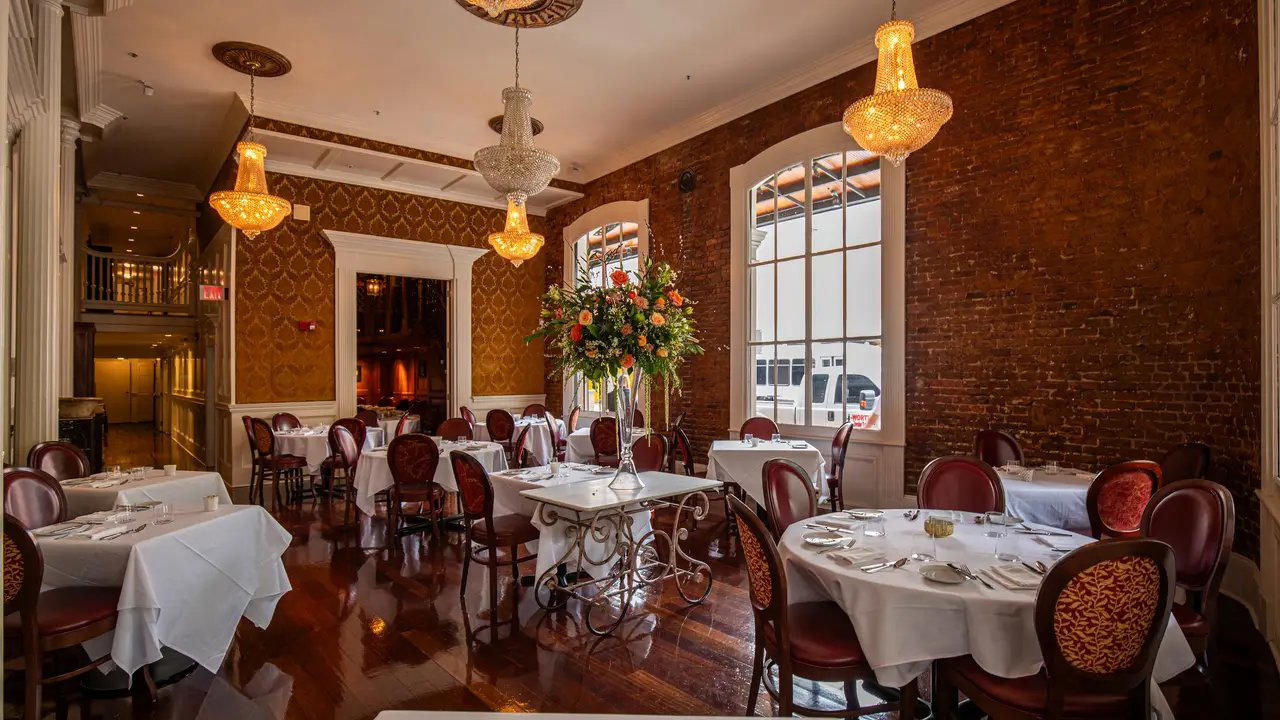
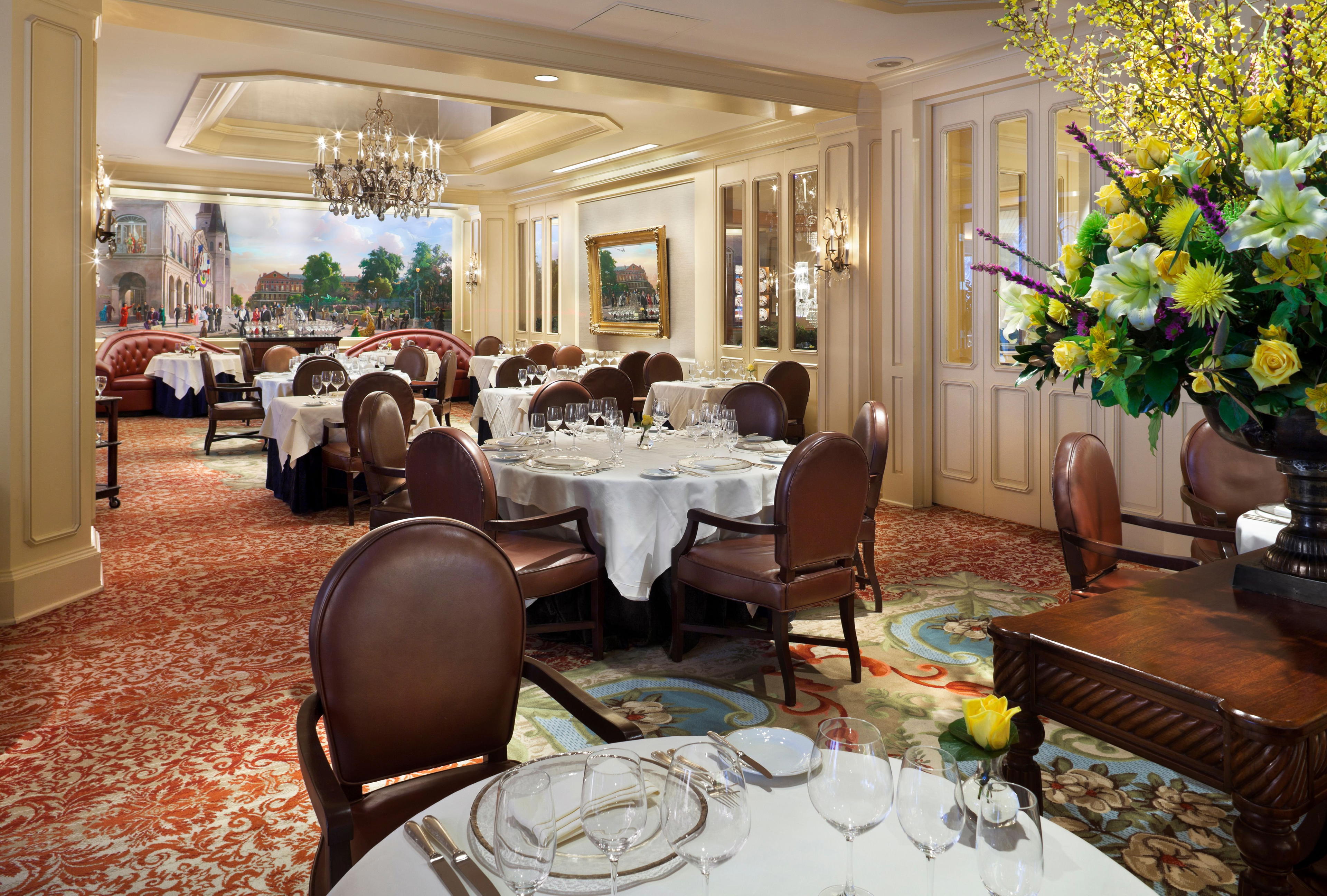
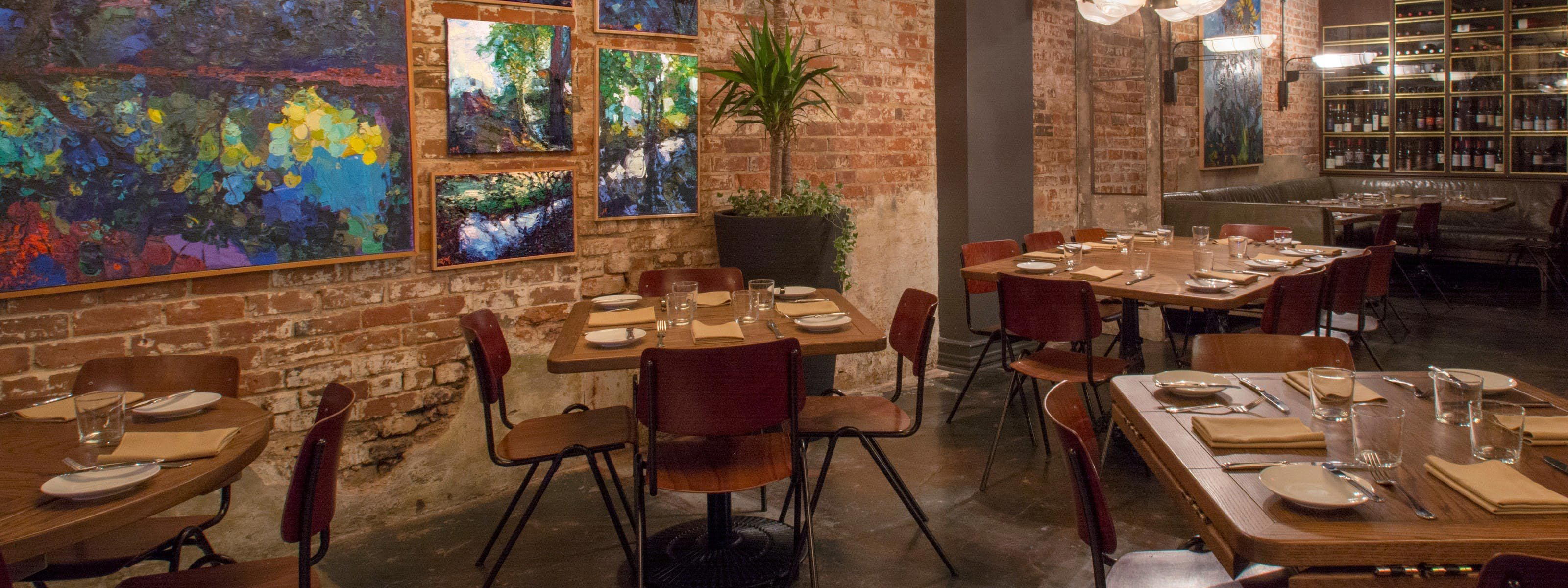
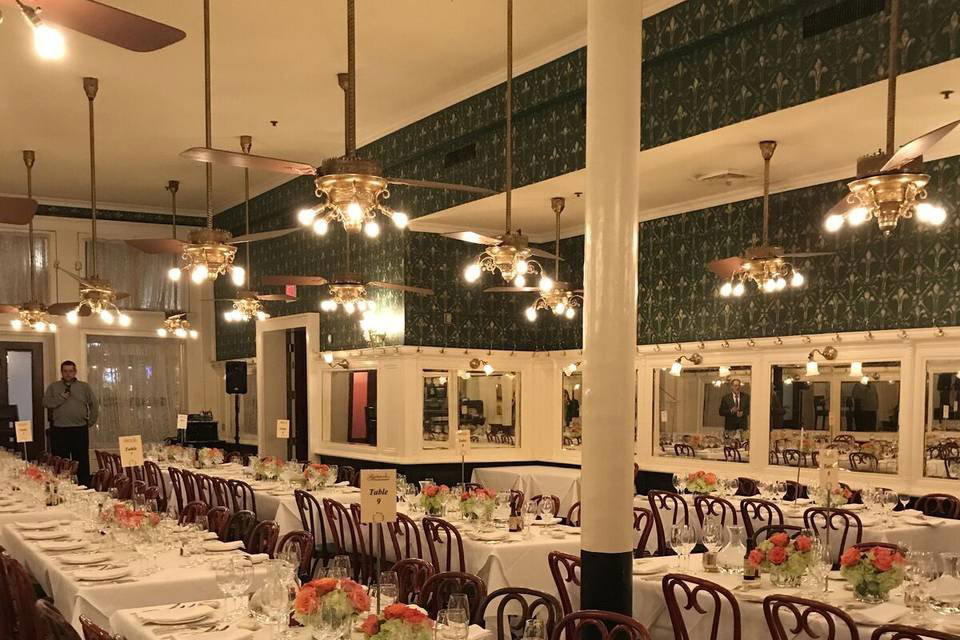
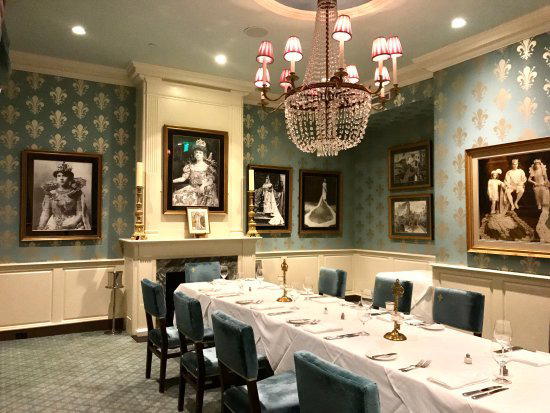
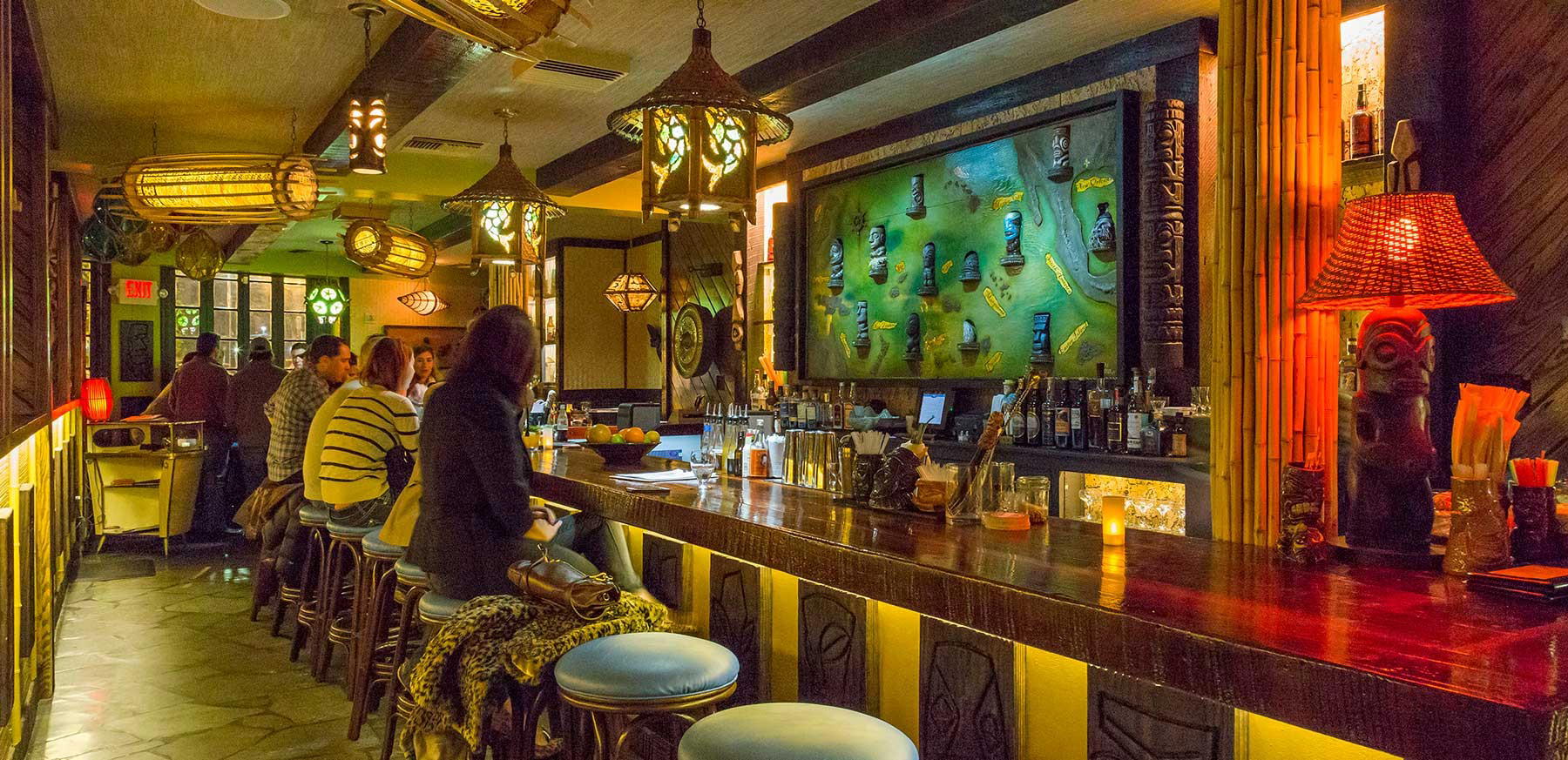
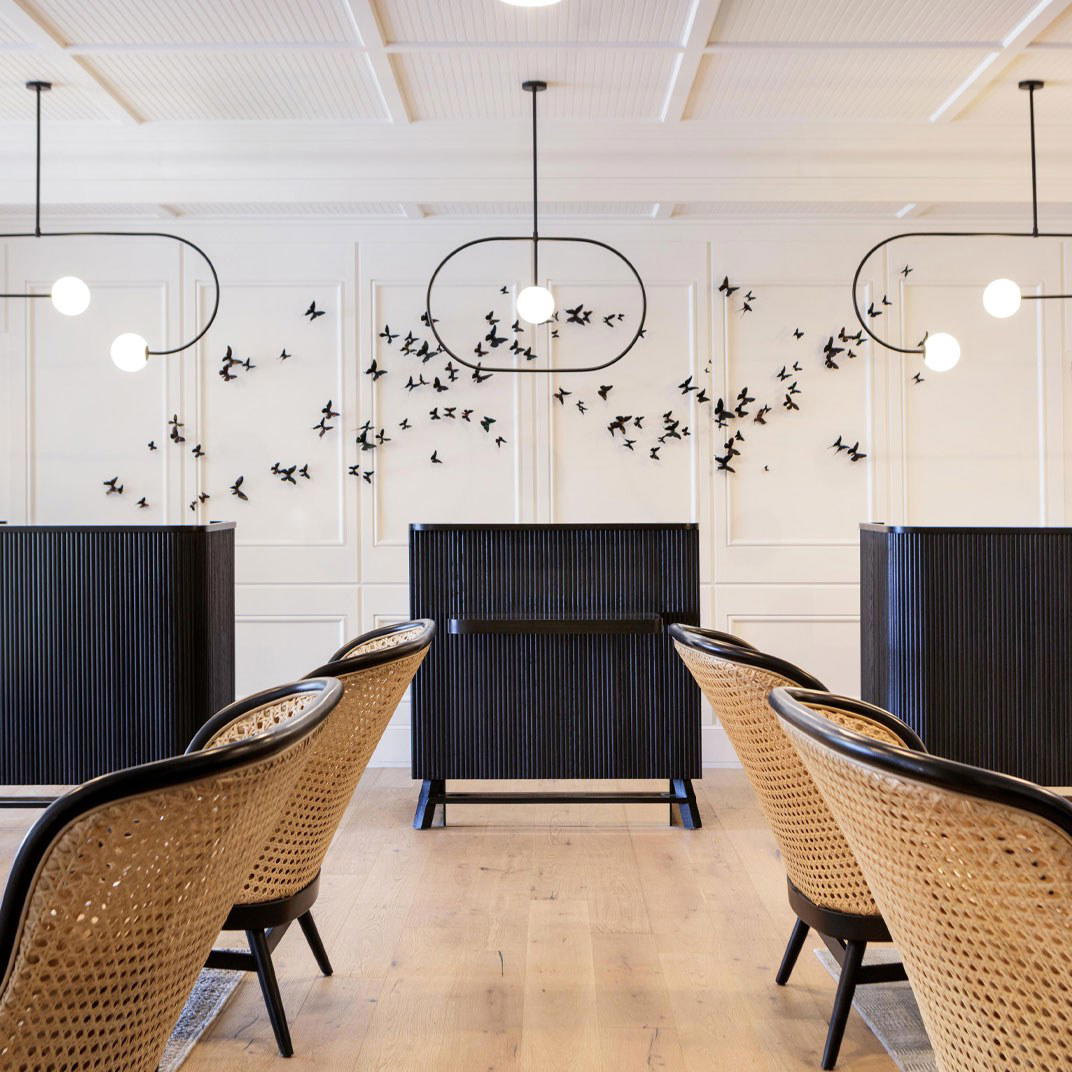
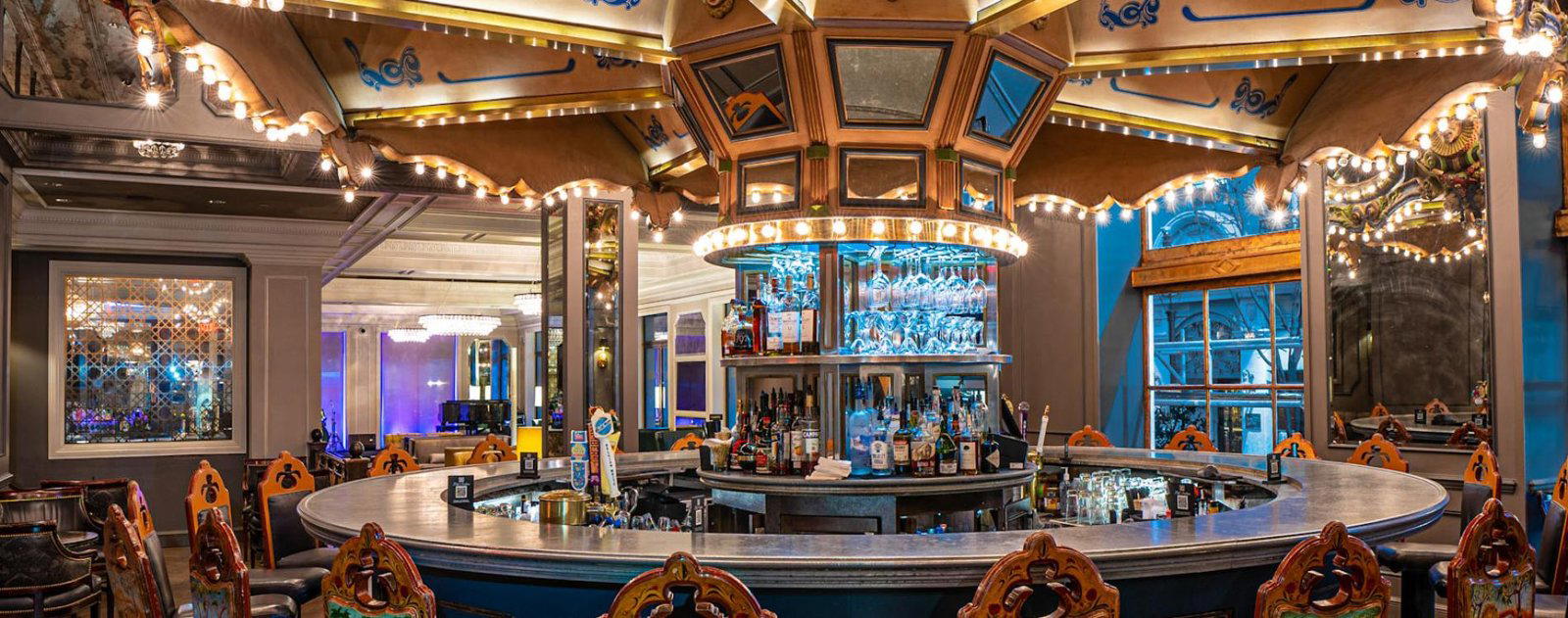
In New Orleans, rooms carry information. A pressed tin ceiling communicates one thing; exposed brick another; a low-lit dining room with close-set tables signals that the kitchen expects you to stay. Restaurants that invest in physical environment are making a claim about the experience they intend to deliver, and diners read those signals before the first course arrives. The physical space at Couvant frames a meal that is meant to be taken at pace, not consumed.
This matters more in a city where the dining room has historically been as much a social institution as a place to eat. New Orleans restaurants have always been about duration, the long lunch at Galatoire's, the Sunday jazz brunch as a civic event, the corner bar that converts to a serious kitchen after dark. Couvant aligns with that tradition of the extended sit, even if the format is more contemporary in execution.
Placing Couvant in the Broader American Fine Dining Conversation
The restaurant's Magazine Street address puts it in conversation with a national tier of serious American kitchens that have moved beyond the French fine dining template without abandoning its structural logic. Single Thread Farm in Healdsburg and Providence in Los Angeles each built their reputations on ingredient sourcing as a form of editorial argument. Blue Hill at Stone Barns in Tarrytown made the farm-to-table format into a complete dining philosophy. Addison in San Diego and The Inn at Little Washington represent what happens when the format is refined across decades in a single room. Frasca Food and Wine in Boulder, Atomix in New York City, and Atelier Moessmer Norbert Niederkofler in Brunico each demonstrate that the most interesting multi-course restaurants are ones where the sequencing philosophy is visible in every decision, from the pacing of courses to the weight of the final savory before the dessert transition.
Couvant makes its case within that conversation from a city with a culinary identity strong enough to either anchor or distract a kitchen. The fact that it has established itself on Magazine Street, in a room that invites the kind of attention a progression meal requires, is itself a position statement.
Know Before You Go
Address: 315 Magazine St, New Orleans, LA 70130
Neighbourhood: Lower Garden District / Magazine Street corridor
Format: Multi-course, seated dining
Booking: Advance reservation recommended; walk-in availability limited given format
Leading for: A deliberate, paced dinner rather than a quick meal
See also: Our full New Orleans restaurants guide for broader context on the city's dining tiers
Frequently asked questions
What's the vibe at Couvant?
Couvant sits at 315 Magazine Street, a stretch of Uptown New Orleans where the room itself does a lot of the editorial work. The dining format is structured and deliberate, this is a kitchen that thinks in sequences, not plates in isolation. Expect an atmosphere shaped by the architecture of a serious American dining room rather than the louder, brass-railed rooms the city is better known for.
What's Couvant's location?
Couvant is located at 315 Magazine St, New Orleans, LA 70130, New Orleans.
Is Couvant a good choice for a special occasion dinner in New Orleans?
Couvant's multi-course format and its placement within New Orleans's more considered American dining scene make it a natural fit for occasions where the meal is the event. The Magazine Street address puts it outside the French Quarter circuit, which means the room draws a local crowd alongside visitors who seek it out deliberately. For specifics on private dining or reservation lead times, check the venue's official channels at 315 Magazine St.
What should I eat at Couvant?
The kitchen at Couvant works within a multi-course progression where each stage is designed to shift the palate before the next arrives. Given the Magazine Street address and the restaurant's positioning in the American fine dining conversation, the format lends itself to committing to the full sequence rather than ordering selectively. Check directly with the restaurant for current menu details, as the progression changes with the kitchen's focus.
Fast Comparison
A quick peer check to anchor this venue’s price and recognition.
| Venue | Cuisine | Price | Awards | Notes |
|---|---|---|---|---|
| CouvantThis venue (the venue you are viewing) | French-Southern Brasserie | Not listed | Not listed | Not listed |
| Emeril’s | Modern Creole-Cajun Fine Dining | $150–200 | 2 Michelin Stars · World's 50 Best #20 | Cajun |
| Re Santi e Leoni | Modern Italian Fine Dining | $100–150 | 1 Michelin Star | Contemporary |
| Bayona | Modern Creole Fine Dining | $100–150 | World's 50 Best #45 · James Beard Award Best Chefs | New American |
| Pêche Seafood Grill | Modern Seafood Grill | $50–100 | Michelin Plate · James Beard Award Semi Finalist | American Regional - Cajun Seafood |
| Commander’s Palace | Modern Creole | $50–100 | La Liste Top Restaurants · Star Wine List | Creole |