Broussard's
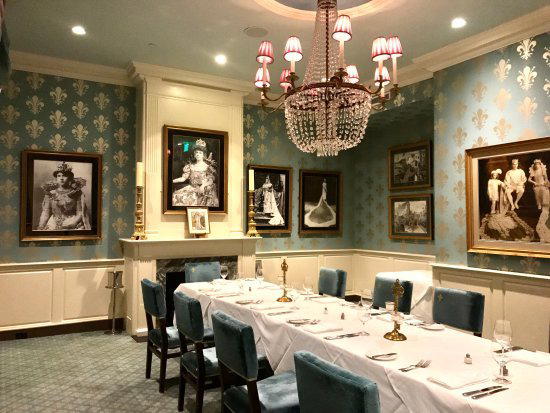
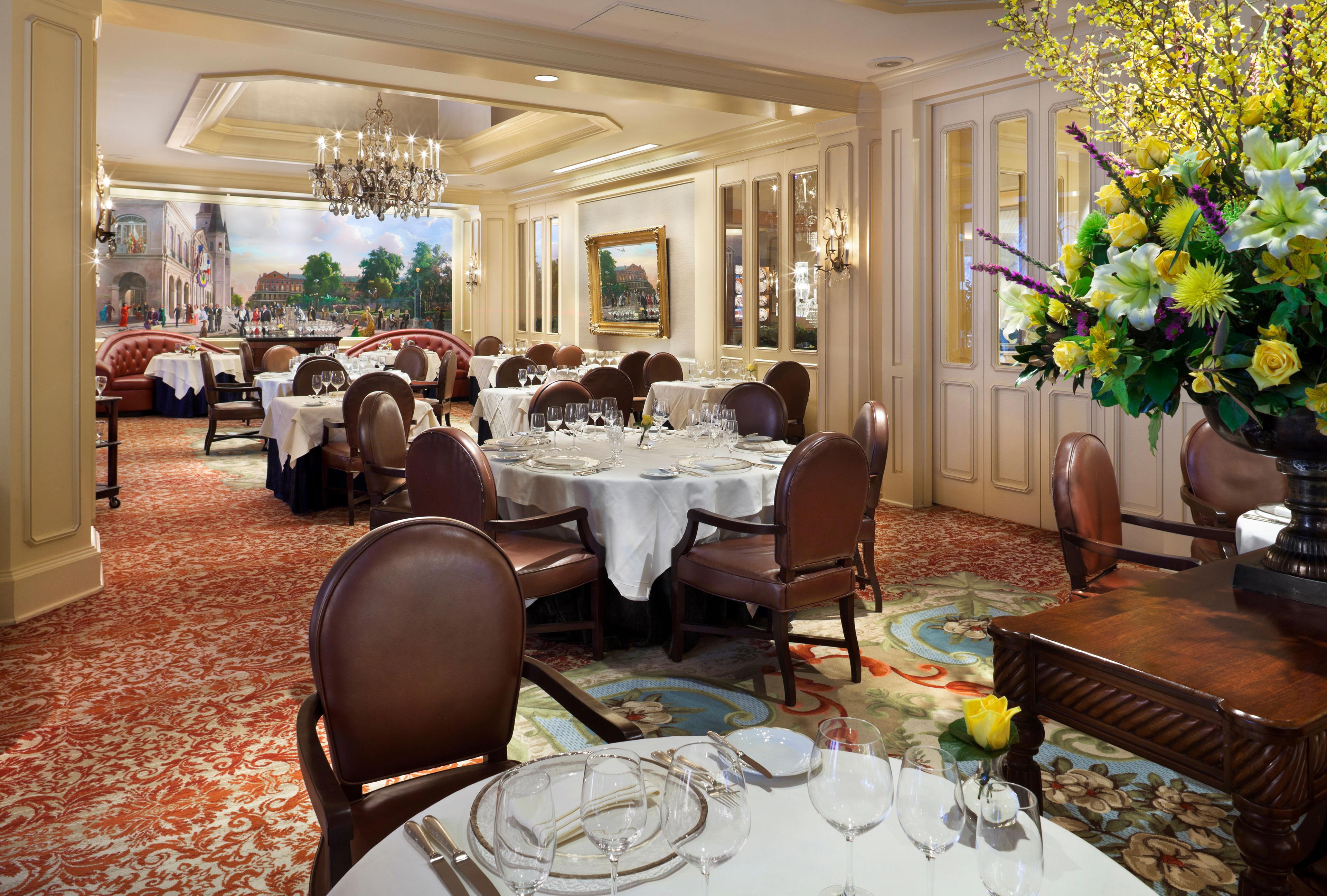
Broussard's on Conti Street has anchored French Quarter fine dining since 1920, placing it among the oldest continuously operating Creole restaurants in New Orleans. Where contemporaries like Commander's Palace lean toward tableside theatrics, Broussard's maintains a quieter register: candlelit dining rooms, a courtyard that fills slowly through the evening, and a wine program that rewards guests who look beyond the standard Louisiana house pours.
Pearl is the En Primeur Club membership app — saves, bookings, and concierge access live there. Same editors, same standards.
- Address
- 819 Conti St, New Orleans, LA 70112
- Phone
- +15045813866
- Website
- broussards.com
- Directions
- Get directions
 Saves & bookings on Pearl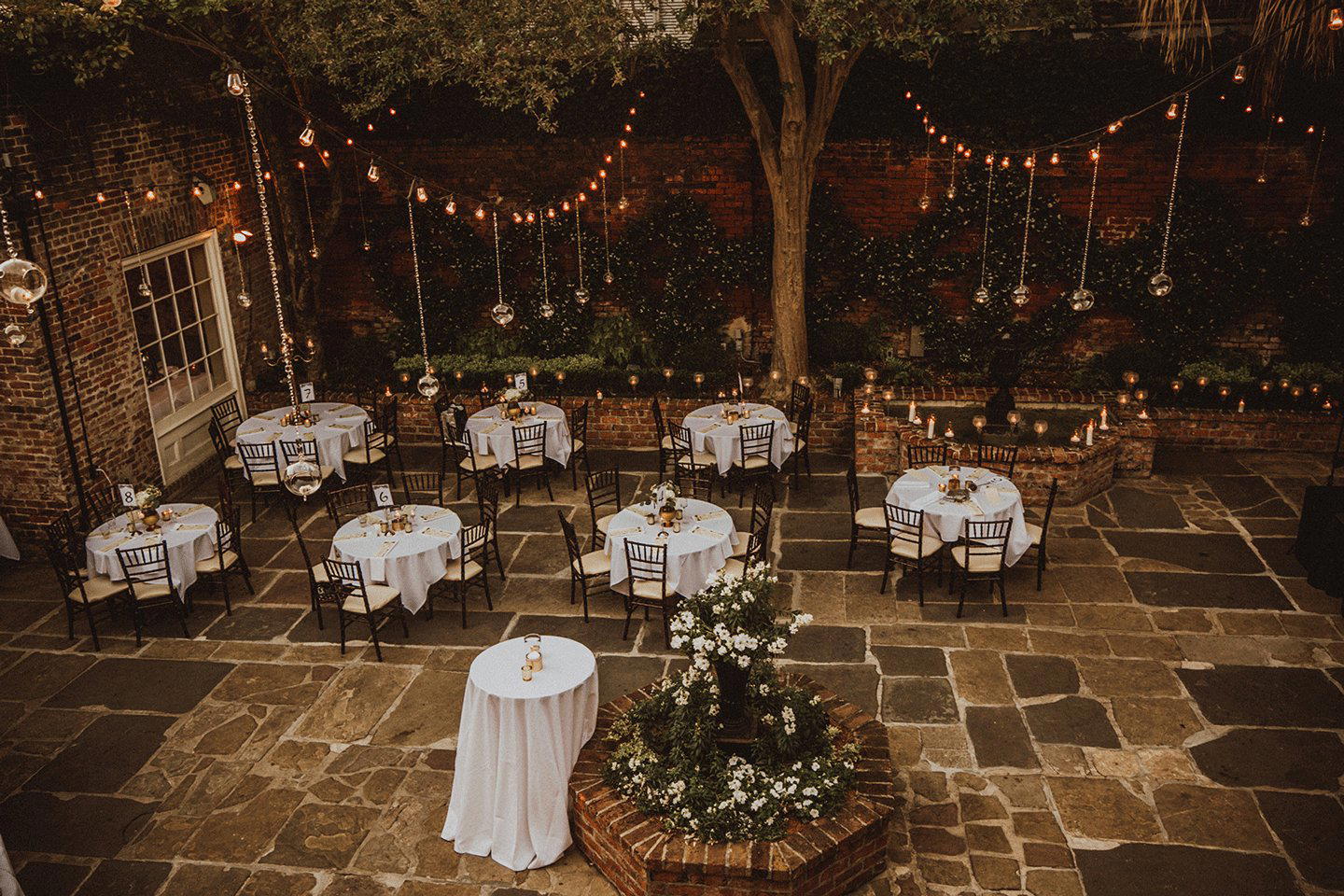
A French Quarter Address That Predates the Modern Restaurant Scene
Conti Street in the French Quarter sits one block north of Bourbon, far enough from the main corridor that foot traffic arrives with purpose rather than by accident. The building that houses Broussard's has been in the restaurant business since 1920, which places it in a narrow category of New Orleans dining institutions that predate the post-war tourism boom, the Creole revival of the 1980s, and the celebrity-chef era that reshaped the city's culinary identity after 2000. That kind of longevity carries a particular atmospheric weight: high ceilings, rooms that have absorbed a century of conversation, and a courtyard that remains one of the more quietly considered outdoor dining spaces in the Quarter.
The French Quarter's fine dining tier has compressed and evolved considerably over the past two decades. Newer arrivals like Saint-Germain and Re Santi e Leoni have pushed the contemporary end of the market toward tasting menus and ingredient-forward minimalism. Broussard's operates at the opposite pole: the tradition here is Creole classicism, a cooking style rooted in French technique, Spanish influence, and the pantry of coastal Louisiana. That positioning makes it less a competitor to the city's newer fine dining rooms and more a counterpoint to them, a place where the architecture of the meal follows a recognisable, century-old grammar.
Creole Classicism in a City That Never Stopped Reinventing Itself
New Orleans has always had an uneasy relationship with its own culinary canon. The city that invented the po'boy and the Sazerac has also spent decades exporting a version of itself, the jazz-and-jambalaya shorthand, that flattens the actual complexity of its food culture. Against that backdrop, restaurants that maintain a serious Creole kitchen occupy a specific and necessary position. They are not trading on nostalgia so much as keeping a living tradition in practice.
Broussard's fits squarely into this lineage. The Creole tradition it represents shares genealogy with Commander's Palace and predates the Cajun moment that Emeril's helped popularise in the 1990s. Where Cajun cooking draws on rural, bayou-country roots, Creole cuisine is an urban construct, a product of New Orleans' cosmopolitan mercantile class, its proximity to the Gulf, and its long exposure to French and Spanish colonial kitchens. Dishes built around roux, shellfish, and aromatic vegetables cooked low and slow are the grammar; the vocabulary shifts by season and by hand.
Across the broader New Orleans dining scene, that tradition sits alongside newer formats: Bayona has spent more than three decades threading Mediterranean influence through Louisiana produce, while Zasu represents the American contemporary strand that has grown in the city's Uptown and Mid-City corridors. Broussard's, by contrast, holds its lane, which is itself an editorial position in a city that rewards restaurants willing to commit to a point of view.
The Wine Program: Where a Classic House Earns Its Serious Credentials
The editorial angle that separates the restaurant from its comparable set most clearly is its approach to wine. New Orleans has historically been a spirits-first city, the cocktail culture runs deep, and most restaurants weight their beverage programs accordingly. At the higher end of the dining tier, this has begun to shift. Restaurants operating at the level of a century-old institution increasingly find that serious wine programs are what distinguish a genuinely formal dining experience from a well-executed one.
The wine list at a Creole institution like Broussard's functions differently than it would at, say, a California-anchored fine dining room like The French Laundry in Napa or an ingredient-driven operation like Blue Hill at Stone Barns in Tarrytown. The pairing logic here is calibrated to richer preparations: bisques, butter-finished sauces, shellfish in cream. White Burgundy, white Rhône, and serious Alsatian bottlings are natural fits; so are the more restrained Cabernet-based Bordeaux that can hold their own against a long-braised protein without overwhelming it.
Nationally, the restaurants that have built reputations around cellar-depth, Le Bernardin in New York City, Frasca Food and Wine in Boulder, Providence in Los Angeles, treat the wine program as an equal editorial voice alongside the kitchen. The question at any formal dining room with serious heritage credentials is whether the cellar has been maintained with the same commitment as the kitchen. At the restaurant, the address on Conti Street and the building's age both carry implicit pressure: a restaurant operating since 1920 has had a century to either build or neglect a serious bottle collection.
Where Broussard's Sits in the Broader American Fine Dining Conversation
Fine dining in the United States has fragmented into several distinct modes over the past fifteen years. At one end, tasting-menu restaurants like Atomix in New York City, Smyth in Chicago, and Lazy Bear in San Francisco have built around research-driven menus and high per-cover economics. At the other end, farm-to-counter formats like Single Thread Farm in Healdsburg foreground provenance and seasonality as the primary narrative. The restaurant, like The Inn at Little Washington in Washington or Addison in San Diego, belongs to a third category: the regionally rooted, classically structured dining room where the tradition itself is the argument.
That category attracts a particular kind of diner, one who reads a menu looking for technical command rather than novelty, and who treats the wine list as a second conversation with the kitchen rather than an afterthought. For those guests, a restaurant like Broussard's functions as a corrective to the experience economy: the value is in craft, history, and the coherence of a long-running vision.
For a broader map of where the restaurant fits within the New Orleans dining scene, see our full New Orleans restaurants guide. For European reference points in the tradition-anchored fine dining category, Atelier Moessmer Norbert Niederkofler in Brunico offers an instructive comparison in how a kitchen can build a rigorous identity around regional culinary inheritance.
Know Before You Go
Address: 819 Conti St, New Orleans, LA 70112
Neighbourhood: French Quarter, one block north of Bourbon Street
Price range: about $75 per person
Hours: Mon 3-9 PM; Tue and Wed closed; Thu 3-9 PM; Fri and Sat 9 AM-9 PM; Sun 9 AM-3 PM
Reservations: recommended
Dress code: Smart casual at minimum; the room and its history support dressing up
A Lean Comparison
Comparable venues nearby, for context on price, style, and recognition.
| Venue | Cuisine | Price | Notes |
|---|---|---|---|
| Broussard'sThis venue — the venue you are viewing | French Quarter, Classic French-Creole | $$$$ | Not listed |
| Couvant | Not listed | $$$ | Central Business District, French-Southern Brasserie |
| Pelican Club | Not listed | $$$ | French Quarter, Modern Creole Fine Dining |
| Mr. John's Steakhouse | Not listed | $$$$ | Central City, Classic New Orleans Steakhouse |
| MaMou | French Quarter, Modern French Brasserie | $$$ | Not listed |
| Nobu - Caesars New Orleans | Not listed | $$$$ | Central Business District, Japanese-Peruvian Fusion |
Continue exploring
More in New Orleans
Restaurants in New Orleans
Browse all →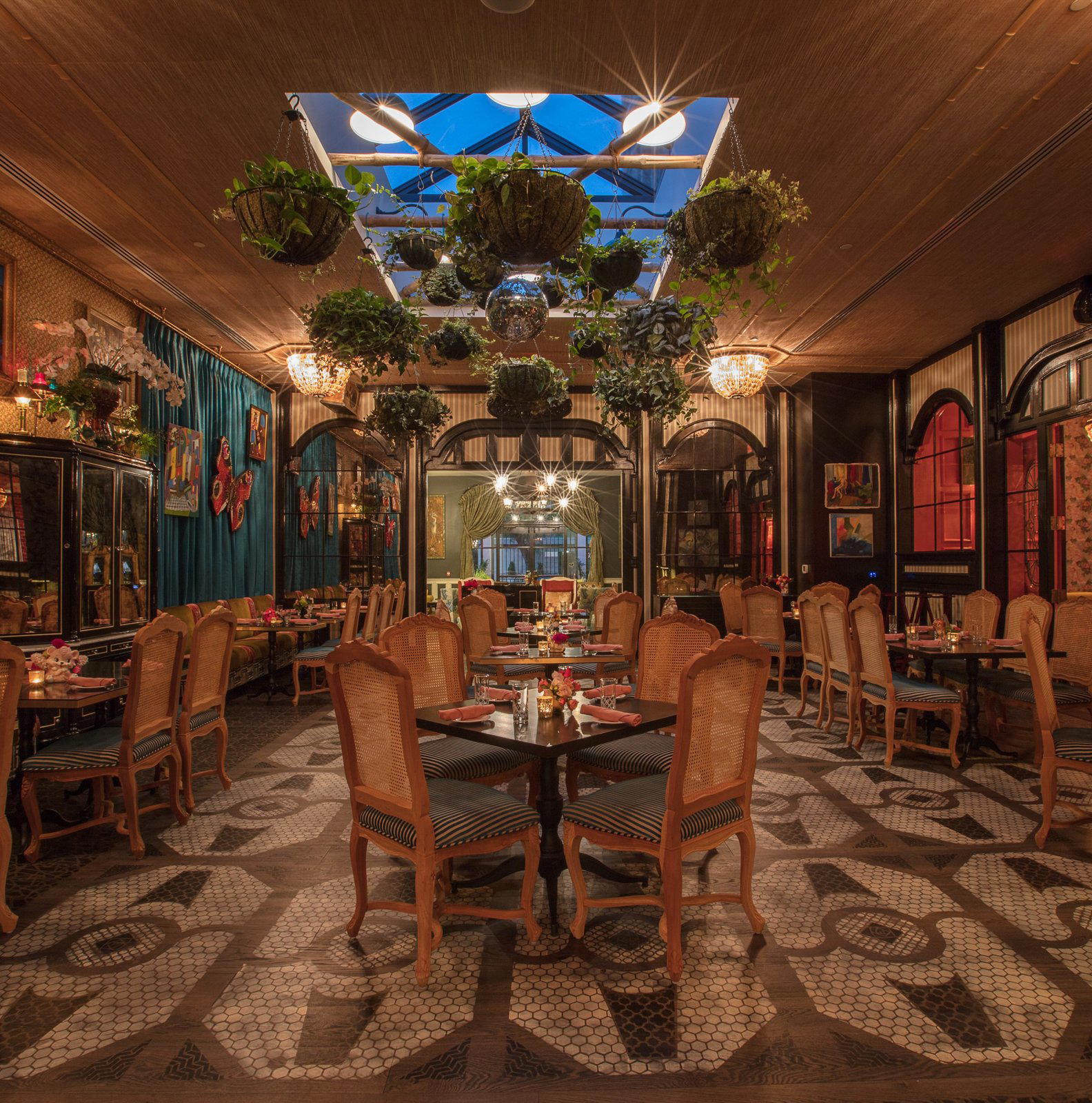
Bars in New Orleans
Browse all →
At a Glance
- Elegant
- Classic
- Romantic
- Sophisticated
- Historic
- Date Night
- Special Occasion
- Celebration
- Brunch
- Historic Building
- Courtyard
- Live Music
- Private Dining
- Extensive Wine List
- Craft Cocktails
- Local Sourcing
- Street Scene
Current opening hours
- Monday
- 3–9 PM
- Tuesday
- Closed
- Wednesday
- Closed
- Thursday
- 3–9 PM
- Friday
- 9 AM–9 PM
- Saturday
- 9 AM–9 PM
- Sunday
- 9 AM–3 PM
Hours can change for holidays and private events. Last verified .
Elegant historic atmosphere with courtyard dining, jazz brunch, and sophisticated French Quarter charm.