Zuma Miami

"Modern Japanese Dining in the River District There are more than a dozen Zumas around the world, and Miami’s is located in the Kimpton Epic Hotel, in the up-and-coming River District. The eatery’s bright waterfront dining room, with views of yachts in the marina, is a top spot for brunch and dinner thanks to chef Rainer Becker’s menu of premium sushi, sashimi, and maki, as well as tempura and dishes from the robata grill. Among the highlights: the caterpillar maki (prawn tempura, freshwater eel, and an avocado roll) and the black cod in miso."
Pearl is the En Primeur Club membership app — saves, bookings, and concierge access live there. Same editors, same standards.
- Address
- 270 Biscayne Blvd Way, Miami, FL 33131
- Phone
- +1 305 577 0277
- Website
- zumarestaurant.com
- Directions
- Get directions
 Saves & bookings on Pearl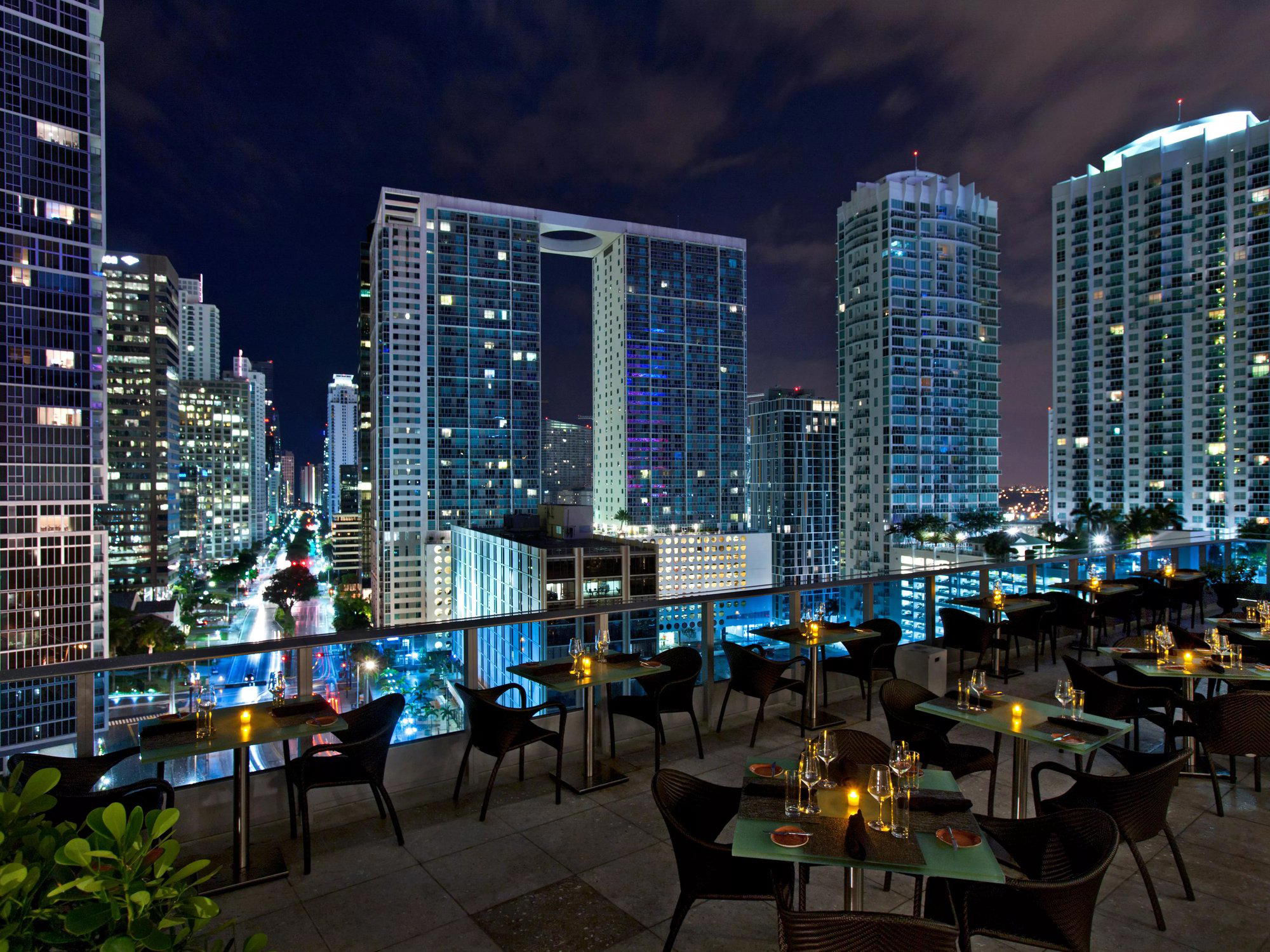
The Scene at 270 Biscayne
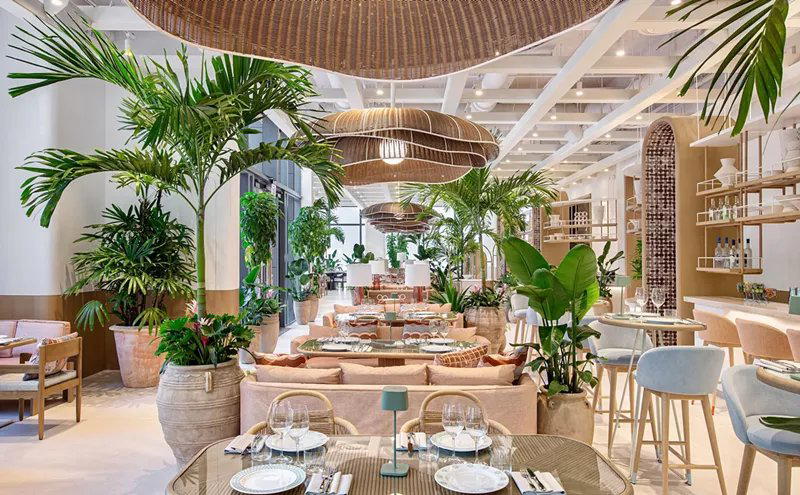
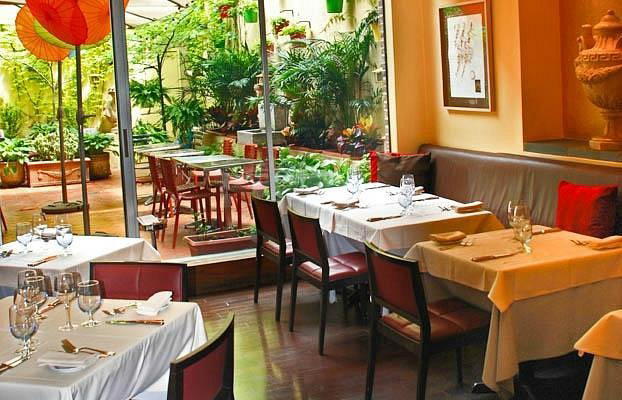
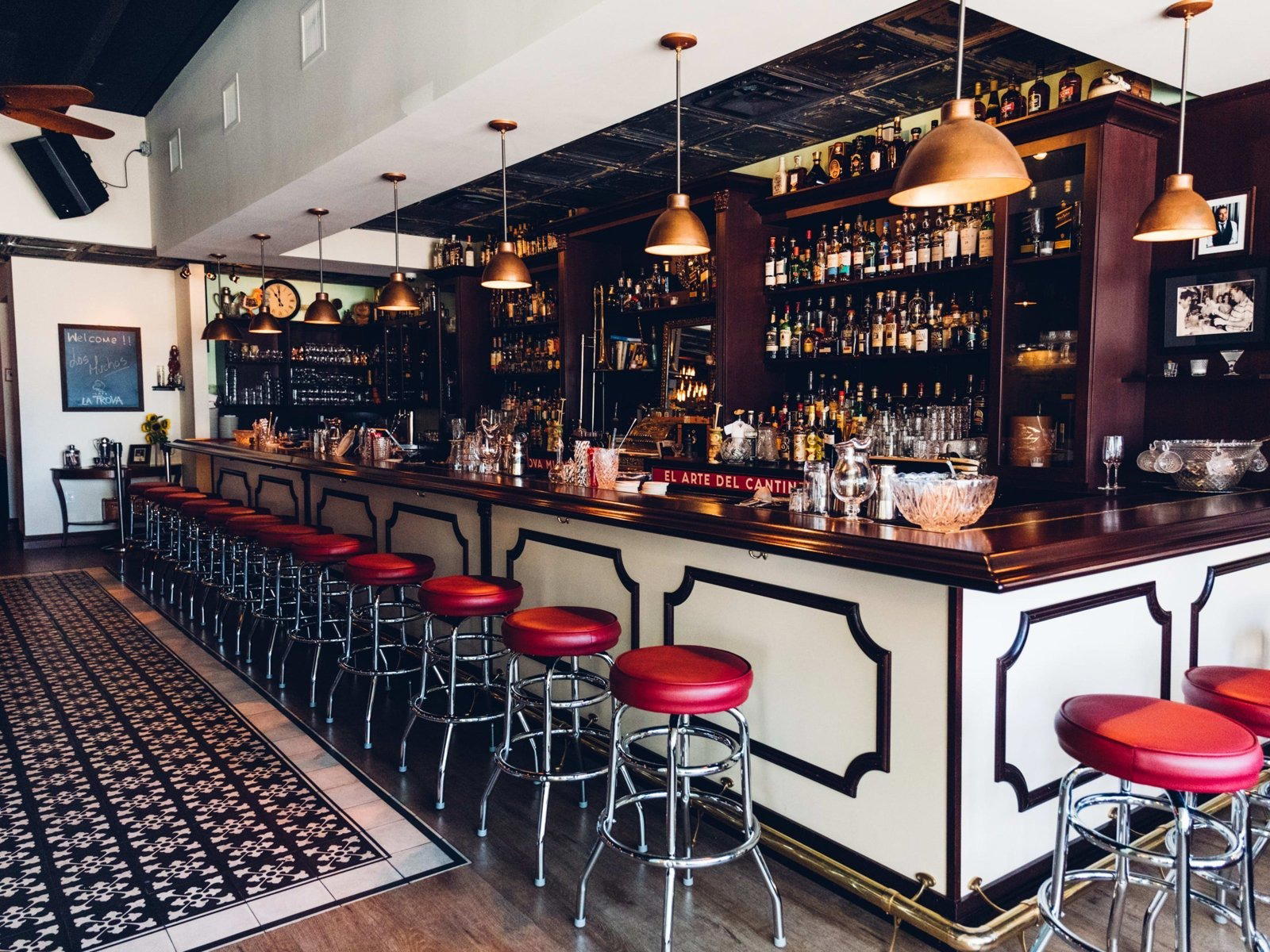
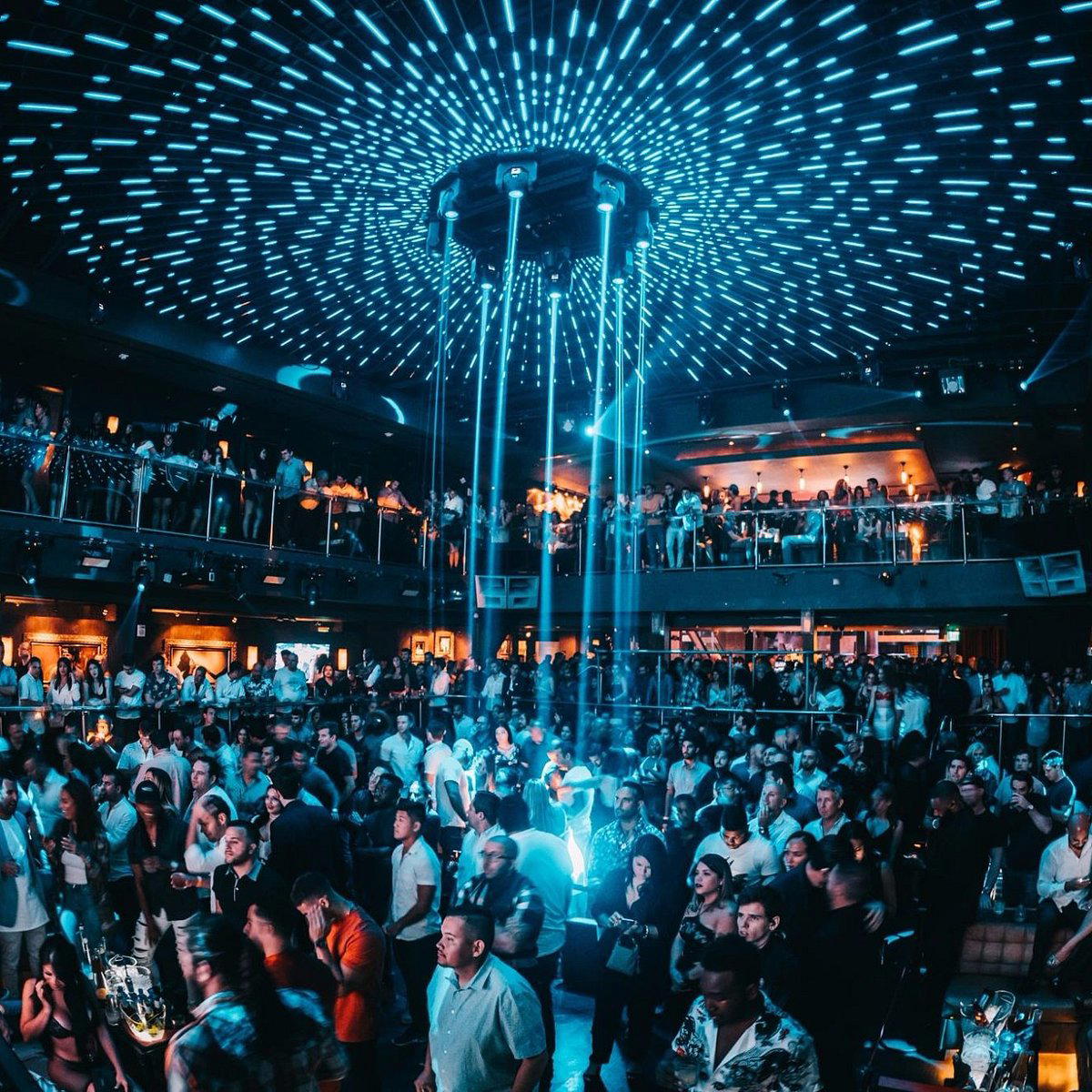
There is a particular kind of restaurant that earns its regulars not through novelty but through consistency of atmosphere and execution. Along Biscayne Boulevard in downtown Miami, Zuma occupies a position that places it at the intersection of the city's waterfront dining energy and the global izakaya format that the brand has spent two decades refining across Tokyo, London, Dubai, and beyond. The room faces Biscayne Bay, and the visual weight of the water anchors an interior that leans into warm materials, an open robata grill, and a counter energy more common in Japanese cities than in South Florida. First-time visitors register the spectacle. Regulars stop noticing it and start reading the room for other things: which sections are running at full pace, whether the robata counter has open seats, how the lounge is filling relative to the dining floor.
What the Repeat Visit Reveals
Miami's upper tier of restaurant dining has broadened considerably over the past decade. Properties like L'Atelier de Joël Robuchon Miami and Cote Miami represent the kind of destination-driven dining that draws visitors and locals alike into serious, format-conscious experiences. Zuma operates in a different register. The izakaya model, even in its premium global iteration, is built for return visits. The menu is designed for group sharing across several courses, the robata grill produces results that reward familiarity with the format, and the bar program runs parallel to the kitchen in a way that invites arrivals before dinner and departures well after. Regulars at this kind of property tend to develop a working vocabulary: they know which preparations from the robata hold up better than others, they know the bar's pacing, and they know how to time a Saturday booking against the lounge crowd that peaks later in the evening.
That repeat-visitor logic sets Zuma apart from some of its Miami contemporaries. A restaurant like Ariete, with its more tightly composed Modern American format, or Boia De, with its neighborhood-scaled Italian programming, rewards a different kind of attention. The izakaya format at Zuma rewards volume and variety, which is precisely what keeps a core clientele returning to work through the menu across multiple visits rather than treating it as a one-time destination.
The Izakaya Format in a Miami Context
The global izakaya format has gone through several iterations since premium versions of it began appearing in Western cities in the early 2000s. At its original scale in Japan, the izakaya is informal, affordable, and neighbourhood-rooted. The premium export version retains the sharing format and the robata grill while recalibrating everything else: the interior scale, the price tier, the drinks list, and the level of kitchen technique applied to the raw material. In cities like London, Hong Kong, and New York, this format found a durable audience because it answered a genuine gap in the market: a social dining format that could operate at a high price point without requiring the seated formality of a European tasting menu structure.
Miami presented a slightly different set of conditions. The city's dining culture runs late, operates at high social volume, and rewards venues that can hold energy across a full evening rather than peaking at a single seating. The izakaya format, with its non-linear progression through small and shared plates, fits that rhythm in a way that a fixed tasting menu format does not. Compare that to what venues like ITAMAE do with Peruvian-Japanese technique in a more contained, chef-counter format, and you can see how Miami's Japanese-inflected dining has split into distinct tiers and formats, each drawing a different kind of regular.
The Robata Counter and the Kitchen Logic
In the izakaya format, the robata grill is the organizational and visual center of the kitchen. Binchotan charcoal produces a consistent, high-temperature heat with minimal smoke, and the robata discipline involves managing that heat across proteins and vegetables at varying distances from the coals. For regulars, the robata counter seating is often the preferred position: closer to the kitchen action, more direct engagement with the cooking pace, and a better vantage point on which preparations are moving through the fire in real time. Globally, the premium izakaya format has trained a significant audience in how to read robata output, distinguishing between preparations where the char is intentional and structural versus where it serves only as finish. Miami's dining public has absorbed this literacy more quickly than many expected, partly because the city's international resident base includes guests who encountered the format in other global cities first.
Planning Around Demand
The Biscayne Boulevard location places the restaurant within walking distance of Brickell and easy access from the Design District and Wynwood, making it a logical anchor for a wider evening in the city. For those mapping a broader Miami dining itinerary, the EP Club full Miami restaurants guide covers the city's current range across formats and price tiers.
Internationally, Zuma's format sits in the same premium social-dining tier as properties that have demonstrated long booking lead times as a function of consistent demand rather than transient hype. That pattern is observable across the brand's global footprint, and it applies to the Miami location during peak season in particular. Early-week reservations are typically more accessible.
Where Zuma Sits Against the Wider Field
At the upper end of Miami dining, the competitive set now includes venues with serious critical recognition. Cote Miami brought the Korean steakhouse format to a price point and critical standing that places it in national conversation. Ariete has built a loyal following on its Modern American approach in Coconut Grove. Further afield, properties like Le Bernardin in New York City, The French Laundry in Napa, and Providence in Los Angeles define what the highest tier of formal dining looks like at the national level, while venues like Atomix in New York City and Smyth in Chicago represent the chef-counter format at its most technically intensive. Zuma does not compete in that register and does not try to. Its competitive set is the premium social dining tier: high-quality raw material, a format designed for groups, and a room built to hold energy through a full evening.
That positioning is a deliberate operating choice, and it is the reason the regular clientele looks the way it does. The people returning to Zuma on a Thursday night in February are not seeking a tasting menu experience. They are seeking a reliable, high-quality version of the izakaya format in a room that performs at the level they expect from the price. That is a different value proposition than what Blue Hill at Stone Barns in Tarrytown or Single Thread Farm in Healdsburg offer, but it is not a lesser one. It is simply a different contract with the guest, and Zuma has been honoring that contract across its global network for long enough that the Miami outpost inherits a significant amount of earned trust.
How Zuma Miami compares with similar nearby venues.
| Venue | Cuisine | Price |
|---|---|---|
| Elcielo Miami | Colombian | $$$$ |
Recognition history
Dated appearances from independent guides and award organizations, with the underlying list record or original source where available.
Wine Spectator Best of Award of Excellence
Wine Spectator
At a Glance
- Lively
- Trendy
- Elegant
- Sophisticated
- Date Night
- Business Dinner
- Group Dining
- Special Occasion
- Brunch
- Waterfront
- Open Kitchen
- Private Dining
- Terrace
- Sake Program
- Craft Cocktails
- Waterfront
Current opening hours
- Monday
- 12–3 PM, 6–11 PM
- Tuesday
- 12–3 PM, 6–11 PM
- Wednesday
- 12–3 PM, 6–11 PM
- Thursday
- 12–3 PM, 6–11:30 PM
- Friday
- 12–3 PM, 6–11:30 PM
- Saturday
- 12–4 PM, 6–11:30 PM
- Sunday
- 11:30 AM–4 PM, 6–11 PM
Hours can change for holidays and private events. Last verified .
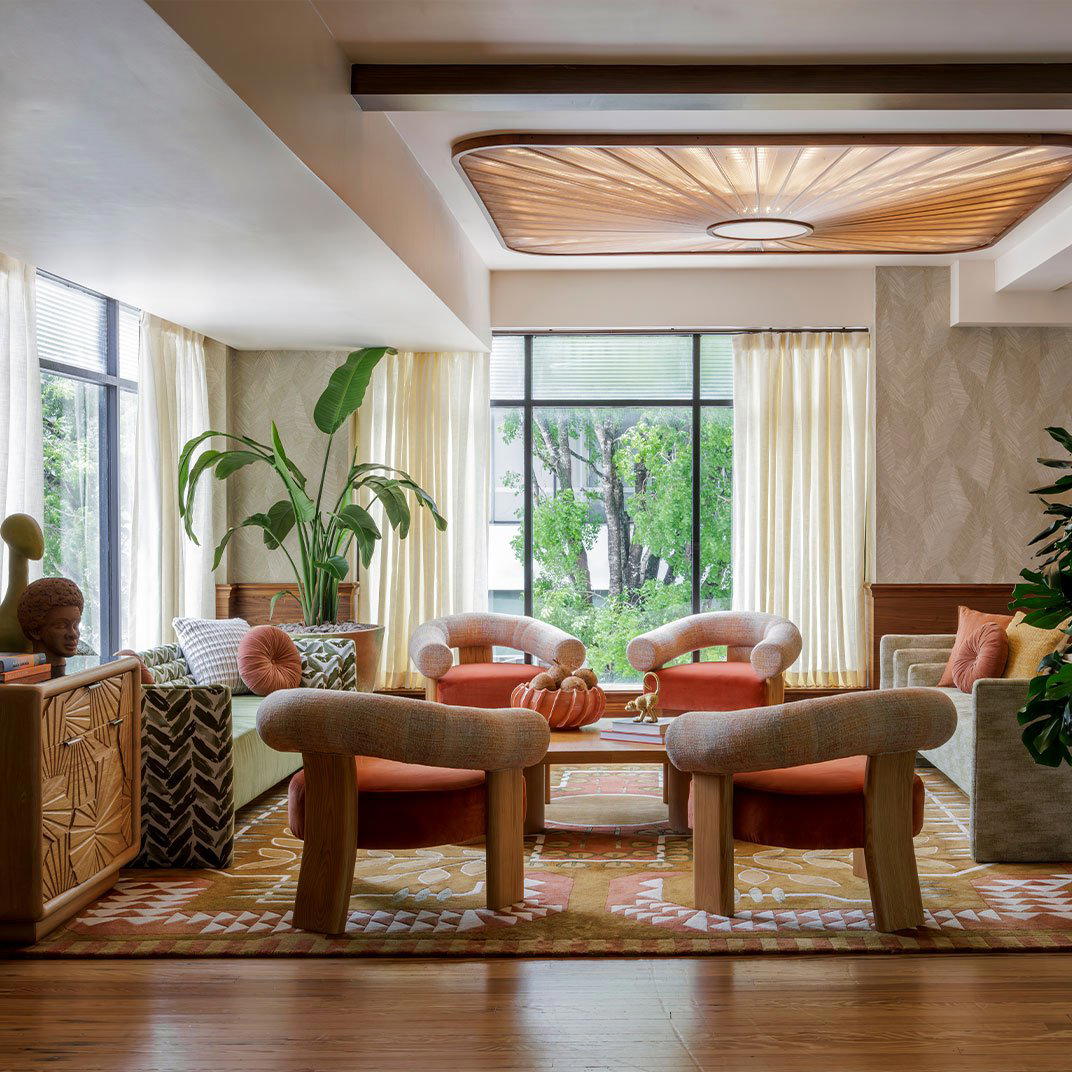
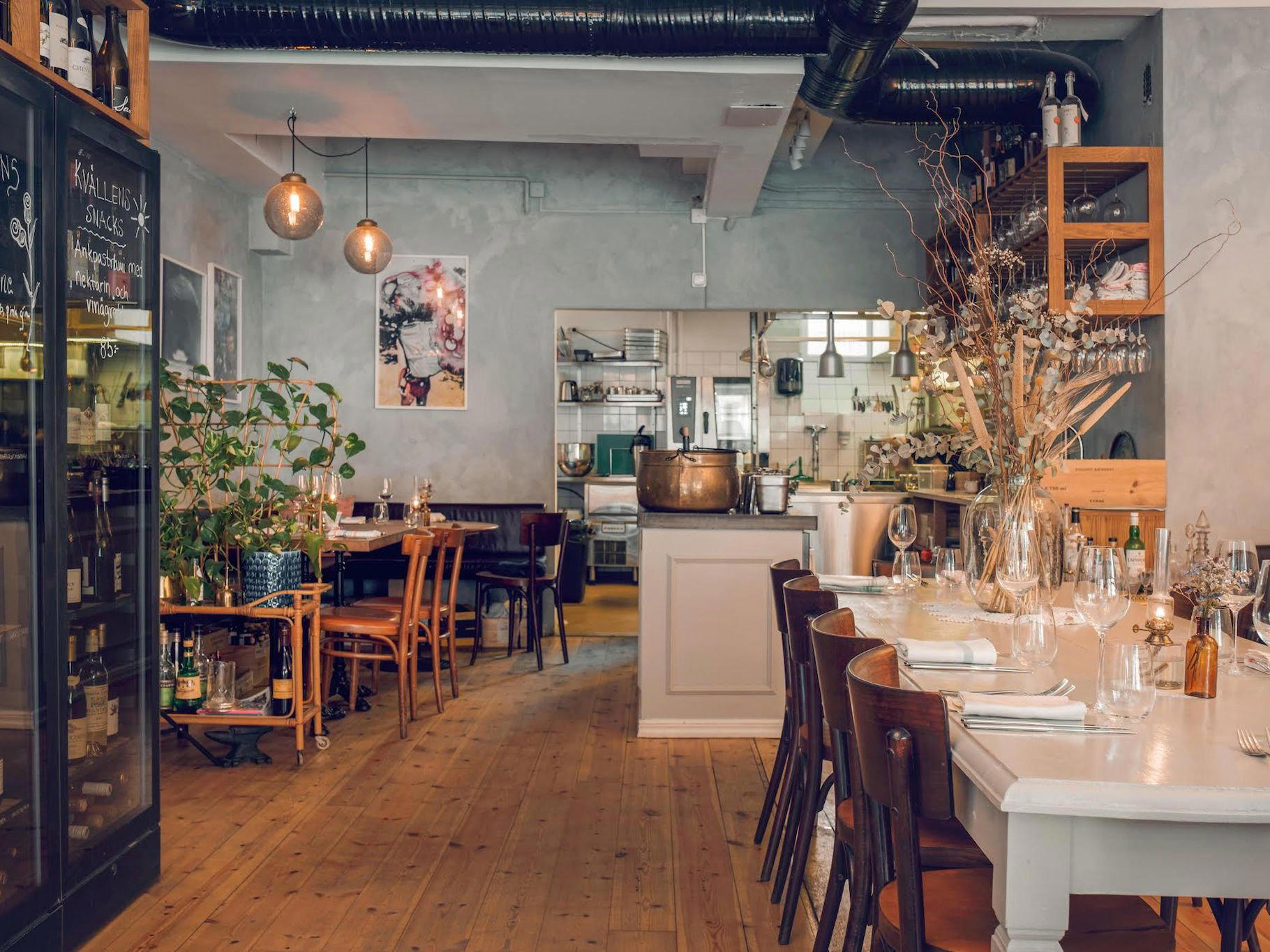
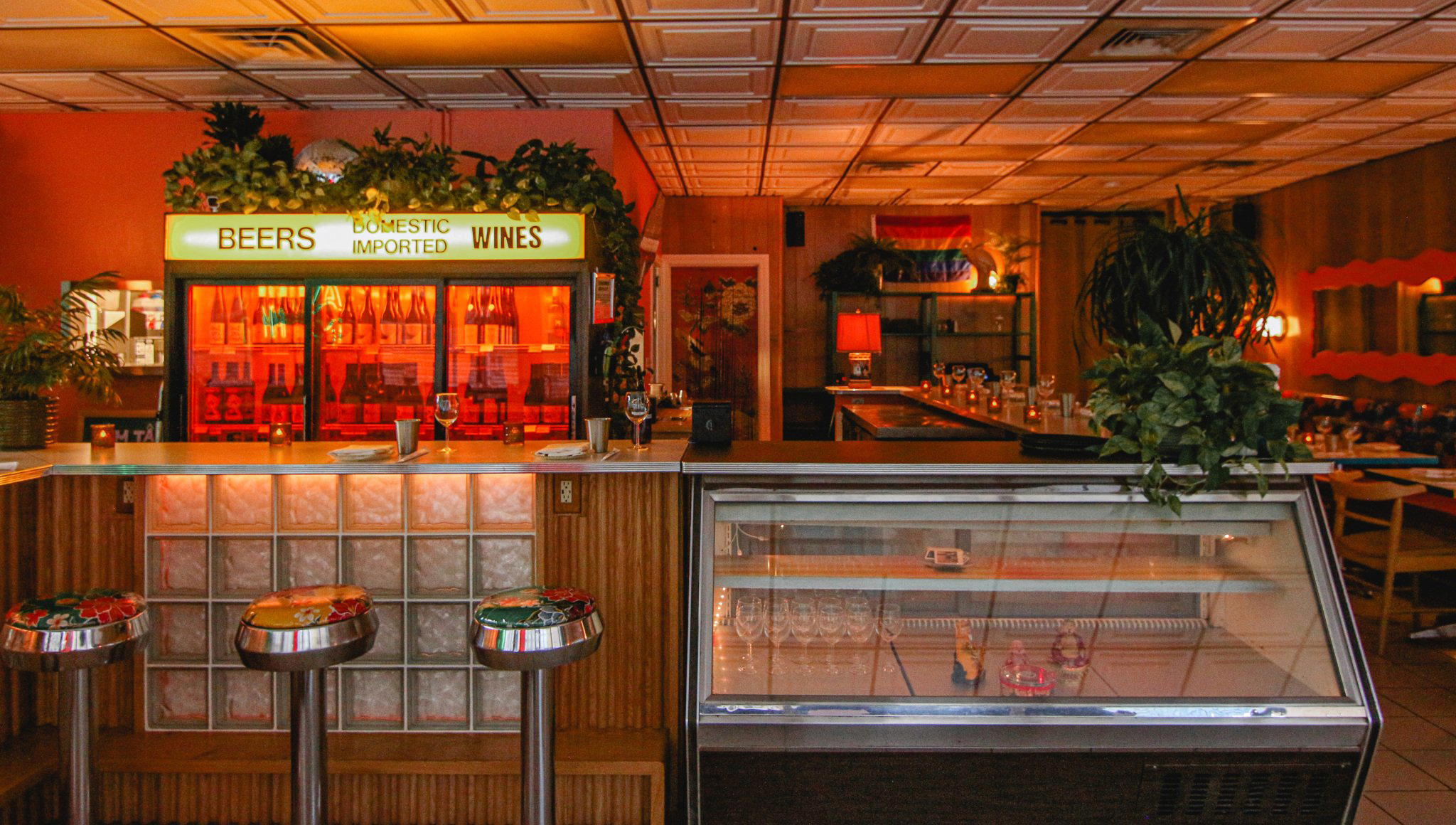
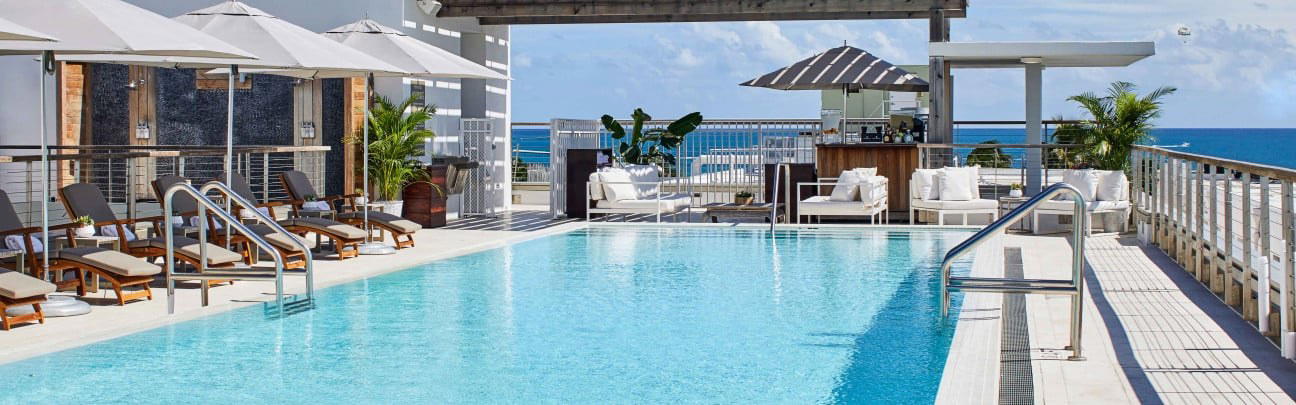
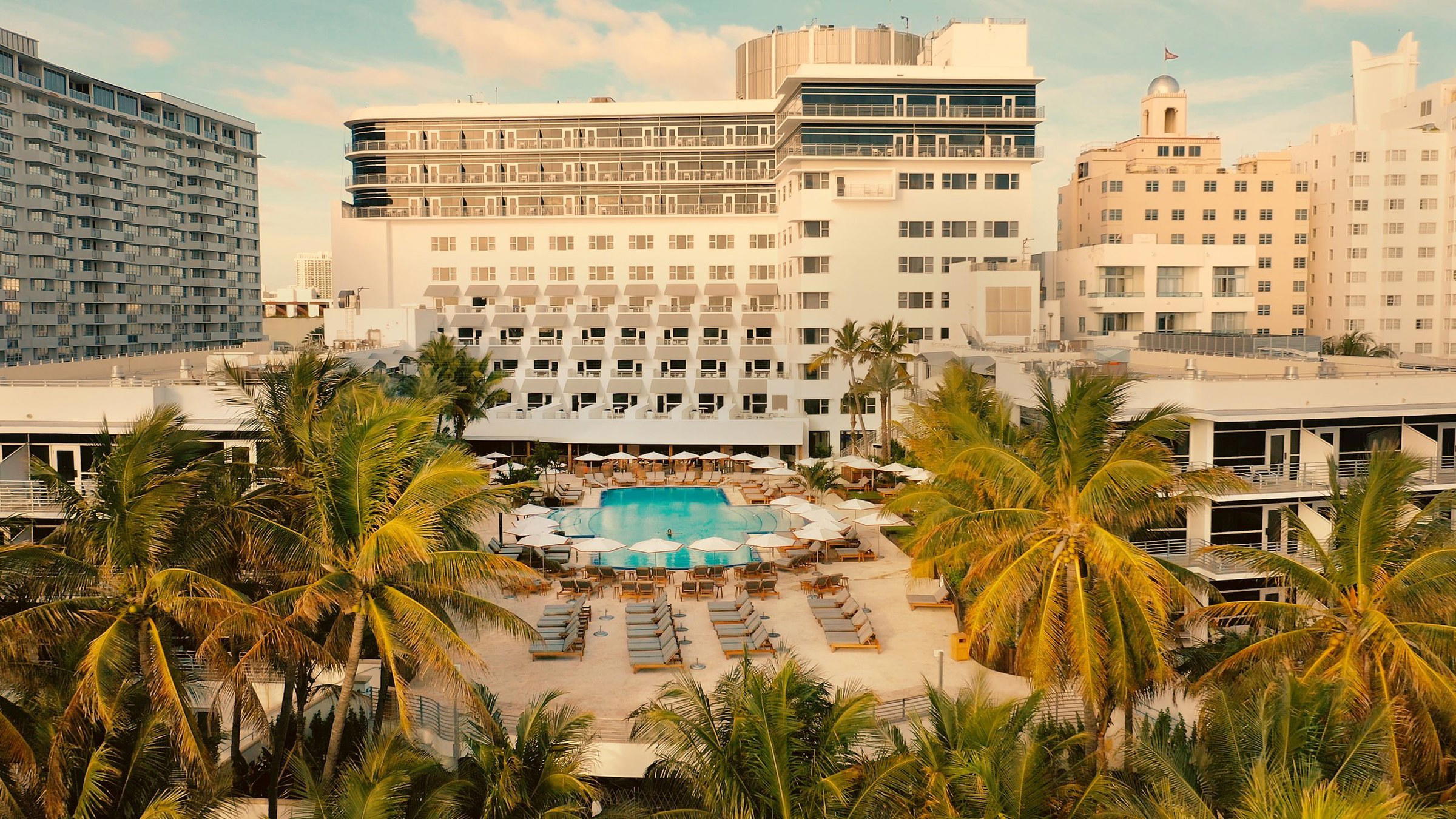
High-energy glamorous atmosphere with lively music-infused dinner setting, stylish decor, and waterfront lighting.
Know Before You Go
- Getting there
- 270 Biscayne Blvd Way, Miami, FL 33131