Mylos Restaurant sits in Fira, the caldera-edge capital of Santorini, where the volcanic island's tradition of Greek dining meets one of the Mediterranean's most theatrical settings. Located in the heart of Thira Municipality, it draws visitors seeking a table that connects the island's culinary identity to its landscape. Check current availability directly, as Santorini's high season compresses bookings across the island's dining tier.
Pearl is the En Primeur Club membership app — saves, bookings, and concierge access live there. Same editors, same standards.
- Address
- Fira 847 00, Greece
- Phone
- +302286025640
- Website
- mylossantorini.com
- Directions
- Get directions
 Saves & bookings on Pearl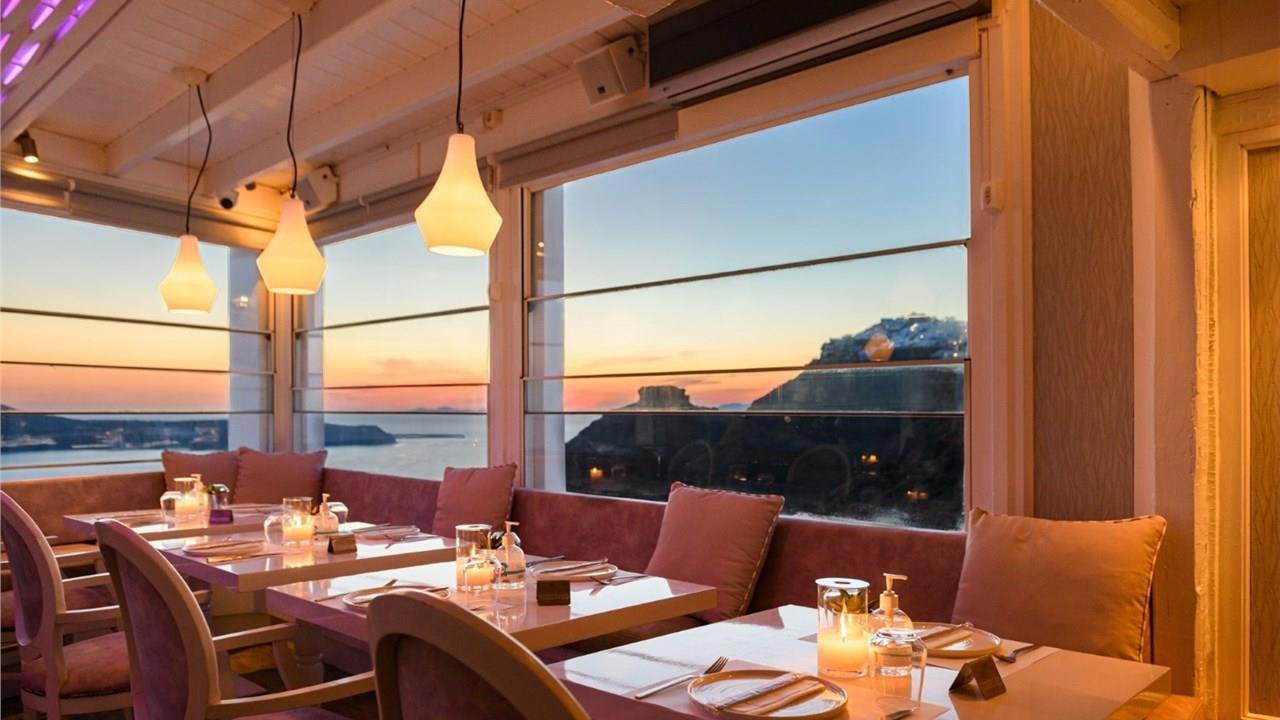
Fira's Dining Position on the Caldera Edge
Santorini's restaurant scene divides along a clear fault line. On one side sit the caldera-view establishments in Oia and Imerovigli — properties like Lure Restaurant in Oia and Bony Fish Santorini in Imerovigli — that trade on dramatic northwest-facing sunset exposure. On the other side sits Fira itself: the island's administrative and commercial centre, denser and more varied, where the dining offer runs from tourist-facing tavernas to tables genuinely rooted in Cycladic cooking tradition. Mylos Restaurant occupies an address in this second category, at Fira 847 00, positioned within the town that functions as Santorini's daily engine rather than its postcard face.
That distinction matters for how a visitor should read the table. Fira's restaurants compete differently from the village-edge properties. The clientele mixes longer-stay visitors, island residents, and travellers who have moved past the headline sunset stops. The cooking conversation is correspondingly broader, drawing on the Aegean larder, local fava from Santorini's yellow split peas, white eggplant, capers from the volcanic slopes, fresh fish from the surrounding sea, rather than orienting the menu primarily around the view outside the window.
Greek Cuisine as a Discipline, Not a Default
To understand any serious dining room on Santorini, it helps to understand where Greek cuisine sits in its current moment. The country's food identity spent decades being undersold internationally, reduced to grilled meat and dips, exported in simplified forms that bore little resemblance to the layered regional cooking still practised in Greek homes and serious kitchens. That framing has shifted. The emergence of restaurants like Delta in Athens signalled that Greek cooking could compete on its own terms at the highest level, using indigenous ingredients and traditional technique without apology or unnecessary modernisation. Santorini sits within this broader reassertion of Greek culinary seriousness, and Fira's better tables are part of that conversation.
The Cycladic tradition specifically carries real depth. Santorini's volcanic soil produces ingredients with unusual intensity: the island's cherry tomatoes, grown in near-drought conditions, concentrate sugar and acidity in ways that mainland equivalents rarely match. The local fava, a protected designation of origin product, has a sweetness and texture that separates it categorically from ordinary split pea preparations. Any kitchen that takes these ingredients seriously is working with genuinely compelling raw material, and the cultural tradition behind their preparation runs back centuries. For context on how other Greek coastal venues handle the interplay between local ingredient and Aegean tradition, Jimy's Fish in Piraeus and Lake Vouliagmeni in Vouliagmeni each represent different expressions of seafood-led Greek dining worth reading alongside Santorini's offer.
Where Mylos Sits in Fira's Dining Tier
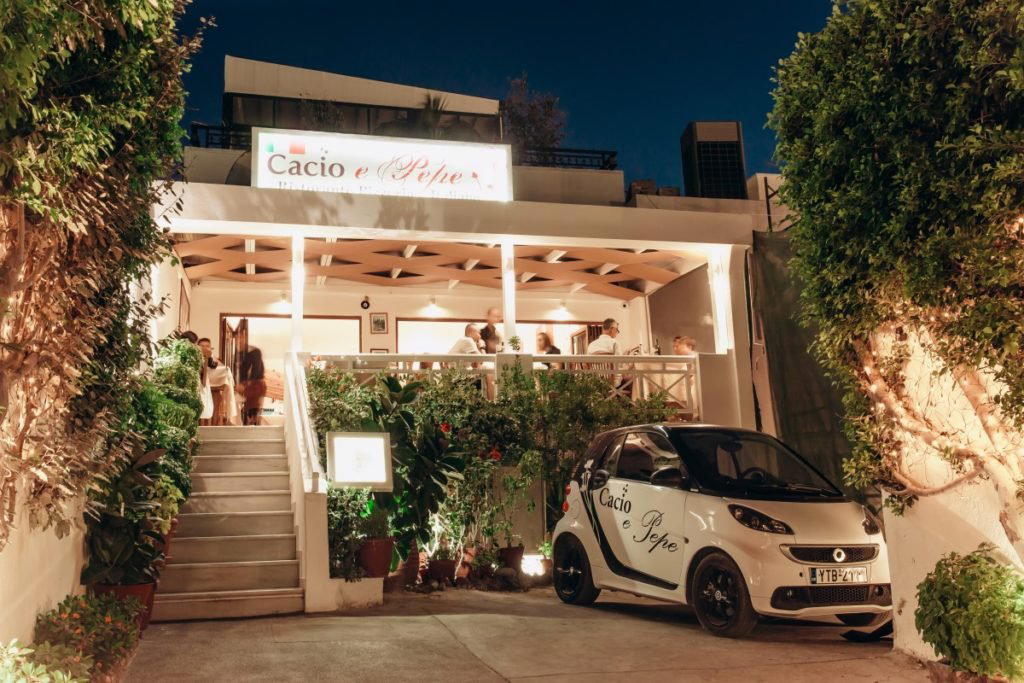
Within Fira specifically, the restaurant set includes a range of approaches. Ifestioni Restaurant and Rizes Gastro Taverna Santorini both operate in the municipality, each with their own positioning. Fusionnelle adds a different register, while Cacio e Pepe covers the Italian end of Fira's dining range. Mylos holds its place in this mix as a Greek-rooted table drawing on the island's own culinary identity rather than borrowing from broader Mediterranean or international templates.
The name itself carries meaning. A mylos is a mill, specifically, the windmills that remain one of Santorini's most recognisable architectural features, historically used to grind wheat and other grains brought to the island. That reference to traditional working structures points toward a kitchen orientation grounded in the island's actual history rather than its tourist mythology. Elsewhere in Greece, similarly grounded approaches appear at Knossos Greek Taverna Gouves in Gouves and Aktaion in Firostefani, each working within a regional Greek tradition rather than against it.
The Broader Santorini Dining Context
Santorini as a dining destination has grown considerably more sophisticated over the past decade. The island attracts visitors who are increasingly knowledgeable about food, and the better restaurants have responded by tightening their sourcing, developing more considered wine programs (Assyrtiko from the island's own vineyards being the obvious anchor), and moving away from the catch-all menus that dominated earlier tourism cycles. This tightening is visible across the municipality: Feredini represents one expression of this shift, and the gastro-taverna format embodied by Rizes reflects how seriously the island now takes the question of what Greek cooking actually means in a contemporary context.
For visitors arriving with serious dining intentions, Santorini now functions as a genuine destination rather than simply a scenic backdrop for generic Mediterranean food. That shift has been uneven, the island's high-season pressure still fills tables with visitors who would accept far less rigour, but the serious kitchens have held their line. Beauvoir in Katakolo and Alykes in Palaio Faliro offer useful reference points for how Greek coastal dining at different registers handles the same tension between tourist volume and culinary integrity. At the highest end of international comparison, the discipline required to maintain a genuine kitchen identity under tourist pressure finds parallels at places like Le Bernardin in New York City and Atomix in New York City, though the scale and context differ entirely.
Planning a Visit to Mylos
Santorini's high season runs from late May through early October, with August representing the peak compression period when tables across the island book out well in advance. Visitors planning a meal at Mylos during this window should treat advance reservation as non-negotiable rather than aspirational. The shoulder months of April, May, and October offer a meaningfully different experience: lower crowds, more available tables, and often the same or better ingredient quality as the island's producers wind down the growing season. The address in Fira, 847 00, places the restaurant within walking distance of the main cable car that connects the town to the old port below, making it accessible from both sea-arrival and inland accommodation without requiring a car.
Contact details were not available at the time of writing; checking current booking channels directly or through the full Thira Municipality restaurants guide is the practical route to reserving a table. For a different coastal Greek register closer to the capital, Cash in Kifisia rounds out the picture of how Athens' satellite dining scene compares to what Santorini now offers.
How Mylos Restaurant Thira compares with similar nearby venues.
| Venue | Cuisine |
|---|---|
| Selene | Contemporary Greek |
Continue exploring
More in Thira
Restaurants in Thira
Browse all →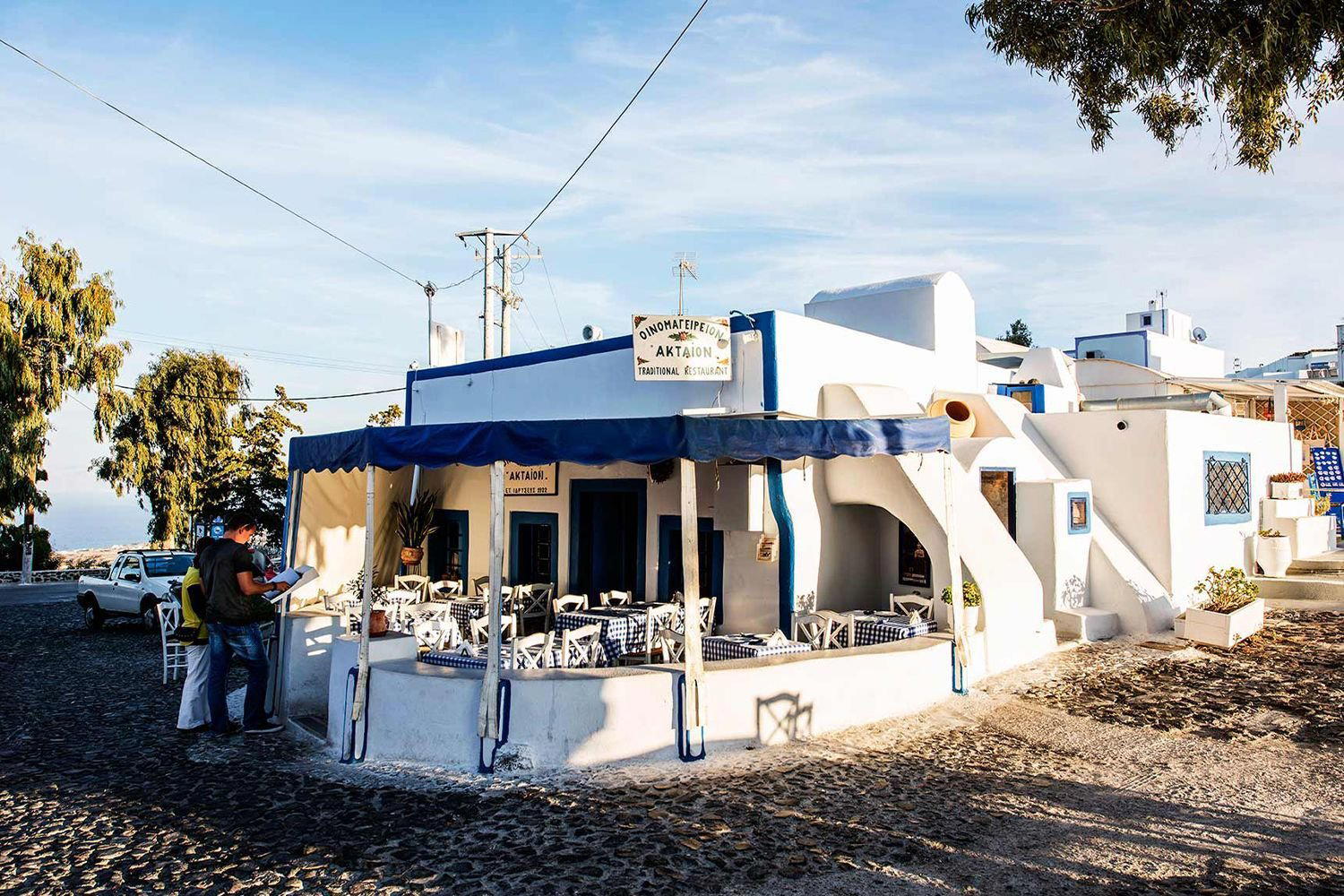
Bars in Thira
Browse all →
Hotels in Thira
Browse all →
At a Glance
- Romantic
- Elegant
- Scenic
- Sophisticated
- Intimate
- Date Night
- Special Occasion
- Celebration
- Terrace
- Panoramic View
- Historic Building
- Waterfront
- Live Music
- Extensive Wine List
- Craft Cocktails
- Sommelier Led
- Local Sourcing
- Waterfront
- Mountain
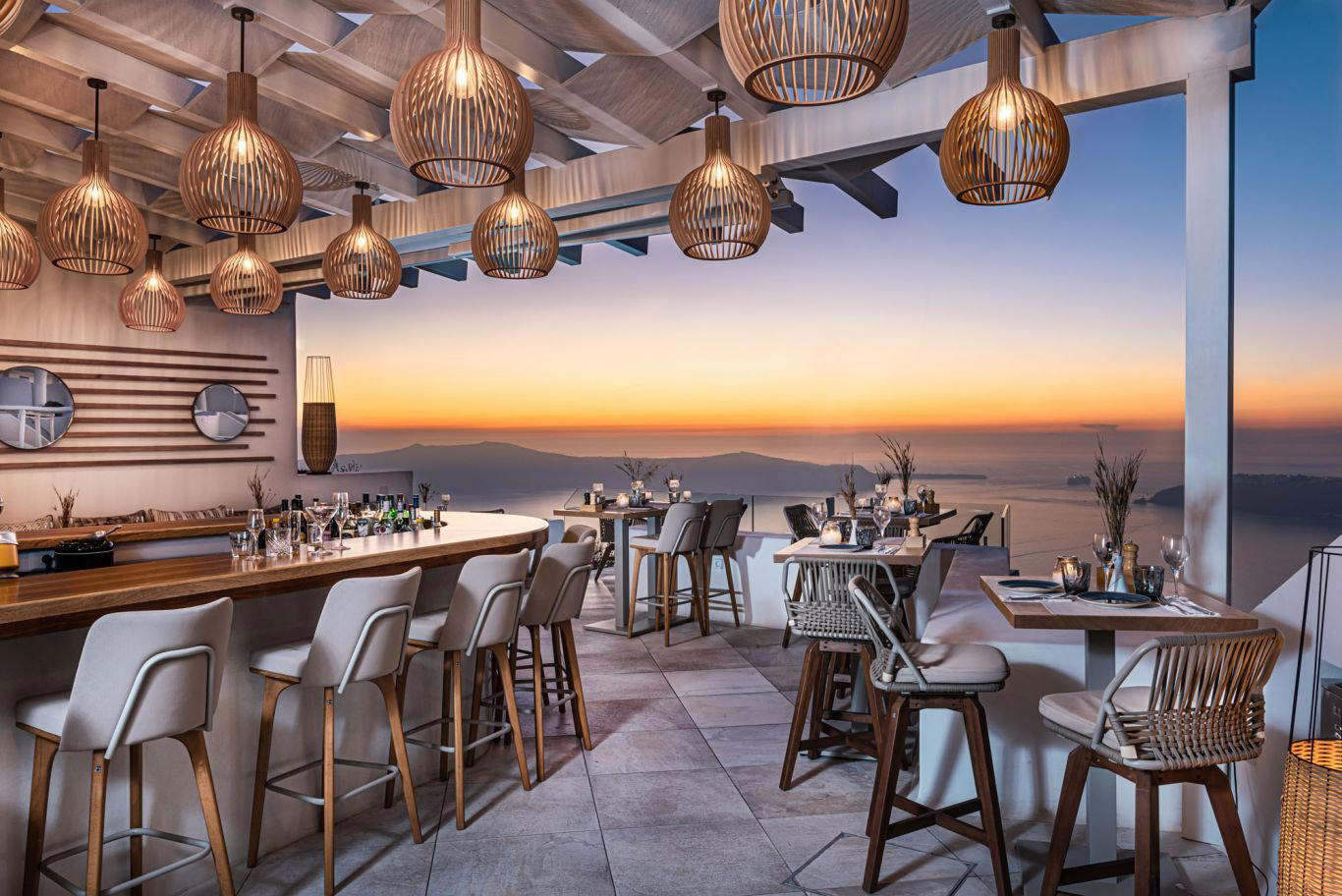
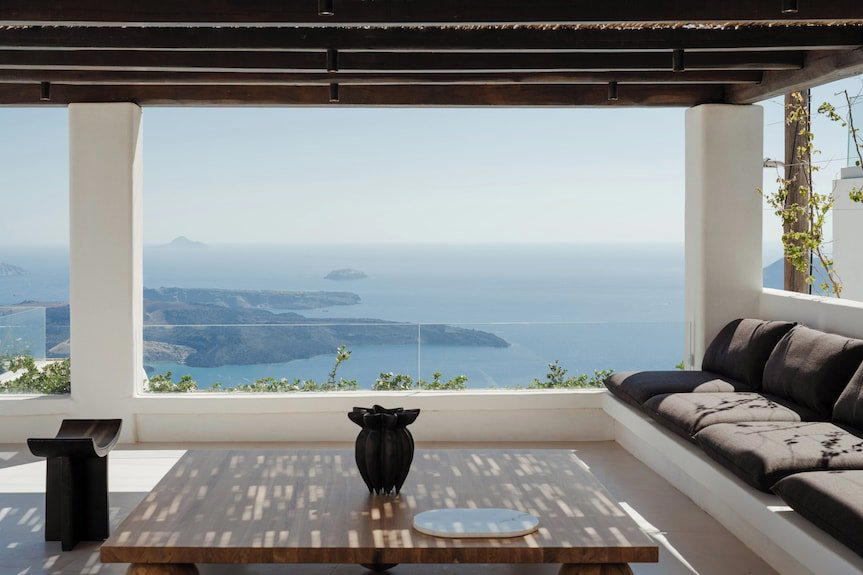
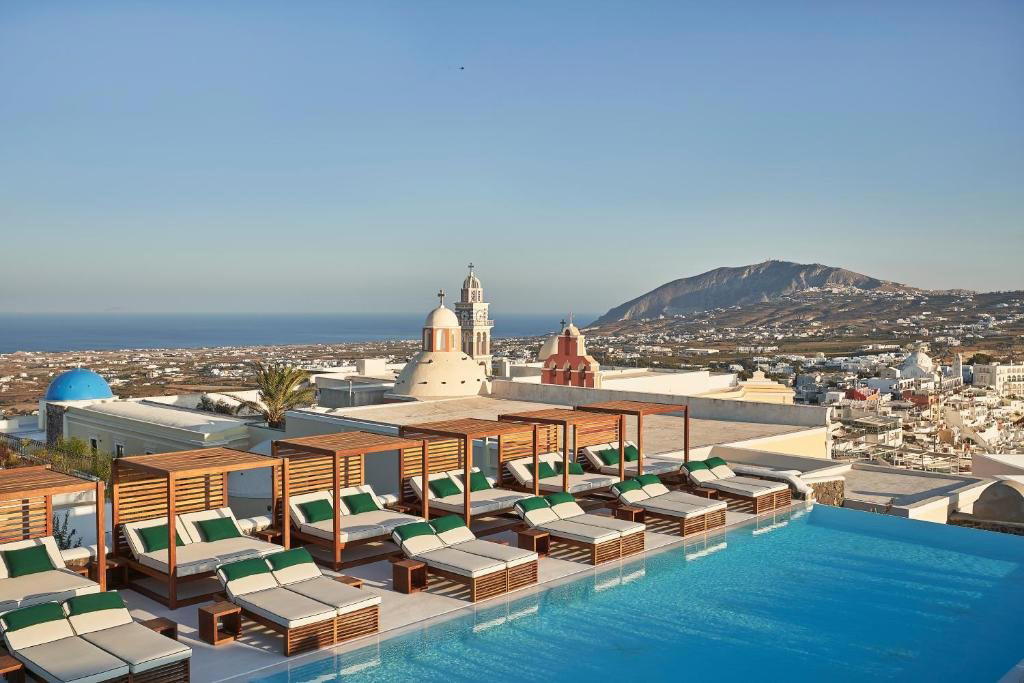
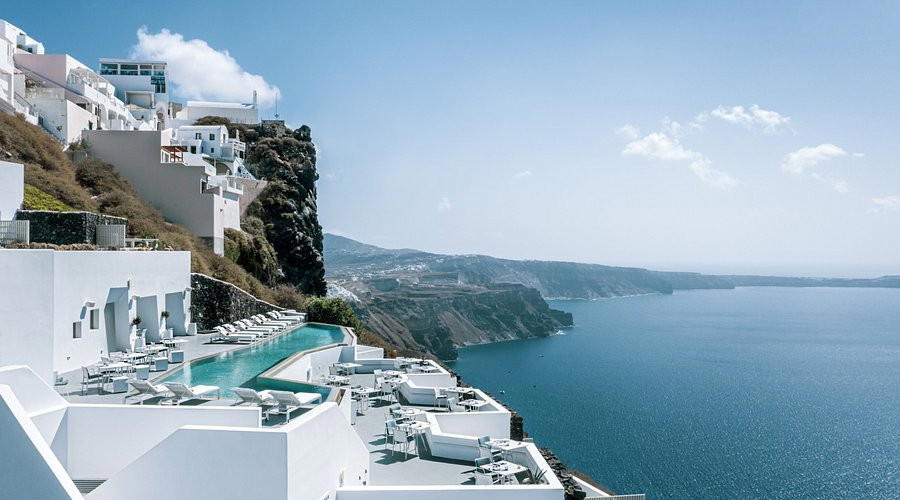
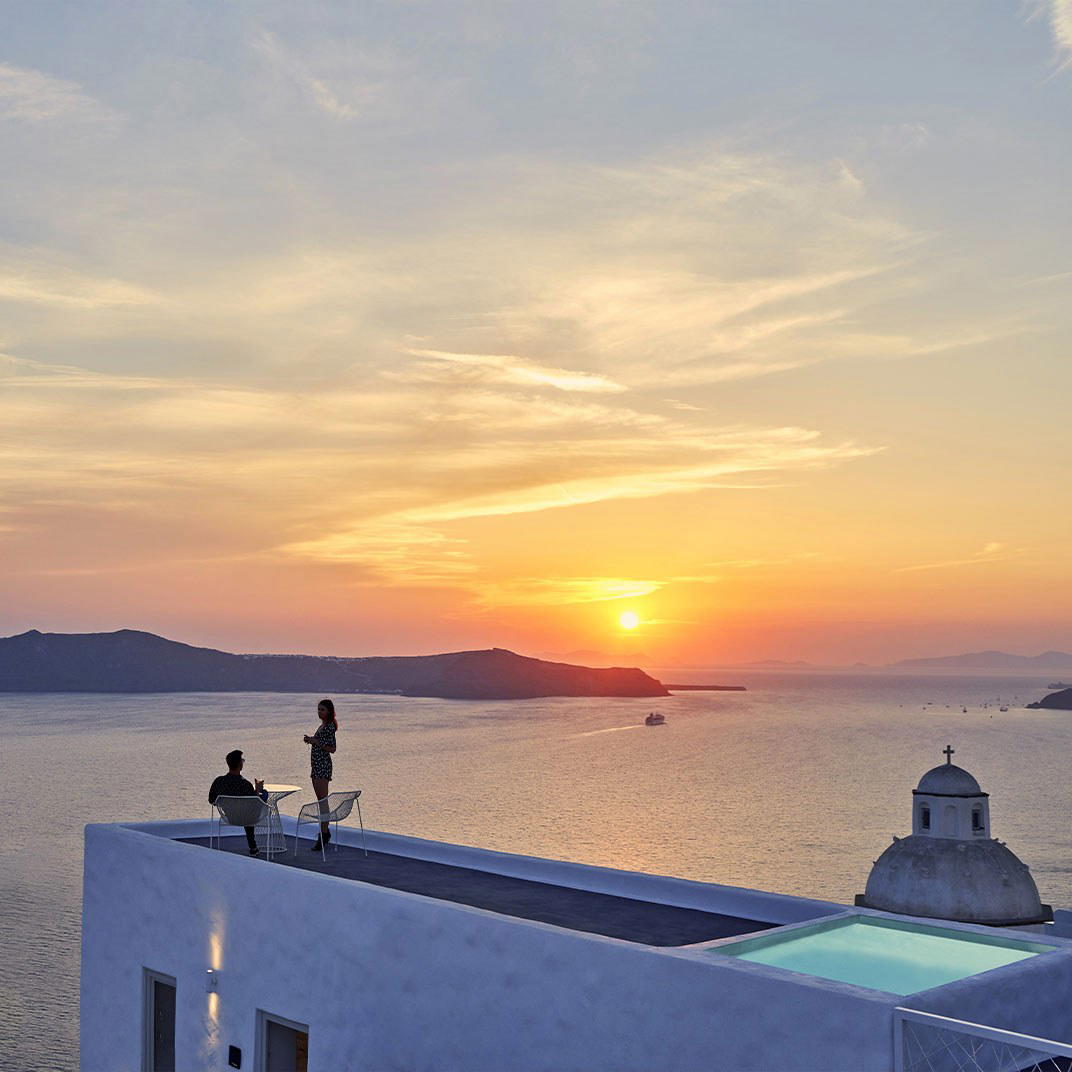
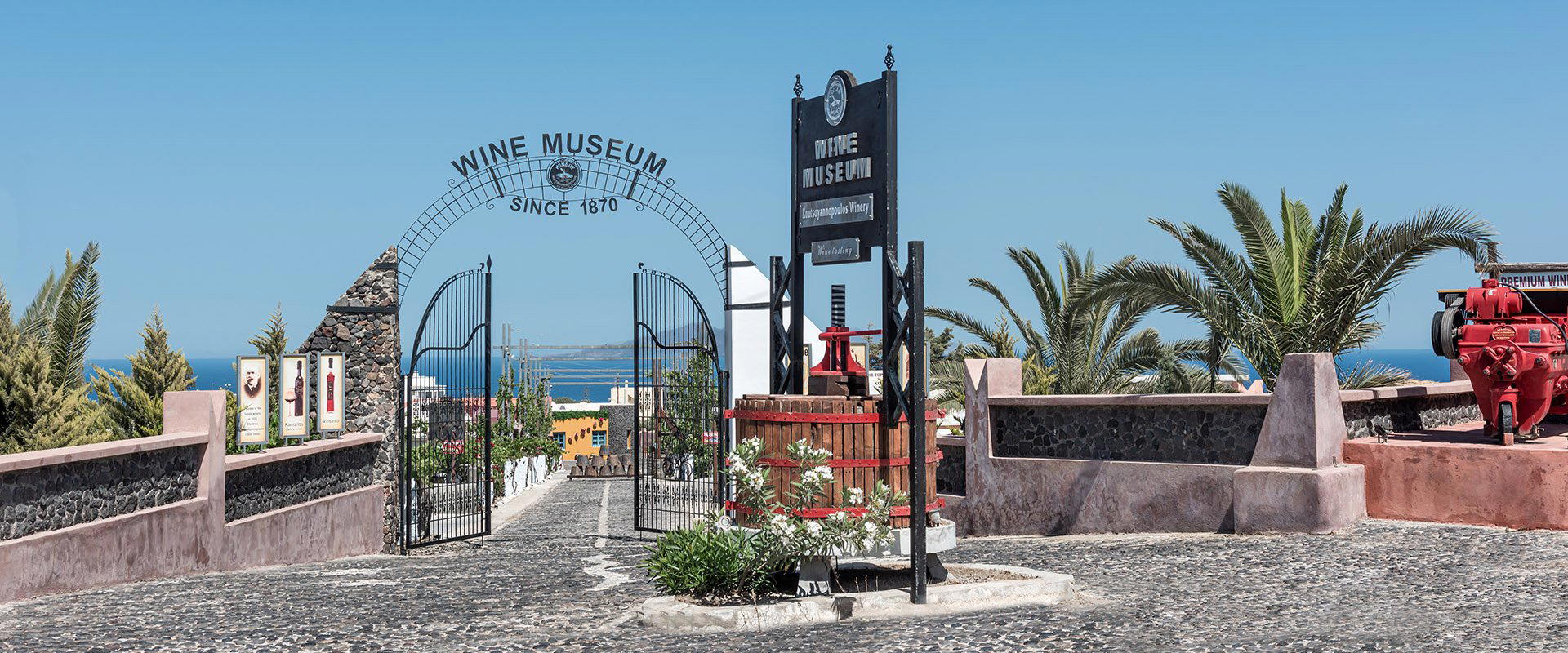
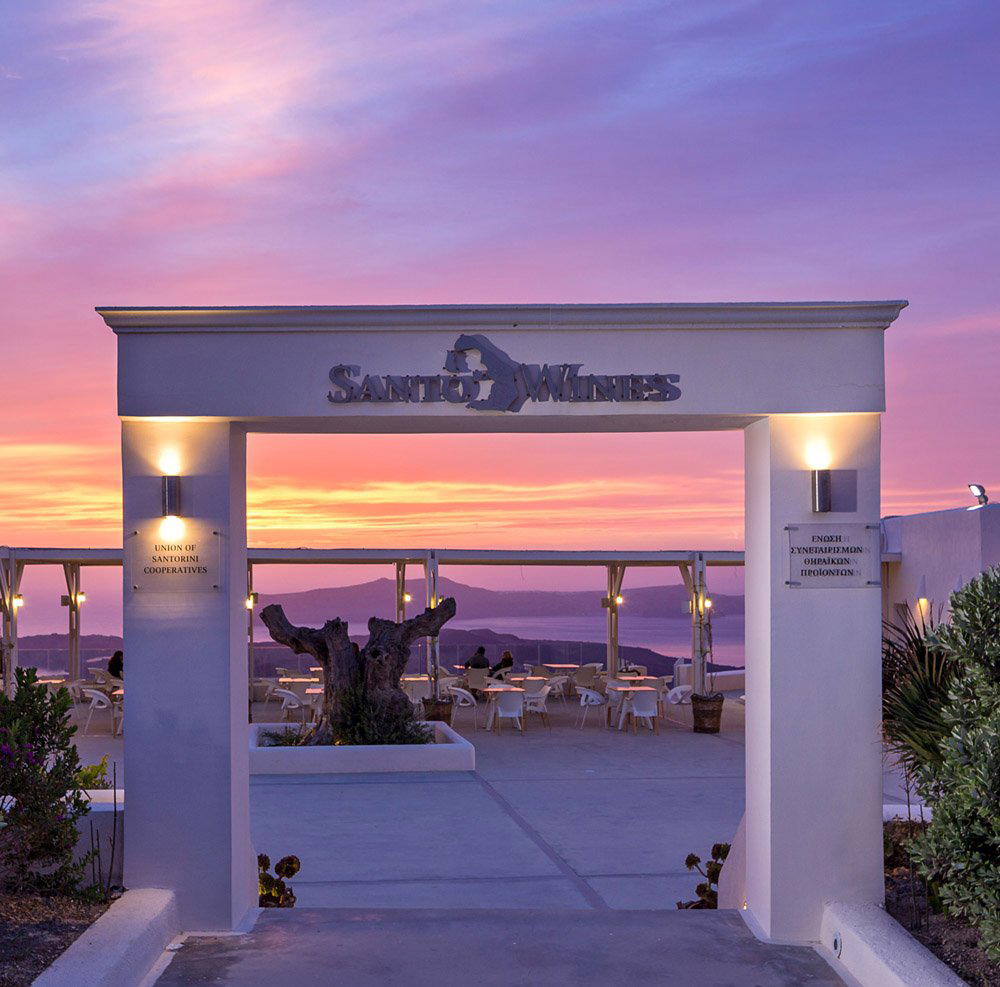
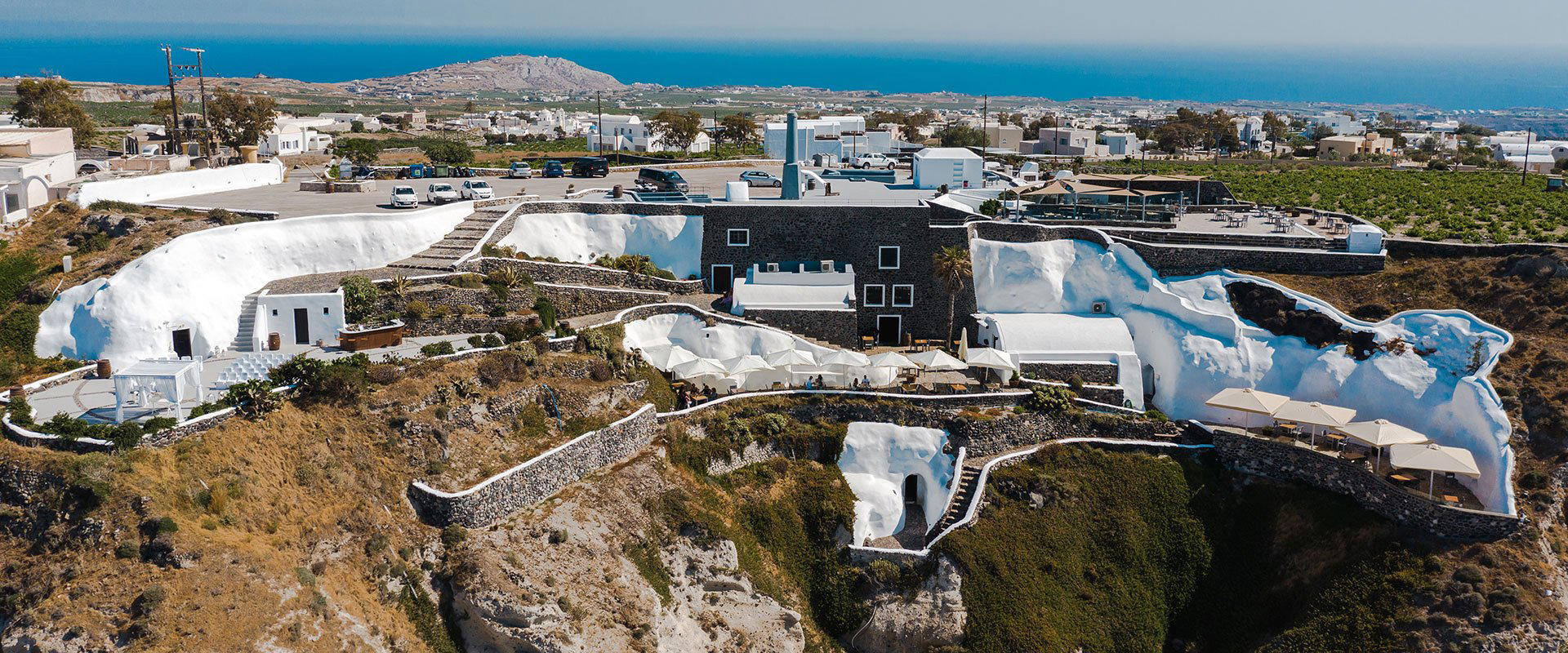
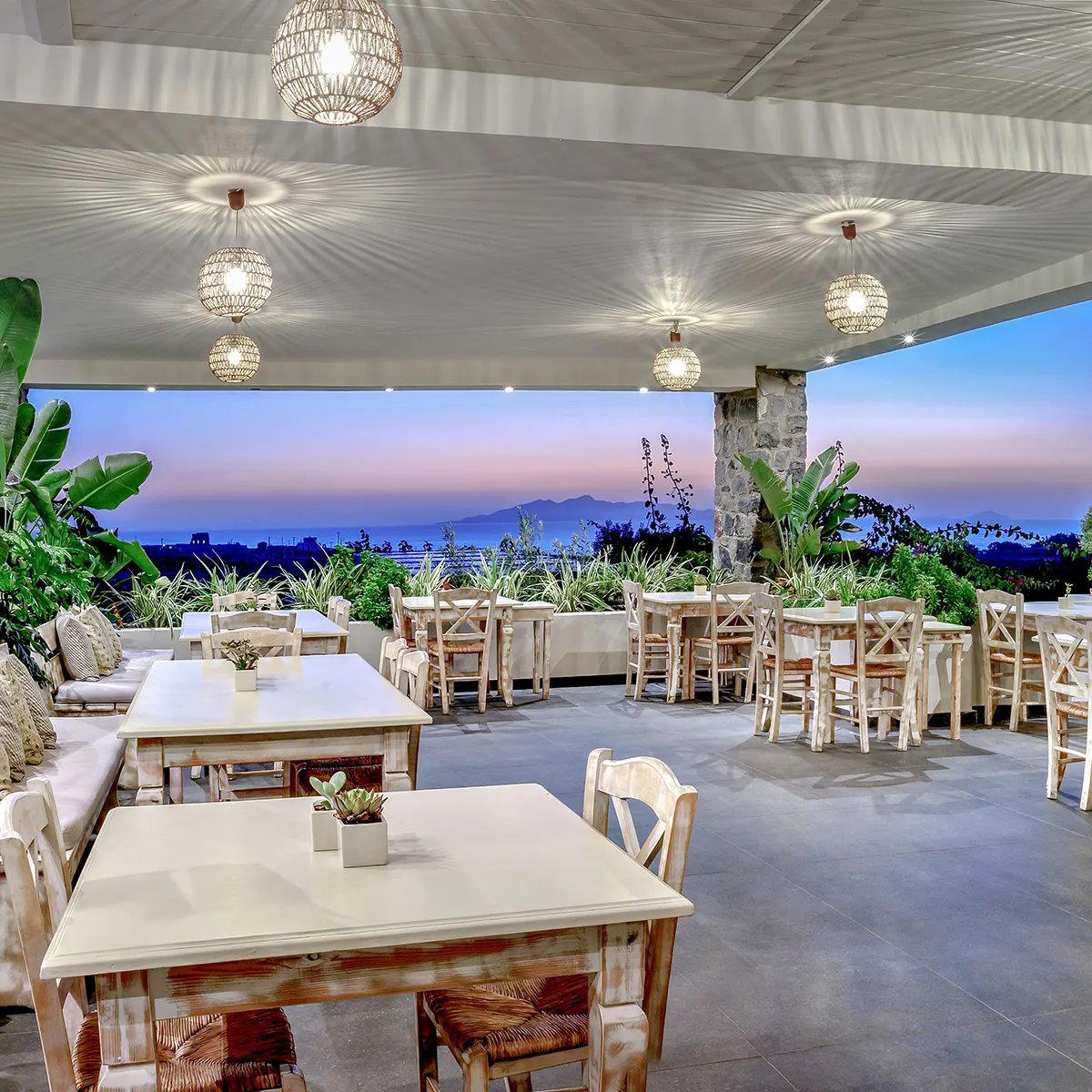
Elegant and refined with candlelit evenings, thoughtful curated music, and a chill-out atmosphere enhanced by panoramic caldera views through floor-to-ceiling windows.