Muse Restaurant
On Society Street in Charleston's historic Ansonborough district, Muse Restaurant operates in a city where farm-to-table rhetoric often outpaces practice. Positioned alongside serious New American peers like Vern's and FIG, Muse draws on the Lowcountry's ingredient depth with a format that prioritizes sourcing transparency and environmental accountability over spectacle.
Pearl is the En Primeur Club membership app — saves, bookings, and concierge access live there. Same editors, same standards.
- Address
- 82 Society St, Charleston, SC 29401
- Phone
- +18435771102
- Website
- charlestonmuse.com
- Directions
- Get directions
 Saves & bookings on Pearl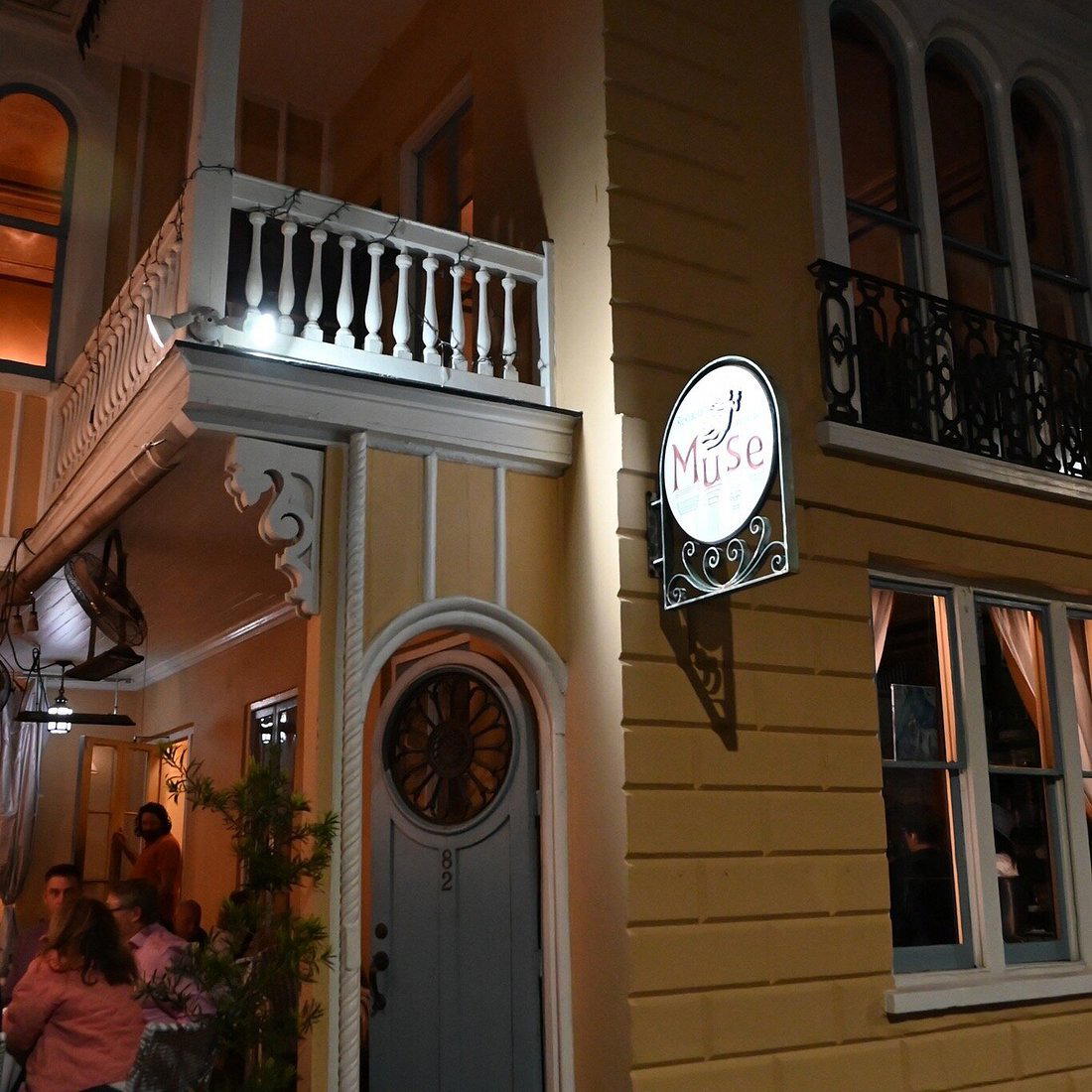
Society Street and the Ethics of Sourcing
Charleston's dining scene has spent the better part of two decades building a reputation on Lowcountry ingredients: Sea Island grains, barrier island oysters, heritage pork from inland farms. What varies sharply between establishments is how seriously that sourcing story is interrogated. At the higher end of the market, where restaurants like Vern's and Lowland compete on both technique and provenance, the pressure to demonstrate genuine environmental accountability has grown alongside diner awareness. Muse Restaurant, at 82 Society Street in the Ansonborough neighborhood, enters that conversation from an address that carries its own kind of gravity. Society Street sits at the quieter northern fringe of the downtown peninsula, away from the King Street corridor's foot traffic, which means the restaurants that succeed here tend to do so on substance rather than passing visibility.
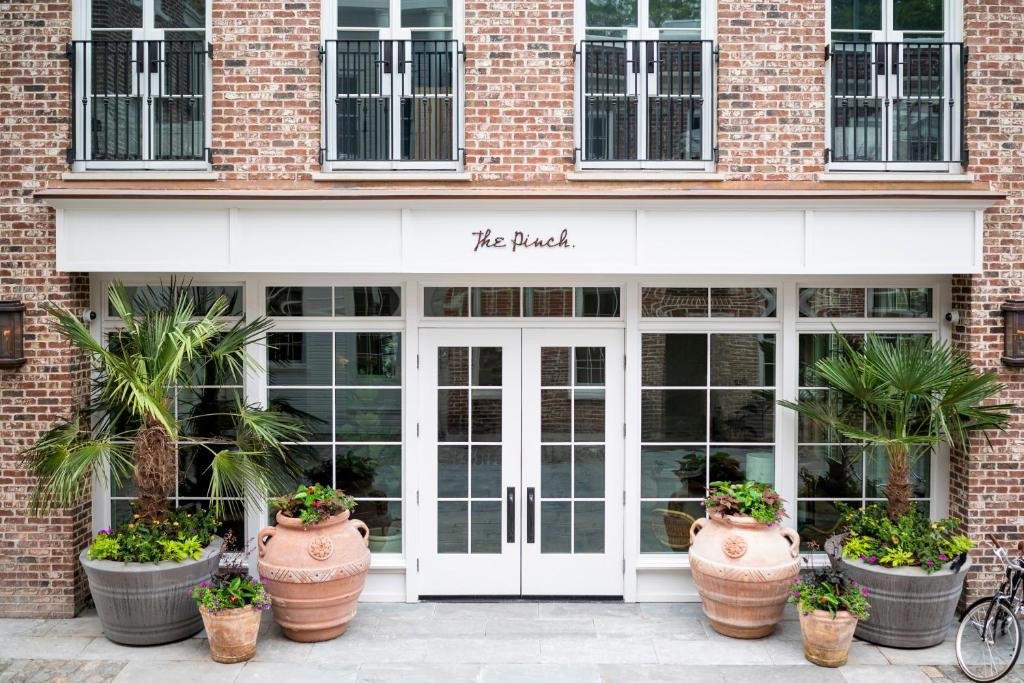
Ansonborough is one of Charleston's older residential grids, lined with single-family homes and antebellum structures that have survived successive waves of renovation. Arriving at 82 Society Street, the physical environment is shaped by that surrounding architecture: the scale is domestic rather than monumental, the streetscape unhurried. It is the kind of block where a restaurant either earns its place through consistent quality or quietly disappears. That tension between neighborhood context and culinary ambition defines how Muse fits into Charleston's broader dining picture.
Where Muse Sits in the Charleston Hierarchy
Charleston's serious New American tier now spans a range of formats and philosophies. At one end, places like Rodney Scott's BBQ represent the whole-hog tradition practiced with near-documentary fidelity to technique and wood. At the other, restaurants aligned with the farm-to-table movement use ingredient sourcing as both an ethical and an aesthetic argument. Muse occupies a position in that second category, on a street and in a price tier where the expectation is that environmental consciousness informs the menu structurally, not decoratively.
Across the American fine-dining spectrum, the sustainability conversation has bifurcated. Restaurants like Blue Hill at Stone Barns in Tarrytown have made the farm-restaurant relationship the central organizational principle, with the kitchen functioning almost as a processing arm of the agricultural operation. Single Thread Farm in Healdsburg applies a similar logic with Japanese precision. In urban settings without direct land access, the challenge is different: restaurants must build supply chains rather than grow them, which requires ongoing relationships with producers rather than a one-time sourcing decision. Charleston's geography makes this tractable. The Lowcountry's agricultural infrastructure, from coastal fisheries to inland heirloom grain producers, gives urban kitchens access to a supply network that most American cities cannot match.
That context matters for understanding what Muse is attempting. In a city where the sourcing claim is almost universal, differentiation comes from the depth and verifiability of those relationships, from waste reduction practices in the kitchen, and from menu design that reflects seasonal availability rather than imposes upon it. These are harder to communicate than a logo or an award, but they are what separate genuine environmental commitment from positioning.
The Lowcountry as a Sourcing Argument
South Carolina's food geography gives Charleston restaurants a structural advantage that most American cities would find difficult to replicate. Within a two-hour radius, kitchens have access to fresh oysters and clams from ACE Basin waterways, shrimp from the state's coastline, heritage grains from Anson Mills less than two hours north in Columbia, and a growing network of small farms producing vegetables, eggs, and protein outside the industrial supply chain. The challenge is not finding good ingredients but rather building the operational discipline to use them responsibly: minimizing waste when produce arrives imperfect, designing menus around what the season actually yields rather than what a chef prefers to cook, and maintaining supplier relationships through the lean months as well as the peak ones.
Restaurants that approach this seriously tend to show it in specific ways. Menus change frequently and often without announcement. Secondary cuts and less commercially attractive fish species appear alongside premium proteins. Fermentation, pickling, and preservation techniques extend the life of ingredients that would otherwise generate waste. These practices are more common at the committed end of the New American spectrum than they were a decade ago, partly because diners have grown more literate about food systems and partly because the economics of waste reduction align with profitability when ingredient costs are high.
For comparison, the sustainability-forward end of American fine dining includes restaurants operating at different scales and price points. Lazy Bear in San Francisco and Providence in Los Angeles each incorporate ethical sourcing into their identities alongside technical ambition. Addison in San Diego has built a similar case at the luxury tier. These are not peer venues for Muse in terms of scale or recognition, but they map the range of formats through which the sustainability argument can be made credibly.
Positioning Against Charleston Peers
Within Charleston specifically, the competition for the ethically conscious, ingredient-driven dining dollar is genuine. Malagón Mercado y Taperia brings a Spanish lens to local ingredients. 1010 Bridge operates in the same general category of considered New American. FIG, which has held a consistent position at the summit of Charleston's sourcing-focused tier for over a decade, remains the reference point against which most sustainability claims in the city are measured. Husk, further down the peninsula, made heritage grain and heirloom produce central to its identity from opening. Muse enters a field with established positions and must make its case through execution rather than novelty of concept.
The Society Street address keeps it slightly outside the gravitational pull of the main tourist circuits, which can work in a restaurant's favor: the audience self-selects toward the genuinely interested rather than the passingly curious.
How to Plan Your Visit
Muse Restaurant is located at 82 Society Street in Ansonborough, a walkable distance from the French Quarter and the lower King Street area. Given the restaurant's position in a residential neighborhood rather than a high-traffic commercial corridor, reservations are recommended. The Society Street location means street parking is more accessible than in the denser parts of downtown, and the walk from most central Charleston hotels is reasonable in mild weather. Muse is open Monday through Saturday from 5 to 10 PM and closed on Sunday.
At a Glance
Comparable venues nearby, for context on price, style, and recognition.
| Venue | Cuisine | Price | Notes |
|---|---|---|---|
| Muse RestaurantThis venue — the venue you are viewing | Not listed | $$$ | Not listed |
| Park & Grove | Wagener Terrace, Dining | $$$ | Not listed |
| Bridge Bar & Bistro at The Cooper | Not listed | $$$ | Downtown Charleston, Coastal Mediterranean with Lowcountry influence |
| Rancho Lewis | Not listed | $$ | Upper King Street, West Texas Tex-Mex Border Cuisine |
| Burwell's Stone Fire Grill | Market Street, Modern Steakhouse | $$$ | Not listed |
Continue exploring
More in Charleston
Restaurants in Charleston
Browse all →
Bars in Charleston
Browse all →

At a Glance
- Romantic
- Elegant
- Intimate
- Sophisticated
- Cozy
- Date Night
- Special Occasion
- Historic Building
- Extensive Wine List
Current opening hours
- Monday
- 5–10 PM
- Tuesday
- 5–10 PM
- Wednesday
- 5–10 PM
- Thursday
- 5–10 PM
- Friday
- 5–10 PM
- Saturday
- 5–10 PM
- Sunday
- Closed
Hours can change for holidays and private events. Last verified .
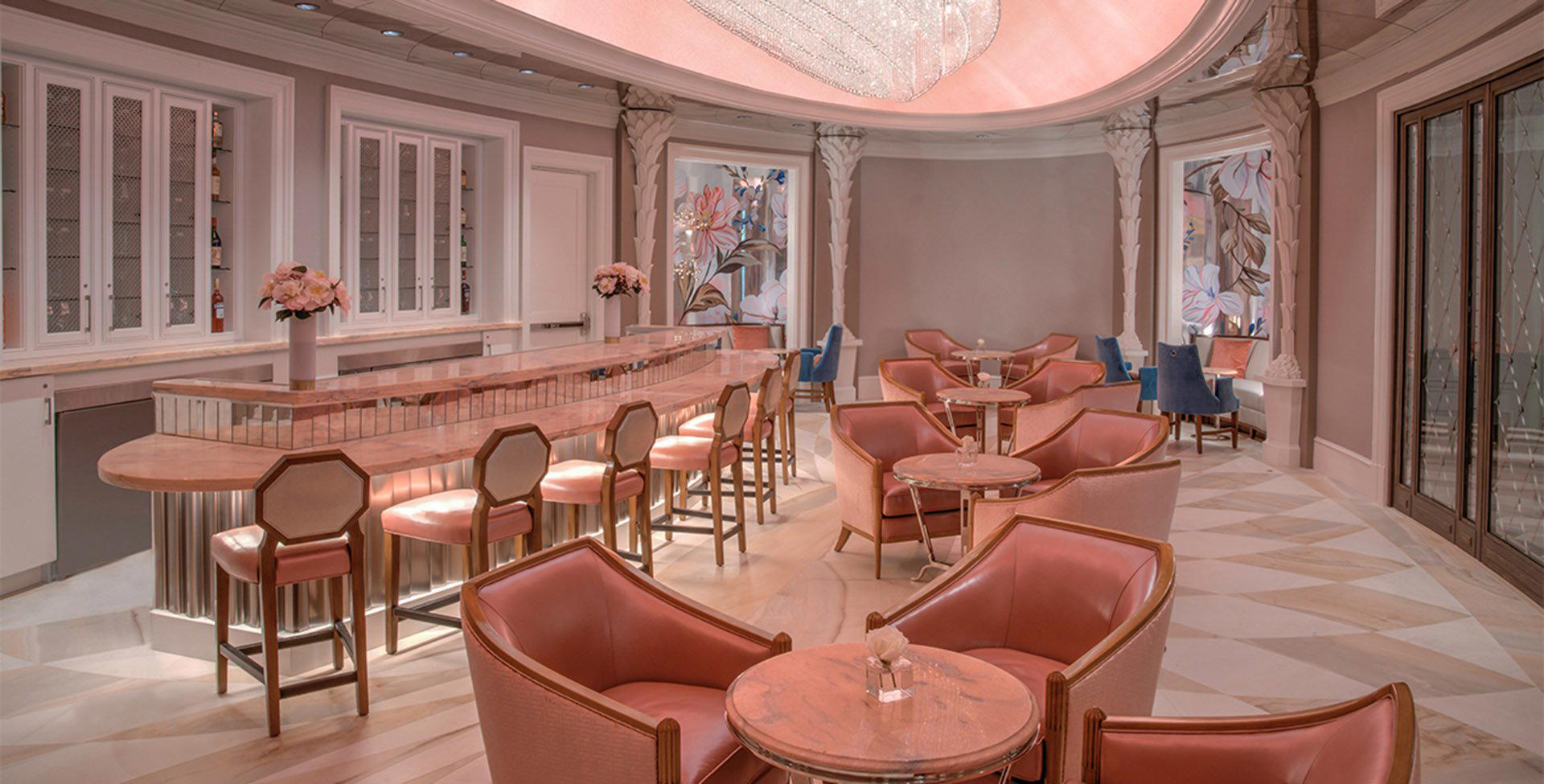
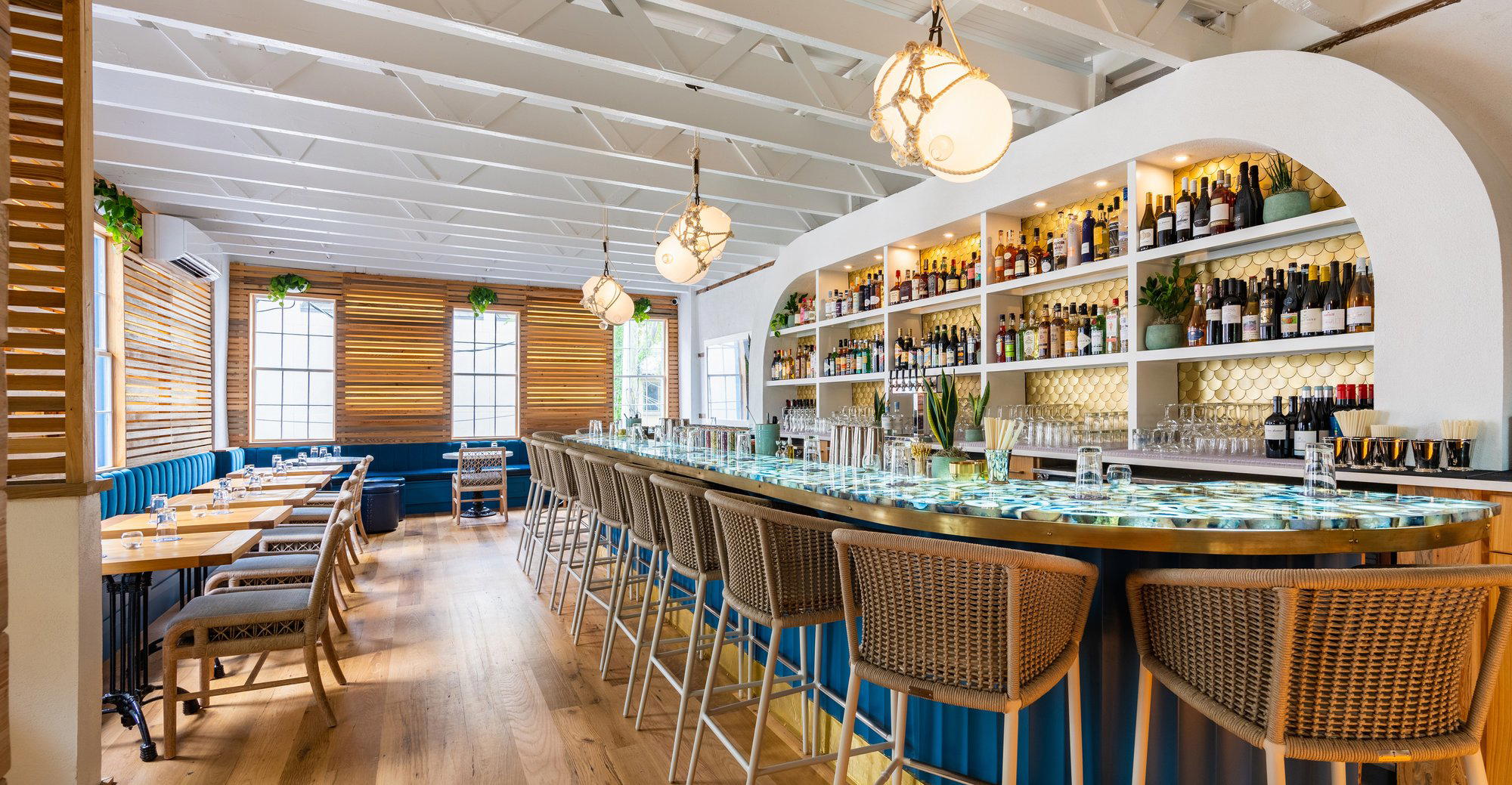
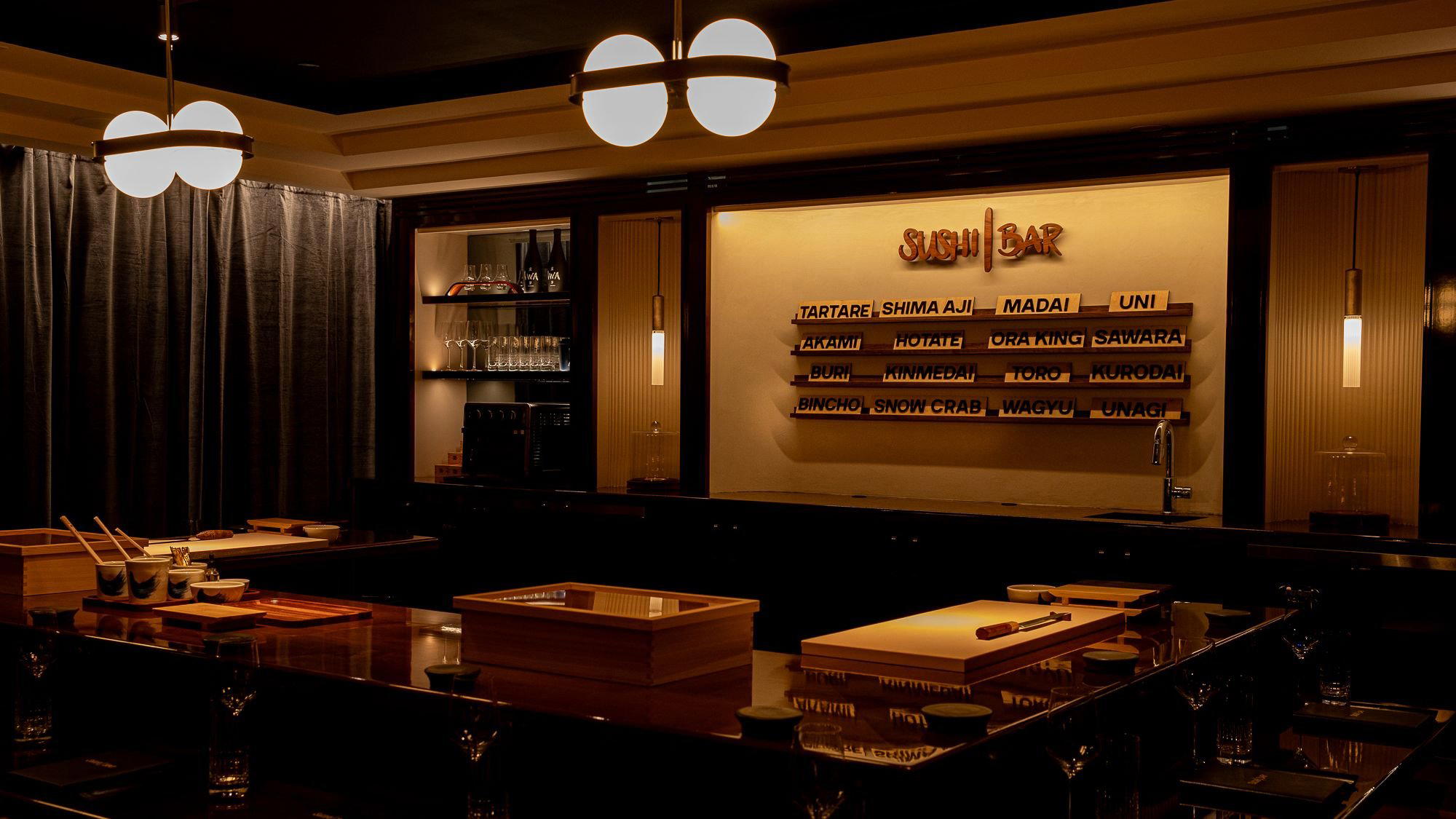
Charming and intimate atmosphere reminiscent of a Mediterranean villa in a renovated historic home, with small dining rooms, stone-tiled courtyard, and artsy, ornately-decorated interiors evoking old-world elegance.