Bridge Bar & Bistro at The Cooper
Bridge Bar & Bistro at The Cooper brings Charleston’s Lowcountry pantry into a Mediterranean frame, a pairing that makes sense in a port city shaped by rice, seafood, citrus, herbs, and trade. The useful lens here is olive oil: not as garnish, but as the fat that shifts Southern coastal cooking away from butter-heavy comfort and toward brightness, salinity, and restraint.

Pearl is the En Primeur Club membership app — saves, bookings, and concierge access live there. Same editors, same standards.
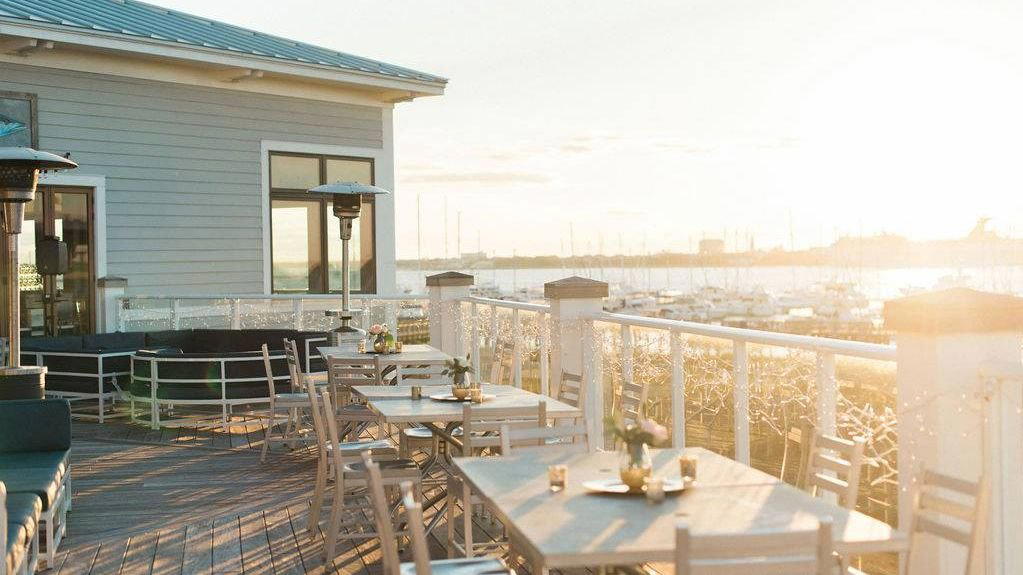
Charleston dining often announces itself before the first plate: salt air, polished wood, glassware catching low coastal light, and a room calibrated for lingering rather than turnover. Bridge Bar & Bistro at The Cooper belongs to that hotel-adjacent strain of the city’s restaurant culture, where the meal has to serve several audiences at once: visitors arriving with polished expectations, locals reading the room for seriousness, and travelers who want Charleston flavor without a caricature of shrimp-and-grits nostalgia.
The stated cuisine, Lowcountry-Mediterranean, is more than a hyphen for menu breadth. Charleston and the Mediterranean share a coastal logic: seafood, grains, preservation, acid, herbs, and vegetables handled with respect for heat and season. The difference is the fat. Much of traditional Southern cooking leans on butter, pork, or frying oil; the Mediterranean side begins with olive oil, and that choice changes the grammar of the plate. It makes room for grilled fish rather than heavy sauces, bitter greens rather than sweetness, legumes rather than starch overload, and citrus or vinegar as structure rather than decoration.
Lowcountry ingredients read through an olive-oil lens
The strongest version of this format treats olive oil as a foundation, not a finishing flourish. In a Charleston context, that means local seafood can move toward brine, char, herbs, and acidity instead of cream. Rice traditions can sit beside Mediterranean grain logic without forcing fusion for its own sake. Vegetables gain importance because olive oil rewards texture: roasted edges, raw crunch, marinated softness, peppery greens, and the clean bitterness that makes a coastal meal feel composed rather than heavy.
That matters in Charleston because the city’s dining identity has matured past a single story of heritage revival. The Lowcountry canon remains powerful, but the current table is broader: African diaspora foodways, French brasserie habits, raw-bar culture, hotel restaurants, bakeries, and global casual formats all sit within a few meals of one another. For a quick map of that spread, 1010 Bridge points toward contemporary Southern cooking, 167 Raw (Oyster Bar) toward the city’s seafood appetite, 39 Rue de Jean toward brasserie durability, Allora toward Italian coastal ease, and Annie Mae's Bakeshop (Bakery) toward the city’s daytime baking culture.
The Charleston hotel-restaurant test is discipline
Hotel restaurants in destination cities face a specific test: they cannot rely only on convenience, and they cannot chase local color so hard that the room becomes a postcard. In Charleston, that balance is especially unforgiving. The city receives travelers who arrive with firm ideas about what a Lowcountry meal should be, while residents know when a kitchen is recycling familiar cues. A Lowcountry-Mediterranean bistro has a credible path through that problem if it lets the shared coastal vocabulary do the work: olive oil, seafood, herbs, vegetables, wine-friendly pacing, and enough regional grounding to keep the cooking from becoming generic resort food.
Bridge Bar & Bistro at The Cooper is therefore easiest to understand as part of Charleston’s newer hospitality conversation, not as a standalone dining claim built on awards or chef mythology. No public award signal is attached here, so the trust signal is format and category: a named bistro within a premium hotel setting, working in a cuisine style that connects Charleston’s port-city pantry to Mediterranean technique. That is a narrower proposition than a tasting-menu room and more composed than casual coastal dining. The value, for the right diner, is in the middle register: polished enough for a planned evening, flexible enough for a meal that does not need ceremony.
The olive-oil frame also affects how to read the menu before ordering. Look for dishes where fat, acid, and salt are doing visible work together: seafood with citrus or herbs, vegetables treated as central rather than incidental, grains or legumes used for texture, and preparations that avoid burying coastal ingredients under richness. In this style, restraint is not minimalism. It is the difference between a plate that tastes generically Mediterranean and one that makes sense in Charleston.
How it fits into a wider Charleston itinerary
Charleston rewards travelers who plan by mood rather than by checklist. A bistro like this suits the evening when the day has already carried enough architecture, heat, and walking, and dinner needs polish without a long-form performance. The city’s broader planning grid is useful here: Our full Charleston restaurants guide covers the dining spread, while Our full Charleston hotels guide, Our full Charleston bars guide, Our full Charleston wineries guide, and Our full Charleston experiences guide help place the meal within the rest of the trip.
For readers comparing how regional cuisines travel across American cities, the useful pattern is not sameness but translation. Jōdo Saké Bar in Los Angeles and Onigiri Time in Pasadena show Japanese formats adapted to local dining rhythms; ¿Por Qué No? in Portland and ¡Salud! in Los Angeles reflect Mexican and Mexican-American casual energy in different urban settings; 'Ai Love Nalo in Waimanalo Beach, 'āina in San Francisco, and 'Ama 'Ama in Kapolei trace Hawaiian and Pacific references through different hospitality registers; -Grilled beef Sukiyaki- KAMAKURA TANUKIAN 鎌倉 たぬき庵 in Kamakura shows how a tightly defined Japanese specialty can anchor an entire meal. Charleston’s Lowcountry-Mediterranean mode belongs to the same broader question: how far a cuisine can travel before it loses its native logic, and how much a city can absorb before the plate starts to feel unmoored.
The editorial read is clear: Bridge Bar & Bistro at The Cooper is most compelling when approached as a coastal bistro shaped by olive oil, not as a conventional Southern dining room with Mediterranean accents. In a city crowded with heritage cues, that distinction gives the restaurant its lane.
Comparable Venues Nearby
Comparable venues nearby, for context on price, style, and recognition.
| Venue | Cuisine | Price | Notes |
|---|---|---|---|
| Bridge Bar & Bistro at The CooperThis venue — the venue you are viewing | Coastal Mediterranean with Lowcountry influence | $$$ | Not listed |
| O-Ku | Modern Japanese Sushi | $$$ | Upper King Street |
| Bintü Atelier | West African Senegalese | $$$ | Eastside |
| Delaney Oyster House | Lowcountry Seafood & Raw Bar | $$$ | Ansonborough |
| Melfi's | Classic Italian with Fresh Pasta & Pizza | $$$ | Upper King |
| Park & Grove | Dining | $$$ | Wagener Terrace |
Continue exploring
More in Charleston
Restaurants in Charleston
Browse all →
Bars in Charleston
Browse all →
At a Glance
- Scenic
- Modern
- Sophisticated
- Elegant
- Lively
- Date Night
- Group Dining
- Brunch
- Special Occasion
- Casual Hangout
- Waterfront
- Rooftop
- Panoramic View
- Design Destination
- Hotel Restaurant
- Extensive Wine List
- Craft Cocktails
- Local Sourcing
- Waterfront
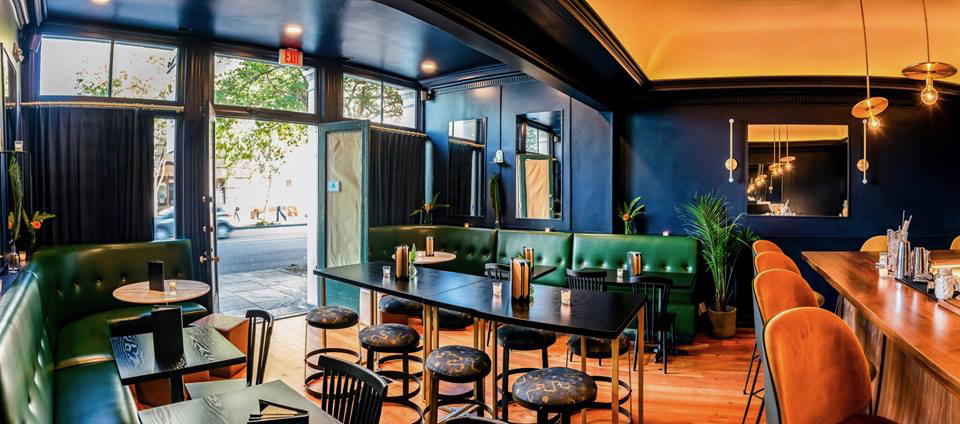
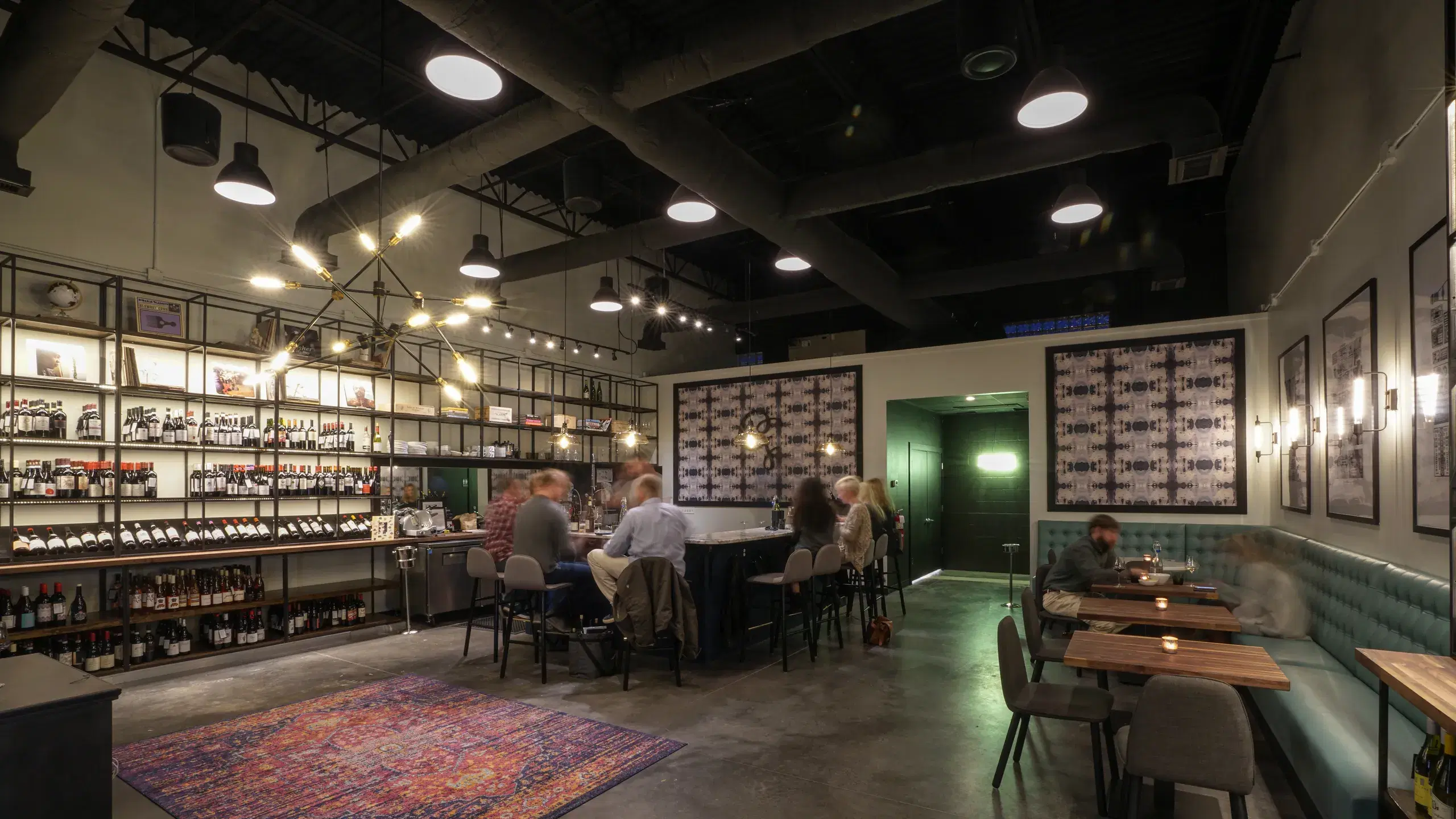
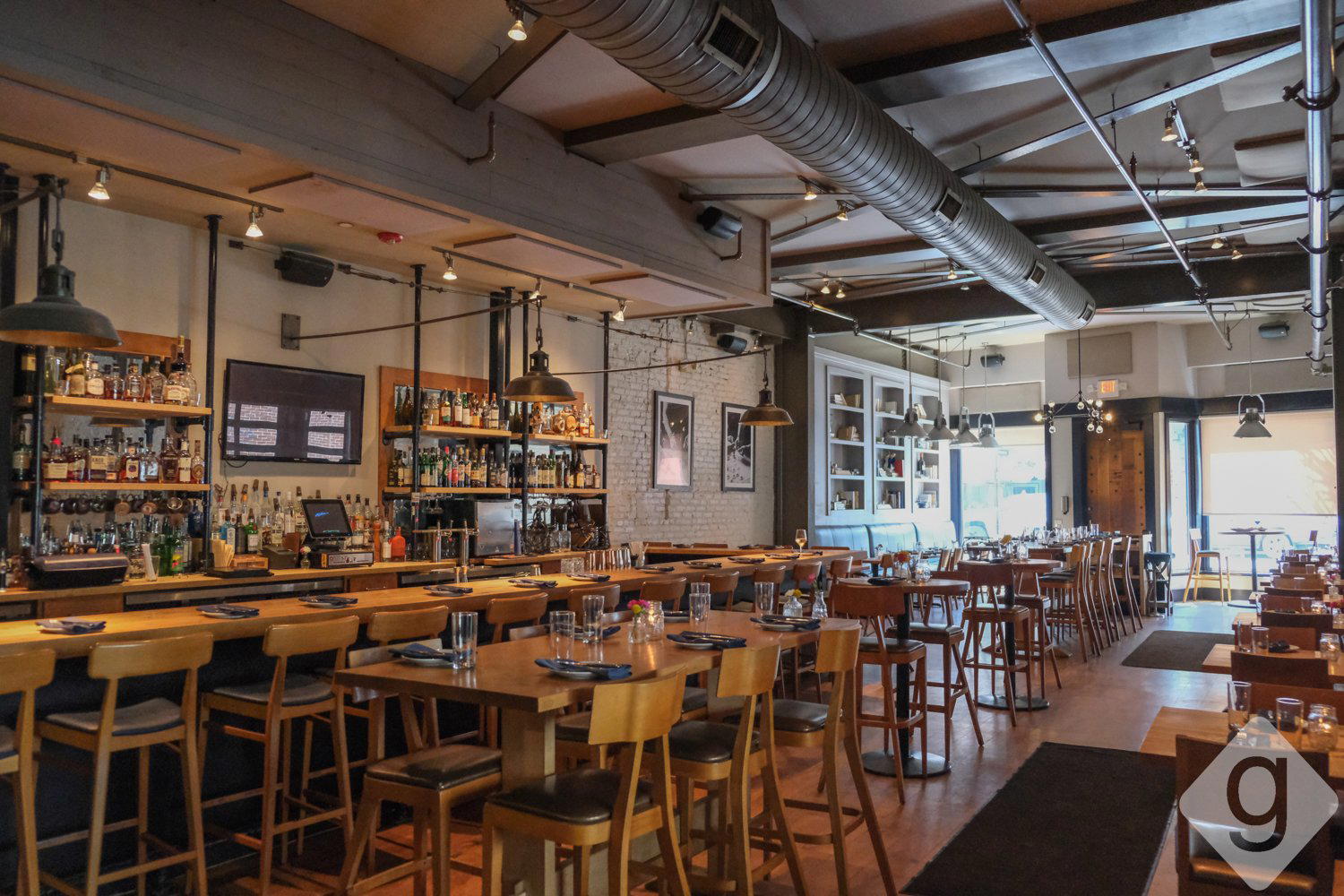
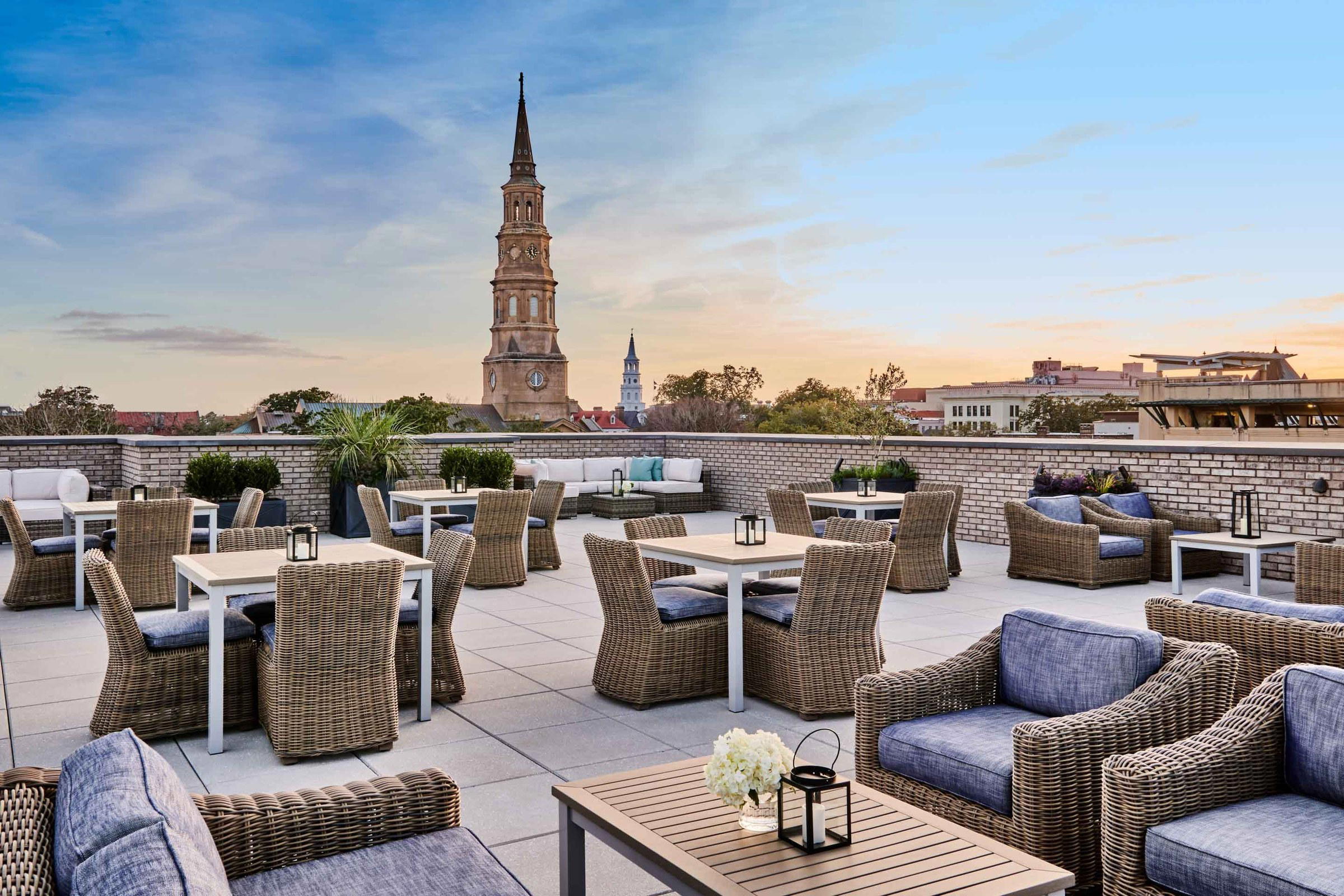
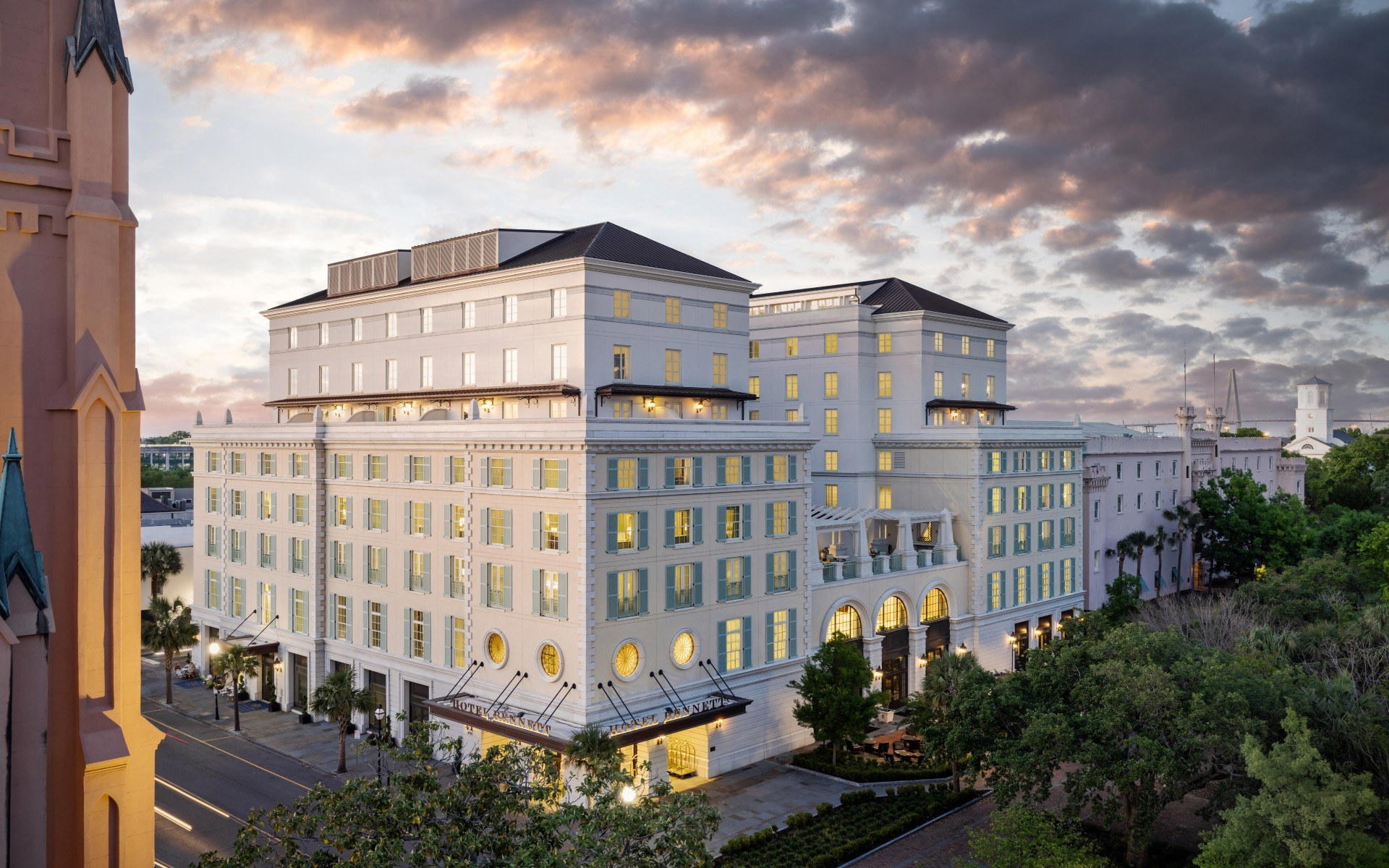
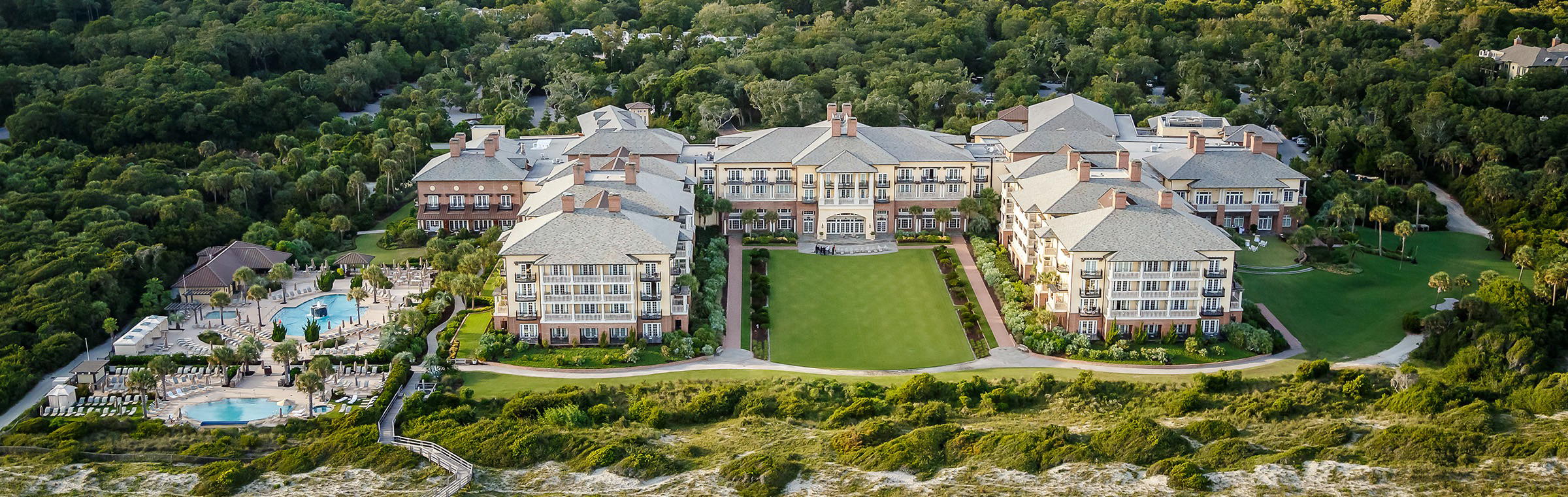
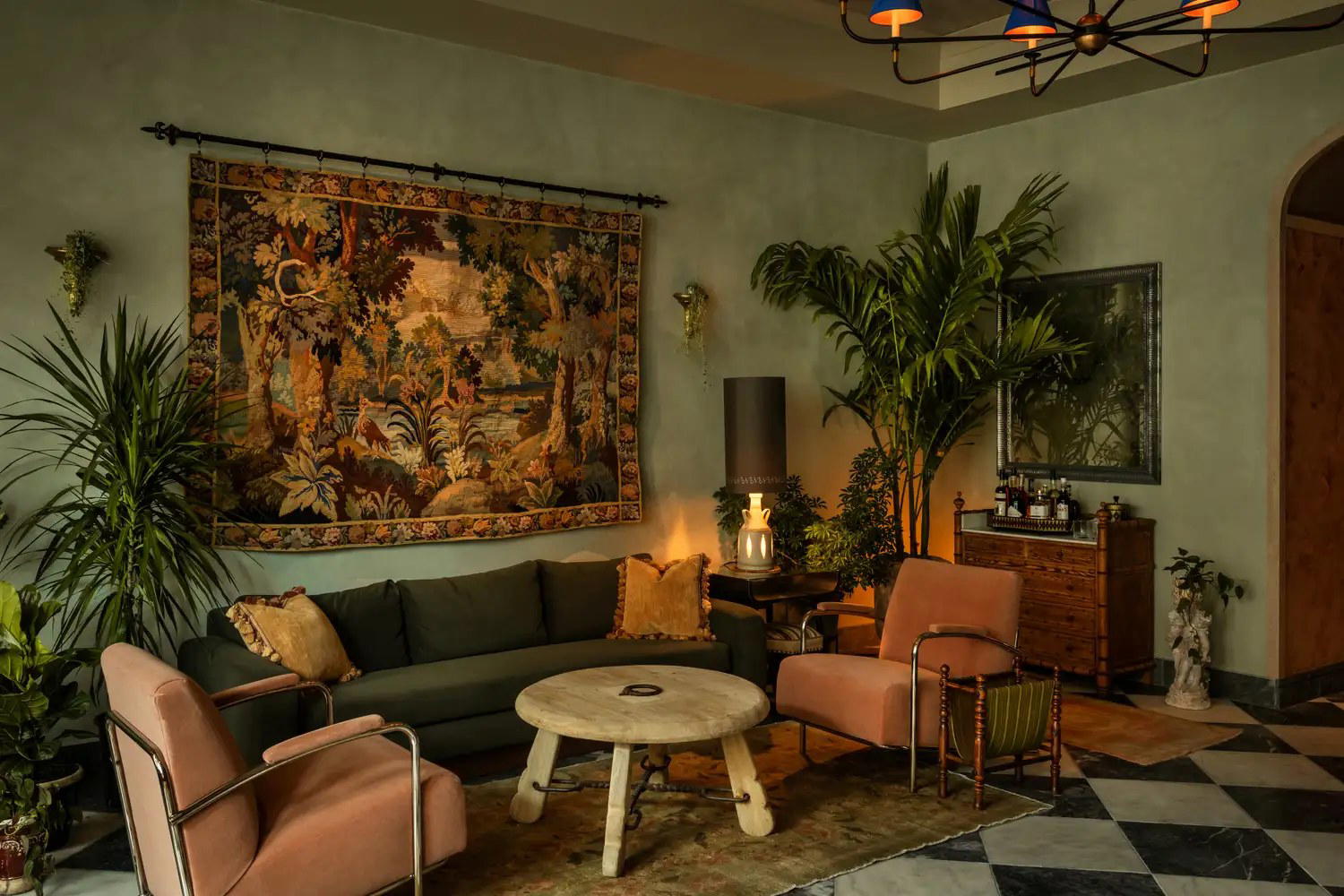
Laid-back sophistication with harbor views, design-forward interiors, and a mix of refined and casual spaces ranging from elegant dining rooms to a sunlit café and rooftop poolside bar.