Musang


James Beard Award Semi Finalist
Our verdict
Musang occupies a modest address on Beacon Hill's Beacon Avenue South, drawing Seattle diners to a Filipino-rooted kitchen that frames home-style cooking through a considered, multi-course lens. The restaurant has built a quiet but firm following in a city still developing its fluency with Philippine cuisine. Reserve ahead, walk-ins are rarely an option.

Pearl is the En Primeur Club membership app, where members save venues, book tables and use the concierge.
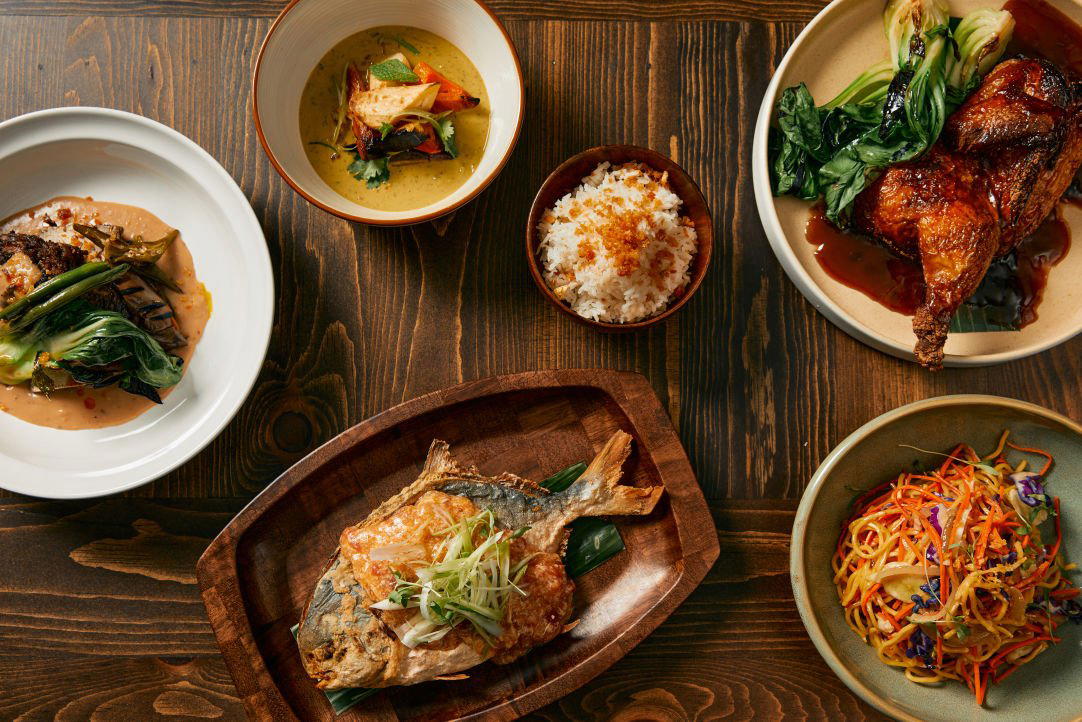
The menu
What to order
- Lumpiang Shanghai
- Musang Joy Fried Chicken
- Pancit Malabon
- Short Rib Kare Kare
Beacon Hill's Filipino Table
Beacon Avenue South runs through one of Seattle's most ethnically layered corridors, where Vietnamese grocers, East African restaurants, and Filipino community halls have coexisted for decades. It is the kind of street that accumulates culinary identity slowly, through immigration patterns and neighbourhood anchors rather than developer-driven dining districts. Musang, at 2524 Beacon Ave S, sits inside that tradition rather than apart from it, a placement that shapes the experience before you cross the threshold.
Filipino cuisine occupies an unusual position in American dining rooms. It is simultaneously one of the most consumed home cuisines in the country's Filipino-American communities and one of the least translated into fine or even polished casual formats. The reasons are partly historical, Philippine food arrived in America through labour migration rather than restaurant-class immigration waves, and partly structural, in that the cuisine's strengths lie in slow braises, fermented condiments, and communal portions that resist easy plating into conventional Western formats. What Musang does, in its Beacon Hill setting, is engage with that translation problem directly.
How the Meal Moves
The editorial angle on Musang is leading understood through sequencing. Filipino cooking, at its most traditional, does not progress through the European arc of amuse to dessert. Dishes arrive together, or in clusters, anchored by rice and organised around the interplay of sour, salty, and sweet rather than the French logic of building from light to rich. A kitchen that wants to reframe this for a contemporary dining public has two options: impose a Western tasting structure onto Filipino ingredients, or find a native logic of progression that the cuisine already contains. The more interesting restaurants in this category, including peers in cities like New York, where Atomix has demonstrated how Korean cooking can be sequenced without abandoning its culinary identity, tend to choose the second path.
At Musang, the progression moves through recognisable Filipino touchpoints: dishes built on vinegar-led braises, fermented shrimp paste, and slow-cooked pork, with the meal's rhythm shaped by the kitchen's decisions about when to deliver heat, when to offer relief through acid, and how rice functions not as a side but as a structural element. This is cooking where the condiment table matters as much as the plate, and where the sourness of a well-made sinigang or the depth of a long-cooked adobo carry the meal's arc forward more reliably than any formal tasting menu logic could.
Where Musang Sits in Seattle's Dining Scene
Seattle's restaurant culture has spent the past decade consolidating around a handful of dominant modes: the Pacific Northwest ingredient-forward format exemplified by Canlis, the Asian-inflected New American format associated with places like Joule, and a growing cohort of neighbourhood restaurants that operate with serious kitchen intent outside the downtown core. Musang belongs to this third group, alongside the city's other address-specific destinations worth cross-referencing: 1415 1st Ave, 1744 NW Market St, and 2963 4th Ave S.
What separates Musang from a standard neighbourhood Filipino restaurant is the degree of intention applied to the format. The kitchen is not simply reproducing home cooking at scale. It is making deliberate choices about how to present a cuisine that the broader American dining public has historically encountered only in casual or community settings. That positioning, serious but not stiff, rooted but not nostalgic, is where the more consequential Filipino-American restaurants have been operating across the country, and Musang has found an audience in Seattle that was ready for it.
For context on how this plays out nationally, the same translation work is happening at restaurants far removed geographically: Lazy Bear in San Francisco and Providence in Los Angeles represent different ends of the California fine dining spectrum, but the underlying question, how do you honour a culinary tradition while making it legible to a dining public that did not grow up with it, is the same one Musang is answering from a Filipino vantage point.
The Cuisine in Context
Philippine cuisine draws from Spanish colonial influence, indigenous Austronesian cooking traditions, and significant Chinese and Malay culinary contact. The result is a food culture that is more heterogeneous than it is often presented: Ilocano cooking from the north is distinct from Visayan food from the central islands, which differs again from Bicolano food famous for its coconut milk and chilli heat. A kitchen that takes this seriously has a large repertoire to work from, and the more thoughtful Filipino-American restaurants have begun treating regional specificity as an asset rather than a complication.
The fermented and preserved elements of Philippine cooking, bagoong, patis, burong mangga, are increasingly understood by a dining public that has been educated by Korean fermentation at restaurants like Atomix and by the general mainstreaming of fermented condiments across American fine dining. Musang operates in a moment when its audience is better equipped to receive that part of the cuisine than it would have been a decade ago.
Beacon Hill as Dining Destination
The neighbourhood matters to the Musang experience in ways that a restaurant in Capitol Hill or South Lake Union would not replicate. Beacon Hill has a Filipino-American population density that gives the restaurant a natural community anchor, but it also draws diners from across the city who are making a deliberate trip rather than a casual drop-in. That destination dynamic is similar to what other off-centre Seattle addresses produce: the journey signals intent, and the audience that arrives tends to be more engaged with what the kitchen is doing. For a broader map of Seattle's dining options across neighbourhoods, see our full Seattle restaurants guide.
Know Before You Go
- Address: 2524 Beacon Ave S, Seattle, WA 98144
- Neighbourhood: Beacon Hill, Seattle
- Reservations: Advance booking is strongly advised; walk-in availability is limited given the restaurant's following
- Price range: Not publicly listed; budget for a mid-range dinner with drinks
- Hours:Atomix in New York City illustrate how deeply traditional cooking can be reframed without losing its identity.
Do I need a reservation for Musang?
In a city where mid-tier destination restaurants fill quickly, particularly those with a specific community following and a format that does not scale easily to large walk-in volumes, advance booking is the practical standard. Musang's Beacon Hill location draws diners making deliberate trips rather than opportunistic visits, which concentrates demand on specific sittings. Seattle's dining scene, which includes Michelin-recognised addresses and a competitive neighbourhood restaurant cohort, means that restaurants with serious kitchen reputations book faster than their price points might suggest. Confirm current reservation availability through the restaurant's active social or booking channels before planning your visit.
What's the signature at Musang?
Musang's identity is rooted in Filipino home cooking reframed for a contemporary dining context, rather than a single showpiece dish. The kitchen's approach to adobo, sinigang, and fermented condiment use represents the cuisine's core logic, and the restaurant's reputation in Seattle's dining community is built on how those preparations are executed rather than on novelty. For cuisine-rooted restaurants that have built similarly strong identities around a specific culinary tradition, Blue Hill at Stone Barns in Tarrytown and Single Thread Farm in Healdsburg offer useful comparison points for how a strong culinary argument can anchor a restaurant's entire identity.
Is Musang a good option for diners unfamiliar with Filipino cuisine?
Musang's Beacon Hill setting and community-rooted format make it a considered entry point into Philippine cooking for diners who have limited prior exposure. The restaurant's approach, grounded in recognisable Filipino preparations rather than deconstructed or heavily Westernised versions, means the cuisine speaks in its own register, which is more informative than a fusion interpretation would be. Seattle's Filipino-American community provides a natural audience that helps calibrate the kitchen's output, and that community feedback loop tends to keep the cooking honest. Arriving with curiosity rather than a fixed set of expectations is the most productive approach.
Frequently asked questions
Where is Musang in Seattle?
Musang is located at 2524 Beacon Ave S, Seattle, WA 98144, Seattle.
Is Musang a good option for diners unfamiliar with Filipino cuisine?
Musang's Beacon Hill location places it within one of Seattle's most ethnically layered corridors, and its home-cooking framework gives first-time diners a grounded entry point into Philippine cooking rather than a modernised or abbreviated version of it. The sequencing of dishes follows Filipino tradition rather than European progression, which is itself worth knowing before you sit down. The format rewards curiosity over familiarity.
What do people recommend at Musang?
Musang's following centres on slow braises, vinegar-based preparations, and dishes drawn from the Filipino home-cooking tradition. These are the preparations that built the restaurant's reputation on Beacon Hill, and regulars return specifically for that framework rather than any single showpiece plate. Reservations for these dishes fill quickly, particularly on weekends.
Do I need a reservation for Musang?
Musang operates with a specific community following and a format that does not scale to walk-in volume, which means tables fill faster than the restaurant's Beacon Hill neighbourhood might suggest to first-time visitors. Booking ahead is the practical approach, particularly for parties of more than two. Same-day seats occasionally open, but planning ahead is the more reliable route.
What's the signature at Musang?
Musang does not organise itself around a single signature dish. The kitchen's identity is built on Filipino home cooking reframed for a contemporary dining context, with slow braises and vinegar-led preparations carrying the most consistent critical attention. That approach, rather than any one plate, is what defines the restaurant's standing in Seattle's dining scene.
Budget Reality Check
Comparable venues nearby, for context on price, style, and recognition.
| Venue | Cuisine | Price | Awards | Notes |
|---|---|---|---|---|
| MusangThis venue (the venue you are viewing) | Modern Filipino | $30–50 | James Beard Award Semi Finalist | Not listed |
| Hugo House | Event Catering | Not listed | Not listed | Broadway, Event Catering |
| Kedai Makan Capitol Hill | Malaysian Street Food | $20–30 | Not listed | Pike/Pine, Malaysian Street Food |
| Seattle Food Truck.com | Street Food Trucks | $10–20 | Not listed | Pioneer Square, Street Food Trucks |
| Kushibar | Not listed | Not listed | Not listed | Belltown, Japanese Street Food & Kushiyaki |
| Elephant & Castle | British Pub | $20–30 | Not listed | Central Business District, British Pub |
Recognition history
Dated appearances from independent guides and award organizations, with the underlying list record or original source where available.
James Beard Award Semi Finalist
James Beard Award
Opinionated About Dining Casual in North America Recommended
Opinionated About Dining
Continue exploring
More in Seattle
Restaurants in Seattle
All restaurants in Seattle →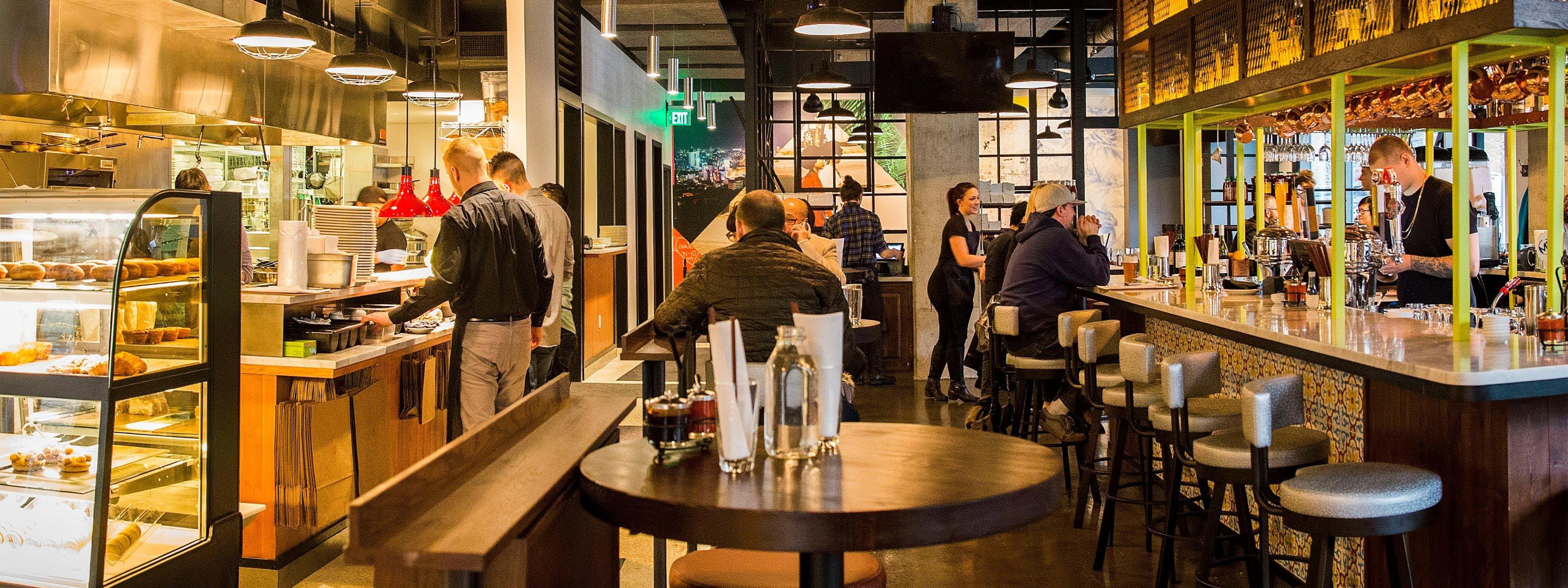
Bars in Seattle
All bars in Seattle →

Details
- Cozy
- Intimate
- Trendy
- Special Occasion
- Group Dining
- Celebration
- Open Kitchen
- A La Carte
- Small Plates
- Vegetarian Friendly
Current opening hours
- Monday
- 5–10 PM
- Tuesday
- Closed
- Wednesday
- 5–10 PM
- Thursday
- 5–10 PM
- Friday
- 5–10 PM
- Saturday
- 11 AM–2 PM, 5–10 PM
- Sunday
- 11 AM–2 PM, 5–10 PM
Hours can change for holidays and private events. Hours as of .
Warm and inviting atmosphere with an open kitchen fostering a personal and community-driven dining experience.