Musaafer
Musaafer at 133 Duane St brings an architecture of Indian regional cooking to TriBeCa, positioning itself against New York's most ambitious tasting-menu rooms. Where peers like Le Bernardin and Eleven Madison Park anchor their menus to French tradition, Musaafer draws from the subcontinent's distinct culinary geography, a format that occupies a narrow but increasingly visible tier in the city's fine-dining conversation.
Pearl is the En Primeur Club membership app — saves, bookings, and concierge access live there. Same editors, same standards.
- Address
- 133 Duane St, New York, NY 10013
- Phone
- (212) 605-0444
- Website
- musaaferrestaurants.com
- Directions
- Get directions
 Saves & bookings on Pearl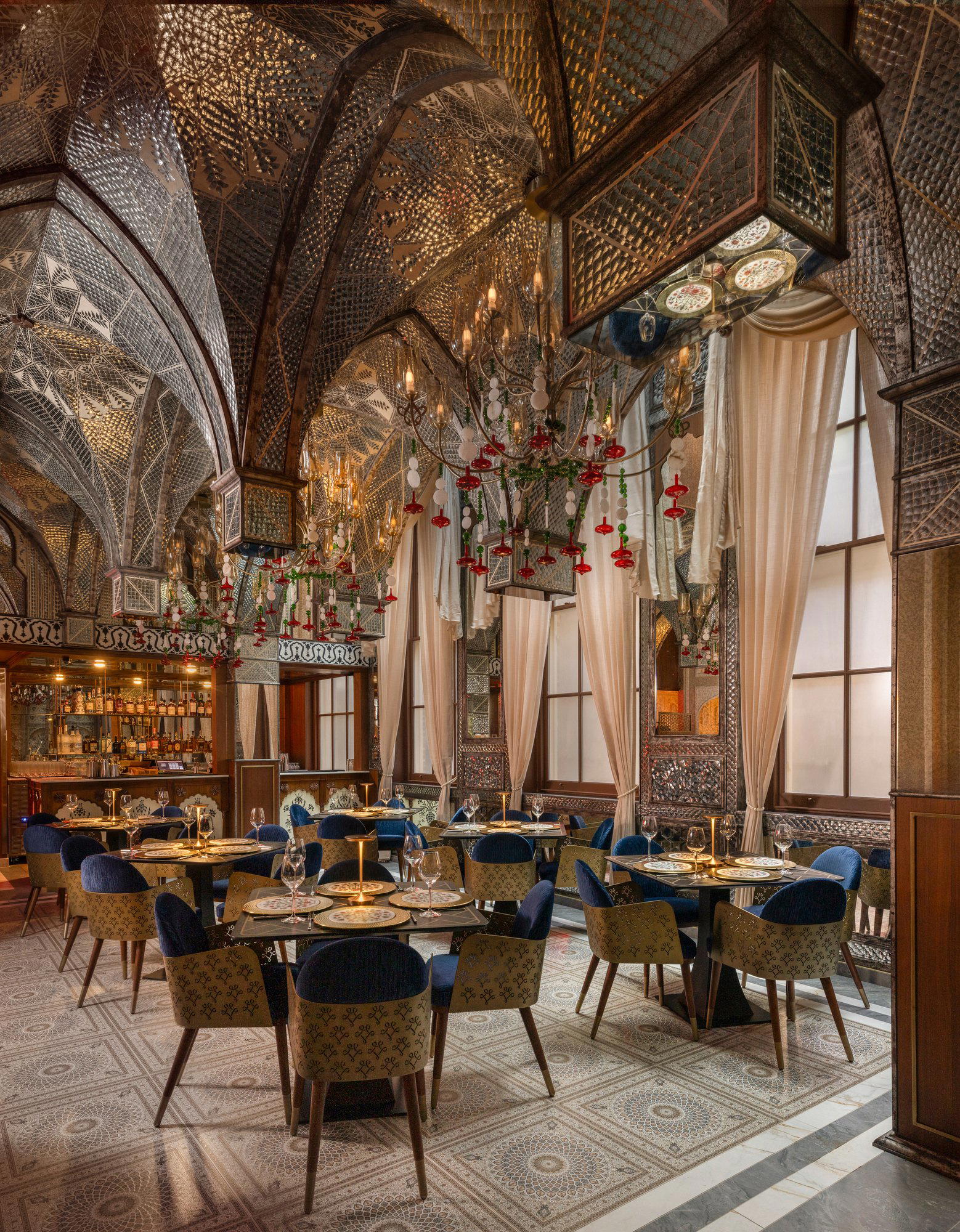
Indian Regional Cooking as a Structural Argument
Most serious tasting-menu restaurants in New York build their menus around a single culinary language, then inflect it with technique. Le Bernardin works through classical French seafood discipline. Eleven Madison Park reorganises plant-based cooking through a French fine-dining framework. Atomix translates Korean culinary history into a contemporary counter format. Musaafer takes a structurally different approach: the menu is organised as a geographic argument, moving through the distinct regional cuisines of the Indian subcontinent rather than anchoring to a single tradition or chef-driven philosophy. That architecture, the menu as map, is the central editorial fact about the restaurant, and it separates Musaafer from every other room operating at this price tier in TriBeCa.
The distinction matters because Indian cuisine at the fine-dining level has historically been underrepresented in New York's most decorated tier. The city has produced serious South Asian cooking across a wide range of formats and price points, but the tasting-menu interpretation of India's culinary diversity, the kind of structured, multi-course presentation that places a restaurant in conversation with Per Se or Masa, has remained a short list. Musaafer occupies that opening deliberately.
What the Menu Structure Reveals
A menu organised around regional Indian geography is not a novelty device. India contains cooking traditions as distinct from one another as French cuisine is from Italian: the spice logic of Tamil Nadu, the fermentation culture of the Northeast, the dairy-led richness of Punjab, the coastal coconut frameworks of Kerala and Goa. A restaurant that structures its progression around those differences is making a claim about how the cuisine should be read, as plural and internally varied, not as a monolith that can be summarised by any single preparation or spice profile.
This is the kind of menu architecture that rewards sequential attention. Each course functions less as a standalone dish and more as a position in an argument. The structural logic, move through regions, surface contrasts, let technique serve geography rather than override it, mirrors what kitchens like Alinea in Chicago and Lazy Bear in San Francisco do with their own culinary traditions, using the tasting-menu format to make a case rather than simply to impress.
That ambition places certain demands on the kitchen. Regional specificity at a fine-dining level requires sourcing discipline, staff depth across multiple culinary vocabularies, and a willingness to resist the pull toward crowd-pleasing consensus. The restaurants that do this most consistently, The French Laundry in Napa, Single Thread Farm in Healdsburg, Providence in Los Angeles, treat their source material as a constraint that generates creativity rather than a limitation to work around. Whether Musaafer sustains that discipline across its menu is the question a first visit is designed to answer.
TriBeCa and the Fine-Dining Address
133 Duane Street places Musaafer in TriBeCa, a neighbourhood that has long supported destination dining at the upper end of the market. The area's converted industrial architecture, comparatively lower pedestrian density than Midtown, and proximity to a moneyed residential base make it a natural environment for restaurants that ask for extended dining times and serious per-head spend. TriBeCa dining rooms operate at a different register than the high-turnover formats of the Theatre District or the casual-expensive middle tier of the West Village: the expectation, from both kitchen and guest, is unhurried.
That context matters for how Musaafer positions itself. A regionally structured tasting menu requires time to land its argument. The TriBeCa address gives it that time without the venue needing to fight the pace of its surroundings. It also places Musaafer in a neighbourhood where the comparison set is implicitly demanding, guests who choose a TriBeCa tasting-menu room have often already eaten at the city's most decorated tables.
Placing Musaafer in New York's Fine-Dining Tier
New York's most attended fine-dining rooms cluster around French technique, Japanese precision, and contemporary American frameworks. The city's decorated Indian restaurants have historically operated at a lower price tier, even when the cooking warranted otherwise. Musaafer's positioning at the summit of that range, a full tasting-menu format in a serious room, represents a structural shift rather than an incremental upgrade. It is not an Indian restaurant that has added a tasting menu; it is a tasting-menu restaurant whose subject is Indian regional cooking. The distinction is not semantic. It changes who the comparison set is, how the room prices itself, and what a guest should expect when they sit down.
For international context, the ambition maps roughly to what restaurants like 8½ Otto e Mezzo Bombana in Hong Kong or Alain Ducasse's Louis XV in Monte Carlo do for their respective traditions: anchor a culinary identity to a fine-dining structure and ask guests to take it as seriously as the canon. The difference is that French and Italian traditions arrive with institutional recognition already built in. Musaafer is making the case from a different starting position, which makes the menu architecture not just a design choice but a statement of intent.
Reservations are essential, and the restaurant is open daily from 5 to 10 PM. The address at 133 Duane Street is a short walk from the Chambers Street subway station.
For comparable regional cuisine programs operating at a similar level of ambition in other cities, Emeril's in New Orleans offers a useful reference point for how a kitchen can anchor its identity to a specific culinary geography and build a sustained fine-dining program around that commitment over time.
A Tight Comparison
Comparable venues nearby, for context on price, style, and recognition.
| Venue | Cuisine | Price | Notes |
|---|---|---|---|
| MusaaferThis venue — the venue you are viewing | Not listed | $$$$ | Not listed |
| Ambassadors Clubhouse | Not listed | $$$$ | NoMad, Modern Northern Indian (Punjabi) |
| Indienne | Not listed | $$$$ | River North, Progressive Indian Fine Dining |
| Indienne | Hudson Yards, Modern Indian Fine Dining | $$$$ | Not listed |
| Gui | Not listed | $$$$ | Times Square, Korean Contemporary Steakhouse |
| Sushi Yoshitake | Midtown, Edomae Omakase | $$$$ | Not listed |
Continue exploring
More in New York City
Restaurants in New York City
Browse all →
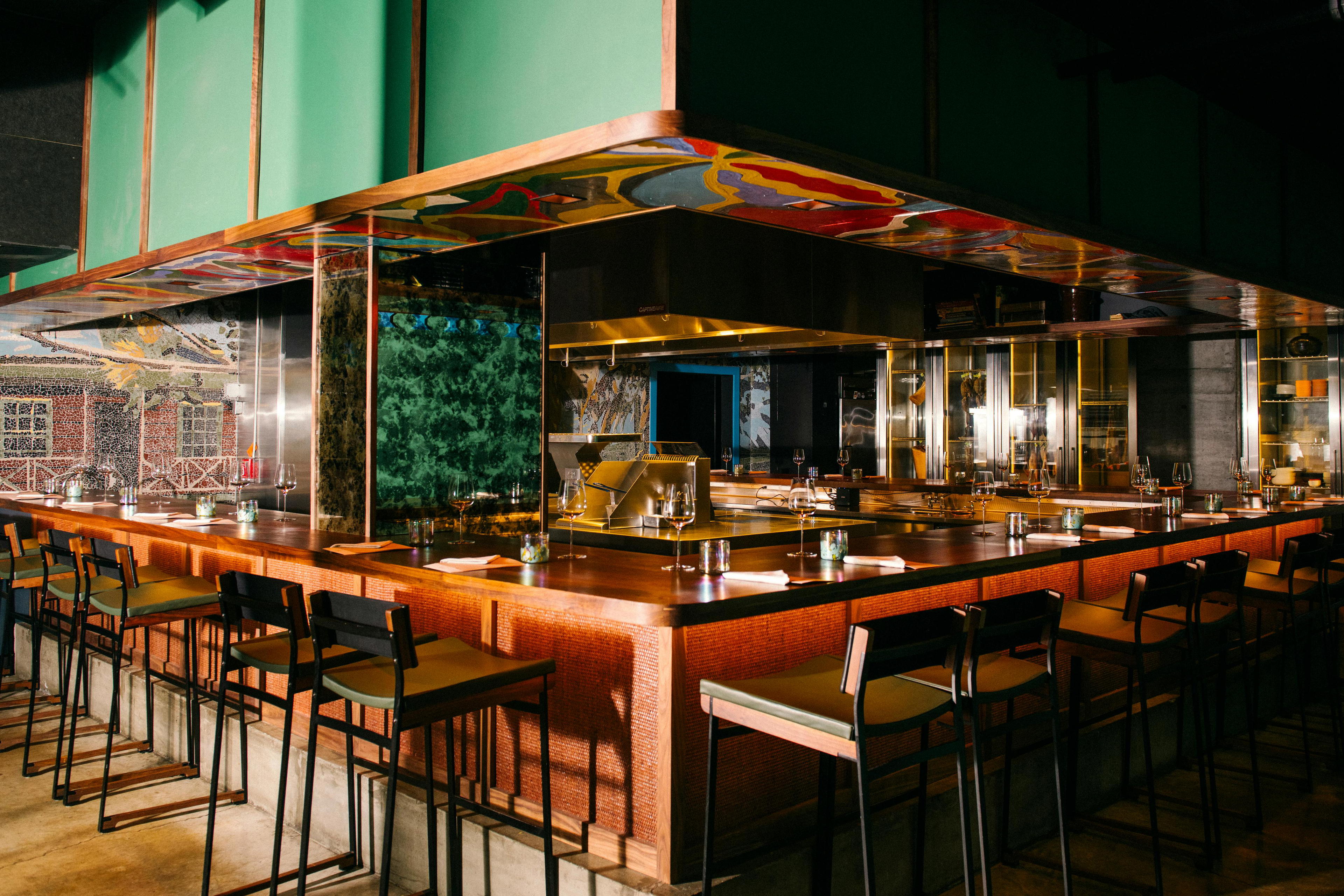
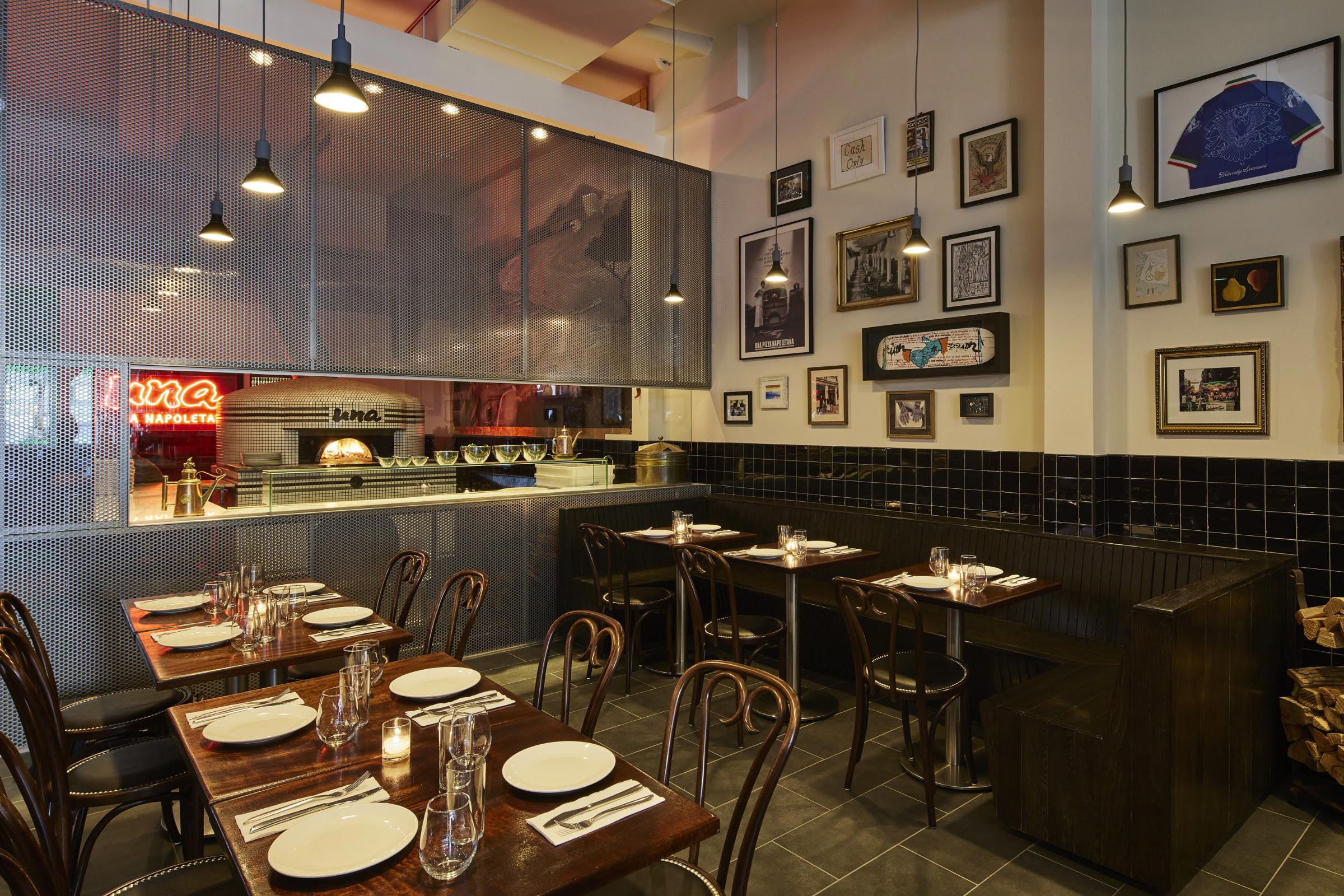
Bars in New York City
Browse all →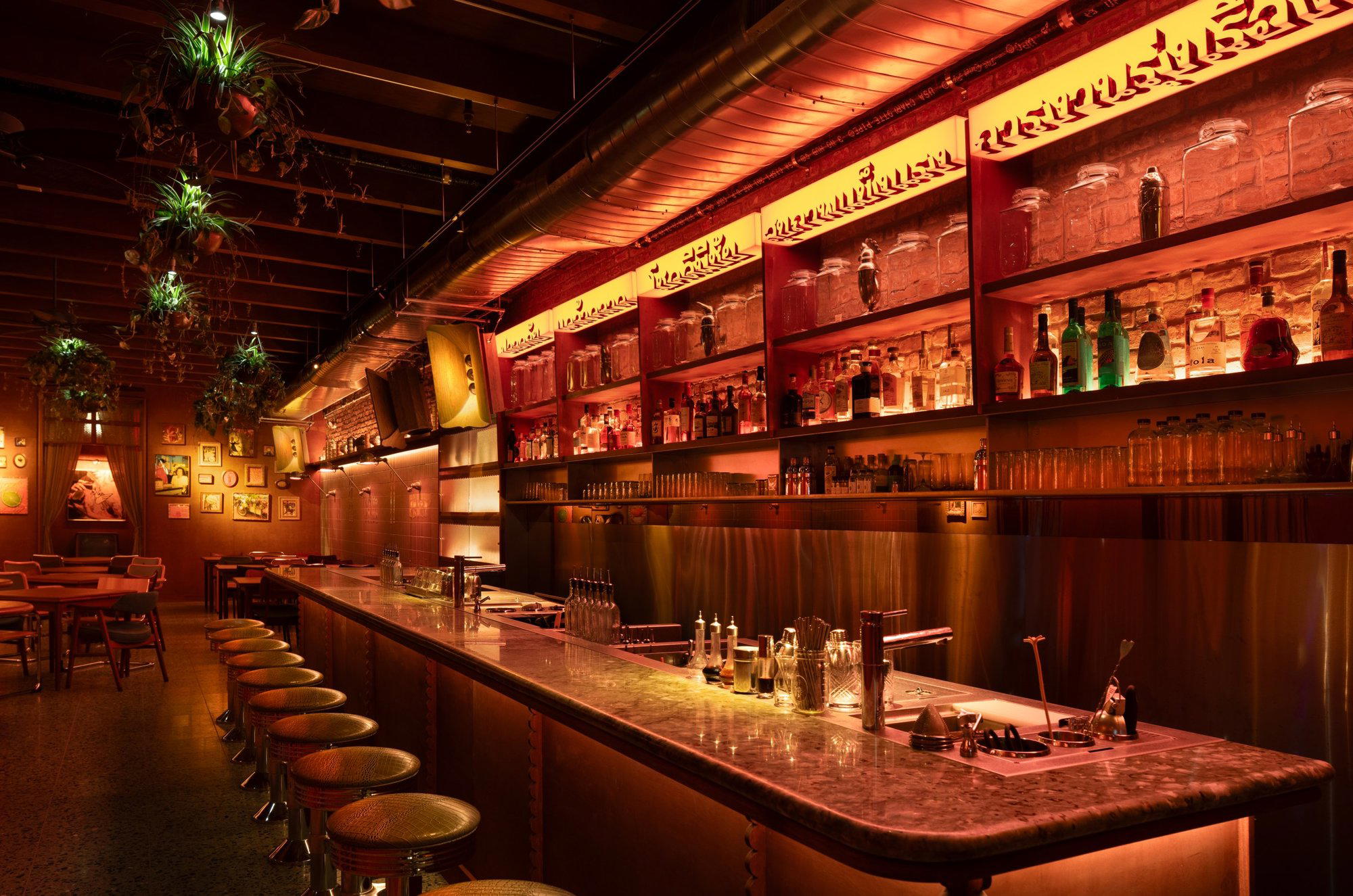
Hotels in New York City
Browse all →

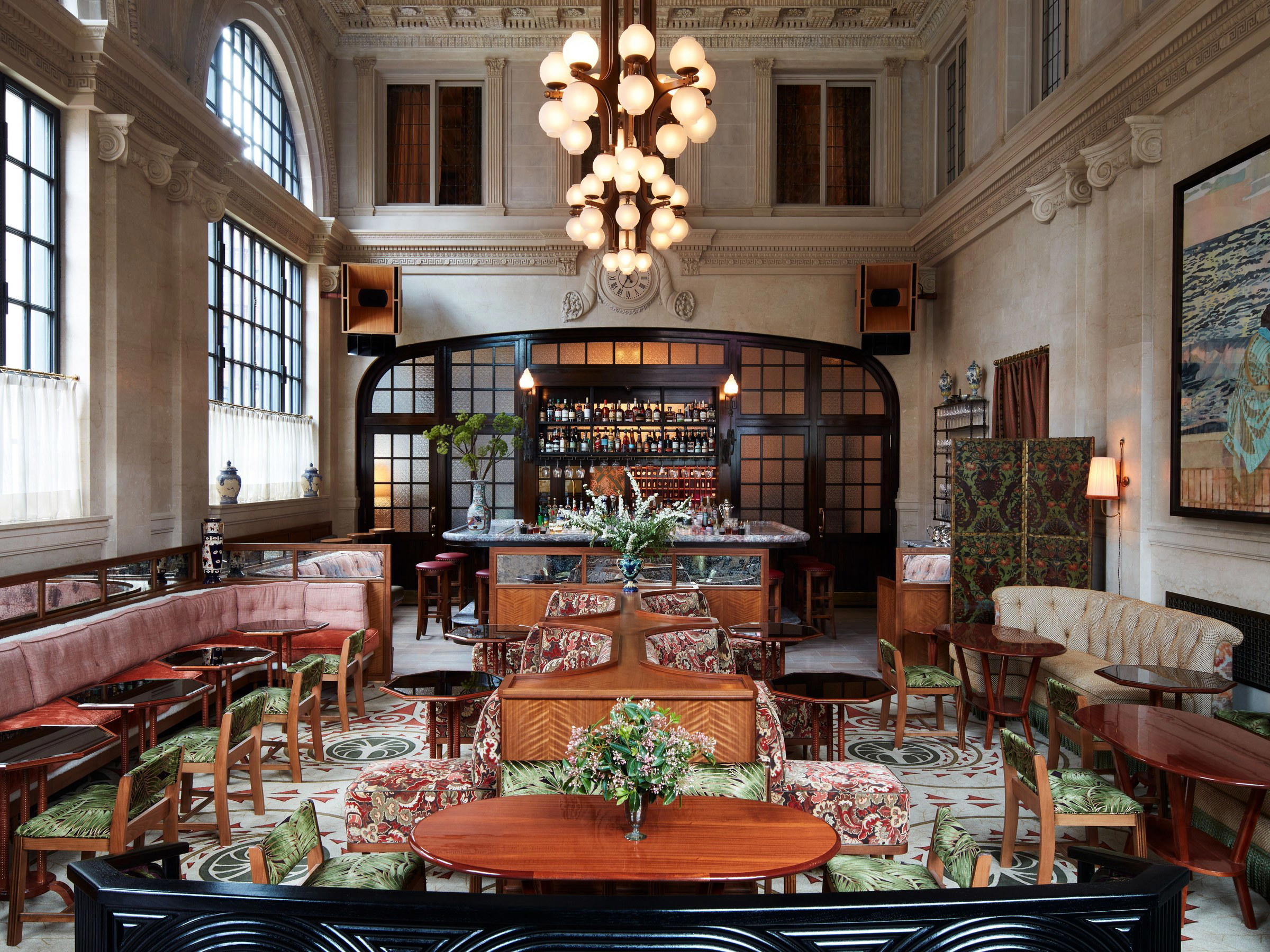




At a Glance
- Ornate
- Elegant
- Sophisticated
- Intimate
- Special Occasion
- Date Night
- Business Dinner
- Design Destination
- Private Dining
- Craft Cocktails
Current opening hours
- Monday
- 5–10 PM
- Tuesday
- 5–10 PM
- Wednesday
- 5–10 PM
- Thursday
- 5–10 PM
- Friday
- 5–10 PM
- Saturday
- 5–10 PM
- Sunday
- 5–10 PM
Hours can change for holidays and private events. Last verified .
Striking Taj Mahal-inspired space featuring hand-painted walls, lotus-flower chandeliers, and intricate details creating an intimate yet luxurious atmosphere.