Ambassadors Clubhouse
Ambassadors Clubhouse brings the Nomad group's Indian-rooted, globally inflected cooking to New York City, placing it in a downtown scene increasingly receptive to ambitious subcontinental cuisine. The menu architecture reflects a deliberate tension between familiarity and technical ambition, making it a reference point for the city's evolving conversation around Indian fine dining. For visitors already tracking that conversation, it warrants serious attention.

Pearl is the En Primeur Club membership app — saves, bookings, and concierge access live there. Same editors, same standards.
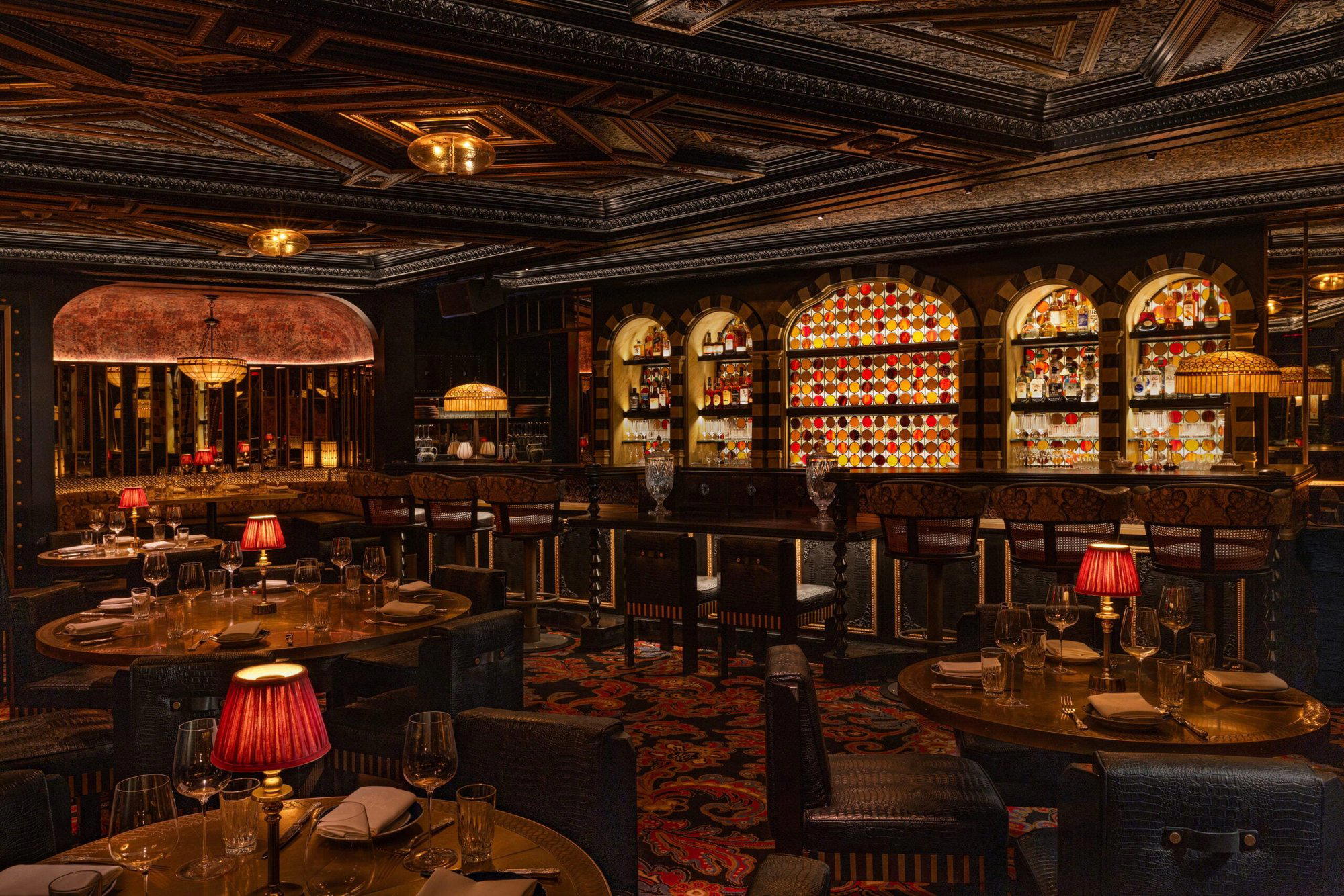
Where Indian Fine Dining Finds Its New York Register
Ambassadors Clubhouse is a restaurant in NoMad, New York City, serving Modern Northern Indian (Punjabi) cuisine at a $120 per person price point. The area lacks the concentrated critical mass of the West Village or the institutional weight of Midtown, but that has made it useful territory for restaurants willing to define their own terms. It is in this context that Ambassadors Clubhouse operates: not as a standalone curiosity, but as part of a wider renegotiation of what Indian cuisine can mean in a city where the category has historically been flattened into either cheap-and-cheerful or occasional, import-led special occasions.
The broader scene matters here. New York's serious dining rooms have spent the last decade absorbing Korean cuisine as a fine-dining reference point, with counters like Atomix and Jungsik New York demonstrating that a cuisine once considered peripheral to the Western tasting-menu tradition could hold its own against Per Se or Le Bernardin on structural ambition alone. Indian cuisine is now at a similar inflection point in New York, and Ambassadors Clubhouse sits near the front of that conversation.
Reading the Menu as a Document
The editorial angle that matters most when assessing the restaurant is not the provenance of any single dish but the logic that governs the whole menu. Menu architecture, in this context, means the sequence of decisions a kitchen makes about where to push and where to hold: how much familiar reference to retain, how aggressively to reframe technique, and where subcontinental spice logic is treated as foundation rather than accent.
Nomad group's reputation, built across international outposts, is grounded in Indian cuisine used as a structural base rather than a flavour overlay. That distinction matters enormously in a New York market where fusion can mean anything from rigorous cross-cultural dialogue to superficial garnish-level borrowing. At the more serious end of this category, the menu is essentially a position statement: it tells you whether a kitchen is working inside a tradition, against it, or somewhere productively in between.
What the restaurant format implies, consistent with the Nomad group's approach in other cities, is that the Indian culinary framework is treated with enough specificity to anchor dishes that might otherwise float free into generic global-contemporary territory. Spice sequencing, fermentation logic, and regional reference points are the grammar, not the decoration. For diners who have tracked the group's work in London or elsewhere, the New York outpost lands in a recognisable register while adapting to the local market's expectations around format and pacing.
comparable set and Positioning
Placing the restaurant in its correct competitive set requires some precision. It does not compete directly with the French-rooted tasting-menu establishments that occupy Midtown's upper tier, where Masa prices against a near-complete absence of alternatives and Per Se draws on decades of institutional recognition. Nor does it sit in the same bracket as the destination-driven American formats found elsewhere across the country, from Alinea in Chicago to The French Laundry in Napa or Blue Hill at Stone Barns in Tarrytown.
Its closer comparable set is the cluster of restaurants using non-European culinary traditions as the primary structural reference for serious, technically demanding cooking. In New York, that means the Korean fine-dining tier. In other American cities, you might draw lines to Lazy Bear in San Francisco for format ambition or Providence in Los Angeles for category-redefining intent, even if the cuisines differ. Internationally, the willingness to push a non-Western culinary tradition into fine-dining architecture recalls what 8½ Otto e Mezzo Bombana in Hong Kong does for Italian cuisine in an Asian context, or what Alain Ducasse at Louis XV in Monte Carlo represents for the institutionalisation of a culinary signature across cities.
The Nomad Group Context
Understanding the restaurant requires understanding the Nomad group as a format, not just as a brand. Groups that build Indian cuisine-rooted restaurants across multiple international cities face a consistent tension: how much of the menu is fixed as a house signature, and how much adapts to local supply, local palate, and local competitive context. The New York outpost signals that the group considers the city's market ready for the fuller expression of that format, rather than a diluted local adaptation.
That calculation reflects real changes in New York's dining public. A city that once required a European frame around any ambitious non-Western cuisine, as a kind of permission structure for serious spending, has become considerably more sophisticated in the years following the rise of the Korean fine-dining tier. The success of restaurants like Atomix at the highest critical level has effectively expanded the aperture for what serious Indian cooking might accomplish in the same market.
Comparisons to other ambitious American restaurant projects, whether the farm-driven precision of Single Thread Farm in Healdsburg, the Southern fine-dining work at Bacchanalia in Atlanta, or the long-run institutional ambition of The Inn at Little Washington, are useful for understanding the ambition level rather than the cuisine category. The question those comparisons raise is whether the restaurant is building toward the same kind of durable institutional identity, or whether it functions primarily as a high-profile urban outpost for a group whose centre of gravity lies elsewhere.
Planning Your Visit
Reservations are essential.
| Venue | Cuisine | Price tier | Format | Advance booking |
|---|---|---|---|---|
| The restaurant (NoMad) | Indian / fusion | Modern Northern Indian (Punjabi) | $$$$ | Essential |
| Atomix | Modern Korean | $$$$ | Tasting counter | Several weeks |
| Jungsik New York | Progressive Korean | $$$$ | À la carte / tasting | 1-2 weeks |
| Per Se | French / Contemporary | $$$$ | Tasting menu | Up to 2 months |
| Le Bernardin | French / Seafood | $$$$ | À la carte / tasting | 2-4 weeks |
Where It Fits
Comparable venues nearby, for context on price, style, and recognition.
| Venue | Cuisine | Price | Notes |
|---|---|---|---|
| Ambassadors ClubhouseThis venue — the venue you are viewing | Modern Northern Indian (Punjabi) | $$$$ | Not listed |
| Manhattan Indian Flavor | Home-style Indian | $$$ | Gramercy |
| Indienne | Bombay-Inspired Indian Comfort Food | $$$ | Lower Manhattan |
| Indienne | Progressive Indian Fine Dining | $$$$ | River North |
| Ketchy Shuby | Contemporary American with Island Influences | $$$$ | SoHo-Little Italy-Hudson Square |
| Tagine | Modern Moroccan | $$$$ | Beverly Hills |
Continue exploring
More in New York City
Restaurants in New York City
Browse all →
Bars in New York City
Browse all →


At a Glance
- Ornate
- Elegant
- Sophisticated
- Lively
- Special Occasion
- Group Dining
- Late Night
- Celebration
- Private Dining
- Design Destination
- Craft Cocktails
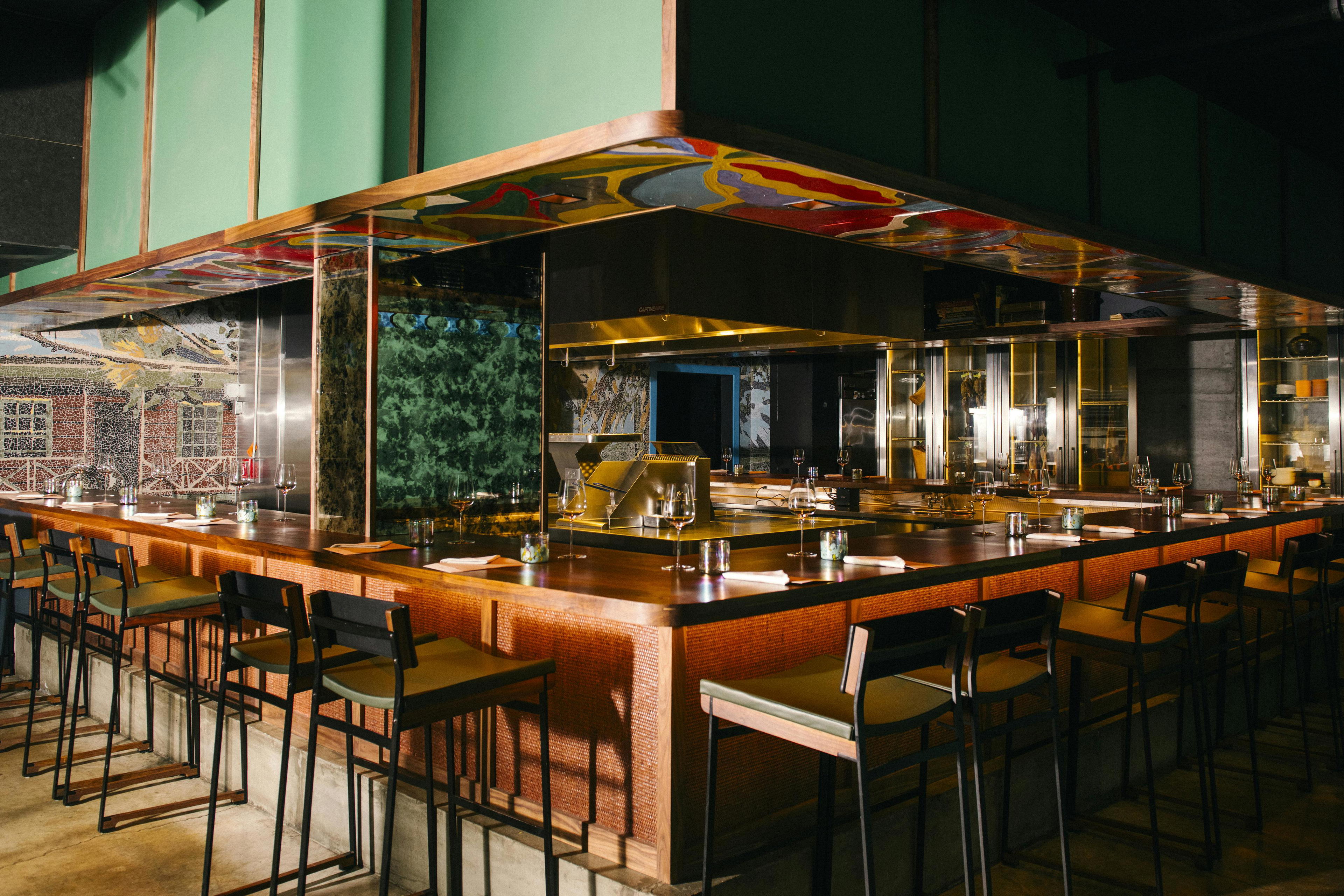
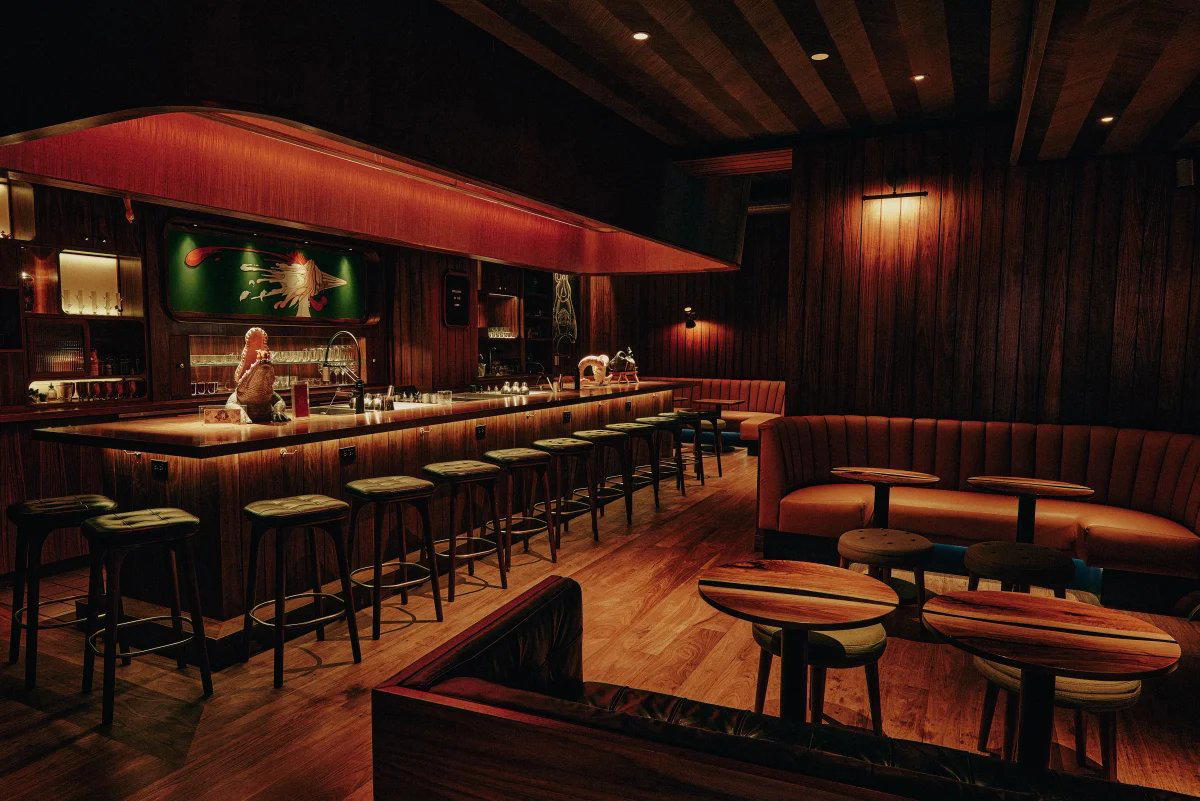
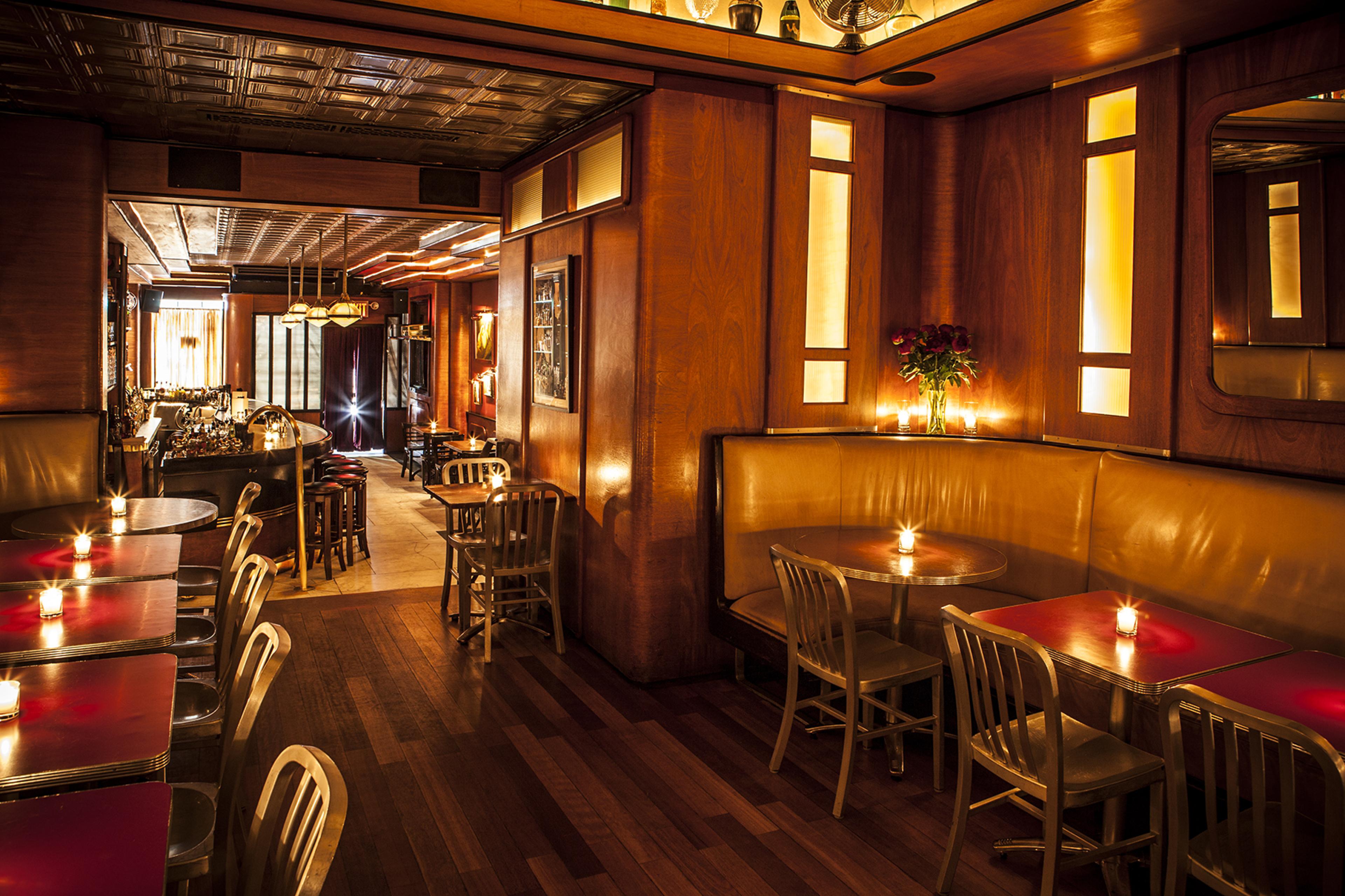
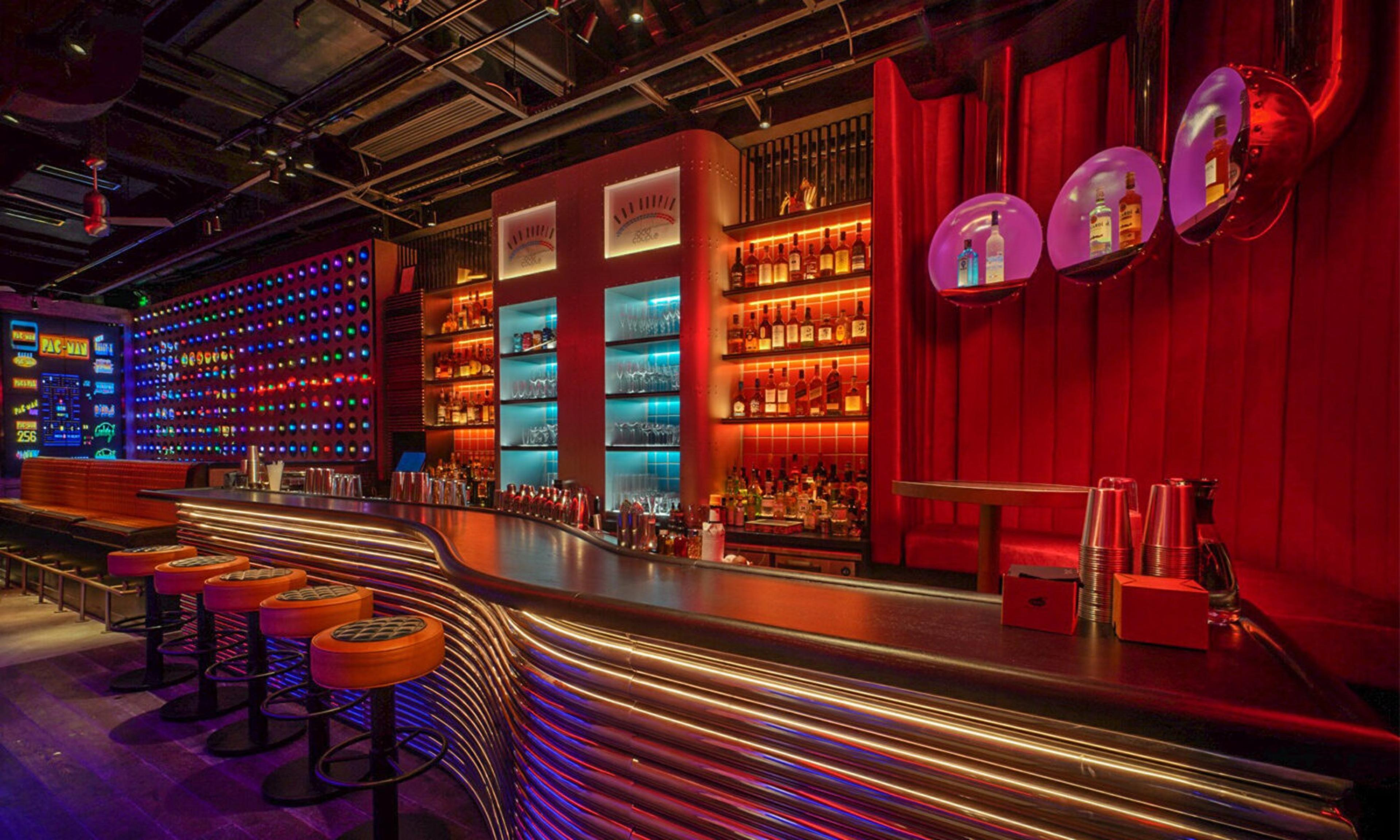
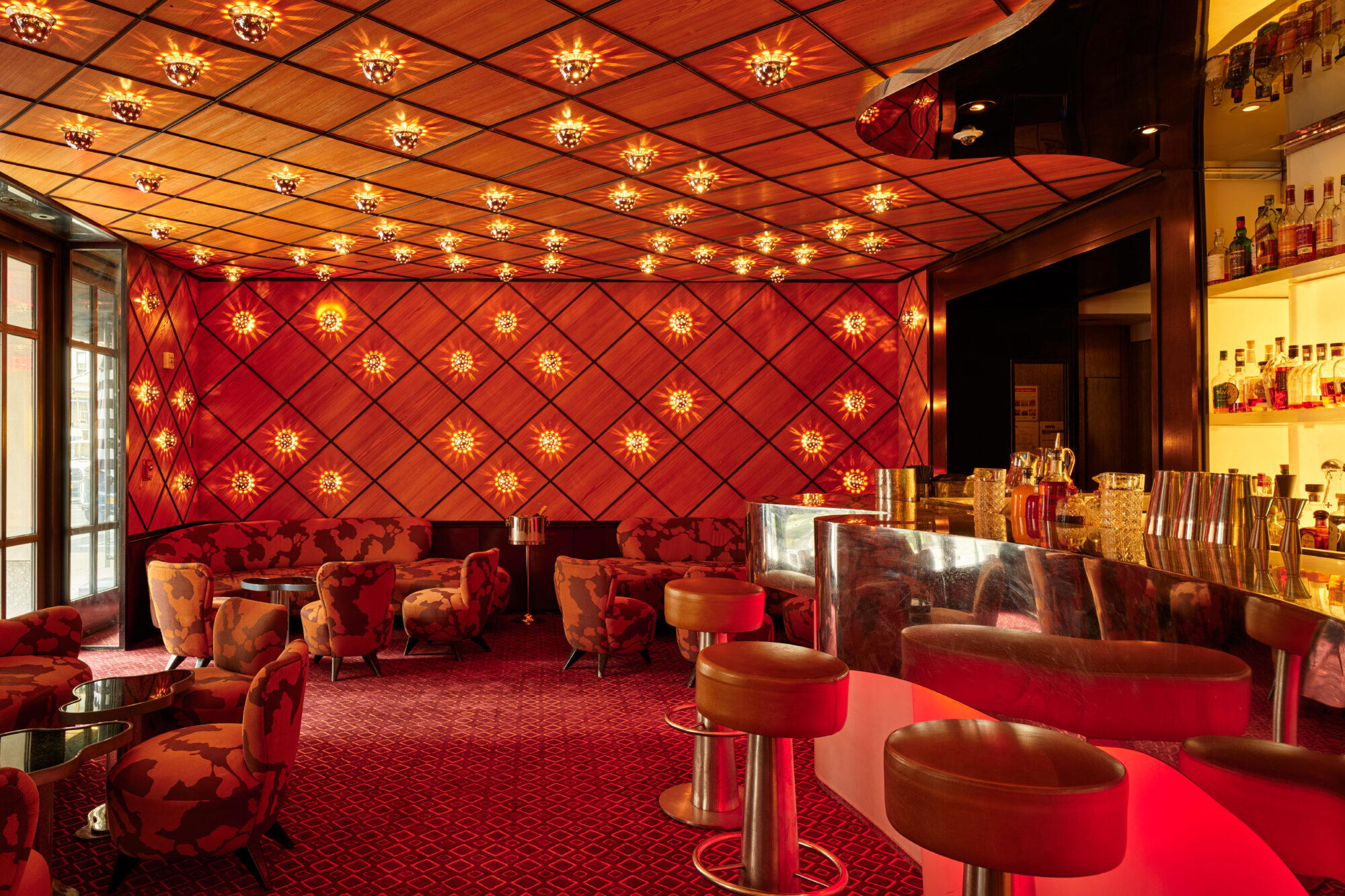
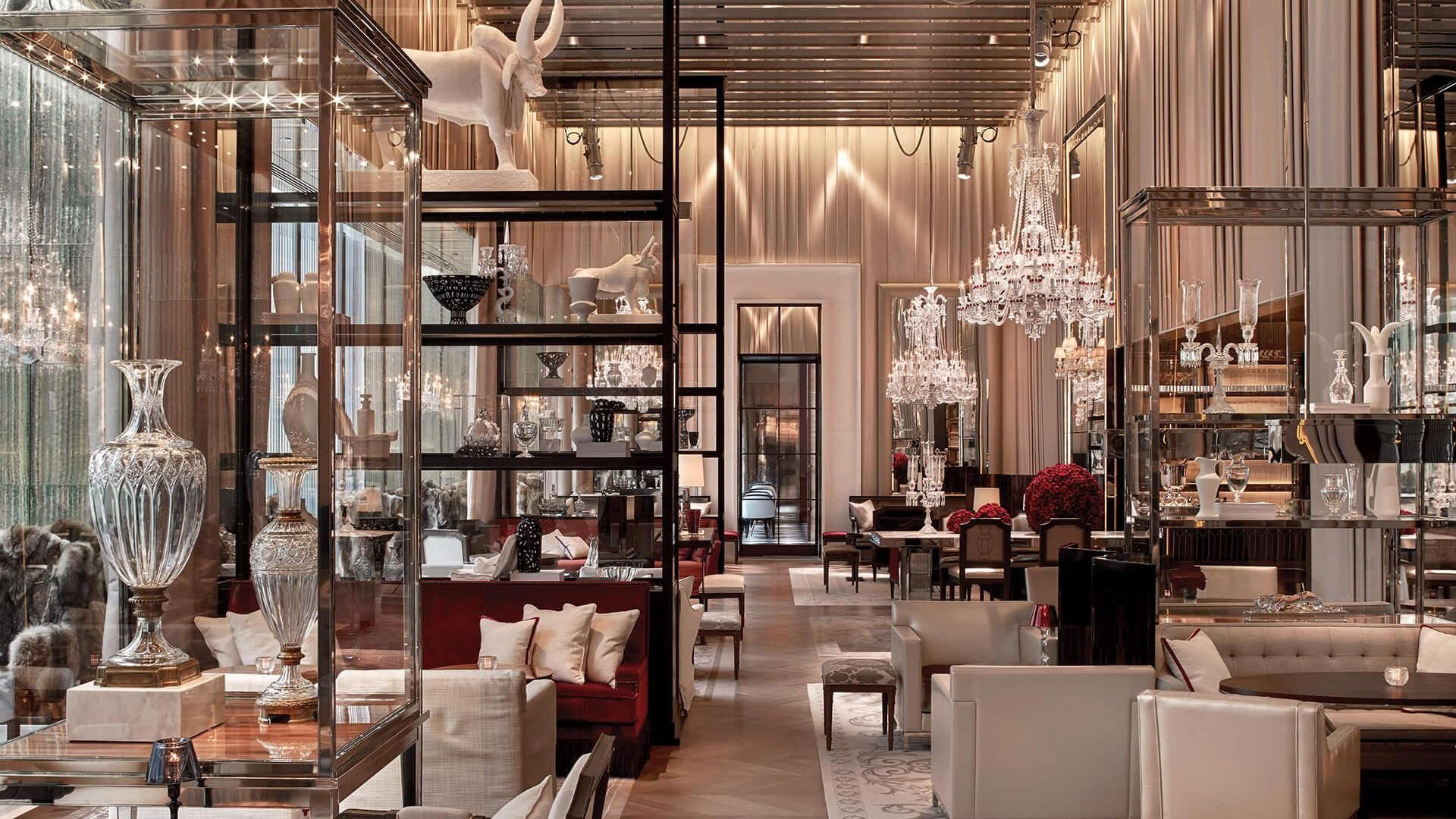
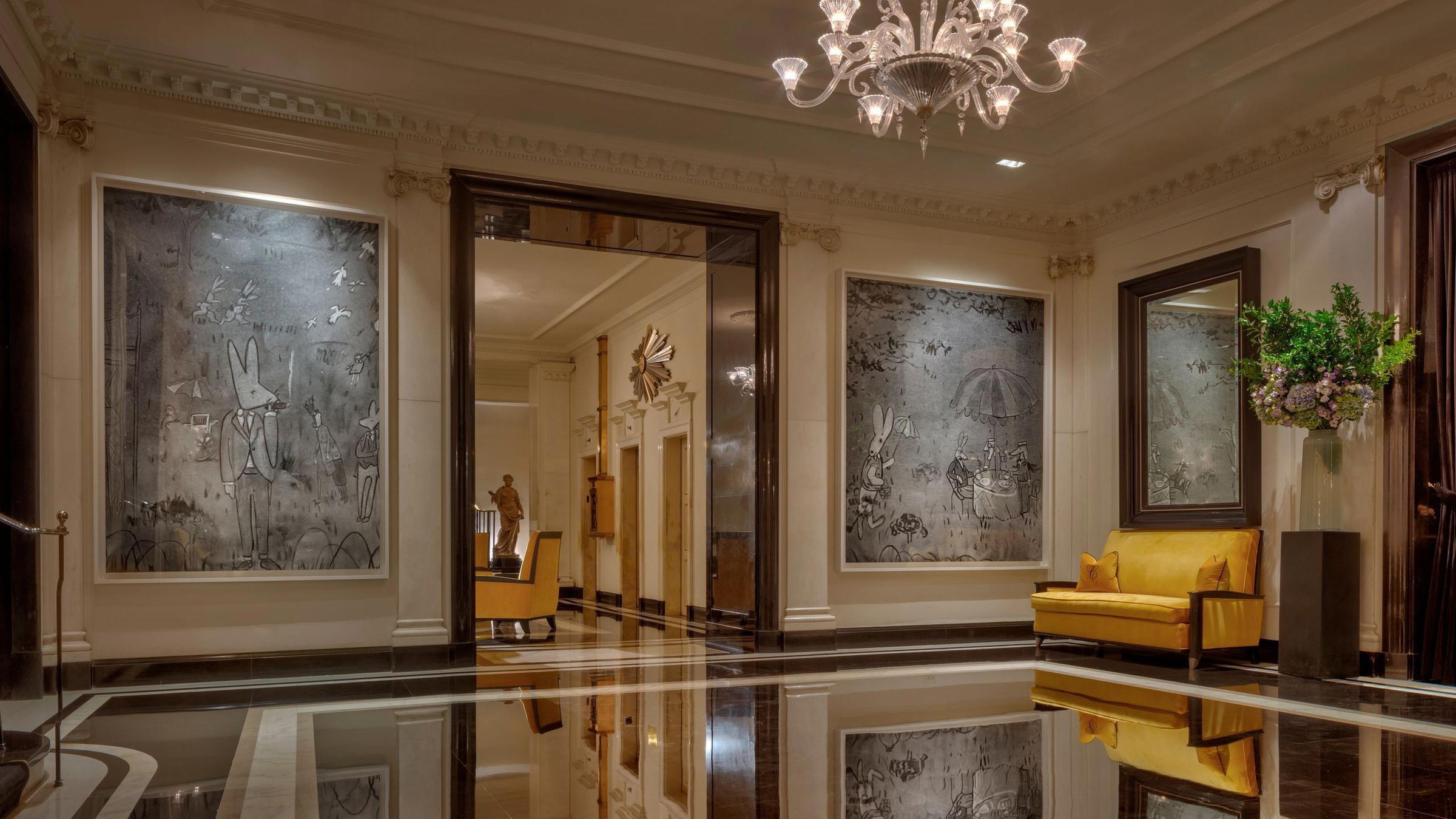
Maximalist interior evoking diplomatic grandeur and Punjabi party mansions with rich craft details, creating an ornate and ambitious atmosphere.