Gui is a steakhouse in New York City operating in among the more competitive meat-forward dining markets in the country. The city's steak corridor runs from old-school chophouses in Midtown to design-led rooms downtown, and Gui positions itself inside that range as a Korean-inflected take on the format. For visitors already exploring the city's dining scene, it merits attention alongside the broader steakhouse conversation.

Pearl is the En Primeur Club membership app — saves, bookings, and concierge access live there. Same editors, same standards.
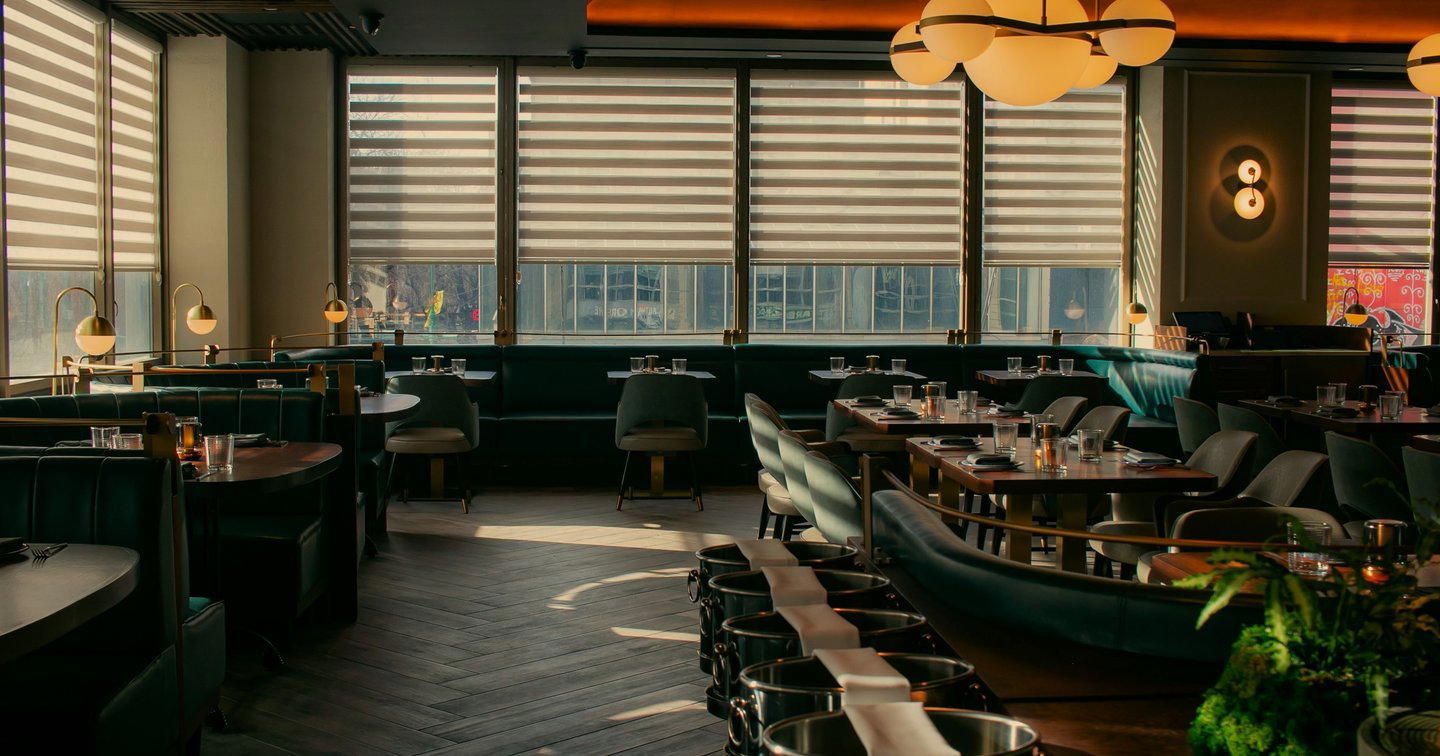
The Room Before the Meal
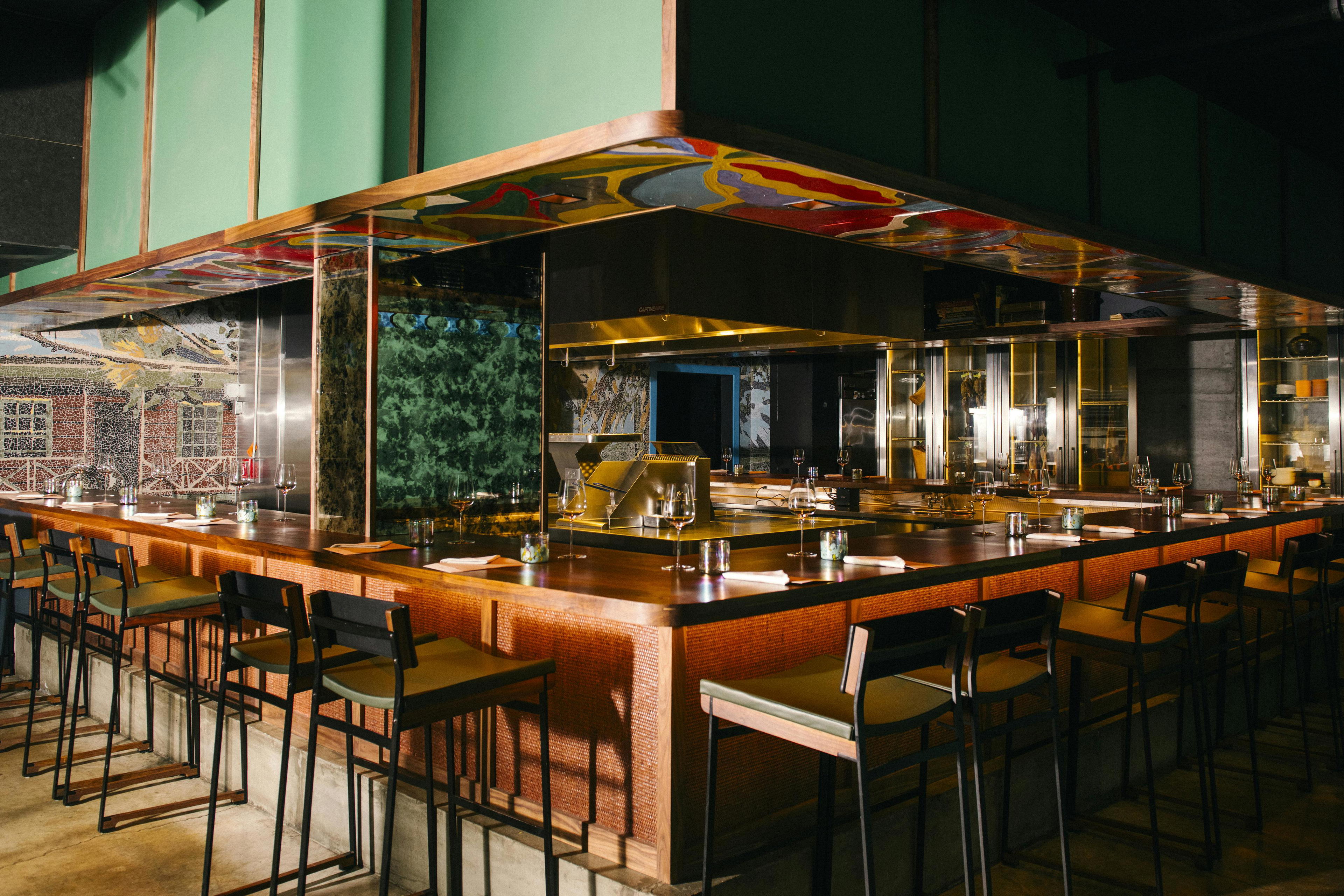
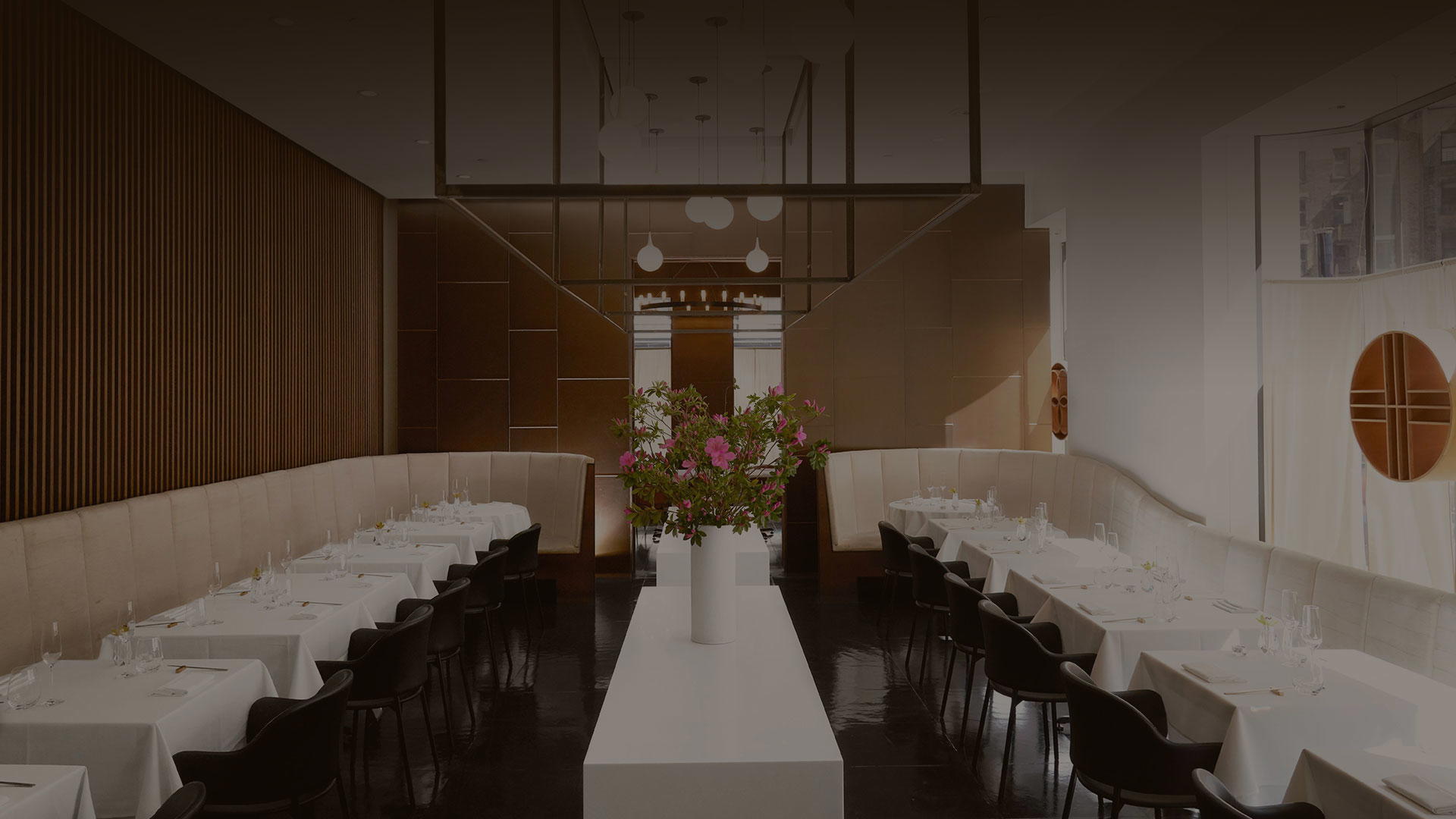
New York's steakhouse interiors have always carried a kind of architectural argument. The dark-paneled chophouses of Midtown, the kind where Keens still hangs its clay pipes from the ceiling, make a case for continuity, for a dining room that resists change as a point of principle. Newer rooms make the opposite case: that the steakhouse format can be rebuilt around light, materiality, and considered space without losing the substance that defines the category. Gui occupies that second position. Its name, the Korean word for grilling, signals an intention to frame the steak experience through a different cultural lens, and that framing extends to how the physical environment is meant to function.
In a city where steakhouse design tends toward either heritage solidity or aggressive modernism, a Korean-inflected grill room introduces a different register. The communal logic of Korean barbecue, diners positioned around a heat source, the table itself as the cooking instrument, creates an interior arrangement that differs structurally from the conventional steakhouse, where the kitchen is invisible and the plate arrives finished. That spatial difference matters. It changes the sightlines, the noise level, the pace of service, and the relationship between the diner and the food being prepared.
Where Gui Sits in the New York Steakhouse Conversation
New York's steakhouse market is among the more stratified in any city. At one end, institutions like Keens and Benjamin Steak House trade on decades of accumulated reputation. At the other, newer entrants like Bowery Meat Company have repositioned the format for a downtown audience with a different set of expectations around atmosphere and informality. 4 Charles Prime Rib and Bobby Van's Steakhouse represent further points on that spectrum, each calibrated to a distinct price point, neighborhood character, and service register.
Gui enters this market as a Korean steakhouse, a subformat that has gained serious traction in New York over the past decade as the city's Korean dining scene matured beyond its Koreatown corridor. The model draws on Korean barbecue's interactive table-cooking tradition but typically applies it to premium cuts, curated banchan, and a room designed for a higher-spend audience. In that sense, it is not competing directly with the white-tablecloth Midtown institutions; it is competing with the broader category of design-conscious, cuisine-specific rooms that have expanded the steakhouse definition in the city.
For context on how Korean fine dining has evolved in New York more broadly, Atomix and Jungsik represent the tasting-menu end of that spectrum, where the cuisine operates at price points comparable to Per Se or Le Bernardin. Gui sits at a different register within that ecosystem, where the format remains recognizably a steakhouse rather than a progression of composed courses.
The Design Logic of a Grill Room
The editorial angle worth examining with any Korean grill room is what happens to the steakhouse format when the cooking surface moves to the table. Architecturally, this requires ventilation infrastructure that traditional steakhouses do not need, which in turn constrains ceiling heights, table spacing, and the overall volume of the room. These are not aesthetic choices so much as engineering requirements that then become aesthetic facts. The leading Korean grill rooms in cities like Seoul, Los Angeles, and increasingly New York have turned those constraints into design assets: the hoods become sculptural, the table hardware becomes a focal point, and the controlled intimacy of a well-ventilated room becomes part of the experience's appeal rather than a compromise.
This is a meaningful departure from the design vocabulary of an American chophouse, where the kitchen's separation from the dining room is total. Rooms like those at the Midtown institutions maintain their authority partly through that separation: the chef is unseen, the process is hidden, and the finished plate carries the weight of that invisible labor. Korean grill rooms invert this. The process is the spectacle. The design has to accommodate performance and participation rather than presentation and arrival.
Planning a Visit: What to Know
New York's Korean steakhouse tier operates across a range of neighborhoods, with significant concentrations in Koreatown around 32nd Street and expanding into Midtown, Flatiron, and downtown. Verifying the precise location before booking is advisable. The city's dining infrastructure means that most neighborhoods with strong Korean restaurant density are accessible by subway, with limited walk-up parking in most cases.
Those traveling beyond New York who want to benchmark against other serious American dining programs might reference The French Laundry in Napa, Alinea in Chicago, Lazy Bear in San Francisco, Blue Hill at Stone Barns in Tarrytown, or Providence in Los Angeles. For steakhouse-specific comparisons across different markets, A Cut in Taipei and Capa in Orlando offer useful points of reference for how premium grill formats operate outside New York. Other American dining programs worth contextualizing against include Single Thread Farm in Healdsburg, Addison in San Diego, The Inn at Little Washington, Emeril's in New Orleans, and Bacchanalia in Atlanta.
Peer Comparison at a Glance
| Venue | Format | Price Tier | Booking Complexity |
|---|---|---|---|
| Gui | Korean Steakhouse | $$$$ | Recommended |
| Keens | Classic American Chophouse | $$$$ | Moderate; walk-ins possible |
| 4 Charles Prime Rib | Prime Rib, Downtown | $$$ | High; reservations recommended |
| Bowery Meat Company | Modern Steakhouse | $$$ | Moderate |
| Benjamin Steak House | Classic American Steakhouse | $$$$ | Moderate |
Price and Recognition
Comparable venues nearby, for context on price, style, and recognition.
| Venue | Cuisine | Price | Notes |
|---|---|---|---|
| GuiThis venue — the venue you are viewing | Not listed | $$$$ | Not listed |
| MarkJoseph Steakhouse | Not listed | $$$$ | Financial District-Battery Park City, Classic New York Steakhouse |
| Vinile Chophouse | Not listed | $$$$ | Midtown South-Flatiron-Union Square, Italian-American Chophouse |
| Yakar Steakhouse | Midwood, Kosher Steakhouse | $$$$ | Not listed |
| STK Downtown | West Village, Modern Steakhouse | $$$$ | Not listed |
| Brooklyn Chop House - Times Square | Not listed | $$$$ | Midtown-Times Square, Asian Fusion Steakhouse |
Continue exploring
More in New York City
Restaurants in New York City
Browse all →
Bars in New York City
Browse all →
At a Glance
- Modern
- Elegant
- Sophisticated
- Trendy
- Date Night
- Business Dinner
- Special Occasion
- Open Kitchen
- Craft Cocktails
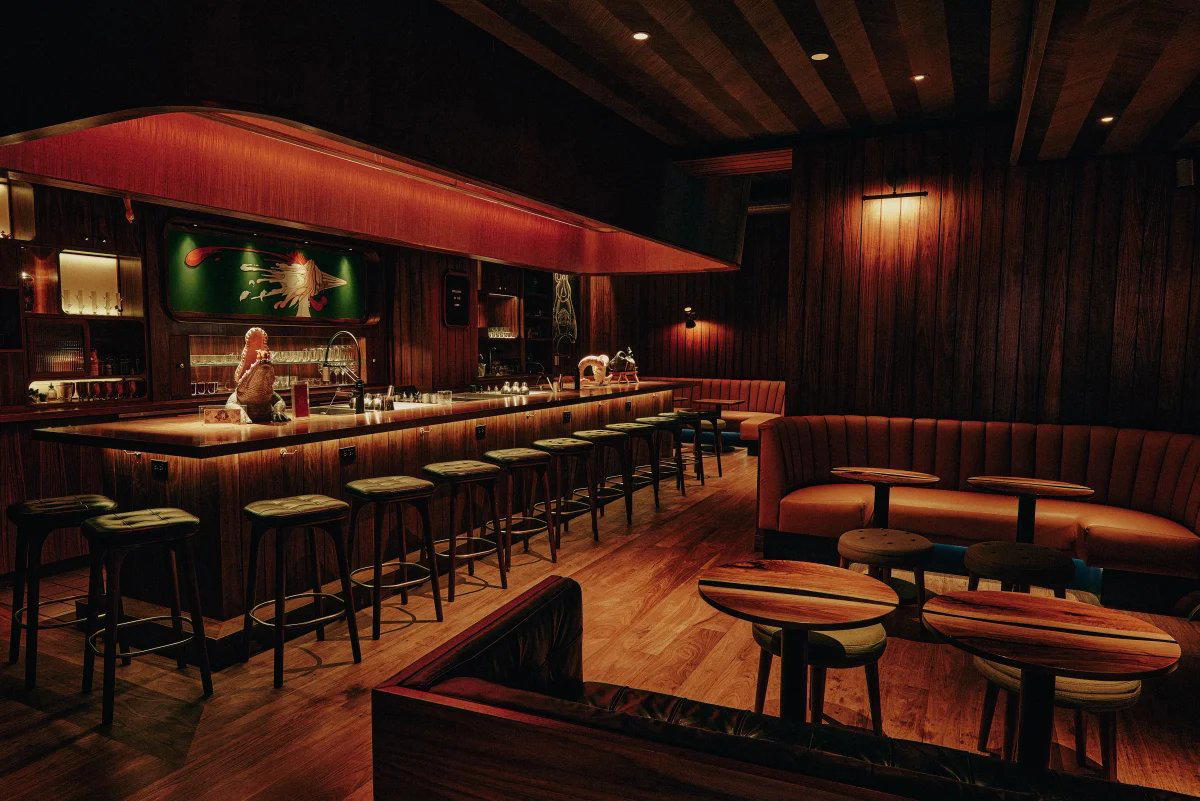
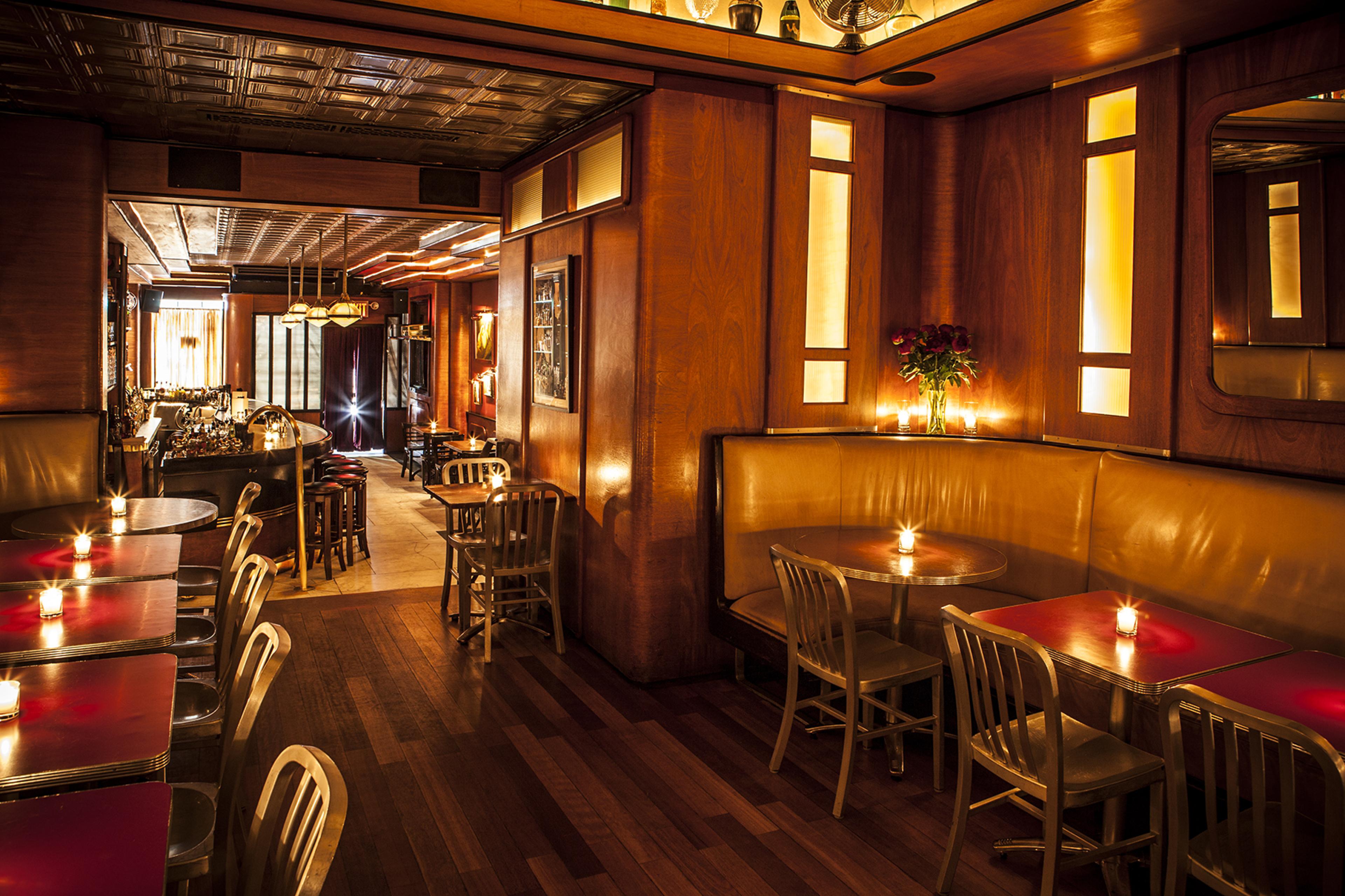
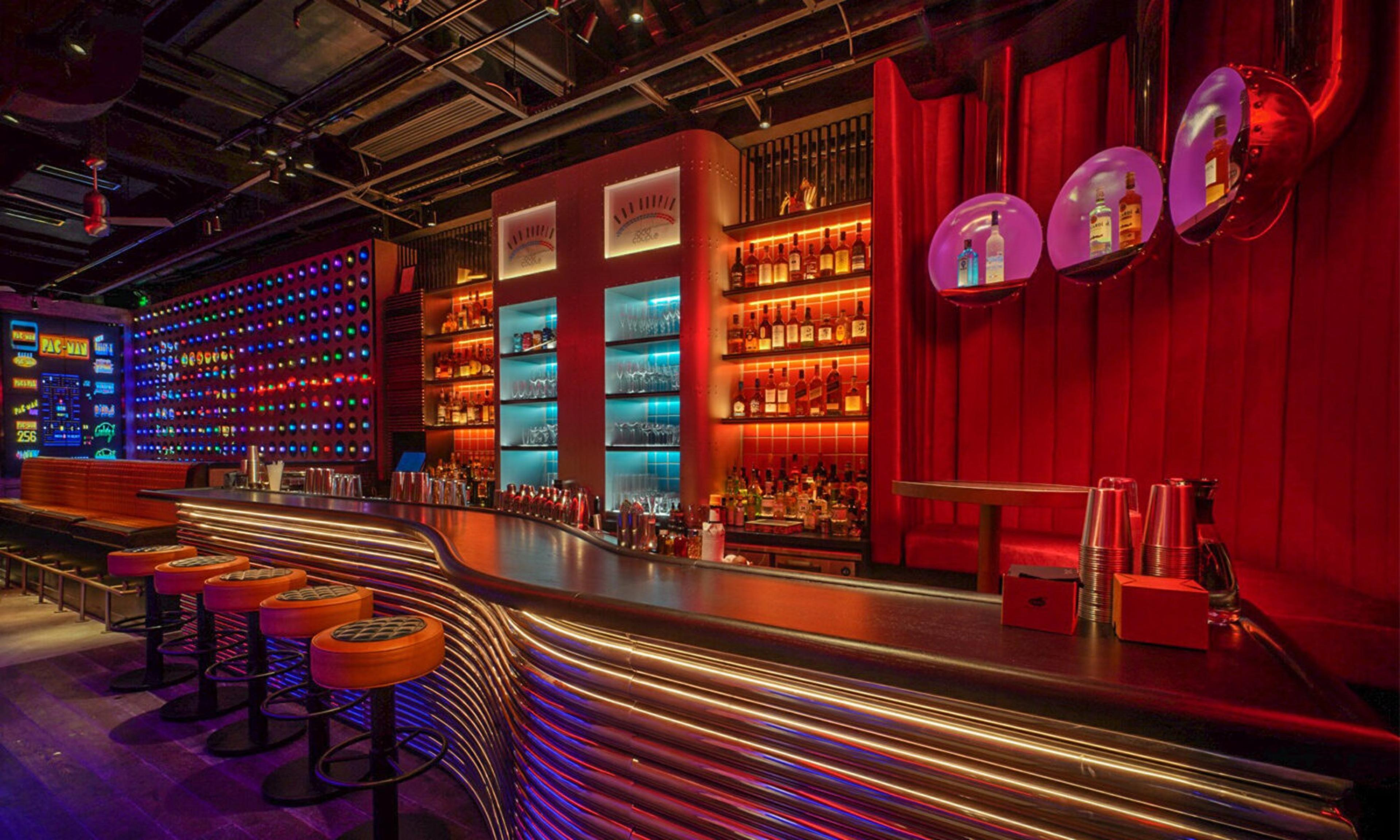
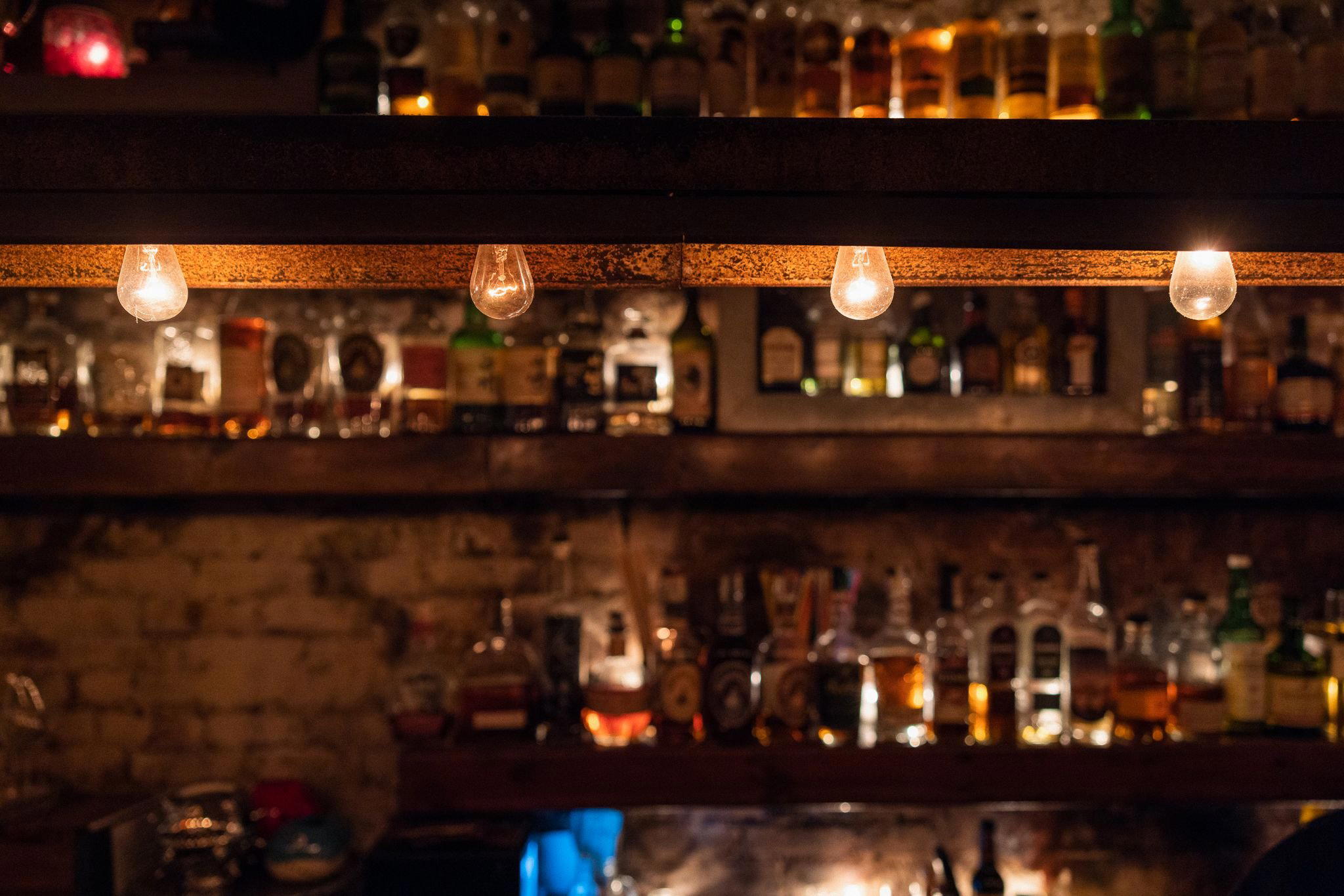
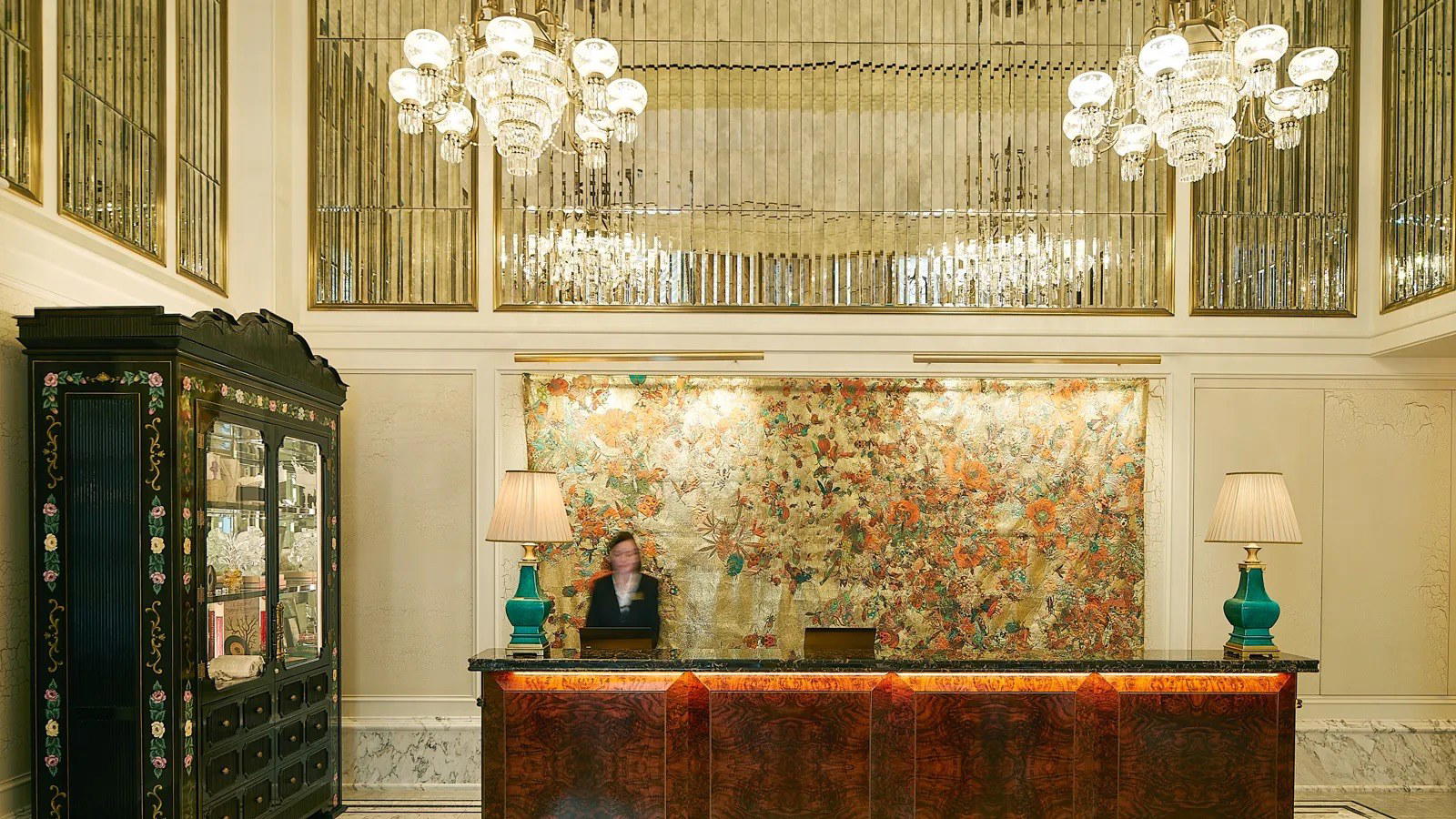
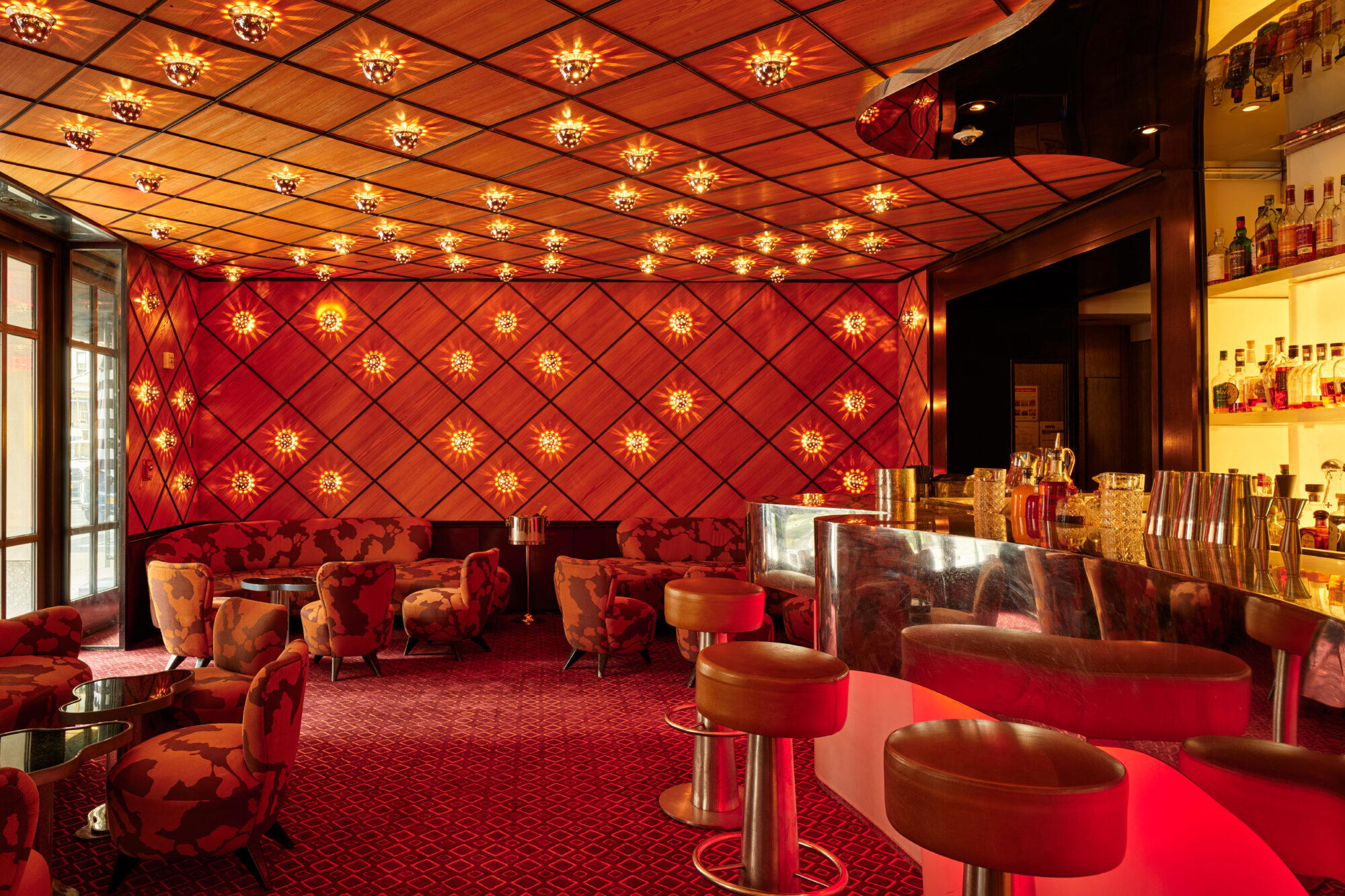
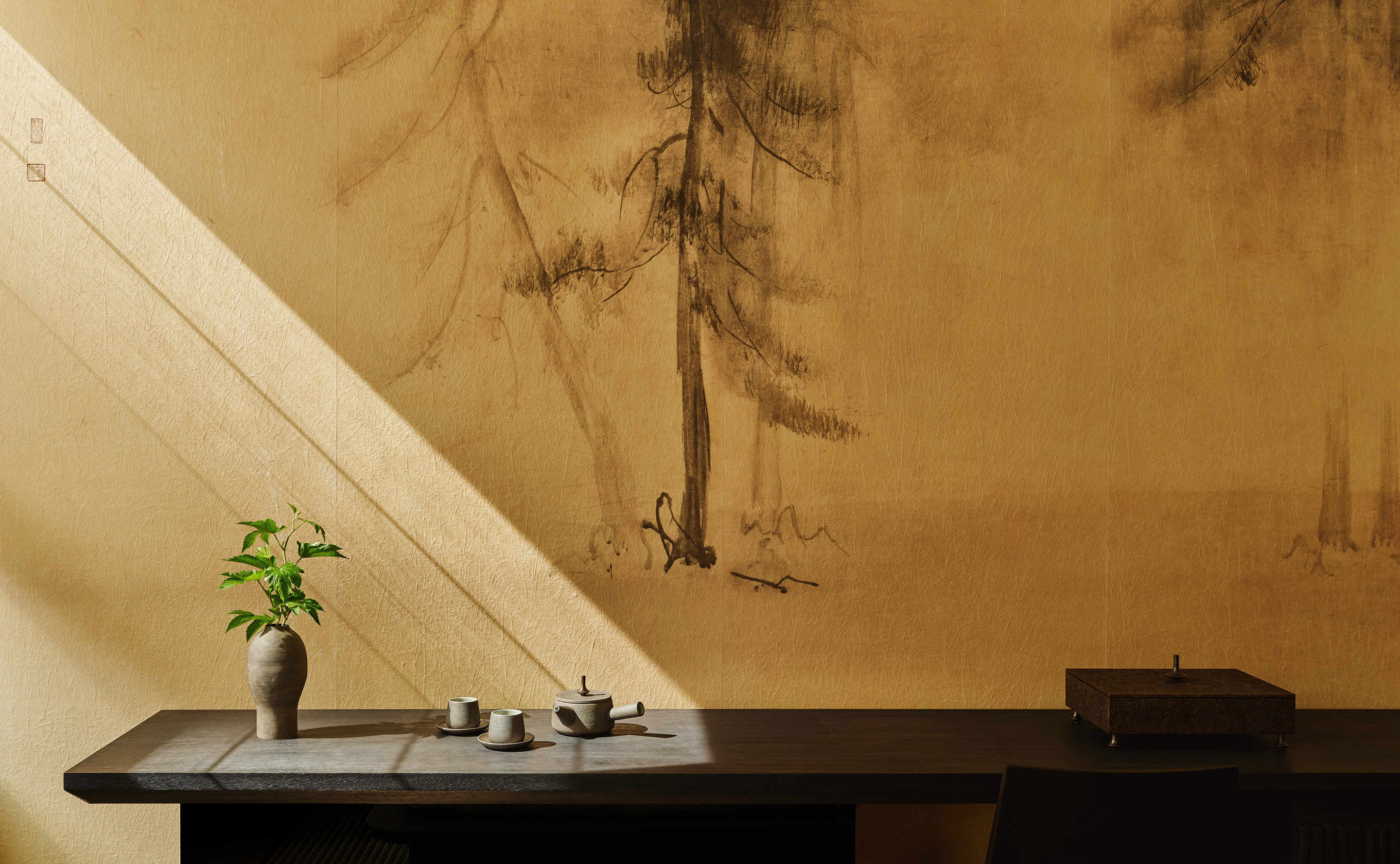
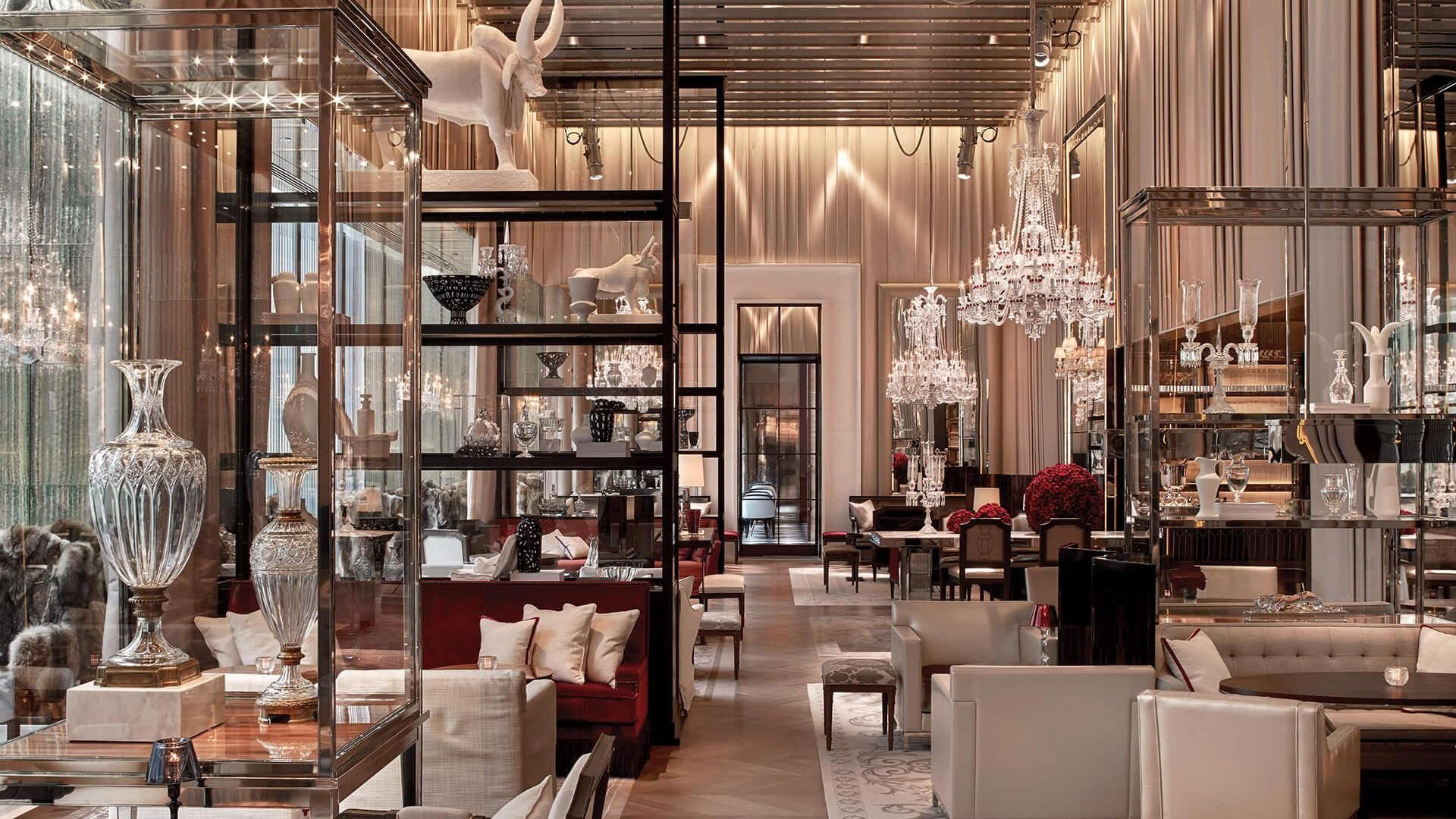
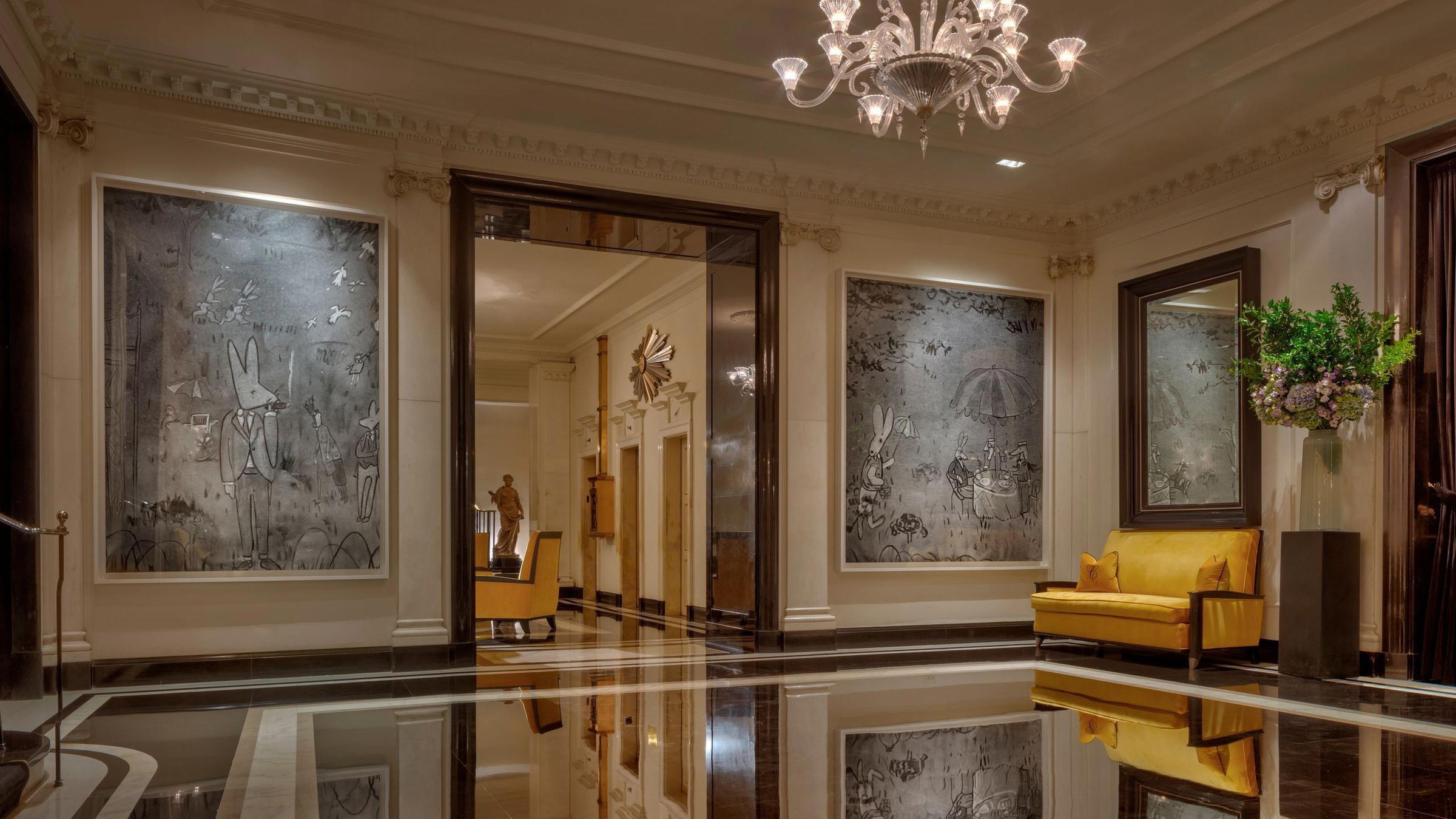
Sleek, art deco and mid-century modern interior with dark, dim, classy lighting creating a refined yet approachable atmosphere.