MURA Japanese BBQ & Shabu
MURA Japanese BBQ & Shabu brings the dual tradition of Japanese tabletop grilling and shabu-shabu hot pot to the western Las Vegas valley, operating out of a standalone address on South Fort Apache Road well away from the Strip's concentration of dining options. The format puts the cook at the center of the meal, which positions it differently from both the city's high-volume buffet circuit and its white-tablecloth Japanese rooms.
Pearl is the En Primeur Club membership app — saves, bookings, and concierge access live there. Same editors, same standards.
- Address
- 6415 S Fort Apache Rd, Las Vegas, NV 89148
- Phone
- +17023313971
- Website
- murashabu.com
- Directions
- Get directions
 Saves & bookings on Pearl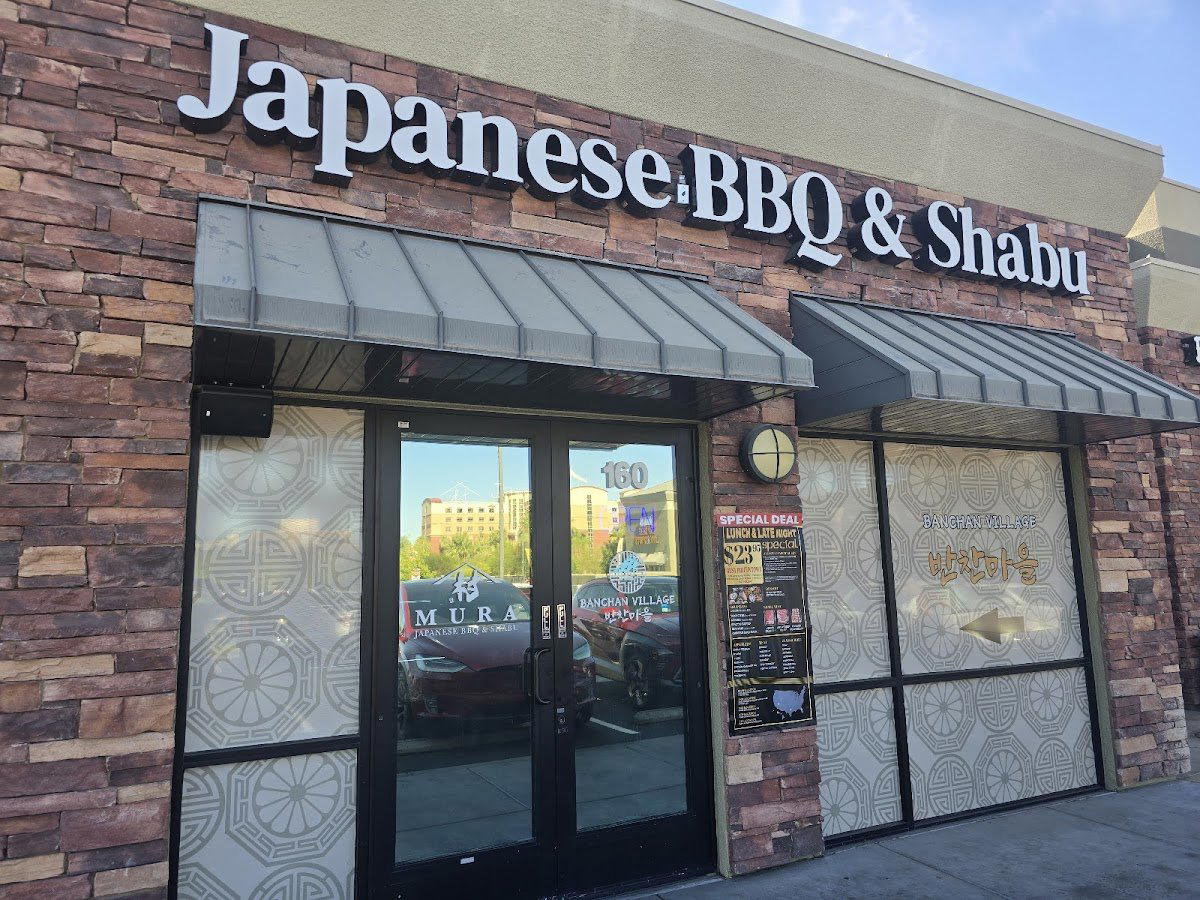
Fire and Broth on the West Side
Las Vegas has built its Japanese dining identity around two distinct poles: the Strip-adjacent omakase counter, where price and pedigree do most of the talking, and the neighborhood-facing spots further west and south that serve the city's substantial resident population rather than its visitors. MURA Japanese BBQ & Shabu sits firmly in the second category, occupying an address at 6415 S Fort Apache Rd in southwest Las Vegas. Understanding where MURA sits geographically is part of understanding what it is: a room designed for repeated visits and communal eating rather than once-in-a-trip occasions.
The Japanese BBQ and shabu-shabu format itself carries a logic that separates it from most other dining categories in Las Vegas. At a yakiniku table, the grill is the center of the meal, proteins and vegetables arrive raw, portioned, and sequenced, and the act of cooking them is the activity rather than an interruption. Shabu-shabu follows a parallel structure: a pot of seasoned broth at temperature, thinly sliced meat, and accompaniments that you move through the liquid yourself. Both formats are communal by design. They slow the pace of the meal, they require attention, and they create a table dynamic that is fundamentally different from ordering from a kitchen and receiving finished plates. For a city that runs on speed and spectacle, that deliberate tempo is an intentional counterpoint.
What the Room Is Doing
The sensory architecture of Japanese BBQ dining is distinctive and worth understanding before you arrive. Ventilation hoods above individual grills draw smoke upward and keep the room from becoming oppressive, but the ambient smell of charcoal or gas flame and marinated proteins is present and part of the atmosphere, this is not a neutral dining environment. Sound levels tend toward the sociable rather than the quiet, because the format generates conversation and activity at the table. These are rooms that work for groups, for celebrations, and for the kind of meal where the process is as important as the result.
Compare this to the atmosphere at a venue like Craftsteak, where the kitchen does the work and the table receives finished product, or to the all-at-once abundance of a large-format buffet. The tabletop cooking format demands a different kind of presence from the diner. That's either an asset or a friction point depending on what you're looking for, and it's worth being clear about which category you fall into before booking.
The West Las Vegas Japanese Dining Context
The cluster of Japanese and broader Asian dining options along the Fort Apache and Rainbow corridors in southwest Las Vegas has developed largely in response to residential demand rather than tourist traffic. This gives the area a different character from the restaurant rows closer to the Strip. Places here tend to operate with regulars in mind: pricing is calibrated for repeat visits, portion logic is built around the table rather than the individual, and the room isn't designed to impress on a single occasion but to reward return.
For context on the broader Japanese dining range available in the city, 18bin and 108 Eats represent different registers of the Japanese-influenced format in Las Vegas, while 777 Korean Restaurant offers a useful parallel for understanding how tabletop grilling operates in the Korean BBQ tradition, a format that shares structural DNA with yakiniku but differs in marinade style, cut selection, and the side dish system. The comparison is instructive: both formats center the table grill, but the Japanese version typically applies lighter seasoning, relies more on dipping sauces applied after cooking, and places greater emphasis on the quality of the base protein. A Different Beast offers yet another angle on how Las Vegas handles meat-forward, format-driven dining.
For readers interested in how the highest tiers of the national restaurant scene approach Japanese technique and precision, venues like Atomix in New York City show how Korean fine dining has absorbed and reinterpreted Japanese influence at a tasting-menu level, while Le Bernardin in New York City, The French Laundry in Napa, and Alinea in Chicago represent the broader national context of destination fine dining against which neighborhood-format venues like MURA define their own position. The distance between those rooms and a shabu-shabu table in southwest Las Vegas is not a hierarchy, it's a different set of priorities entirely.
Who This Format Works For
Japanese BBQ and shabu-shabu dining rewards groups over solo diners, and longer meals over quick ones. The economics of the format also tend to favor tables that order across multiple protein types and share, a single diner working through a solitary portion of sliced beef at a grill table gets less from the experience than a group of four rotating through selections and managing the cook together. Families with older children are a natural fit, since the interactive element keeps engagement high. Solo diners and couples can make it work, but should approach it as a slower, more contemplative version of the format.
The Fort Apache Road location makes MURA accessible from the southwest residential neighborhoods and from the 215 beltway. It is not a walking-distance proposition from most hotel corridors, which means it operates on a different visit logic than venues inside or adjacent to casino properties. For visitors willing to travel for a meal that operates outside the Strip's gravity, the west-side dining corridor is worth the trip.
For reference on what premium dining looks like at the destination level in other American cities, Lazy Bear in San Francisco, Providence in Los Angeles, Addison in San Diego, Single Thread Farm in Healdsburg, Blue Hill at Stone Barns in Tarrytown, The Inn at Little Washington, Emeril's in New Orleans, and 8½ Otto e Mezzo Bombana in Hong Kong show the range of what serious dining rooms are doing across format and geography.
Budget and Context
Comparable venues nearby, for context on price, style, and recognition.
| Venue | Cuisine | Price | Notes |
|---|---|---|---|
| MURA Japanese BBQ & ShabuThis venue — the venue you are viewing | Not listed | $$$ | Not listed |
| Zuma | The Strip, Modern Japanese Izakaya | $$$$ | Not listed |
| Yu or Mi Sushi | Rhodes Ranch, Japanese Sushi Bar | $$$ | Not listed |
| Monta Ramen | Not listed | $$ | The Asian District, Authentic Japanese Tonkotsu Ramen |
| Kabuki Japanese Restaurant | Not listed | $$ | Boulder Junction, Japanese Sushi & Traditional |
| Nobu | The Strip, Japanese-Peruvian Fusion | $$$$ | Not listed |
Continue exploring
More in Las Vegas
Restaurants in Las Vegas
Browse all →
Bars in Las Vegas
Browse all →
At a Glance
- Modern
- Lively
- Trendy
- Group Dining
- Family
- Casual Hangout
- Celebration
- Open Kitchen
- Sake Program
- Craft Cocktails
- Beer Program
Current opening hours
- Monday
- 11:30 AM–10:30 PM
- Tuesday
- 11:30 AM–10:30 PM
- Wednesday
- 11:30 AM–10:30 PM
- Thursday
- 11:30 AM–10:30 PM
- Friday
- 11:30 AM–11:30 PM
- Saturday
- 11:30 AM–11:30 PM
- Sunday
- 11:30 AM–10:30 PM
Hours can change for holidays and private events. Last verified .
Clean, modern ambiance with a welcoming atmosphere ideal for groups and date nights.