Zuma

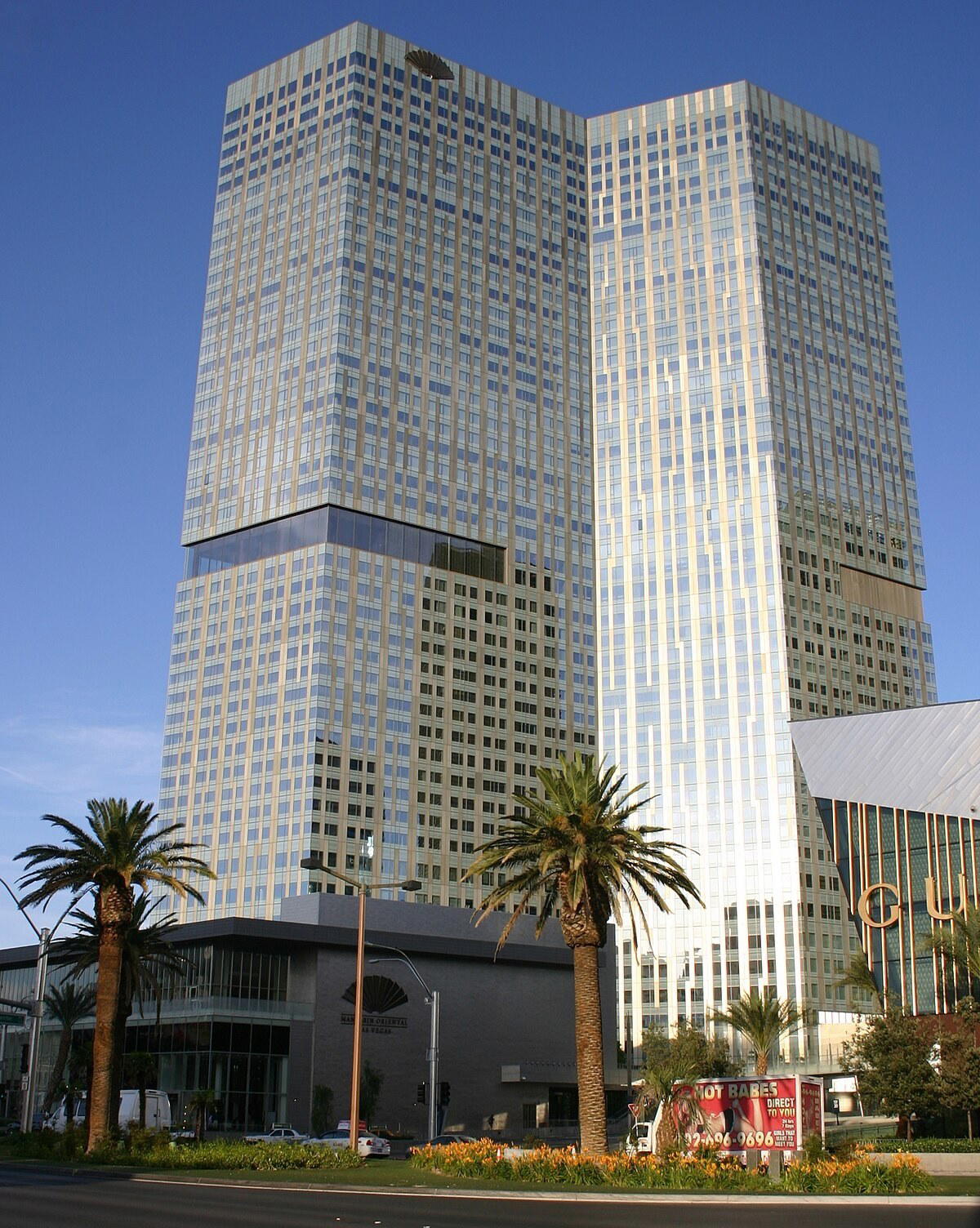
Zuma occupies the third floor of the Boulevard Tower on the Las Vegas Strip, bringing the global izakaya format it pioneered in London and Tokyo to one of the world's most demanding dining markets. The kitchen operates across robata grill, sushi bar, and main kitchen stations, producing the kind of Japanese cooking that positions Zuma firmly within the upper tier of Strip dining.
Pearl is the En Primeur Club membership app — saves, bookings, and concierge access live there. Same editors, same standards.
- Address
- Boulevard Tower, 3708 Las Vegas Blvd S Level 3, Las Vegas, NV 89109
- Phone
- +17026982199
- Website
- zumarestaurant.com
- Directions
- Get directions
 Saves & bookings on Pearl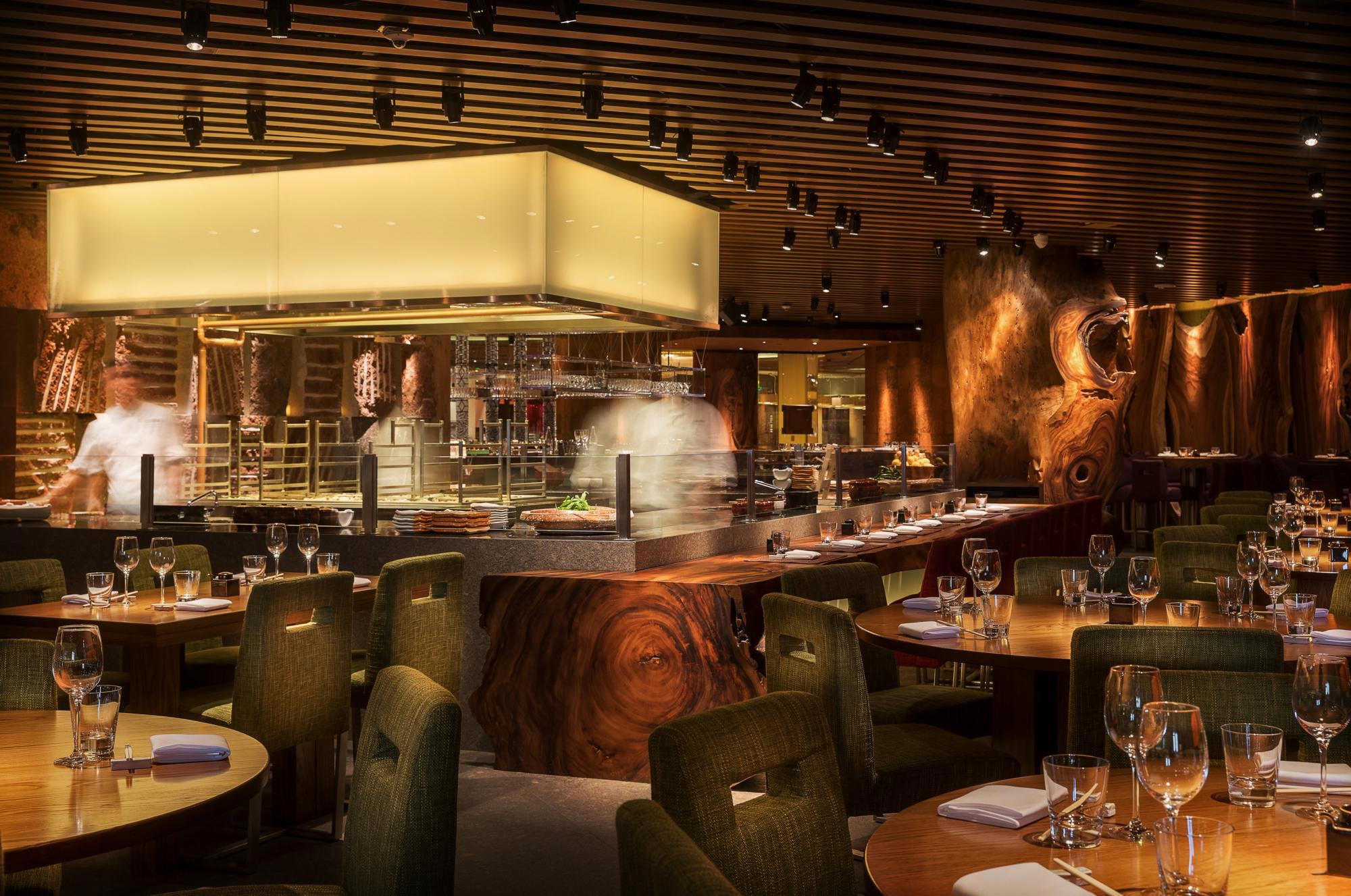
The Strip at Height: What Japanese Izakaya Looks Like in Las Vegas
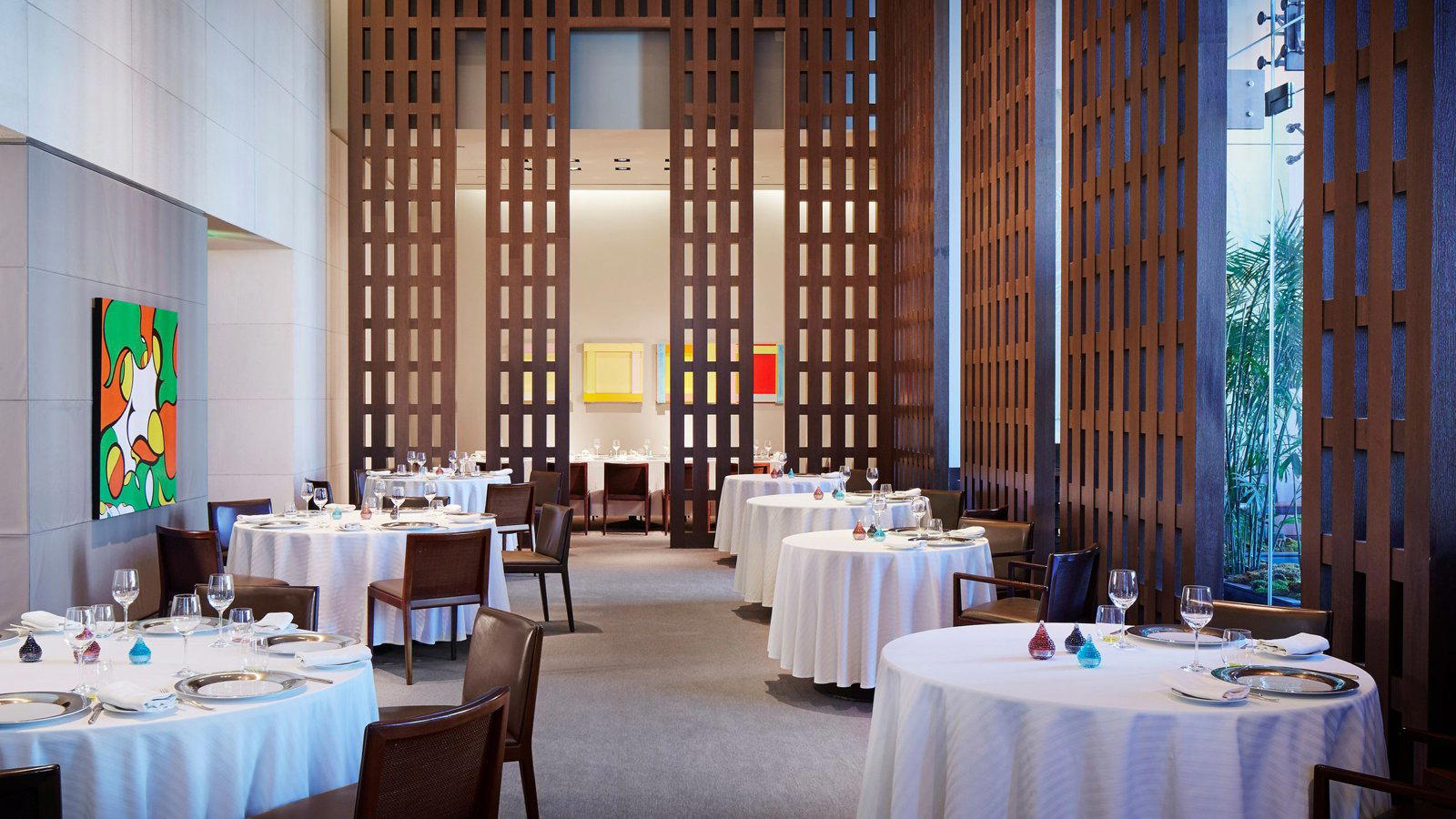
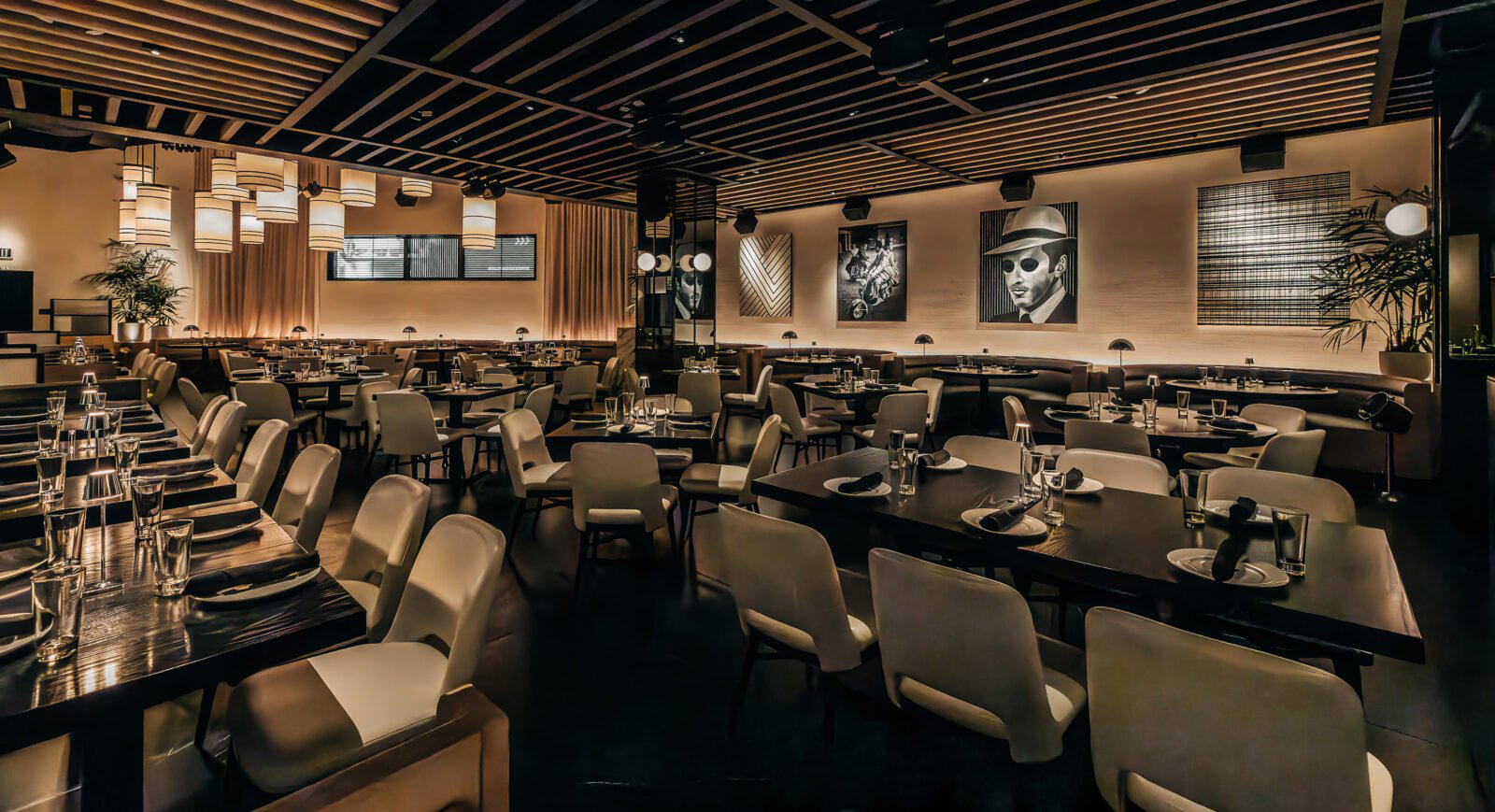
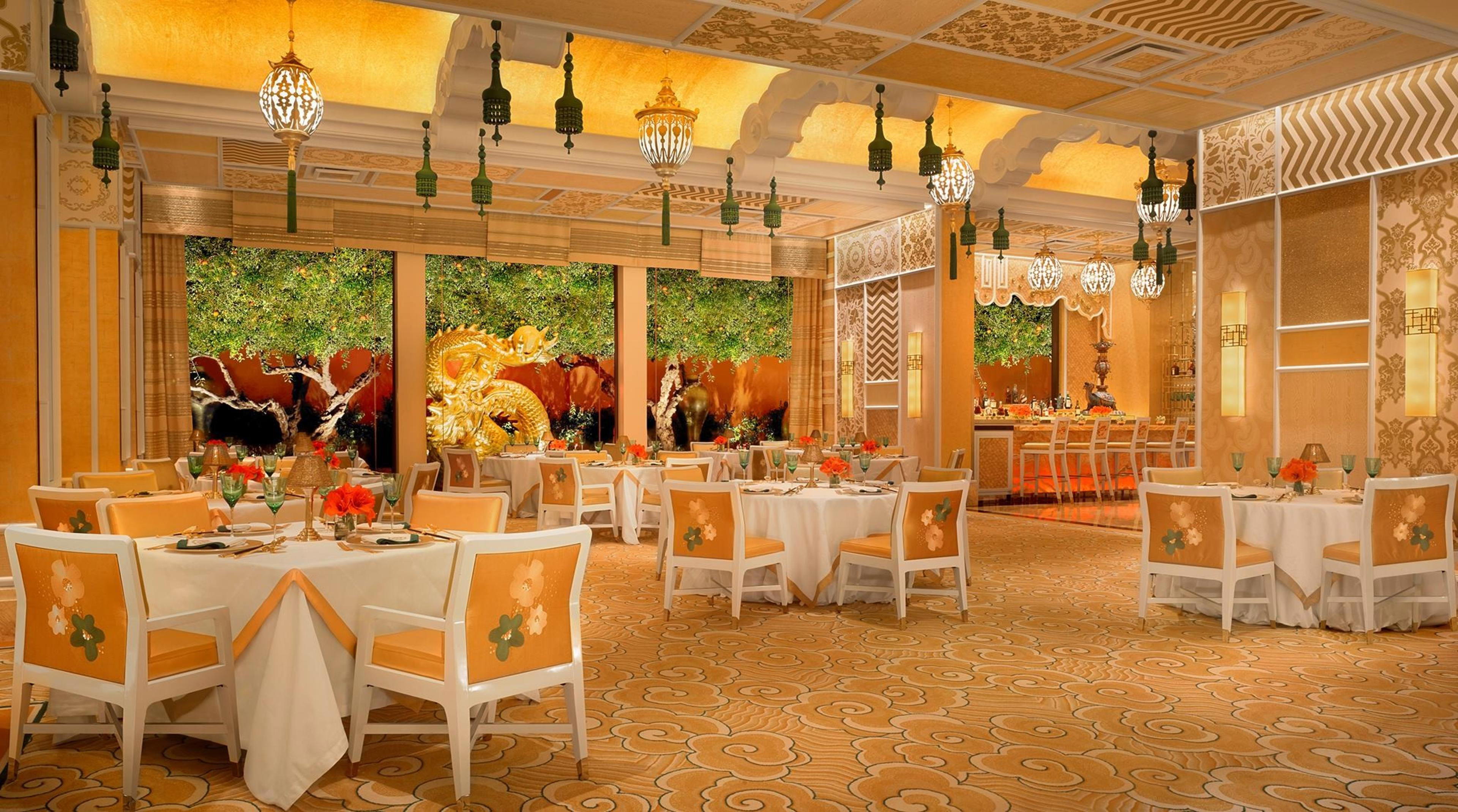
Las Vegas has spent two decades importing formats that work elsewhere and stress-testing them against a crowd that moves fast, spends freely, and compares everything to the last city it visited. The third floor of the Boulevard Tower, where Zuma sits at 3708 Las Vegas Blvd S, is exactly the kind of perch that rewards that dynamic. Arriving at level three, you get the Strip framing the windows and a room built around the energy of shared plates circulating between a robata counter, a sushi bar, and a main kitchen running simultaneously. The noise level and the visual density are deliberate. This is not a room designed for quiet contemplation; it is designed for a particular kind of collective momentum that the izakaya format, when done at scale, produces.
That format matters as context. The contemporary izakaya model that Zuma represents globally sits between traditional Japanese pub dining and a more composed modern Japanese restaurant. It is not a single long omakase counter in the manner of the intimate chef-driven rooms you find referenced in discussions of, say, Atomix in New York City. Nor is it the tightly scripted progression of Alinea in Chicago or The French Laundry in Napa. The izakaya template distributes decision-making to the table, with dishes arriving at their own pace from different stations. In Las Vegas, where group dining and spontaneous ordering patterns dominate, this architecture has a structural advantage over the fixed-format model.
Three Stations, One Kitchen Logic
The operational structure at Zuma reflects how the brand has standardized the robata-sushi-kitchen division across its global locations. Each station produces a distinct register of dish. The robata grill works over high-heat charcoal, producing the kind of char and smoke that separates it categorically from what a conventional oven or plancha delivers. The sushi counter runs on a separate rhythm, with the precision and temperature discipline that raw and lightly cured preparations require. The main kitchen handles the more complex cooked formats. This is not unusual in high-volume Japanese operations, but the coordination between three live stations at Las Vegas dining pace is the operational challenge that defines the format.
For Strip visitors comparing across categories, the relevant comparable set here is not the American steakhouse tier occupied by venues like Craftsteak or the more casual formats at 108 Eats, 18bin, or 777 Korean Restaurant. Zuma operates in the upper-middle register of Las Vegas restaurant spending, where the expectation is a full evening rather than a quick meal, and where the drinks bill frequently equals or exceeds the food bill. That dynamic is directly relevant to how the wine and beverage program functions.
The Drinks Dimension: Wine and Sake in an Izakaya Context
The editorial angle worth pressing on at a venue with Zuma's profile is the wine list, because it reveals something about how global izakaya dining has evolved in its relationship with wine service. Traditional izakaya drinking centers on sake, shochu, and Japanese whisky, which remain the structural core of any serious program in this format. But at the level Zuma operates, particularly in a market like Las Vegas where a significant share of the room is arriving with international fine dining expectations, the wine list has to function as a genuine alternative rather than an afterthought.
In Japanese restaurant contexts, the wine pairing challenge is real and often underestimated. The umami density of soy-marinated robata preparations, the fat of fatty tuna, the acidity of ponzu-dressed dishes, and the smoke of the grill create a flavor matrix that rewards particular wine approaches. High-acid white wines from Burgundy, the Loire, and Champagne have historically performed well. The Alsatian tradition of dry or off-dry Riesling and Pinot Gris has genuine affinity with Japanese flavors. Among reds, the lighter Pinot Noir direction taken by producers at venues like Single Thread Farm in Healdsburg aligns better with the food than the high-extract Cabernet direction that dominates much of Las Vegas fine dining.
A wine program at a venue of this type earns its standing not through raw bottle count but through the depth of its Champagne and sake integration, the presence of sommelier staff who understand the food-wine affinity questions specific to Japanese cuisine, and the inclusion of producers from wine regions that have a genuine track record alongside this food. The Las Vegas Strip wine market skews heavily toward trophy Napa Cabernet and prestige Burgundy for the simple reason that those are the labels visitors recognize and order with confidence. Whether a program at this level makes space for more technically aligned choices, and whether the service team can articulate the reasons for those choices, determines whether the cellar is a genuine asset or simply a high-priced list.
The sake dimension deserves equal attention. In the same way that Le Bernardin in New York City has historically used its sommelier team to educate a wine-fluent room on wine and seafood pairing at depth, the opportunity at a global izakaya operation is to do equivalent work with sake education. The vocabulary of junmai daiginjo, nigori, and aged koshu sake is not common knowledge in a Las Vegas dining room, and a program that narrows that gap adds a dimension the Strip's other Japanese options cannot replicate. Comparison venues in the Japanese category on the Strip, including A Different Beast and the more casual Blue Ribbon Sushi Bar and Grill format, operate in different registers that do not carry the same drinks program expectations.
For visitors with points of comparison at high-performing American restaurants, the relevant question is whether Zuma's drinks depth approaches the kind of program standards visible at venues like Blue Hill at Stone Barns in Tarrytown, Providence in Los Angeles, or Addison in San Diego, where the beverage program is understood as a critical part of the editorial identity of the restaurant rather than a revenue line appended to the food operation.
Placing Zuma in Las Vegas's Japanese Restaurant Market
Las Vegas has a more developed Japanese restaurant market than most American cities outside of New York and Los Angeles, largely because Japanese cuisine has historically over-indexed with the high-spending visitor demographic the Strip targets. The category spans everything from sushi conveyor formats in the casino corridors to multi-Michelin-starred omakase counters. Zuma occupies the high-volume, full-room izakaya segment at the upper end of that range, competing on atmosphere, consistency, and the breadth of its format rather than on the intimate exclusivity of a counter-seat experience. It is an argument for the social model of Japanese dining rather than the contemplative model. For those with interest in the more structured end of the category, reference points like 8 1/2 Otto e Mezzo Bombana in Hong Kong or, domestically, Lazy Bear in San Francisco and Emeril's in New Orleans represent different formats entirely.
Peers You’d Cross-Shop
Comparable venues nearby, for context on price, style, and recognition.
| Venue | Cuisine | Price | Notes |
|---|---|---|---|
| ZumaThis venue — the venue you are viewing | Modern Japanese Izakaya | $$$$ | Not listed |
| Kame | Japanese Omakase | $$$$ | The Asian District |
| Kabuto | Edomae Omakase Sushi | $$$$ | The Asian District |
| Scotch 80 Prime | Modern Steakhouse | $$$$ | Bracken |
| FUHU | Contemporary Asian Fusion with Sushi & Steak | $$$$ | Northern Strip |
| Stubborn Seed Las Vegas | Contemporary American Fine Dining | $$$$ | Northern Strip |
Recognition history
Dated appearances from independent guides and award organizations, with the underlying list record or original source where available.
Wine Spectator Best of Award of Excellence
Wine Spectator
Continue exploring
More in Las Vegas
Restaurants in Las Vegas
Browse all →
Bars in Las Vegas
Browse all →
At a Glance
- Elegant
- Energetic
- Sophisticated
- Modern
- Group Dining
- Date Night
- Special Occasion
- Business Dinner
- Open Kitchen
- Hotel Restaurant
- Chefs Counter
- Craft Cocktails
- Sake Program
- Extensive Wine List
- Sustainable Seafood
Current opening hours
- Monday
- 5–9:30 PM
- Tuesday
- 5–9:30 PM
- Wednesday
- 5–9:30 PM
- Thursday
- 5–9:30 PM
- Friday
- 5–10:30 PM
- Saturday
- 5–10:30 PM
- Sunday
- 5–9:30 PM
Hours can change for holidays and private events. Last verified .
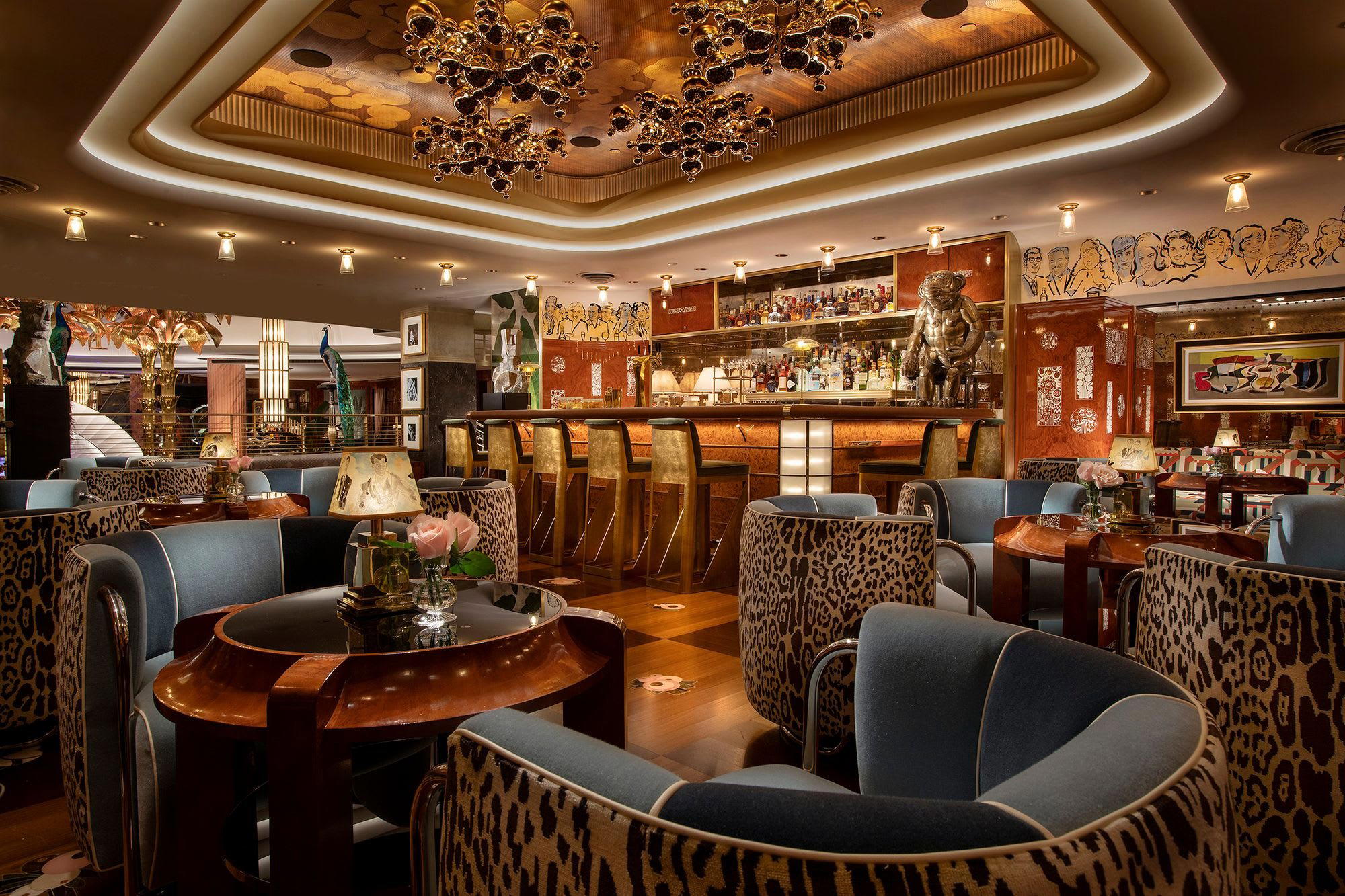
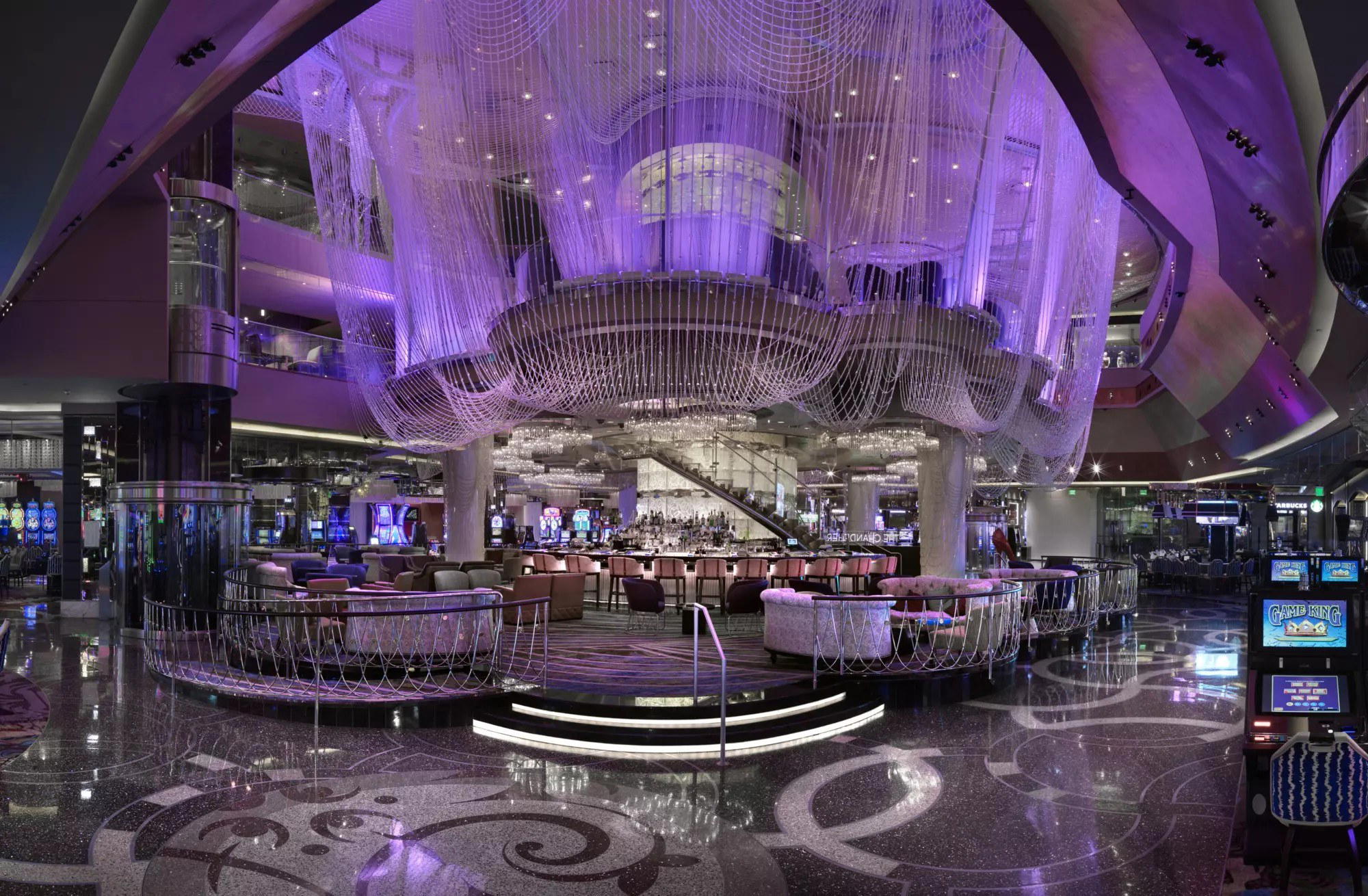
Sophisticated and energetic with an open kitchen concept, modern design, and the lively energy of izakaya-style communal dining.