Curio
On Royal Street in the French Quarter, Curio occupies one of New Orleans' most storied addresses, drawing on the city's deep tradition of serious wine culture alongside a kitchen that reflects the region's layered culinary history. The room rewards those who show up curious and unhurried, fitting naturally into a city where the dinner conversation routinely outlasts the bottle.
Pearl is the En Primeur Club membership app — saves, bookings, and concierge access live there. Same editors, same standards.
- Address
- 301 Royal St, New Orleans, LA 70130
- Phone
- +15047174198
- Website
- curionola.com
- Directions
- Get directions
 Saves & bookings on Pearl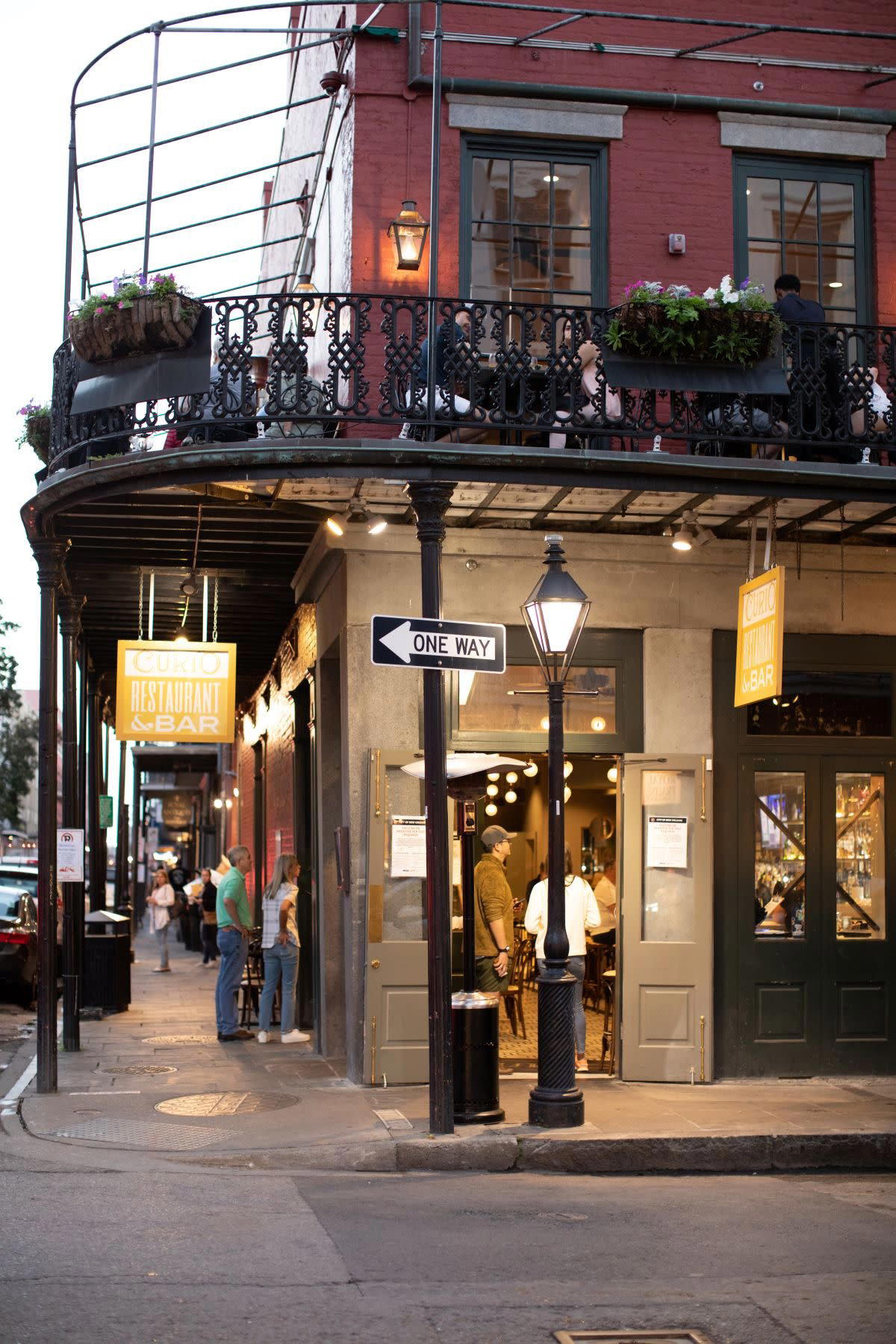
Royal Street, After Dark
There is a particular quality of light on Royal Street after dusk that does not exist in quite the same form anywhere else in the American South. The iron lacework of the balconies above, the faint sound of a brass quartet somewhere on Bourbon, the way the pavement catches the glow of lanterns that look older than the republic, all of it sets a specific expectation before you have opened a door or read a menu. Curio, at 301 Royal Street, is a restaurant in New Orleans serving American with Creole Soul cuisine. The address alone places it inside the French Quarter's tightest concentration of serious dining, a block that has seen more than two centuries of the city feeding itself well.
New Orleans has never had a casual relationship with food and drink. The city's culinary culture is one of the more self-conscious in the United States, shaped by French colonial infrastructure, Creole synthesis, and a civic pride in eating that feels almost constitutional. Against that backdrop, venues on Royal Street compete not just with each other but with a citywide standard of hospitality that takes some effort to meet. Curio's placement in that corridor signals intent, even before the specifics of format and menu come into view.
The Wine Argument on Decatur and Beyond
New Orleans has historically been a wine city in ways that surprise visitors who arrive expecting only bourbon and Sazerac culture. The port heritage, the French civil code, and a long tradition of fine-dining rooms at Commander's Palace, Antoine's, and their successors all produced a local palate with genuine depth. What has changed in the past decade is where the serious wine attention is concentrated. The large white-tablecloth institutions still carry the deepest cellars in the city, but a second tier of smaller, more curated programs has grown up alongside them, aiming not for encyclopaedic coverage but for editorial coherence.
That second tier is the more interesting place to drink right now. A cellar that runs to three thousand labels tells you something about storage and capital. A cellar of four hundred labels chosen with a clear point of view tells you something about taste. The distinction matters for how a room drinks: the former format tends to produce wine lists that require a sommelier to translate; the latter tends to produce lists that reward the guest who reads. Curio's positioning on Royal Street places it within this newer generation of wine-forward rooms, where the glass is as considered as the plate.
For context, this shift mirrors what has happened at the national level. Programs at places like Frasca Food & Wine in Boulder have demonstrated that a focused, regionally intelligent wine list can become the primary identity of a room rather than a supporting feature. Le Bernardin in New York City has long used its wine program to argue for parity between kitchen and cellar. In a city where food has historically dominated the conversation, Curio represents the case for rebalancing.
Where It Sits in the New Orleans Dining Order
The French Quarter dining scene has a clear hierarchy, and it is worth placing Curio accurately within it. At the summit of the register sit the old-guard Creole rooms and the newer fine-dining formats: Saint-Germain at the contemporary end, Bayona anchoring the New American tradition in the Quarter itself. Slightly outside the Quarter but impossible to ignore in any serious account of the city, Emeril's defined a moment in Cajun-inflected fine dining that still echoes. Re Santi e Leoni and Zasu represent the more recent wave of contemporary formats with firm price commitments and tightly defined menus.
Curio operates in a space that is neither the heritage Creole room nor the austere modern tasting format. Royal Street has room for both gravity and ease, and the address suggests a room that understands this: serious enough to hold a proper wine conversation, relaxed enough to let that conversation go somewhere unexpected. That balance is harder to achieve than either extreme, and it is the more interesting editorial position in a city that has historically rewarded formality on one end and raucous informality on the other.
For those building a broader itinerary of American fine dining, Curio belongs in a conversation that also takes in Smyth in Chicago, Providence in Los Angeles, and Addison in San Diego, rooms where the wine program and the kitchen have arrived at something close to genuine parity. Internationally, that conversation extends to places like Atelier Moessmer Norbert Niederkofler in Brunico, where the approach to regional ingredients and considered wine selection sets the register for what this kind of room can achieve. Closer to home, Single Thread Farm in Healdsburg and Blue Hill at Stone Barns in Tarrytown occupy adjacent territory in the American fine-dining conversation, and The French Laundry in Napa, Lazy Bear in San Francisco, and Atomix in New York City define reference points for cellar depth and kitchen ambition at the national ceiling.
Planning Your Visit
Royal Street runs through the heart of the French Quarter, accessible on foot from virtually every major hotel in the central city. For those arriving by car, the Quarter's parking situation requires patience; street parking is inconsistent and garage options are a short walk away in most directions.
New Orleans dining, even at the serious end, tends to operate on later rhythms than most American cities. The city's social calendar rewards flexibility in reservation times: a table at nine rarely feels out of step with the room's energy the way it might in Chicago or San Francisco. Weekend bookings across the Quarter's better rooms fill quickly, particularly during Jazz Fest (late April to early May) and the pre-Lent Carnival season, when hotel occupancy across the city peaks and restaurant demand compresses sharply into fewer available slots.
Know Before You Go
Address: 301 Royal St, New Orleans, LA 70130
Neighbourhood: French Quarter
Reservations: Recommended
Timing: Avoid Jazz Fest and Carnival weekends without a confirmed booking
Getting There: Walking distance from most French Quarter and CBD hotels; street parking in the Quarter is limited
Dress: Smart casual is the Quarter standard; the address suggests erring toward the neater end
Cuisine and Credentials
Comparable venues nearby, for context on price, style, and recognition.
| Venue | Cuisine | Price | Notes |
|---|---|---|---|
| CurioThis venue — the venue you are viewing | American with Creole Soul | $$ | Not listed |
| Green Goddess | Modern New Orleans Eclectic | $$ | French Quarter |
| Brewery Saint X | American Brew Pub | $$ | Central Business District |
| Ayu Bakehouse | Modern New Orleans Bakery | $$ | Marigny |
| Johnny's Po-Boys | Classic New Orleans Po'Boys | $$ | French Quarter |
| Baronne Bistro | Cajun & Creole Comfort | $$ | Arts District |
Continue exploring
More in New Orleans
Restaurants in New Orleans
Browse all →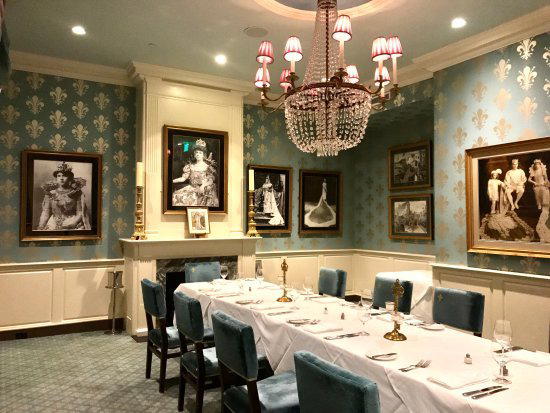
Bars in New Orleans
Browse all →
At a Glance
- Whimsical
- Trendy
- Lively
- Brunch
- Date Night
- Casual Hangout
- Historic Building
- Craft Cocktails
- Street Scene
Current opening hours
- Monday
- 9 AM–10 PM
- Tuesday
- 9 AM–10 PM
- Wednesday
- 9 AM–10 PM
- Thursday
- 9 AM–10 PM
- Friday
- 8 AM–11 PM
- Saturday
- 8 AM–11 PM
- Sunday
- 8 AM–10 PM
Hours can change for holidays and private events. Last verified .
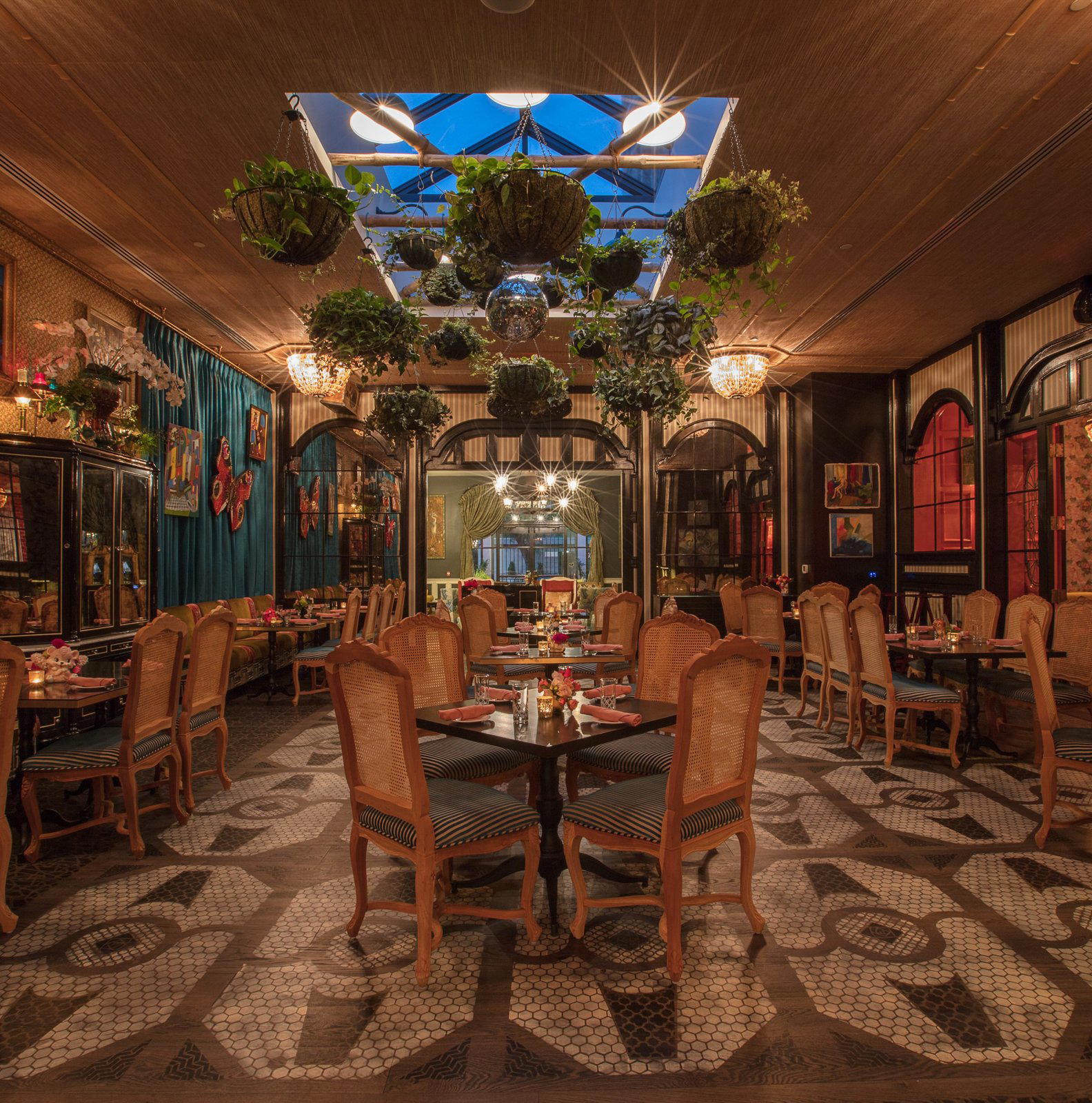
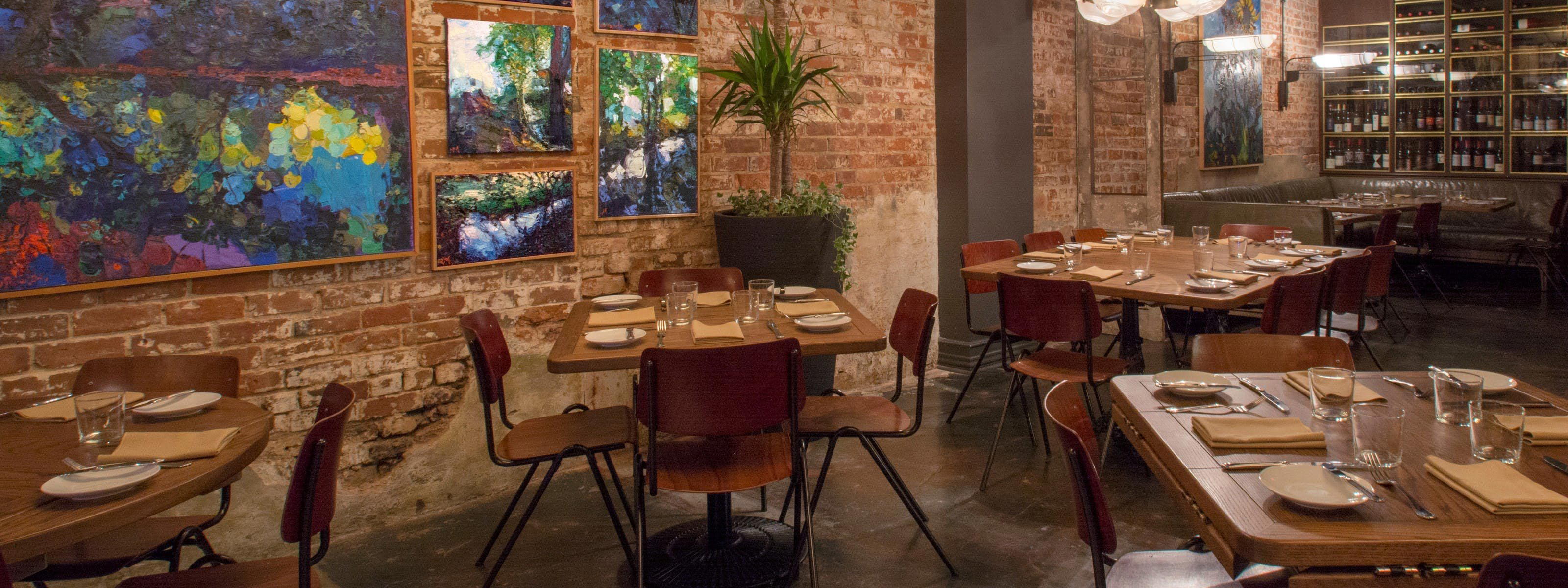
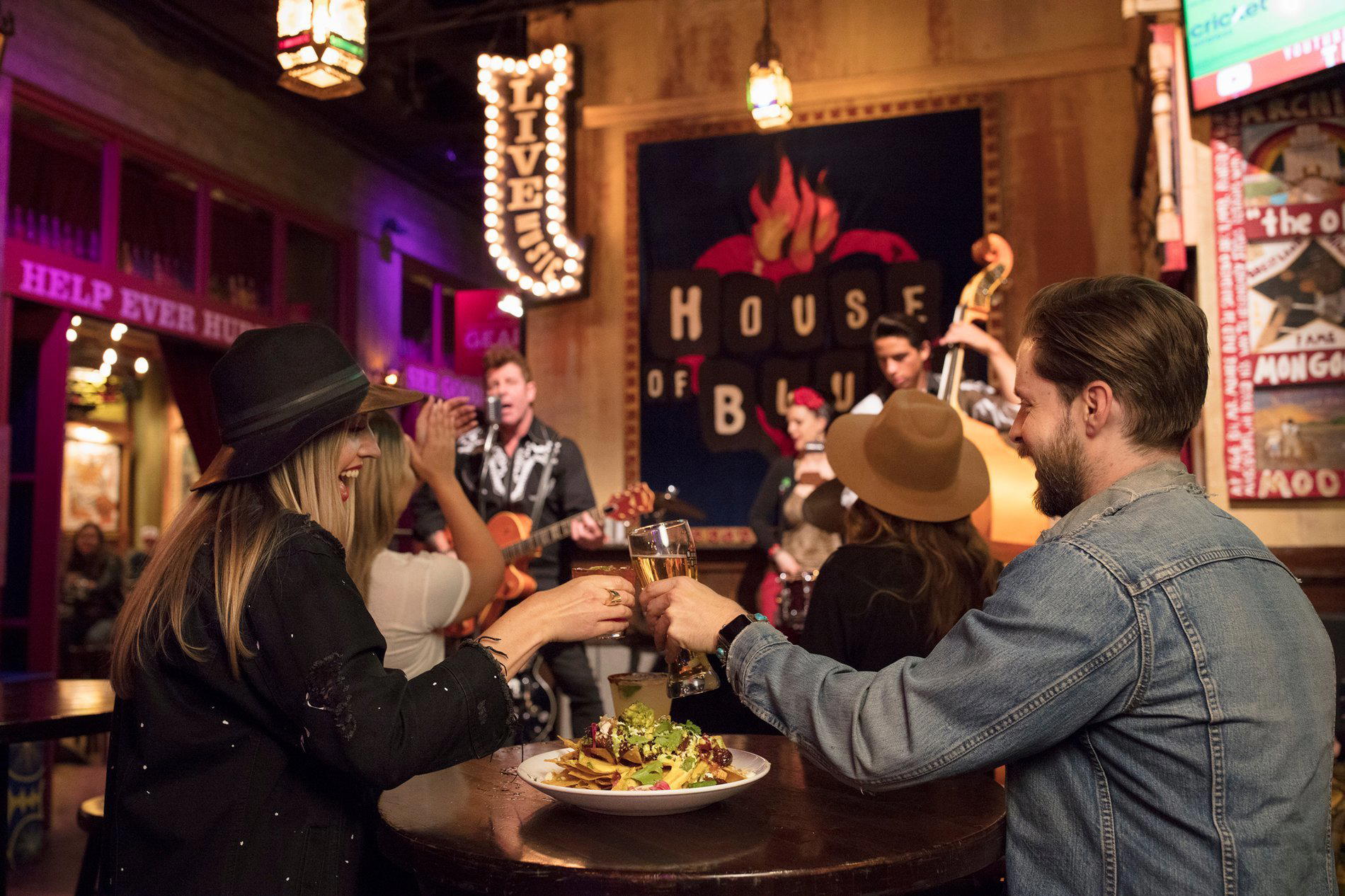
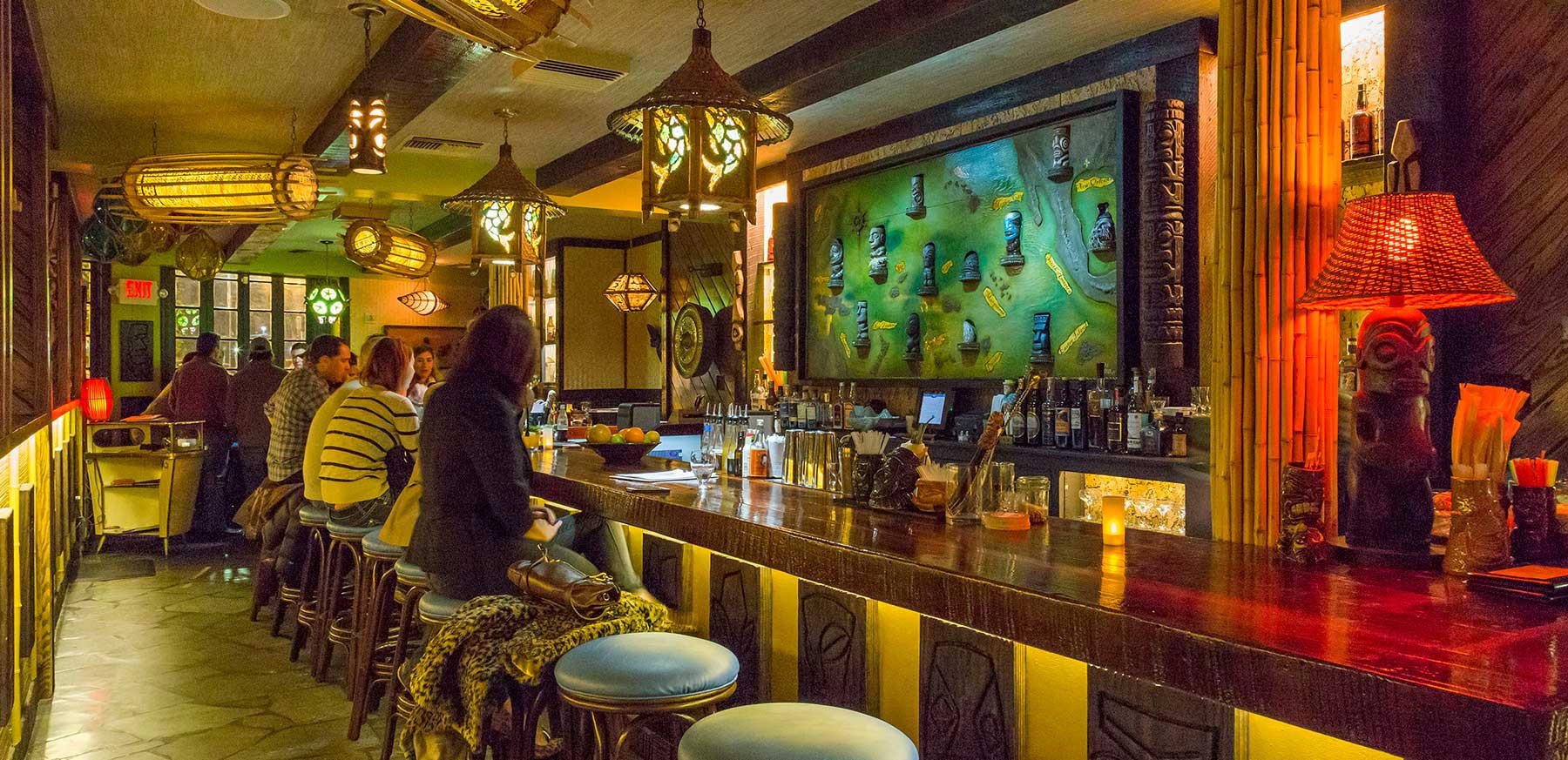
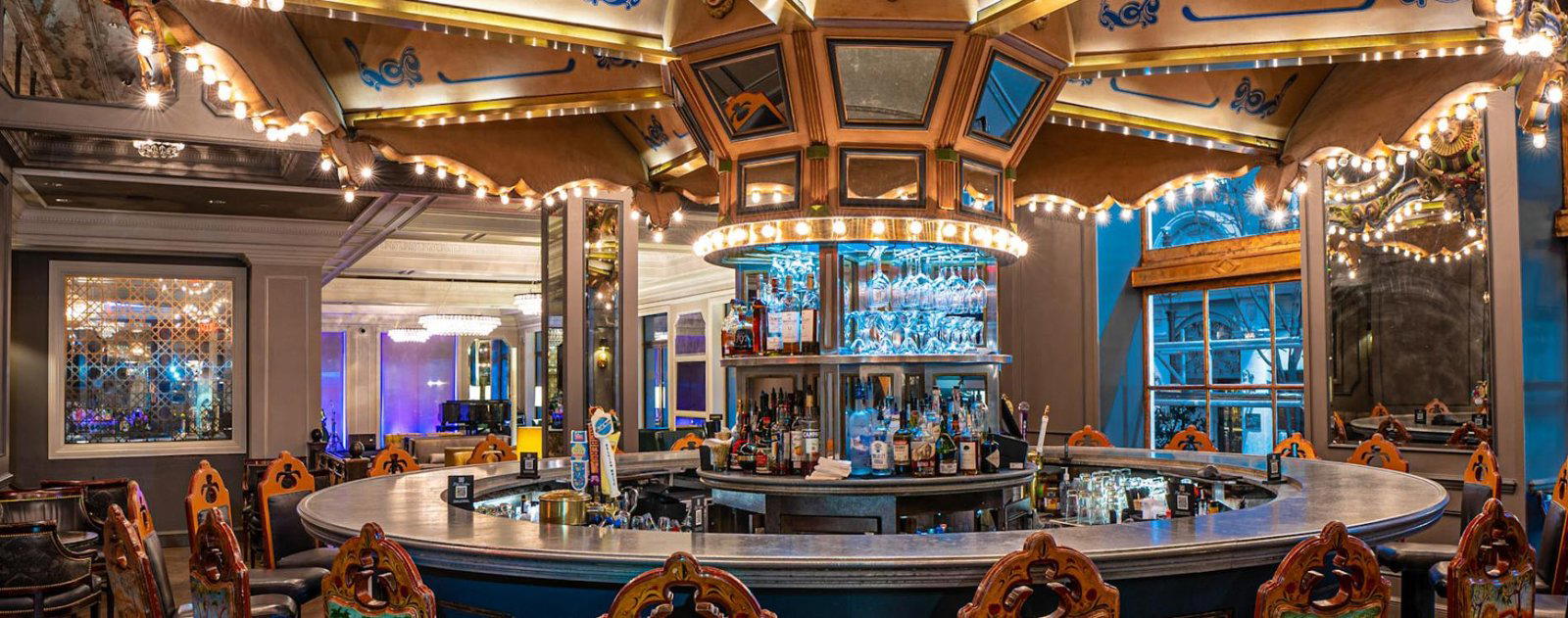
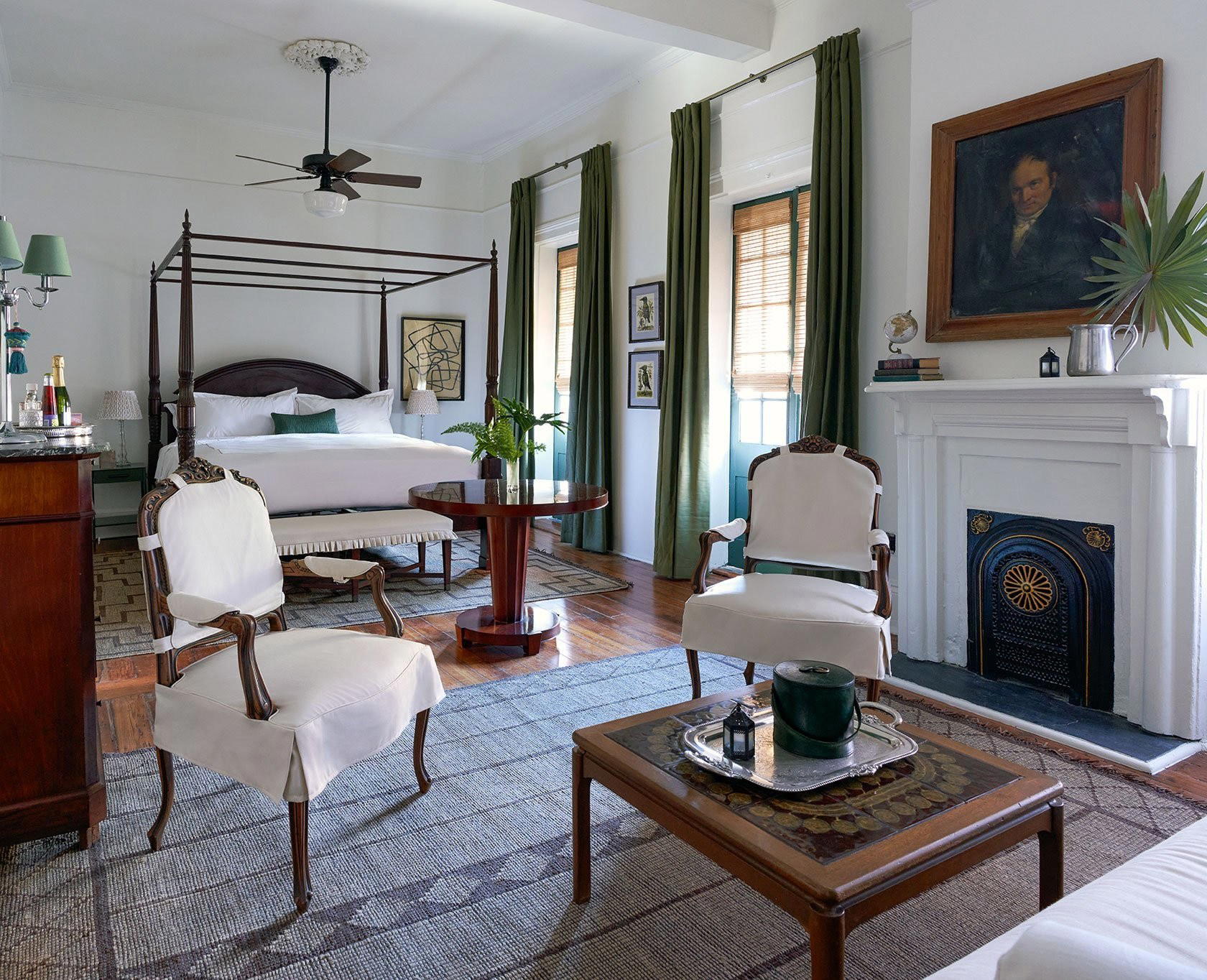
Lively and whimsical atmosphere with local art, wrap-around gallery offering street views, and a collection of eclectic flavors evoking excitement and wonder.