BABs

BABs places American cooking in New Orleans inside the city’s newer casual dining conversation: ingredient-led, chef-driven, and less bound to the old Creole dining script. Nina Compton’s name gives the room immediate culinary context, while its 2026 Opinionated About Dining Casual Recommended recognition signals a restaurant operating beyond neighborhood convenience.
Pearl is the En Primeur Club membership app — saves, bookings, and concierge access live there. Same editors, same standards.
- Address
- 2900 Chartres St, New Orleans, Louisiana, United States
- Phone
- 504-605-3827
- Website
- babs-nola.com
 Saves & bookings on Pearl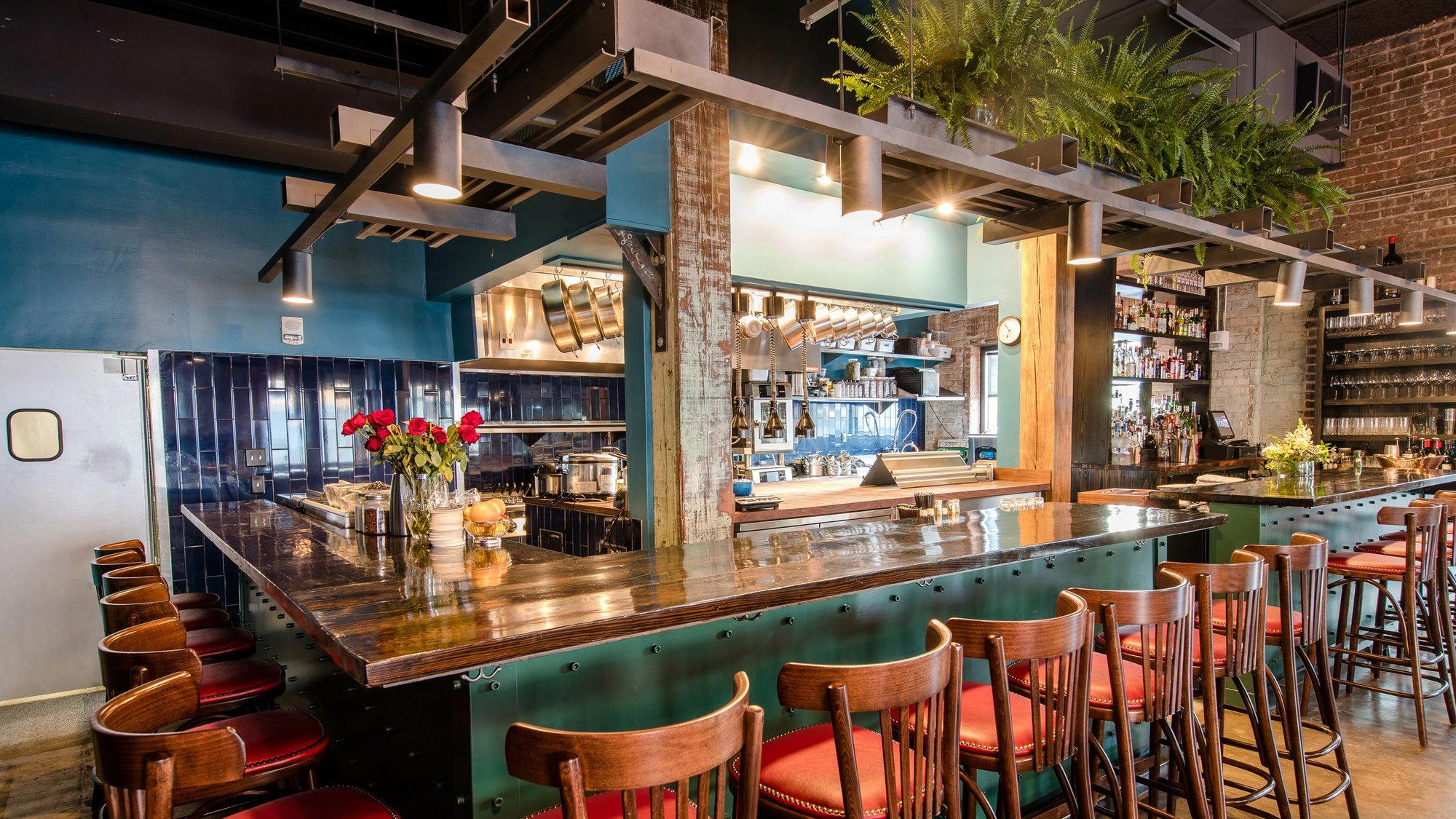
Chartres Street changes tempo here: less ceremonial than the French Quarter, more lived-in, with low-slung neighborhood texture suited to a serious casual restaurant. BABs belongs to New Orleans’ post-white-tablecloth era, where American cooking can absorb Gulf produce, Caribbean memory, Southern seasonality, and market logic without announcing a thesis. Its importance is not theatricality but the shift it represents in a city long judged by gumbo, oysters, and old dining rooms with inherited rituals.
New Orleans has always been a farm-and-water city disguised as a party city. The better contemporary kitchens know local sourcing is not a slogan: seafood, rice, greens, citrus, pork, and cane have shaped the table for generations. What has changed is format. The newer casual tier is less interested in reproducing Creole canon dish by dish than in using regional ingredients through a looser American frame. BABs sits in that movement, with Nina Compton attached and a 2026 Opinionated About Dining Casual Recommended citation placing it on a North American list that rewards serious food without requiring formal service.
American cooking in New Orleans has moved past nostalgia
The city’s restaurant identity can challenge new American kitchens: diners expect history, and in New Orleans history often arrives with a roux, a reservation book, and a dining room that tells guests how to behave. The more interesting current answer is translation, not rejection. Contemporary American restaurants increasingly treat the region as pantry rather than museum, making local farms and coastal suppliers as important as inherited recipes.
That frames BABs. The cuisine label is American, but in New Orleans it carries more weight than in a generic downtown dining district. American cooking here must account for port-city exchange, Southern agriculture, immigrant kitchens, and local dining habits. A chef-driven casual restaurant can flatten those influences into comfort food or organize them precisely. Compton’s involvement matters because her public career is tied to the argument that New Orleans food is not a closed canon: it can stretch without losing its accent.
Opinionated About Dining’s 2026 Casual Recommended placement separates BABs from restaurants relying only on neighborhood affection. OAD’s casual category tends to capture places where format is relaxed but the kitchen still has editorial intent. For travelers, that distinction matters. New Orleans has many restaurants that are fun for a first night; fewer persuasively show how the city’s ingredient culture is changing now.
The casual tier is where the city's sourcing story feels current
Farm-to-table language can sound thin where imported as branding. In Louisiana, the idea is older than the term. The state’s cooking has always depended on short supply chains: shrimpers, crabbers, oyster beds, cane fields, backyard citrus, Creole tomatoes, mirliton, okra, herbs, and greens moving from producer to kitchen with little ceremony. The modern version asks diners to notice sourcing as structure, not decoration.
BABs is most interesting through that evolution. Its casual American lane lets the kitchen move with the season rather than obey a fixed list of classics. That flexibility is central to contemporary New Orleans dining. The old guard often trained visitors to order the expected dish; newer farm-aware rooms train them to read the menu as a snapshot of what the region can supply now. A casual format can be sharper than a formal one: fewer rituals, faster response to ingredients, less pressure to perform grandeur.
For a New Orleans dining itinerary, BABs makes sense alongside broader research rather than as an isolated trophy booking. The city rewards range: a casual American address in Bywater or Marigny answers a different appetite than a late-night tavern, sandwich counter, or polished hotel bar. For that map, start with Our full New Orleans restaurants guide, then cross-check drinking and stay patterns through Our full New Orleans bars guide and Our full New Orleans hotels guide. The city’s hospitality rhythm is rarely confined to dinner.
EP Club’s New Orleans index also covers categories outside the restaurant table, including Our full New Orleans experiences guide and Our full New Orleans wineries guide. They may sound peripheral in a city defined by kitchens and bars, but they situate a meal within the larger travel pattern: neighborhood choice, after-dinner movement, and how much of the day should go to food rather than scheduled sightseeing.
Where it fits for a serious but relaxed meal
BABs is not the address for a maximalist New Orleans checklist. Read it as part of the city’s contemporary middle register: chef-led, casual, American in vocabulary, and attentive to the regional pantry without reenacting the classics. That makes it useful for travelers who have accounted for the old dining rituals and want a meal reflecting current local momentum.
With no published price range in common listings, judge it by format and recognition rather than assuming bargain or splurge. OAD’s Casual Recommended citation points to substance inside a relaxed category, not a luxury tasting-menu frame. Families, groups, and mixed-generation tables should treat it as a grown-up casual New Orleans restaurant, not a children’s fallback or formal special-occasion room.
For nearby or category-adjacent browsing within EP Club, New Orleans readers often cross-reference casual and character-driven addresses such as Port of Call, 1000 Figs, 13, 34 Restaurant & Bar ($$$ · Portuguese), and 3rd Block Depot. Those links help itinerary building, not direct substitution: New Orleans dining shifts sharply by neighborhood, service style, and how much local tradition a kitchen carries.
The broader American-cooking context is worth scanning beyond Louisiana. EP Club’s coverage of 1789, American in Washington, D.C. and 4 Saints, American in Palm Springs shows how elastic the label can be across cities. Ingredient-led casual formats elsewhere, from Jōdo Saké Bar in Los Angeles and Onigiri Time in Pasadena to ¿Por Qué No? in Portland, 'Ai Love Nalo in Waimanalo Beach, 'āina in San Francisco, and 'Ama 'Ama in Kapolei, underline the same point: casual dining now carries much of the serious conversation about place.
How It Compares
Comparable venues nearby, for context on price, style, and recognition.
| Venue | Cuisine | Price | Notes |
|---|---|---|---|
| BABs | Modern American Bistro | $$ | Bywater |
| Red Dog Diner | American Comfort Diner | $$ | Garden District |
| Petite Amelie | French Quarter Bakery Cafe | $$ | French Quarter |
| Baronne Bistro | Cajun & Creole Comfort | $$ | Arts District |
| Satsuma Maple | Organic American Cafe | $$ | East Carrollton |
| Coop's Place | Authentic Cajun & Creole | $$ | French Quarter |
Recognition history
Dated appearances from independent guides and award organizations, with the underlying list record or original source where available.
Opinionated About Dining Casual in North America Recommended
Opinionated About Dining
Continue exploring
More in New Orleans
More from Chef Nina Compton
Browse all →
Restaurants in New Orleans
Browse all →
Bars in New Orleans
Browse all →

At a Glance
- Energetic
- Casual
- Cozy
- Casual Hangout
- Group Dining
- Brunch
- Standalone
- Craft Cocktails
- Beer Program
- Extensive Wine List
- Local Sourcing
- Farm To Table
- Street Scene
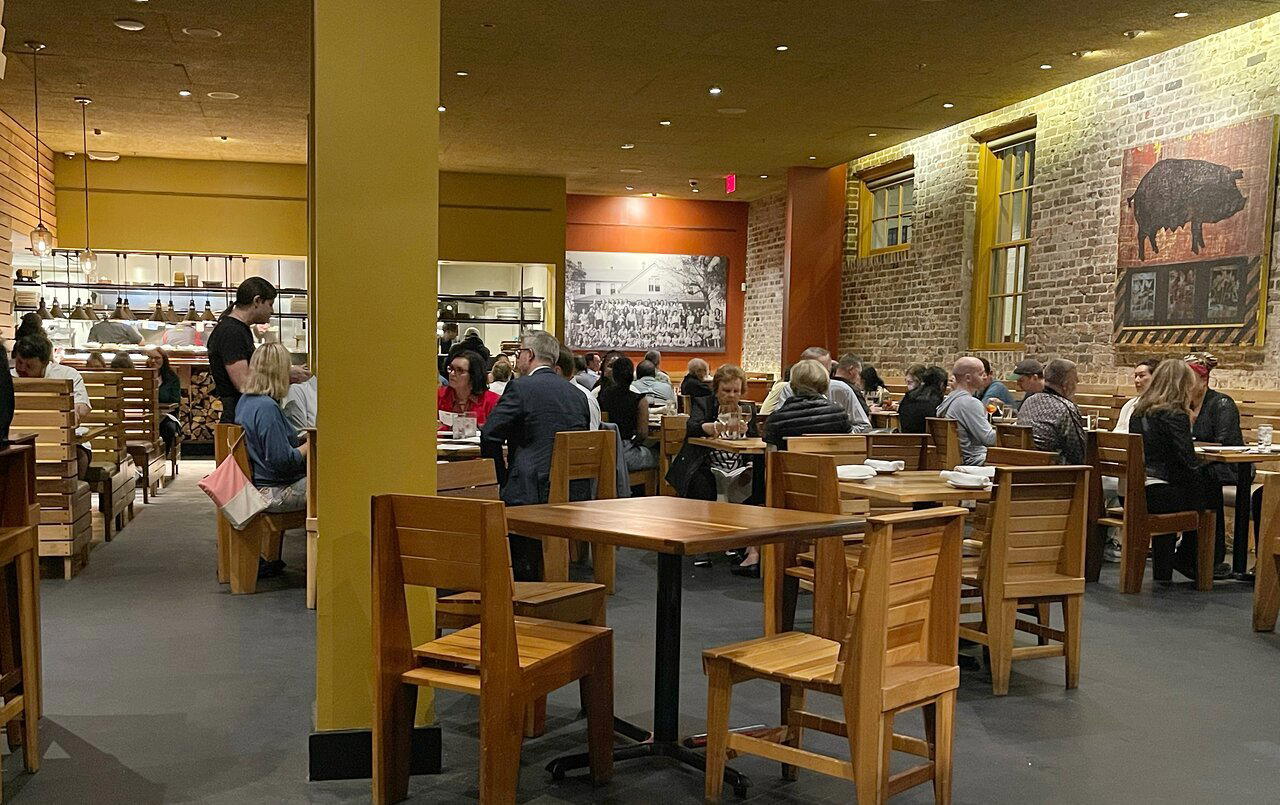
Casual and energetic, with a friendly neighborhood-bistro feel centered on authentic hospitality and a lively dining room.