Mukjung

Mukjung in Seoul's Jung-gu occupies a specific position in the city's contemporary Korean scene: a kitchen where fermentation and jang-making happen in-house, guided by the principle that food and medicine share the same root. Korean-American chef Austin Kang brings cross-cultural precision to traditional formats, producing dishes like a flourless pyogo mushroom and shrimp jeon alongside slow-cooked chicken that rewards those who plan their order a day ahead.
Pearl is the En Primeur Club membership app — saves, bookings, and concierge access live there. Same editors, same standards.
- Address
- 17 Teogye-ro 48-gil, Jung-gu
- Phone
- +82 10-8350-6743
- Directions
- Get directions
 Saves & bookings on Pearl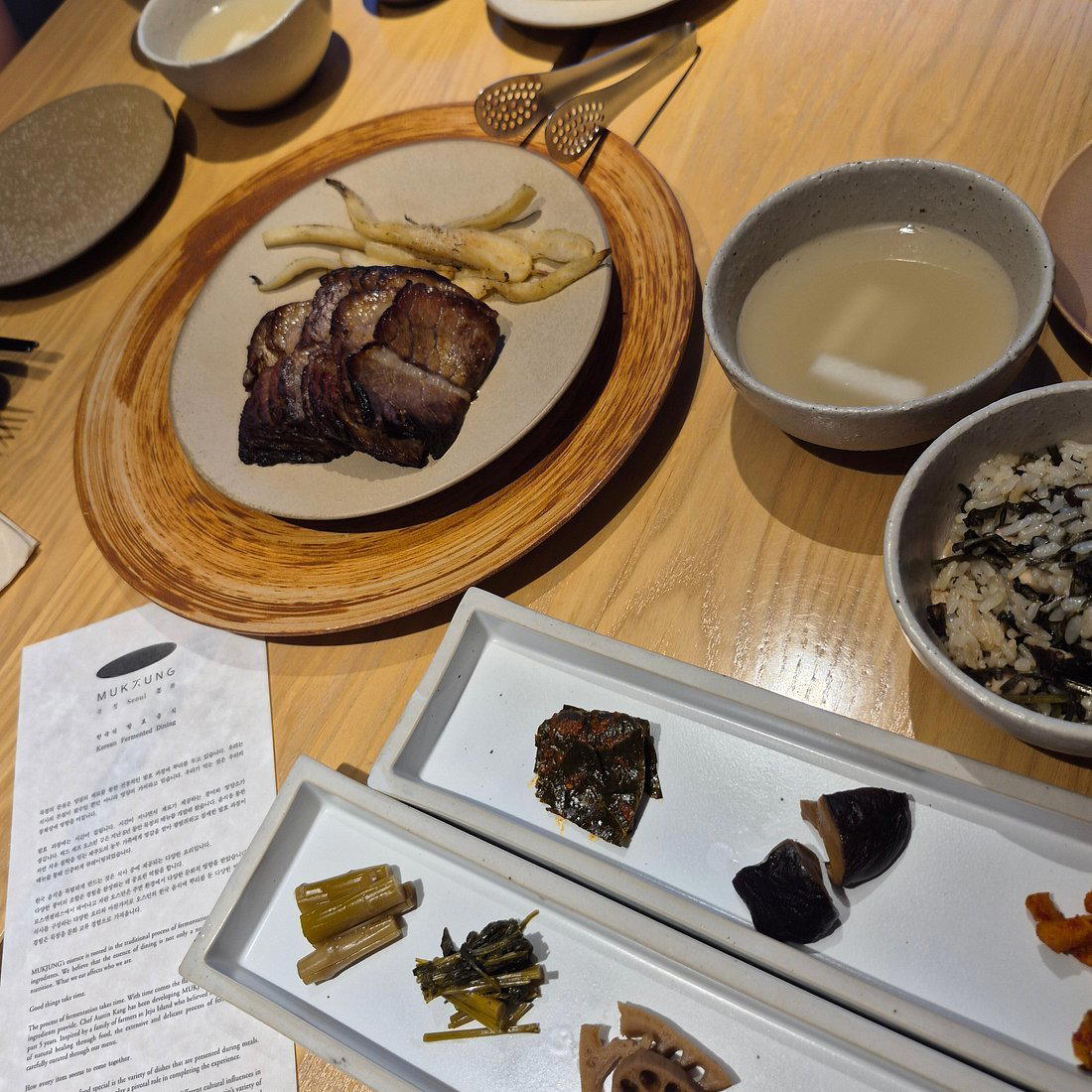
Where Fermentation Sets the Terms
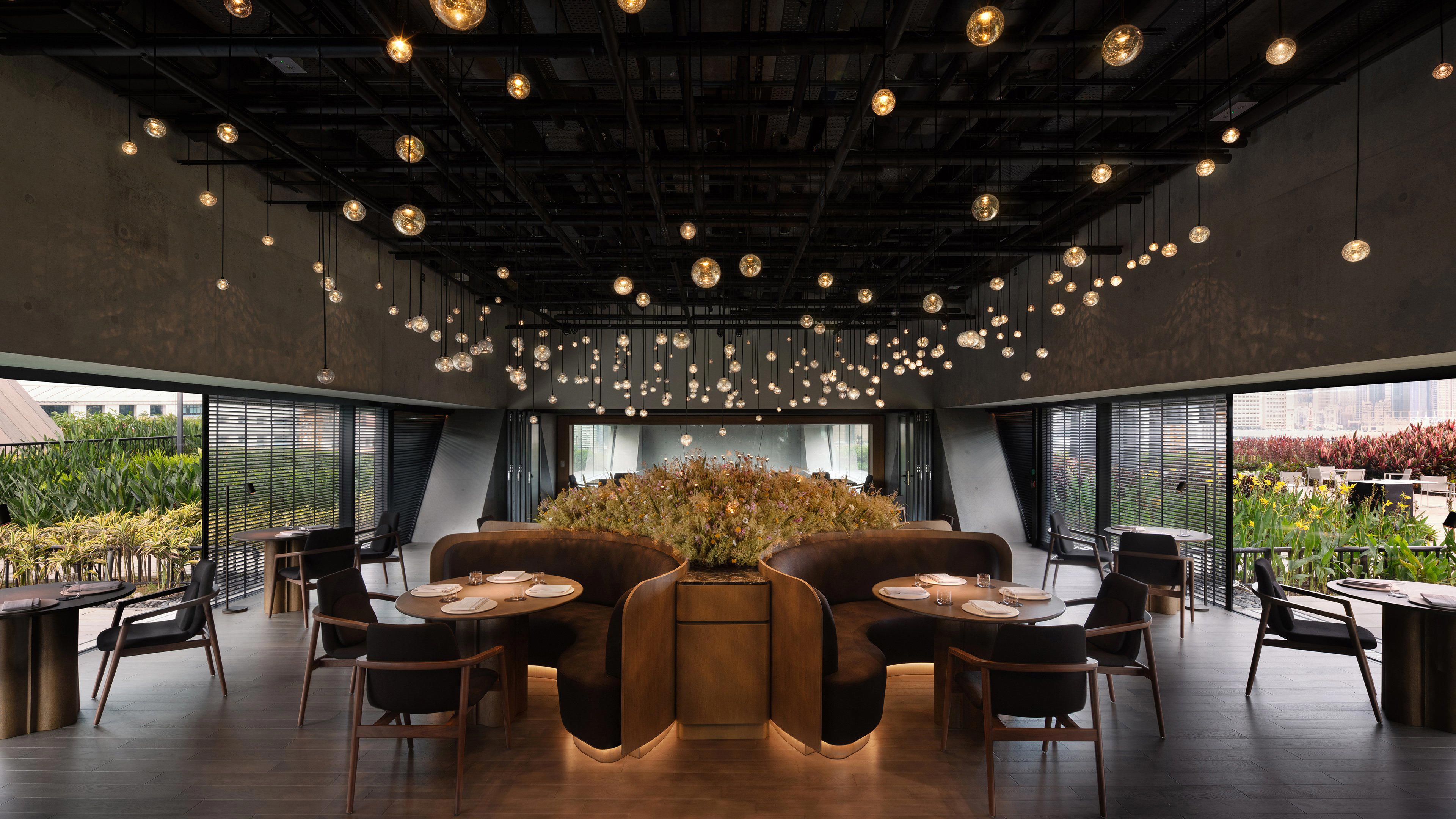
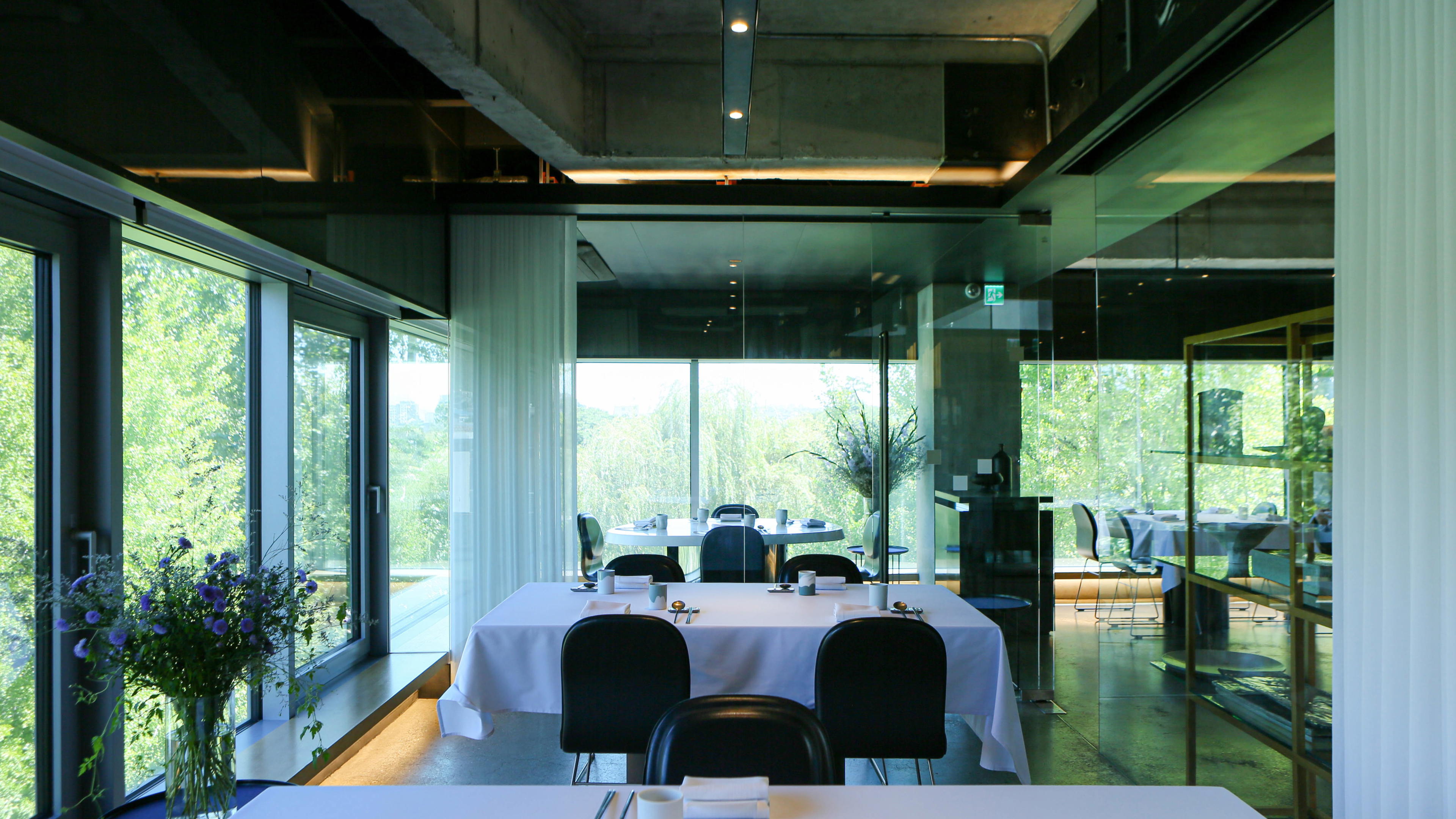
Jung-gu is not Seoul's most heavily trafficked dining district. The area sits south of Jongno's old-city density and north of Gangnam's polished restaurant rows, occupying a middle ground that attracts locals who know where they are going rather than visitors scanning for the next signposted attraction. That geography suits Mukjung, a modern Korean fermented dining restaurant in Seoul's Jung-gu, where contemporary dishes are shaped by in-house jang and a smart casual room. The restaurant on Teogye-ro 48-gil draws a regular clientele that returns because the kitchen operates on its own internal logic, one built around in-house fermentation and the Korean conviction that food and medicine are not separate disciplines.
Seoul's contemporary Korean dining scene has fractured into several distinct tiers over the past decade. At one end sit tasting-menu operations like Mingles and Jungsik (Contemporary), where Korean ingredients are processed through fine-dining architecture. At the other end, neighbourhood restaurants preserve regional cooking with minimal ceremony. Mukjung occupies a position between those poles: traditional Korean forms presented with the kind of considered technique that comes from a chef who trained with cross-cultural reference points rather than a single lineage. For Seoul visitors working through the city's restaurant options, that positioning matters. It is not the same experience as Kwonsooksoo (Korean) or Soigné (Innovative), and the differences are worth understanding before you book.
The Regulars Know to Order Ahead
The people who return to Mukjung regularly have figured out the kitchen's rhythms. Particularly important is this: the main dish requires advance notice of at least one day. That is not a quirk of understaffing. It reflects the way the kitchen actually works, with slow preparations that cannot be accelerated without compromising the result. Regulars have absorbed this into their routine. They call ahead, specify what they want for the main, and arrive knowing the meal's structure in advance rather than improvising from a full à la carte menu.
That advance-order dynamic changes how the meal feels. There is less of the scanning and debating that characterises a first visit to a new restaurant. Instead, regulars arrive with a specific dish already in motion in the kitchen, then use the rest of the menu to build around it. The banchan arrive as they always do in Korean dining, a set of small fermented, pickled, and seasoned accompaniments that frame the main dishes rather than precede them. At Mukjung, those accompaniments carry the weight of the in-house fermentation program, the jang and fermented foods that chef Austin Kang prepares on-site. This is where the kitchen's stated philosophy becomes concrete rather than abstract: the fermented elements are not decorative. They are functional, calibrated to complement the main dish ordered ahead.
The Dishes That Define a Return Visit
Contemporary Korean cooking has developed a recognisable vocabulary for bridging traditional technique and modern presentation. Mukjung contributes to that vocabulary with specific choices. The flourless pyogo mushroom and shrimp jeon with myeolchi-jeot aioli is a useful example: jeon is a pan-fried Korean staple, but the flourless preparation shifts its texture and the anchovy-fermented aioli is a cross-cultural translation that works because it is anchored in jeotgal tradition rather than grafted from elsewhere. It is the kind of dish that Seoul's more technically oriented restaurants, from alla prima (Innovative) to operations in the Korean-French mode like the Soigné (Innovative) cohort, have been exploring from different angles.
The slow-cooked chicken, served with citrus- and herb-scented rice, is the dish that regulars most frequently cite as the reason they plan their visit around the advance-order requirement. Slow-cooked chicken in Korean cooking has roots in samgyetang and jjimdak traditions, but the preparation here reflects the kitchen's contemporary orientation, with aromatics that signal awareness of ingredient layering beyond the traditional template. The pairing with banchan is not incidental: the fermented accompaniments are selected to work with the dish's flavour profile, which is where the in-house jang program has its most direct effect on the eating experience.
Across South Korea, restaurants working in this register have been drawing attention from critics and diners who follow the country's food culture closely. From Mori in Busan to temple food programs like Baegyangsa Temple in Jangseong-gun, the thread connecting them is a serious engagement with fermentation and seasonality. Mukjung sits in that broader national conversation, though its Jung-gu address and Korean-American kitchen perspective give it a specific character that differs from regional counterparts.
Planning a Visit
Mukjung is in Jung-gu, at 17 Teogye-ro 48-gil. The neighbourhood is accessible by Seoul's subway network, and the address is direct to reach from the central city. The non-negotiable planning point is the advance order: contact the restaurant at least one day before your visit to specify your main dish. Failing to do so narrows what the kitchen can produce at its leading.
For families or groups with mixed preferences, the banchan-centred structure of Korean dining provides a practical advantage: multiple small dishes arrive at the table regardless of individual main orders, which gives the meal a collective quality that works for varied appetites. The kitchen's food-as-medicine orientation means the cooking skews toward balance rather than richness, which suits multi-generational tables more than a restaurant built around single courses might.
For those tracking Korean cooking in other regions, Double T Dining in Gangneung, Pool House in Incheon, and 권숙수 - Kwon Sook Soo in Gangnam-gu each offer different angles on the country's contemporary food culture. Further afield, 더 플라잉 호그 - The Flying Hog in Seogwipo on Jeju Island extends the picture of how Korean chefs are working across different regional contexts.
Just the Basics
Comparable venues nearby, for context on price, style, and recognition.
| Venue | Cuisine | Price |
|---|---|---|
| MukjungThis venue — the venue you are viewing | 을지로동, Modern Korean Fermented Dining | $$$ |
| Joo052 | 효자동, Contemporary Korean Bistronomie | $$$ |
| Balwoo | 가회동, Korean Buddhist Temple Cuisine | $$$ |
| Lee Buk Bang | 노고산동, Modern North Korean Sundae Omakase | $$$ |
| Doori | 효창동, Modern Korean Fine Dining | $$$$ |
| Jinmi Pyeongyang Naengmyeon | 압구정동, Pyongyang Naengmyeon | $$ |
Recognition history
Dated appearances from independent guides and award organizations, with the underlying list record or original source where available.
Michelin Plate
Michelin
Continue exploring
More in Seoul
Restaurants in Seoul
Browse all →
At a Glance
- Cozy
- Modern
- Intimate
- Date Night
- Special Occasion
- Open Kitchen
- Local Sourcing
Current opening hours
- Monday
- Closed
- Tuesday
- 5:30–11 PM
- Wednesday
- 5:30–11 PM
- Thursday
- 5:30–11 PM
- Friday
- 5:30–11 PM
- Saturday
- 5:30–11 PM
- Sunday
- Closed
Hours can change for holidays and private events. Last verified .
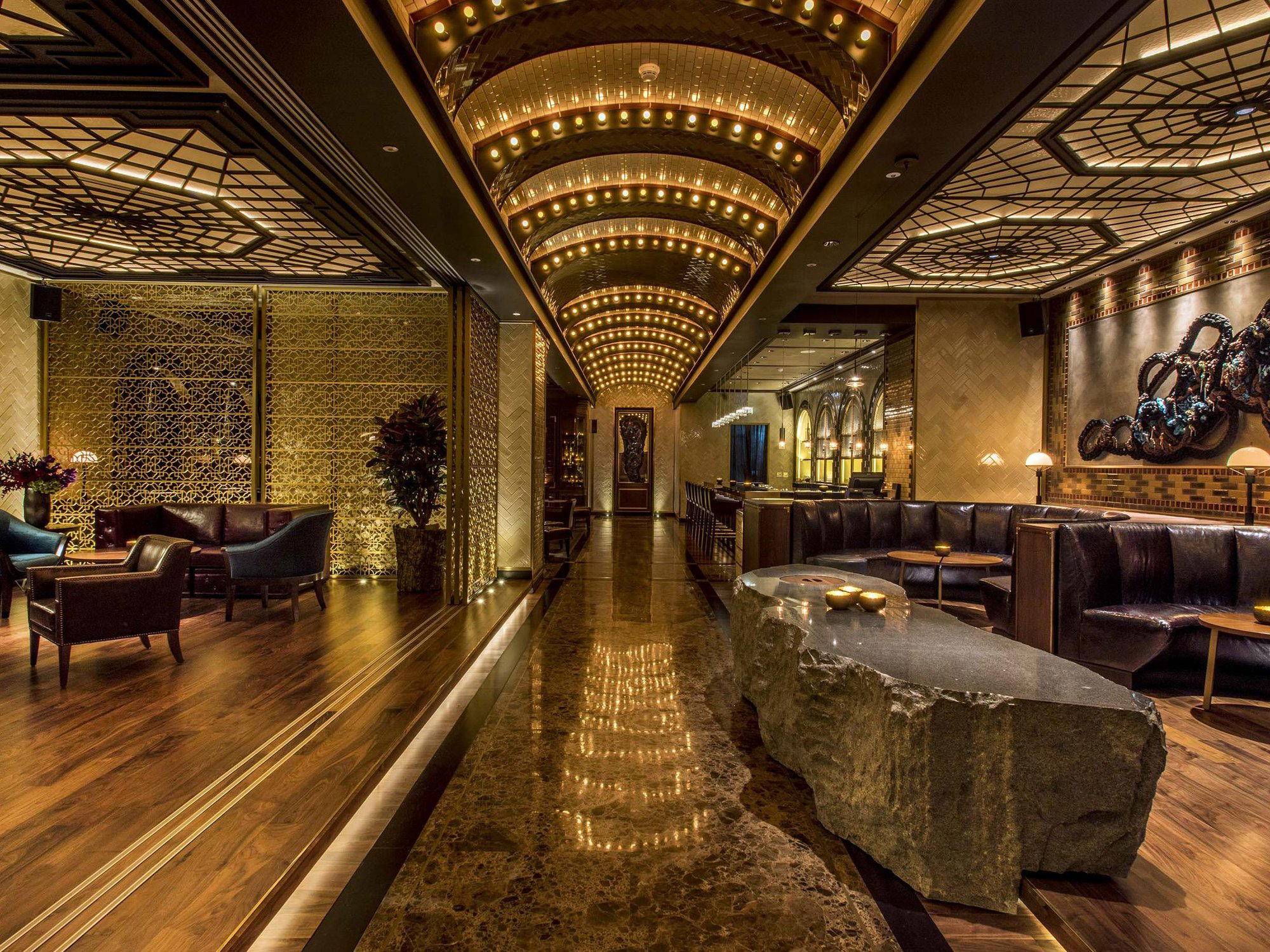
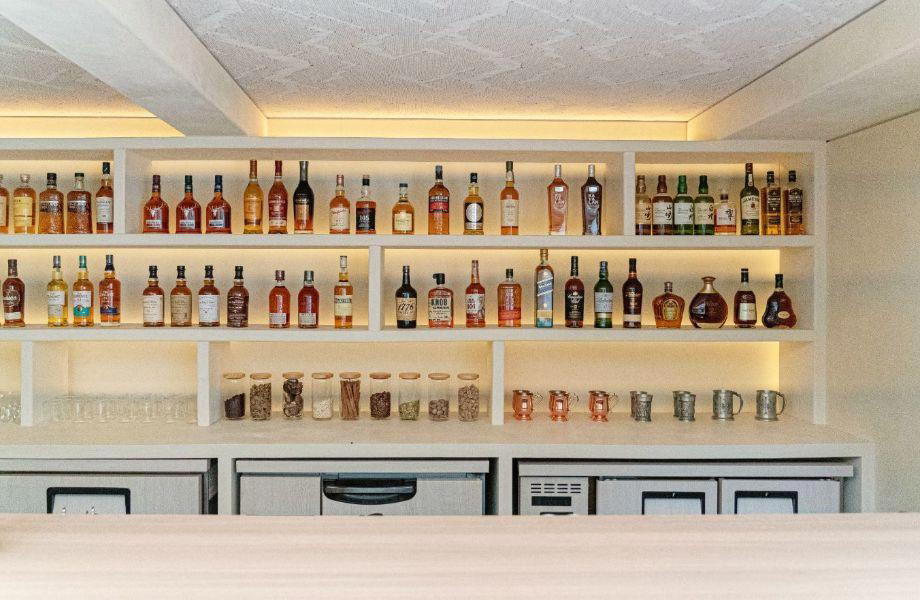
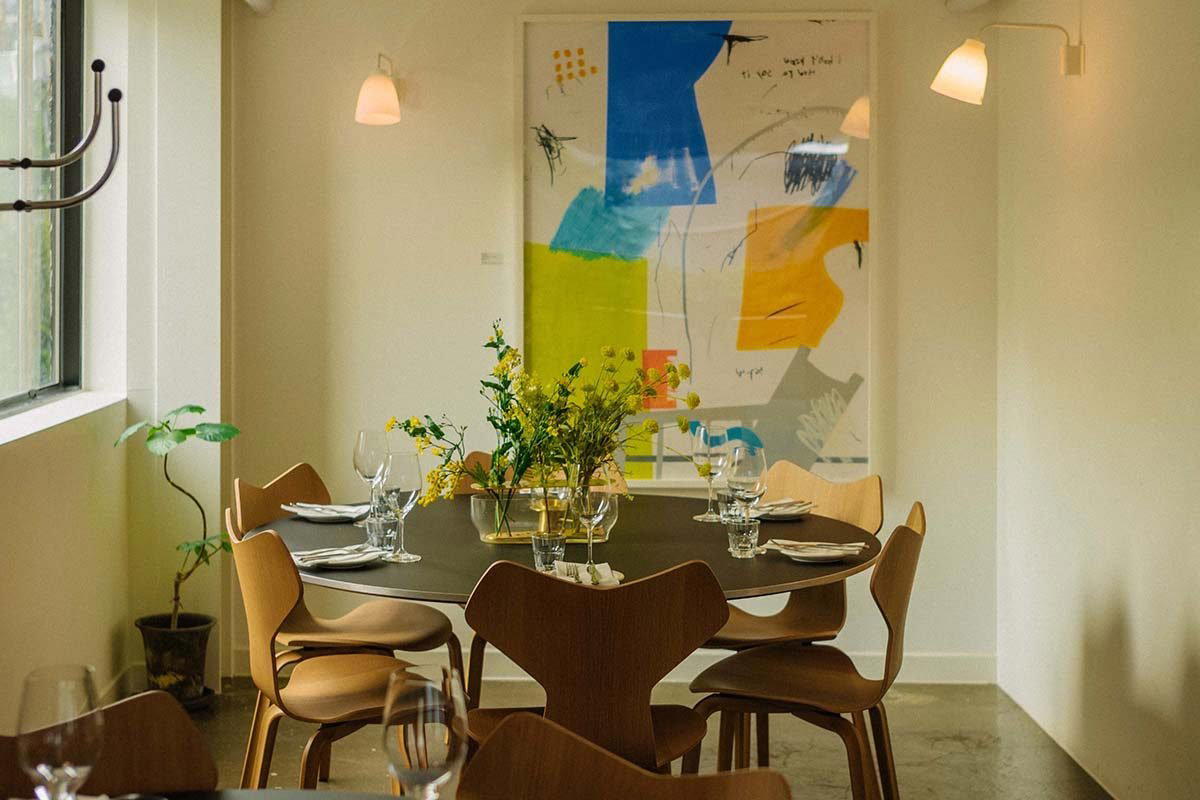
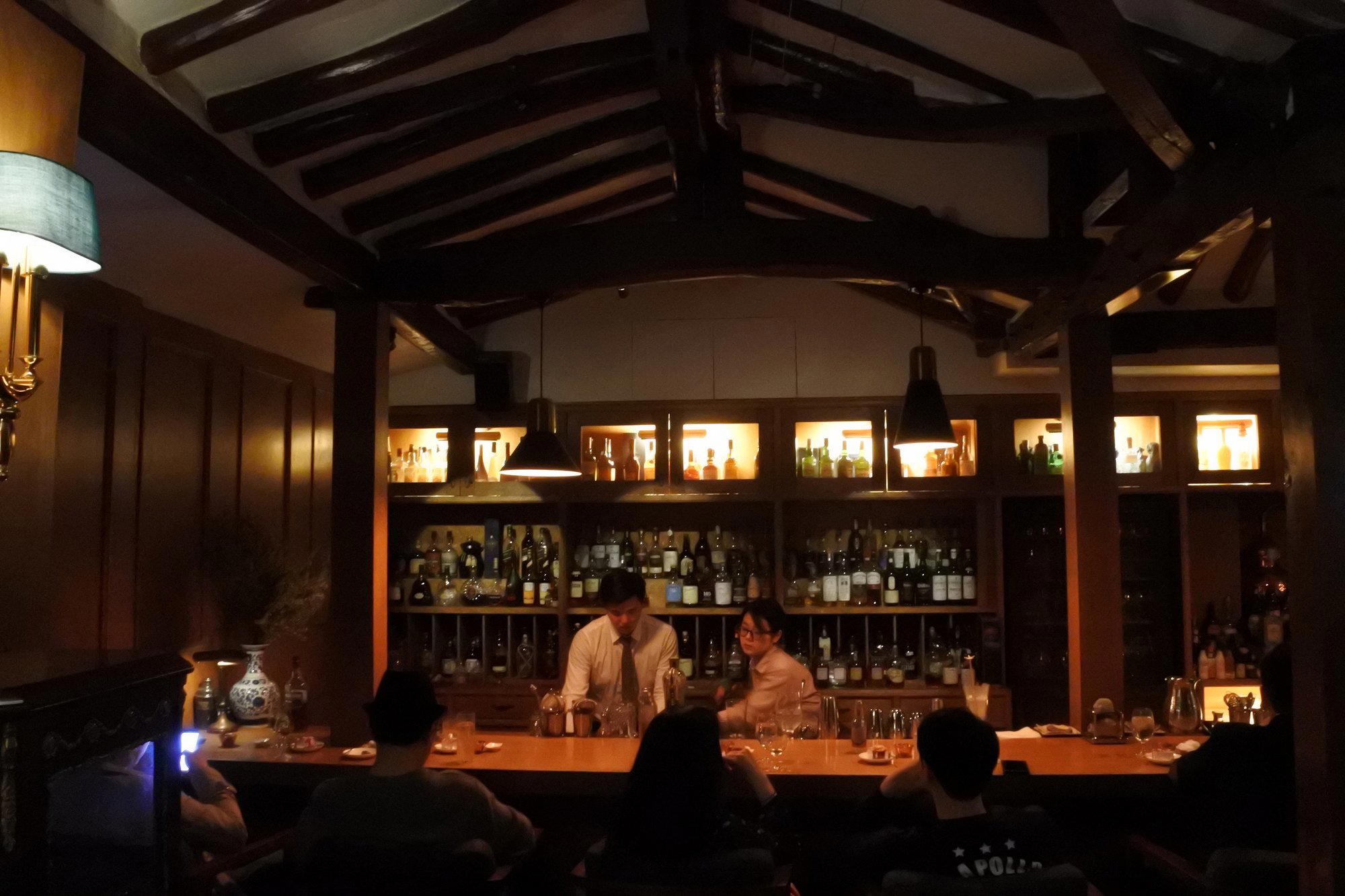
Cozy haven with a peaceful atmosphere, well-suited for intimate dinners or special celebrations.