

Michelin Plate · We're Smart World 4 Radishes
Our verdict
Mudrá on Calle de Recoletos brings Matthew Kenny's plant-based restaurant concept to Madrid, marking the brand's first European franchise location. The à la carte menu runs from artichoke tiraditos to sushi rolls, all built on minimally processed vegetables and fruit. Holding a Michelin Plate in both 2024 and 2025, and rated 4 radishes by We're Smart Green Guide, it occupies a mid-price tier (€€) inside one of the capital's most central addresses.

Pearl is the En Primeur Club membership app — saves, bookings, and concierge access live there. Same editors, same standards.
- Address
- Mudrá Plant Based Food, Calle de Recoletos, 13, 28001 Madrid, Spain
- Phone
- +34 911 90 75 19
- Website
- mudramadrid.com
- Directions
- Get directions
- Booking
- Book on TheFork
The menu
What to order
- Mushroom pizza
- Truffle risotto
- Sushi rolls
- Glazed onions
Plant-Based Dining in Madrid's Recoletos Quarter
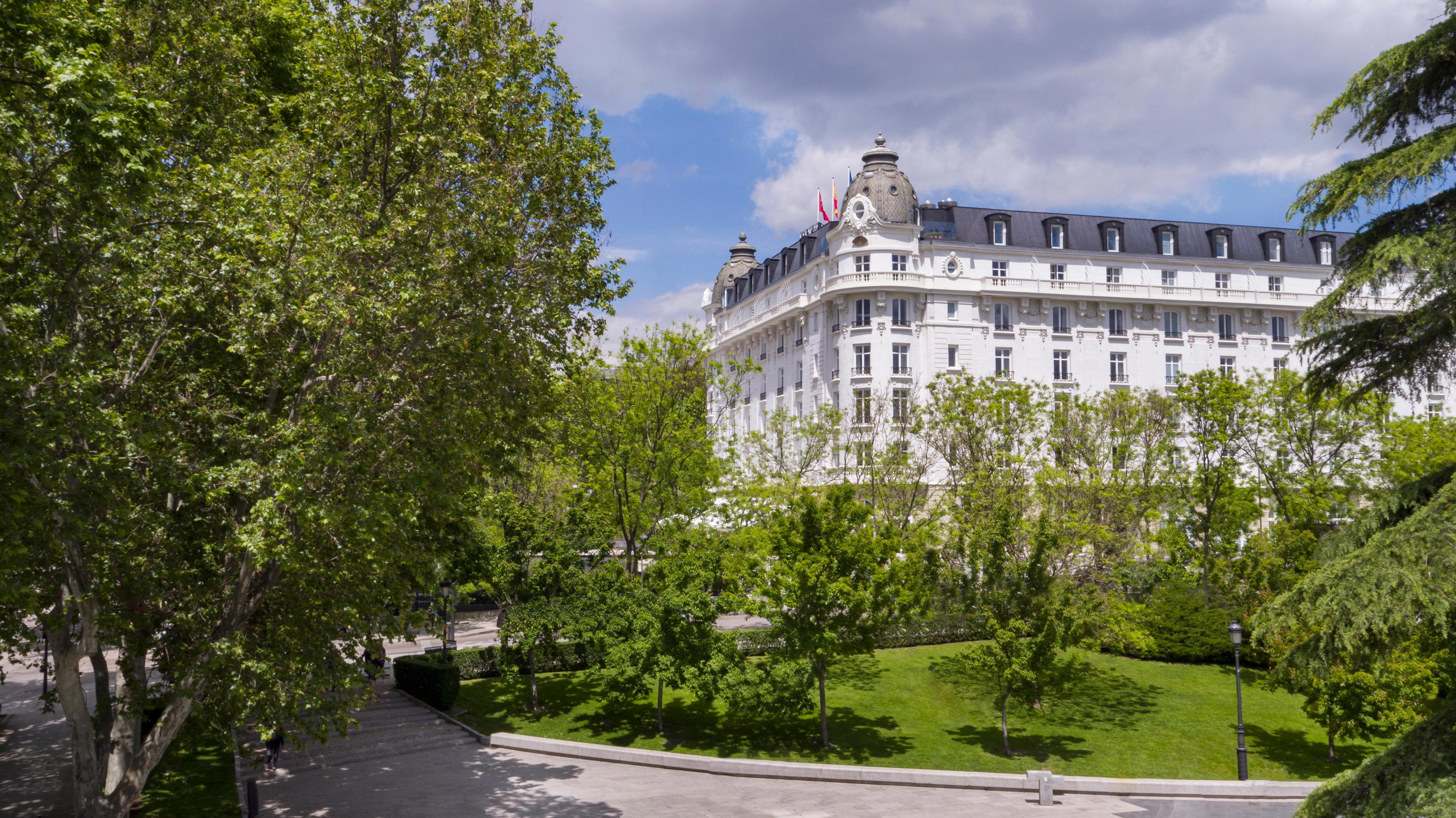
The stretch of Calle de Recoletos that connects the Paseo del Prado axis to the Salamanca district is not where you expect to find a restaurant built around root vegetables and Japanese ceviche. This is a neighbourhood of marble facades, diplomatic offices, and the kind of all-day cafe terraces where waiters still wear waistcoats. Mudrá sits inside that environment as a quiet departure: light-filled, pared back in palette, and organised around a philosophy of minimal processing rather than spectacle.
The name comes from the Sanskrit term for gesture or pose, a reference to the hand and body positions used in yoga practice. That framing signals the register the room occupies: deliberate, considered, and oriented toward a different kind of attention than the theatrical tasting menus that dominate Madrid's upper tier. Where restaurants like DiverXO or DSTAgE deploy drama as a primary tool, Mudrá works through restraint.
The Sensory Register: What the Room Communicates
Plant-based restaurants in European capitals have tended to split into two camps: the ascetic and the theatrical. The ascetic version leans into raw materials and white walls, communicating virtue through deliberate spareness. The theatrical version compensates for the absence of meat with elaborate technique and presentation designed to signal effort. Mudrá's approach, informed by the Matthew Kenny culinary framework, sits closer to the theatrical end without tipping into excess. Colour is the primary sensory signal: the vegetable-forward menu generates plates that read visually before they register on the palate.
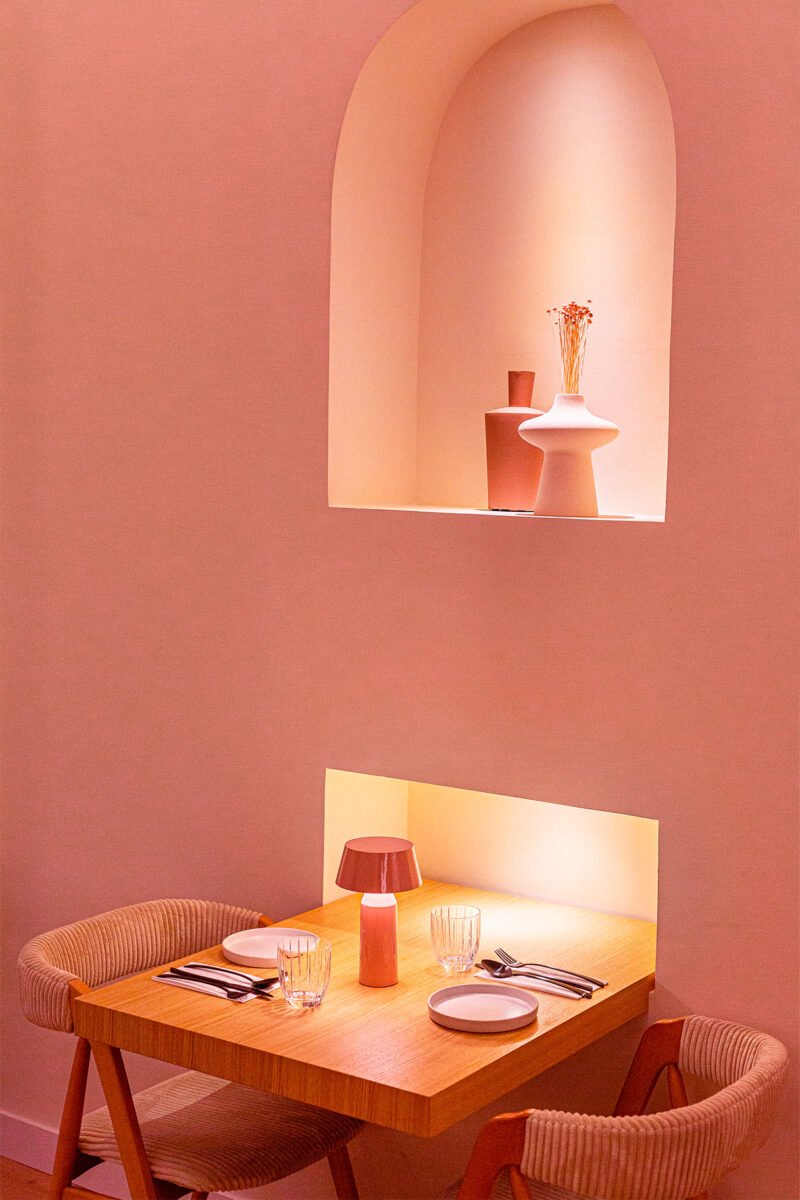
The dining room on Recoletos reflects the product orientation. Natural materials, considered lighting, and a spatial logic that does not feel clinical. For a street defined by grand scale, the interior communicates at a more intimate frequency.
Where Mudrá Sits in Madrid's Dining Structure
Madrid's restaurant scene in the upper tiers is heavily meat-centred. The city's most decorated addresses, from Coque to Deessa, work within a framework where protein is the structural anchor of a meal. The vegetable-forward counter-current exists in Madrid, most visibly at El Invernadero, Rodrigo de la Calle's greenhouse-concept restaurant, which has pushed vegetable cookery into serious critical territory. Mudrá operates in a different register from El Invernadero: where the latter pursues fine-dining credentials and tasting menu depth, Mudrá works with an à la carte format and a mid-range price point (€€) that puts it in reach of a broader dining public.
That positioning matters for understanding what Mudrá actually is. This is not a special-occasion destination in the way that Madrid's Michelin three-star tier functions. It is closer to a neighbourhood-scale argument about what a vegetable-centred menu can achieve at a price point that does not require a particular kind of occasion to justify. In a city where the dominant culinary narrative runs through Aponiente, Arzak, El Celler de Can Roca, Quique Dacosta, Azurmendi, and Disfrutar, the mid-price plant-based option represents a structural gap that Mudrá is occupying deliberately.
The Menu: Technique at the Service of Ingredients
The à la carte at Mudrá draws on a plant-based food philosophy that prioritises minimal processing. The stated aim is to retain the nutritional integrity and sensory character of ingredients rather than transform them beyond recognition. This produces a menu architecture that spans cultural references: artichoke tiraditos borrow the Peruvian acid-cure technique and apply it to a vegetable substrate; Japanese ceviche and sushi rolls extend the same cross-cultural logic into the Japanese pantry.
This kind of pan-cultural plant-based cooking has precedents at the premium end of the global vegetarian category. Fu He Hui in Shanghai applies Chinese temple cuisine logic to high-end vegetarian tasting menus. Lamdre in Beijing works within a similarly disciplined vegetable-forward framework. Mudrá's point of difference is the à la carte accessibility and the European context: this is the Matthew Kenny network's first franchise position on the continent, which gives it a specific significance as a proof-of-concept for whether this style of dining translates into Madrid's eating culture.
We're Smart Green Guide, the Belgian publication that tracks vegetable-forward restaurants globally, awarded Mudrá four radishes out of a possible five, a rating that places it in serious company within the specific category of plant-based dining. The Michelin Plate in 2024 and 2025 confirms that the cooking clears a technical threshold, even if it has not yet been pushed toward starred territory.
The European Franchise Context
Franchise models in fine and premium dining carry a specific credibility risk: the original concept's coherence can degrade across locations when the founding logic is reduced to a brand manual. The Madrid outpost's We're Smart recognition and consecutive Michelin Plates suggest that the quality signal has survived the translation. Whether the franchise model scales further into Europe will depend on whether cities with stronger vegetable-forward dining cultures, such as London or Amsterdam, represent more natural audiences than Madrid. For now, Recoletos is the only address.
Know Before You Go
- Address: Calle de Recoletos, 13, 28001 Madrid, Spain
- Price range: €€ (mid-range)
- Cuisine: 100% vegetarian, plant-based à la carte
- Awards: Michelin Plate 2024 and 2025; We're Smart Green Guide — 4 radishes
- Nearest context: Central Madrid, Recoletos corridor between Paseo del Prado and Salamanca district
Explore Further in Madrid
Mudrá occupies a specific lane within a city that rewards lateral exploration. For the broader picture of where Madrid's restaurants, bars, hotels, and experiences sit, see our full Madrid restaurants guide, our full Madrid hotels guide, our full Madrid bars guide, our full Madrid wineries guide, and our full Madrid experiences guide.
Frequently asked questions
Would Mudrá be comfortable with kids?
At a €€ price point in central Madrid, the format is approachable rather than ceremonial. The à la carte structure, as opposed to a fixed tasting menu, gives younger diners more flexibility. The room does not operate as a special-occasion-only address. That said, the menu's cross-cultural references, Japanese ceviche, tiradito structures, and sushi rolls, assume a palate willing to engage with acidity and umami-forward seasoning rather than familiar comfort food. It works for children who eat adventurously; it is not specifically designed as a family destination.
Is Mudrá formal or casual?
The Recoletos address and consecutive Michelin Plates place Mudrá in a register that sits above a casual lunch spot but below the white-tablecloth formality of Madrid's €€€€ tier, represented by addresses like Coque or Deessa. Smart casual is the functional dress code implied by the neighbourhood and the price point. The room does not require a jacket, and the à la carte format removes the pacing pressure of a tasting menu. Think of it as a considered lunch or dinner rather than a performance.
What do people recommend at Mudrá?
The public record points toward the dishes that demonstrate the cross-cultural plant-based methodology most clearly: the artichoke tiraditos and the sushi rolls appear in available commentary as representative of what the kitchen does well. The We're Smart four-radish rating recognises the menu as a whole for its vegetable-forward coherence and flavour execution rather than any single signature. Given that the menu follows a minimal-processing philosophy, dishes built around seasonal vegetables and acid-driven preparations tend to carry the strongest rationale for the visit.
City Peers
| Venue | Cuisine | Price | Awards | Notes |
|---|---|---|---|---|
| MudráThis venue — the venue you are viewing | Modern Plant-Based Fusion | $50–100 | Michelin Plate · We're Smart World 4 Radishes | Not listed |
| DiverXO | Avant-Garde Spanish Tasting Menu | $300–500 | 3 Michelin Stars · World's 50 Best #4 | Progressive - Asian, Creative |
| Deessa | Modern Valencian Fine Dining | $150–200 | 2 Michelin Stars · La Liste Top Restaurants | Modern Spanish, Creative |
| Smoked Room | Modern Japanese Fire Omakase | $200–300 | 2 Michelin Stars · La Liste Top Restaurants | Progressive Asador, Contemporary |
| Coque | Modern Spanish Fine Dining | $300–500 | 2 Michelin Stars · La Liste Top Restaurants | Spanish, Creative |
| Paco Roncero | Avant-Garde Spanish Fine Dining | $150–200 | 2 Michelin Stars · La Liste Top Restaurants | Creative |
Recognition history
Dated appearances from independent guides and award organizations, with the underlying list record or original source where available.
Michelin Plate
Michelin
We're Smart World 4 Radishes
We're Smart World
Full recognition history (4 entries)
Michelin Plate
Michelin
Michelin Plate
Michelin
Continue exploring
More in Madrid
Restaurants in Madrid
Browse all →
Bars in Madrid
Browse all →
Hotels in Madrid
Browse all →



Details
- Modern
- Elegant
- Minimalist
- Sophisticated
- Cozy
- Date Night
- Special Occasion
- Design Destination
- Beer Program
- A La Carte
- Small Plates
- Beer/wine
- Vegan Options
- Gluten Free Options
- Vegetarian Friendly
Calm, modern, and sophisticated atmosphere with clean geometries, soft lighting, and a posh spa-like tranquility praised for its relaxing and Instagram-worthy decor.