
Mu Gong Noodles on Pingdeng Street in Taichung's Central District has held the Michelin Bib Gourmand in both 2024 and 2025, placing it among Taiwan's most recognised value-tier noodle counters. The price point sits at the lower end of Taichung's dining spectrum, making it one of the city's more accessible Michelin-recognised addresses.
Pearl is the En Primeur Club membership app — saves, bookings, and concierge access live there. Same editors, same standards.
- Address
- No. 142, Pingdeng St, Central District, Taichung City, Taiwan 400
- Phone
- +886 955 923 877
- Website
- instagram.com
- Directions
- Get directions
 Saves & bookings on Pearl
Pingdeng Street and the Noodle Counter Tradition
There is a particular kind of noodle shop that defines everyday eating in Taiwan's mid-sized cities: small, focused, operating with minimal ceremony and maximum precision. Taichung's Central District has several of these, but the concentration on and around Pingdeng Street represents a tier that Michelin inspectors have increasingly taken seriously. Mu Gong Noodles, at No. 142, sits within that tradition and has now earned consecutive Bib Gourmand recognition in both 2024 and 2025.
The Bib Gourmand designation is not a consolation prize. In cities like Taipei, Tokyo, and Hong Kong, the category consistently identifies the counters that locals return to weekly rather than the special-occasion rooms they visit annually. In Taichung, the same logic applies. Mu Gong Noodles placing in that category twice in a row signals a kitchen operating with consistency and discipline, not a single fortunate inspection cycle.
Where Chef Edward Kim's Training Shapes the Bowl
The editorial angle that makes Mu Gong Noodles worth understanding is the background that Chef Edward Kim brings to a format most kitchens treat as fixed. Noodle shops across Taiwan operate within well-established conventions: a small menu, a defined broth or sauce tradition, and the kind of incremental refinement that comes from repetition over years. What distinguishes the counters that earn external recognition is usually a chef who has absorbed those conventions from a position of broader culinary knowledge, then applied that knowledge selectively rather than comprehensively.
Kim's presence at a single-dollar price-point noodle shop in Taichung is itself a signal. Across Taiwan's dining scene, the movement of trained chefs toward accessible formats has been one of the more consequential trends of the past decade. Logy in Taipei operates at the high end of that spectrum, where fermentation technique and fine-dining format combine. GEN in Kaohsiung represents another node. Mu Gong sits at the opposite price tier but within the same broader pattern: chefs with genuine culinary formation choosing to express that formation through Taiwan's most democratic eating formats.
The noodle bowl as a vehicle for technique is not distinctive to Taiwan. A Bing Bao Shan Mian in Hangzhou and A Niang Mian Guan in Shanghai demonstrate how the format sustains serious culinary ambition across Chinese-speaking food cultures. A Xin Xian Lao on Gongnong Road in Fuzhou takes a similar position within Fujian's noodle tradition. What these shops share is a refusal to treat the simplicity of the format as an excuse for imprecision.
Taichung's Noodle Tier: How Mu Gong Sits in Its comparable set
Taichung's noodle scene has enough depth that Michelin's Taiwan guide treats it as a distinct category rather than a footnote to the city's higher-end dining. Ke Kou Beef Noodles and Lao Shih Kuan Noodles represent the more established end of that tradition, shops whose reputations predate the guide's Taiwan presence. No Name Noodles and A Kun Mian occupy a similar value tier, each with their own defined format.
Mu Gong's position within this comparable set is shaped by its consecutive recognition, which places it alongside particularly consistently regarded addresses in the city's noodle category. Taichung's noodle eaters, who have strong opinions and many alternatives, have returned in sufficient numbers to sustain that score.
For context on Taichung's wider dining range, the city also supports restaurants at price tiers well above the noodle category. JL Studio operates at the $$$$ level with modern Singaporean cooking. Sur- and L'Atelier par Yao represent the $$$ tier. YUENJI pushes Taiwanese cooking toward a formal dining register. Mu Gong's $ price point sits at the base of this range, making it among the more financially accessible Michelin-recognised addresses in the city. The contrast is instructive: the same inspectorate that evaluates a tasting-menu room with multiple courses and a wine list also recognises a noodle counter where the experience is over in under an hour and costs a fraction of the price.
Visiting Mu Gong Noodles: What to Know
The restaurant operates at No. 142, Pingdeng Street in Taichung's Central District, a neighbourhood that functions as the city's commercial and administrative core. The Central District is accessible from most of Taichung by bus or taxi, and for visitors staying in the city centre, it sits within reasonable walking distance of several hotels.
The $ price designation means a meal here sits at the lower end of any Taiwan dining budget, which in practical terms makes it a logical anchor for a longer day of eating across the city. Taichung's dining density rewards that approach: the distance between noodle counters, afternoon tea spots, and evening dining addresses is small enough that a day built around three or four stops is entirely manageable.
Recognition Snapshot
Comparable venues nearby, for context on price, style, and recognition.
| Venue | Cuisine | Price | Awards | Notes |
|---|---|---|---|---|
| Mu Gong NoodlesThis venue — the venue you are viewing | Traditional Taiwanese Noodles | $ | Bib Gourmand | Not listed |
| Fu Juang Yuan | Traditional Taiwanese Braised Pork Trotters | $ | Bib Gourmand | Zhongxing |
| Qin Yuan Chun (Central) | Traditional Jiangsu and Shanghai Cuisine | $$ | Bib Gourmand | Gongyuan |
| Lou's (Nantun) | Authentic Taiwanese Sesame Oil Cuisine | $$ | Bib Gourmand | Sanhe |
| Feng Chi Goose | Taiwanese Goose Specialist | $$ | Bib Gourmand | Shalu District |
| Lao Shih Kuan Noodles | Traditional Hand-Rolled Noodles | $ | Bib Gourmand | Qingshui District |
Recognition history
Dated appearances from independent guides and award organizations, with the underlying list record or original source where available.
Michelin Bib Gourmand
Michelin
Michelin Bib Gourmand
Michelin
At a Glance
- Cozy
- Retro
- Intimate
- Casual Hangout
- Family
- Open Kitchen
Current opening hours
- Monday
- 6:30 AM–1 PM
- Tuesday
- 6:30 AM–1 PM
- Wednesday
- Closed
- Thursday
- Closed
- Friday
- 6:30 AM–1 PM
- Saturday
- 6:30 AM–1:30 PM
- Sunday
- 6:30 AM–1 PM
Hours can change for holidays and private events. Last verified .
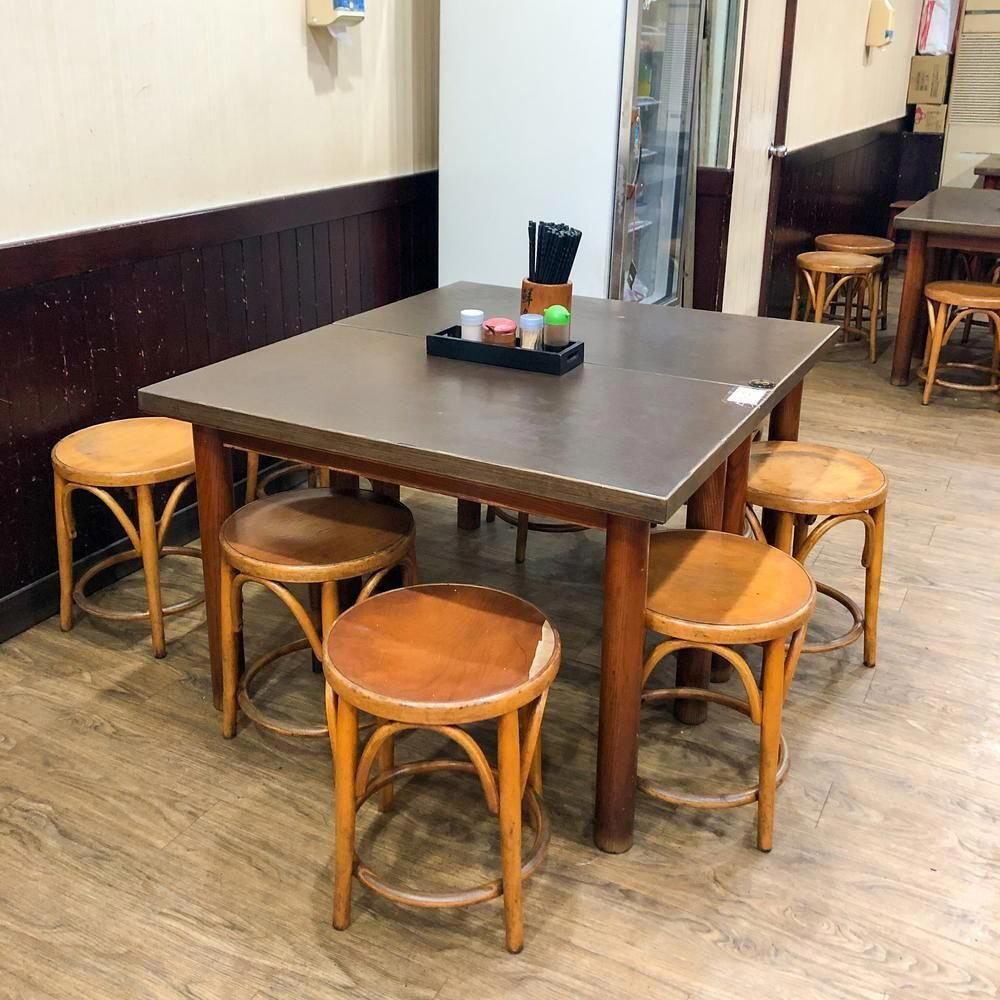
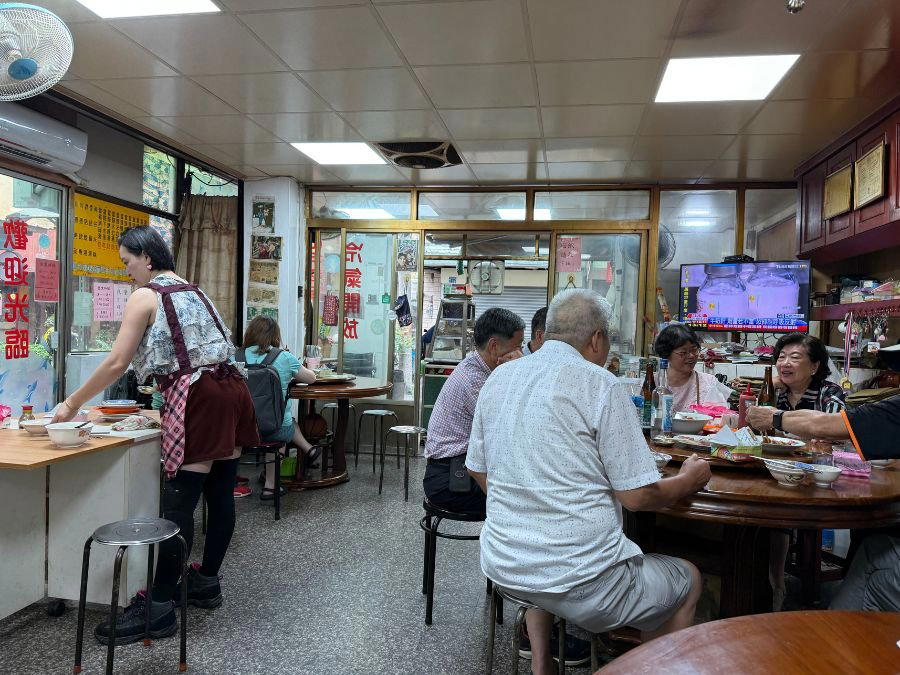
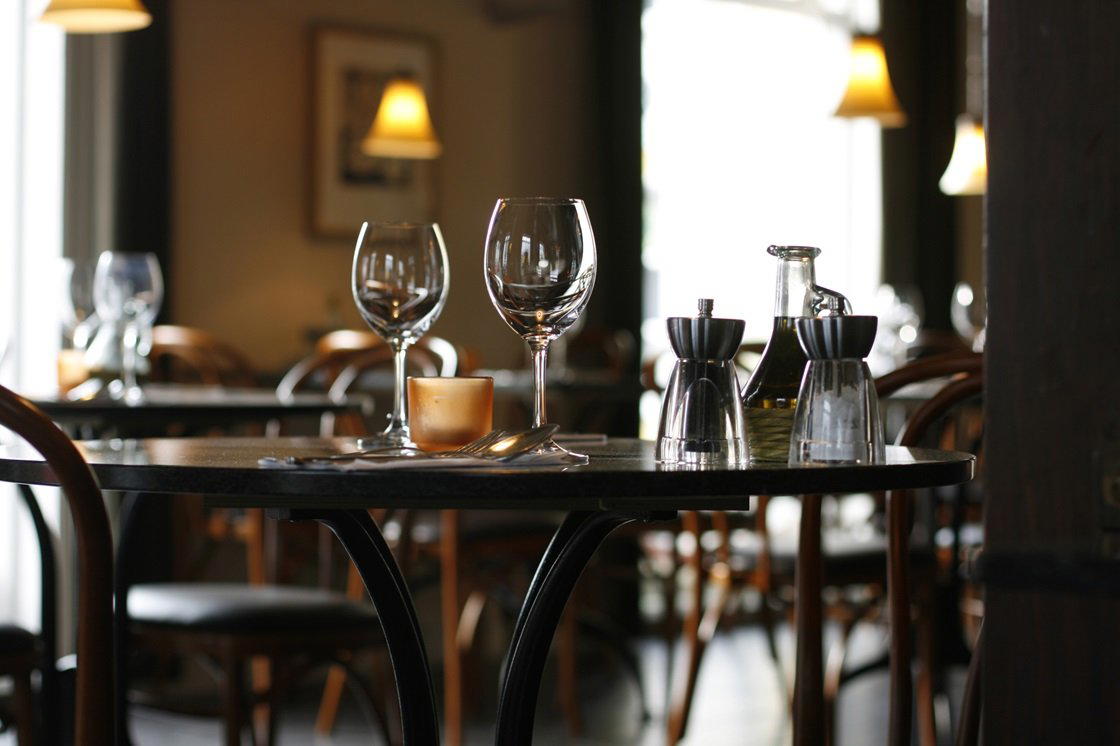
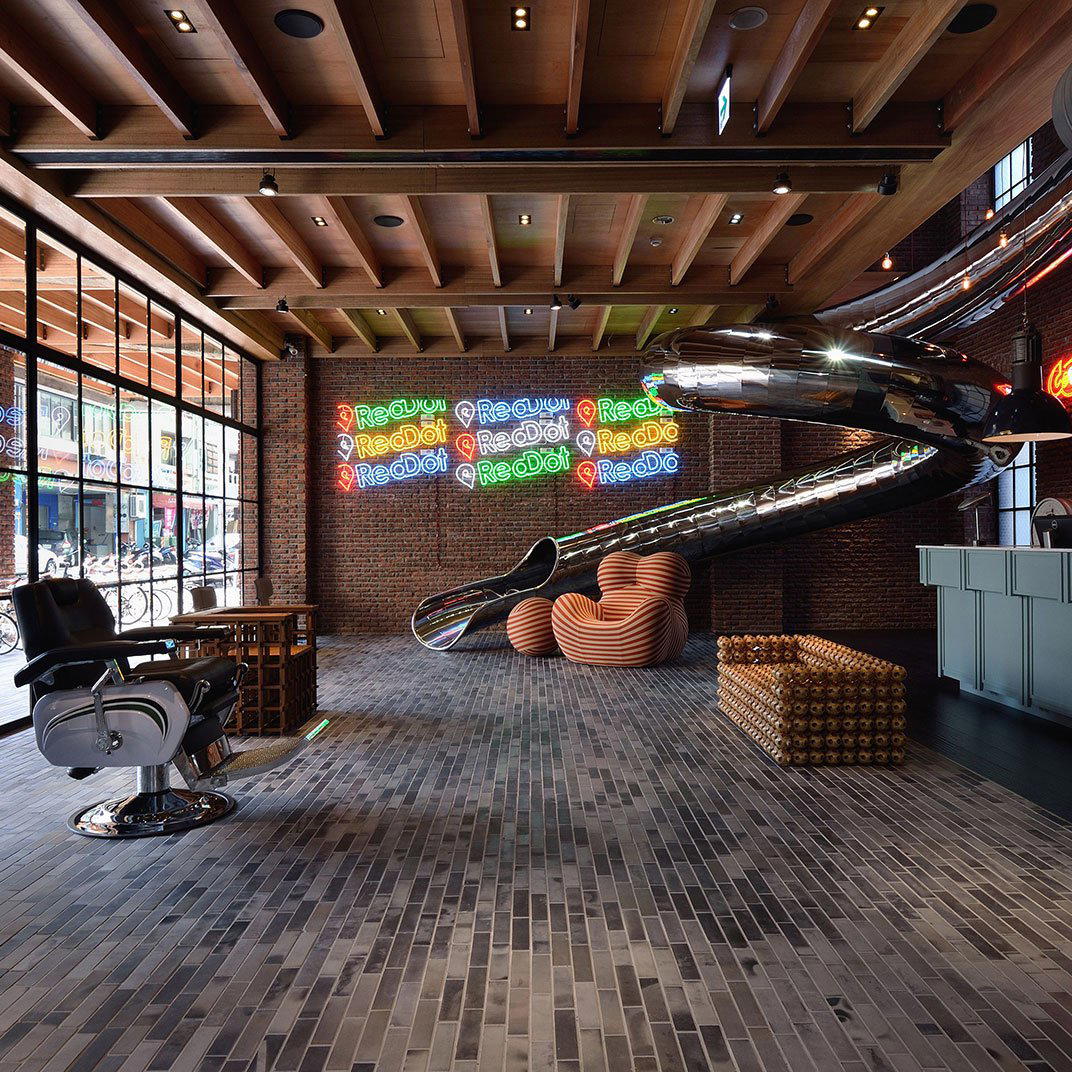
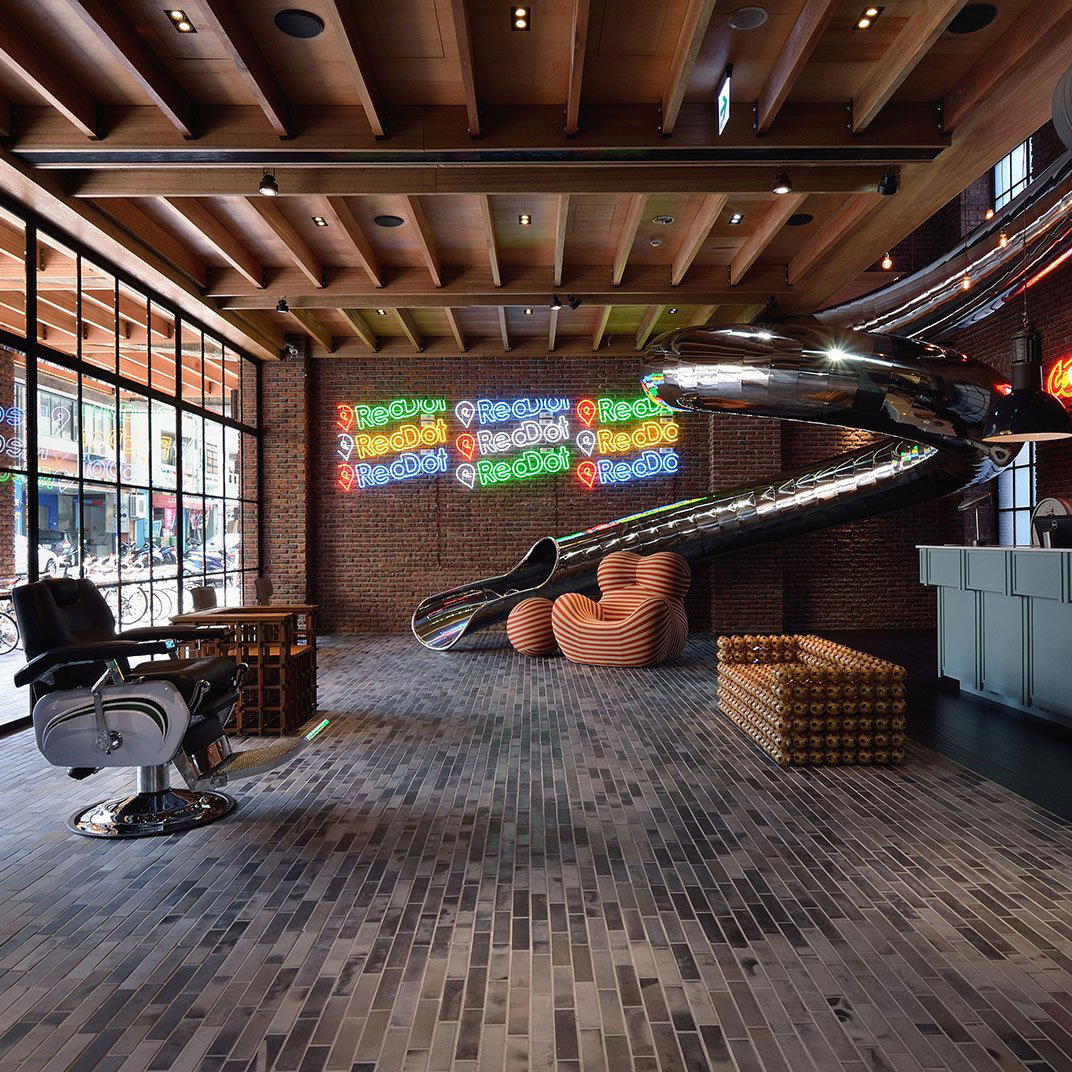
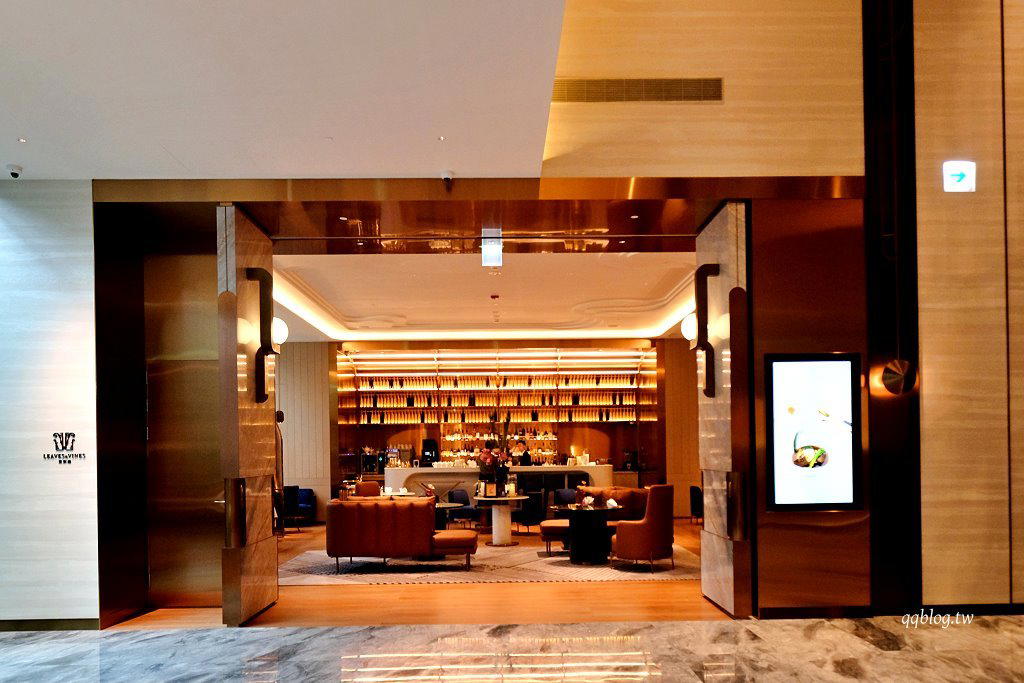
Cozy retro 1960s atmosphere with terrazzo floors, metal tube furniture, soft lighting, and golden oldies; clean, bright, and tidy.