
老士官擀麵 serves Traditional Taiwanese Noodles with beef noodle soup, sesame noodles, and braised pork rice, backed by local sourcing and a casual, quick-bite format for lunch or dinner.
Pearl is the En Primeur Club membership app — saves, bookings, and concierge access live there. Same editors, same standards.
- Address
- No. 81之12號, Zhennan St, Qingshui District, Taichung City, Taiwan 436
- Phone
- +886426238730
- Website
- facebook.com
- Directions
- Get directions
 Saves & bookings on Pearl
Qingshui's Noodle Houses and the Ritual of a Proper Bowl
In Taichung's Qingshui District, the streets around Zhennan Road follow a quieter rhythm than the city's central dining corridors. The area's restaurant culture is built on the kind of places that locals return to for decades rather than occasions that require a reservation three months ahead. 老士官擀麵 sits within that fabric, operating as a neighbourhood noodle house in Taichung City's Qingshui District, where a casual meal can feel as meaningful as a formal outing. Here, the bowl of noodles is not a backdrop to an occasion, it is the occasion.
When a Noodle House Becomes the Setting for Something Meaningful
Taiwan's noodle culture has long supported the idea that significant meals need not happen in formal settings. Across the island, from the braised-beef counters of Tainan to the knife-shaved noodle houses of Taipei's outer districts, the defining characteristic of a memorable bowl is repetition: a recipe held across years, a broth that tastes the same on a Tuesday as it does on a birthday. This consistency is, in its own way, the promise a noodle house makes to its regulars. At an address like No. 81之12, Zhennan Street, that promise is embedded in the district's own character, Qingshui is not a destination for dining tourism; it is a place where people eat because they live there, and where the restaurants that survive do so on the strength of what is actually in the bowl.
That context matters for anyone travelling from central Taichung or arriving from elsewhere in Taiwan to eat here. The experience is shaped by what surrounds it: a low-key commercial strip, practical surroundings, and a dining culture that measures quality not by presentation format but by whether the noodles are correctly textured and the seasoning is right. Occasion dining in this register means bringing your own significance to the table rather than having it manufactured by the environment.
The Broader Taichung Noodle Scene
Taichung's restaurant identity has expanded considerably over the past decade. JL Studio in Taichung operates at the fine-dining end of the city's offer, drawing international attention to modern Singaporean-inflected cooking. Further down the formality register, addresses like A Kun Mian demonstrate the city's appetite for noodle formats that have been refined over long operating histories. Abura Yakiniku and Burger Joint point to the range of casual formats that have taken root across different neighbourhoods. DIN YUE RESTAURANT and cafe crotchet add further texture to a scene that is now genuinely multi-tiered. Within that spread, the Qingshui district's noodle houses occupy a specific tier: high-frequency, neighbourhood-anchored, and measured by standards that have little to do with the critical frameworks applied to Taichung's more prominent dining addresses.
Across Taiwan more broadly, the concentration of serious eating outside major city centres is well-documented. Akame in Wutai Township built a national reputation from a remote southern location. Shen Yen in Yilan and Bebu in Hsinchu County both demonstrate that distance from Taipei or Taichung's core does not determine a kitchen's ambitions. Dongmen Rice Noodle Soup in Hsinchu City is the clearest parallel: a noodle-focused address that has built its reputation on a single format executed consistently over time. GEN in Kaohsiung and Amei in Tainan show how southern Taiwan's dining culture places different expectations on what a restaurant needs to deliver to earn loyalty.
Rice and Wheat Noodles in the Taiwanese Tradition
The name 世士家米麵 references both rice noodles (米, mǐ) and wheat noodles (麵, miàn), a combination that signals a kitchen working across Taiwan's two major noodle traditions rather than committing to one regional style. Rice noodles in this context typically includes vermicelli-style preparations that absorb braising liquids and soups differently from their wheat counterparts, giving a kitchen the ability to serve distinct textural experiences within a single menu framework. Across Taiwan, restaurants that operate in this dual-format space tend to draw from both Hokkien and broader Han Chinese cooking traditions, with regional adaptations that vary by city and by family recipe lineage. The Taichung basin has its own flavour tendencies, generally less spiced than some southern preparations, with seasoning profiles that allow the broth or sauce base to register clearly.
For visitors more familiar with Taiwan's internationally recognised fine dining tier, the comparison point is instructive. Restaurants like logy in Taipei have made Taiwan's modern tasting menu format legible to a global audience. At the other end of the formality axis, places like this in Qingshui represent what that global recognition often obscures: the island's everyday cooking traditions, which require no critical infrastructure to sustain because they have the loyalty of the people who live near them. The gap between Le Bernardin in New York City and a district noodle house in Qingshui is not merely one of style or price, it reflects two entirely different theories of what food is for. Neither is wrong.
Planning a Visit to Qingshui
Qingshui District sits in the northwestern part of Taichung City, accessible from the city centre by road. The address at Zhennan Street places the restaurant within a residential-commercial strip typical of Taiwan's outer urban districts. The practical approach is to arrive on the earlier side of a typical Taiwanese lunch or dinner service window and be prepared for the kind of queue management that neighbourhood noodle houses handle informally. Visiting midweek reduces competition for tables. And for anyone whose meal here is tied to a specific occasion, a well-made bowl of noodles is a fitting way to mark the moment. Here, the occasion comes from the meal itself.
A Pricing-First Comparison
Comparable venues nearby, for context on price, style, and recognition.
| Venue | Cuisine | Price | Notes |
|---|---|---|---|
| 老士官擀麵This venue — the venue you are viewing | Noodles | $$ | Not listed |
| Chun Shui Tong | Not listed | $$ | West District, Traditional Taiwanese teahouse & bubble tea |
| ä¸æµ·æªå麵é»é ¸æ¢ 湯 | Gongyuan, Modern Taiwanese Noodle Bar | $$$ | Not listed |
| 鳳記鵝肉老店(沙鹿本店) | Xitun District, Taiwanese Noodle House | $ | Not listed |
| 功夫上海手工魚丸 | Not listed | Not listed | Zhongming, Taiwanese Handmade Fish Ball Restaurant |
| Burger Joint | Meichuan, American Diner & Burger Joint | $$ | Not listed |
Recognition history
Dated appearances from independent guides and award organizations, with the underlying list record or original source where available.
Michelin Bib Gourmand
Michelin
Michelin Bib Gourmand
Michelin
Michelin Bib Gourmand
Michelin


At a Glance
- Casual
- Lively
- Cozy
- Casual Hangout
- After Work
- Standalone
- Local Sourcing
Current opening hours
- Monday
- Closed
- Tuesday
- 8 AM–1:30 PM
- Wednesday
- 8 AM–1:30 PM
- Thursday
- 8 AM–1:30 PM
- Friday
- 8 AM–1:30 PM
- Saturday
- 8 AM–1:30 PM
- Sunday
- 8 AM–1:30 PM
Hours can change for holidays and private events. Last verified .
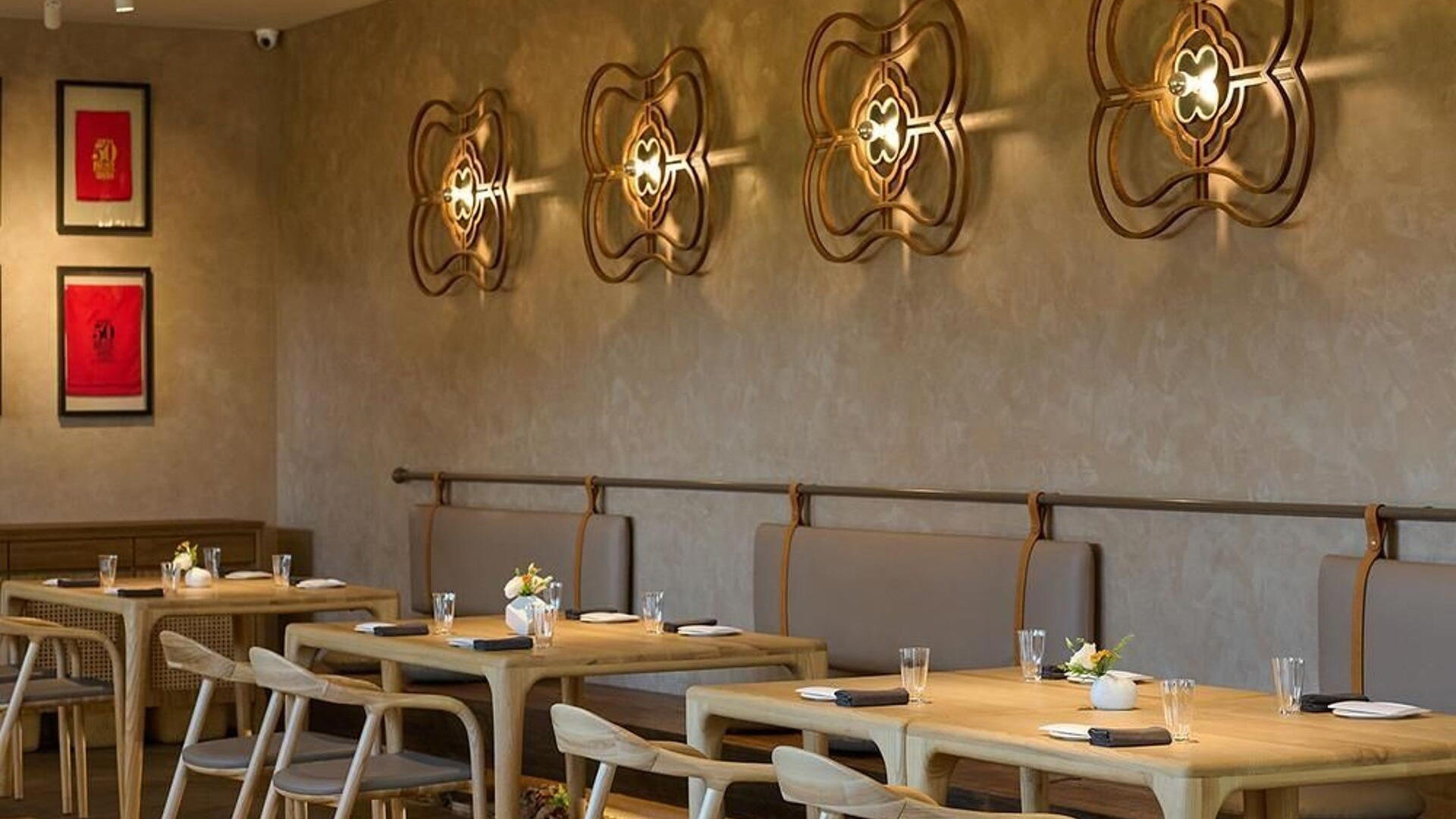
Warm and inviting neighborhood eatery with simple, unpretentious decor that emphasizes food quality over aesthetics