Mt Baldy
Our verdict
Mt Baldy sits in the San Gabriel Mountains of San Bernardino County, where elevation, pine forest, and proximity to Los Angeles shape a distinct outdoor dining and après-ski culture that sets it apart from the county's desert-floor communities. The area draws visitors seeking mountain terrain rather than resort amenity, and the food scene reflects that rougher, more self-sufficient character. See our full San Bernardino County guide for context on the broader region.

Pearl is the En Primeur Club membership app, where members save venues, book tables and use the concierge.
The menu
What to order
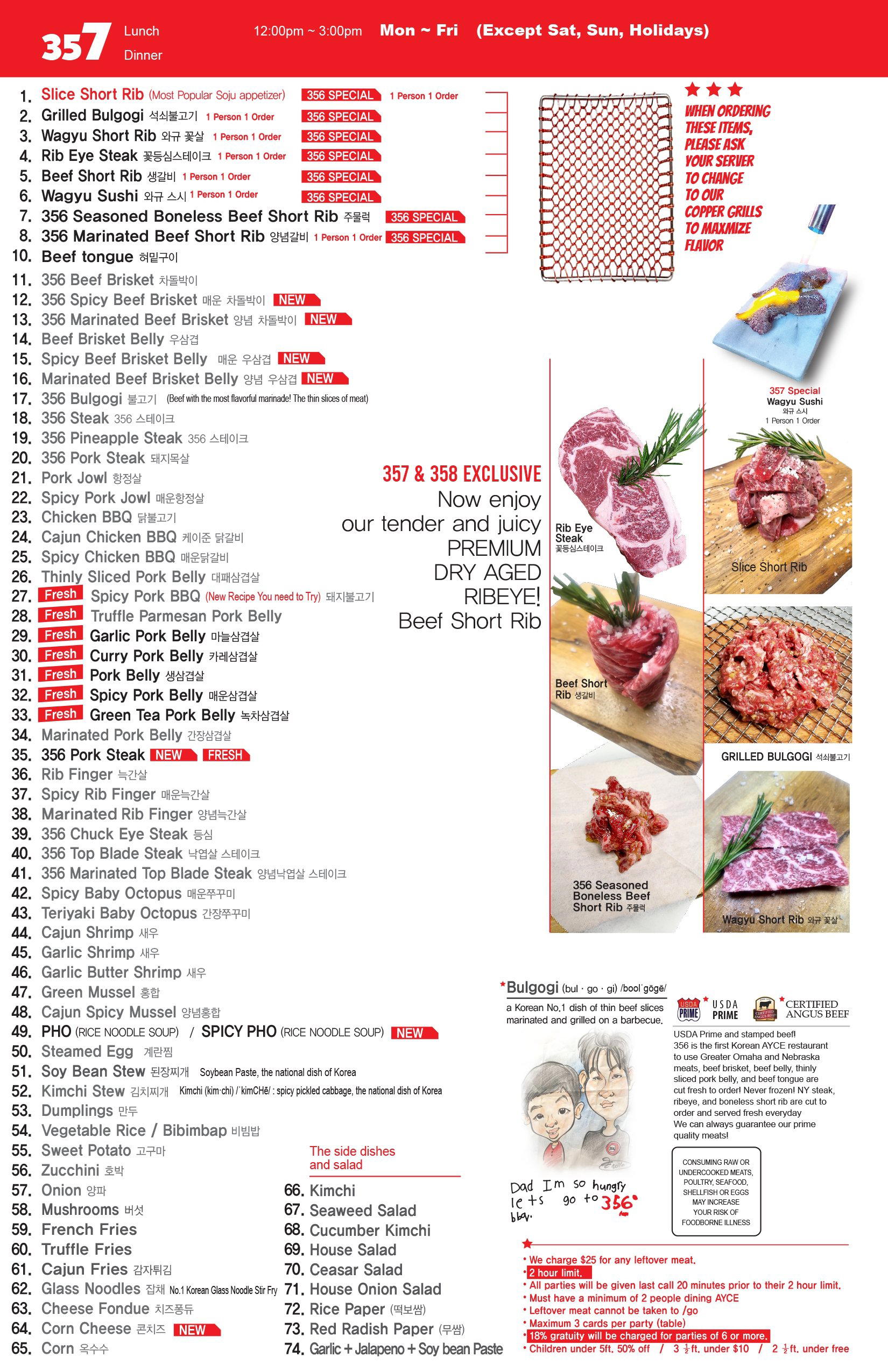
- Char-roasted Tri-Tip
- Burgers
- Sandwiches
Where the San Gabriel Mountains Shape What You Eat
At roughly 6,500 feet, the Mt Baldy community sits above the smog line that defines most of Southern California's culinary conversation. The air is cooler, the seasons are legible, and the relationship between the land and what ends up on a plate operates on different terms than it does in the Los Angeles basin below. California's mountain communities have historically occupied a secondary tier in the state's food writing, overshadowed by coastal and valley producers, but the sourcing logic at elevation is worth examining on its own terms: shorter growing windows, harder soils, and a local economy built around outdoor recreation rather than agricultural export produce a food culture that is functional first and aspirational second.
That distinction matters when you consider the broader California sourcing conversation. At farm-to-table operations like Single Thread Farm in Healdsburg or Blue Hill at Stone Barns in Tarrytown, the sourcing narrative is the menu's organizing principle, refined over years and supported by owned or partner farmland. In a mountain community like Mt Baldy, sourcing is more improvisational: local foragers, nearby chaparral-adjacent ranches, and a dependency on what the season actually delivers rather than what the chef wishes to construct. Neither model is superior, but they produce different kinds of eating.
The Elevation Effect: How Altitude Shapes the Plate
San Bernardino County spans an extraordinary range of terrain, from the Mojave Desert floor to peaks above 11,000 feet, and Mt Baldy's position in the San Gabriel range gives it a microclimate that differs from both the desert communities to the east and the inland valley floors to the south. That climate produces specific foraging conditions: chaparral sage, wild herbs, and conifer-adjacent botanicals that don't appear in coastal California markets. The communities that thrive at this elevation tend to rely on what's accessible within a short radius, and the food that results carries a density and seasonality that warmer climates can't replicate.
Compare this with the desert-edge character of Pappy & Harriet's in the Pioneertown area, where the food and drink culture is shaped more by the high-desert landscape and its music-venue identity than by mountain terrain. Both sit within San Bernardino County, but they represent opposite ends of the county's geographical and culinary range. For a complete view of how terrain shapes the county's eating culture, the full San Bernardino County restaurants guide maps those differences across the region.
California's Mountain Dining Tier: Where Mt Baldy Sits
California's premium dining conversation clusters in a handful of well-documented geographies: the Napa Valley, where The French Laundry anchors the tasting-menu tier; Los Angeles, where Providence leads on seafood sourcing and technique; and San Diego, where Addison has built a Michelin-recognized program. Mountain communities occupy a different register entirely. They aren't competing for the same attention or the same diner, and the food that works at 6,500 feet, after a day of hiking or skiing, is calibrated for recovery and warmth rather than for critical appraisal.
That positioning isn't a limitation so much as a different set of priorities. The technical ambition of Alinea in Chicago or the hyper-local sourcing architecture of Lazy Bear in San Francisco belong to a dining format that requires a specific infrastructure: dense urban markets, a critical mass of food media, and a diner population who books weeks in advance. Mt Baldy's dining scene operates without those inputs and produces something correspondingly less refined and more immediate.
Across the American West, mountain communities have developed their own sourcing logic, where proximity to wilderness substitutes for proximity to farmland. Operations in Colorado, such as Brutø in Denver and Frasca Food & Wine in Boulder, sit at the edge of that tradition, drawing on Rocky Mountain producers while operating within urban fine-dining frameworks. Mt Baldy's scene is less structured, more seasonal, and more directly tied to whatever the mountain offers in a given month.
Seasonal Access and Practical Realities
Getting to Mt Baldy requires a commitment that most Southern California day-trippers underestimate. The drive up Mt Baldy Road from the Claremont/Upland area at the foot of the range takes roughly 30 to 45 minutes under normal conditions, but winter storms and snow closures can alter that window significantly. The community is small enough that dining options are limited even during peak season, and visitors planning around a specific meal would do well to confirm availability before making the drive. Weekends during ski season draw the largest crowds to the mountain; weekday visits in late spring and early fall offer the most reliable access and the most pleasant conditions for exploring what the area has to offer outside of snow sport.
The seasonality of the mountain also means that what's available shifts considerably between months. Winter brings the ski area and its attendant lodge culture. Spring opens hiking access and begins the window for foraged botanicals. Summer brings a different population, escaping the valley heat below. Each season produces a different version of the Mt Baldy experience, and the food culture shifts accordingly, which makes a single-visit assessment less reliable than a return across multiple seasons.
Placing Mt Baldy in a Wider Dining Frame
The broader conversation about sourcing in American restaurants has moved decisively toward provenance transparency over the past decade. At establishments like Bacchanalia in Atlanta, The Inn at Little Washington, and Causa in Washington, D.C., the sourcing story is documented, narrated, and often central to the menu's identity. At Le Bernardin in New York City, sourcing precision is expressed through technique and species selection rather than landscape narrative. At Atomix in New York City, it operates through cultural lineage as much as geography. And at 8½ Otto e Mezzo Bombana in Hong Kong and Emeril's in New Orleans, sourcing tradition is embedded in regional identity rather than stated as a contemporary virtue.
Mt Baldy sits outside all of those frameworks. Its food culture is shaped by altitude, season, and the practical logic of a small mountain community rather than by the competitive dynamics of the fine-dining tier. That's not a critique. It's an accurate description of what the mountain offers and why it draws the visitors it does: people who want the mountain itself, and find the food a reasonable extension of that experience rather than the reason for the trip.
Planning Your Visit
Mt Baldy is located on California Route 83, approximately 47 miles east of central Los Angeles. The mountain road is subject to seasonal closures and chain controls in winter; check Caltrans conditions before departure during snow months. The ski area typically operates from December through April depending on snowfall, and the village's food options are correspondingly busier during that window. For those visiting in the warmer months, the Mt Baldy Trail and the surrounding terrain offer full-day hiking access, with the understanding that services in the village are limited and it is advisable to carry supplies rather than rely on finding options on arrival.
Frequently asked questions
Is Mt Baldy child-friendly?
Mt Baldy's appeal to families depends heavily on the season. The mountain road from the Claremont and Upland corridor is subject to closures and chain controls in winter, which narrows access for those with young children. In milder months, the community at 6,500 feet offers open-air settings that suit children well, though the limited range of venues means planning ahead is necessary rather than optional.
What's the vibe at Mt Baldy?
Mt Baldy sits above Southern California's smog line and well outside its urban rhythm. The atmosphere is unhurried, shaped by a small permanent community and seasonal visitors arriving via a single mountain road. Dining here reads less like a destination restaurant evening and more like eating inside a working mountain town, the altitude and terrain do as much to set the mood as any interior design choice.
How does Mt Baldy's altitude affect dining options compared to the rest of San Bernardino County?
San Bernardino County spans terrain from Mojave Desert floor to peaks above 11,000 feet, but Mt Baldy's community at roughly 6,500 feet occupies a distinct culinary tier that neither the desert floor nor the county's urban centres share. Seasonal road conditions along Mt Baldy Road shape supply logistics in ways that flatland restaurants in the county never face, which in practice narrows the range of venues but concentrates those that operate around the mountain's actual rhythms rather than against them.
What's the must-try dish at Mt Baldy?
Specific menu documentation for Mt Baldy venues is not publicly consolidated, so naming a single dish would be speculative. What the area's position at 6,500 feet in San Bernardino County does support is seasonal, terrain-driven cooking, where what reaches the plate is shaped by what can realistically arrive at altitude. Visiting with flexibility toward daily or seasonal offerings is the more reliable approach.
Comparison Snapshot
| Venue | Cuisine | Price | Awards | Notes |
|---|---|---|---|---|
| Mt BaldyThis venue (the venue you are viewing) | American Comfort Food & Pub | $10–20 | Not listed | Not listed |
| Le Bernardin | French Seafood Fine Dining | $300–500 | 3 Michelin Stars · World's 50 Best #13 | French, Seafood |
| Atomix | Modern Korean Tasting Menu | $300–500 | 2 Michelin Stars · World's 50 Best #7 | Modern Korean, Korean |
| Lazy Bear | Modern American Tasting Menu | Not listed | 2 Michelin Stars · World's 50 Best #25 | Progressive American, Contemporary |
| Alinea | Avant-Garde Molecular Gastronomy | $300–500 | 2 Michelin Stars · World's 50 Best #37 | Progressive American, Creative |
| Atelier Crenn | Contemporary French Fine Dining | $300–500 | 3 Michelin Stars · World's 50 Best #44 | Modern French, Contemporary |
Continue exploring
More in Mount Baldy
Restaurants in Mount Baldy
All restaurants in Mount Baldy →
Details
- Rustic
- Cozy
- Lively
- Casual Hangout
- Group Dining
- Family
- After Work
- Live Music
- Historic Building
- Beer Program
- Mountain
- A La Carte
- Beer
- Cocktails
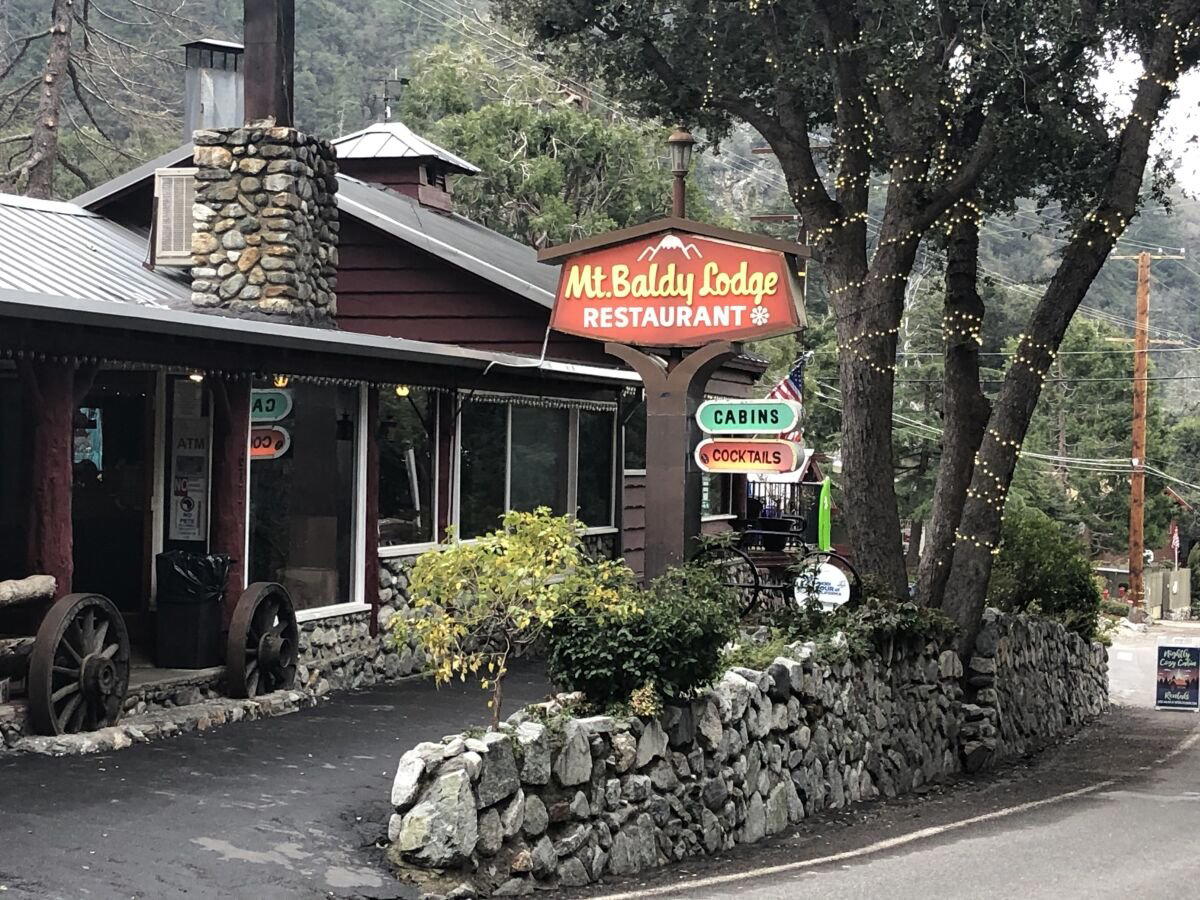
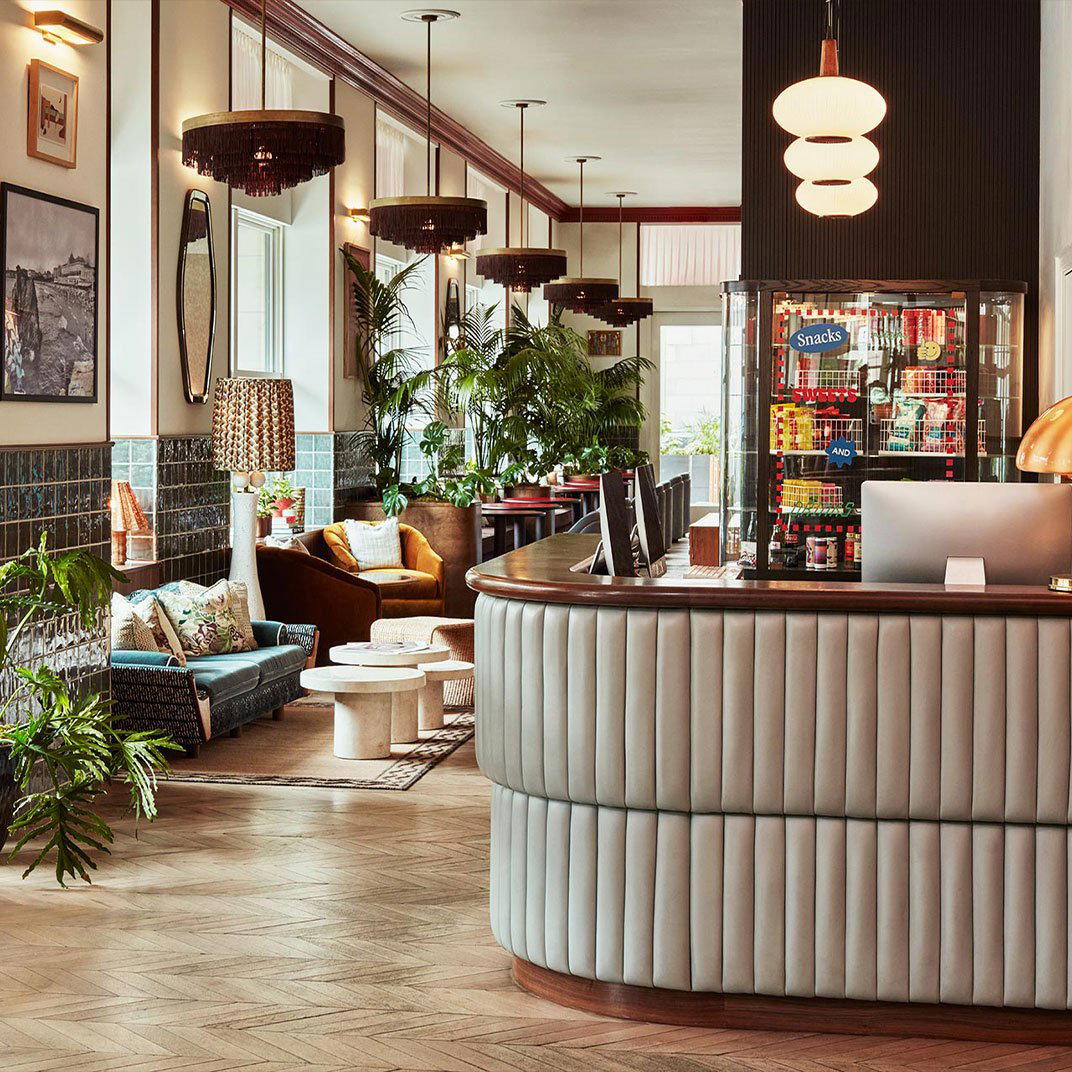
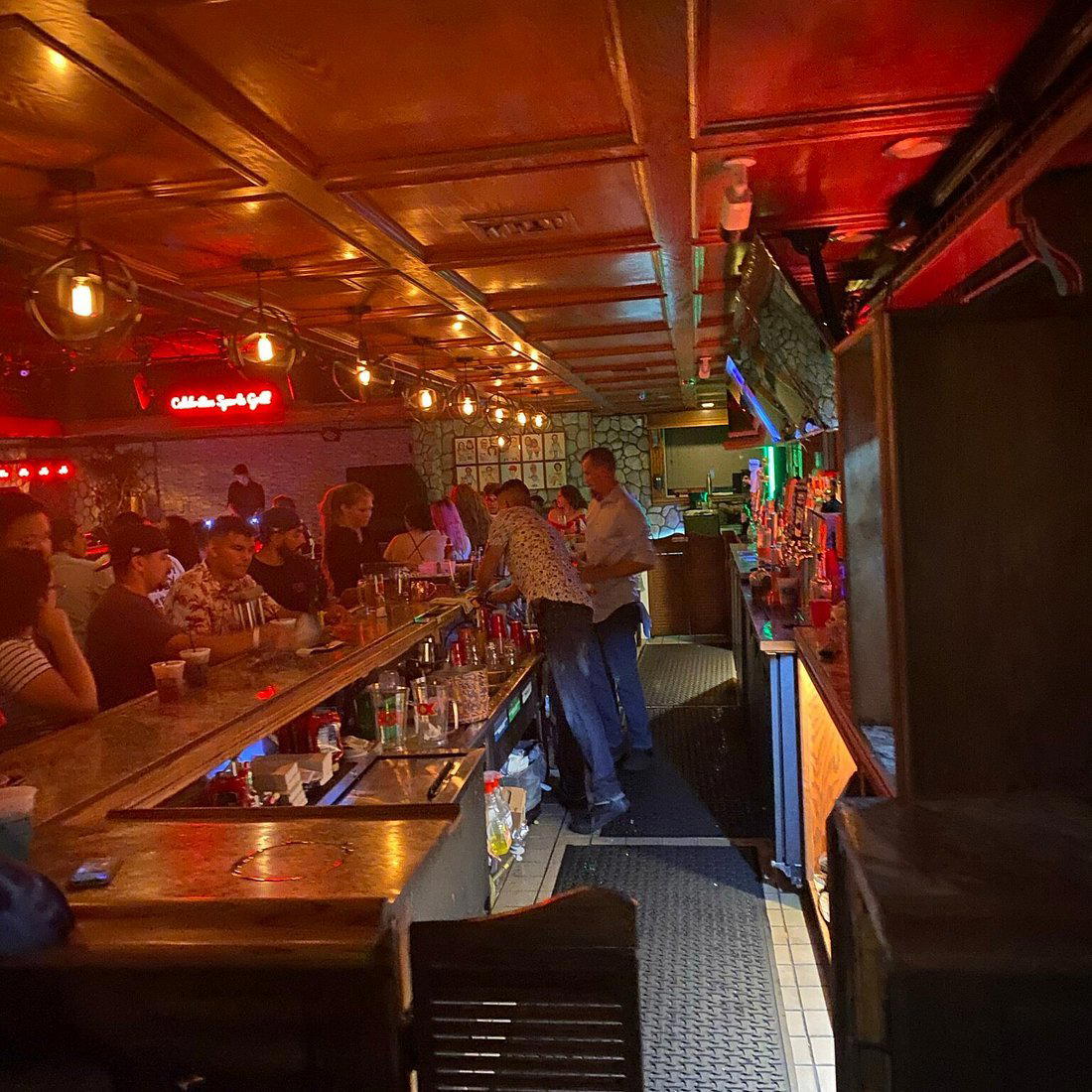
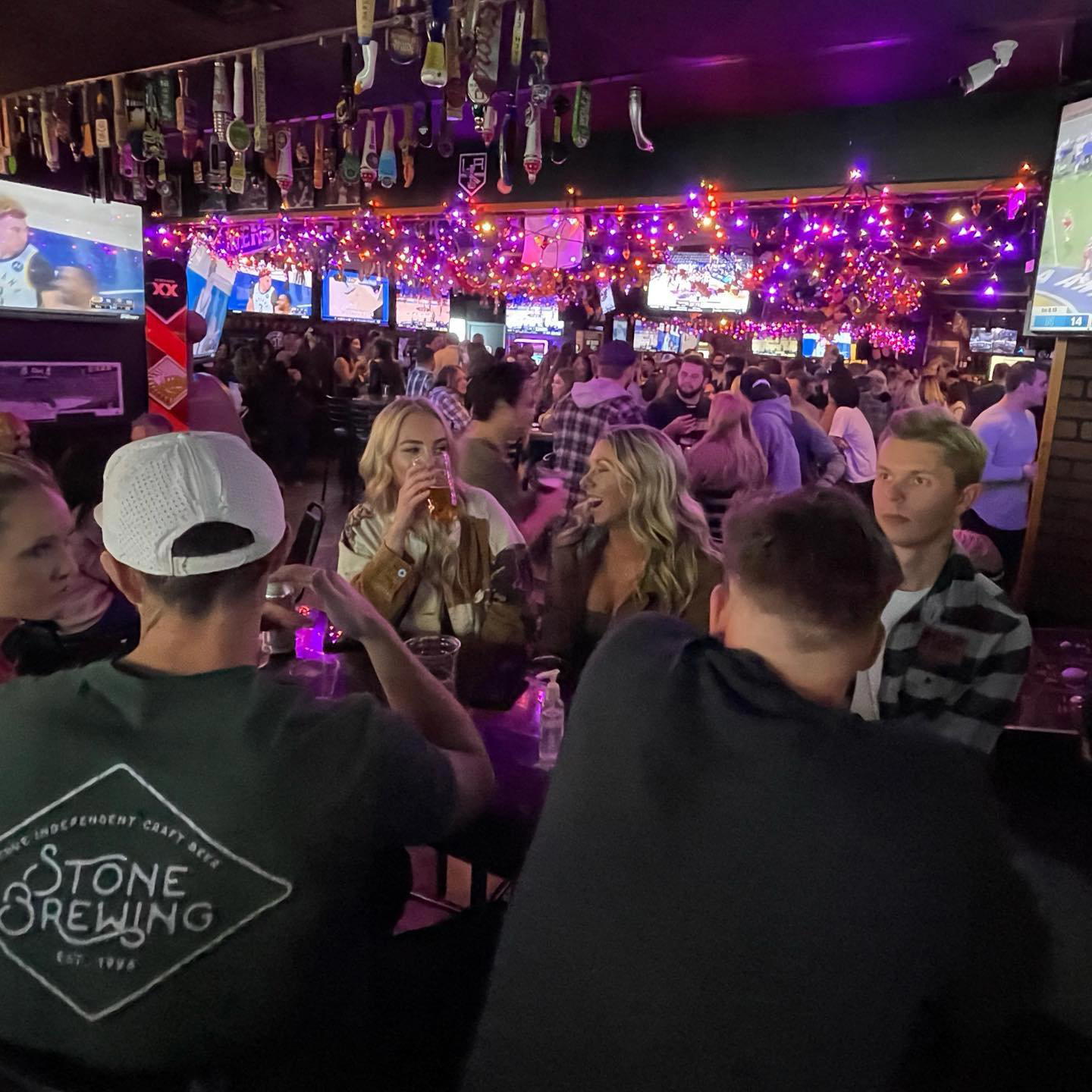
Cozy lodge interior with a full bar, warm lighting, and a family-friendly environment that evokes a classic mountain retreat with live entertainment.