Yue Hai Tang

1 Michelin Star
Our verdict
A Michelin-starred Cantonese address in Shanghai, Yue Hai Tang earns its place in the city's competitive Chinese fine-dining tier through a focused barbecue program and a kitchen committed to seasonal craft. The wine list runs to over 500 labels, and regulars arrive knowing to pre-order. Booking ahead is strongly advised.

Pearl is the En Primeur Club membership app, where members save venues, book tables and use the concierge.
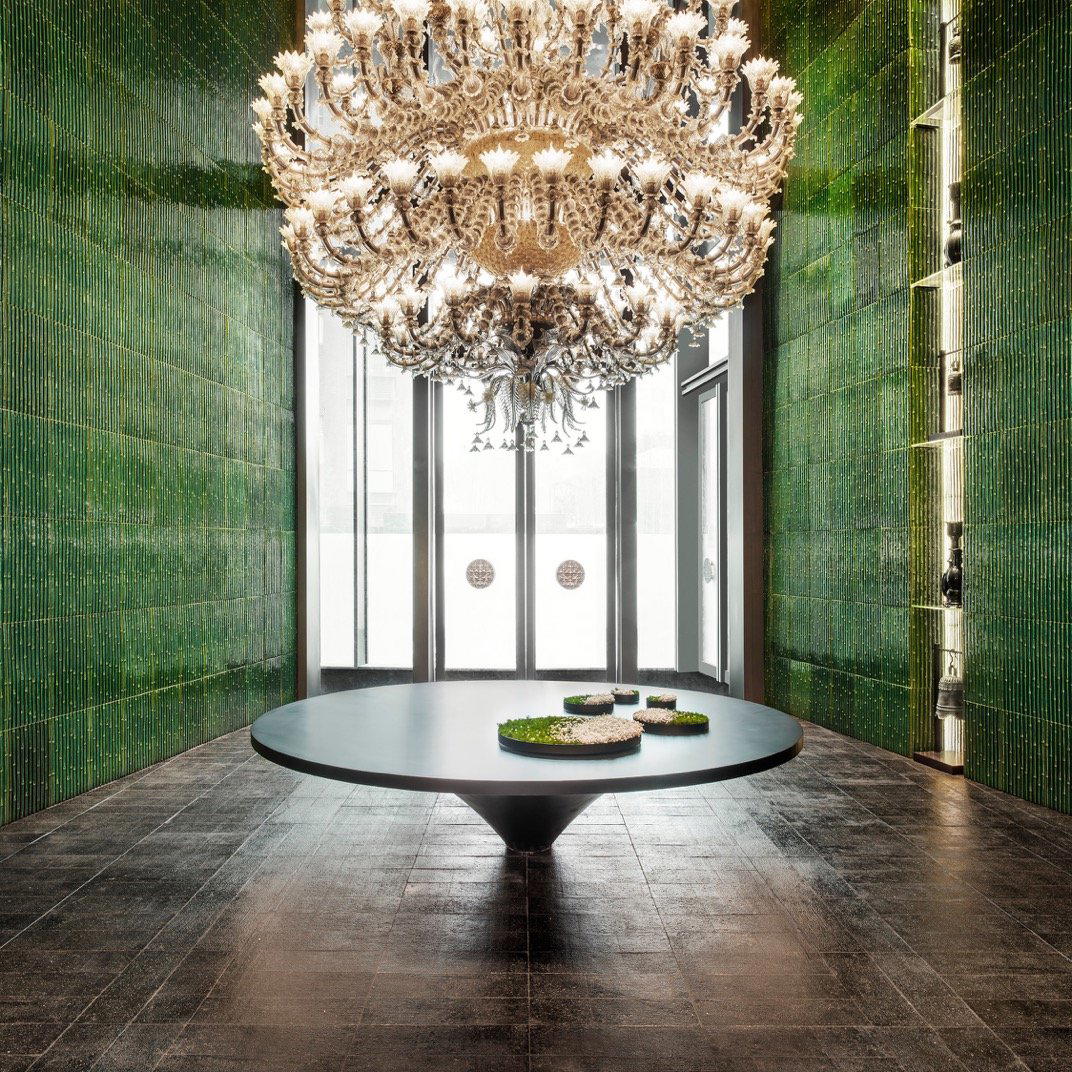
The menu
What to order
- Cantonese barbecue
- Lobster and crab meat in pastry
The Room, the Ritual, the Return
Shanghai's Cantonese restaurant scene operates on a different logic from the city's Shanghainese or Sichuanese institutions. The cuisine carries its prestige from a different geography, rooted in Guangdong province and refined through decades of Hong Kong hospitality culture, and the leading practitioners in Shanghai tend to draw a clientele that knows the difference between competent Cantonese cooking and something worth crossing the city for. Yue Hai Tang belongs to the second category, holding a Michelin one-star in the 2024 guide and positioning itself within a Shanghai tier that includes addresses like Canton 8 (Huangpu) and Ji Pin Court.
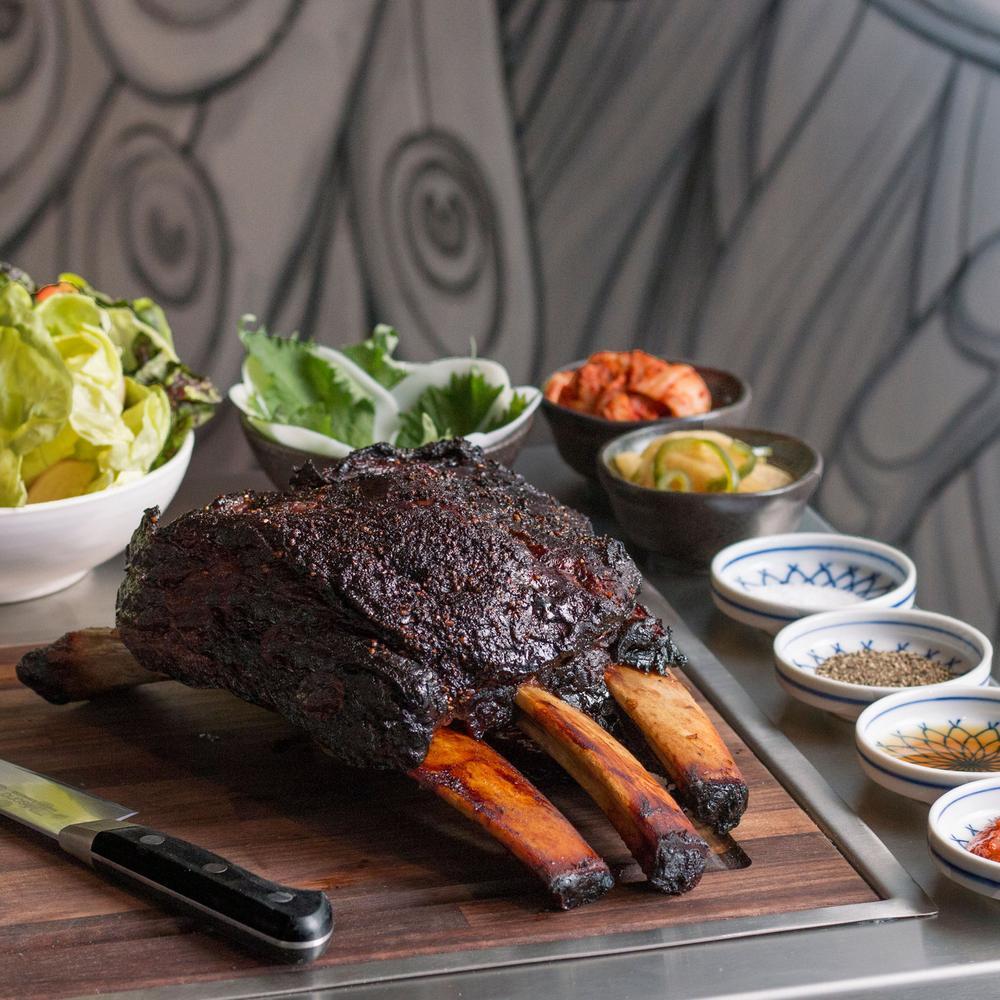
What keeps regulars coming back is not a single signature moment but a cumulative familiarity with what the kitchen does consistently well. The Cantonese barbecue program, char siu, roast meats, the lacquered and rendered, is the throughline. Regulars who have eaten here across seasons develop an instinct for what to pre-order: the lobster and crab meat in pastry is the kind of dish that requires advance notice, precisely because the preparation is not something the kitchen turns around at speed. That is not a limitation; it is a commitment to process.
Cantonese Barbecue in a Shanghainese Context
To understand why a Cantonese barbecue house earns Michelin attention in Shanghai, it helps to understand what the city's dining critics are actually rewarding. Shanghai's Michelin selection has historically been more receptive to classical Chinese techniques than many outsiders expect, and Cantonese cooking, with its emphasis on sourcing, restraint in seasoning, and precision in heat, maps well onto the criteria Michelin inspectors apply globally. The roasting and barbecue traditions in Cantonese cuisine demand exactness: fat-to-meat ratios, resting times, glaze application. These are not improvised.
Across greater China, the Cantonese fine-dining tier produces some of the region's most technically demanding menus. Forum in Hong Kong represents the apex of the tradition, while Le Palais in Taipei demonstrates how far the idiom travels when transplanted. In mainland China, the Shanghai and Guangzhou nodes of this tradition, see Imperial Treasure Fine Chinese Cuisine in Guangzhou, serve a clientele with expectations calibrated by years of cross-border dining. Yue Hai Tang sits in this context: a Cantonese kitchen operating in a city that has learned to judge it rigorously.
The Kitchen's Architecture
The kitchen at Yue Hai Tang has accumulated tenure. The team that executes the menu has worked together for an extended period, which matters more in Cantonese cooking than in many other traditions. Timing is collective here: the moment a roasted bird leaves the oven to when it reaches the table, the synchronisation of dim sum service with larger-format dishes, the management of a wok station that handles both everyday orders and intricate seasonal specials. A kitchen with high turnover cannot sustain this kind of coordination.
The menu runs in two directions simultaneously. The core menu anchors the experience with the barbecue program and its associated dishes. Alongside that sits a seasonal layer, the kitchen rotates dishes based on what is available and what the team chooses to explore, and a set of more labour-intensive preparations of which the lobster and crab meat in pastry is the clearest example. These pastry-wrapped preparations belong to a Cantonese craft tradition that requires both skill and time; they are the dishes that regulars pre-order days in advance, not as an afterthought.
For those comparing Yue Hai Tang within Shanghai's wider Chinese fine dining offer, Bao Li Xuan and Imperial Treasure Fine Chinese Cuisine represent adjacent points in the ¥¥¥ Cantonese-and-Chinese tier. Each carries its own kitchen lineage and serves a slightly different clientele. The 102 House operates in a different register entirely, illustrating how Shanghai's higher-end Chinese dining has fragmented into distinct subgenres.
The Wine Program as Signal
A 500-label wine list at a Cantonese restaurant in Shanghai is not a coincidence. It signals the intended clientele and the kind of evening the restaurant is built for. Cantonese food, with its lighter seasoning and cleaner protein profiles, pairs more readily with wine than many other Chinese regional cuisines, and Shanghai's fine-dining Cantonese restaurants have increasingly built wine programs that reflect this. A list of this depth suggests a management team thinking about the full table, about corporate entertaining, private celebrations, and the regular who wants to open something serious from the cellar without negotiating with a sommelier about whether the kitchen can accommodate it.
For context, several of the strongest regional Chinese fine-dining addresses across greater China have developed comparable wine programs. Xin Rong Ji in Beijing and Xin Rong Ji in Chengdu have made wine integration part of their identity at the ¥¥¥ tier. Chef Tam's Seasons in Macau does this within the specific context of casino-adjacent high dining. The pattern is consistent: at this level of Chinese fine dining, the wine list has become a credibility marker alongside the Michelin star itself.
Who Comes, and Why They Come Back
The regulars at a restaurant like Yue Hai Tang are not primarily trophy-hunters visiting for the star. They are the kind of diner who has eaten Cantonese food with enough frequency to have developed preferences: a preference for one preparation of char siu over another, a memory of what the lobster pastry tasted like on a particular visit, an opinion about whether the seasonal fish dish this quarter exceeds the one from the previous year. This is earned familiarity, and the restaurant is built to sustain it.
Pre-ordering dishes is not merely recommended here as a logistical courtesy; it is the mechanism through which the kitchen-regular relationship operates. When a diner calls ahead and specifies what they want, they are participating in a system the kitchen has designed. The most complex preparations are allocated in advance precisely because the kitchen will not compromise on them by rushing. Regulars understand this. First-time visitors who want the full range of the kitchen's output should treat the pre-order recommendation as essential rather than optional.
Comparable Cantonese addresses in other Chinese cities reward the same kind of committed regularity. Ru Yuan in Hangzhou and Dai Yuet Heen in Nanjing each have kitchens built around this model of advance preparation and loyal return visitors. The dynamic is regional, not unique to one address.
Planning Your Visit
Yue Hai Tang sits in Shanghai's ¥¥¥ price bracket, which positions it as an occasion restaurant rather than a weekly casual option for most visitors. Explore our full Shanghai restaurants guide for a broader map of the city's dining tiers, and use our full Shanghai hotels guide, our full Shanghai bars guide, our full Shanghai wineries guide, and our full Shanghai experiences guide to build out the wider trip.
| Venue | Cuisine | Price Tier | Michelin | Key Consideration |
|---|---|---|---|---|
| Yue Hai Tang | Cantonese | ¥¥¥ | 1 Star (2024) | Pre-order required for complex dishes; 500+ wine labels |
| Canton 8 (Huangpu) | Cantonese | ¥¥¥ | Cantonese in central Huangpu district | |
| Ji Pin Court | Cantonese | ¥¥¥ | Same price tier; different kitchen lineage | |
| Imperial Treasure | Chinese | ¥¥¥ | Brand with cross-city presence; broad Chinese menu |
What Should I Eat at Yue Hai Tang?
The Cantonese barbecue program is the anchor of the menu and the reason Michelin inspectors keep returning. Within that, the kitchen's approach to roasted meats reflects technique accumulated over years of collaborative work. The lobster and crab meat in pastry is the most cited preparation among regulars, but it must be pre-ordered: arrive expecting it without advance notice and you will be disappointed. Beyond the barbecue, the seasonal menu changes with the kitchen's judgment rather than a fixed calendar, so the strongest approach is to book, confirm what you want in advance, and let the kitchen execute at its own pace.
Frequently asked questions
What should I budget for a meal at Yue Hai Tang?
Pricing at Yue Hai Tang is listed as ¥¥¥.
How do I find Yue Hai Tang?
Yue Hai Tang is located at 1655 S Azusa Ave, Hacienda Heights, CA 91745, Shanghai.
Has Yue Hai Tang won any awards?
Yue Hai Tang has received recognition including: Yue Hai Tang is the brainchild of an experienced chef who has worked in some of the most prestigious kitchens of Shanghai. His team, which has been with him for a long time, rustles up a wickedly enticing Cantonese barbecue. Besides the mai….
What should I eat at Yue Hai Tang?
The Cantonese barbecue program is the primary draw and the course of dishes that earned the restaurant its 2024 Michelin star. Beyond the roasted meats, the kitchen produces painstakingly crafted set-piece dishes, with lobster and crab meat in pastry being the most cited example. Booking ahead and pre-ordering specific dishes is recommended by the restaurant itself, which signals that the more labour-intensive preparations require advance notice.
Style and Standing
| Venue | Cuisine | Price | Awards | Notes |
|---|---|---|---|---|
| Yue Hai TangThis venue (the venue you are viewing) | Modern Cantonese | Not listed | 1 Michelin Star | Not listed |
| Fu He Hui | Modern Seasonal Vegetarian Fine Dining | $200–300 | 2 Michelin Stars · World's 50 Best #11 | Vegetarian |
| Ming Court | Cantonese | Not listed | Michelin 1 Star | Not listed |
| Polux | French Bistro | $30–50 | Michelin Bib Gourmand | French |
| Royal China Club | Cantonese Dim Sum | $100–150 | Michelin Plate · The Good Food Guide GFG Good | Chinese, Cantonese |
| Scarpetta | Refined Italian Pasta & Pizza | $50–100 | Michelin Plate · Wine Spectator Best of Award of Excellence | Italian |
Recognition history
Dated appearances from independent guides and award organizations, with the underlying list record or original source where available.
Michelin 1 Star
Michelin
Full recognition history (2 entries)
Michelin 1 Star
Michelin
Continue exploring
More in Hacienda Heights
Restaurants in Hacienda Heights
All restaurants in Hacienda Heights →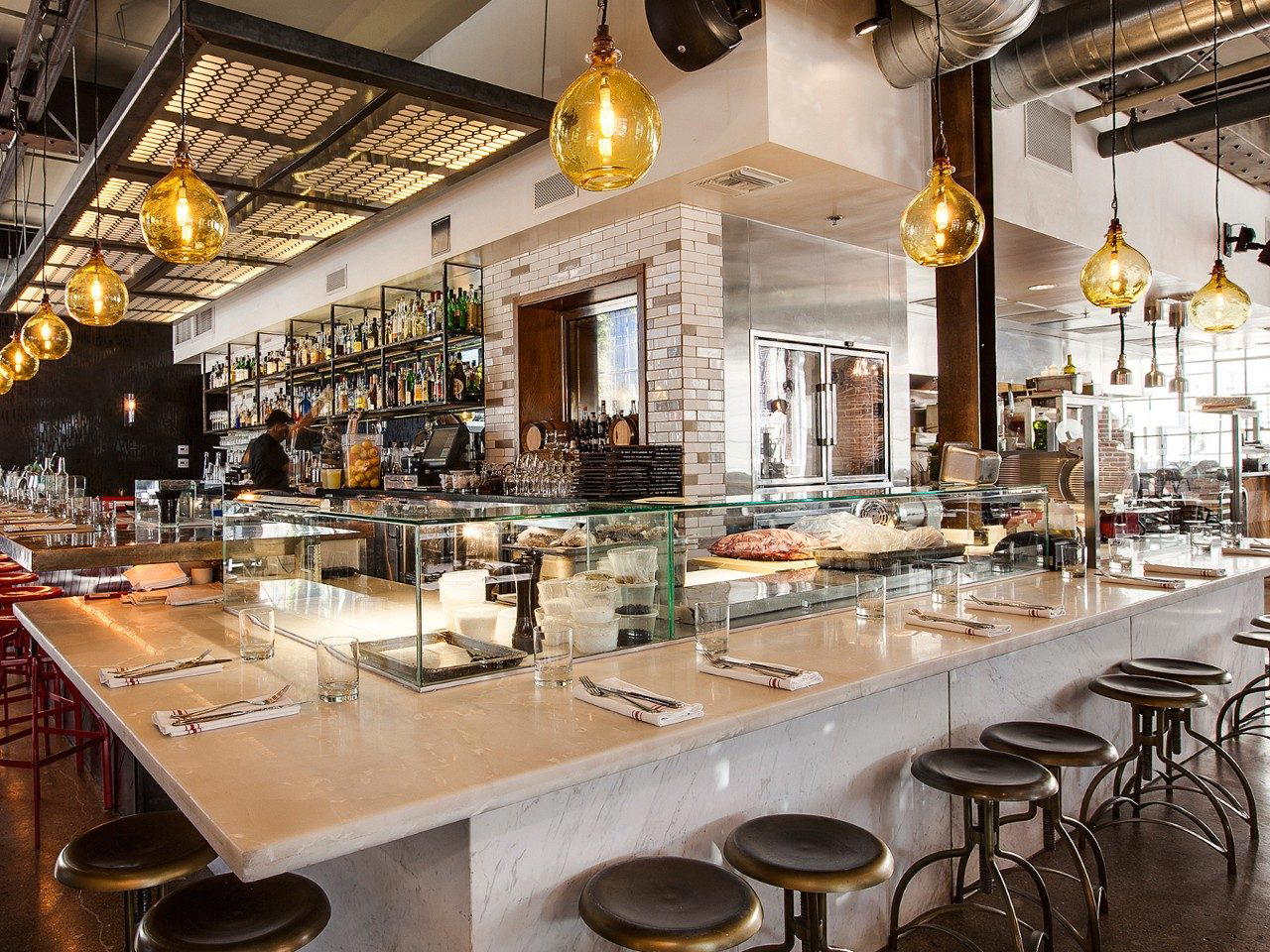
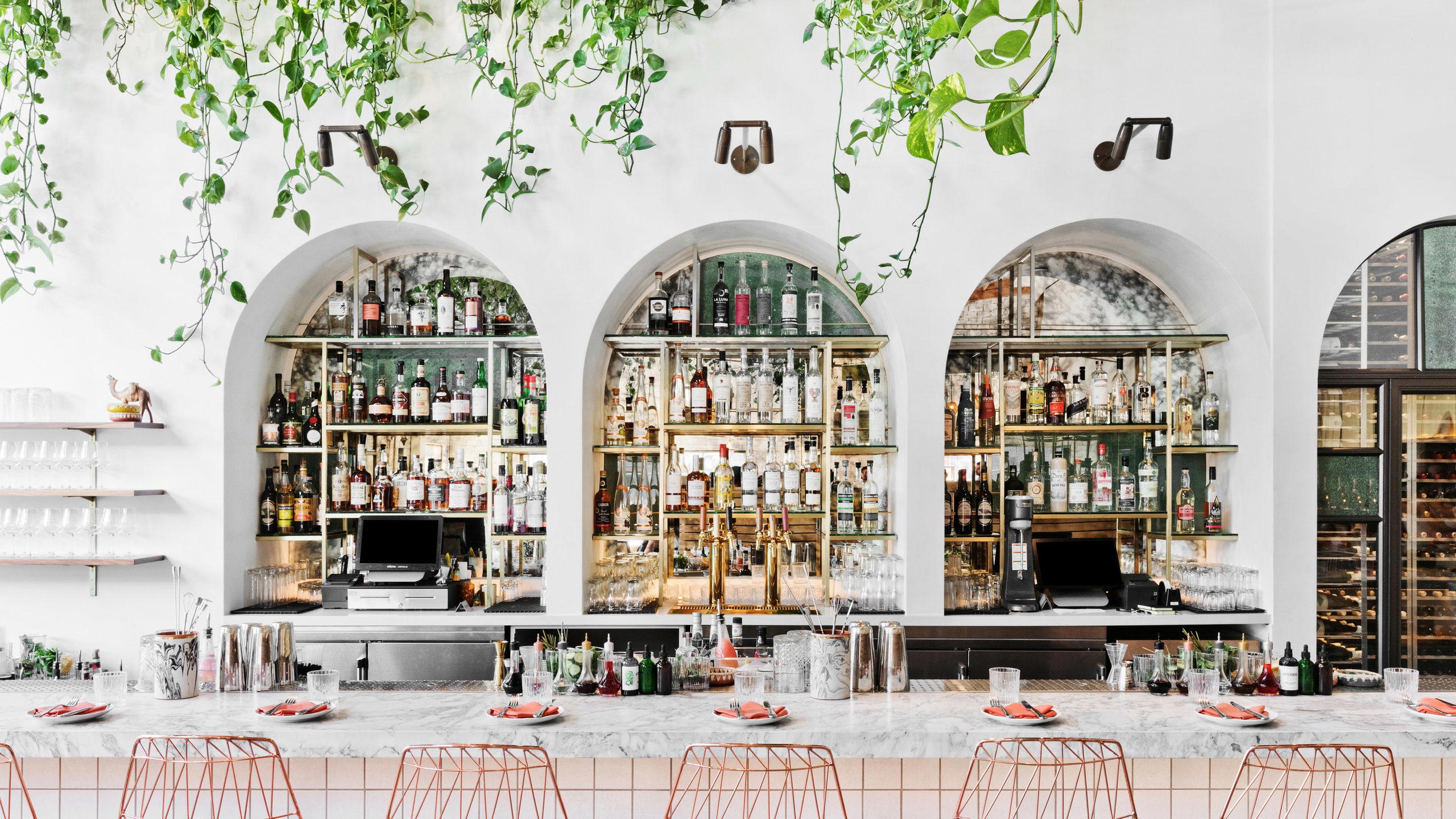
Bars in Hacienda Heights
Browse all →
Hotels in Hacienda Heights
Browse all →



Wineries in Hacienda Heights
Browse all →
Yue Hai Tang
The wine
- Wine program
- Deep wine list
- Extensive wine list
- Sommelier-led
Details
- Elegant
- Sophisticated
- Intimate
- Special Occasion
- Business Dinner
- Private Dining
- Extensive Wine List
- Sommelier Led
- A La Carte
- Wine
Current opening hours
- Monday
- 9 AM–3 PM, 5–9 PM
- Tuesday
- 9 AM–3 PM, 5–9 PM
- Wednesday
- 9 AM–3 PM, 5–9 PM
- Thursday
- 9 AM–3 PM, 5–9 PM
- Friday
- 9 AM–3 PM, 5–9 PM
- Saturday
- 9 AM–3 PM, 5–9 PM
- Sunday
- 9 AM–3 PM, 5–9 PM
Hours can change for holidays and private events. Last verified .
Polished calm with warm and flattering lighting that lets flavors speak at full volume.