356 Korean BBQ & BAR
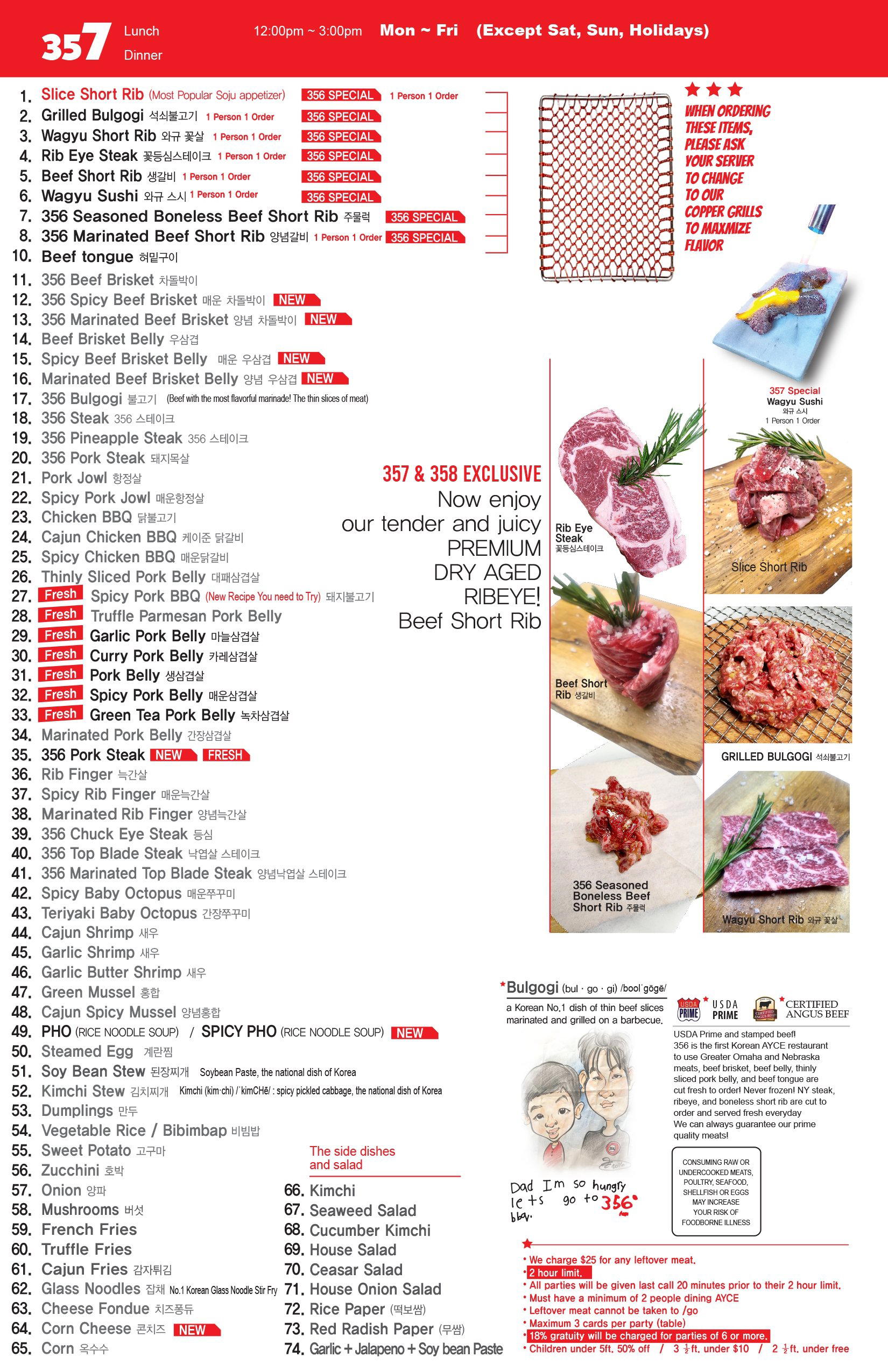
356 Korean BBQ & BAR sits on Cantu-Galleano Ranch Road in Eastvale, California, combining tableside Korean barbecue with a dedicated bar programme in one of the Inland Empire's more deliberately designed dining formats. The pairing of live-fire cooking and cocktails reflects a broader shift in Korean dining that has moved well beyond the purely utilitarian smoke-and-grill model.

Pearl is the En Primeur Club membership app, where members save venues, book tables and use the concierge.
Where the Smoke Meets the Shaker
The Inland Empire's dining scene has historically been defined by strip-mall pragmatism, where function tends to outrank form. Korean barbecue, in particular, has thrived in that context: ventilation hoods, stainless steel grates, and the democratic ritual of cooking your own protein have never needed theatrical staging to draw crowds. What makes the format at 12585 Cantu-Galleano Ranch Road worth attention is not the fire itself but what has been built around it. The decision to anchor a full bar programme alongside the grill format signals something about where Korean dining in suburban Southern California is heading.
Across the broader Korean BBQ category in the United States, the past decade has produced a split between high-volume, utilitarian operations and a smaller tier of venues that treat the bar component as a genuine programme rather than an afterthought. 356 Korean BBQ & BAR sits in that second group, at least in its intent. The ampersand in the name is doing real work here: the bar is not a waiting area with soju on ice but a stated co-equal part of the offer.
The Bar Programme in Context
Korean-inflected cocktail culture has developed its own vocabulary over the past several years, drawing on ingredients like gochujang, doenjang, yuzu, omija, and makgeolli to produce drinks that sit in genuine conversation with the food rather than simply running parallel to it. The leading American examples of this approach, places like Kumiko in Chicago or Bar Leather Apron in Honolulu, demonstrate that serious technique and regionally specific ingredients can coexist without becoming a gimmick. Closer to the Korean barbecue format specifically, the challenge is building a cocktail menu that survives the smokiness of the cooking environment and complements rather than competes with heavy umami-forward proteins.
The strategic logic here is sound. Soju-based cocktails, Korean whisky highballs, and drinks built around fermented or funky modifiers all carry the structural acidity and light carbonation that cut through fatty brisket and short ribs.
For context on how dedicated bar programmes work alongside fire-led cooking in other American cities, Jewel of the South in New Orleans, Julep in Houston, and ABV in San Francisco each demonstrate different approaches to positioning a serious cocktail identity within a broader food-forward space. The technical ambition at places like Allegory in Washington, D.C. or Bitter & Twisted in Phoenix shows the ceiling for what a programmatically serious bar can achieve when given institutional investment.
Korean BBQ as Format, Not Trend
It is worth being clear about what Korean barbecue actually demands from a room. The tableside grill is not decorative: it is the kitchen, and every diner is an active participant. That interactivity requires a space designed around it, with adequate exhaust, sufficient table depth, and servers who can manage both the culinary and hospitality sides of the experience simultaneously. The format rewards venues that treat this as a training and operations challenge rather than a novelty. In cities like Los Angeles, the category has produced highly refined operators who have been running these systems for decades. Eastvale, which sits roughly 40 miles east of downtown Los Angeles, is part of a commuter-dense corridor where Korean and Korean-American communities have expanded alongside broader population growth in the western Inland Empire.
That demographic context matters. The demand for Korean barbecue in this corridor is not imported or tourist-driven; it reflects genuine community presence. A venue at the 356 address is operating within a market that has real expectations about what the format should deliver, which applies pressure that novelty alone cannot satisfy. For visitors coming from Los Angeles or from other parts of Southern California, the drive out on the 91 or 60 freeways is a deliberate choice rather than a casual detour, and that shapes who is in the room on any given evening. See our full Eastvale restaurants guide for broader context on where this venue sits within the local dining picture.
Atmosphere and Setting
The address on Cantu-Galleano Ranch Road places 356 within Eastvale's newer commercial development zone, an area built primarily for contemporary retail and dining rather than retrofitted from older strip-mall stock. That distinction affects the physical experience: higher ceilings, designed ventilation, and purpose-built dining rooms tend to produce meaningfully better smoke management than venues squeezed into older footprints. For Korean barbecue specifically, ceiling height and ventilation design are not secondary considerations. They determine whether a two-hour dinner feels like a convivial event or an extended encounter with a smoke machine.
The bar component introduces a second register to the space. A venue running a genuine cocktail programme needs a bar area that functions on its own terms, one where a guest might arrive for a drink without immediately sitting down to grill, and where the bar staff can operate with some independence from the tableside service flow. Whether 356 achieves that physical separation or integrates the two spaces into a single floor plan affects how the bar programme reads in practice. Bars at venues like Bar Kaiju in Miami, Canon in Seattle, and Superbueno in New York City each demonstrate different spatial solutions to this challenge, and The Parlour in Frankfurt on the Main offers a European reference point for how a cocktail focus can define a room regardless of the surrounding food format.
Planning Your Visit
356 Korean BBQ & BAR is located at 12585 Cantu-Galleano Ranch Road in Eastvale, CA 91752. The Eastvale location draws both local residents and visitors making a dedicated trip from elsewhere in the Inland Empire or from the greater Los Angeles metro area, so weekend evenings in particular are likely to run at capacity.
Comparable Spots, Quickly
| Venue | Cuisine | Price | Awards |
|---|---|---|---|
| 356 Korean BBQ & BARThis venue (the venue you are viewing) | Not listed | $30–50 | Not listed |
| Julep | Not listed | Not listed | World's 50 Best |
| Kumiko | Not listed | Not listed | World's 50 Best |
| ABV | Cocktail Bar | $20–30 | World's 50 Best #39 · Eater Cocktail Bar Guide |
| Bisous | Not listed | $20–30 | World's 50 Best #30 · James Beard Award Semi Finalist |
| Canon | Not listed | Not listed | World's 50 Best |

Continue exploring
More in Eastvale
Bars in Eastvale
All bars in Eastvale →
Restaurants in Eastvale
All restaurants in Eastvale →
Hotels in Eastvale
Browse all →
Wineries in Eastvale
Browse all →
Details
- Lively
- Modern
- Trendy
- Group Outing
- Casual Hangout
- Standalone
- Seated Bar
- Booth Seating
Current opening hours
- Monday
- 12–10:30 PM
- Tuesday
- 12–10:30 PM
- Wednesday
- 12–10:30 PM
- Thursday
- 12–10:30 PM
- Friday
- 12 PM–12 AM
- Saturday
- 12 PM–12 AM
- Sunday
- 12–10:30 PM
Hours can change for holidays and private events. Hours as of .
Sleek interiors with great music and comfortable seating, creating an energetic dining and drinking atmosphere.