
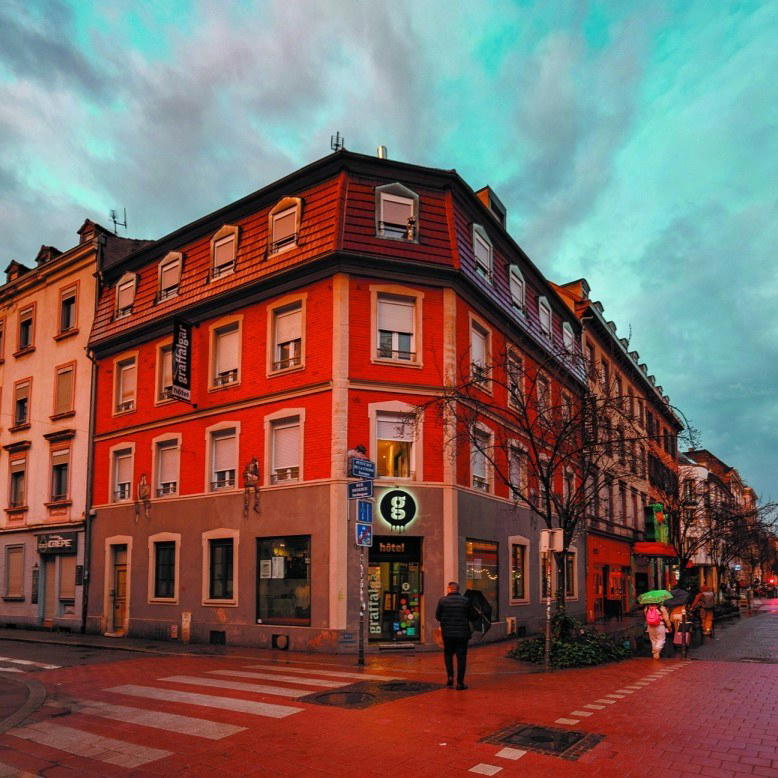
Morillon occupies a quiet address on Rue Poincaré in Saverne, a small Alsatian town where the culinary tradition runs deeper than its modest scale suggests. The restaurant sits within a regional dining scene shaped by proximity to local farms, the Rhine plain, and the Vosges foothills, ingredients with provenance that rarely travel far before reaching the plate. For visitors exploring Alsace beyond Strasbourg, it represents a grounded, place-specific option.
Pearl is the En Primeur Club membership app — saves, bookings, and concierge access live there. Same editors, same standards.
- Address
- 1 Rue Poincaré, 67700 Saverne, France
- Phone
- +33388916394
- Website
- restaurantmorillon.fr
- Directions
- Get directions
 Saves & bookings on Pearl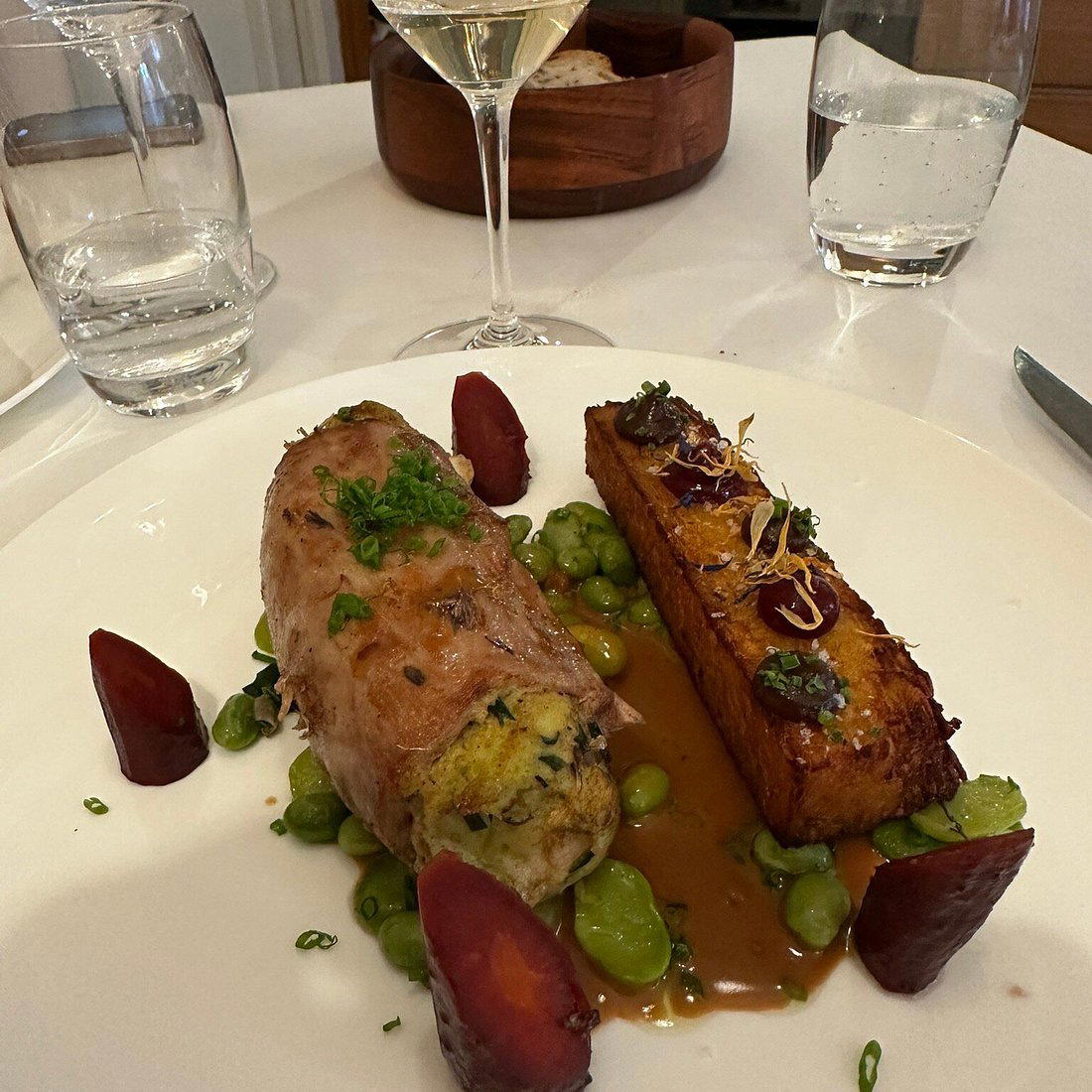
Where Alsatian Produce Sets the Terms
Morillon is a restaurant in Saverne, France, serving Modern French Fine Dining. Saverne is not a city that announces itself. Positioned at the foot of the Vosges pass, roughly 40 kilometres northwest of Strasbourg, it sits at a junction between Germanic and French culinary traditions that has shaped this corner of Alsace for centuries. The town's restaurants don't compete on metropolitan scale, they compete on specificity: the quality of the choucroute, the tightness of the supply chain between farm and kitchen, and the degree to which the cooking reflects the land immediately surrounding it. Morillon, at 1 Rue Poincaré, belongs to this tradition.
The address places it at the centre of a small-town dining culture where the sourcing of ingredients is not a marketing position but a structural fact. The Rhine plain running east of Saverne produces some of Alsace's most reliable agricultural output: white asparagus in spring, cabbages that become the region's defining ferment, and river fish that rarely appear on menus far from their source. A restaurant operating in this geography, if it is paying attention, draws on that supply naturally rather than by design.
The Alsatian Sourcing Tradition and Why It Travels Poorly
There is a version of Alsatian cuisine that exports well, the tarte flambée, the baeckeoffe, the riesling-braised preparations, and a version that does not. The latter depends on produce that loses meaning in transit: the freshwater fish from the Sauer and Ill rivers, the game from the Vosges forests in autumn, the young Munster cheeses that arrive at the table days rather than weeks from the affinage. Restaurants in smaller Alsatian towns hold a structural advantage here that their Strasbourg counterparts, with larger volumes and more complex supply logistics, cannot always replicate.
This is the tradition Morillon operates within. Saverne's position as a market town, historically a stop on the route between Paris and Strasbourg, means it has long functioned as a collection point for regional produce. The culinary identity that developed here is unpretentious by French provincial standards, built around ingredients with clear seasonal rhythms rather than around technique as performance. For context on how ambitious Alsatian fine dining can reach, Auberge de l'Ill in Illhaeusern represents the region's highest-profile benchmark, with three Michelin stars and decades of recognition. Morillon operates at a different register, closer to the everyday rhythm of the region's eating culture.
Saverne's Place in the Regional Dining Picture
Alsace punches above its size in French gastronomy. Beyond the Auberge de l'Ill, the region has produced decades of serious cooking recognised at national level, and the influence of German technique, precision in charcuterie, discipline in fermentation, remains legible even in contemporary kitchens. France's broader constellation of destination restaurants, from Mirazur in Menton to Flocons de Sel in Megève, tends to occupy remote or scenic settings where the surrounding landscape functions as part of the proposition. Saverne fits that pattern geographically, even if its profile is quieter.
Within the town itself, Morillon shares the local dining conversation with a small number of established addresses. S'Zawermer Stuebel holds a reputation for traditional Alsatian cooking, and Taverne Katz operates from one of the town's historically significant buildings. Together they form a compact but coherent local dining circuit for visitors spending more than a day in the area. For a fuller mapping of options, our full Saverne restaurants guide covers the broader picture.
French Regional Dining at This Scale
The category of small-town French restaurant that Morillon represents is worth understanding on its own terms, separate from the metrics applied to destination fine dining. France's regional cooking culture has always produced serious kitchens at modest scale, places that would not appear in the same sentence as Alléno Paris au Pavillon Ledoyen or Troisgros in Ouches, but that preserve culinary specificity that larger or more celebrated kitchens often shed in the process of scaling up.
In Alsace specifically, this means kitchens where the wine list is Alsatian by default rather than by curation, where the menu changes with the market rather than the season, and where the cooking reflects a set of local references, the winstub tradition, the Germanic influence on bread and charcuterie, the Catholic calendar that once shaped the rhythm of eating, that don't translate neatly to international fine dining frameworks. Comparable in spirit, if not in scale or recognition, to the sourcing-led philosophy visible at Bras in Laguiole, where the surrounding terrain determines the plate, restaurants like Morillon make a geographic argument through the food rather than through the dining room design or the tasting menu format.
For French regional dining at a higher profile tier, Au Crocodile in Strasbourg sits 40 kilometres east and occupies a different competitive register entirely, as does Assiette Champenoise in Reims for the broader north-east France picture. Those names anchor the upper end of French regional ambition; Morillon's value proposition, if the kitchen is working well, sits in a different lane, accessible, grounded, and shaped by what grows nearby.
Planning a Visit
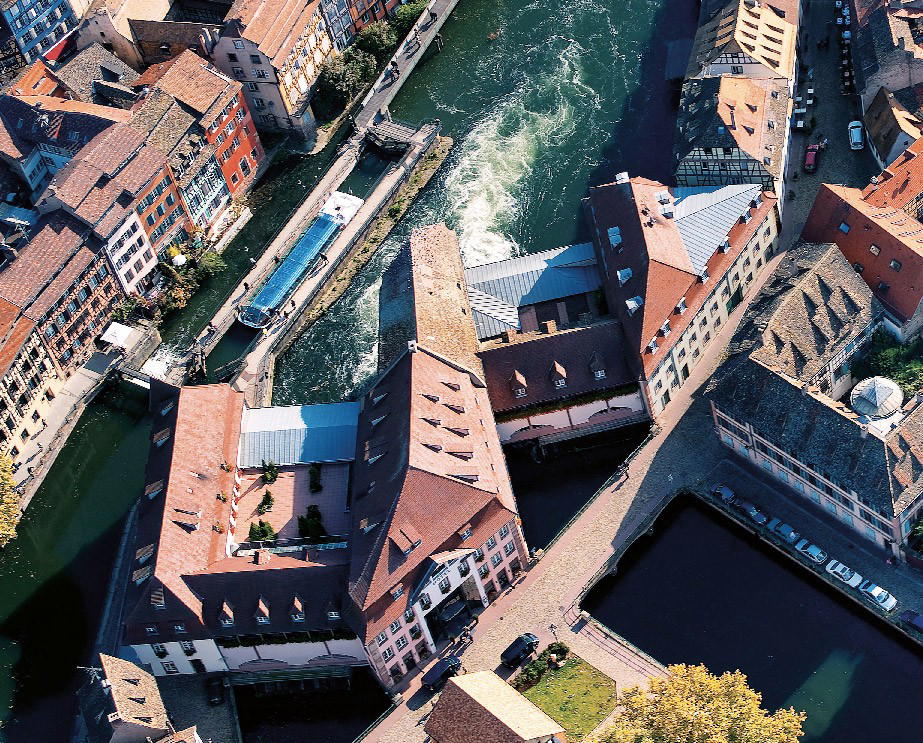
Saverne is reachable from Strasbourg in under 45 minutes by direct TER train, making it a practical half-day or day trip from the city. The town is compact enough to walk from the station to Rue Poincaré in a few minutes, and the medieval château and canal add context for visitors structuring a longer stay.
Those building a broader Alsace itinerary around serious eating have a range of anchoring options across the region and into neighbouring France: Paul Bocuse in Collonges-au-Mont-d'Or, Georges Blanc in Vonnas, and further afield, Christopher Coutanceau in La Rochelle and Auberge du Vieux Puits in Fontjoncouse, each demonstrate how France's regional kitchens can build sustained reputations outside Paris or Lyon. For international reference points, AM par Alexandre Mazzia in Marseille, Le Bernardin in New York City, and Atomix in New York City represent what sustained critical recognition looks like when sourcing rigour and kitchen craft align at scale.
- morel preparations
- watercress ravioli with chard and almonds
- deer ravioli
- sandre fish
- crispy crab
- sole
- foie de canard
Comparable Venues
Comparable venues nearby, for context on price, style, and recognition.
| Venue | Cuisine | Price | Notes |
|---|---|---|---|
| MorillonThis venue — the venue you are viewing | Modern French Fine Dining | $$$ | Not listed |
| Taverne Katz | Traditional Alsatian Winstub | $$ | historical centre |
| S'Zawermer Stuebel | Traditional Alsatian | $$ | Saverne |
| Comptoir De Vie | Modern French Tasting Counter-Bar | $$$ | 2nd Arrondissement |
| La Stub des Gourmets | Alsatian French Bistro | $$$ | centre d'Obernai |
| Le Petit Canard | Traditional French Duck Bistro | $$$ | 9th arrondissement |
Recognition history
Dated appearances from independent guides and award organizations, with the underlying list record or original source where available.
Michelin Plate
Michelin


At a Glance
- Intimate
- Elegant
- Cozy
- Sophisticated
- Date Night
- Special Occasion
- Business Dinner
- Standalone
- Sommelier Led
Current opening hours
- Monday
- 12–1:30 PM, 7–8:30 PM
- Tuesday
- 12–1:30 PM, 7–8:30 PM
- Wednesday
- 12–1:30 PM
- Thursday
- 12–1:30 PM, 7–8:30 PM
- Friday
- 12–1:30 PM, 7–8:30 PM
- Saturday
- Closed
- Sunday
- Closed
Hours can change for holidays and private events. Last verified .
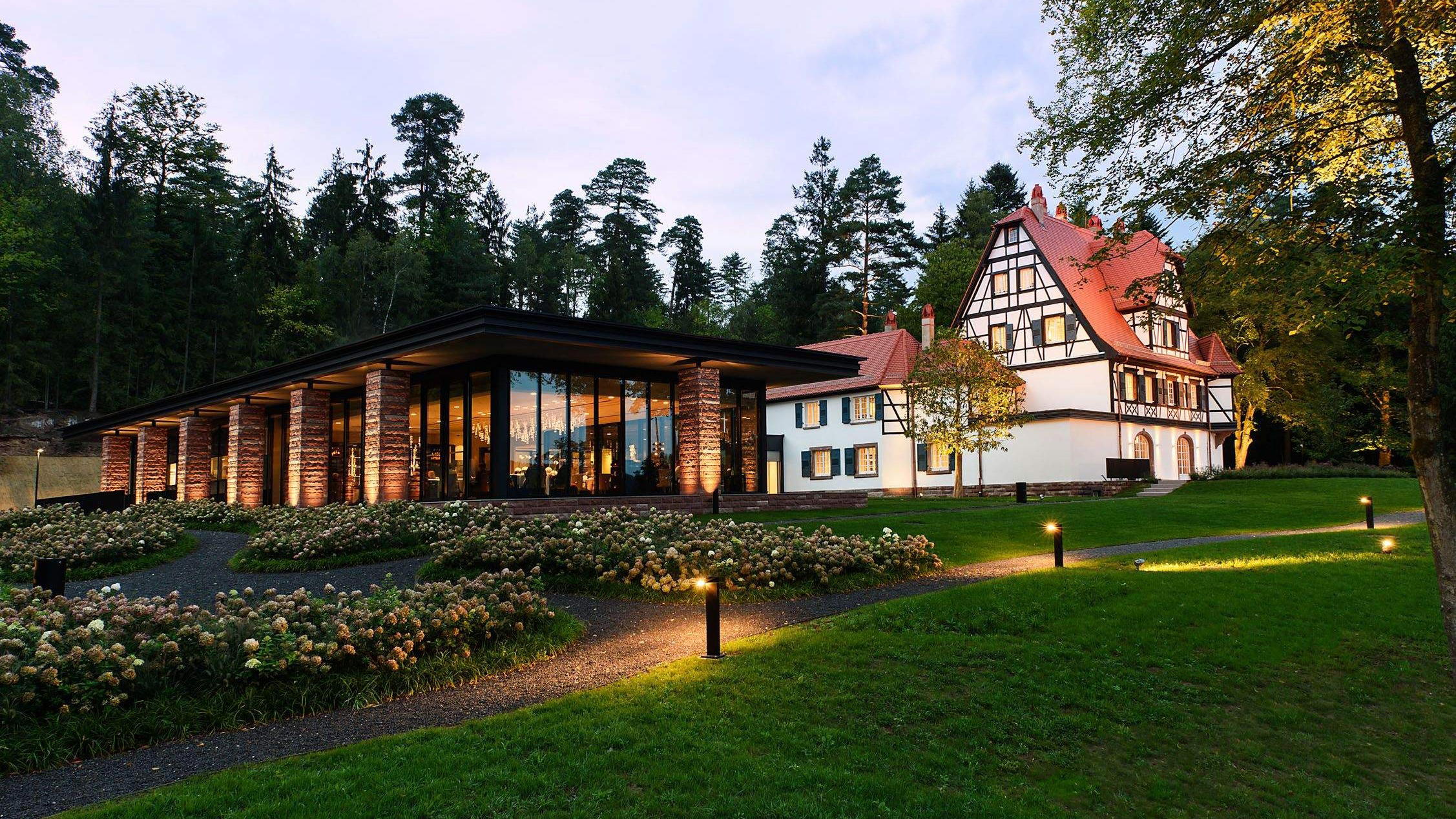
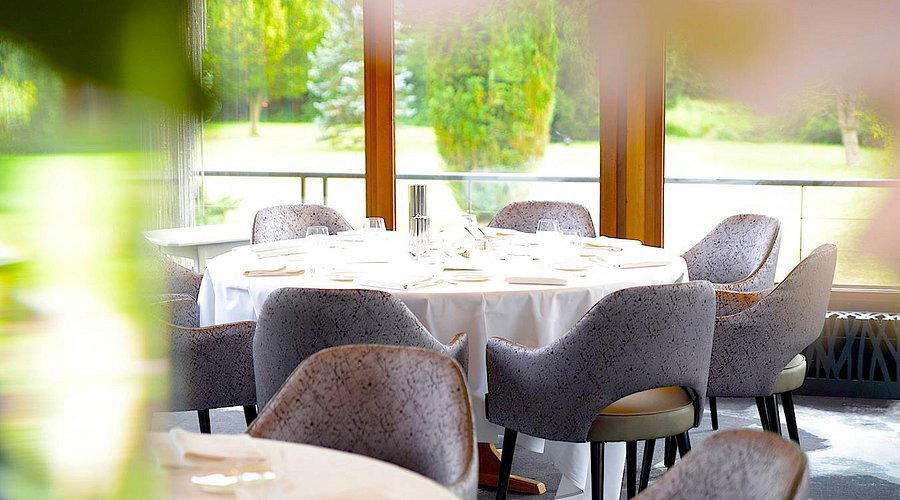
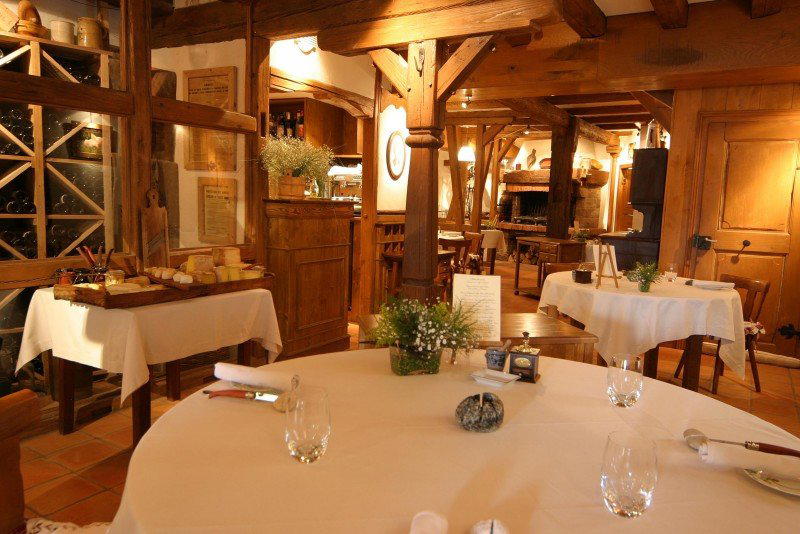
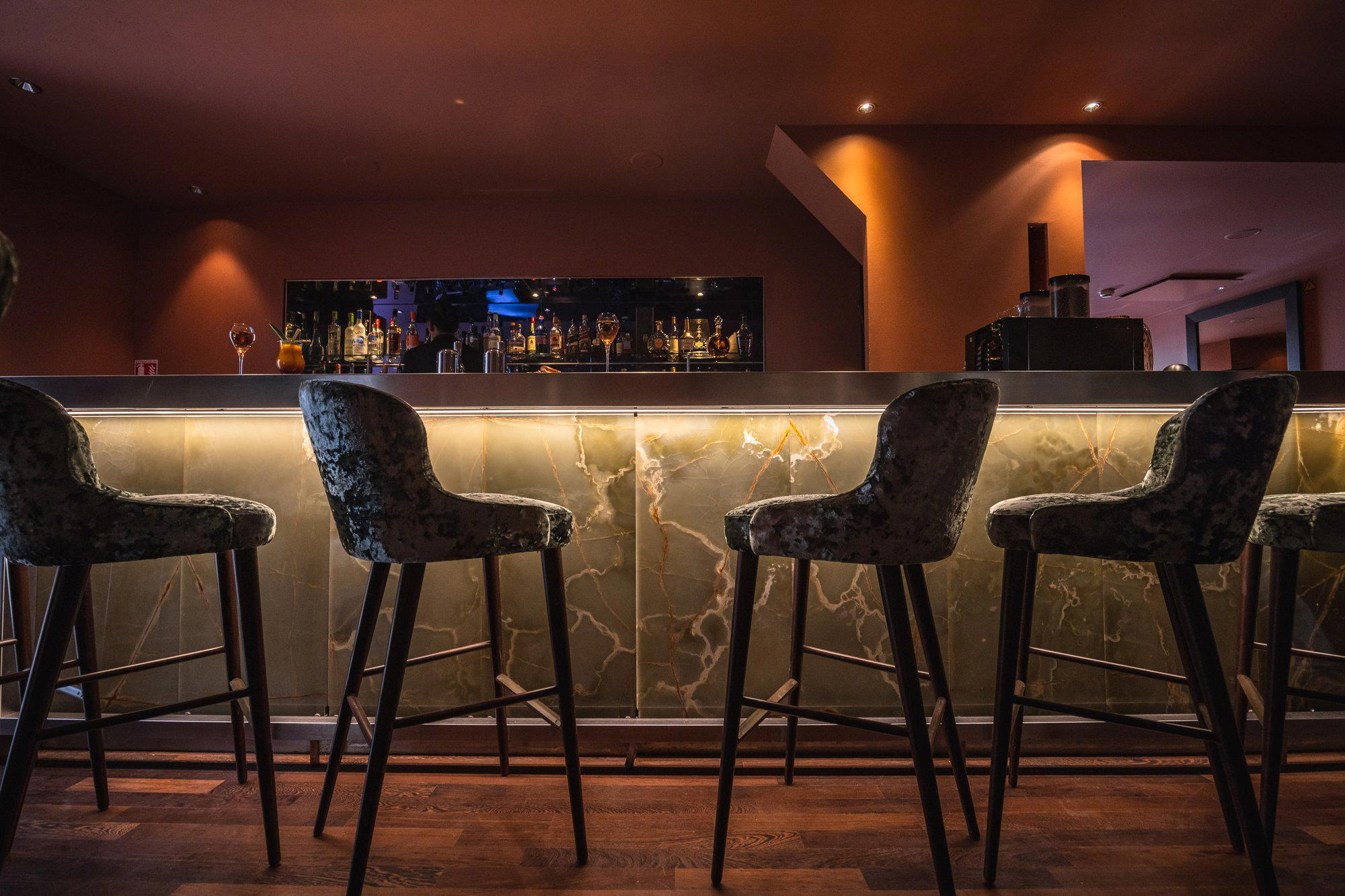
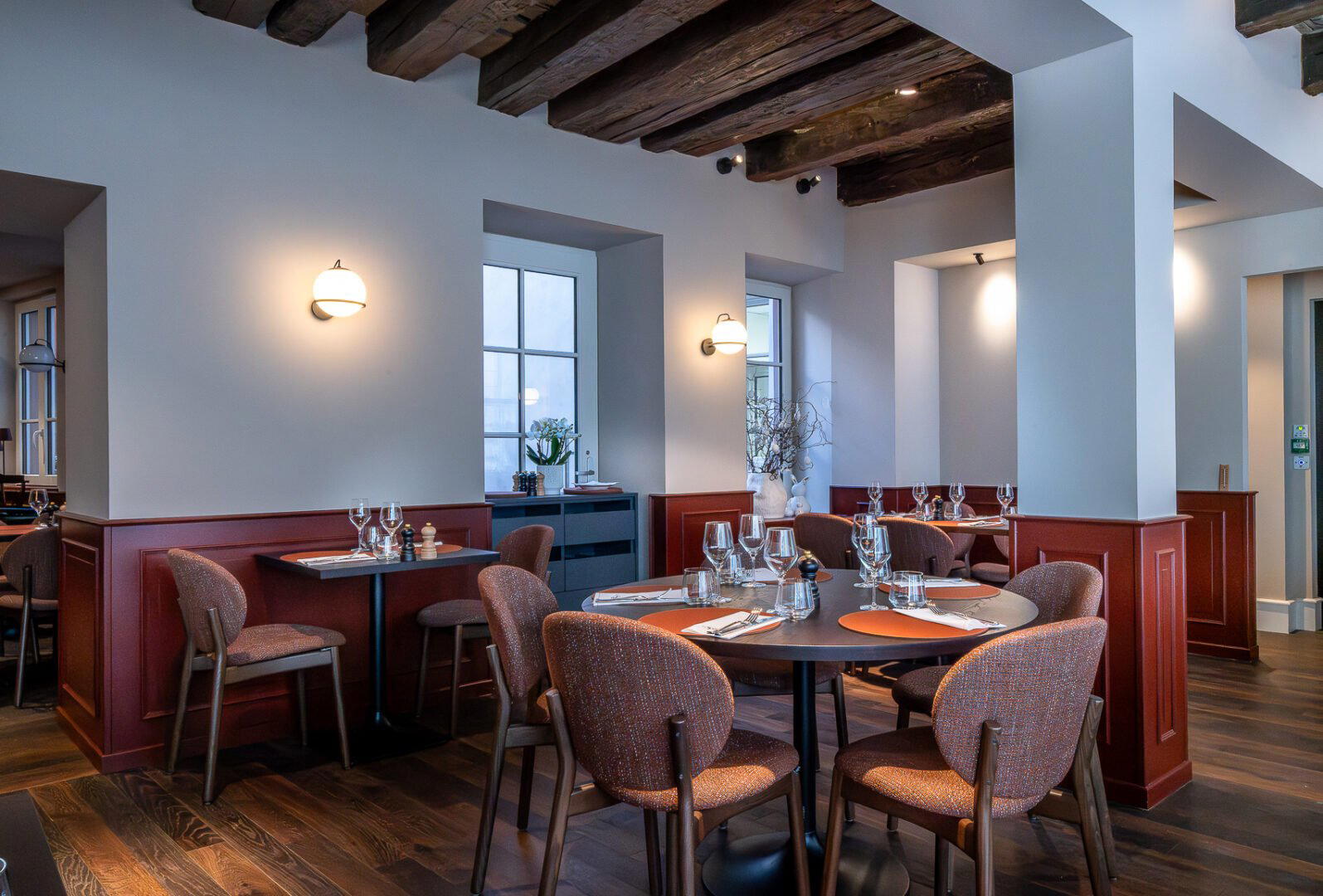
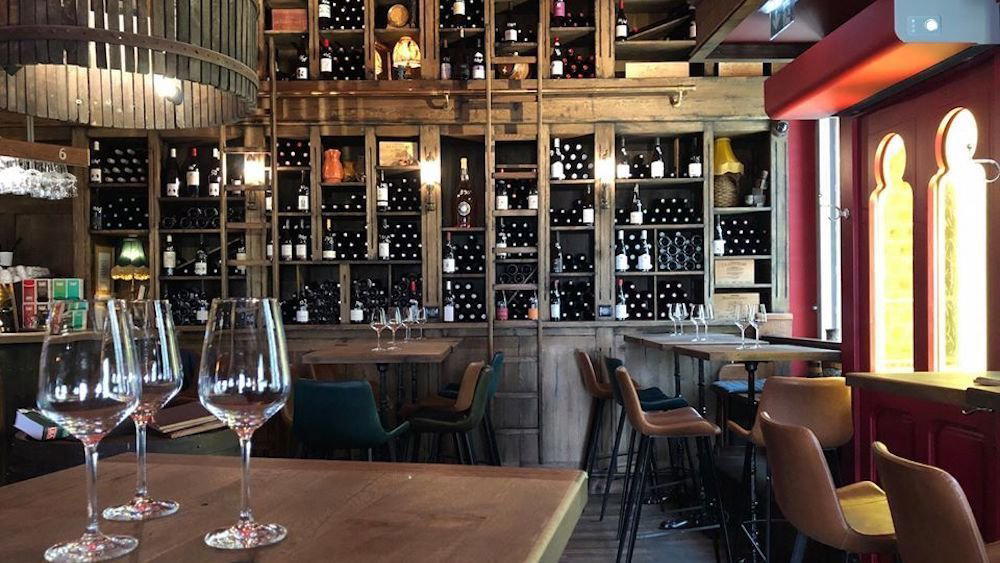
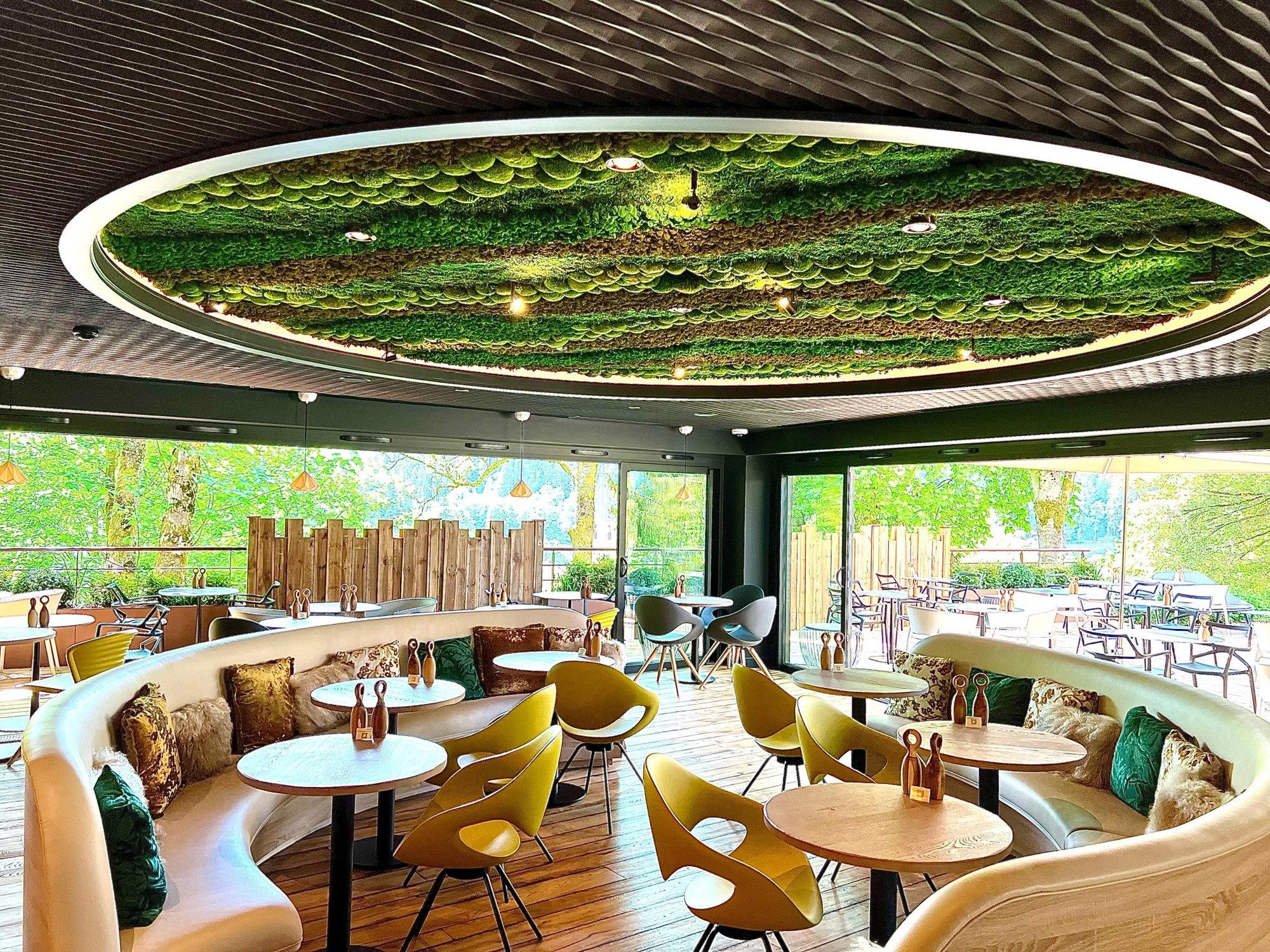
Intimate and cozy with classical lighting; refined and sophisticated atmosphere reflecting the team's sensibility and sincere vision.