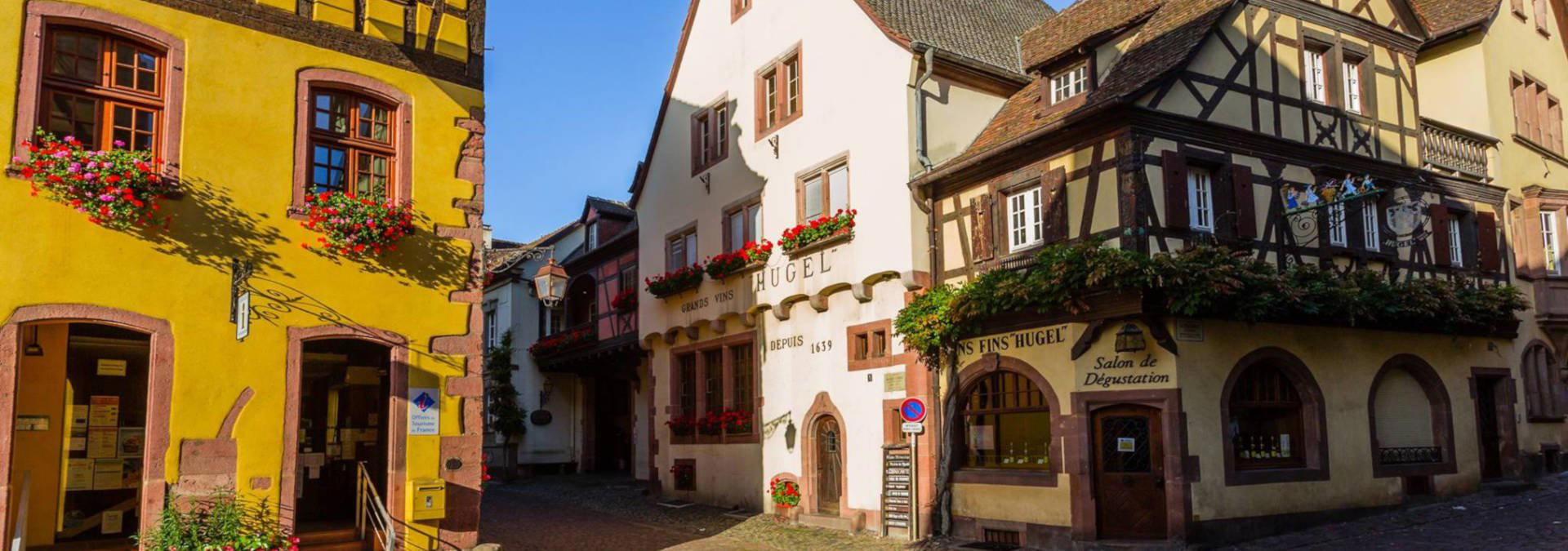
La Stub des Gourmets sits on Rue Sainte-Odile in Obernai, a town where Alsatian culinary tradition runs deep through half-timbered streets and vine-heavy surroundings. The address places it within walking distance of the old town's market square, making it a natural stop in a dining circuit that spans everything from Michelin-starred rooms to neighbourhood winstubs. For visitors working through Obernai's restaurant scene, this is one of the addresses worth understanding in context.
Pearl is the En Primeur Club membership app — saves, bookings, and concierge access live there. Same editors, same standards.
- Address
- 24 Rue Sainte-Odile, 67210 Obernai, France
- Phone
- +33388482578
- Website
- lastubdesgourmets.fr
- Directions
- Get directions
 Saves & bookings on Pearl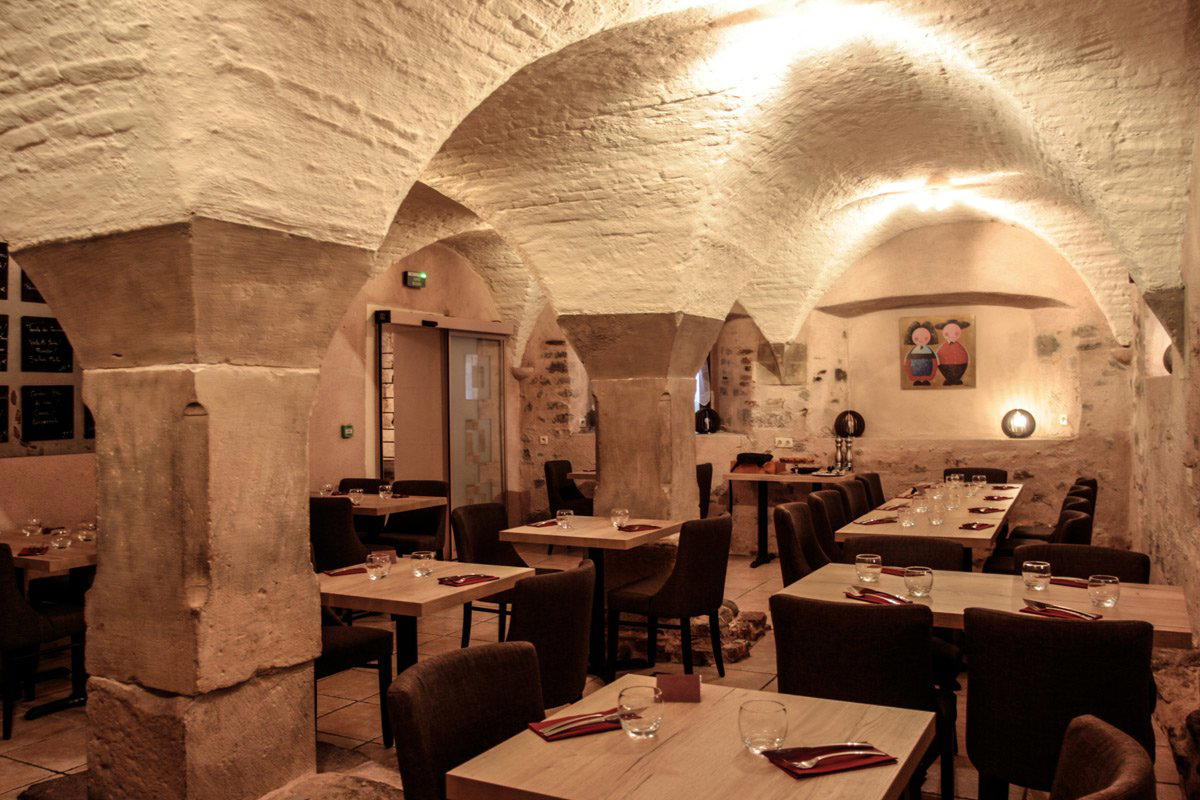
Obernai and the Stub Tradition: Reading the Room
Alsace operates one of France's most legible regional dining codes. At the formal end, starred houses like La Fourchette des Ducs and Thierry Schwartz - Le Restaurant apply contemporary technique to local produce. At the convivial middle tier, the winstub and stub format holds its own logic: hearty portions, wines poured by the pitcher or glass from nearby producers, and a room that treats dinner as a social event rather than a performance. La Stub des Gourmets, at 24 Rue Sainte-Odile, is an Alsatian French bistro in Obernai with.
The stub format across Alsace is worth understanding before you arrive. Derived from the German Stube (a warm, wood-panelled room), these spaces were historically the domestic eating rooms of wine-producing households, later evolving into semi-public taverns. The social contract is informal: you are expected to share a table if the room is full, wine is local almost by definition, and the menu moves with the seasons and the charcutier's output. In a town like Obernai, where the vineyards of the Alsace Grand Cru begin almost at the edge of the medieval walls, that seasonal and regional logic is not a marketing posture, it is structural.
Where the Ingredients Come From, and Why That Matters Here
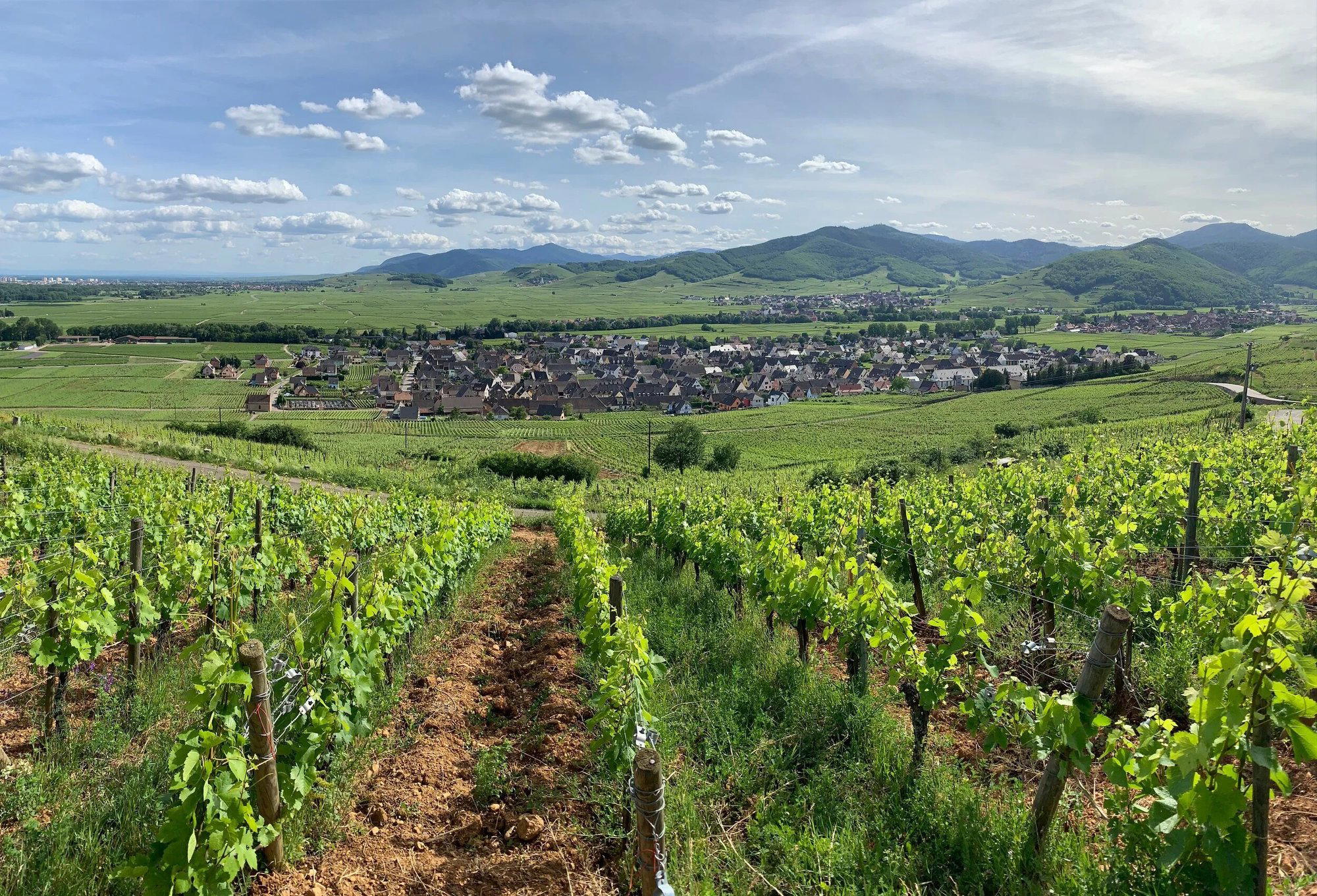
The Bas-Rhin department, in which Obernai sits, is one of France's most agriculturally coherent zones. The Vosges mountains to the west create a rain shadow that gives the Alsatian plain some of the driest growing conditions in France, which in turn concentrates flavour in everything from the Riesling grapes on the slopes above the town to the root vegetables and herbs that supply the region's choucroute and baeckeoffe traditions. For a stub-format kitchen, this geographic specificity is an asset: sourcing locally is the default, not the exception, because the supply chain is short and the producers are known quantities.
Alsatian kitchen's reliance on pork, sauerkraut fermented with local wine, freshwater fish from the Rhine tributaries, and game from the Vosges forests means that a well-run stub operates with a seasonal rhythm that mirrors what the surrounding landscape produces. Compare this to the more cosmopolitan sourcing models of, say, Mirazur in Menton or AM par Alexandre Mazzia in Marseille, where the chef's reach extends across Mediterranean suppliers, and you see how Alsatian regionalism produces a genuinely different kind of plate: narrower in geographic scope, deeper in seasonal specificity.
That sourcing depth is also visible in how the Alsace restaurant scene as a whole positions itself. The Auberge de l'Ill in Illhaeusern, one of France's longest-standing three-starred houses, built its reputation on exactly this regional specificity, the Ill river, the local foie gras producers, the Rhine pike. A stub operates at a different price point and formality level, but draws from the same geographic logic. In Obernai, that means the food on the table at a place like La Stub des Gourmets is connected to the same supply networks that feed the more ambitious kitchens in the region.
Obernai's Dining Tier: Where This Address Fits
Obernai's restaurant scene has a wider range than its modest population might suggest. At the leading end, Le Parc and La Fourchette des Ducs both work in modern cuisine territory with formal service and longer tasting formats. The middle tier includes addresses like Winstub Le Freiberg, which operates in the same traditional Alsatian register as a stub. Signature - Yona represents a newer entry. La Stub des Gourmets, given its name and format signals, sits in the traditional regional tier: a room that values the cuisine's internal logic over novelty.
That positioning matters for how you plan a visit to Obernai. If you are spending more than one evening in the town, the sensible approach is to spread across the tiers: a longer meal at one of the starred or near-starred addresses, and a more casual evening at a stub-format room where the local wine list and the charcuterie do most of the conversational work. Obernai's compact old town makes this kind of multi-venue itinerary practical on foot.
For reference across the broader French dining map, the Alsace region's commitment to regional identity places it in interesting company with houses like Bras in Laguiole and Flocons de Sel in Megève, addresses that have built their identity around a specific place rather than a portable culinary style. The Alsatian difference is that regionalism here operates at every price tier, not just at the starred level. You can encounter the same sourcing logic in a stub as in a grand maison.
Planning a Visit: What to Know Before You Go
Obernai sits approximately 30 kilometres south of Strasbourg, accessible by regional train on the Strasbourg-Obernai line or by car along the Route des Vins d'Alsace. Rue Sainte-Odile is within the old town perimeter, close to the Place du Marché, which means parking is easier on the town's edge and the approach on foot is the more sensible option. The town's dining scene compresses into a relatively small geographic area, so arrival times matter: the old town fills with day visitors during summer afternoons, and the early evening transition from tourist foot traffic to local dinner service is noticeable.
For context on what the Alsace region's better-known dining addresses are doing at the starred level, Au Crocodile in Strasbourg is the obvious reference point for the regional capital's grand tradition. Those planning a broader French fine dining circuit might also consider Assiette Champenoise in Reims, Troisgros in Ouches, or the formal end of the Paris scene at Alléno Paris au Pavillon Ledoyen and Paul Bocuse - L'Auberge du Pont de Collonges.
In Context: Similar Options
Comparable venues nearby, for context on price, style, and recognition.
| Venue | Cuisine | Price | Awards | Notes |
|---|---|---|---|---|
| La Stub des GourmetsThis venue — the venue you are viewing | Alsatian French Bistro | $$$ | Not listed | Not listed |
| Signature - Yona | Modern French Traditional | $$$ | Michelin Plate | Obernai |
| Winstub Le Freiberg | Traditional Alsatian Winstub | $$ | Not listed | town center |
| À l'Agneau d'Or | Traditional Alsatian Winstub | $$ | Michelin Plate | centre ville |
| Le Parc | Alsatian French Gastronomic | $$$ | Michelin Plate | Route d'Ottrott |
| Thierry Schwartz - Le Restaurant | Modern Natural Alsatian Cuisine | $$$$ | Michelin 1 Star | Obernai |
Continue exploring
More in Obernai
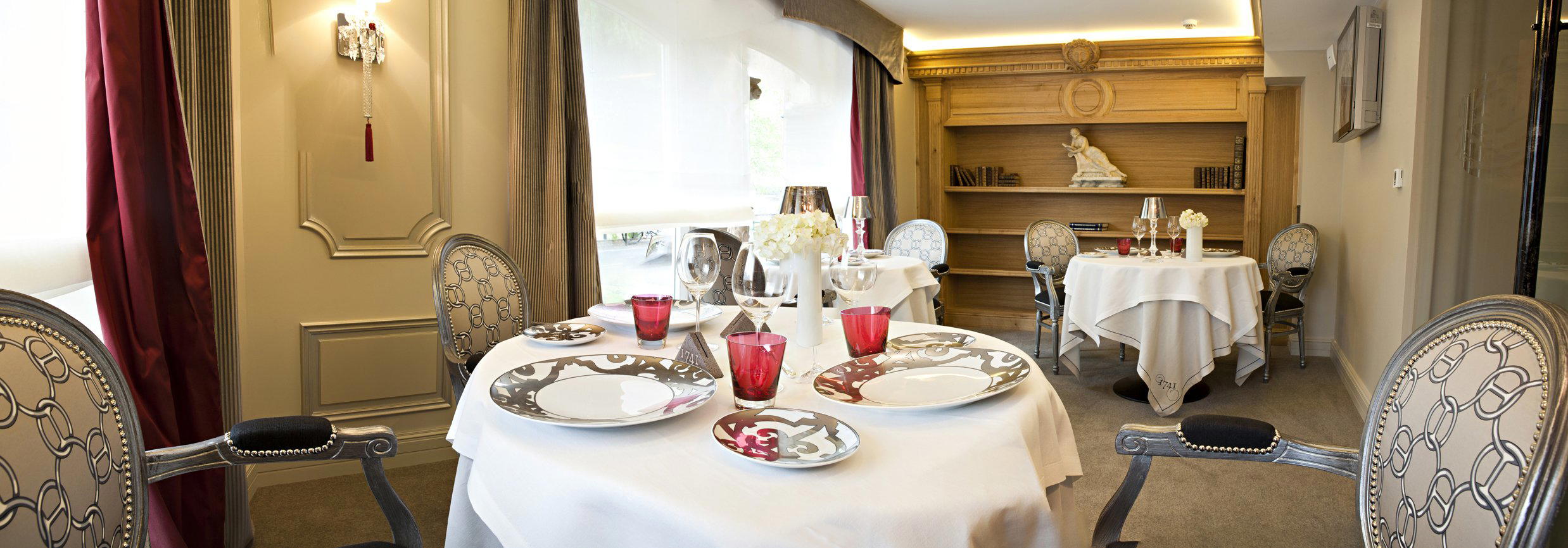
Restaurants in Obernai
Browse all →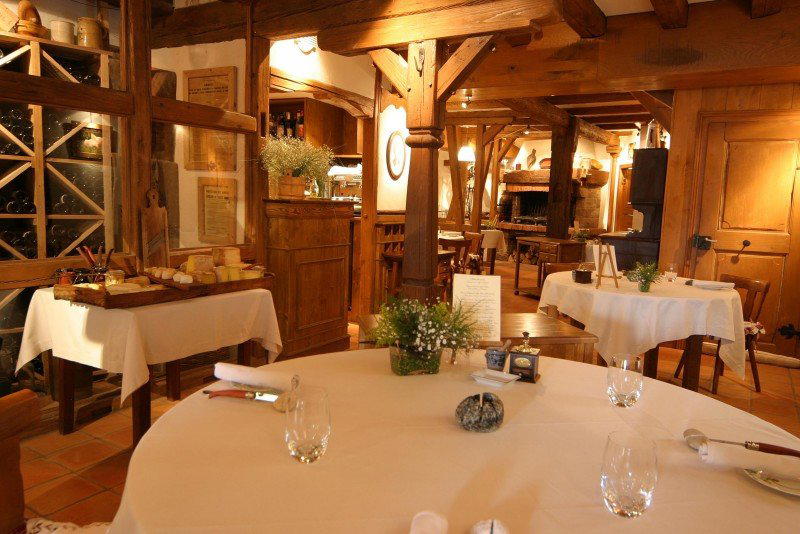

Bars in Obernai
Browse all →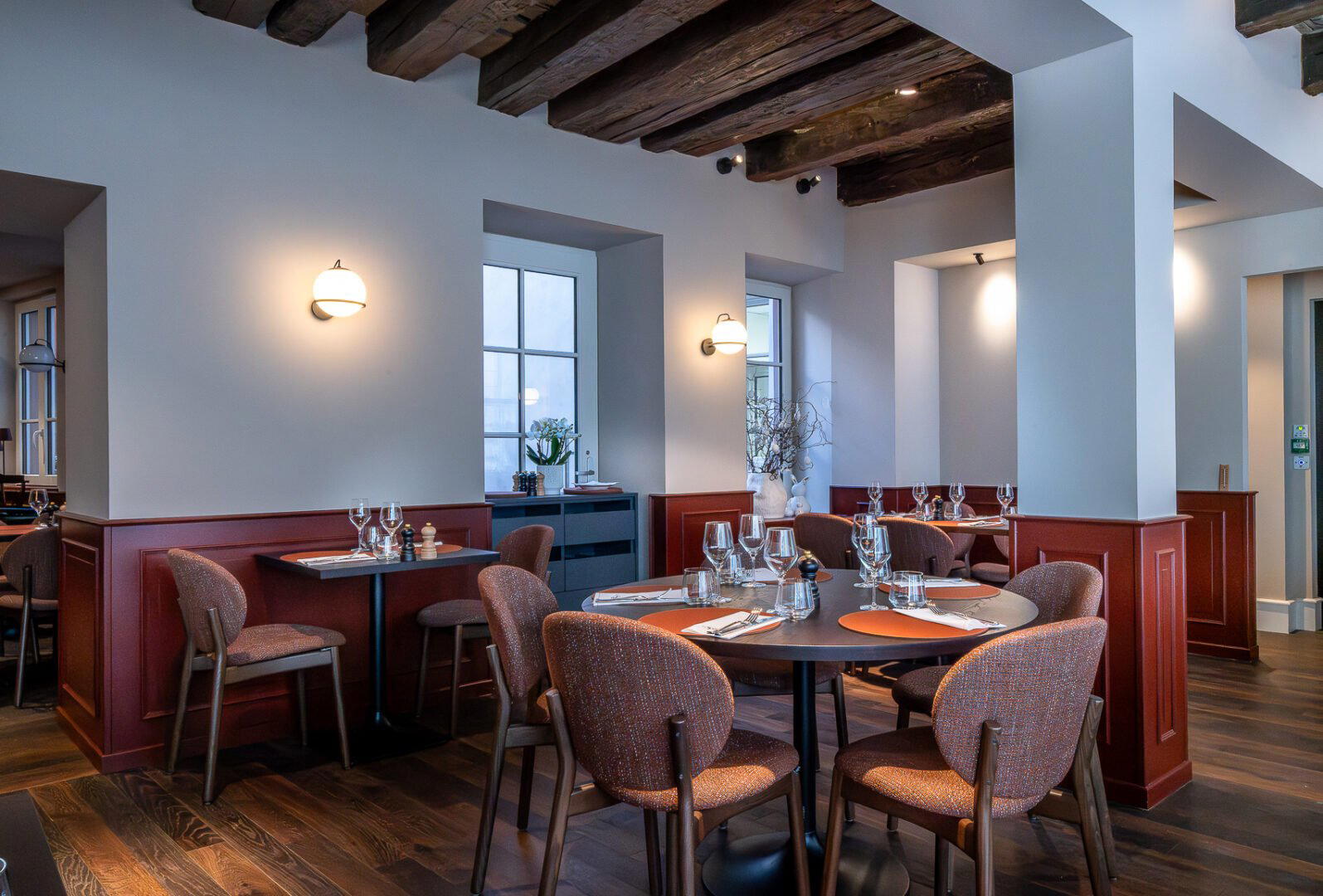
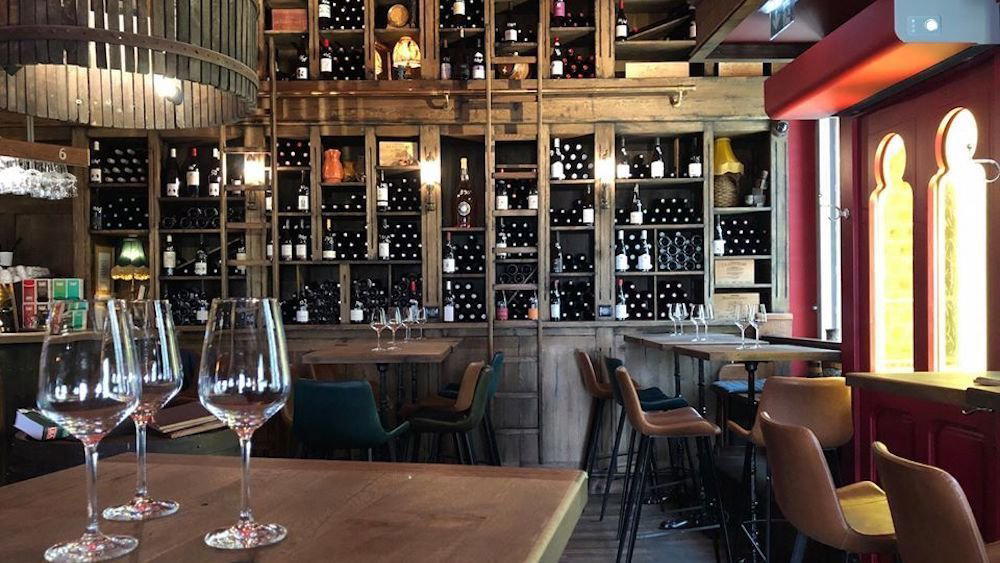


Hotels in Obernai
Browse all →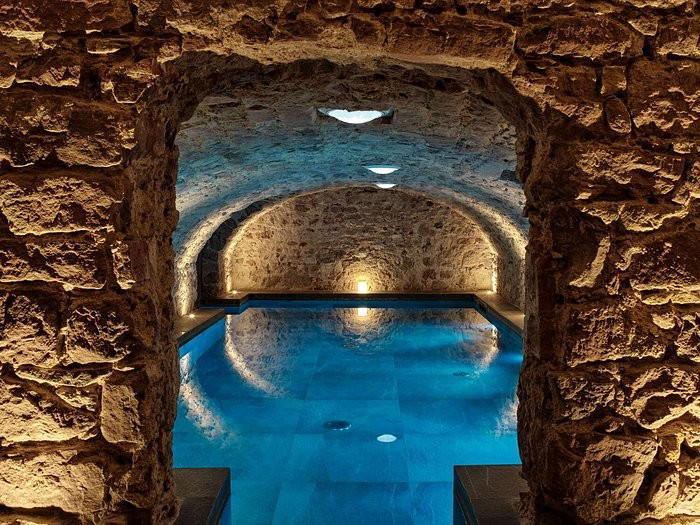
At a Glance
- Cozy
- Classic
- Intimate
- Rustic
- Date Night
- Casual Hangout
- Special Occasion
- Historic Building
- Extensive Wine List
- Local Sourcing
Current opening hours
- Monday
- Closed
- Tuesday
- 12–1:30 PM, 6:30–9:30 PM
- Wednesday
- 12–1:30 PM, 6:30–10 PM
- Thursday
- 12–1:30 PM
- Friday
- 12–1:30 PM, 6:30–9:30 PM
- Saturday
- 12–1:30 PM, 6:30–9:30 PM
- Sunday
- Closed
Hours can change for holidays and private events. Last verified .
Convivial and warm atmosphere in a magnificent vaulted stone room with exposed stones in a historic house.