Morgenstedet
Morgenstedet sits in Copenhagen's Christiania district, occupying a position in the city's plant-forward dining scene that predates the New Nordic moment by decades. Where peers built reputations on tasting menus and Michelin recognition, this long-running vegetarian kitchen operates on a different register: daily-changing menus, communal pricing, and ingredients sourced from the organic network that surrounds Freetown Christiania.
Pearl is the En Primeur Club membership app — saves, bookings, and concierge access live there. Same editors, same standards.
- Address
- Fabriksområdet 134, 1440 København, Denmark
- Website
- morgenstedet.dk
- Directions
- Get directions
 Saves & bookings on Pearl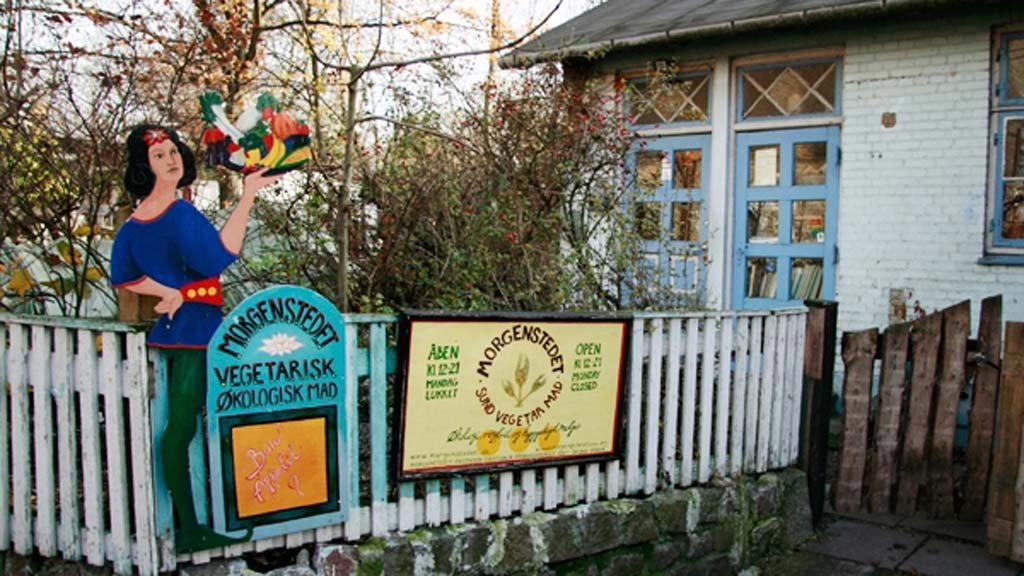
A Different Kind of Copenhagen Kitchen
Copenhagen's fine-dining conversation tends to orbit a familiar set of names: the tasting-menu powerhouses at Geranium and Alchemist, the creative-Nordic frameworks of Noma and Koan, the ingredient-led precision of Kadeau. Morgenstedet operates in a separate register entirely. Inside the walled enclave of Freetown Christiania, it has been serving daily-changing vegetarian food since the 1970s, long before plant-based cooking became a point of prestige in Nordic kitchens. The menu rotates with what arrives from organic suppliers each morning, written on a blackboard and gone when the day's produce is exhausted. There are no reservations, no printed menus, and no tasting format. What you find here is closer to the original spirit of seasonal cooking than most restaurants that invoke the term.
Christiania as Context
Freetown Christiania is a self-governing neighbourhood of roughly 850 residents on the eastern edge of Christianshavn, operating since 1971 under an arrangement with the Danish state that gives it partial autonomy over its internal rules. The food culture inside its boundaries has always been governed by a different logic than the city around it: cooperative ownership, low pricing, and ecological sourcing were built into the community's founding principles rather than adopted later as marketing positioning. Morgenstedet grew out of that infrastructure. Its relationship to the organic farming networks that supply it is not a supply-chain upgrade, it is the original condition of the kitchen.
This matters for understanding what kind of place Morgenstedet is. The dishes change daily because the sourcing is genuinely seasonal, not because a chef has designed a seasonal rotation. The pricing stays accessible because the structure of the operation is built around community access, not margin. Visitors arriving from the world of Copenhagen's Michelin-recognised kitchens, places like Jordnær in Gentofte or Frederikshøj in Aarhus, will find the register shifted entirely. That shift is the point.
Local Ingredients, the Long Way
The intersection of local sourcing and considered technique is not a Morgenstedet invention, it runs through Danish food culture from Henne Kirkeby Kro in Henne to Dragsholm Slot Gourmet in Hørve. What distinguishes the Morgenstedet approach is the absence of formal culinary framing around it. There is no tasting menu architecture, no amuse-bouche sequence, no wine pairing at four figures. The kitchen applies craft to whatever organic vegetables, legumes, and grains arrive that morning, producing dishes that read as Danish in their restraint and directness, hearty grain bowls, fermented elements, root vegetables handled with care, but without the performative scaffolding that surrounds those same ingredients elsewhere in the city.
Across the broader Danish restaurant scene, this kind of cooking has become a reference point rather than a practice. Kitchens from Alimentum in Aalborg to ARO in Odense cite vegetable-forward cooking and organic sourcing as central values, often within tasting-menu formats that begin at €100 per head and above. Morgenstedet preceded most of them by decades and charges a fraction of the price. The technique is quieter, the presentation more functional, but the underlying discipline, letting organic produce from known suppliers determine the day's cooking, is the same.
How the Day Works
Arriving at Morgenstedet requires no booking and no planning beyond showing up during service hours. The kitchen operates on a walk-in basis, with seating inside the wooden structure and on the outdoor terrace when weather allows. The blackboard menu typically runs to two or three dishes, priced individually, with options that shift entirely from one day to the next. Payment is cash-only, consistent with Christiania's broader preference for operating outside standard commercial infrastructure. For visitors more accustomed to the booking mechanics of Copenhagen's tasting-menu circuit, where windows at places like LYST in Vejle or MOTA in Nykøbing Sjælland open weeks in advance, the absence of any reservation system is an adjustment worth noting before you travel.
Christiania itself is accessible by foot from Christianshavn Metro station, a ten-minute walk through the neighbourhood's main gate on Prinsessegade. The kitchen closes when the day's food is gone, which in peak summer months can happen before the posted closing time. Coming at lunch rather than late afternoon is the practical call.
Where Morgenstedet Sits in the City
Copenhagen's dining conversation has expanded geographically in recent years, with serious kitchens now distributed across the city's neighbourhoods rather than concentrated in a single fine-dining corridor. The frameworks being applied, from the kaiseki-informed precision at Koan to the European technique applied to Nordic ingredients at Frederiksminde in Præstø, share a preoccupation with sourcing that Morgenstedet helped establish as a local norm before it became a global dining trend.
In the language of contemporary food culture, Morgenstedet would be categorised as a neighbourhood canteen with vegetarian and organic credentials. In practice, it functions as one of the more coherent demonstrations in the city of what ingredient-first cooking looks like when it operates without the apparatus of fine dining around it. Restaurants like Domæne in Herning have built contemporary tasting formats around similar sourcing principles; Morgenstedet applies the same principles to a daily lunch counter. Neither approach invalidates the other, but they represent different conclusions about what the values of seasonal, organic cooking actually require.
Morgenstedet occupies a corner of that map that rarely features in fine-dining itineraries, which is itself a reason to include it. The comparison set, the technique-driven ambition of Le Bernardin in New York City or the fermentation-forward precision of Atomix, operates in an entirely different register, but the underlying question those kitchens and this one share is the same: what does a cook do when the ingredient itself is the starting point?
Planning Your Visit
Morgenstedet is a walk-in operation with no online booking system and no phone reservation line. Bring cash, arrive at or near opening time to secure the full menu selection, and expect the physical setting of Christiania, a mix of hand-built structures, murals, and garden spaces, to form part of the experience. The kitchen is closed on Mondays.
Compact Comparison
Comparable venues nearby, for context on price, style, and recognition.
| Venue | Cuisine | Price | Notes |
|---|---|---|---|
| MorgenstedetThis venue — the venue you are viewing | Indre By, Organic Vegetarian | $ | Not listed |
| Madglad | Not listed | $ | Vesterbro-Kongens Enghave, Healthy Danish Cafeteria |
| Sporvejen | Not listed | $ | Indre By, Classic American Burgers in a Tram |
| Baka d’Busk | Not listed | $$$ | Nørrebro, Seasonal Vegetarian Fine Dining |
| Restaurant Nyhavn 41 | Not listed | $$ | Indre By, Danish Smørrebrød & Seasonal Nordic |
| Killer Kebab | Indre By, Middle Eastern Kebabs | $$ | Not listed |
Continue exploring
More in Copenhagen
Restaurants in Copenhagen
Browse all →
Bars in Copenhagen
Browse all →
At a Glance
- Bohemian
- Rustic
- Cozy
- Casual Hangout
- Solo
- Group Dining
- Garden
- Open Kitchen
- Standalone
- Byob
- Organic
- Local Sourcing
- Farm To Table
- Garden
Current opening hours
- Monday
- Closed
- Tuesday
- 12–9 PM
- Wednesday
- 12–9 PM
- Thursday
- 12–9 PM
- Friday
- 12–9 PM
- Saturday
- 12–9 PM
- Sunday
- 12–9 PM
Hours can change for holidays and private events. Last verified .
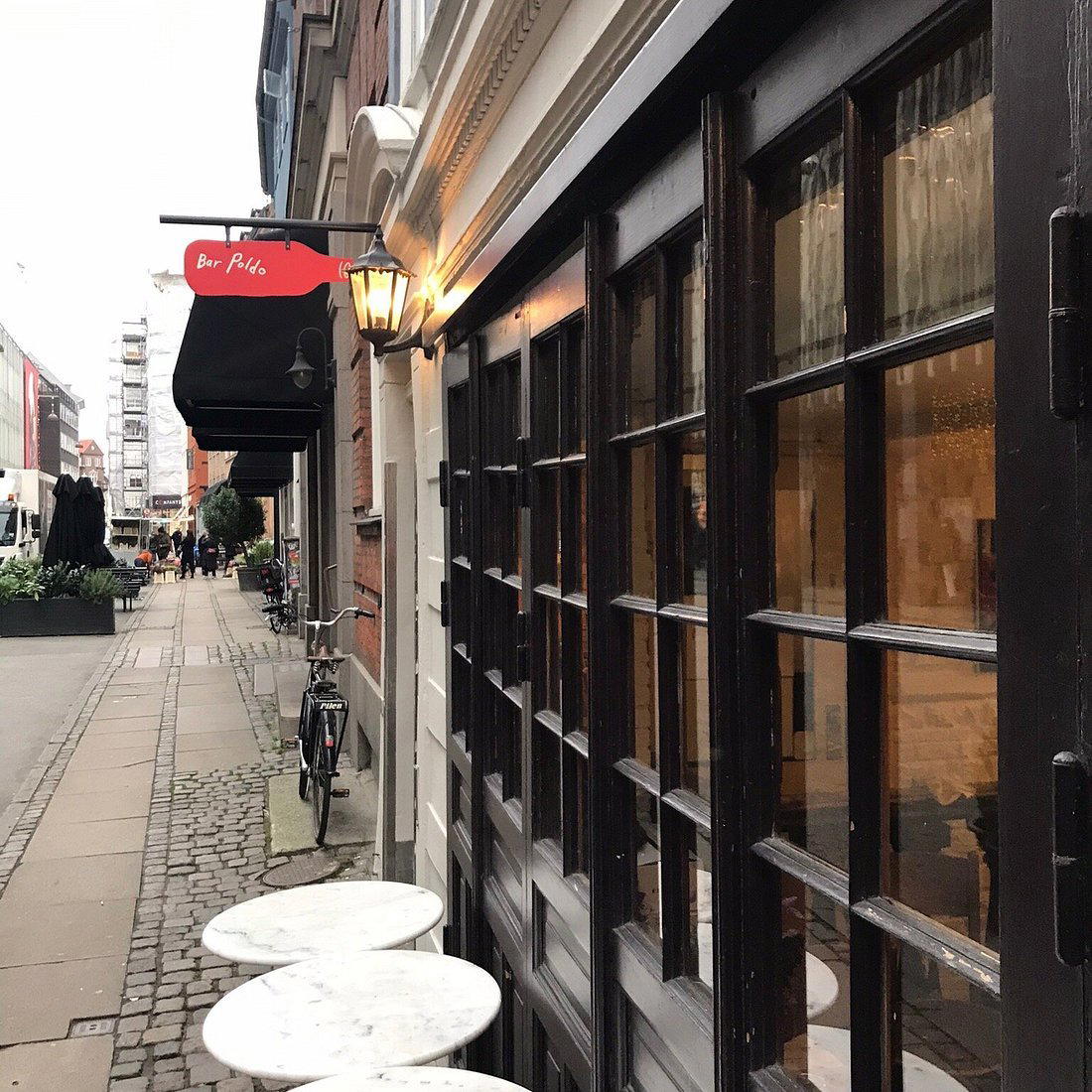
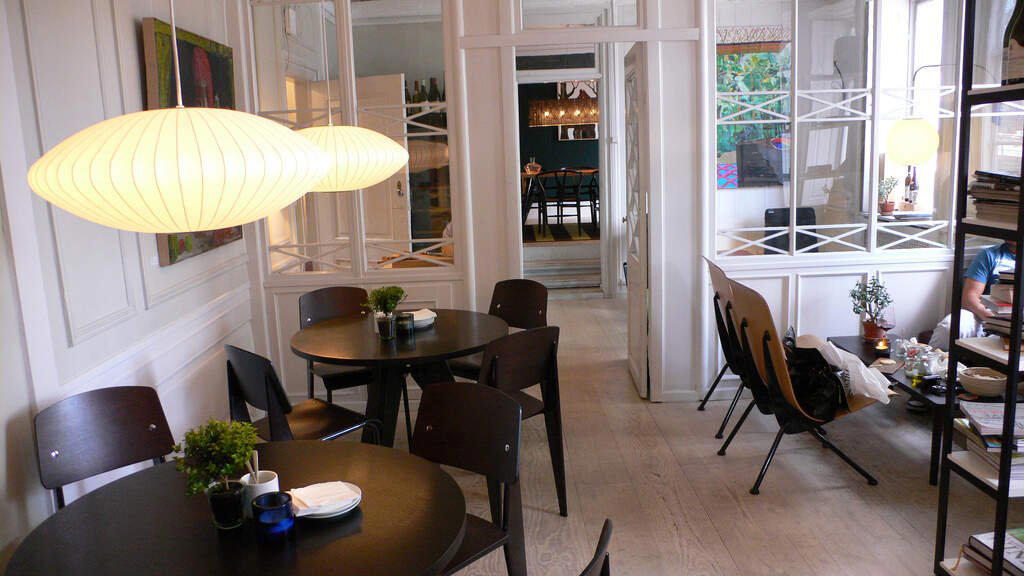
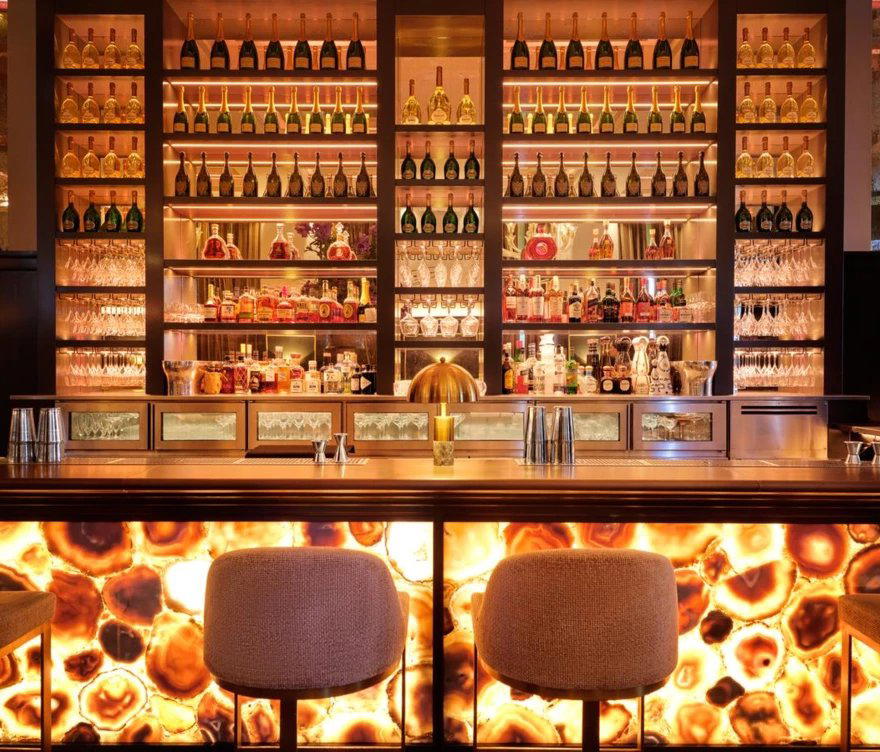
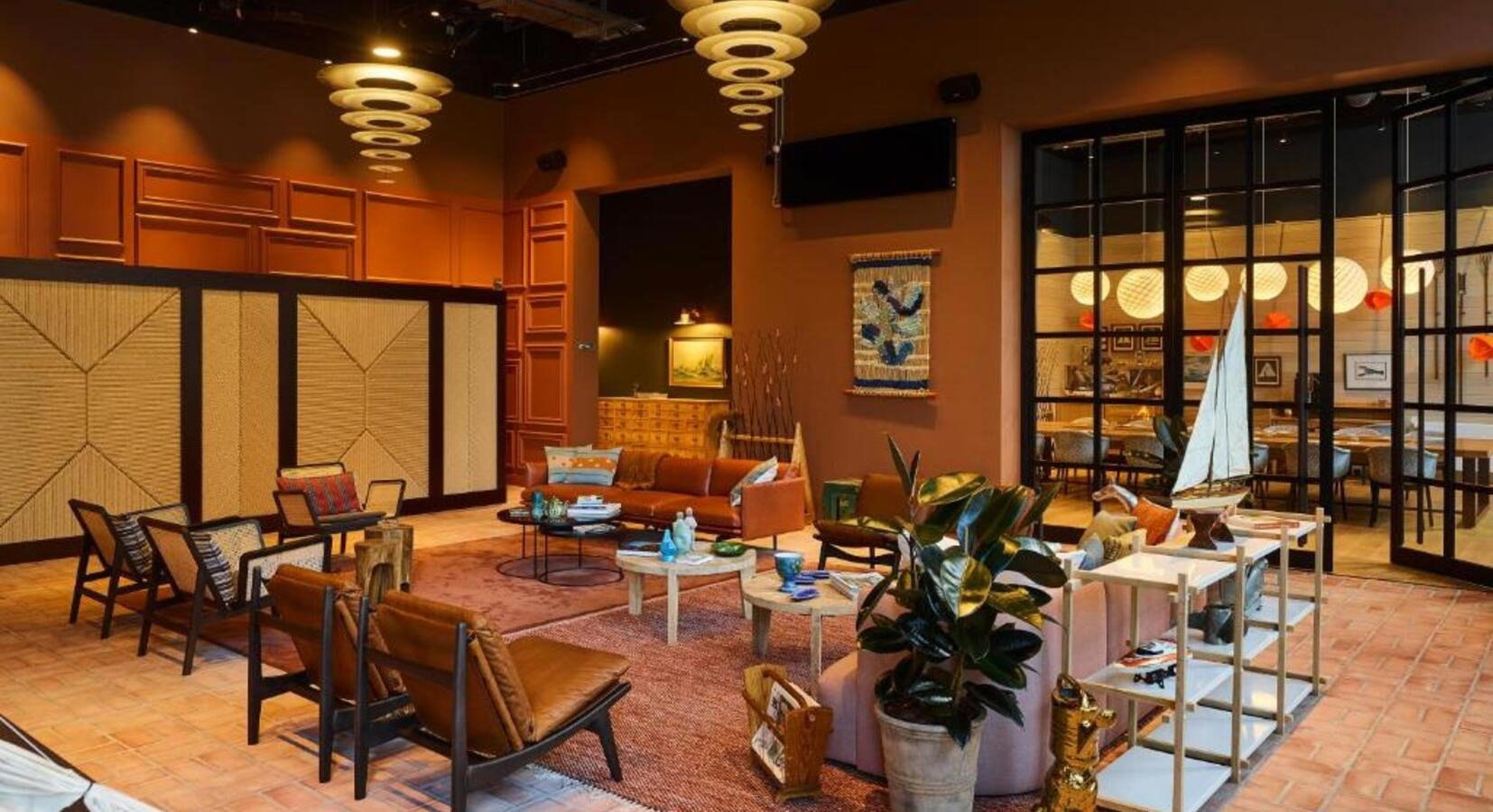
Quirky, rustic interior with antique stove and eclectic furniture; peaceful garden setting with wooden tables among sparrows; white-washed house with pebbled front yard well-suited for summer lounging.