Baka d’Busk


Baka d'Busk in Copenhagen's Nørrebro district operates as a Plant Bistro with a French-influenced vegetarian menu that rotates with the seasons and local supply. Dishes arrive as shared plates, with butter and cheese present throughout, though a dairy-free path through the menu is available on request. The format is convivial rather than formal, and the kitchen puts texture and technique at the centre of each vegetable-led plate.
Pearl is the En Primeur Club membership app — saves, bookings, and concierge access live there. Same editors, same standards.
- Address
- Rantzausgade 44, 2200 København, Denmark
- Phone
- +45 31 52 22 17
- Website
- bakabistro.dk
- Directions
- Get directions
 Saves & bookings on Pearl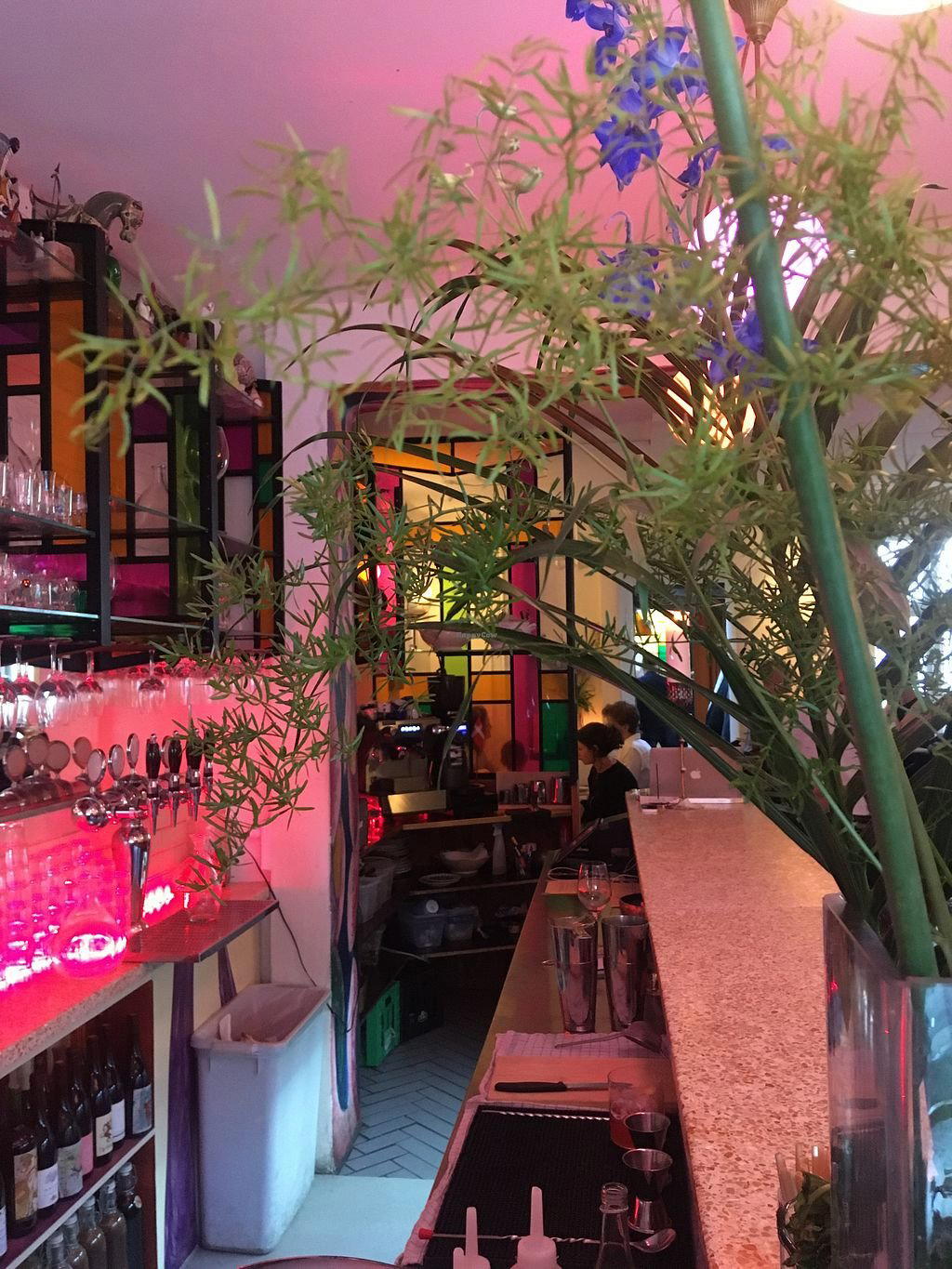
A Nørrebro Bistro Where the Menu Starts in the Field, Not the Kitchen
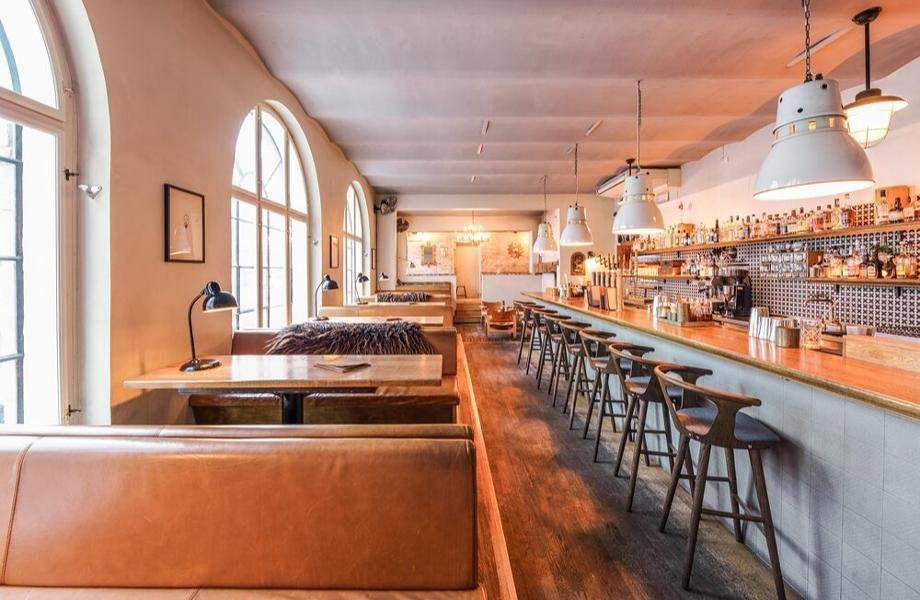
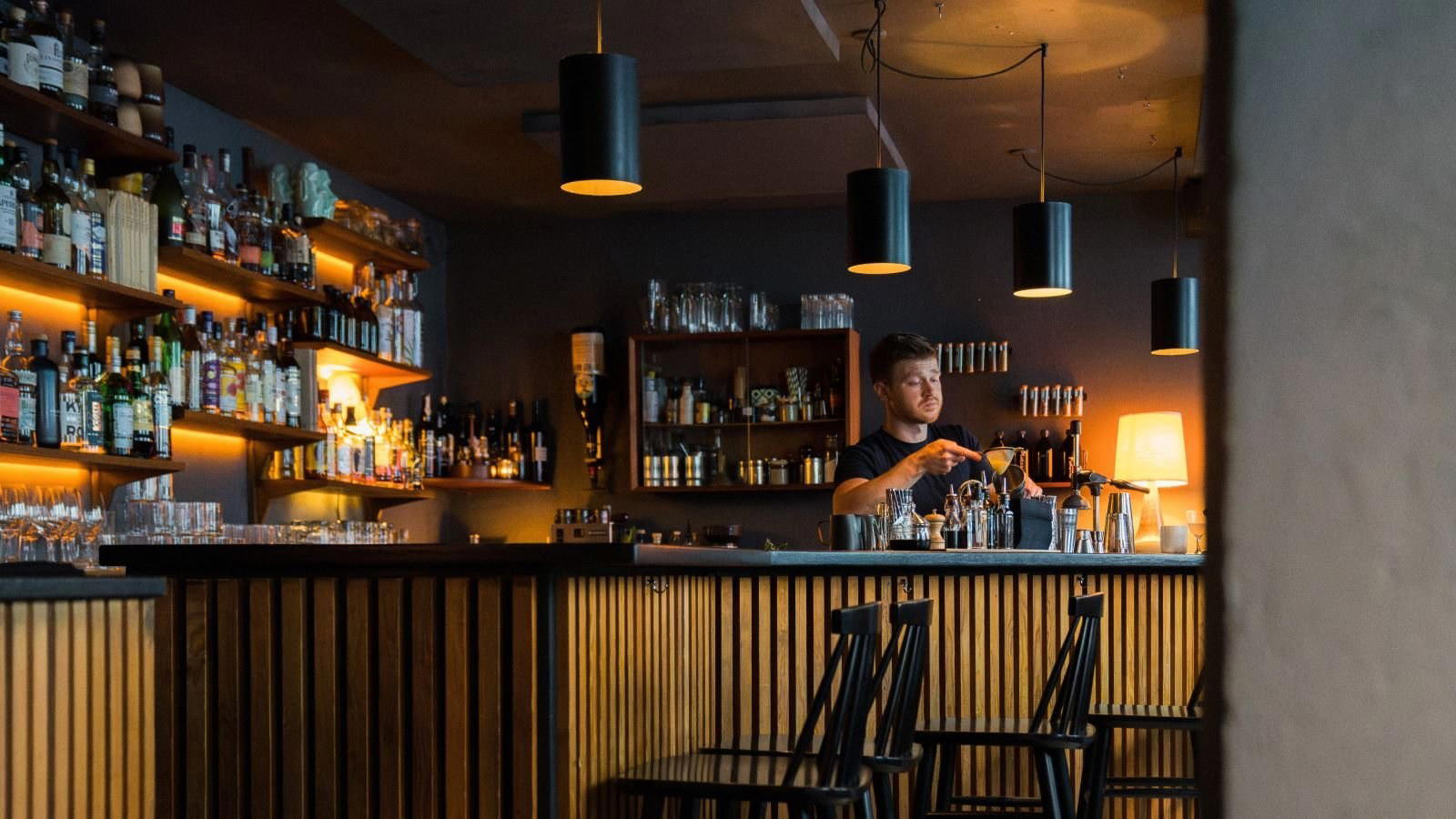
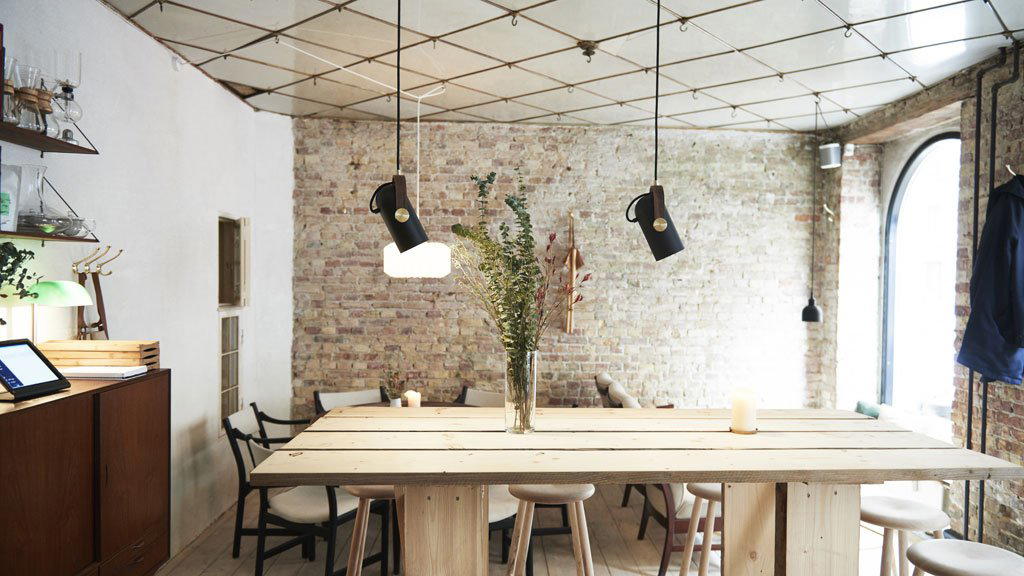
Rantzausgade is the kind of street Copenhagen does quietly well: residential enough to feel like a neighbourhood, active enough to draw people from across the city. Baka d'Busk sits at number 44, in a section of Nørrebro where independent restaurants have gradually replaced the casual takeaways that once dominated the strip. The room reads as bistro rather than formal dining, the kind of place where tables are close together and the evening moves at a social pace. That physical setting matters because it frames everything else: the menu, the format, and the price position are all calibrated to match the room.
How the Menu Is Built: Seasons, Supply, and the Plant Bistro Format
Baka d'Busk describes itself as a Plant Bistro, a label that carries more precision than it might first suggest. The menu is entirely vegetarian, structured around shared plates, and changes according to what is growing locally and what is available at any given point in the season. That structure places the kitchen inside a well-established Copenhagen tradition of supply-led cooking, a practice that Noma helped codify at the high end but that has since filtered into bistro and neighbourhood formats across the city.
The French influence is the more unexpected element. Copenhagen's vegetable-forward restaurants often pull from New Nordic references, the fermentation-heavy, forage-led vocabulary associated with places like Geranium and Kadeau. Baka d'Busk approaches the same local ingredients through a different lens: butter, cream, classical French technique applied to vegetables rather than protein. Butter and cheese appear across most of the menu, though the kitchen will run dishes without dairy for those who request it, which suggests a level of flexibility in execution that is not always available in format-driven restaurants.
The shared plates structure is worth considering seriously as a menu architecture decision, not just a hospitality trend. When every dish is designed to be passed around the table, the kitchen is freed from building a complete protein-starch-sauce logic into each plate. Instead, individual dishes can focus on one vegetable and one technique, with contrasts and balance emerging from the table's full spread rather than from a single plate. That approach suits vegetarian cooking well: a root vegetable roasted to caramelisation sits alongside something acidic and raw, and the meal builds coherence through combination rather than through a single showpiece. The format is closer to the small-plates tradition seen at Mediterranean bistros in Paris or Barcelona than to the tasting-menu progression of places like Alchemist or Koan.
What the Vegetarian Bistro Tier Looks Like in Copenhagen
Copenhagen is not short of places where vegetables are treated seriously, but the formats vary considerably. At the leading end, restaurants like Geranium have moved to fully plant-based menus while maintaining the architecture and price point of haute cuisine. In the middle tier, a different category of restaurants has emerged: smaller, less formal, focused on the neighbourhood rather than the destination diner. Baka d'Busk operates in that middle tier, where the test of quality is not technical spectacle but whether each vegetable-led dish is coherent and well-executed on its own terms.
The French-bistro register is a minority position in this tier. Most Copenhagen vegetarian restaurants draw from Nordic or Asian references, which means Baka d'Busk occupies a specific niche in the city's current dining mix. For context on how Copenhagen's broader restaurant scene is organised across formats and price points, see our full Copenhagen restaurants guide. If you are building a longer visit, our Copenhagen hotels guide, bars guide, and experiences guide cover the rest of the city's key categories. Elsewhere in Denmark, serious cooking at different price points and formats appears at Jordnær in Gentofte, Frederikshøj in Aarhus, Henne Kirkeby Kro in Henne, Alimentum in Aalborg, ARO in Odense, and Domæne in Herning.
Flavour and Texture as the Kitchen's Working Standard
One telling signal in the available information about Baka d'Busk is the emphasis on flavour and texture as the measure of each dish. That framing is more demanding than it sounds in a vegetarian context. Texture in vegetable cooking is genuinely harder to manage than in protein-based menus: there are no natural gelatins from bones, no fat marbling to carry flavour through heat, and the window between undercooked and overcooked is often narrower. A kitchen that lists texture as a deliberate output is signalling that it works through those challenges rather than around them.
French influence supports this: classical French technique has a long vocabulary for managing vegetable texture, from slow-cooked braises and confit preparations to the precise application of butter to carry and round flavour. When that technique is applied to seasonal Nordic produce, the result is a menu that sits in a productive tension between two culinary traditions. The same dynamic, applied to seafood rather than vegetables, has produced particularly interesting cooking in American restaurants over the past two decades, at places like Le Bernardin in New York City, where technique from one tradition is applied to ingredients from another. Baka d'Busk operates at a different scale and price point entirely, but the structural logic is comparable.
Planning Your Visit
Baka d'Busk is located at Rantzausgade 44 in Nørrebro, one of Copenhagen's most active dining neighbourhoods. The bistro format and neighbourhood positioning suggest this is a walk-in-friendly operation for quieter nights, though for weekend evenings a reservation is the sensible approach. Dairy is present across most dishes, but the kitchen accommodates a dairy-free path through the menu on request. For anyone planning a broader Denmark trip, our Copenhagen wineries guide is a useful companion. For a different take on French-influenced cooking applied to local produce in a Southern US context, Emeril's in New Orleans offers an instructive comparison.
- Beets with Fennel and Figs
- Tahini Dish
- Confit Potato Main
- White Asparagus
- Tomato Tarte
- Pistachio Salad with Artichoke
- Zucchini Tempura
- Panisse
Recognition Snapshot
Comparable venues nearby, for context on price, style, and recognition.
| Venue | Cuisine | Price | Notes |
|---|---|---|---|
| Baka d’BuskThis venue — the venue you are viewing | Seasonal Vegetarian Fine Dining | $$$ | Not listed |
| Aotori & Akaton | Japanese Yakitori & Tonkatsu | $$$ | Østerbro |
| Sticks'n'Sushi | Japanese Sushi and Yakitori with Nordic Fusion | $$$ | Vesterbro-Kongens Enghave |
| Le Saint Jacques | Classic French Brasserie | $$$ | Østerbro |
| Il Grappolo Blu | Authentic Italian | $$$ | Indre By |
| Feed Bistro | Modern Meat-Focused Bistro | $$$ | Indre By |
Recognition history
Dated appearances from independent guides and award organizations, with the underlying list record or original source where available.
White Guide Denmark Restaurants - Very Fine Level
White Guide
We're Smart World 3 Radishes
We're Smart World
Continue exploring
More in Copenhagen
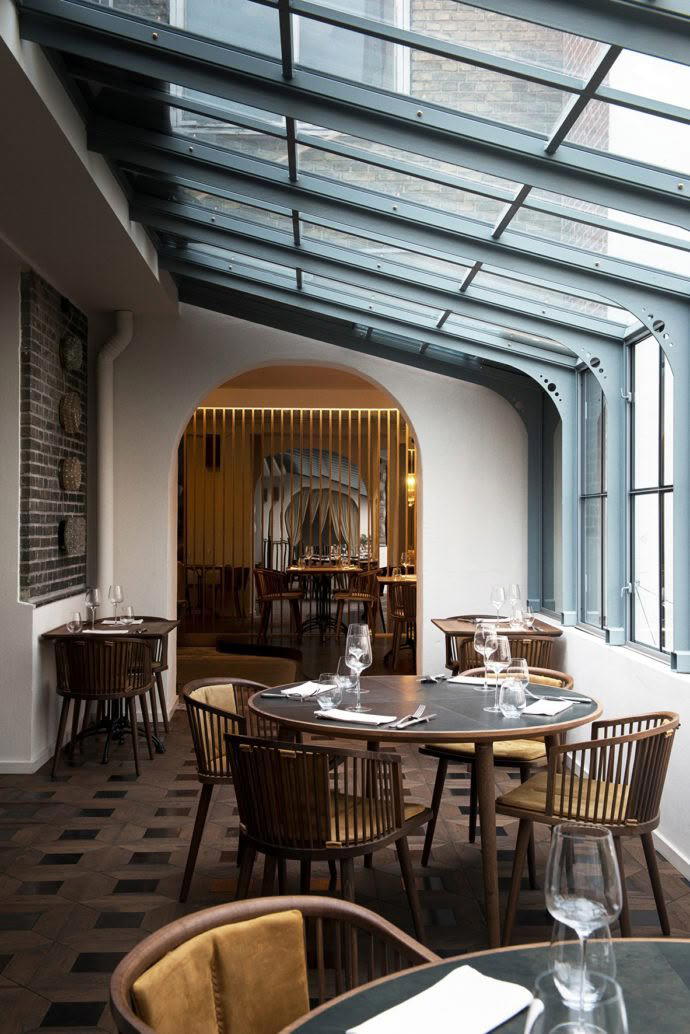
Restaurants in Copenhagen
Browse all →
Bars in Copenhagen
Browse all →
At a Glance
- Cozy
- Whimsical
- Intimate
- Bohemian
- Lively
- Special Occasion
- Celebration
- Date Night
- Group Dining
- Open Kitchen
- Natural Wine
- Zero Proof
- Local Sourcing
Current opening hours
- Monday
- 11:30 AM–3:30 PM, 5:30 PM–12 AM
- Tuesday
- 11:30 AM–3:30 PM, 5:30 PM–12 AM
- Wednesday
- 11:30 AM–3:30 PM, 5:30 PM–12 AM
- Thursday
- 11:30 AM–3:30 PM, 5:30 PM–12 AM
- Friday
- 11:30 AM–3:30 PM, 5:30 PM–12 AM
- Saturday
- 11:30 AM–3:30 PM, 5:30 PM–12 AM
- Sunday
- 11:30 AM–3:30 PM, 5:30 PM–12 AM
Hours can change for holidays and private events. Last verified .
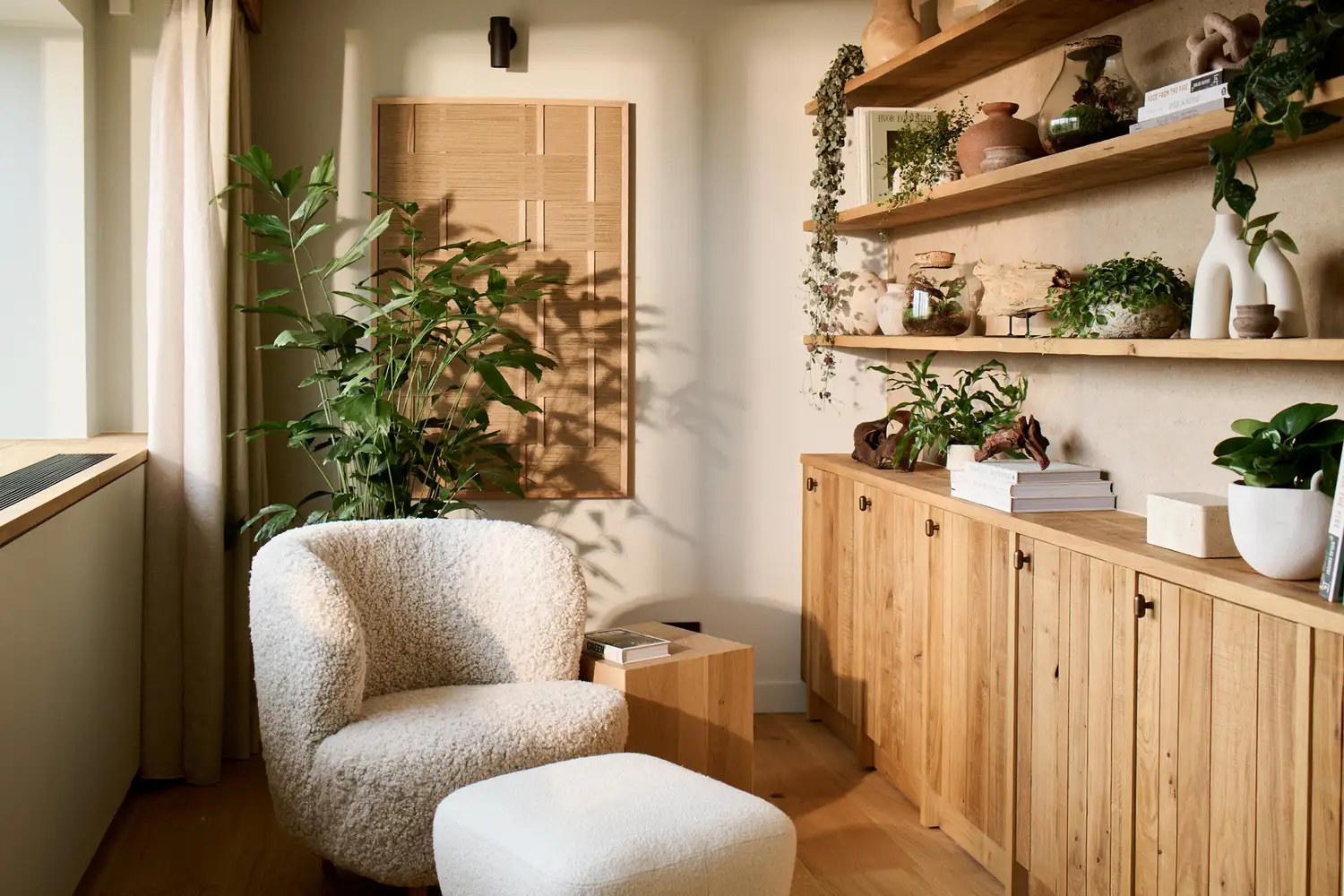
Cozy and quirky with bare walls and mismatched glassware and plates; intimate but acoustically challenging with increasing noise levels as the evening progresses; casual Danish warmth with a relaxed, fun atmosphere.