Morcilla
Our verdict
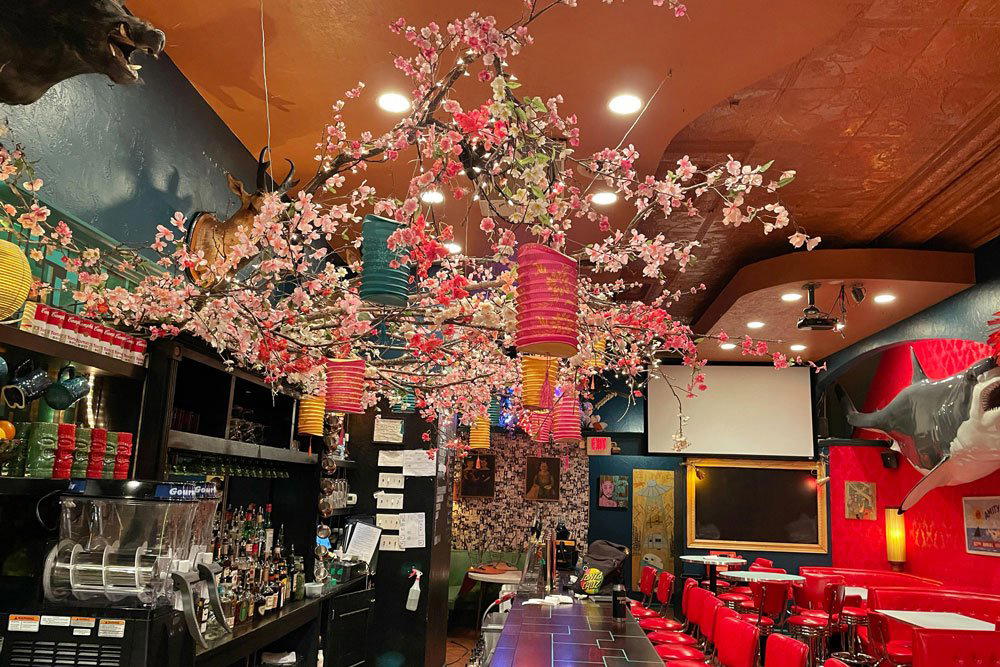
Morcilla anchors Pittsburgh's Spanish-inflected dining scene from its Butler Street address in Lawrenceville, where the kitchen's sourcing instincts and ingredient-forward approach reflect the neighbourhood's shift toward serious independent restaurants. The format draws on Iberian tradition without performing it, making it a reference point for anyone tracing how ingredient sourcing shapes modern American dining in a mid-sized city.

Pearl is the En Primeur Club membership app — saves, bookings, and concierge access live there. Same editors, same standards.
- Address
- 3519 Butler St, Pittsburgh, PA 15201
- Phone
- (412) 652-9924
- Hours
- Mon ClosedTue–Thu 5–9 PMFri 5–10 PMSat 4–10 PMSun Closed
- Website
- morcillapittsburgh.com
- Directions
- Get directions
- Booking
- Book on OpenTable
The menu
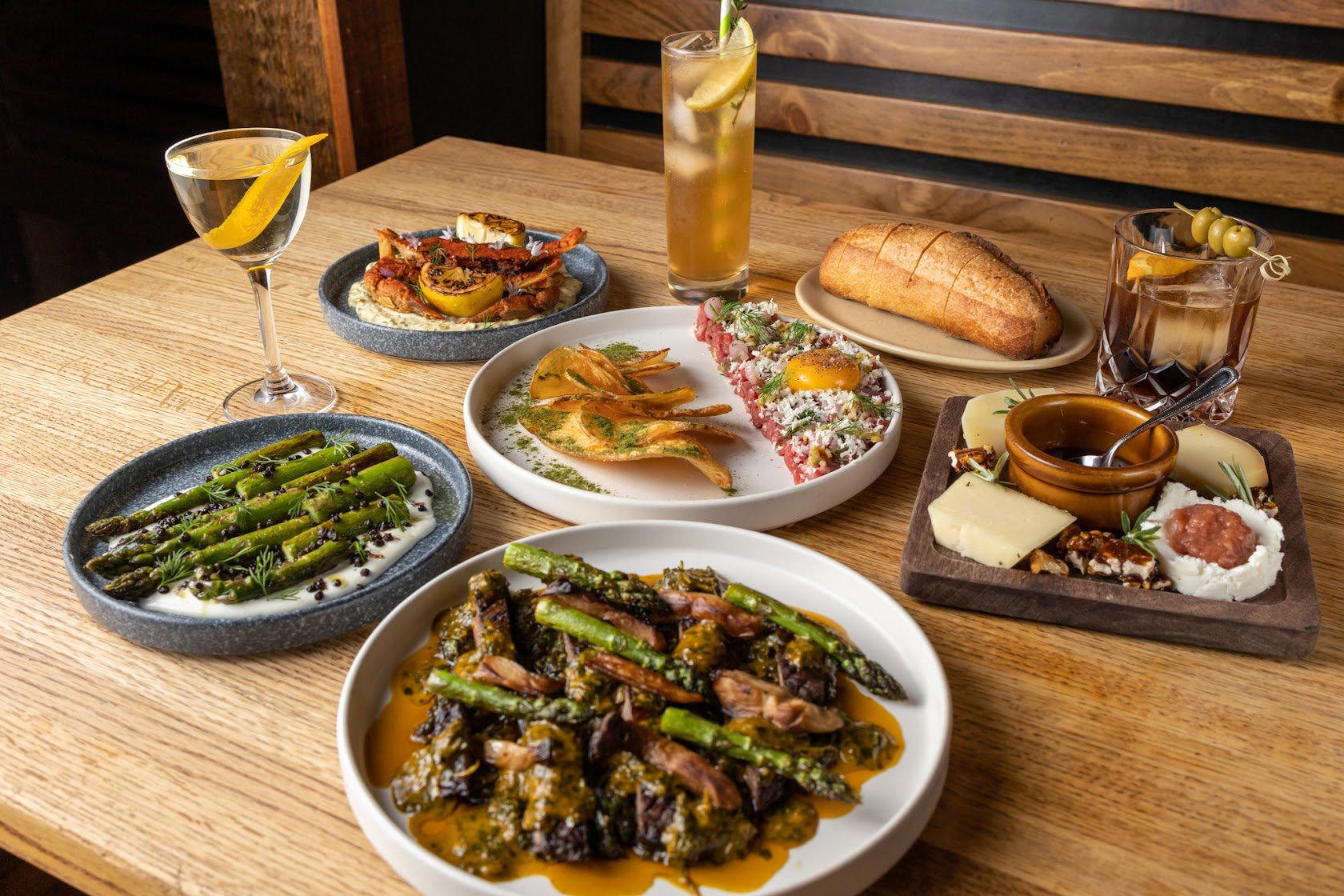
What to order
- House-made charcutería
- Pintxos
- Churros with chocolate hazelnut fondue
- Chicken and rice
Lawrenceville and the Ingredient Question
Butler Street in Lawrenceville has become the clearest evidence that Pittsburgh's dining scene operates at a different register than its national reputation suggests. The neighbourhood corridor, running northeast from Penn Avenue, now holds a concentration of independent restaurants that compete on sourcing specificity and kitchen craft rather than volume or spectacle. In that context, Morcilla at 3519 Butler St sits in a peer group defined by what comes through the back door as much as what goes on the plate.
The broader pattern across serious American restaurants in the 2010s and into the present decade has been a convergence on provenance as the primary editorial statement. At the coastal tier, kitchens like Blue Hill at Stone Barns in Tarrytown and Single Thread Farm in Healdsburg built their entire formats around supply-chain transparency, treating the farm relationship as the dish's first ingredient. In mid-sized American cities, that impulse has translated differently: fewer theatrical presentations, more emphasis on what a specific region's agricultural calendar actually yields, and kitchens that use Spanish or other European frameworks to give structure to local product.
Morcilla is a useful case study in how that translation works in practice. The restaurant's name references the Spanish blood sausage, a cured meat tradition that demands quality animal husbandry and careful processing at source. That's not incidental branding. It signals a kitchen oriented toward the primary product, not the finishing technique.
The Iberian Framework and What It Does for Pittsburgh Ingredients
Spanish cuisine, particularly the traditions of the Basque Country and Castile, has always been product-forward in a way that makes it a logical framework for sourcing-led kitchens in the United States. The canon of pintxos, charcuterie, and wood-fired proteins doesn't obscure what it's working with. When the ingredient is the point, the cooking discipline is restraint, not elaboration.
Pittsburgh's agricultural region gives a kitchen operating in this mode genuine material to work with. Western Pennsylvania sits within reasonable sourcing distance of diverse farm country: the river valleys support livestock, the growing season yields vegetables and grains that carry regional character, and the state's cheesemaking and charcuterie production has developed significantly over the past two decades. A kitchen framing itself around Iberian tradition has a logical pathway to Pennsylvania-sourced product that fits that framework without distortion.
This is the dynamic that distinguishes Morcilla from the surface-level Spanish restaurant category. Where many Iberian-inspired American restaurants default to imported Ibérico product and Spanish wine lists as their primary sourcing signal, a kitchen rooted in Butler Street's ethos tends to interrogate where the local equivalent sits. That negotiation between tradition and region is where the most interesting ingredient decisions happen.
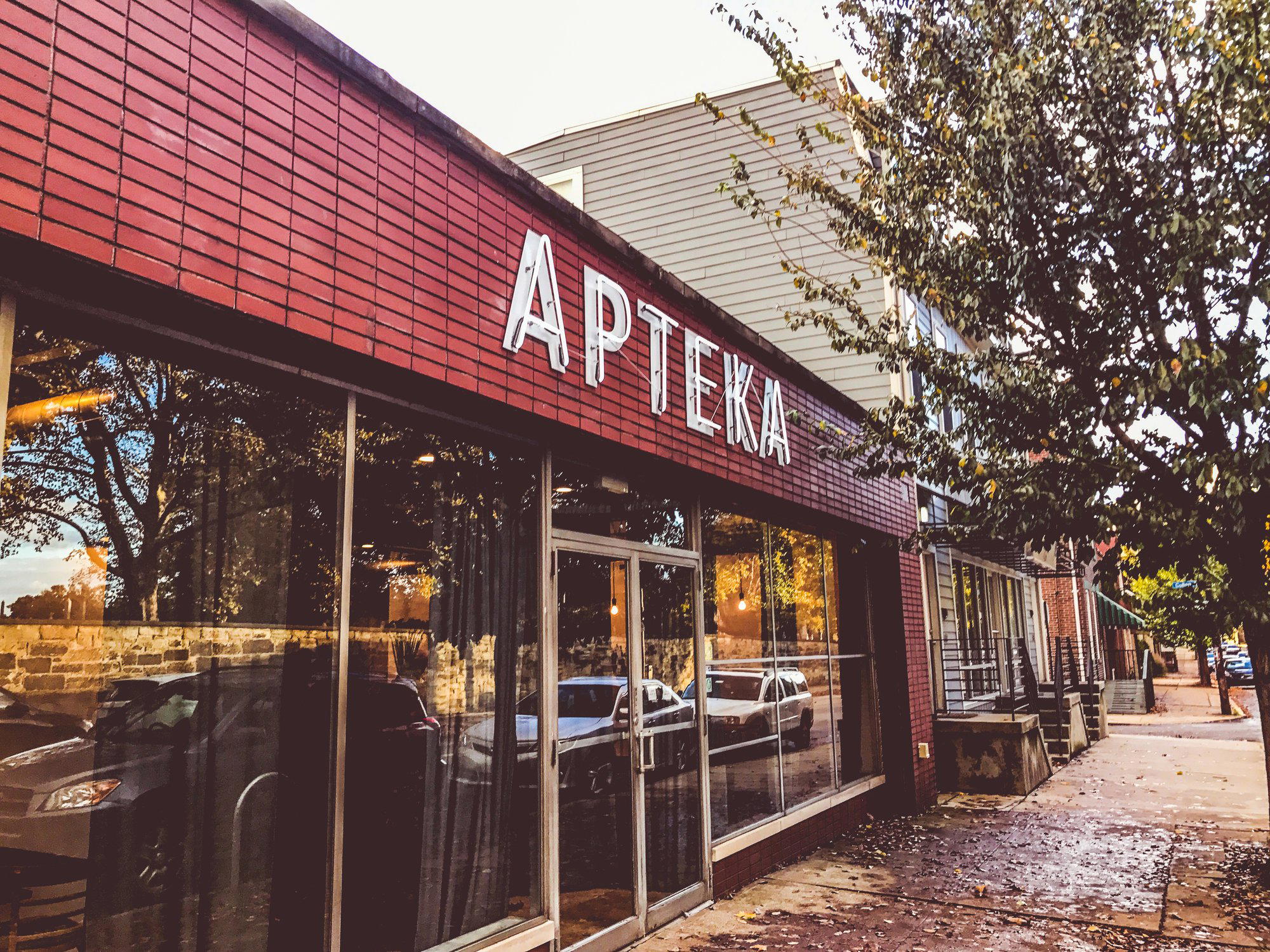
For comparison, Pittsburgh's independent restaurant cohort includes venues approaching similar questions from different angles. Apteka applies Eastern European plant-based frameworks to local seasonal produce. Alfabeto works within Italian structures. Bakersfield Penn Ave brings a Tex-Mex frame to the same neighbourhood corridor. Each represents a version of the same underlying commitment: use a culinary tradition as a lens, not a costume, and let local sourcing provide the actual content.
Seasonal Timing and What It Means at Butler Street
The strongest argument for visiting Morcilla in any given season is the same argument that applies to sourcing-led kitchens generally: the menu is a record of what the region is producing at that moment. In Western Pennsylvania, that means a late-summer and fall calendar that rewards the kitchen's Spanish charcuterie instincts, when the pig and the harvest converge. Winter narrows the ingredient palette but rewards the preservation and curing work that defines Iberian tradition at its core.
Lawrenceville itself rewards a longer visit than a single dinner. The neighbourhood's density of independent food and beverage operations means an evening can extend naturally before or after. The broader Pittsburgh picture, covered in our full Pittsburgh restaurants guide, maps the city's dining geography in more detail, but Lawrenceville functions as a self-contained circuit for the kind of deliberate eating that Morcilla represents.
Where Morcilla Sits in the Wider American Context
Pittsburgh rarely appears in the same sentence as the American fine dining tier, which is occupied by kitchens like Alinea in Chicago, The French Laundry in Napa, or Le Bernardin in New York City. Morcilla isn't competing in that bracket and doesn't need to be. The more relevant comparison set is the cohort of independent, sourcing-led restaurants in mid-sized American cities that have developed serious programs without the infrastructure of a major coastal market.
In that cohort, the distinguishing variables are supplier relationships, kitchen discipline, and format clarity. A restaurant that names itself after a charcuterie product and operates in a neighbourhood where ingredient sourcing is a shared value signal among its peers has already made its competitive positioning clear. It's operating in the same conversation as places like Lazy Bear in San Francisco or Emeril's in New Orleans in the sense that each represents a specific city's version of serious independent American dining, calibrated to local conditions.
The restaurants that have built national recognition from similar starting points, whether Providence in Los Angeles, Addison in San Diego, or Atomix in New York City, did so by being unambiguous about their frame of reference and rigorous about sourcing within it. Morcilla's positioning on Butler Street suggests the same orientation.
Pittsburgh's other destination-level restaurants, including Altius and 1930 by Atria's, approach the city's dining ambitions from different angles. Morcilla's specific contribution is to hold the Iberian-sourcing line on a street where that commitment is tested nightly against the economics of a mid-sized city market. That's a harder thing to sustain than it looks from the outside.
Planning a Visit
Morcilla is located at 3519 Butler St in Lawrenceville, one of Pittsburgh's most walkable dining corridors. The neighbourhood is accessible by car from downtown in under fifteen minutes, and street parking is available along Butler Street in the evenings, though the corridor is busy on weekends. For visitors combining Morcilla with other Lawrenceville stops, an early reservation leaves time to explore the street before or after. Given the sourcing-led format, the kitchen's output changes with the season, and visits in different parts of the year will yield materially different menus. That variability is the point, not a limitation.
For international visitors, Morcilla sits comfortably alongside the kind of serious regional restaurant that rewards a city visit as much as any marquee attraction. The parallels to producer-focused European dining, in the way the kitchen uses an Iberian framework to interrogate local product, make it legible to visitors arriving with a reference point from places like 8 1/2 Otto e Mezzo Bombana in Hong Kong or The Inn at Little Washington, though it operates at a different price register and with a different set of ambitions. What's consistent across that range is the primacy of what the kitchen sources and why.
Frequently asked questions
Where exactly is Morcilla?
Morcilla is located at 3519 Butler St, Pittsburgh, PA 15201, Pittsburgh.
How does Morcilla fit into Pittsburgh's dining scene compared to other Lawrenceville restaurants?
Butler Street in Lawrenceville has developed into Pittsburgh's most concentrated corridor for ingredient-driven cooking, and Morcilla operates at the more ambitious end of that stretch. Where many of its neighbours work in American vernacular formats, Morcilla applies a specifically Iberian culinary architecture to the same regional sourcing, which gives the kitchen a distinct position on the block at 3519 Butler St. Pittsburgh rarely draws the national fine dining comparisons its better kitchens merit, and Morcilla is one of the clearer arguments for reassessing that gap.
What's the must-try dish at Morcilla?
The menu at Morcilla is built around seasonal sourcing within an Iberian framework, so what leads the kitchen on any given visit shifts with the larder. The through-line is the namesake reference: dishes anchored in Spanish charcuterie and cured traditions, particularly from the Basque and Castilian canon. Arriving without a fixed agenda and following the kitchen's current focus is the more rewarding approach at 3519 Butler St.
Do they take walk-ins at Morcilla?
Contacting the venue directly before visiting is the practical step, particularly on weekend evenings when the corridor draws significant foot traffic from across Pittsburgh.
What's the signature at Morcilla?
Morcilla's defining approach is the use of Spanish regional structure, particularly the product-forward traditions of the Basque Country, as a lens for Pennsylvania ingredients. That relationship between a specific Iberian culinary logic and local sourcing is what separates the kitchen from generic Spanish concepts operating elsewhere in the American mid-Atlantic. It is a framework, not a fixed menu, which means the signature shifts with what the season produces.
Similar Picks
Comparable venues nearby, for context on price, style, and recognition.
| Venue | Cuisine | Price | Notes |
|---|---|---|---|
| MorcillaThis venue — the venue you are viewing | Contemporary Spanish Tapas | $50–100 | Not listed |
| Grand Concourse | Seafood & Steakhouse | $50–100 | South Shore |
| Soba | Modern Pan-Asian Fusion | $30–50 | Friendship |
| Special Events at Fairmont Pittsburgh | Modern American | $50–100 | Central Business District |
| The Aperitivo Club | Italian Aperitivo & Cocktails | $30–50 | Downtown |
| Eliza Hot Metal Bistro | Contemporary American Bistro with Pittsburgh Flavors | Not listed | South Oakland |