Mooo SEAPORT
Mooo SEAPORT brings the steakhouse format to Boston's Seaport District at 49 Melcher Street, sitting within a neighborhood that has reshaped the city's dining geography over the past decade. The address places it alongside a concentrated run of destination restaurants serving the waterfront's growing residential and hospitality base. For a steak-focused meal in a district better known for seafood, Mooo SEAPORT occupies a deliberate counter-position.
Pearl is the En Primeur Club membership app — saves, bookings, and concierge access live there. Same editors, same standards.
- Address
- 49 Melcher St, Boston, MA 02210
- Phone
- +16175568000
- Website
- mooorestaurant.com
- Directions
- Get directions
 Saves & bookings on Pearl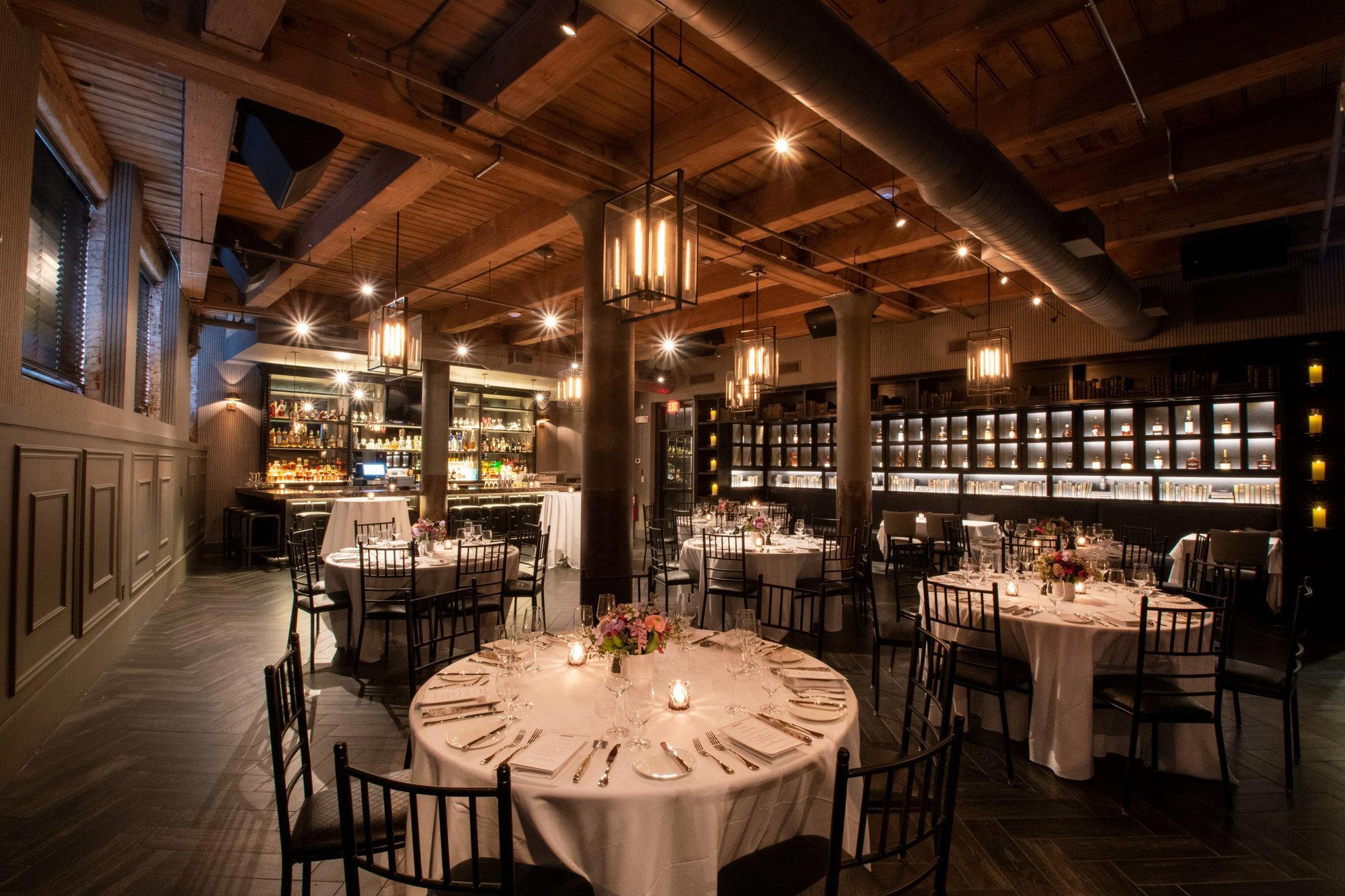
A Steakhouse in Seafood Country
Boston's Seaport District has developed its restaurant identity around the waterfront's obvious strength: shellfish, finfish, and raw bars that draw on New England's fishing heritage. Neptune Oyster's queue and Ostra's wood-fired seafood grill define one pole of that tradition. Against that backdrop, a steakhouse at 49 Melcher Street is a considered counter-move. The Seaport has matured enough to support multiple dining registers, and a red-meat anchor fits the neighborhood's shift from warehouse blocks to a hospitality district with hotels, residences, and a broadened dining mix.
The Mooo name has history in Boston's premium steakhouse circuit, with an earlier location that established the brand's positioning in the city's upper-tier red-meat category. The Seaport address extends that into a neighborhood where the competitive set skews toward seafood specialists rather than fellow chophouses, giving Mooo SEAPORT a cleaner lane than it would occupy in the Back Bay or Beacon Hill. For context on how Boston's broader steakhouse tier is structured, Abe & Louie's sits at the established end of that category.
The Wine Program as the Room's Other Argument
In American steakhouses, the wine list is often one reliable indicator of a kitchen's ambitions. A chophouse that treats the cellar as an afterthought signals something about the seriousness of the overall program. The steakhouses that have pushed into the upper tier of American fine dining have almost universally done so by treating the wine list as a parallel project to the kitchen, not an add-on.
Mooo SEAPORT's address in the Seaport positions it to serve a clientele that includes corporate dining, hotel-adjacent traffic, and a growing residential base with disposable income and some wine literacy. That audience tends to reward depth over breadth on a list: a few genuinely aged verticals, a serious Burgundy section, and a California program that moves beyond the obvious Napa names into smaller-production Cabernet and Pinot. The steakhouse format also creates natural opportunity for by-the-glass programs that can showcase aged or allocated bottles in smaller pours, a format that has gained traction in premium American dining rooms over the past several years.
For a broader sense of how serious American fine dining programs approach wine curation, it's worth looking at what restaurants like The French Laundry in Napa or Single Thread Farm in Healdsburg have done in pairing depth with seasonal menus. The steakhouse context is different, but the principle that a serious wine program requires its own editorial logic applies equally. Closer to home, Agosto, Boston's Portuguese-inspired tasting-menu counter, demonstrates what happens when a wine list is curated around a specific regional tradition rather than assembled to cover genre bases.
The Seaport's Dining Geography
Understanding where Mooo SEAPORT sits requires understanding how the Seaport's restaurant geography has stratified. The waterfront end of the district, particularly around the Fan Pier and the Institute of Contemporary Art, hosts a cluster of seafood-forward and event-adjacent dining. Melcher Street runs slightly inland, placing the restaurant in the district's more working-restaurant zone rather than the tourist-facing waterfront strip. That positioning matters for the experience: the approach on foot from the Fort Point Channel side runs past converted industrial buildings, and the neighborhood still carries enough of its warehouse-district texture to distinguish it from the more polished hotel corridors closer to the harbor.
For comparison, 75 on Liberty Wharf occupies the waterfront end of the Seaport's dining spectrum, while 1928 Rowes Wharf anchors the harbor-adjacent hotel dining tier. The restaurant at Melcher Street occupies a middle geography: close enough to the water to benefit from the district's traffic, far enough inland to serve a more local, repeat-visit clientele rather than one-off hotel guests.
Boston's Steakhouse Tier in Context
American steakhouses have bifurcated over the past decade into two distinct operating models. The first is the volume-driven, chain-adjacent format that competes on consistency, brand recognition, and reliable execution of a narrow menu. The second is the premium-independent model, where the steakhouse format is used as a vehicle for serious wine programs, sourcing stories with named ranches and aging protocols, and kitchen ambition that extends beyond the cut to include composed sides and pastry. Boston's premium steakhouse tier has historically been small relative to cities like New York or Chicago, partly because the city's dining identity pulls so strongly toward seafood.
That compression actually benefits a steakhouse with genuine wine and kitchen ambitions. In New York, a serious steakhouse competes against a deep field of peers. In Boston, the competition thins quickly above a certain price point, and the audience that wants a proper chophouse with a real cellar has fewer options. The Seaport location adds a geographic dimension to that argument: for diners staying in the district's hotels or working in its office towers, the alternative to the restaurant for a serious red-meat meal often involves a cab to the Back Bay.
For readers who want to understand where Boston fits in the national picture, the premium steakhouse tier in American dining is anchored by a handful of restaurants that have used the format for broader recognition. Addison in San Diego and The Inn at Little Washington represent the fine-dining end of American restaurant ambition, while Le Bernardin in New York City shows what a format-specific focus (in that case, seafood) can achieve at the highest level. The steakhouse format has its own ceiling, but the gap between a serious independent chophouse and a chain-adjacent one is measurable in cellar depth, sourcing specificity, and kitchen execution on non-steak menu items.
Planning a Visit
The restaurant is at 49 Melcher Street in Boston's Seaport District. The Seaport's hotel concentration means the area has strong ride-share supply at most hours.
Reputation Context
Comparable venues nearby, for context on price, style, and recognition.
| Venue | Cuisine | Price | Notes |
|---|---|---|---|
| Mooo SEAPORTThis venue — the venue you are viewing | Modern Steakhouse | $$$$ | Not listed |
| Abe & Louie’s | Classic Steakhouse | $$$$ | Back Bay |
| Hawksmoor | British Steakhouse | $$$$ | Fort Point |
| Kaia | Modern Aegean Greek | $$$$ | South End |
| Smith & Wollensky | Classic American Steakhouse | $$$$ | Waterfront |
| Mistral | Modern French Mediterranean | $$$$ | Back Bay |
Continue exploring
More in Boston
Restaurants in Boston
Browse all →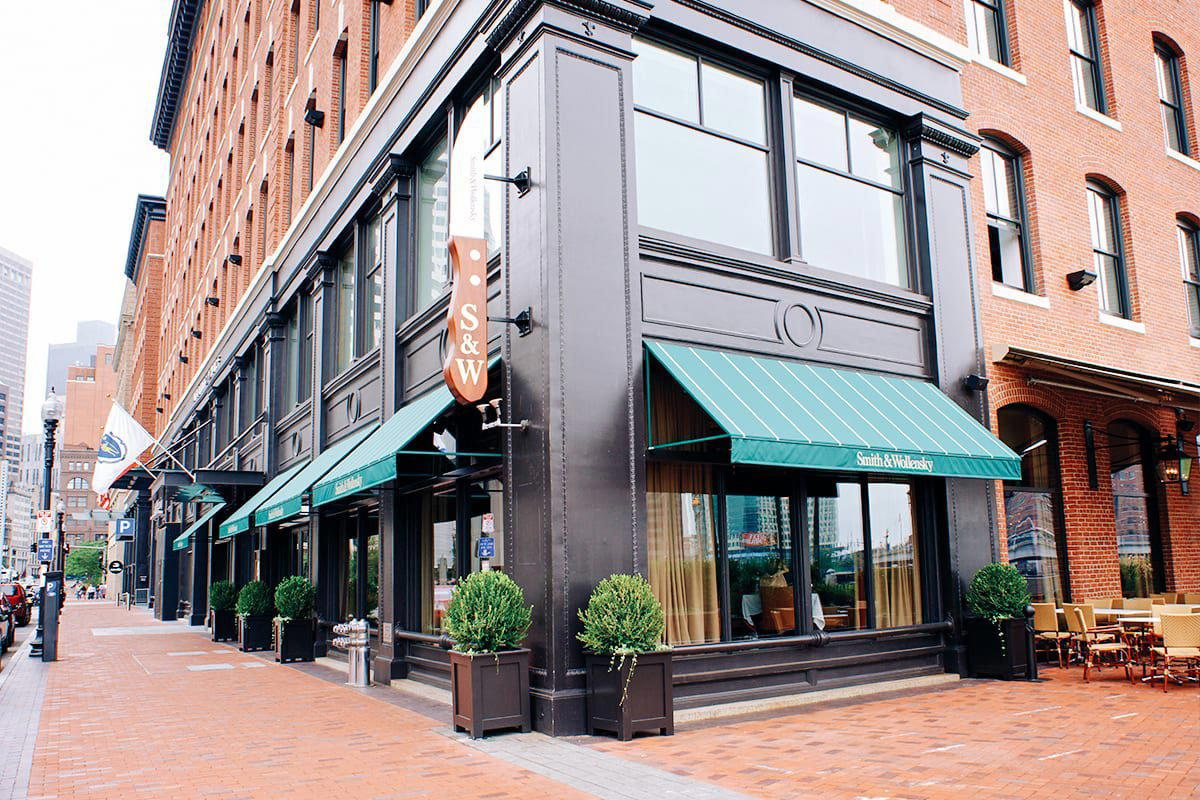
Bars in Boston
Browse all →
Hotels in Boston
Browse all →
Wineries in Boston
Browse all →
At a Glance
- Elegant
- Sophisticated
- Modern
- Classic
- Business Dinner
- Group Dining
- Special Occasion
- Private Event
- Celebration
- Private Dining
- Open Kitchen
- Extensive Wine List
- Beer Program
Current opening hours
- Monday
- 5:30–9 PM
- Tuesday
- 5:30–9 PM
- Wednesday
- 5:30–9 PM
- Thursday
- 5:30–9 PM
- Friday
- 5:30–10 PM
- Saturday
- 5:30–10 PM
- Sunday
- 5:30–8:30 PM
Hours can change for holidays and private events. Last verified .
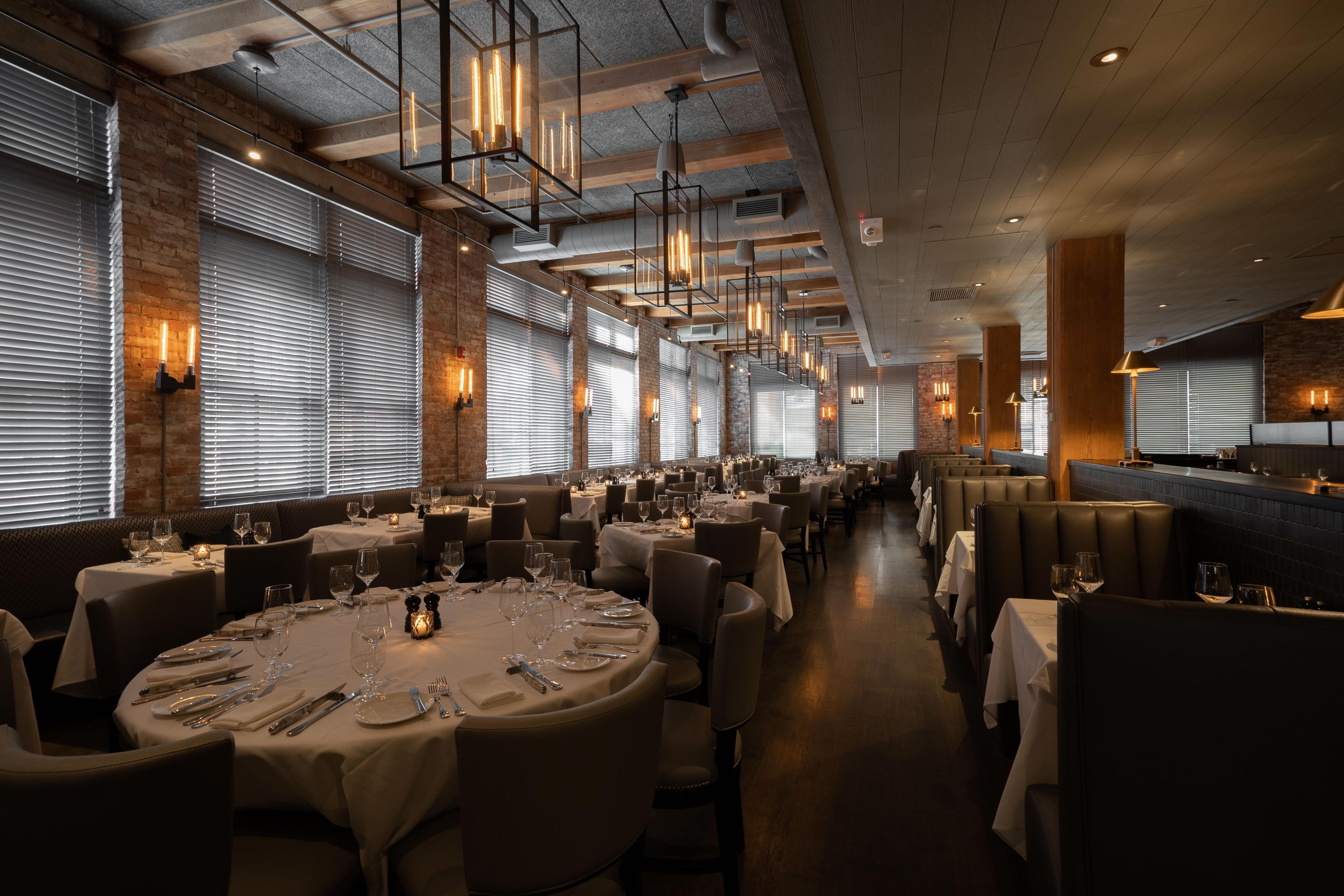
Warm-modern décor providing a relaxed yet sophisticated atmosphere with elegant private dining spaces.