Mistral
Mistral occupies a converted South End space on Columbus Avenue, sitting within Boston's most densely concentrated stretch of serious dining rooms. The restaurant draws on Mediterranean and French culinary frameworks and has maintained a consistent presence in the neighborhood's upscale corridor for years. Plan ahead: demand at this price tier in the South End runs ahead of available reservations most weeks.
Pearl is the En Primeur Club membership app — saves, bookings, and concierge access live there. Same editors, same standards.
- Address
- 223 Columbus Ave, Boston, MA 02116
- Phone
- (617) 867-9300
- Website
- mistralbistro.com
- Directions
- Get directions
 Saves & bookings on Pearl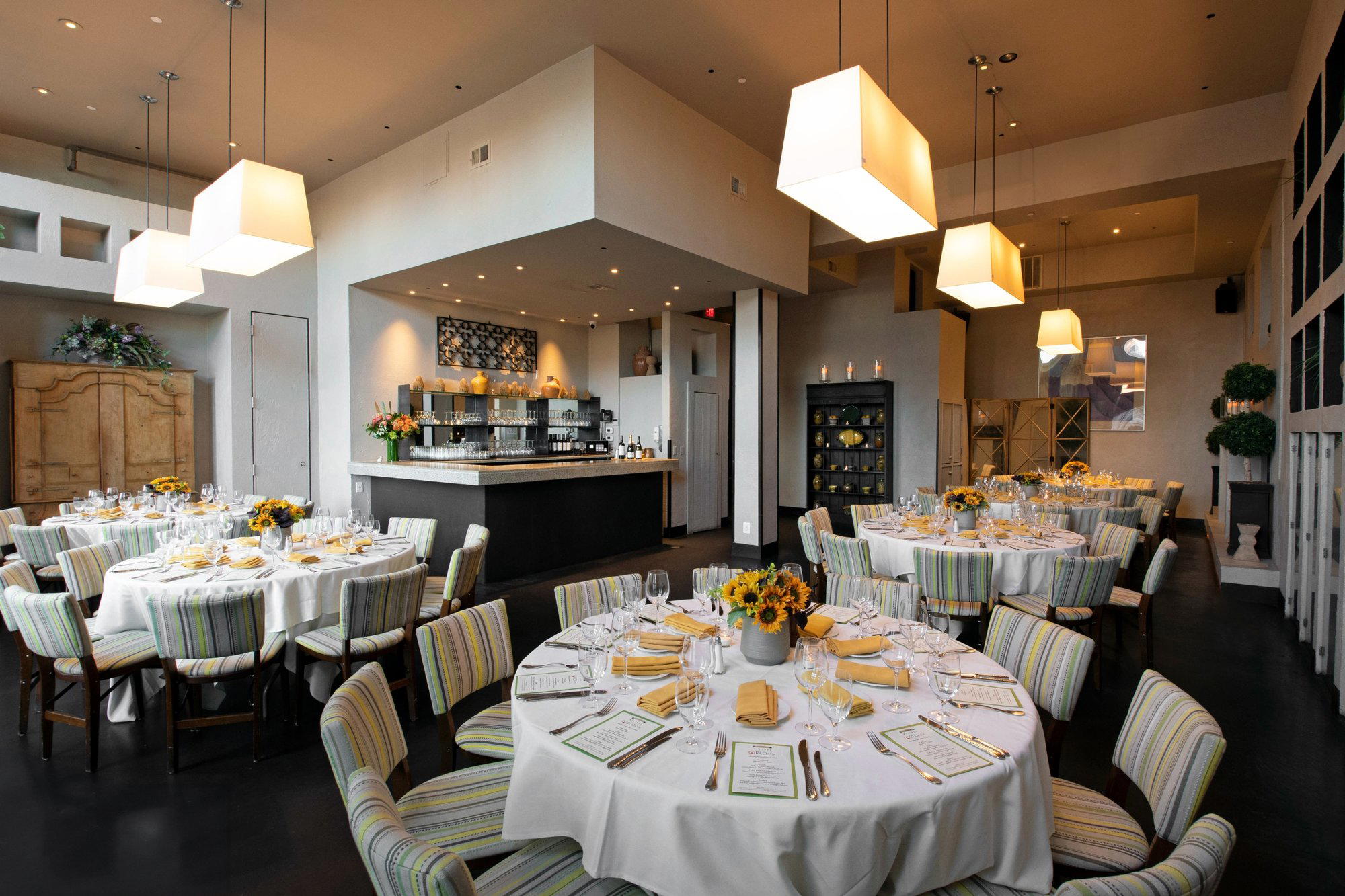
Columbus Avenue After Dark
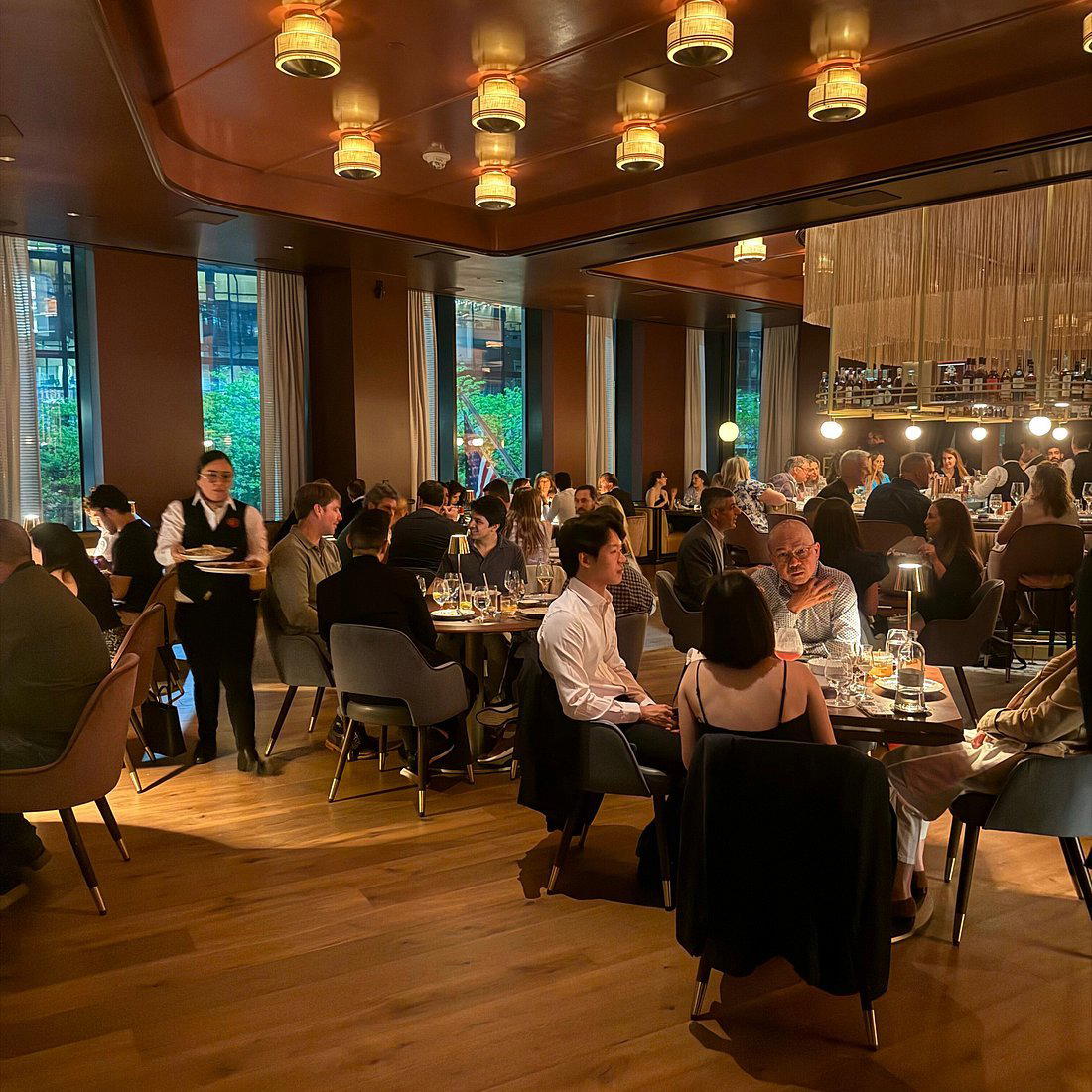
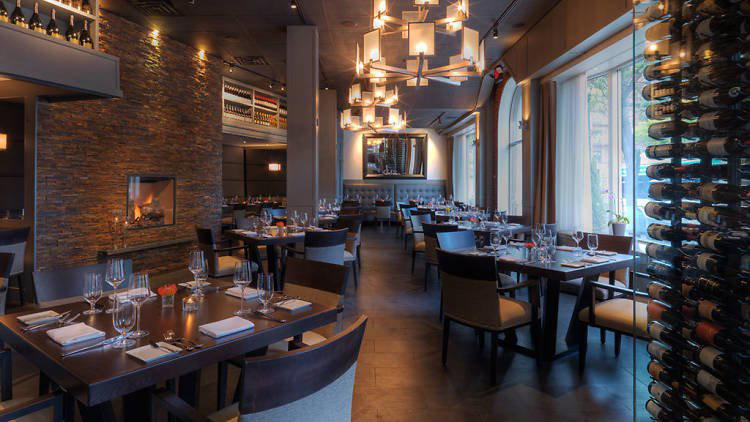
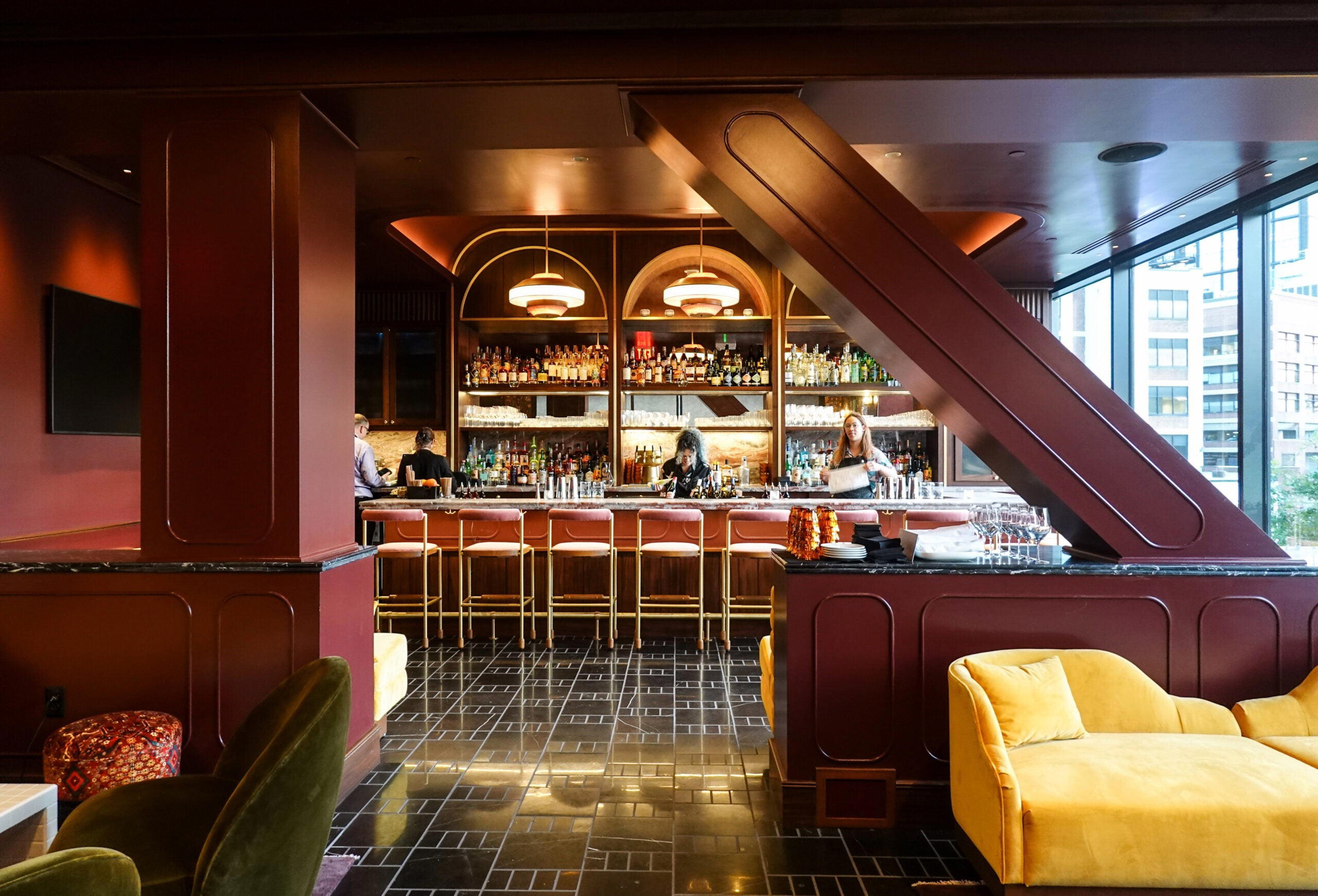
The South End's dining corridor along Columbus Avenue operates at a different register than the rest of Boston. The neighborhood accumulated its restaurant density gradually, block by block, until the stretch between Dartmouth and Massachusetts Avenue became the city's most reliable address for serious cooking in a non-hotel setting. Mistral, at 223 Columbus Ave, sits inside that accumulation rather than apart from it. The room itself is part of the argument: high ceilings, warm light, and the ambient noise of a full dining room on a Friday evening signal a restaurant that has been doing this long enough to understand that atmosphere is infrastructure, not decoration. Arriving at the entrance, you register the scale before you register the menu.
Where Mistral Sits in Boston's Dining Tier
Boston's upscale non-hotel dining scene has always occupied an awkward middle ground. The city lacks the sheer density of New York's fine-dining ecosystem, but its leading rooms compete credibly with comparable restaurants in cities like Chicago or San Francisco. Within Boston, the South End corridor functions as the civilian counterpart to the hotel dining rooms in Back Bay and the Financial District. Mistral belongs to the South End's upper tier, alongside addresses like Bar Mezzana in the Italian-leaning segment and Asta in the New American category. That comparable set is defined less by cuisine type than by price tolerance, service formality, and the expectation that the kitchen is cooking with intention rather than volume.
Nationally, the restaurants Mistral draws comparison to are the established French-Mediterranean houses in major American cities: rooms where the cooking is technique-driven, the wine program is taken seriously, and the clientele skews toward occasion dining rather than casual drop-ins. Le Bernardin in New York City anchors the formal end of that spectrum; Mistral operates at a more accessible register while drawing on the same culinary lineage. The distance between those two points is where most of Boston's serious dining happens.
The Booking Reality
The editorial angle that matters most for Mistral is the one that affects your evening before it starts: getting a table. South End restaurants at this price point fill on a predictable schedule, and Mistral is no exception. The restaurant's longevity on Columbus Avenue, combined with its room size and the neighborhood's sustained popularity as a dining destination, means that Friday and Saturday tables at prime hours disappear quickly after reservations open. Boston diners who treat Mistral as a spontaneous option tend to find themselves looking at early seatings on weeknights or the bar.
The practical implication is direct: plan two to three weeks ahead for a weekend table during regular season, and further out during the fall and holiday period, when Boston's event calendar compresses demand significantly. September through November is the stretch when the South End's dining rooms operate closest to capacity, as the summer patio season ends and diners return to interior rooms. Anyone arriving in Boston for a specific occasion and treating Mistral as the anchor of the evening should treat the reservation as the first logistical step, not the last.
Walk-ins are a different calculation. The bar at Mistral functions as an overflow valve for the dining room, and it is where flexible dining happens. If the goal is the full experience with a table, pre-booking is the operational reality at this tier. See the FAQ section below for a more direct answer on walk-in policy.
Mediterranean Framing in a French-Influenced Room
The culinary tradition Mistral operates within is the French-inflected Mediterranean approach that became a significant force in American fine dining during the 1990s and has since settled into a mature, less trend-dependent mode. That mode tends toward classical technique applied to Mediterranean ingredients: olive oils with genuine provenance, preparations that privilege clarity over complexity, and fish and shellfish treated with the same seriousness as meat-centered dishes. Boston's seafood access makes this framework particularly coherent here. The city's proximity to New England waters means that a Mediterranean-framed menu can draw on genuinely local product without the cognitive dissonance that sometimes affects European-style cooking in landlocked American cities.
For comparison, Boston's seafood-forward rooms like Bar Volpe and Asta approach similar raw material from different angles. Where those rooms might foreground technique as the story, Mistral's tradition positions the ingredient more quietly, letting the Mediterranean frame provide the interpretive context. That is a subtle but legible distinction to anyone who has eaten through this category in American cities.
The South End in Context
Understanding Mistral's position requires understanding what the South End became over the past three decades. The neighborhood's Victorian brownstone grid was, for most of the twentieth century, an underutilized residential area. Its transformation into Boston's densest dining district happened through incremental investment rather than a single development push, which is why the restaurant mix feels organic rather than curated. The result is a neighborhood where you can eat raw bar at Neptune Oyster's price point on one block and spend twice as much at a room like Mistral two blocks away, without either choice feeling out of place. That range is the South End's structural advantage over more homogeneous dining districts in other cities.
Visitors to Boston who treat the South End as the primary dining neighborhood have access to a fuller cross-section of serious cooking than any other single district in the city. Our full Boston restaurants guide maps that cross-section in detail. For context beyond restaurants, the Boston bars guide, Boston hotels guide, Boston wineries guide, and Boston experiences guide cover the broader ecosystem.
Planning Your Visit
Mistral's address at 223 Columbus Ave places it within easy walking distance of Back Bay Station on the Orange Line, and within a short cab or rideshare ride from the Copley Square hotel cluster. The neighborhood street parking situation on Columbus Avenue is competitive on weekend evenings; arriving by transit or car service is the more reliable approach. Dress code at South End rooms of this tier tends toward smart casual as the floor, with a portion of the dining room at any given service running closer to business casual or evening dress for occasion diners.
For comparable experiences in other cities, Lazy Bear in San Francisco, Alinea in Chicago, The French Laundry in Napa, Atomix in New York City, Single Thread Farm in Healdsburg, and 8 1/2 Otto e Mezzo Bombana in Hong Kong represent the international tier against which Boston's leading rooms are measured. Within Boston, 311 Omakase, Abe and Louie's, and Bar Mezzana sit in adjacent tiers and offer useful points of comparison when planning a multi-evening visit. Emeril's in New Orleans occupies a similar position in its city's dining hierarchy, providing a useful out-of-market reference point.
City Peers
Comparable venues nearby, for context on price, style, and recognition.
| Venue | Cuisine | Price | Notes |
|---|---|---|---|
| MistralThis venue — the venue you are viewing | Modern French Mediterranean | $$$$ | Not listed |
| Aujourd 'hui | French Contemporary Fine Dining | $$$$ | Public Garden |
| nine | Modern French Fine Dining | $$$$ | Beacon Hill |
| La Voile | Authentic French Brasserie | $$$ | Back Bay |
| 1928 Rowes Wharf | Classic New England American with French Influences | $$$$ | Waterfront |
| Sorellina | Modern Italian-Mediterranean | $$$$ | Back Bay |
Continue exploring
More in Boston
Restaurants in Boston
Browse all →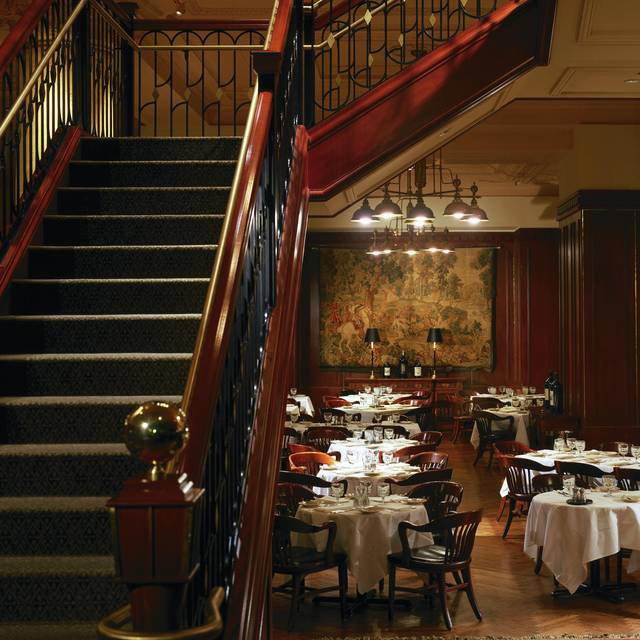
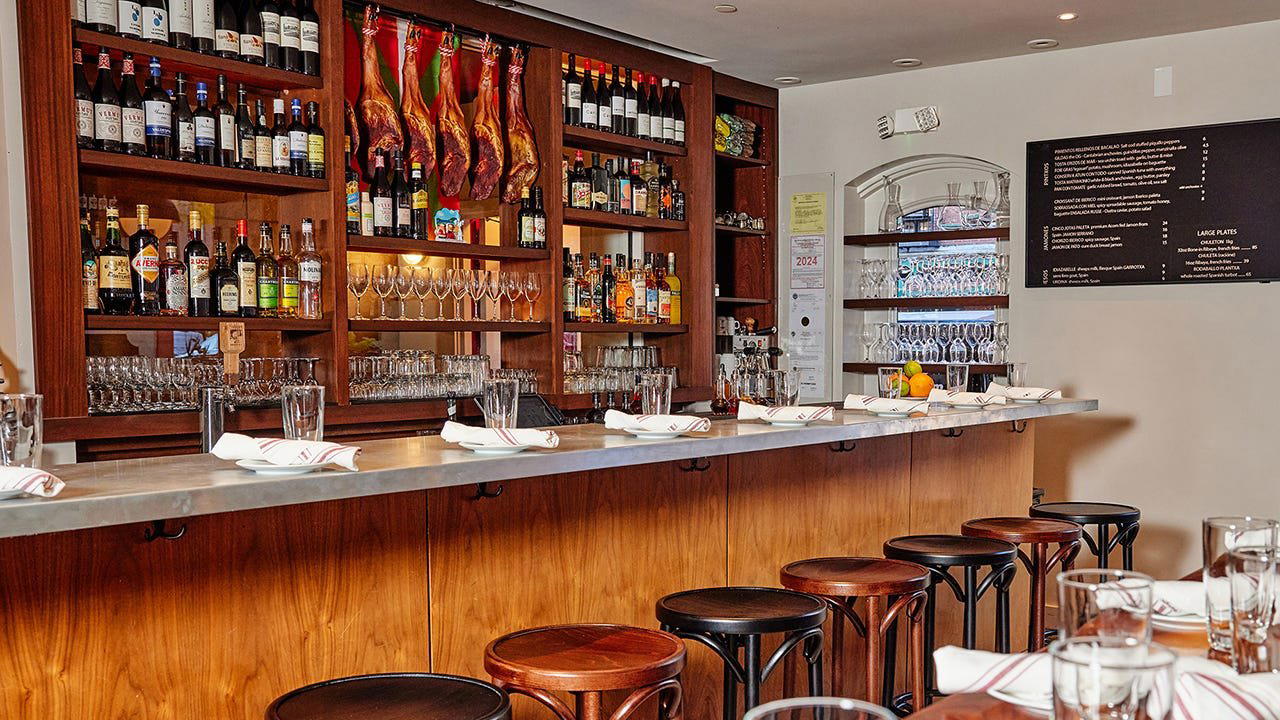
Bars in Boston
Browse all →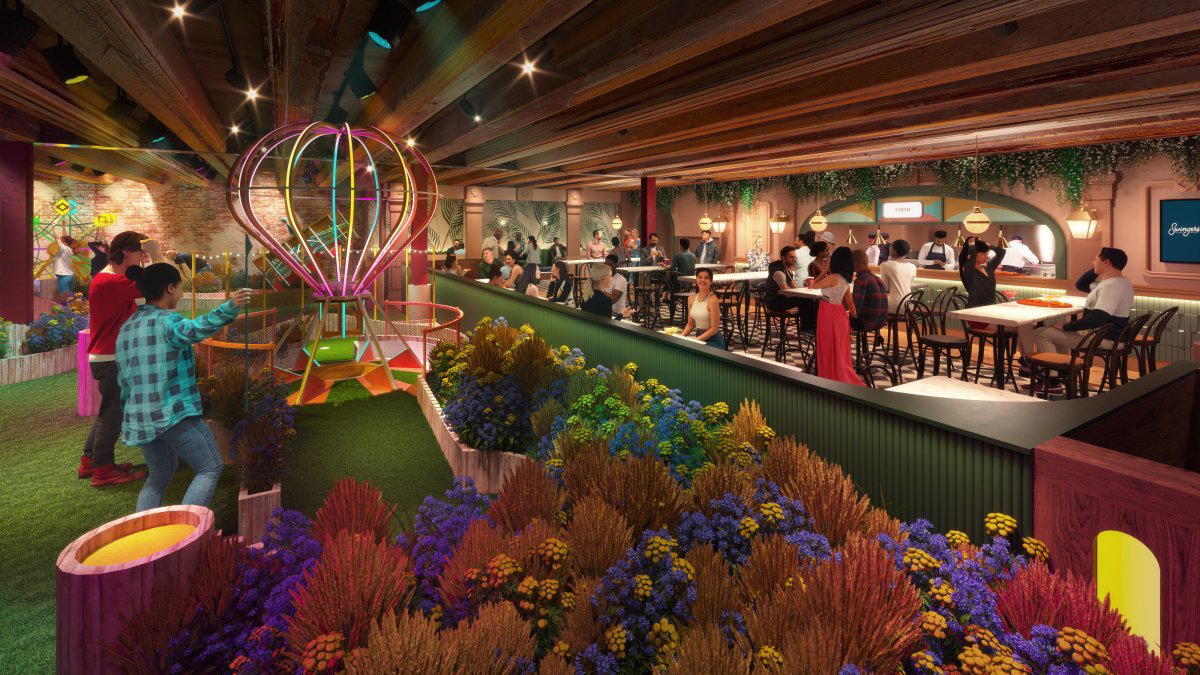
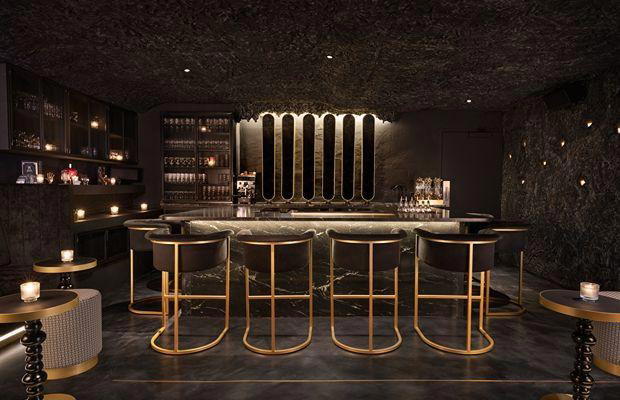
Hotels in Boston
Browse all →
Wineries in Boston
Browse all →
At a Glance
- Elegant
- Sophisticated
- Modern
- Date Night
- Special Occasion
- Celebration
- Standalone
- Extensive Wine List
Current opening hours
- Monday
- 5:30–9 PM
- Tuesday
- 5:30–9 PM
- Wednesday
- 5:30–9 PM
- Thursday
- 5:30–9 PM
- Friday
- 5:30–9:30 PM
- Saturday
- 5:30–9:30 PM
- Sunday
- 5:30–8:30 PM
Hours can change for holidays and private events. Last verified .
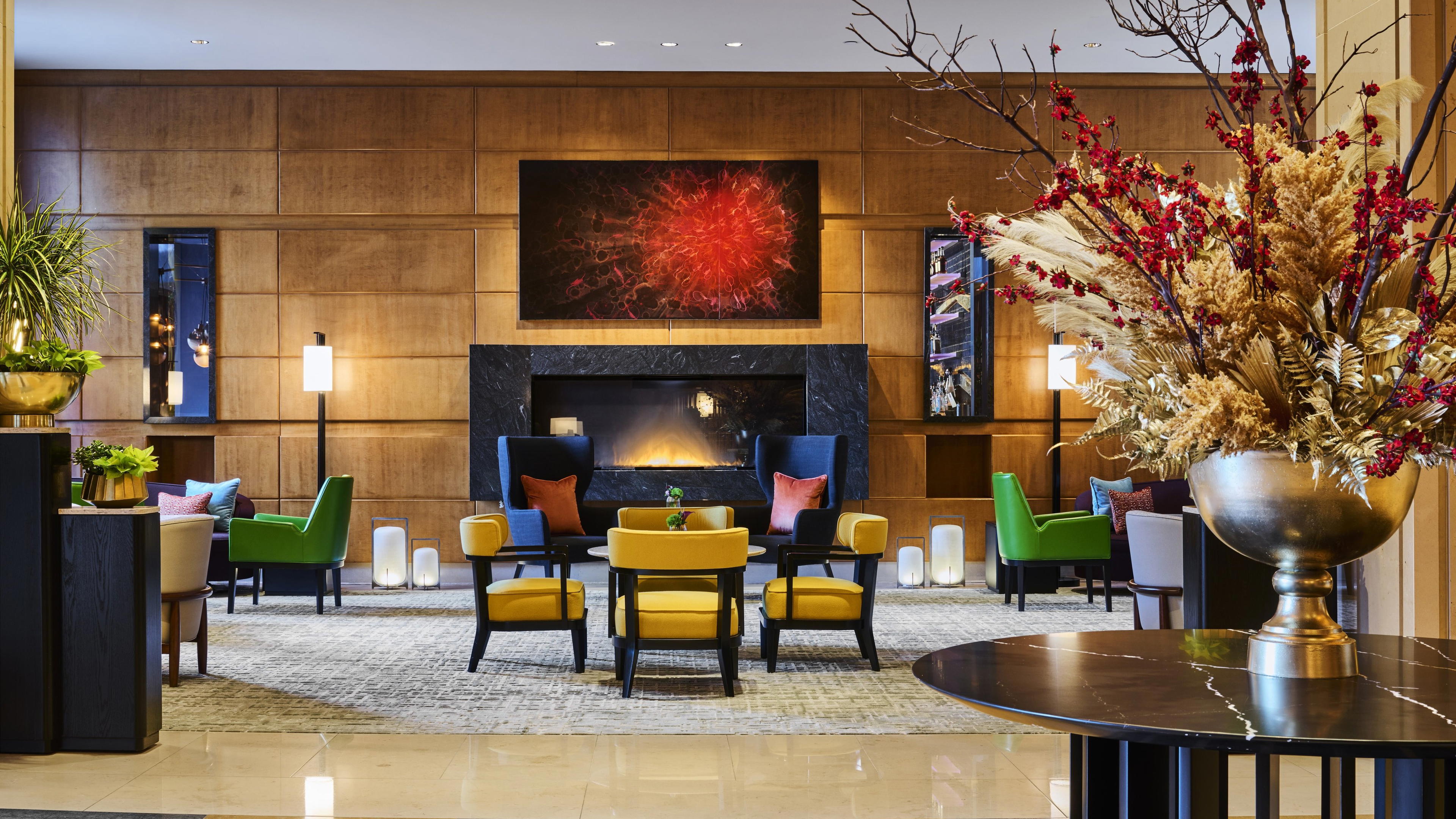
Beautifully appointed with high ceilings, massive windows allowing natural light, perfectly balanced lighting, and an elegant yet welcoming atmosphere.