Hawksmoor
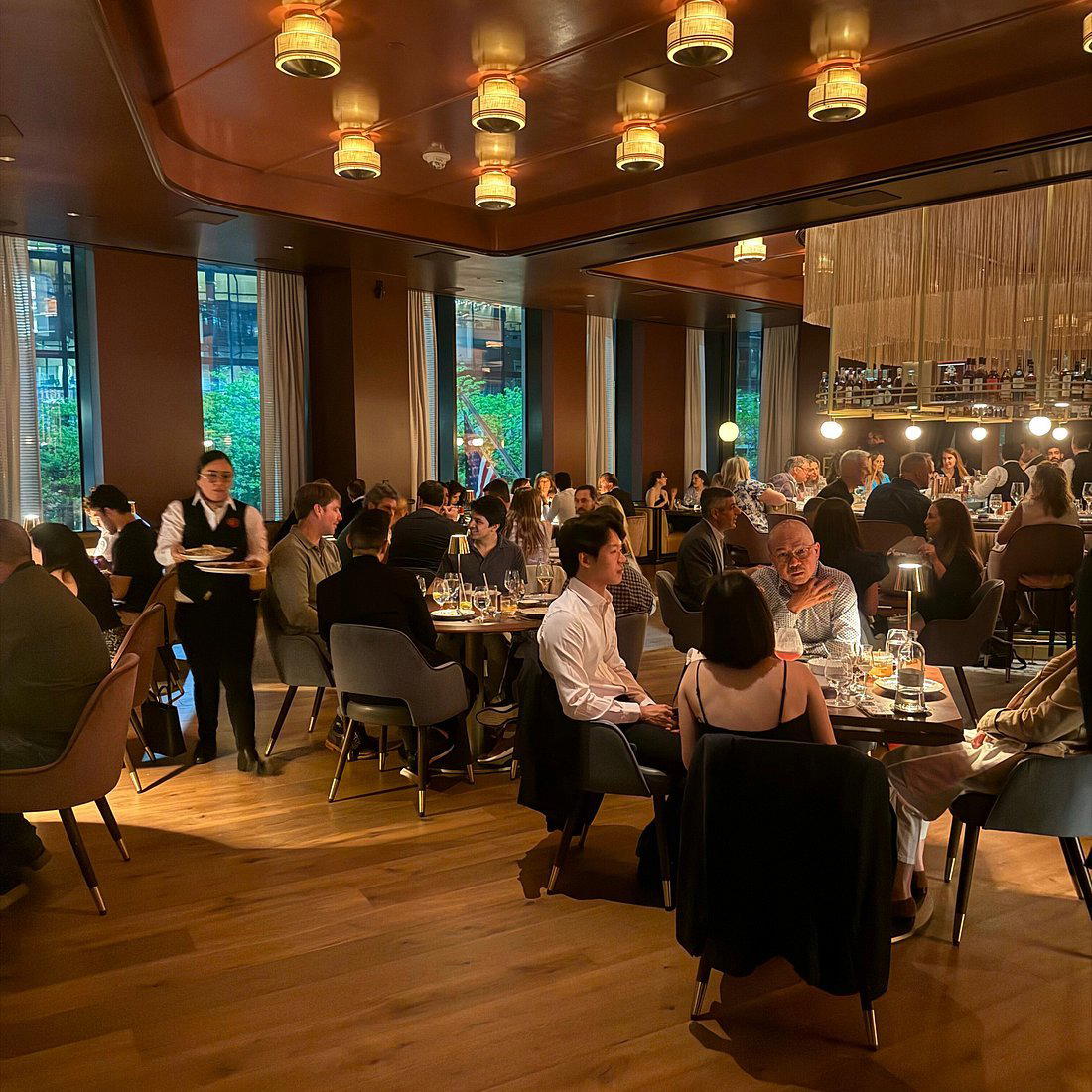
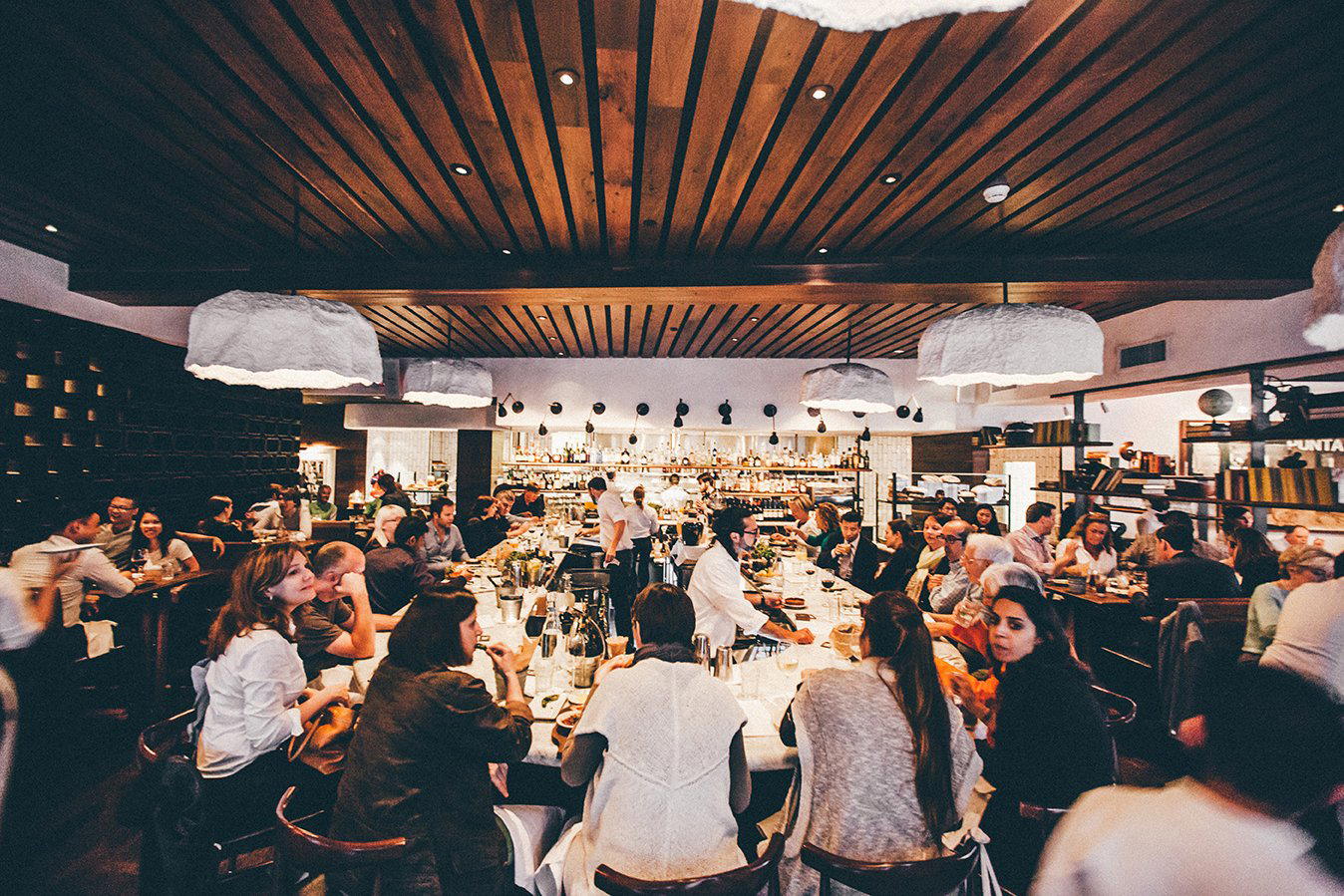
The British steakhouse group that built its reputation on properly aged beef and Sunday roasts brings its deal-table formula to Boston. Hawksmoor occupies a tier where the room does as much work as the menu, dark wood, deliberate service, and the kind of quiet that lets conversations happen. For midday business in a city that still takes lunch seriously, it operates in a narrow and useful category.

Pearl is the En Primeur Club membership app — saves, bookings, and concierge access live there. Same editors, same standards.
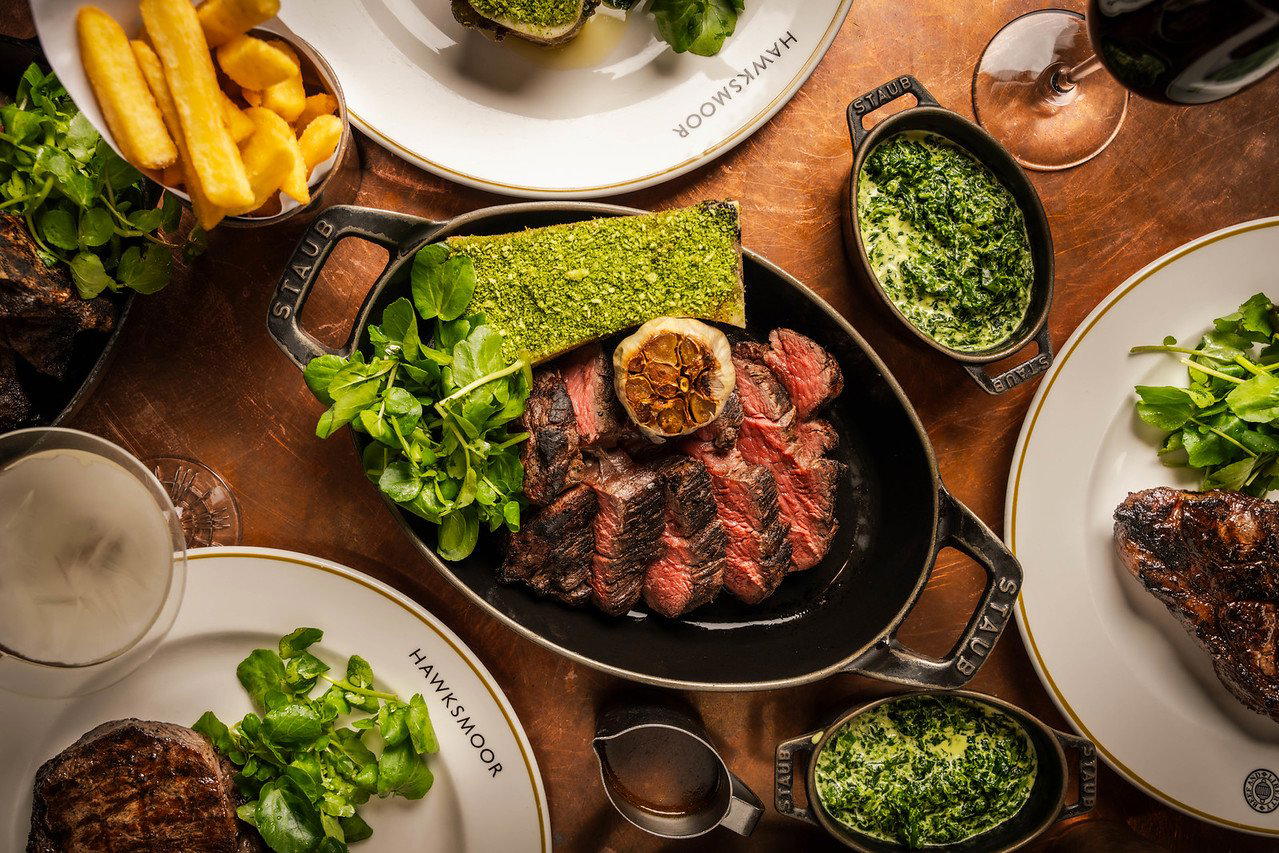
Where the Room Does the Work
Boston's power lunch has always been a different animal from New York's. The city's business culture skews toward discretion over spectacle: partners meetings, investment conversations, the kind of lunch where the bill is secondary to what gets decided over it. The steakhouse format fits that template precisely because it rarely surprises anyone. The menu is legible, the room is dark enough for privacy, and the format signals seriousness without requiring a decision about whether to order the tasting menu. Hawksmoor, the British steakhouse group, arrives in Boston with exactly that logic in place.
The broader steakhouse category in the United States has split into two recognizable tiers. One group operates as high-volume, expense-account machines with consistent execution and deliberately familiar format. The other is smaller, more precise, often drawing on European butchery traditions or heritage-breed sourcing to position itself as a considered alternative. Hawksmoor belongs to the second group, which places it in a different competitive conversation than the dominant American chains and closer to the territory occupied by Abe & Louie's, Boston's long-running standard-bearer for the dressed room and serious cut.
The Steakhouse as Deal Table
The midday ritual at a steakhouse of this type follows a structure that has not changed much in decades, and that is precisely the point. The fixed reference points, the wine list that can be navigated quickly, the absence of anything too challenging or unfamiliar on the menu: all of it exists to remove friction from the actual business of the meal, which is the conversation. Hawksmoor locations built a loyal corporate following precisely because the rooms understood this. The noise levels, the booth arrangements, the pacing of service: each element was calibrated to support the deal-table function rather than compete with it.
That format travels. Boston's financial district and Seaport are both dense with the kind of professional activity that generates demand for exactly this type of room. Venues like 1928 Rowes Wharf and 75 on Liberty Wharf address parts of that demand from the waterfront side, but the steakhouse format carries a specific register that seafood-forward rooms do not. When the decision is steak, the subtext is usually that the host wants the guest to feel that no expense calculation happened. It is one of the few remaining restaurant categories where the act of ordering a second bottle reads as confidence rather than excess.
Beef, Roasts, and the British Reference Point
What distinguishes Hawksmoor from the American steakhouse tradition is not just the sourcing but the Sunday roast format, which the group has carried into its international locations as a deliberate identity marker. In Britain, the Sunday roast occupies a social role that the weekday power lunch does not, it is slower, more communal, and built around shared plates rather than individual cuts. Hawksmoor has used it as a weekend proposition that softens the weekday intensity of the format and draws a different dining occasion into the same room.
The dry-aging approach that the group uses in London is the technical foundation of its beef identity. Properly dry-aged beef requires time, controlled humidity, and the willingness to lose weight during the process, which means the cost structure is fundamentally different from wet-aged alternatives. The result is a more concentrated, slightly nutty flavor profile that makes the product identifiable in a way that most American steakhouse beef is not. The group's established model creates a clear expectation.
For context on what serious beef programs look like in the American fine dining register more broadly, the bar is set by rooms operating at the level of The French Laundry or Alinea in their respective categories. Hawksmoor is not a tasting-menu operation, it is a steakhouse, which means the comparison set is narrower and the execution criteria are specific: the quality of the aging, the temperature of the cook, and the calibration of the sides.
Boston in Context
Boston's restaurant scene has broadened considerably over the past decade. The city now hosts operations across formats that would have been unusual here fifteen years ago, 311 Omakase at the tight counter end, Agosto for Portuguese-inflected tasting menus, and the raw bar tradition represented by Neptune Oyster. That breadth does not displace the steakhouse category; it contextualizes it. In a city with more options, the choice to book a steakhouse is more deliberate, which means the rooms that occupy that format need to do it well or risk being passed over for something more interesting.
Hawksmoor's international track record, built across multiple London locations and a successful New York entry, gives it credentials that a new independent would take years to establish. That lineage does not guarantee execution in Boston, but it signals a model that has been tested at scale, which matters when the purpose of the meal is to signal competence to a guest rather than to experiment.
And for reference points at the highest tier of American fine dining, Le Bernardin, Blue Hill at Stone Barns, Single Thread Farm, Providence, Addison, The Inn at Little Washington, Atomix, Lazy Bear, Emeril's, and 8 1/2 Otto e Mezzo Bombana each represent the category ceiling in their respective cities and formats.
Planning Your Visit
Reservations are recommended. Lunch is likely the business-focused service, with dinner drawing a broader mix of occasions. The Sunday roast is best booked in advance.
Cuisine and Recognition
Comparable venues nearby, for context on price, style, and recognition.
| Venue | Cuisine | Price | Notes |
|---|---|---|---|
| HawksmoorThis venue — the venue you are viewing | British Steakhouse | $$$$ | Not listed |
| Abe & Louie’s | Classic Steakhouse | $$$$ | Back Bay |
| The Palm | Classic Steakhouse | $$$$ | Financial District |
| Amar | Modern Portuguese Seafood | $$$$ | Back Bay |
| Grana at The Langham, Boston | Modern Italian | $$$$ | Financial District |
| Willie’s | Steakhouse & Sushi | $$$ | Beacon Hill |
Continue exploring
More in Boston
Restaurants in Boston
Browse all →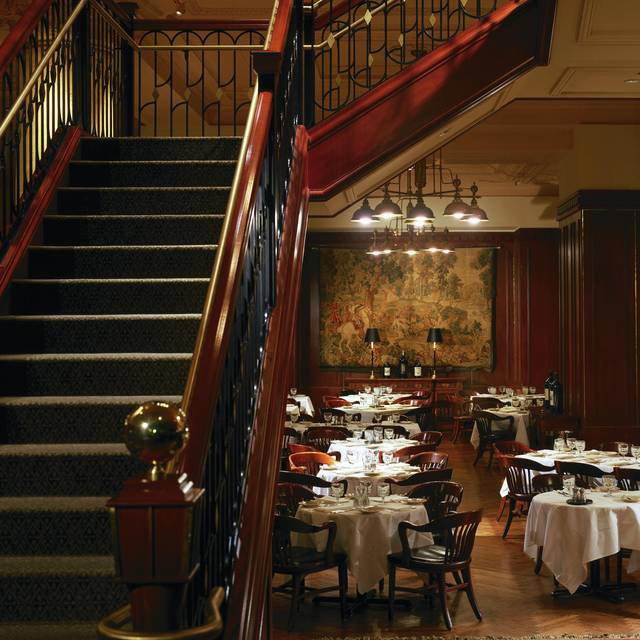
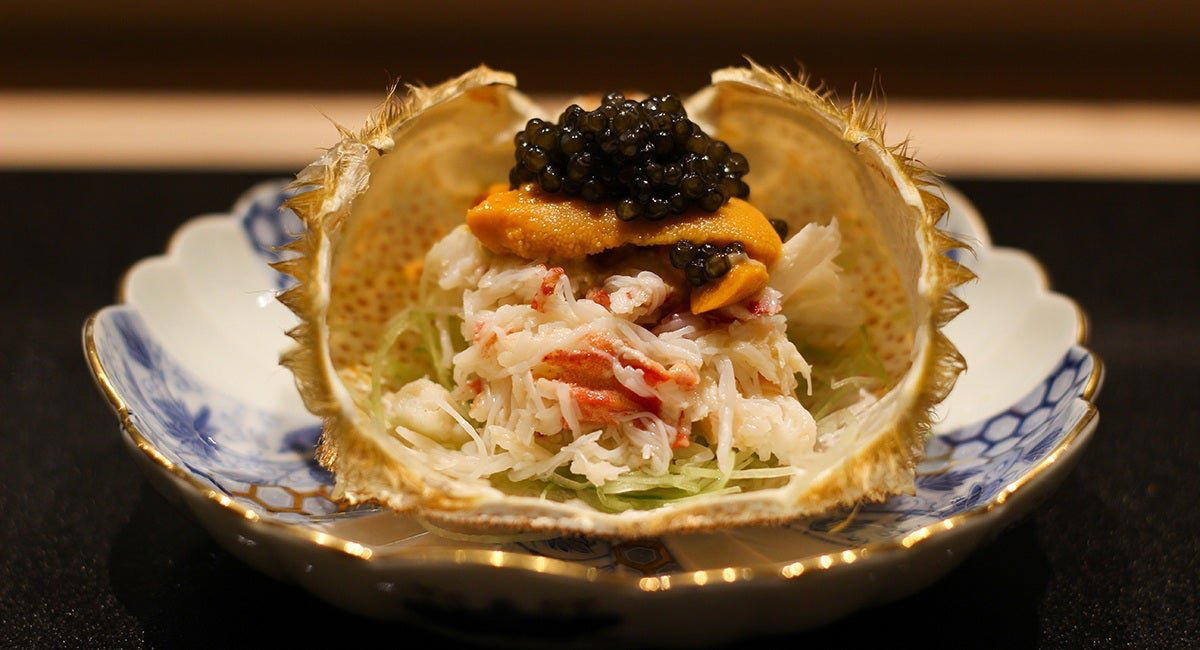
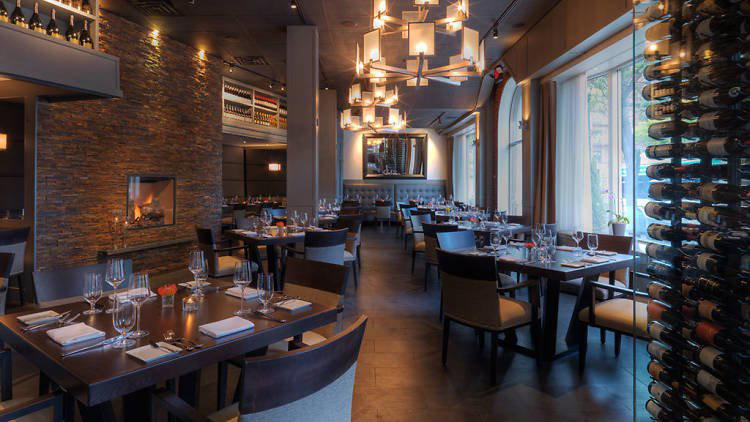
Bars in Boston
Browse all →
Hotels in Boston
Browse all →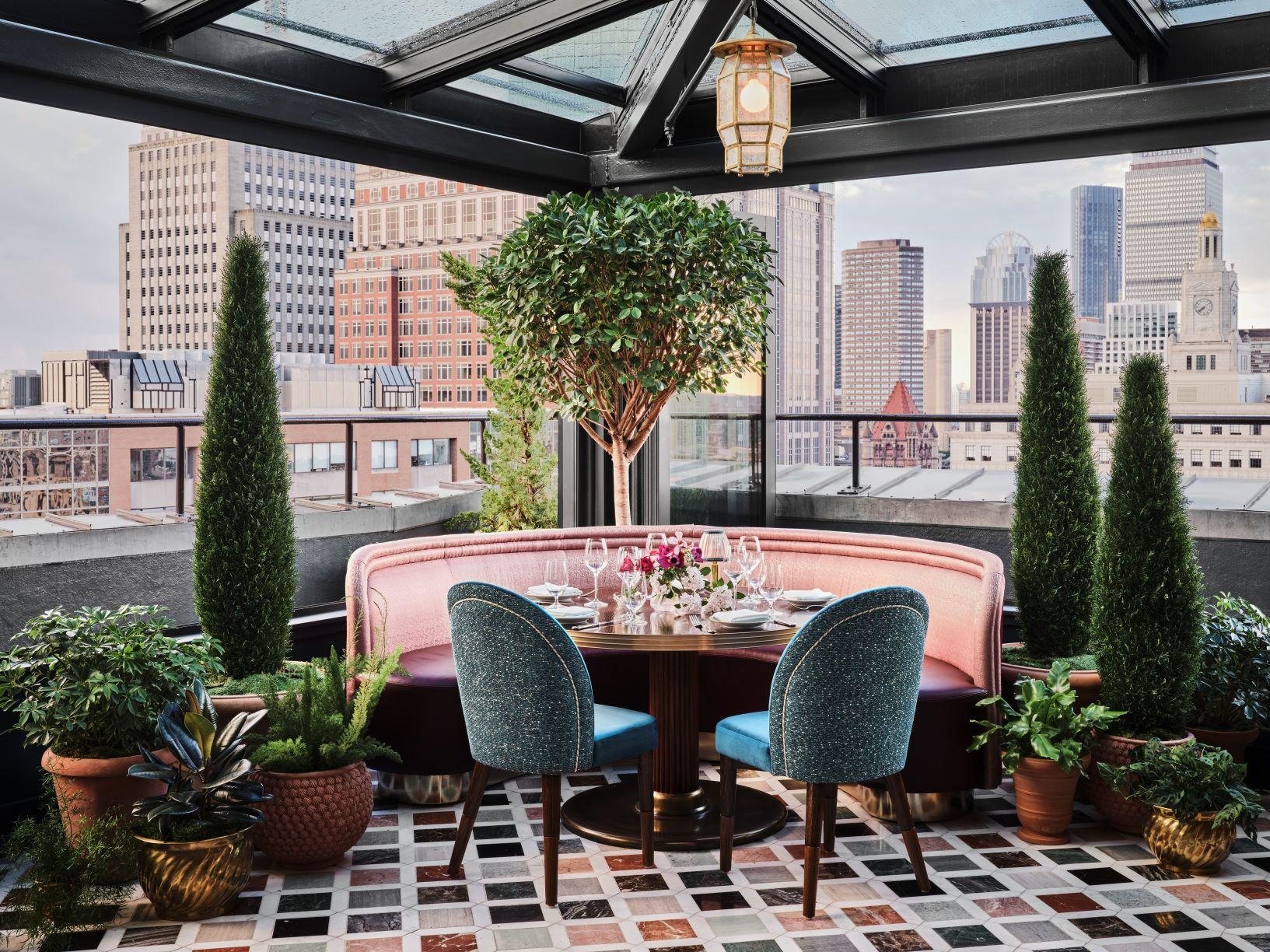

Wineries in Boston
Browse all →
At a Glance
- Elegant
- Sophisticated
- Classic
- Date Night
- Business Dinner
- Special Occasion
- Open Kitchen
- Terrace
- Waterfront
- Craft Cocktails
- Sustainable Seafood
- Local Sourcing
- Waterfront
Polished yet welcoming atmosphere with an outdoor terrace offering sweeping waterfront views of the Fort Point Channel.