Google: 4.3 · 210 reviews
Moody Tongue Sushi
.png)
Moody Tongue Sushi, on West 10th Street in Greenwich Village, carries Michelin Plate recognition and a format that pairs nigiri directly with craft beer. The approach traces to Chicago's Moody Tongue Brewing, with sushi by Hiromi Iwakiri taking the lead. Nigiri sets matched to specific house brews — including an exclusive Shaved Black Truffle Rice Lager — make this one of Manhattan's more genuinely distinctive omakase-adjacent formats.
 Discover on Pearl
Pearl is the En Primeur Club membership app — saves, bookings, and concierge access live there. Same editors, same standards.

Where Craft Beer Enters the Omakase Conversation
Manhattan's premium sushi tier has, for most of the past decade, organised itself around two pairing languages: sake and wine. A handful of counters have experimented with cocktail pairings, and a smaller number still have tried to write beer into that conversation — usually without conviction. Moody Tongue Sushi, which arrived in New York's Greenwich Village as the restaurant arm of Chicago's Moody Tongue Brewing, is the clearest case of the beer-and-nigiri format being executed with enough seriousness to earn Michelin recognition. The 2024 Michelin Plate places it in a bracket that few beer-forward restaurants occupy anywhere in the United States.
The broader context matters here. Chicago's Moody Tongue Brewing had already built a reputation for culinary-driven beer before the New York address opened, earning Michelin attention at its Chicago operation. Transplanting that model to a city where sushi is both fiercely competitive and deeply scrutinised required a credible kitchen lead. Hiromi Iwakiri's sushi provides that anchor. The result is a room that sits in an unusual competitive position: it is neither a destination omakase counter in the mould of Joji or Shion 69 Leonard Street, nor a casual neighbourhood sushi bar. It occupies the space between, with a $$$$-tier price point and a format defined by its pairing programme rather than the number of courses or a single chef's progression philosophy.
The Pairing Format and Why It Changes What You Order
Sushi pairing menus typically ask the diner to follow a fixed sequence. Moody Tongue Sushi offers both an à la carte menu and nigiri sets, but the logic of the room pulls toward the sets — specifically because the beer pairings are integrated into the structure rather than offered as an optional add-on. This distinction matters. At most sushi counters at this price range, the beverage programme exists alongside the food; here, it is compositionally linked to it.
The documented pairings illustrate this approach concretely. Ora King salmon is matched with a Sour Watermelon Saison, a pairing that works through acidity and fat in the same way a high-acid white Burgundy would against richer fish. Madai with orange zest is paired with an Orange Blossom Blonde, which amplifies the citrus note already present in the preparation rather than contrasting it. The Oak Barrel Aged Flanders Red Ale , a style with considerable sourness and stone-fruit complexity , is paired with sweet jumbo shrimp topped with Hokkaido uni and caviar, a combination that would read as excessive if the beer's acidity were not doing structural work to cut through it. These are not novelty pairings. They reflect a considered understanding of how flavour compounds interact across the beer-sushi divide.
The Shaved Black Truffle Rice Lager is an exclusive to this location and carries a price premium that signals its positioning within the programme. For reference points at the higher end of the New York sushi market, see Sushi Sho and Bar Masa. The truffle lager sits in a different register from both: it is a house-specific product rather than a sourced sake or a sommelier-driven wine list, and that exclusivity functions as a genuine differentiator rather than a marketing point.
Seasonality in the Glass and on the Plate
Editorial angle that makes Moody Tongue Sushi particularly worth examining over time is seasonality , and the fact that it operates on two seasonal tracks simultaneously. Traditional sushi seasonality follows fish: buri (yellowtail) in winter, shad and firefly squid in spring, young sea bream and bonito as summer approaches, Pacific saury in autumn. Itamae who build menus around these rhythms are operating a calendar that most Western diners only partially understand.
Craft beer adds a second seasonal layer. Saisons are traditionally spring and summer releases; barrel-aged stouts and Flanders reds tend to anchor autumn and winter programming. A sushi counter that ties its beer pairings to seasonal brewing schedules is therefore running two interlocking calendars, and the moments when those calendars align , a barrel-aged sour in winter matched against richer, fattier cold-season fish , represent the format at its most coherent. This is the kind of consideration that distinguishes serious craft beer programmes from those that simply stock a few local cans.
For comparison, the seasonal pairing format has been explored at other ambitious American restaurants. Lazy Bear in San Francisco builds its beverage programme around seasonal and fermented pairings. Alinea in Chicago , also from a city with deep craft beer culture , shifts its menu on tight seasonal cycles. What makes Moody Tongue Sushi's version specific is that the primary pairing language is beer, not wine or cocktails, within a Japanese sushi format that has its own independent seasonality logic. The two systems do not always align, and the menu choices that navigate that tension most successfully are worth ordering around.
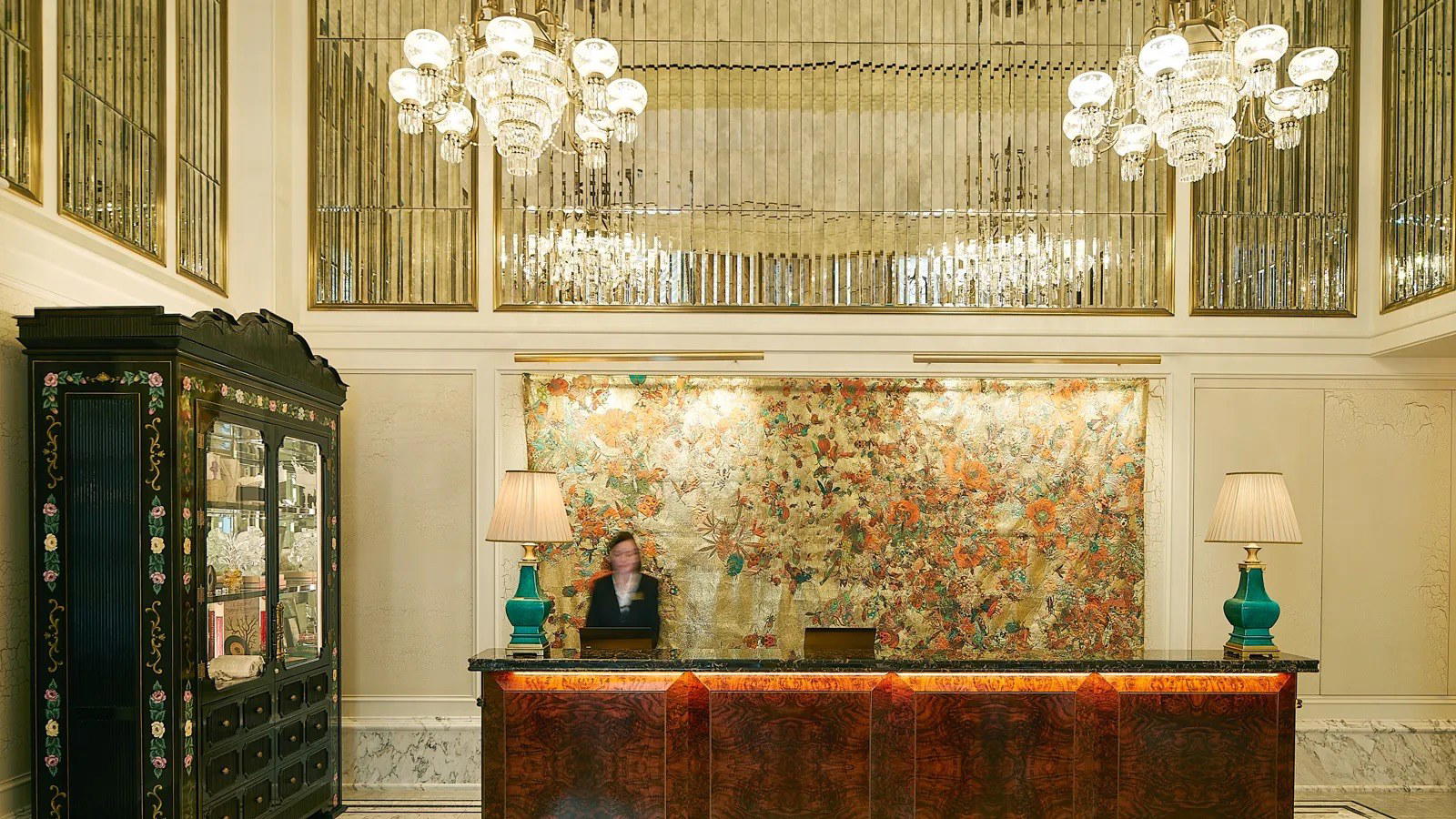
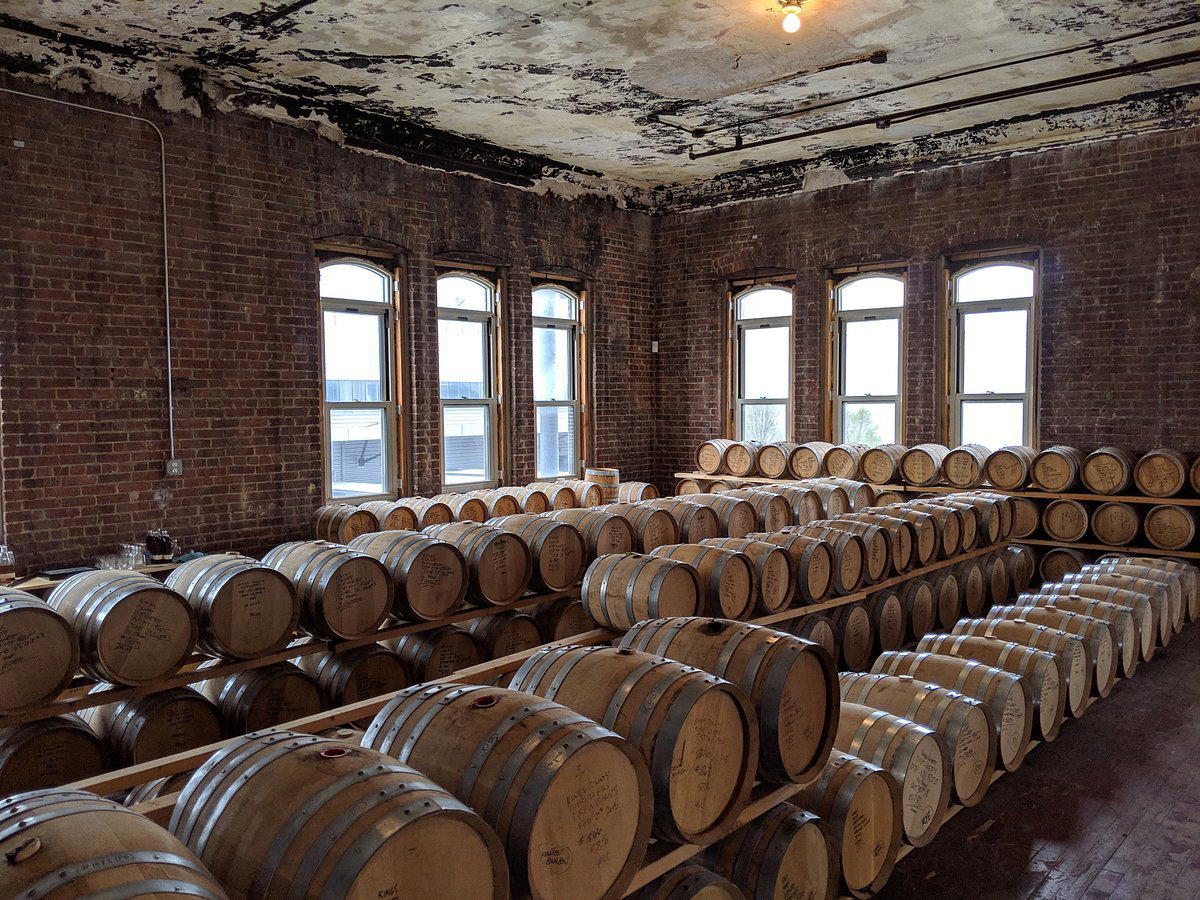
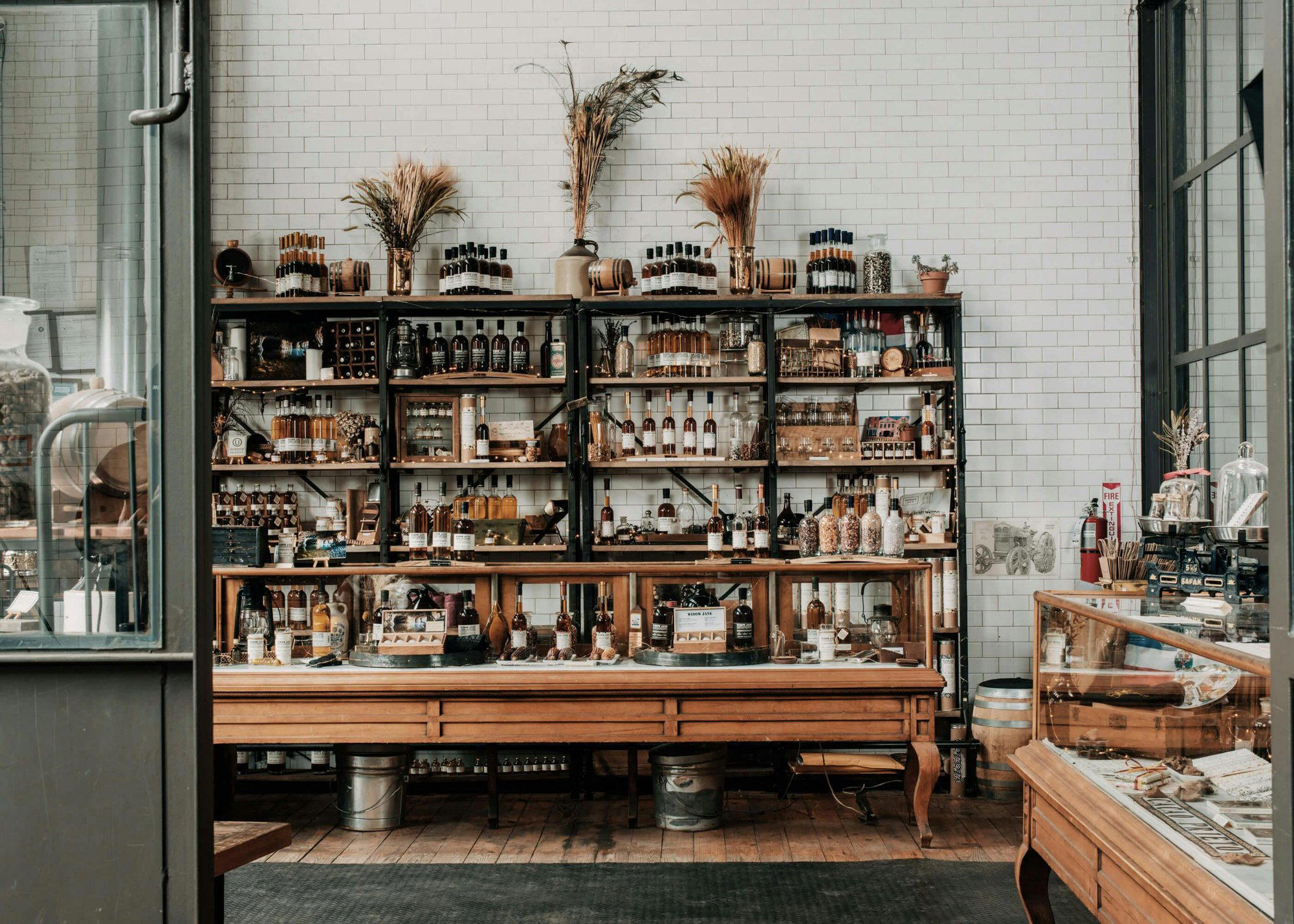
Diners who visit across multiple seasons will notice the programme shift. A spring visit, when the Sour Watermelon Saison is in circulation, offers a different experience from a winter visit, when heavier, barrel-aged options are more likely to anchor the set. The room itself, with its carved black-painted wood door and the interplay of old-world materials and modern detail, holds constant; the beverage programme is what moves.
Where It Sits in the New York Sushi Picture
New York's sushi market is wide enough to accommodate significant range at the $$$$-tier. At one end, counters like Joji and Shion 69 Leonard Street compete on the rigour of their omakase progression and the depth of their sake and wine programmes. At the more accessible end of the same price tier, Blue Ribbon Sushi has built a long-running reputation for reliable à la carte quality. Moody Tongue Sushi does not compete directly with either group. Its peer set is better understood as restaurants where the beverage programme is itself the primary editorial statement: places where what you drink is structurally integrated with what you eat, rather than selected from a list after the menu is set.
Internationally, the model has partial analogues. Harutaka in Tokyo and Sushi Shikon in Hong Kong represent the end of the spectrum where Japanese tradition and formal pairing converge at the highest level. Moody Tongue Sushi is not operating at that tier of formal rigour, but it is doing something those venues do not: making beer a serious pairing language in a sushi context, with Michelin recognition to validate the attempt.
For diners building a broader New York itinerary, the full New York City restaurants guide covers the range from accessible neighbourhood spots to multi-star destination dining. Those also planning accommodation or further exploration can consult the New York City hotels guide, bars guide, wineries guide, and experiences guide.
Know Before You Go
- Address: 150 W 10th St, New York, NY 10014 (Greenwich Village)
- Price range: $$$$
- Recognition: Michelin Plate (2024)
- Google rating: 4.3 from 169 reviews
- Format: À la carte and nigiri sets; beer pairings integrated into set menus
- Booking: Contact venue directly for current availability
- Note: The Shaved Black Truffle Rice Lager is exclusive to this location and carries a premium price
Budget Reality Check
A fast peer set for context, pulled from similar venues in our database.
| Venue | Price | Awards | Notes |
|---|---|---|---|
| Moody Tongue Sushi | $$$$ | Push open a heavy, carved black-painted wood door to this space brimming with ol… | This venue |
| Le Bernardin | $$$$ | Michelin 3 Star | French, Seafood, $$$$ |
| Atomix | $$$$ | Michelin 2 Star | Modern Korean, Korean, $$$$ |
| Masa | $$$$ | Michelin 3 Star | Sushi, Japanese, $$$$ |
| Per Se | $$$$ | Michelin 3 Star | French, Contemporary, $$$$ |
| Eleven Madison Park | $$$$ | Michelin 3 Star | French, Vegan, $$$$ |
Continue exploring
More in New York City
Restaurants in New York City
Browse all →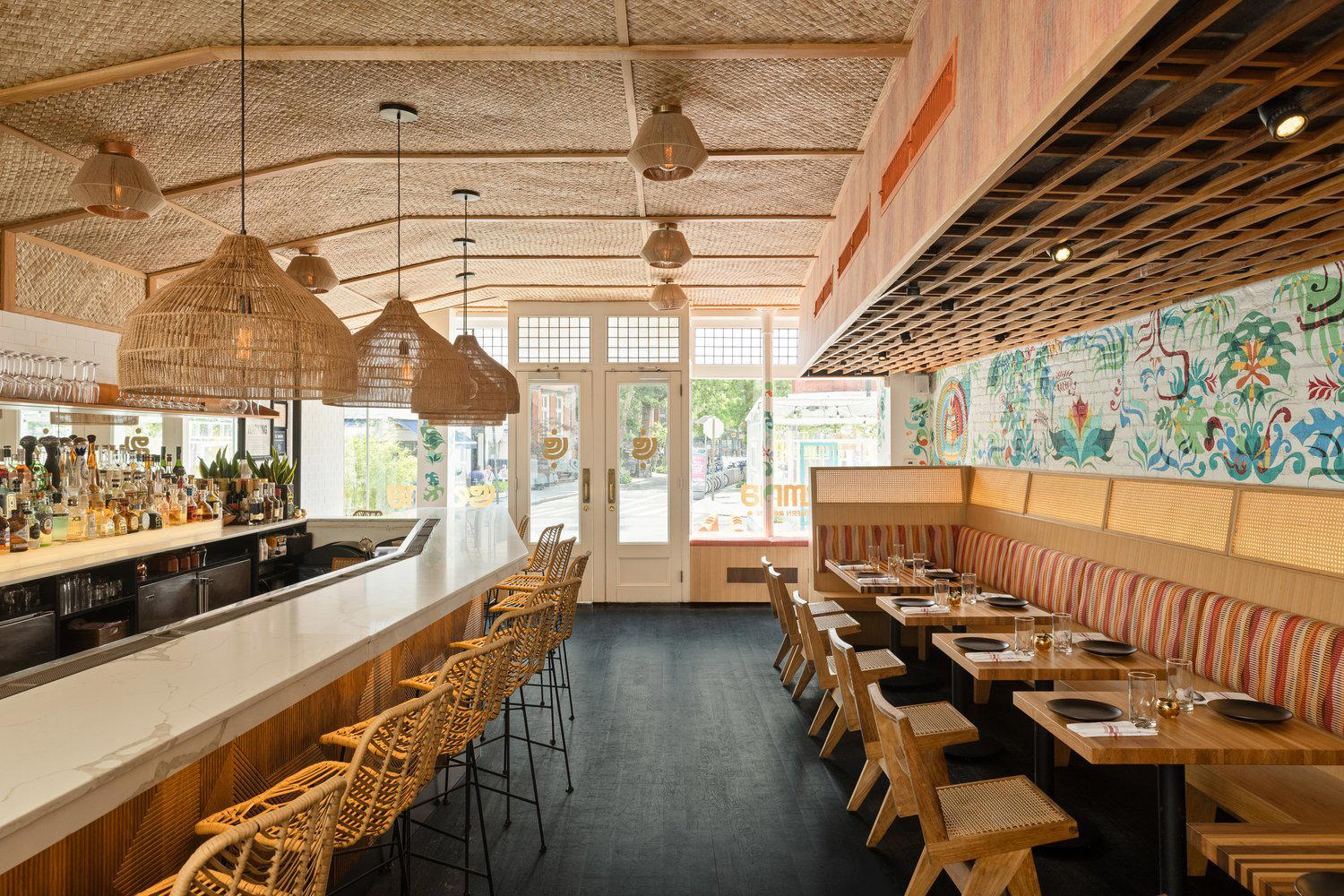
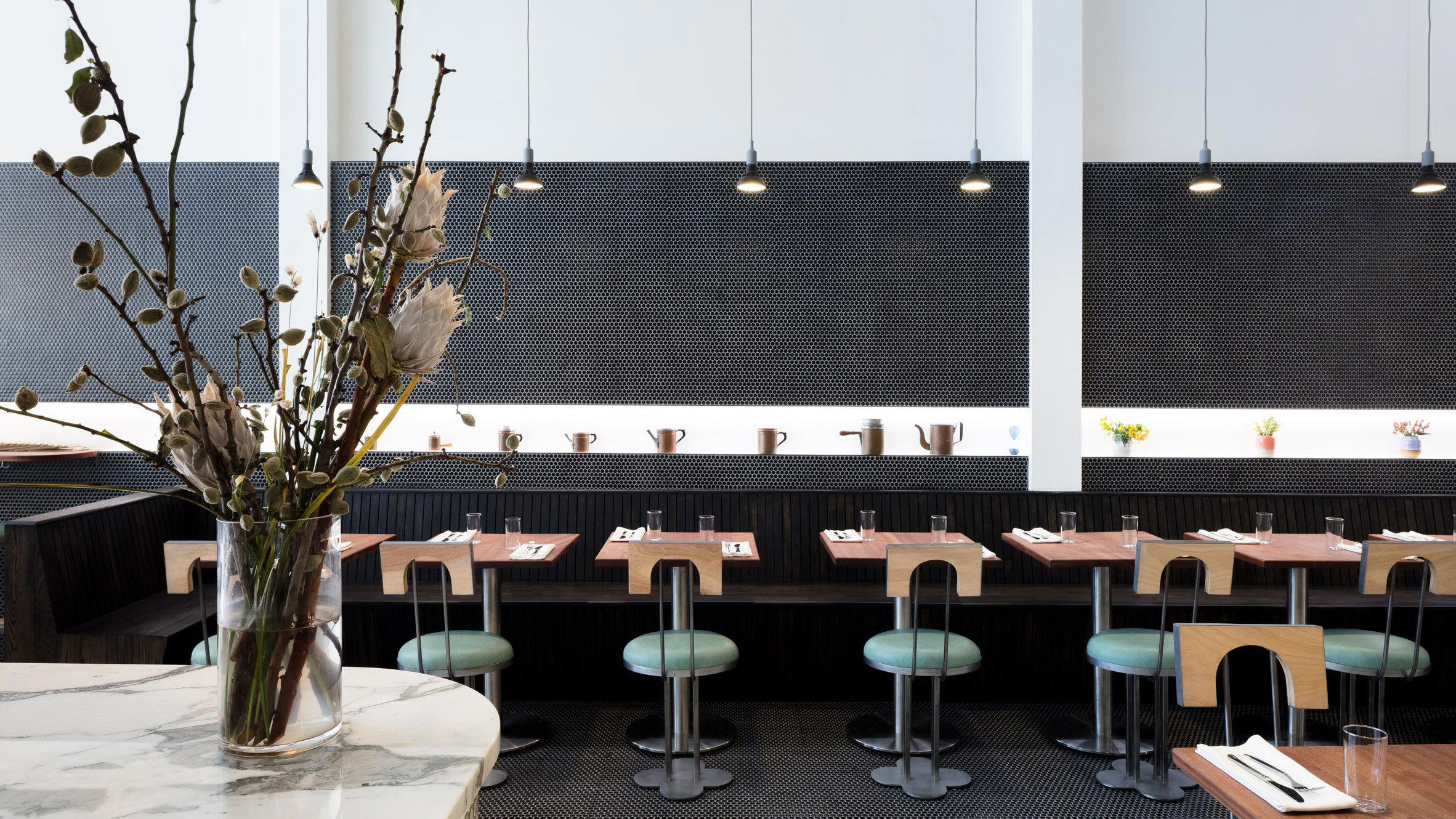
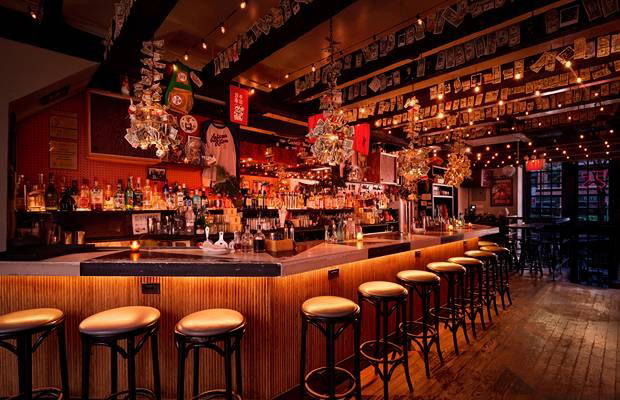
Bars in New York City
Browse all →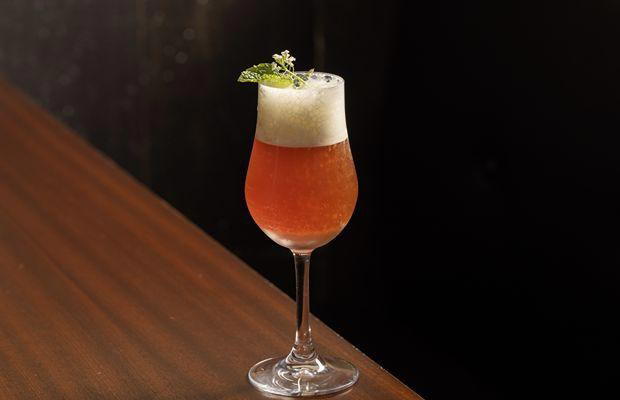
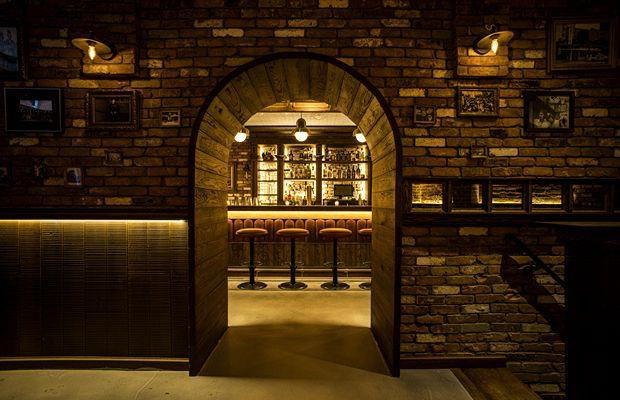
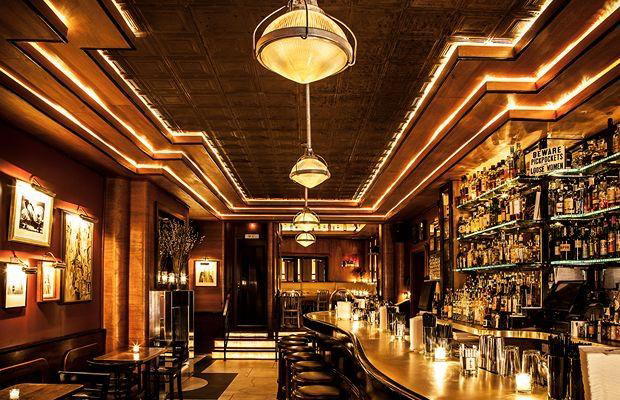
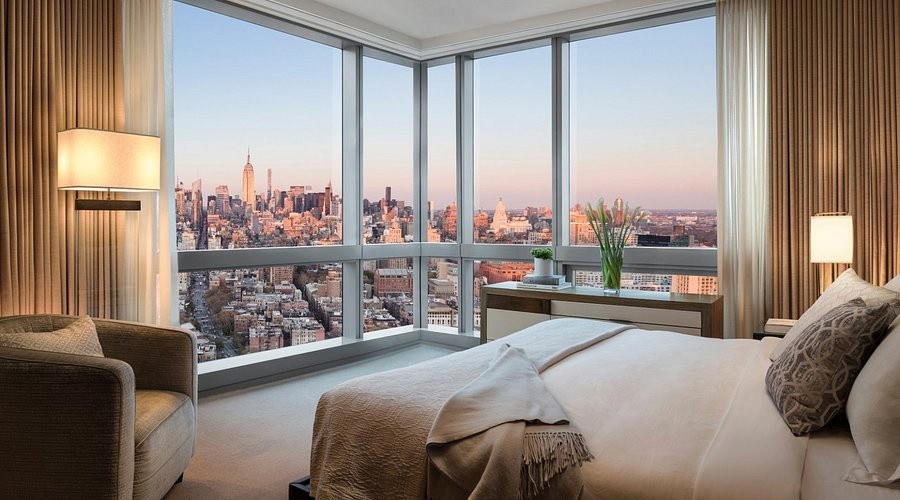
Hotels in New York City
Browse all →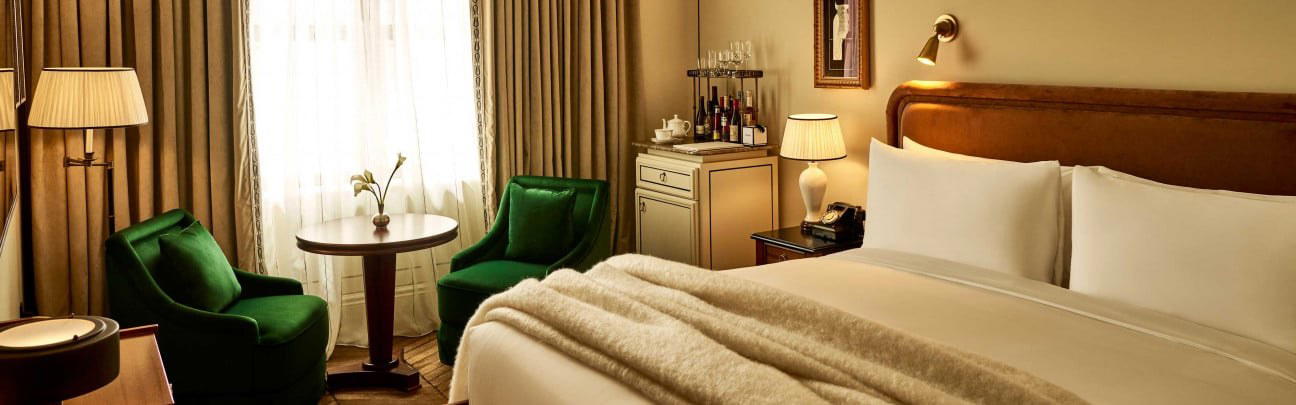


At a Glance
- Cozy
- Modern
- Elegant
- Intimate
- Date Night
- Special Occasion
- Chefs Counter
- Open Kitchen
- Sake Program
- Craft Cocktails
- Beer Program
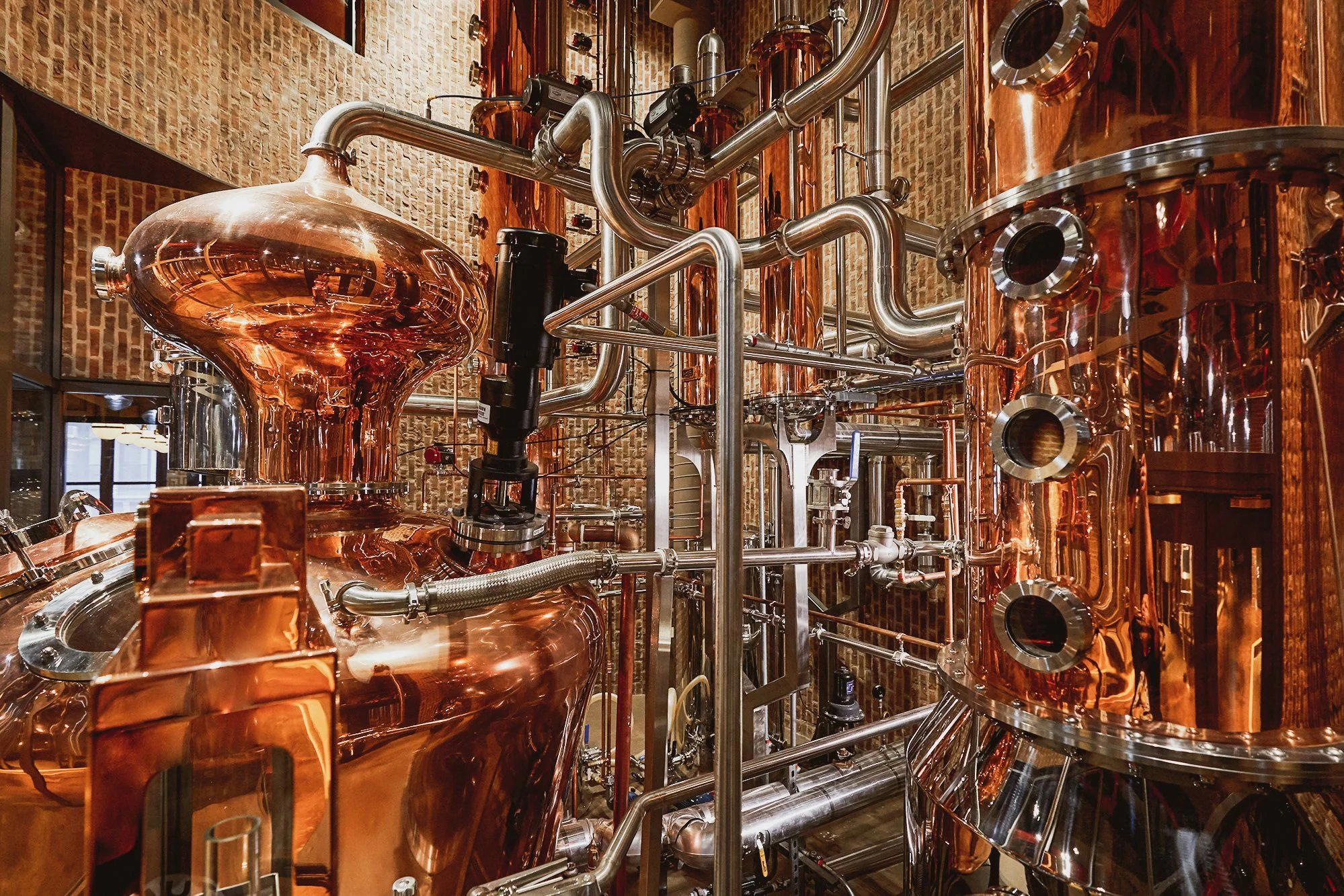
Cozy space with brick walls, parquet floors, old world charm, and modern touches.