Mona Lisa
On Royal Street in the French Quarter, Mona Lisa occupies a stretch of New Orleans where Italian-American traditions and Creole sensibilities have long overlapped. The address at 1212 Royal St places it within walking distance of the Quarter's most concentrated dining corridor, making it a reference point for visitors mapping the neighbourhood's mid-range dining scene.
Pearl is the En Primeur Club membership app — saves, bookings, and concierge access live there. Same editors, same standards.
- Address
- 1212 Royal St, New Orleans, LA 70116
- Phone
- +15045226746
- Website
- monalisaneworleans.com
- Directions
- Get directions
 Saves & bookings on Pearl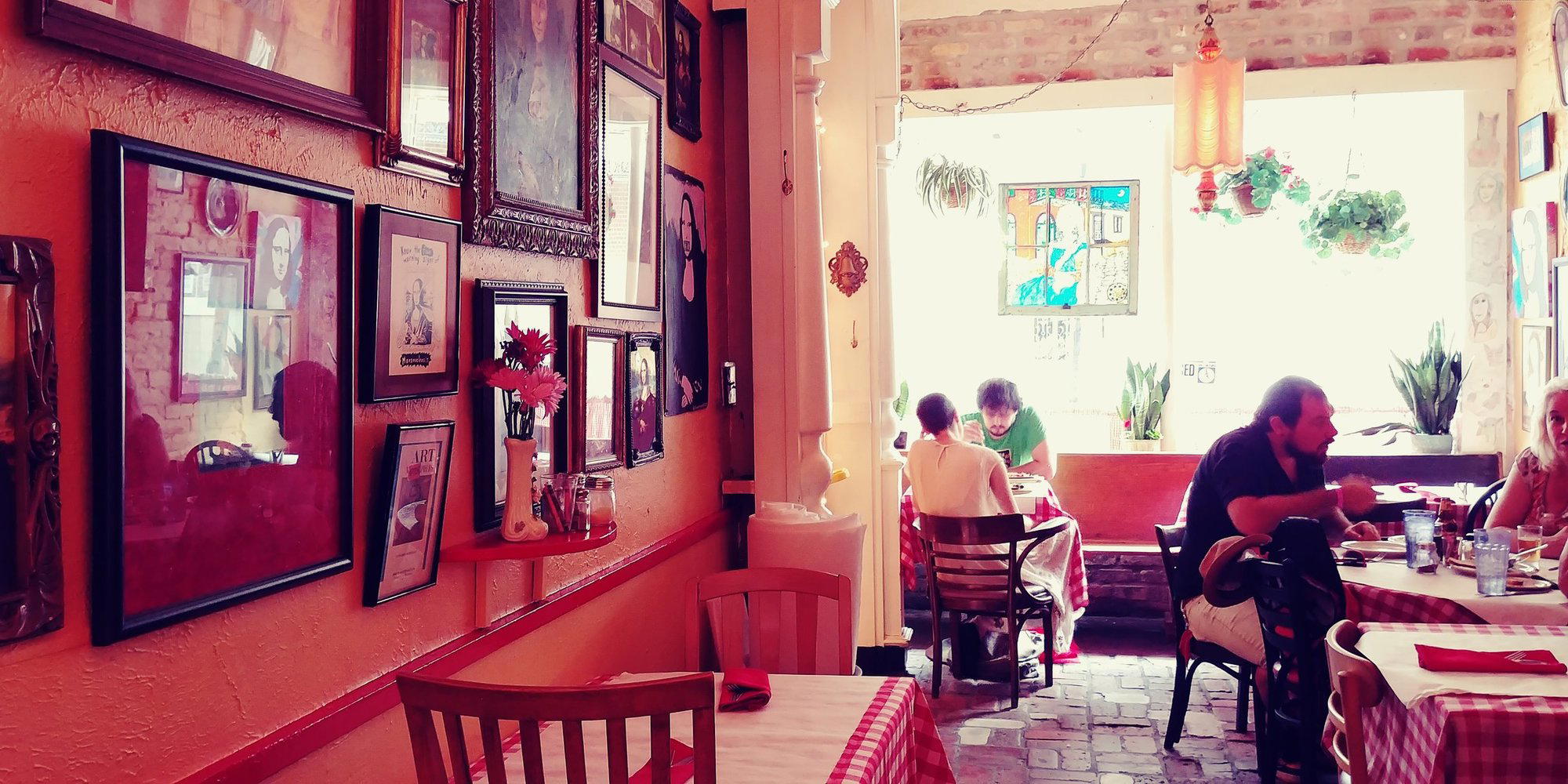
Royal Street and the Rooms That Hold a City's Character
Royal Street does not announce itself the way Bourbon Street does. There are no neon signs competing for attention, no amplified house bands bleeding through closed doors. What the street offers instead is a particular density of wrought-iron balconies, art galleries occupying converted Creole cottages, and restaurants that have been absorbing the neighbourhood's slow rhythms long enough to feel genuinely embedded in them. Mona Lisa is a casual Italian-American pizza and pasta restaurant at 1212 Royal St, New Orleans, LA 70116, in the French Quarter.
That sense of continuity matters in New Orleans more than in almost any other American dining city. The French Quarter's restaurant culture layers Italian-American immigrant traditions over a Creole foundation, producing a category of dining room that resists easy classification. These are not Cajun institutions in the mode of Emeril's, nor are they contemporary tasting-menu addresses in the register of Saint-Germain or Re Santi e Leoni. They occupy a middle register that New Orleans has always been better at sustaining than most cities: the neighbourhood restaurant with a distinct identity that is not tied to a celebrity chef or a tasting menu format.
The Physical Experience of the French Quarter at Table
The smell of the neighbourhood shifts between coffee, something savory from a kitchen exhaust, and the mineral dampness that is specific to old brick in humid climates. Light in this part of the Quarter tends to be indirect, filtered through deep covered galleries and the canopy of live oaks that line the side streets, and the transition from street to interior in most of the neighbourhood's older buildings involves moving through a threshold that changes the acoustic register entirely. The street's ambient noise drops; the interior's warmth takes over.
This physical dynamic is not distinctive to any single address on Royal Street, but it shapes the experience of dining along it in ways that distinguish the Quarter from the Warehouse District's converted industrial spaces or the Garden District's more formal residential blocks. Dining at this end of the French Quarter means accepting a particular kind of room: high ceilings, dense with history, where the architecture does as much work as the menu in establishing atmosphere.
Bayona on Dauphine Street represents the Quarter's upper tier, a New American address with sustained critical recognition. Mona Lisa occupies a more accessible register, the kind of address that serves the neighbourhood as much as it serves visitors.
Italian-American Traditions in a Creole City
New Orleans has one of the older Italian-American communities in the United States, a fact that shaped the city's food culture in ways that are often underacknowledged relative to the French and African culinary traditions that dominate the narrative. The Sicilian immigration wave of the late nineteenth and early twentieth centuries produced a strand of New Orleans cooking that blended Italian technique with local ingredients, a tradition visible in red-sauce restaurants, muffuletta shops, and the city's general ease with pasta and pizza formats that read differently here than they do in New York or Chicago.
A restaurant named Mona Lisa on Royal Street positions itself within that tradition by reference alone. The name invokes Italian-American cultural identity in a city where that identity has a specific and documented history. Whether the kitchen delivers on the implied promise is a question of execution rather than concept, but the concept itself connects to something real about this city's food culture, a layering of European immigrant traditions over Creole and Cajun foundations that makes New Orleans's dining scene more genuinely plural than its marketing image sometimes suggests.
For readers comparing New Orleans's neighbourhood dining to the formal destination restaurant tier visible in cities like San Francisco (Lazy Bear), Chicago (Alinea), or New York (Le Bernardin, Atomix), the gap in scale and formality is instructive. New Orleans does not compete in the tasting-menu prestige category the way those cities do, the city's strengths lie in the depth and authenticity of its middle register, in addresses like this one that carry neighbourhood identity more than critical accolade.
Situating Mona Lisa in Its comparable set
Among French Quarter restaurants operating at a mid-range price point, the relevant comparison set includes Italian-inflected addresses, pizza-forward rooms, and the neighbourhood bistros that serve residents as much as tourists. This is a different competitive tier than Zasu on the American Contemporary side or the Warehouse District's more design-conscious openings. The value proposition here is rooted in accessibility and neighbourhood character rather than kitchen ambition or tasting-menu depth.
Across the wider American fine dining map, the addresses that draw sustained attention, The French Laundry in Napa, Single Thread Farm in Healdsburg, Blue Hill at Stone Barns in Tarrytown, Providence in Los Angeles, Addison in San Diego, The Inn at Little Washington, and Bacchanalia in Atlanta, operate with documented critical infrastructure: awards, booking windows, prix-fixe formats, and published tasting notes. The restaurant operates in a register where none of those signals apply. The French Quarter's neighbourhood restaurants serve a different function in the city's dining ecology, and that function has its own value.
8½ Otto e Mezzo Bombana, each serves a distinct function within the city's dining hierarchy.
Know Before You Go
Address: 1212 Royal St, New Orleans, LA 70116
Neighbourhood: French Quarter
Booking: Contact details not currently listed, walk-in availability likely given the neighbourhood format; confirm directly before visiting
Timing: Royal Street is quieter in the morning and early afternoon; evening brings more foot traffic and ambient Quarter noise
Getting There: Walkable from most French Quarter hotels; streetcar access via the St. Charles line with a short walk east
Price Tier: Mid-range by New Orleans standards; expect budget expectations to align with casual Italian-American dining
Style and Standing
Comparable venues nearby, for context on price, style, and recognition.
| Venue | Cuisine | Price | Notes |
|---|---|---|---|
| Mona LisaThis venue — the venue you are viewing | Italian-American Pizza and Pasta | $$ | Not listed |
| Central Grocery and Deli | Classic Italian Deli | $$ | French Quarter |
| Venezia | Home-Style Italian & Sicilian Pizza | $$ | Mid-City |
| Wasabi Sushi & Asian Grill | Japanese Sushi & Asian Grill | $$ | Marigny |
| Satsuma Cafe | Fresh Organic Cafe | $$ | Bywater |
| St. Pizza | Pizza | Not listed | New Orleans |
Continue exploring
More in New Orleans
Restaurants in New Orleans
Browse all →
Bars in New Orleans
Browse all →
At a Glance
- Romantic
- Intimate
- Whimsical
- Well Known
- Date Night
- Casual Hangout
- Special Occasion
- Historic Building
- Extensive Wine List
Current opening hours
- Monday
- 5–9 PM
- Tuesday
- Closed
- Wednesday
- Closed
- Thursday
- 5–9 PM
- Friday
- 5–9 PM
- Saturday
- 5–9 PM
- Sunday
- 5–9 PM
Hours can change for holidays and private events. Last verified .
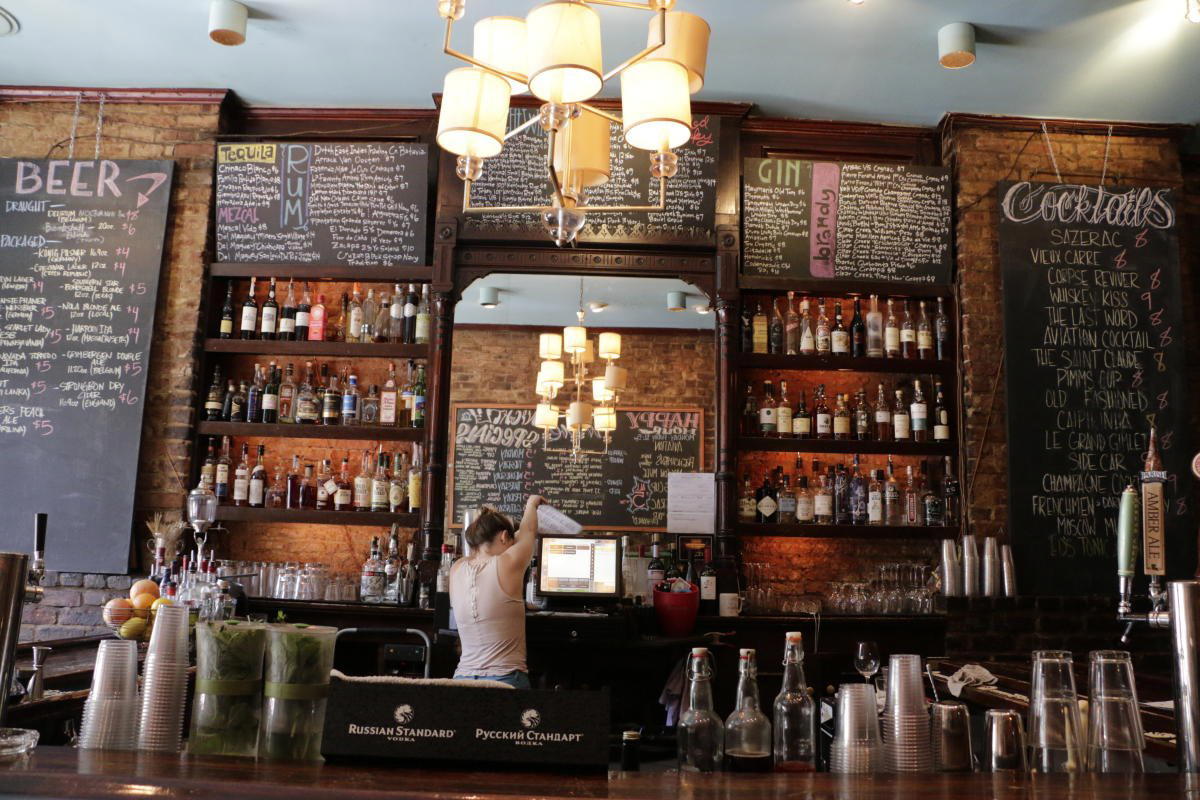
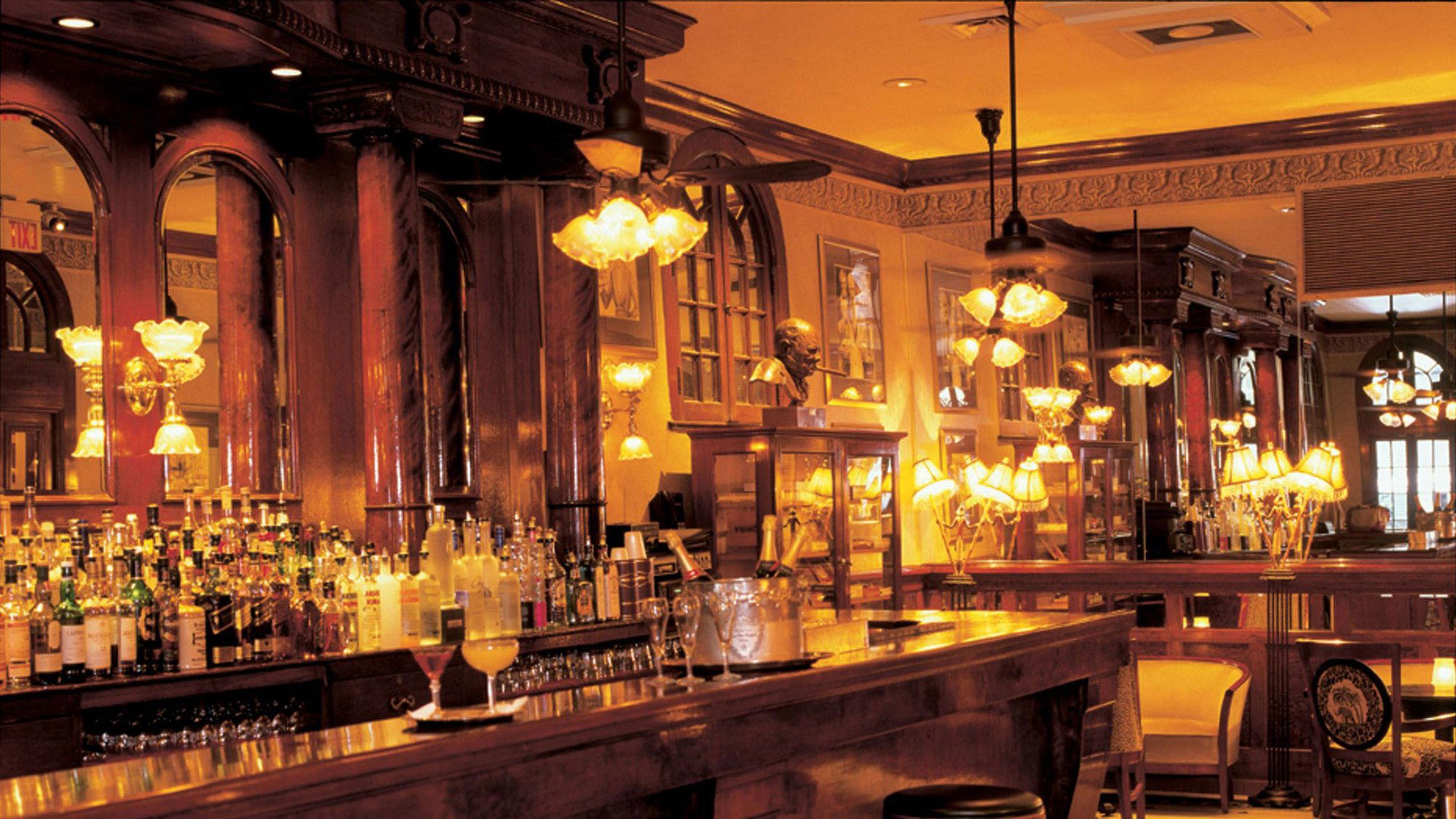
Charming and colorful with warm lighting, quirky Mona Lisa-themed decor, and an intimate, romantic vibe.