Satsuma Cafe
On Dauphine Street in the Bywater, Satsuma Cafe occupies the kind of corner that New Orleans does better than almost any other American city: a neighborhood spot that takes its food seriously without announcing it. The cafe draws a loyal local crowd for its all-day menu rooted in seasonal, direct cooking. It sits at the accessible end of a city dining scene that runs from po'boy counters to white-tablecloth Creole.
Pearl is the En Primeur Club membership app — saves, bookings, and concierge access live there. Same editors, same standards.
- Address
- 3218 Dauphine St, New Orleans, LA 70117
- Phone
- +1 504 304 5962
- Website
- satsumacafe.com
- Directions
- Get directions
 Saves & bookings on Pearl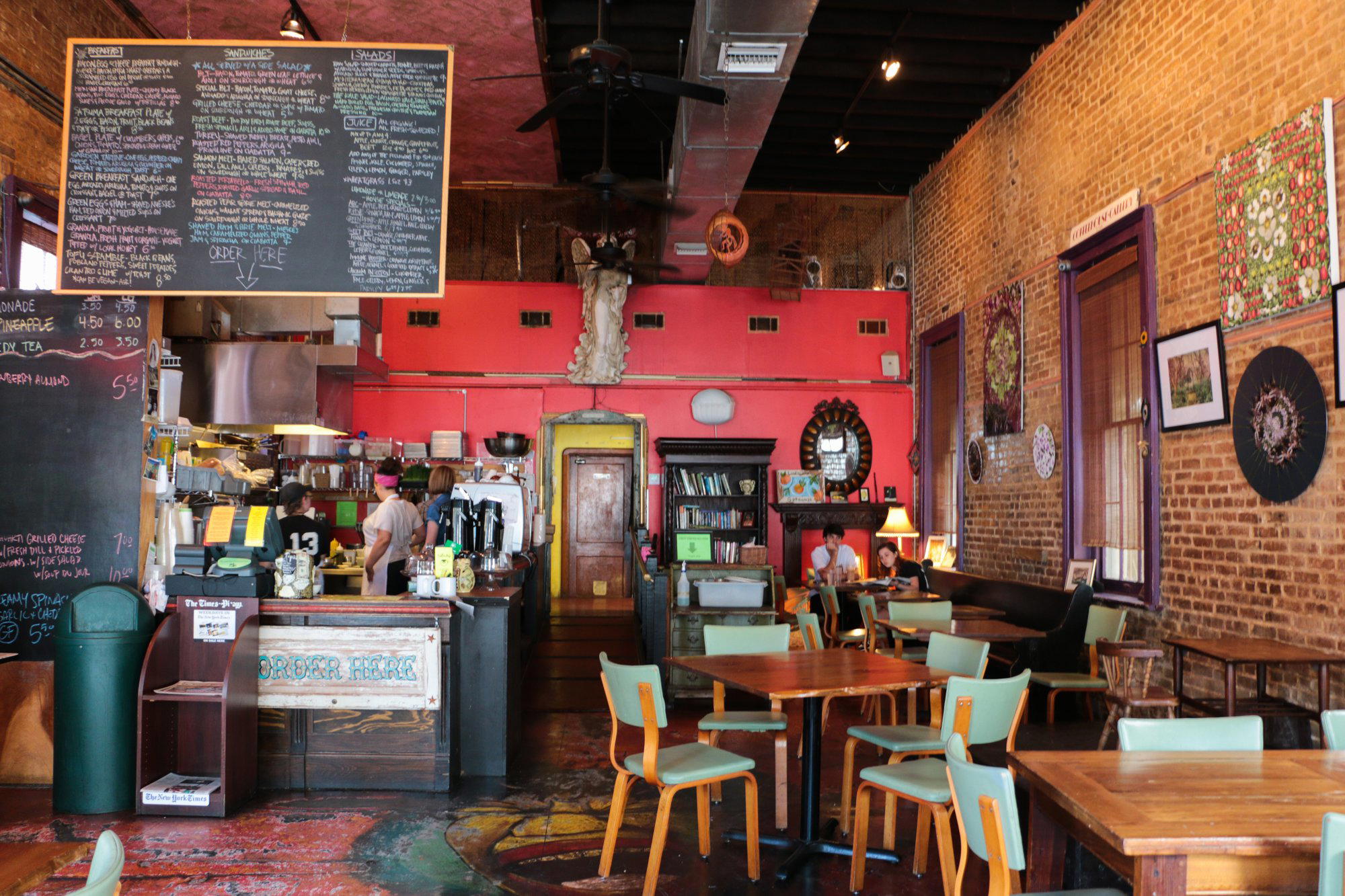
Dauphine Street and the Bywater's Quiet Food Culture
The Bywater sits downriver from the French Quarter, separated by enough distance that it developed its own residential character largely independent of the tourism economy that defines so much of central New Orleans. On Dauphine Street, the buildings are lower, the foot traffic is local, and the cafes that survive here do so because the neighborhood actually uses them. Satsuma Cafe, at 3218 Dauphine St, belongs to this ecosystem rather than to the broader dining circuit that sends visitors toward Emeril's in the Warehouse District or Bayona in the French Quarter.
That distinction matters in a city where the line between neighborhood institution and tourist destination is unusually consequential. New Orleans has among the more codified restaurant cultures in the United States, a tradition so layered with Creole technique, French colonial inheritance, and Afro-Caribbean influence that even particularly casual cafes carry historical freight. The question Satsuma answers is a different one: what does everyday eating look like in a neighborhood that has attracted artists, renters, and long-term residents rather than hotel guests?
The Cultural Position of the All-Day Cafe in New Orleans
New Orleans has always had a complicated relationship with the all-day cafe format. The city's culinary identity was built around the elaborate Creole tradition that peaks at lunch and dinner, around Commander's Palace's white-jacketed service and the kind of roux-based complexity that takes hours to develop. But the cafe as a community anchor, the kind of place you walk to on a Tuesday morning or a slow Sunday, has its own lineage here, tied to the coffee culture that runs through the city's French and Spanish inheritance.
The modern iteration of that format, the kind that combines espresso, fresh-pressed juice, and a seasonally adjusted food menu in a space that doubles as a neighborhood living room, emerged across American cities in the 2010s and found particular resonance in places like the Bywater, where a younger demographic moved in alongside longtime residents. Satsuma positions itself inside that category: accessible pricing, daytime hours, and a menu philosophy that emphasizes vegetables, whole ingredients, and the kind of cooking that responds to what's available rather than what the city expects.
That's a different register than the white-tablecloth Creole rooms that defined the city's reputation, and deliberately so. Where Saint-Germain operates at the formal contemporary end of the New Orleans spectrum, and Re Santi e Leoni occupies the upscale contemporary tier, Satsuma functions closer to the other end: the kind of place where the check is modest, the room is unpretentious, and the regulars come in often enough to have preferences.
What the Menu Represents
The broader all-day cafe movement across American cities has increasingly moved toward menus that take vegetables seriously without becoming explicitly ideological about it. That shift is visible in cafes from New York to Los Angeles, at places that share certain DNA with how Blue Hill at Stone Barns shaped the conversation about ingredient sourcing, even if the price point and format are entirely different. Satsuma's positioning in the Bywater fits that pattern: a neighborhood-scale expression of the same interest in where food comes from and how simply it can be prepared.
New Orleans is a city with particular strengths in produce sourcing. Louisiana's agricultural calendar, combined with the region's proximity to Gulf seafood, gives cafe operators access to ingredients that change meaningfully across the year. The spring citrus flush, the summer heat that concentrates tomatoes and peppers, the fall abundance that extends the local season well past what northern cities can manage: these are real variables that a seasonally attentive menu can work with. At the casual cafe level, that means daily specials, rotating produce, and a menu that looks somewhat different in February than it does in August.
That seasonal responsiveness is the category's most defensible editorial position in a city like New Orleans, where the dominant culinary tradition values accumulated technique over improvisation. The Creole kitchen is conservative in the leading sense: it has refined its methods over centuries. The all-day cafe format operates by a different logic, one where the week's leading local tomato or a good batch of local honey matters more than replicating a recipe precisely. These aren't competing philosophies so much as parallel ones, addressing different meals and different moments in a diner's day.
Where Satsuma Sits in the City's Dining Conversation
For visitors working through New Orleans dining, the city's editorial conversation tends to cluster around a handful of registers: the historic Creole rooms, the post-Katrina contemporary generation that includes places like Zasu, and the upscale tasting-menu tier. The neighborhood cafe category receives less coverage, partly because it doesn't generate the same critical attention and partly because its appeal is fundamentally local rather than destination-driven.
That's not a criticism. The all-day cafe, done well, is among the more democratic and durable formats in urban dining. Its American counterparts at the tasting-menu level, places like Lazy Bear in San Francisco, Smyth in Chicago, or Providence in Los Angeles, represent a different kind of commitment entirely. Satsuma doesn't operate in that register, and it isn't trying to. Its relevance is neighborhood-scale, which in the Bywater means something specific: it's where residents eat when they want something good, close, and reasonably priced, rather than something ceremonial.
Planning a Visit
Satsuma Cafe operates in the Bywater at 3218 Dauphine St, in a part of the city that's walkable from the St. Claude Avenue corridor and accessible by streetcar from the French Quarter. The neighborhood character rewards arriving without a fixed agenda: the surrounding blocks have enough cafes, galleries, and small shops to fill an afternoon. Because the cafe functions primarily as a daytime neighborhood spot, mornings and weekend brunches tend to draw the heaviest local traffic. Satsuma Cafe is open daily from 8 AM to 3 PM.
Comparable Options
Comparable venues nearby, for context on price, style, and recognition.
| Venue | Cuisine | Price | Notes |
|---|---|---|---|
| Satsuma CafeThis venue — the venue you are viewing | Fresh Organic Cafe | $$ | Not listed |
| The Joint | Louisiana BBQ | $$ | Bywater |
| Baronne Bistro | Cajun & Creole Comfort | $$ | Arts District |
| Jeri Nims Soda Shop | Classic American Diner | $$ | Arts District |
| Kajunlicious Food Therapy | Authentic Cajun & Creole Comfort Food | $$ | Mirabeau Gardens |
| Crabby Jack's | Cajun Po'boys & Fried Seafood | $$ | Jefferson |
Continue exploring
More in New Orleans
Restaurants in New Orleans
Browse all →
Bars in New Orleans
Browse all →
At a Glance
- Trendy
- Cozy
- Bohemian
- Brunch
- Casual Hangout
- Solo
- Family
- Courtyard
- Standalone
- Zero Proof
- Farm To Table
- Organic
- Local Sourcing
Current opening hours
- Monday
- 8 AM–3 PM
- Tuesday
- 8 AM–3 PM
- Wednesday
- 8 AM–3 PM
- Thursday
- 8 AM–3 PM
- Friday
- 8 AM–3 PM
- Saturday
- 8 AM–3 PM
- Sunday
- 8 AM–3 PM
Hours can change for holidays and private events. Last verified .
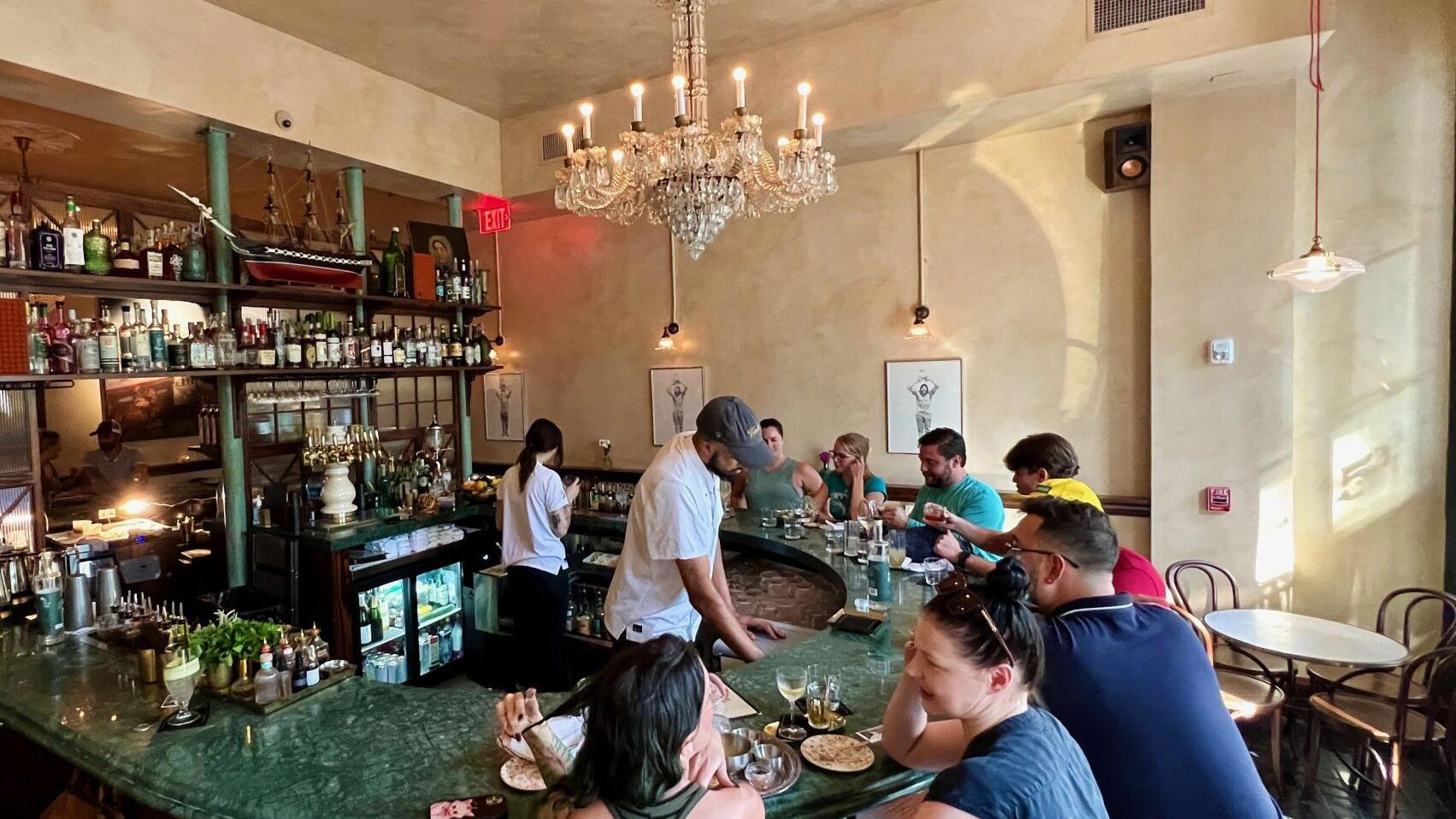
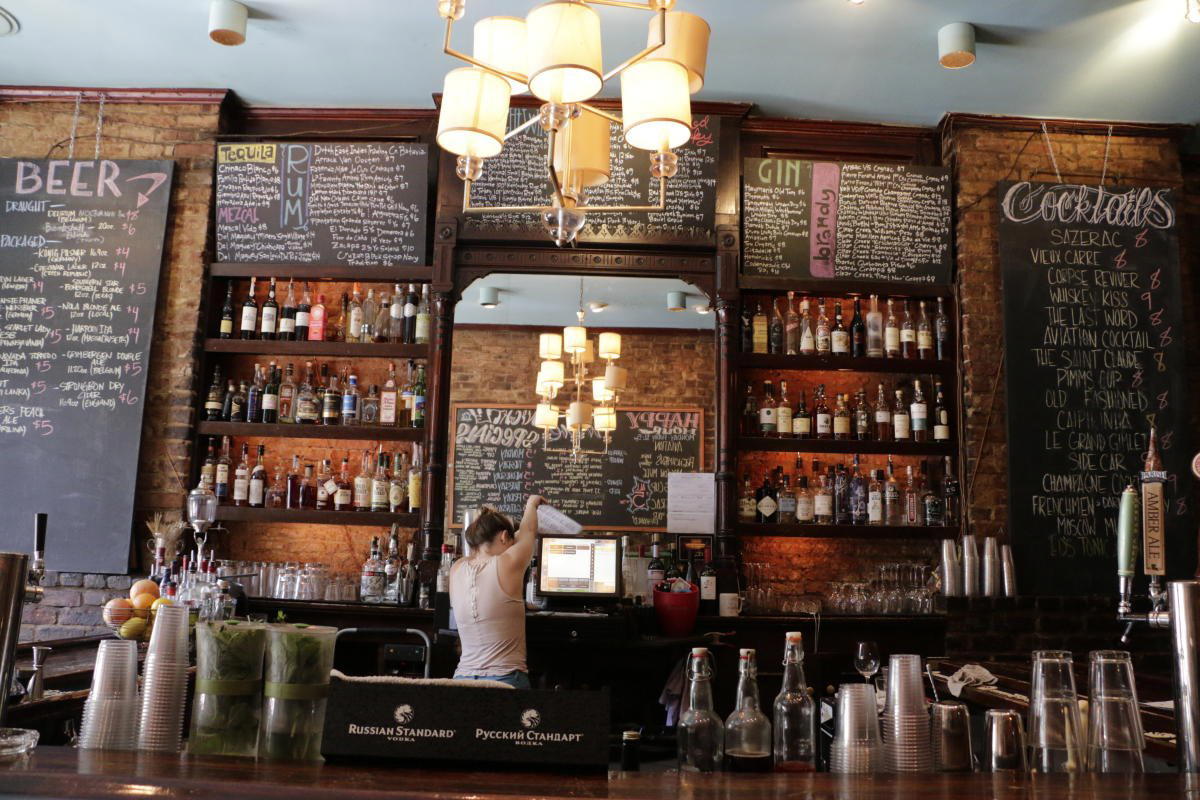
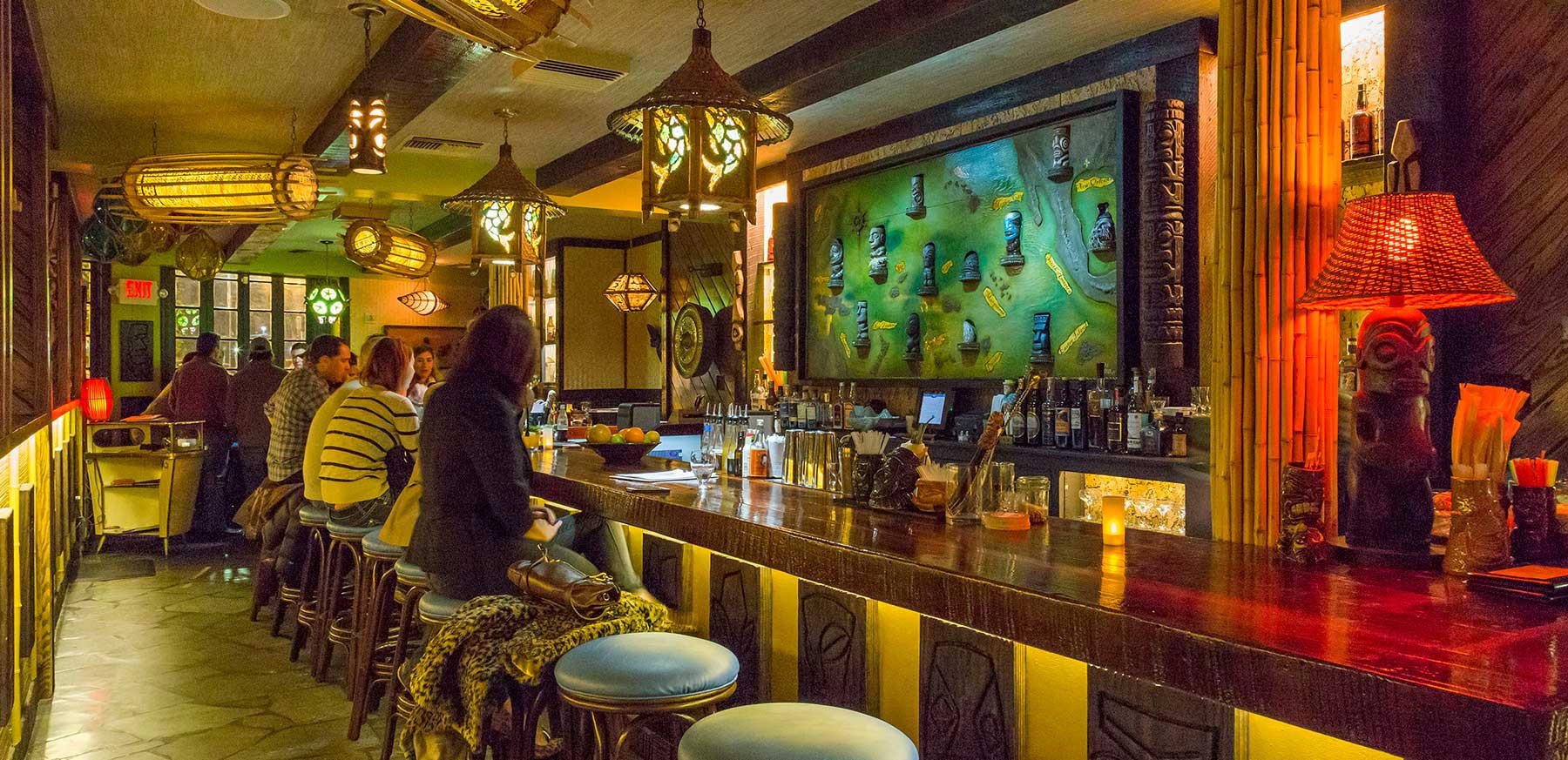
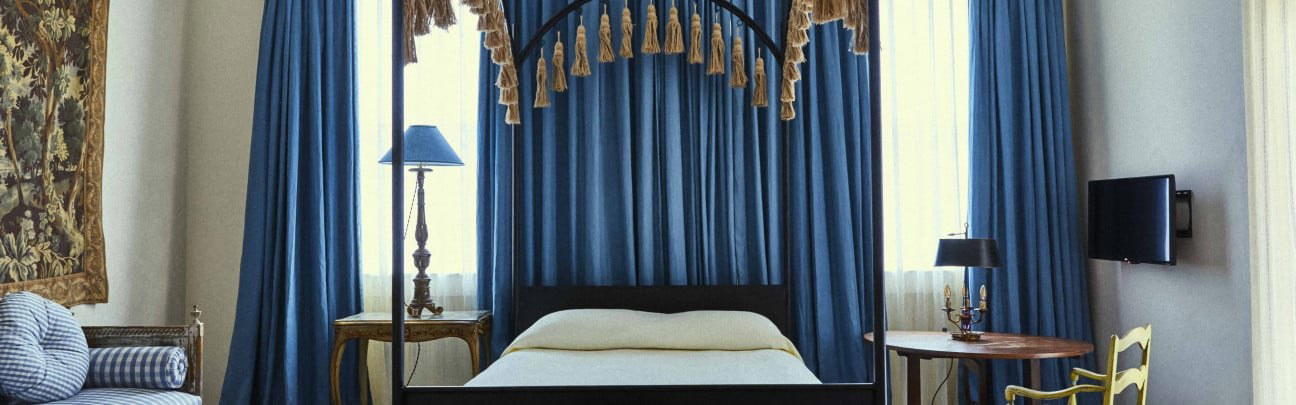
Bright, airy space with muted pastel walls adorned with colorful tapestries and local artwork; yellow and blue metal tables create a modern, welcoming atmosphere with a lived-in, community feel.