La Table d'Eugène sits in the 18th arrondissement, where a quieter strain of French fine dining has taken root away from the grand-boulevard circuits. The address draws a local crowd alongside visitors who track Montmartre's more considered restaurant tier, and the format holds closer to the intimate tasting counter tradition than to the theatrical productions of the Right Bank palace restaurants.
- Address
- 18 Rue Eugène Sue, 75018 Paris, France
- Phone
- +33142556164
- Directions
- Get directions
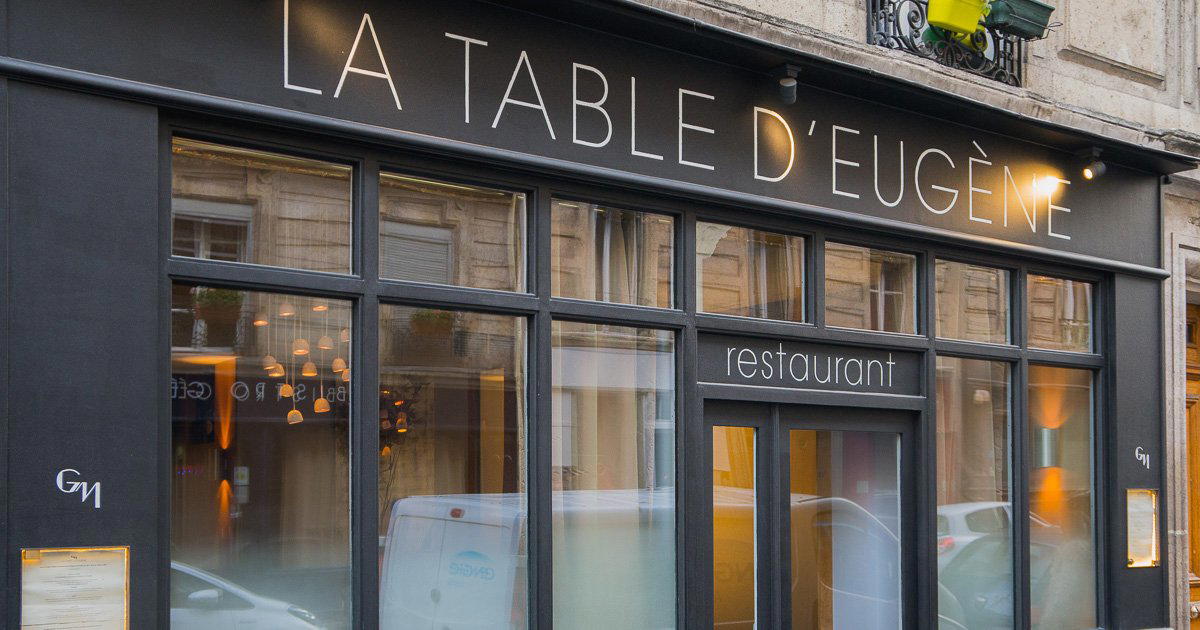
Montmartre's Quieter Register of Fine Dining
Paris fine dining has always been a city within a city. La Table d'Eugène is a Contemporary French Bistro in Paris's 18th arrondissement, priced at about $65 per person. The palace-hotel circuit on the Right Bank, Le Cinq at the Four Seasons George V, Alléno at Pavillon Ledoyen, operates at a different frequency from the side-street addresses that Paris diners return to because the cooking earns the visit rather than the address. La Table d'Eugène, a Contemporary French Bistro at 18 Rue Eugène Sue in the 18th arrondissement of Paris, belongs to the second category. The neighbourhood is Montmartre in the practical sense: steep streets, a residential rhythm, a population that includes serious local food culture alongside the tourist pressure that collects closer to the Sacré-Cœur. The restaurant sits inside that more grounded geography.
The 18th has rarely been a first port of call for Paris's formal dining trade. That has made it hospitable to a particular kind of address: small, technically assured, priced to hold local regulars as well as visiting diners, positioned closer to the serious neighbourhood bistro tradition than to the grand-occasion set pieces of the 8th or 7th. La Table d'Eugène operates inside that frame. The room is intimate by design, which means service dynamics and the relationship between kitchen and table function at a scale that larger dining rooms cannot replicate.
How the Address Has Shifted Over Time
French fine dining has undergone a structural realignment over the past two decades. The post-nouvelle cuisine generation that came of age in the 1990s trained under the assumption that prestige required size, formality, and a particular kind of tableside theatre. What followed, gradually, then more rapidly, was a contraction of that model, as younger kitchens began to weight technical precision over ceremony, and as the concept of the chef's counter or intimate dining room gained credibility as a format rather than a constraint.
La Table d'Eugène tracks that trajectory. It is the kind of address that would have been more difficult to sustain in Paris twenty years ago, when the restaurant criticism infrastructure favoured spectacle and scale. The more recent evolution in French restaurant culture, the shift toward seasonal menus, compact formats, and cooking that foregrounds craft over production values, has given addresses like this one a clearer category to occupy. Mirazur in Menton and Flocons de Sel in Megève represent the regional version of that same pivot toward precision in quieter settings.
The classical tradition this kind of Paris address works against, or alongside, depending on the dish, is long-established. Houses like L'Ambroisie on the Place des Vosges have held the Michelin three-star tier since the 1980s and define what formal French classicism looks like at its most uncompromising. Arpège in the 7th has spent decades pressing that classical inheritance in a different direction. The restaurant occupies a less institutional position, which is partly what makes the comparison instructive: it is not competing for the same diner, and it is not trying to.
The Seasonal Argument for Dining in the 18th
Autumn and early winter are the seasons when this kind of Paris address tends to perform at its most coherent. The market supply from the Île-de-France and the northern regions reaches its most interesting point through September and October, ceps, game, root vegetables, and a kitchen working at this scale can respond to that supply with the kind of flexibility that larger brigade structures find harder to manage. A tasting menu format, even a short one, becomes more argumentative in this window, because the ingredient logic is easier to follow.
Spring brings a different discipline: asparagus from the Loire, morels, the first green alliums. French cooking at the serious end of the neighbourhood tier has always used these seasonal markers as structural elements rather than garnish, and a restaurant in the 18th with access to the same wholesale markets as the grander houses, Rungis supplies most of Paris without discrimination, can make the same quality argument at a different price register. For diners tracking the seasonal French calendar across regions, Auberge de l'Ill in Illhaeusern and Bras in Laguiole illustrate what seasonally-driven French cooking looks like when it has had decades to develop a regional identity. The restaurant is working at a different scale, but inside the same disciplinary framework.
Where La Table d'Eugène Sits in the Paris comparable set
The Paris restaurant market stratifies sharply by arrondissement, price tier, and format. At the leading, three-star houses and multi-starred palace restaurants compete in a global market against addresses in Tokyo, New York, and Copenhagen. Le Bernardin in New York or Atomix represent the international tier that Paris's leading addresses benchmark against. The restaurant is not in that competition. Its comparable set is the serious Paris neighbourhood restaurant that takes its cooking more rigorously than its setting demands, addresses where the wine list has been chosen with care, where the mise en place is correct, and where the kitchen is not coasting on location or reputation.
Within Paris itself, the contrast is sharper when set against the technically hybrid addresses: Kei, in the 1st, runs a French-Japanese fusion format at the Michelin-starred level. AM par Alexandre Mazzia in Marseille works a more associative, high-intensity register. The restaurant, based on its positioning and neighbourhood, reads as the address for a diner who wants cooking that takes the French tradition seriously without the overhead of the grands établissements.
Provincial French kitchens also provide useful calibration: Assiette Champenoise in Reims, Au Crocodile in Strasbourg, and Auberge du Vieux Puits in Fontjoncouse each demonstrate how regional French dining sustains serious ambition outside the Paris media circuit. The capital's neighbourhood tier, of which the restaurant is a part, operates under the opposite pressure: constant proximity to the institutional fine-dining infrastructure, which raises the bar for what counts as technically credible while leaving room for addresses that compete on intimacy rather than scale.
The historical weight of the classical French tradition, Paul Bocuse's Auberge du Pont de Collonges being its most documented monument, and Troisgros in Ouches its most continuously evolving counterpart, is the backdrop against which every serious French kitchen now works. The restaurant is a small room on a Montmartre side street, but it is working against that same inheritance.
Planning Your Visit
Address: 18 Rue Eugène Sue, 75018 Paris. Getting There: The closest Metro stations are Jules Joffrin (Line 12) and Lamarck-Caulaincourt (Line 12), both within a short walk. Reservations: Recommended. Season: Autumn through early spring represents the strongest window for seasonal market cooking at this tier. Budget: About $65 per person.
Same-City Peers
Comparable venues nearby, for context on price, style, and recognition.
| Venue | Cuisine | Price | Notes |
|---|---|---|---|
| La Table d'EugèneThis venue — the venue you are viewing | Contemporary French Bistro | $$ | Not listed |
| Café Albert | French Café-Bistro | $$ | 18th Arrondissement |
| Buvette Paris | French Small Plates Bistro | $$ | Pigalle |
| Au Petit Riche | Traditional French Bourgeoise Brasserie | $$ | Grands Boulevards |
| Dépôt Légal | Modern French Bistro | $$ | Vivienne |
| Bonnard | Modern Vegetarian French Bistro | $$ | Marais |
Continue exploring
More in Paris
Restaurants in Paris
Browse all →
Hotels in Paris
Browse all →
Wineries in Paris
Browse all →
At a Glance
- Intimate
- Classic
- Cozy
- Sophisticated
- Date Night
- Special Occasion
- Business Dinner
- Standalone
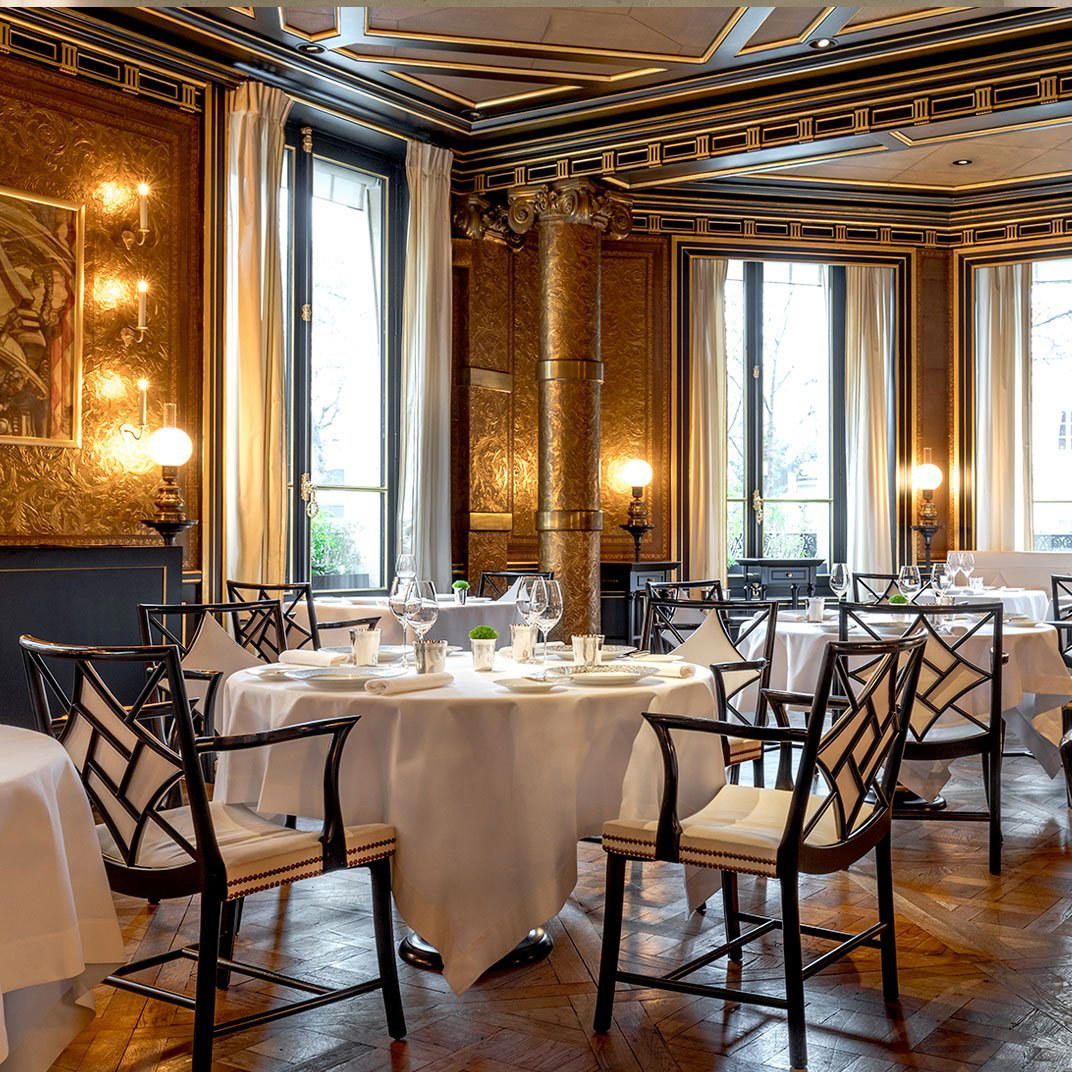
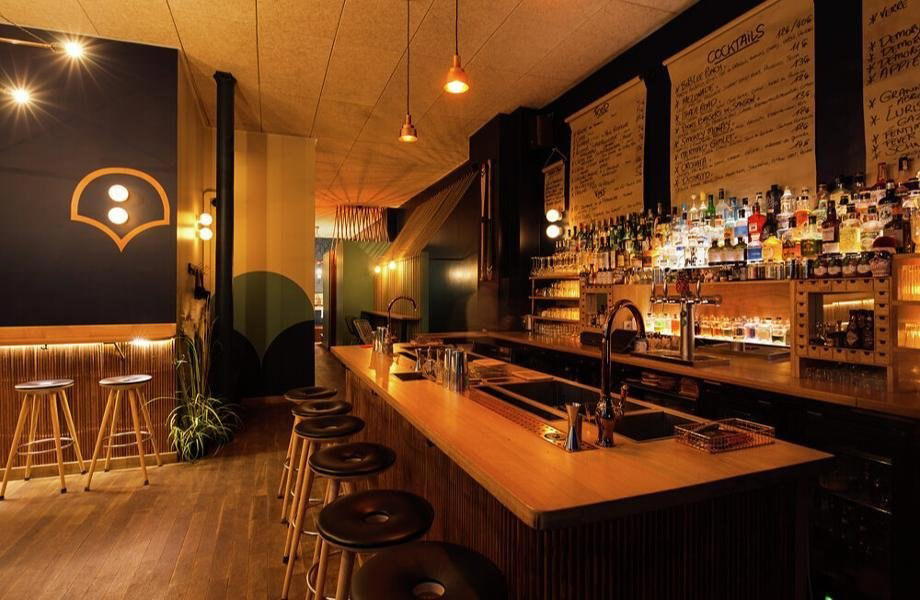
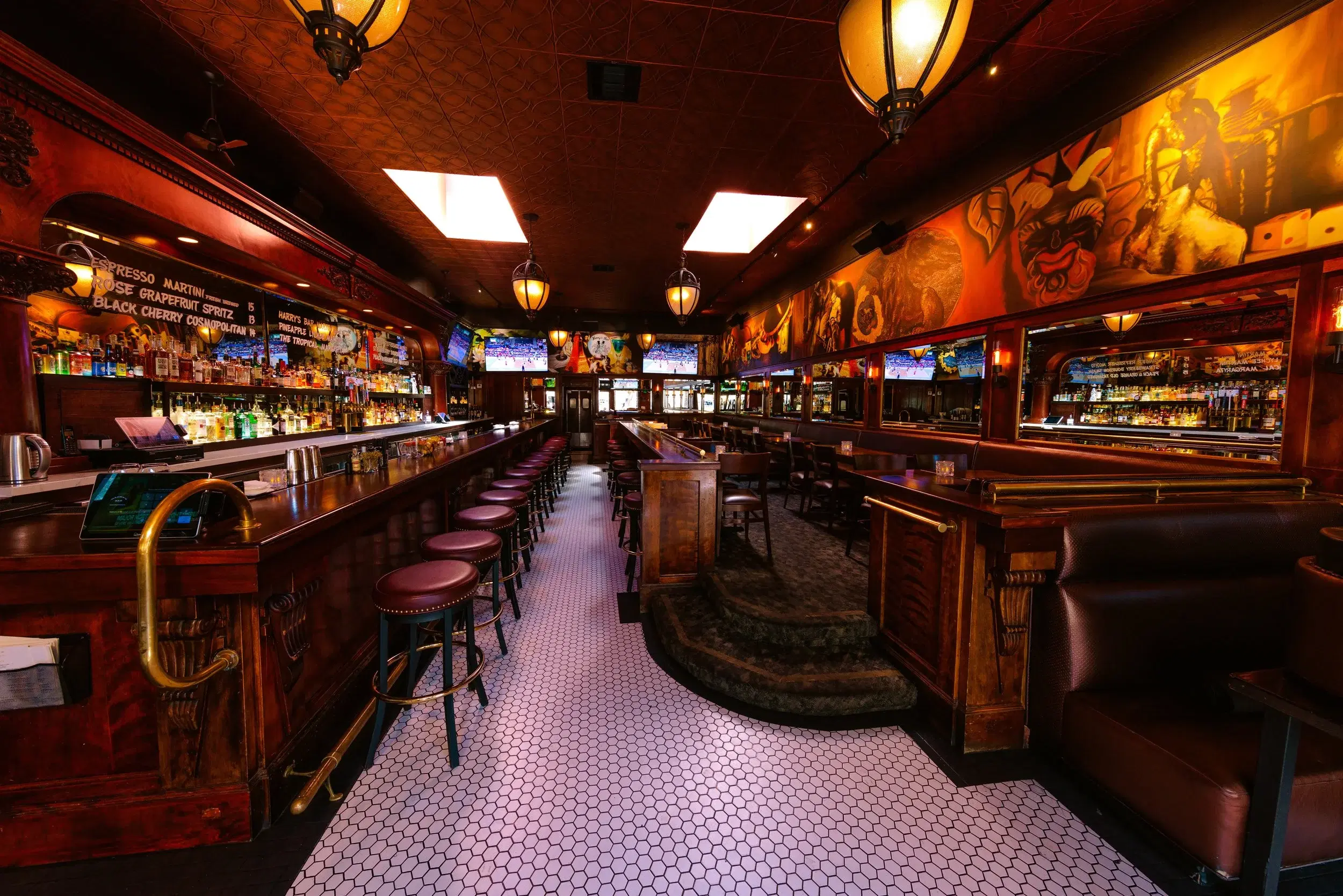
Intimate and refined with warm lighting; tightly packed tables create a convivial Parisian bistro atmosphere that feels both classic and contemporary.