Wasabi Sushi & Izakaya
On Belltown's 2nd Avenue, Wasabi Sushi & Izakaya sits in a neighbourhood that has long served as Seattle's proving ground for Japanese dining traditions transplanted to the Pacific Northwest. The izakaya format, social, share-heavy, built around drinking and snacking rather than formal progression, has found particularly receptive ground in Seattle, where the city's proximity to Japan and its strong Japanese-American community give the genre genuine roots.
Pearl is the En Primeur Club membership app — saves, bookings, and concierge access live there. Same editors, same standards.
- Address
- 2311 2nd Ave, Seattle, WA 98121
- Phone
- +1 206 441 6044
- Website
- wasabiseattle.com
- Directions
- Get directions
 Saves & bookings on Pearl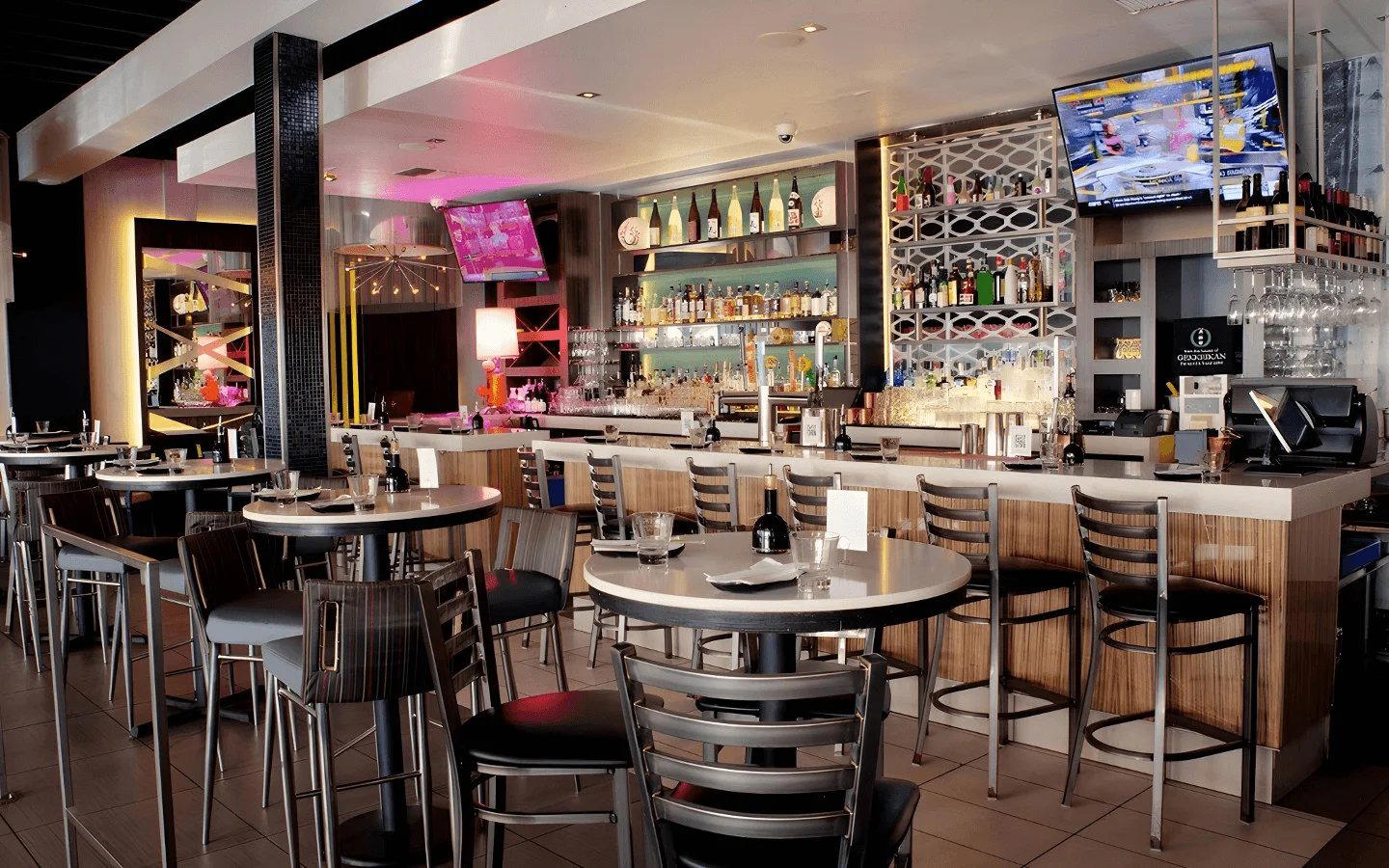
Belltown's Japanese Counter Culture
Second Avenue in Belltown runs through one of Seattle's most concentrated dining corridors, where the gap between a destination restaurant and a neighbourhood regular's spot can be as narrow as a single block. The izakaya tradition fits this environment well. Unlike the formal omakase tier, where counters like those at Maneki (operating since 1904, making it one of the oldest Japanese restaurants in Seattle) anchor the city's Japanese dining history, the izakaya format operates on a different social contract: order what you want, share it across the table, and let the meal stretch or compress as the evening demands. Wasabi Sushi & Izakaya at 2311 2nd Ave sits inside that tradition.
Seattle's Japanese dining scene has fractured into distinct tiers over the past decade. At the formal end, multi-course kaiseki and omakase rooms have grown more expensive and more difficult to book. At the accessible end, fast-casual sushi has commoditised the category. The izakaya middle ground, where sushi coexists with grilled skewers, fried plates, and sake lists, has held its own as a format precisely because it resists the pressure to be either precious or perfunctory. Joule, which operates in the New Asian register rather than traditional Japanese, points toward how Seattle's Asian-influenced dining has evolved; the izakaya format represents a different but equally durable strand of that evolution.
Ethical Sourcing and the Pacific Northwest Advantage
The sustainability conversation in Pacific Northwest Japanese dining carries specific weight. Seattle's position within the Pacific flyway and its proximity to Alaska, British Columbia, and Washington State's own coastline means that sourcing decisions for a sushi or izakaya kitchen are consequential in ways they might not be elsewhere. The question of whether seafood is wild-caught or farmed, line-caught or trawled, in-season or imported out of season, has moved from niche concern to mainstream expectation among Seattle diners over the past several years.
This matters for the izakaya format in particular. Because izakaya menus are broad, spanning raw fish, cooked seafood, vegetable dishes, and meat, the sourcing decisions multiply. A restaurant operating with genuine environmental consciousness in this format needs to make those decisions across a wider range of ingredients than a focused omakase counter does. Nationally, the restaurants that have done this most rigorously tend to sit at the higher end of the formality spectrum: Blue Hill at Stone Barns in Tarrytown built an entire identity around farm-to-table sourcing, while Single Thread Farm in Healdsburg integrates its own farm directly into the menu. Atelier Moessmer Norbert Niederkofler in Brunico has made regional sourcing the structural basis of its entire culinary philosophy.
Izakayas, by their democratic nature, have not traditionally been where sourcing stories get told loudest. But Seattle's dining culture has shifted expectations: the same diner who reads sourcing disclosures at Canlis or scrutinises the provenance of oysters at Walrus & Carpenter is also paying attention at the neighbourhood sushi counter. Restaurants in the Belltown tier that treat ingredient provenance as a secondary concern increasingly find themselves out of step with their own customer base.
What the Izakaya Format Demands
The izakaya is a social architecture as much as a culinary one. It evolved in Japan as an after-work drinking establishment where food arrived in small, shareable portions, less about formal progression, more about extending the evening. In the American context, particularly in cities with strong Japanese-American communities like Seattle, the format has been adapted without being diluted. The leading examples maintain the casualness of the original while applying local sourcing intelligence and a broader drinks program than the traditional sake-and-beer baseline.
For a venue like Wasabi Sushi & Izakaya, the dual identity, sushi counter plus izakaya, requires managing two service rhythms simultaneously. The sushi side demands precision and freshness; the izakaya side demands fluency across a wider, more improvisational menu. Cities that have produced particularly coherent examples of this hybrid format tend to have both a strong Japanese culinary community and a dining public comfortable with share-plate eating. Seattle qualifies on both counts. Atomix in New York City demonstrates how Korean fine dining has formalised the small-plate tradition at the upper end; the izakaya format in Seattle occupies a more accessible register but draws on analogous principles of shared, convivial eating.
Placing Wasabi in Seattle's Wider Scene
Belltown's restaurant density means that any venue on 2nd Avenue is operating in a genuinely competitive environment. The neighbourhood sits adjacent to Denny Triangle and within walking distance of South Lake Union, drawing a mix of post-work diners, hotel guests, and residents with a wide range of expectations. For Japanese dining specifically, Seattle offers a spectrum that runs from historic institutions like Maneki in the International District to the newer omakase rooms that have opened in Capitol Hill and beyond.
Wasabi Sushi & Izakaya occupies a position in that spectrum that serves a practical function: accessible enough to accommodate spontaneous visits, broad enough in format to serve groups with divergent appetites. That positioning is not a diminishment; the restaurants that sustain neighbourhood-level loyalty over years tend to be the ones that solve a real dining problem rather than construct an elaborate experience.
Nationally, the conversation about sustainable Japanese dining has been shaped by the choices made at the formal end of the market. Providence in Los Angeles has been a consistent voice for sustainable seafood at the fine dining level; Le Bernardin in New York City has engaged with sourcing questions across decades of operation. Lazy Bear in San Francisco and Smyth in Chicago have each made ingredient provenance central to their editorial identity. The question for Seattle's accessible Japanese tier is whether those standards migrate downward, and how quickly.
Know Before You Go
- Address: 2311 2nd Ave, Seattle, WA 98121
- Neighbourhood: Belltown
- Format: Sushi counter and izakaya, share-plate dining
- Dietary needs: Speak with staff directly; the izakaya format typically accommodates a range of dietary preferences across its broad menu
Comparable Spots, Quickly
Comparable venues nearby, for context on price, style, and recognition.
| Venue | Cuisine | Price | Notes |
|---|---|---|---|
| Wasabi Sushi & IzakayaThis venue — the venue you are viewing | Japanese Sushi & Izakaya | $$ | Not listed |
| Kushibar | Japanese Street Food & Kushiyaki | $$ | Belltown |
| Samurai Noodle | Japanese Ramen Noodle Bar | $$ | University District |
| Ramen Danbo | Fukuoka-style Hakata Tonkotsu Ramen | $$ | Broadway |
| Miyabi 45th | Handmade Soba Noodles | $$ | Wallingford |
| Onibaba by Tsukushinbo | Japanese Onigiri Specialist | $$ | Japantown |
Continue exploring
More in Seattle
Restaurants in Seattle
Browse all →
Bars in Seattle
Browse all →
Hotels in Seattle
Browse all →
At a Glance
- Lively
- Modern
- Trendy
- Cozy
- Date Night
- Group Dining
- Casual Hangout
- After Work
- Standalone
- Open Kitchen
- Sake Program
- Beer Program
- Craft Cocktails
Current opening hours
- Monday
- 4–11 PM
- Tuesday
- 4–11 PM
- Wednesday
- 4–11 PM
- Thursday
- 4–11 PM
- Friday
- 4 PM–12 AM
- Saturday
- 4 PM–12 AM
- Sunday
- 4–11 PM
Hours can change for holidays and private events. Last verified .
Sleek and energetic, with a modern Japanese feel and a lively dinner-service buzz.