
Moksh at Etihad Towers holds consecutive Michelin Plate recognition for 2024 and 2025, placing it among the more credentialed Indian restaurants in Abu Dhabi's mid-to-upper price tier. For Indian cooking in the capital, it sits in a competitive bracket that rewards repeat visits.
Pearl is the En Primeur Club membership app — saves, bookings, and concierge access live there. Same editors, same standards.
- Address
- Etihad Towers - Al Bateen - W32 - Abu Dhabi - United Arab Emirates
- Phone
- +971 50 447 4805
- Website
- mokshrestaurant.com
- Directions
- Get directions
 Saves & bookings on Pearl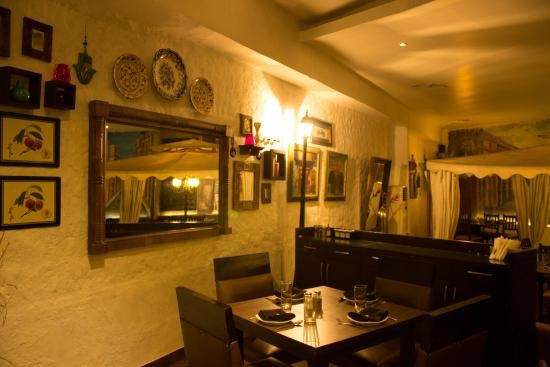
Tandoor at the Tower: Indian Fire Cooking in Abu Dhabi
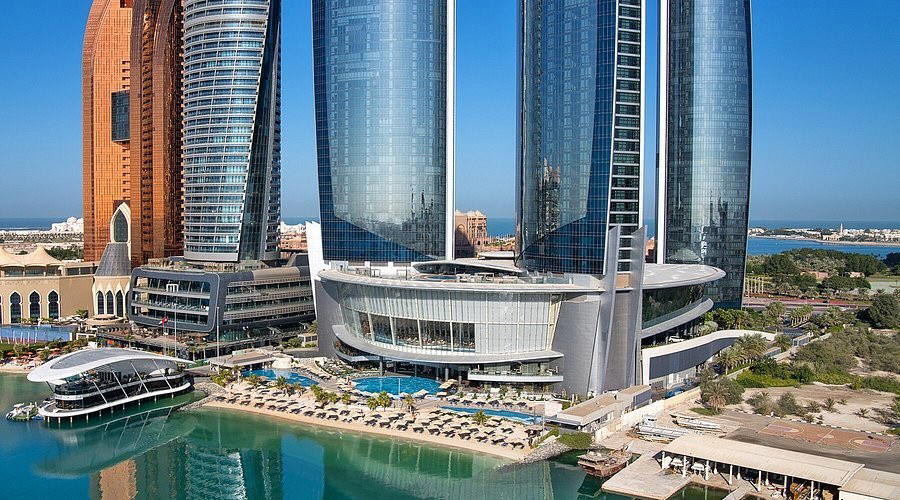
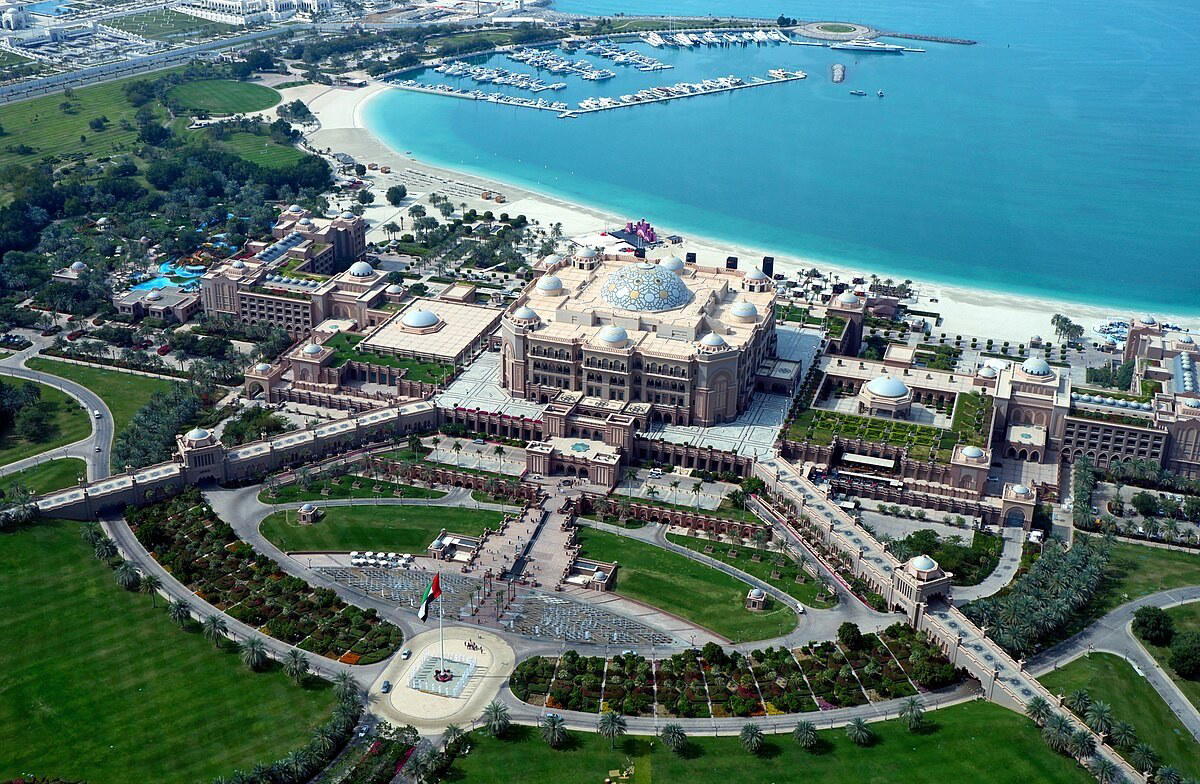
Etihad Towers rises from the Al Bateen waterfront as one of Abu Dhabi's more recognisable residential and commercial addresses, and the dining venues within it operate at a correspondingly serious register. Moksh sits inside that context: a modern Indian fine dining restaurant in a building where the competition for table spend is real and the expectations of guests arriving from the tower's residences and adjacent hotels are calibrated accordingly. The address alone signals a certain type of Indian dining experience, one pitched above the city's considerable mass of subcontinental canteens and well below the experimental tasting-menu tier now emerging in the Gulf.
That middle ground, the $$$-priced, award-acknowledged Indian restaurant with classical technique at its core, is actually where interesting cooking in Abu Dhabi's Indian scene tends to happen. It is the tier where the tandoor is taken seriously as a piece of precision equipment rather than a prop, and where the bread programme can distinguish a kitchen as clearly as any sauce.
The Physics of the Tandoor
Clay-oven cooking is one of the oldest and least forgiving formats in the Indian culinary canon. The tandoor operates at temperatures between 400°C and 480°C, and its radiant heat cooks proteins and bread simultaneously through a combination of direct flame, convective air, and the thermal mass of the clay walls. There is no thermostat, no timer, and no margin for distraction. A naan pressed against the inner wall of a properly fired tandoor will blister and char in under two minutes; a seekh kebab skewered and lowered into the same cavity will take roughly the same time. The skill is in reading the fire.
This is the tradition that kitchens like Moksh are working within. Consecutive Michelin Plate recognition in 2024 and 2025 suggests that the execution is consistent enough to pass scrutiny. A Michelin Plate is not a star, but it is an explicit signal that the cooking is worth attention, and in Abu Dhabi's Indian restaurant category it narrows the field considerably. For comparison, Martabaan by Hemant Oberoi and Namak represent the range of recognised Indian cooking in the capital, with Punjab Grill occupying the same broad pricing tier.
Where Moksh Sits in Abu Dhabi's Dining Scene
Abu Dhabi's restaurant market has stratified more sharply over the past several years. At the leading, a cluster of high-spend venues occupies the $$$$-tier, with venues like Hakkasan and Bord Eau by Nicolas Isnard setting price and formality expectations for that bracket. Below them, the $$$-tier has become increasingly competitive, with Indian, Emirati, and Mediterranean kitchens all competing for a well-travelled, price-aware clientele that can cross-reference Abu Dhabi against Dubai, London, and Mumbai without difficulty. Erth represents the modern Emirati end of that same tier.
Across a sample of that size, a 4.5 average reflects consistent delivery, which in a category as technique-dependent as tandoor cooking is a meaningful signal. Diners arriving from outside the UAE can calibrate expectations against the broader Indian fine-dining conversation: this is a kitchen working in the tradition that produces restaurants like Jamavar in Dubai and Chaat in Hong Kong, where classical north Indian technique is the baseline and execution is the differentiator.
The global Indian dining scene has expanded significantly at the upper-middle tier. Opheem in Birmingham holds a Michelin star for modern Indian cooking; Trèsind Studio in Dubai operates at the progressive end of the spectrum; Musaafer in Houston, INDDEE in Bangkok, Rania in Washington D.C., and Avatara in Dubai each represent a different regional inflection of how Indian cooking is being presented to international audiences. Moksh, by contrast, works in the classical register: the tandoor and the flame as primary tools, technique as argument.
What the Michelin Plate Means Here
The Michelin Guide expanded its Abu Dhabi coverage in recent years as part of a broader Gulf push, and the Plate designation has become a meaningful filter in a market where self-promotion is pervasive and independent verification is scarce. Two consecutive Plate awards across 2024 and 2025 confirm that Moksh's kitchen is not trading on location alone. The Etihad Towers address provides footfall and a captive clientele from the surrounding residences and offices, but Michelin inspectors are not swayed by postcode. The recognition is for what arrives on the table.
In the context of the Abu Dhabi Indian dining category, this places Moksh in a small group of venues where the cooking has been externally validated. It is not in the same tier as the capital's star-holding or star-nominated kitchens, but it occupies a credible position in the tier immediately below, where consistency and technical craft are the primary criteria.
Planning Your Visit
Moksh is located within Etihad Towers in the Al Bateen district, one of Abu Dhabi's more established mixed-use addresses with direct waterfront access and reliable taxi and ride-share connections from the central hotel corridor. The $$$ price positioning places a typical meal in the mid-range for a serious dinner in the capital, well below the $$$$-tier venues in the same building cluster but above the neighbourhood canteens that serve the city's large south Asian residential population.
Side-by-Side Snapshot
Comparable venues nearby, for context on price, style, and recognition.
| Venue | Cuisine | Price | Awards | Notes |
|---|---|---|---|---|
| MokshThis venue — the venue you are viewing | Modern Indian Fine Dining | $$$ | Michelin Plate | Not listed |
| Namak | Modern Indian by Kunal Kapur | $$$ | Michelin Plate | Al Nahyan |
| Sand & Koal | Beachfront Woodfire Grill & Seafood | $$$ | Michelin Plate | Al Ras Al Akhdar |
| Taparelle | Modern Mediterranean with French-Italian influences | $$$ | Michelin Plate | Al Saadiyat Island |
| Li Beirut | Contemporary Lebanese | $$$ | Michelin Plate | Al Bateen |
| Punjab Grill | Modern North Indian Punjabi Grill | $$$$ | Michelin Plate | Al Rawdah |
Recognition history
Dated appearances from independent guides and award organizations, with the underlying list record or original source where available.
Michelin Plate
Michelin
Michelin Plate
Michelin
Continue exploring
More in Abu Dhabi
Restaurants in Abu Dhabi
Browse all →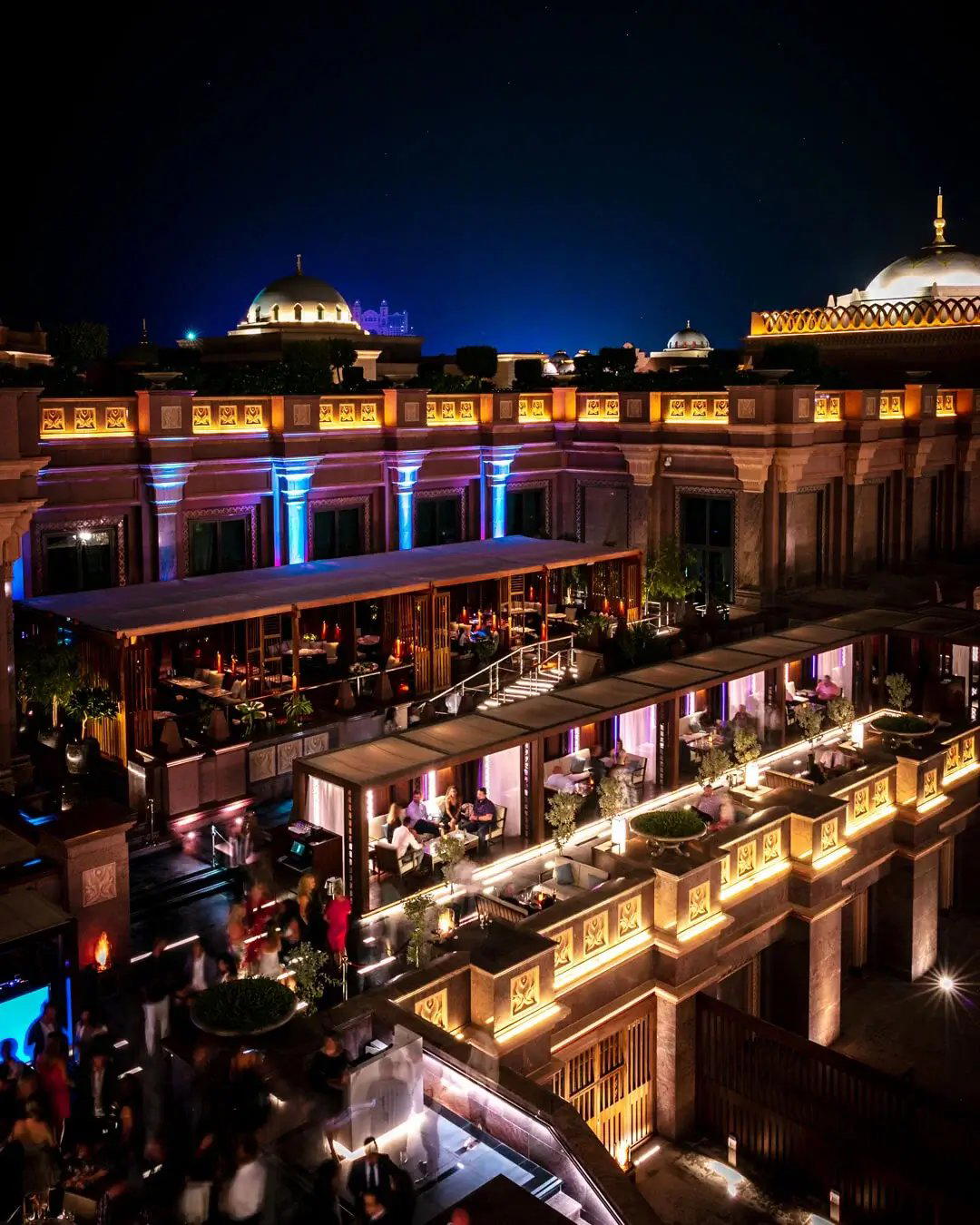
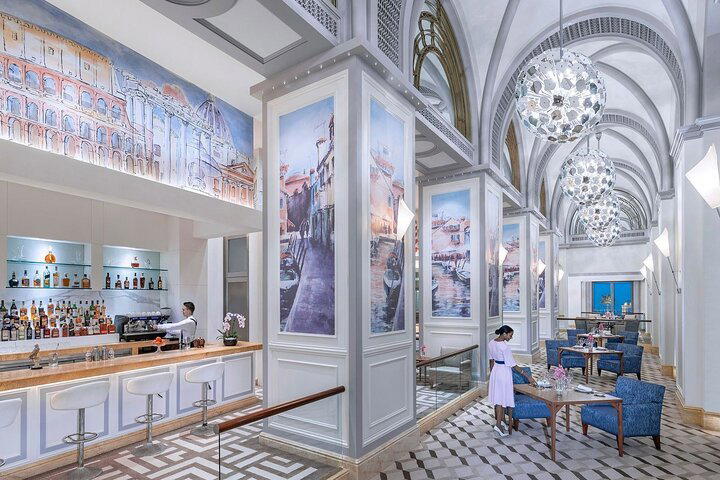
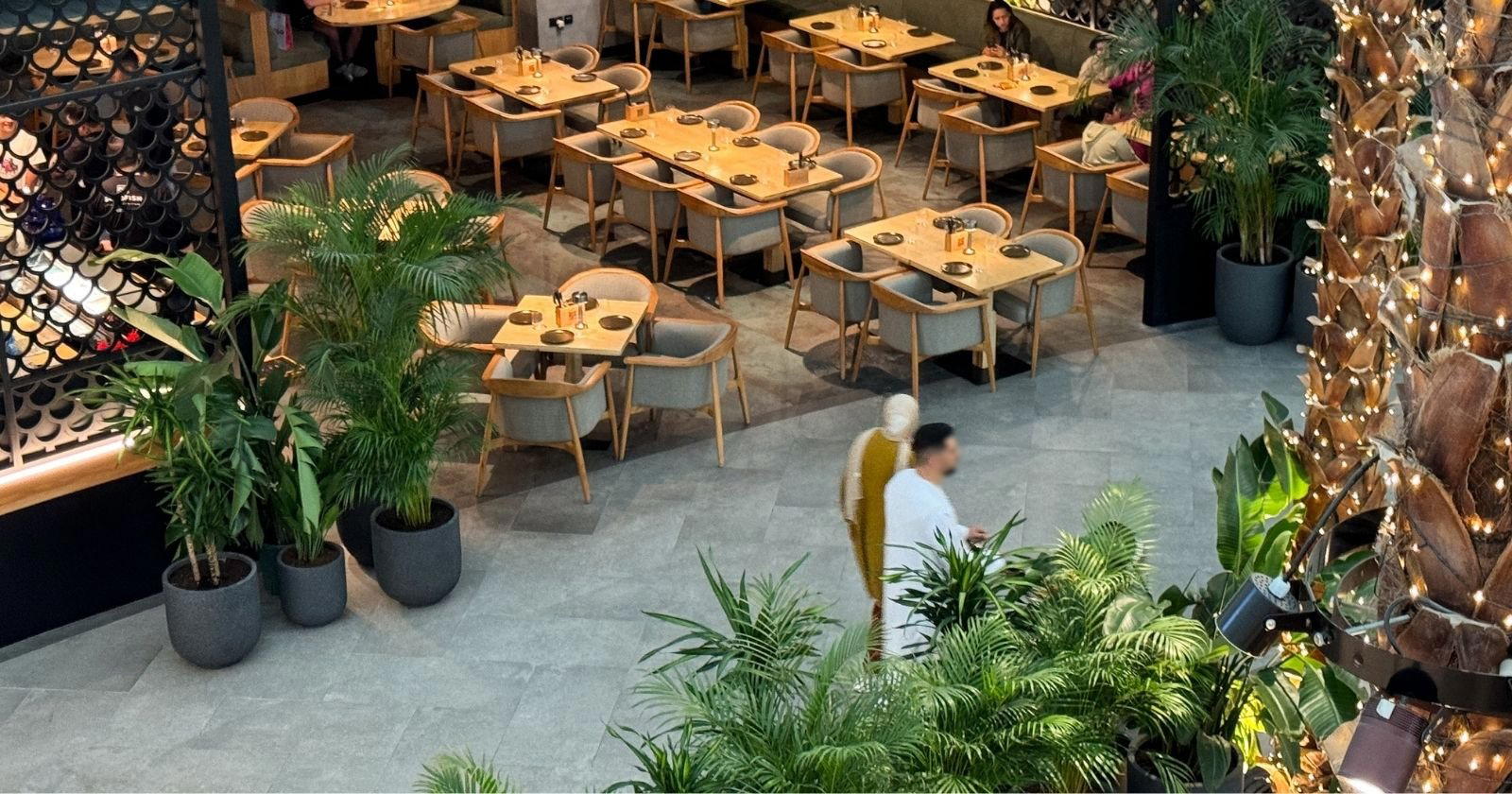
Bars in Abu Dhabi
Browse all →
At a Glance
- Modern
- Elegant
- Sophisticated
- Cozy
- Trendy
- Date Night
- Group Dining
- Special Occasion
- Open Kitchen
- Craft Cocktails
Current opening hours
- Monday
- 1–11:30 PM
- Tuesday
- 1–11:30 PM
- Wednesday
- 1–11:30 PM
- Thursday
- 1–11:30 PM
- Friday
- 1–11:30 PM
- Saturday
- 1–11:30 PM
- Sunday
- 1–11:30 PM
Hours can change for holidays and private events. Last verified .
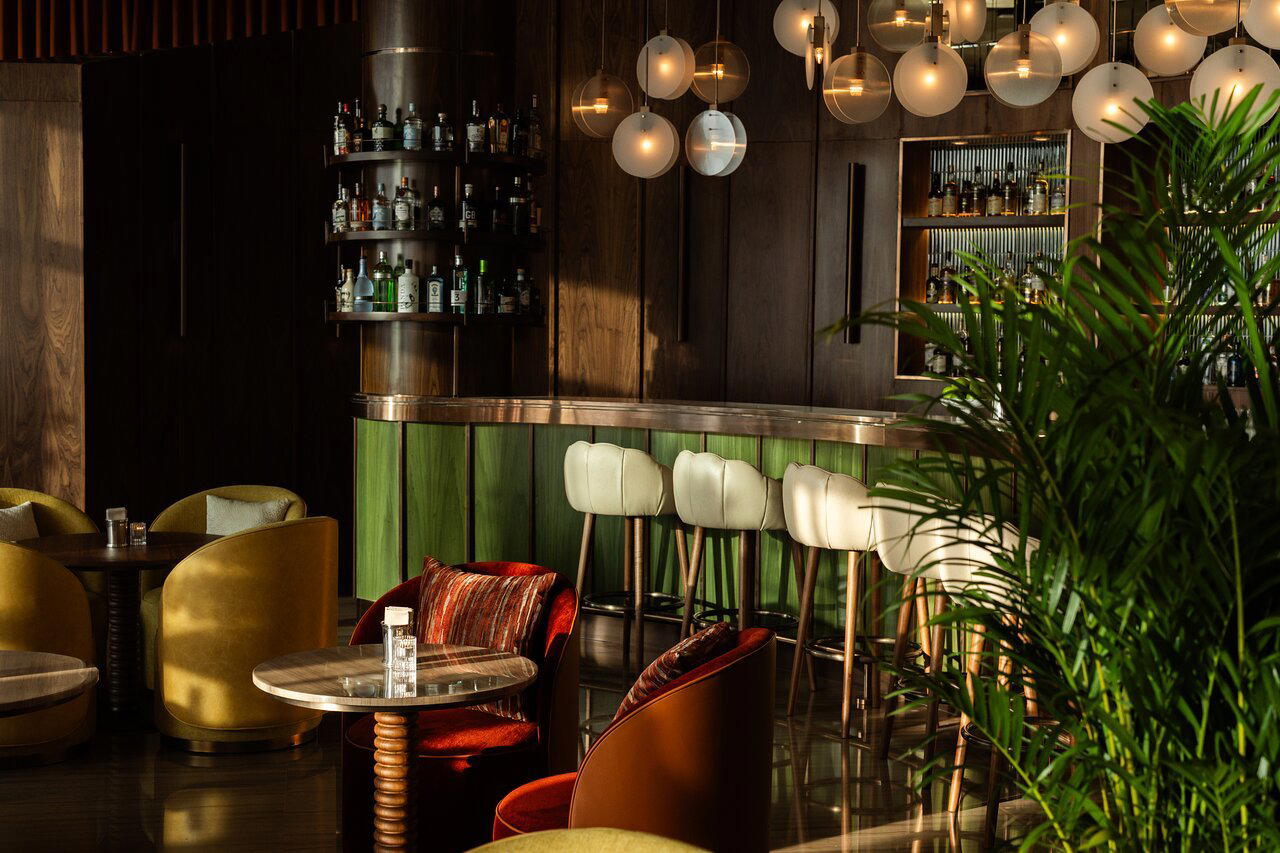
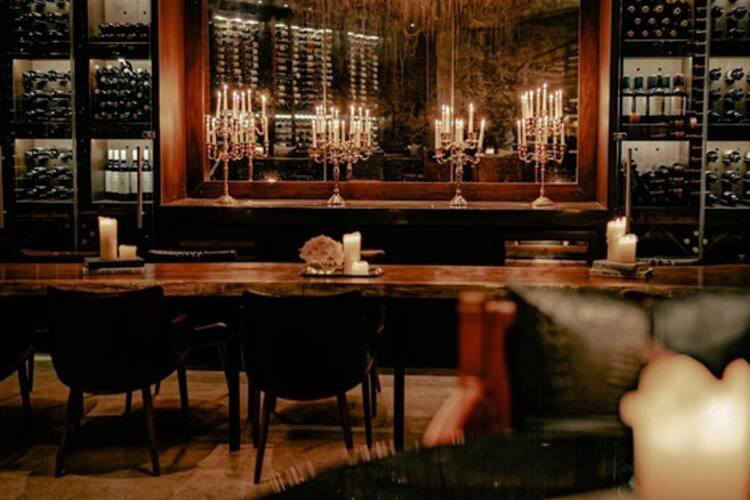
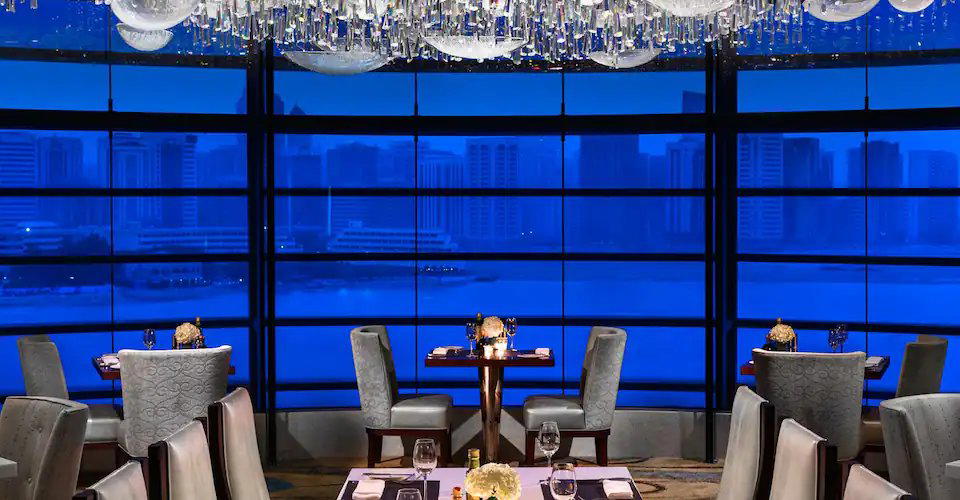
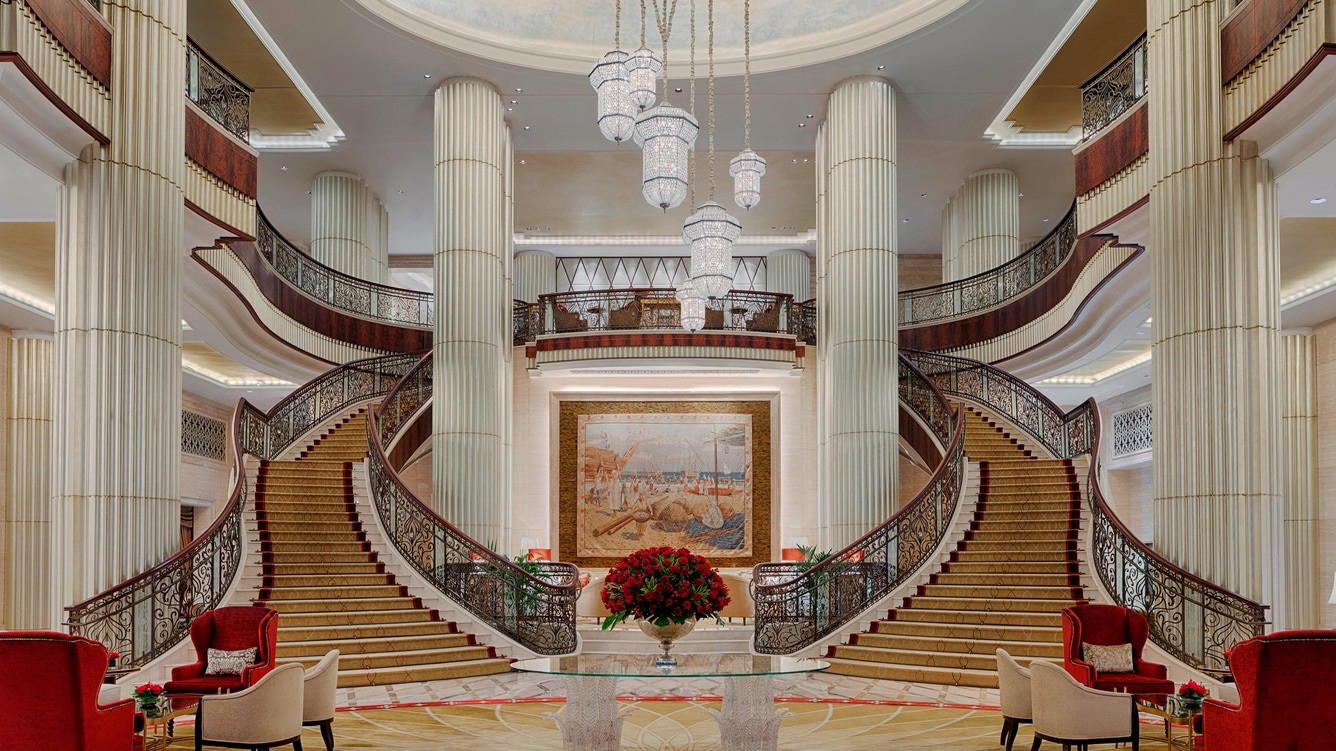
Bright, colorful, and modern with impressive decor, soft lighting, cozy atmosphere, and Instagram-worthy interiors praised for its great design and relaxed vibe.