Mochica
Mochica brings Peruvian cooking to Potrero Hill at 1469 18th Street, occupying a corner of San Francisco's dining scene where South American culinary traditions rarely get serious treatment. The kitchen draws on Peru's coastal and highland ingredient traditions in a city more accustomed to Japanese-Californian or French-inflected tasting menus. For diners curious about ceviche, lomo saltado, and causa in a neighborhood context, this is a working answer.
Pearl is the En Primeur Club membership app — saves, bookings, and concierge access live there. Same editors, same standards.
- Address
- 1469 18th St, San Francisco, CA 94107
- Phone
- +14152780480
- Website
- mochicasf.com
- Directions
- Get directions
 Saves & bookings on Pearl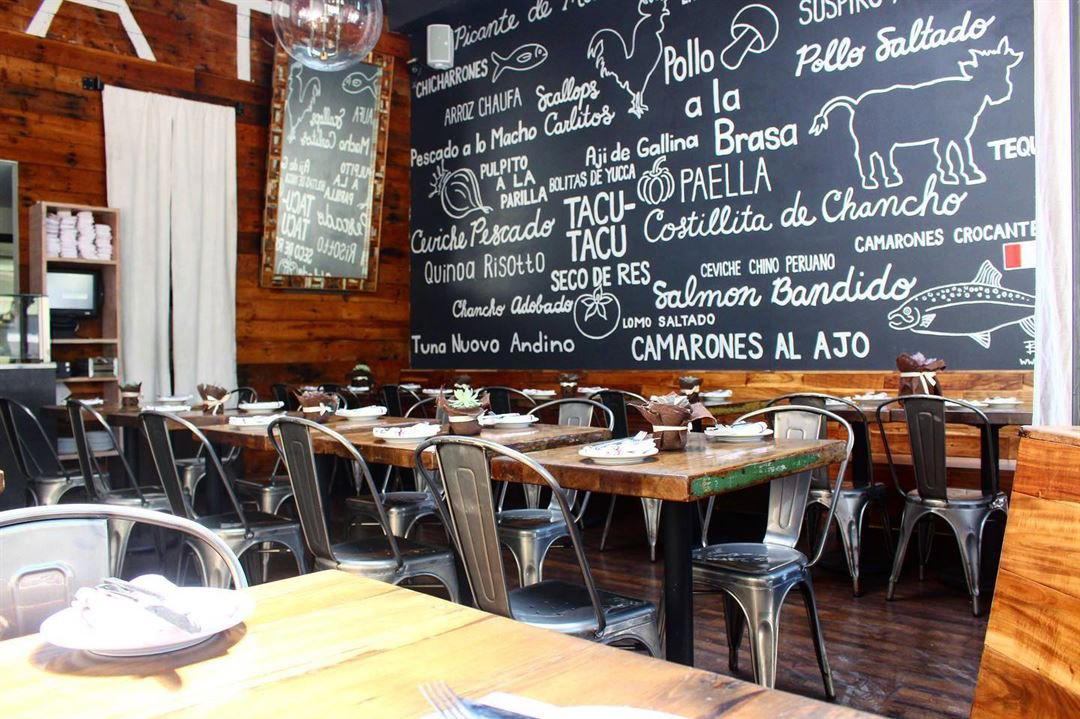
Potrero Hill and the Case for Peruvian Cooking in San Francisco
San Francisco's fine-dining conversation runs heavily toward a familiar axis: Japanese-Californian precision at places like Benu, progressive American tasting menus at Lazy Bear, and French-rooted ambition at Atelier Crenn. Peruvian cooking, by contrast, claims a much smaller footprint in the city. That's partly a function of how the cuisine is perceived nationally: associated more with Lima's international culinary reputation than with North American neighborhood dining. Mochica is a Peruvian Fusion restaurant in San Francisco's Potrero Hill neighborhood at 1469 18th St, with about $30 per person pricing.
Potrero Hill occupies an interesting position in the city's dining geography. It sits east of the Mission and south of SoMa, close enough to both neighborhoods to draw regulars from each but removed enough to develop its own quieter dining character. The 18th Street corridor here is residential in feel rather than restaurant-row in ambition, which means a Peruvian restaurant on this block occupies a different social register than it would on Valencia Street or in Hayes Valley. That location shapes the room before you sit down.
Peru's Ingredient Geography and Why It Matters at the Table
Understanding what a Peruvian kitchen is doing requires some orientation around Peru's sourcing geography, because the country's culinary identity is unusually tied to its ecological range. Peru runs from Pacific coastline through the western Andes to Amazonian lowlands, and each zone produces ingredients that rarely overlap. The coast delivers ceviche traditions built around fish and citrus, with the cold Humboldt Current producing unusually rich seafood. The highlands contributed the potato to the world (Peru has more than 3,000 native potato varieties) and provide the high-altitude grains and root vegetables that define highland cooking. The jungle zones add herbs, fruits, and proteins that appear less often in North American Peruvian restaurants.
This is the sourcing context that separates Peruvian cooking from cuisines where provenance is narrower. When a dish like causa arrives at the table, it carries the implication of the Andean potato tradition behind it. Lomo saltado, the wok-tossed beef and tomato dish that arrived through Peru's Chinese immigrant community, encodes the country's history of culinary migration. These aren't just menu items; they're visible records of how ingredients and communities moved. In San Francisco, where the sourcing conversation at restaurants like Saison and Single Thread Farm in Healdsburg has been refined over years into something close to a regional doctrine, a Peruvian kitchen occupies a different but parallel logic: its ingredients travel from further away but carry comparable density of history.
How Mochica Fits the Neighborhood
At 1469 18th Street, Mochica operates at a scale suited to a residential stretch rather than a high-traffic dining district. The format here is neighborhood restaurant rather than destination tasting menu. That distinction matters for how to think about the room. You're not arriving for a multi-hour ceremony; you're arriving for the kind of dinner where the cooking carries the weight rather than the production.
Peruvian restaurants that take the cuisine seriously tend to anchor around a core set of techniques: the tiger's milk marinade for ceviche, the slow build of aji amarillo heat, the potato-based preparations that range from causa to papa a la huancaína. The ingredients that underpin those techniques are specific and not easily substituted. Aji amarillo, the yellow pepper central to Peruvian cooking, has a fruity heat that behaves differently from Mexican chiles or Thai bird's eye. Huacatay, the black mint used in Andean sauces, has no direct equivalent in other culinary traditions. A kitchen that handles these ingredients properly is making a sourcing commitment that shapes everything downstream.
The comparison point here is not just local. Across the country, a handful of Peruvian-influenced restaurants have started claiming critical attention: the Lima-inspired seafood programming at places like Providence in Los Angeles, which has pressed into Peruvian sourcing influences on its seafood menu, or the broader Latin American culinary sophistication on display at Atomix in New York City. The appetite for serious treatment of non-European culinary traditions is growing at the national level. San Francisco, a city with a documented Pacific Rim orientation, has been slower to extend that appetite toward South American kitchens.
Planning Your Visit
Mochica's address at 1469 18th Street, Potrero Hill, places it on the southern edge of San Francisco's more densely covered dining districts. Potrero Hill is accessible from the Mission via 18th Street directly, and from SoMa via Rhode Island Street or Connecticut Street heading south. Parking on this stretch is generally easier than in the Mission or Hayes Valley, which is a practical consideration for diners driving in from outside the city.
Venue Comparison: Peruvian and Latin-Adjacent Dining in San Francisco vs. Peers
| Venue | Cuisine Focus | Price Tier | Format |
|---|---|---|---|
| Mochica (Potrero Hill) | Peruvian Fusion | $$ | Neighborhood restaurant |
| Lazy Bear | Progressive American | $$$$ | Ticketed tasting menu |
| Atelier Crenn | Modern French | $$$$ | Tasting menu |
| Benu | French-Chinese | $$$$ | Tasting menu |
| Saison | Progressive Californian | $$$$ | Tasting menu |
A Quick Peer Check
Comparable venues nearby, for context on price, style, and recognition.
| Venue | Cuisine | Price | Notes |
|---|---|---|---|
| MochicaThis venue — the venue you are viewing | Peruvian Fusion | $$ | Not listed |
| Lomo Libre Cantina | Peruvian Fusion Cevicheria | $$ | Sunset/Parkside |
| La Mar | Modern Peruvian Cebicheria | $$$ | Financial District/South Beach |
| Green Apple Books (location hidden) | Dining | Not listed | San Francisco |
| Kitchen Table | Dining | Not listed | San Francisco |
| Third Rail | Cocktails & Jerky Bar | $$ | Potrero Hill |
Continue exploring
More in San Francisco
Restaurants in San Francisco
Browse all →
Bars in San Francisco
Browse all →
Hotels in San Francisco
Browse all →
At a Glance
- Cozy
- Lively
- Date Night
- Casual Hangout
- Brunch
- Open Kitchen
- Craft Cocktails
- Sake Program
- Local Sourcing
- Sustainable Seafood
Current opening hours
- Monday
- Closed
- Tuesday
- 4–9 PM
- Wednesday
- 4–9 PM
- Thursday
- 4–9 PM
- Friday
- 10 AM–10 PM
- Saturday
- 10 AM–10 PM
- Sunday
- 10 AM–9 PM
Hours can change for holidays and private events. Last verified .
Busy and welcoming atmosphere in a cozy Potrero Hill hotspot.