La Mar Cocina San Francisco

La Mar occupies Pier 1½ on the Embarcadero, bringing Peruvian ceviche and coastal cooking to one of San Francisco's most prominent waterfront positions. The restaurant sits within a category of Latin American fine-casual dining that remains thin across the Bay Area, making it a distinct point on the city's map for cebiche, tiraditos, and pisco-forward cocktails with a direct view of the Bay.
Pearl is the En Primeur Club membership app — saves, bookings, and concierge access live there. Same editors, same standards.
- Address
- PIER 1 1/2 The Embarcadero N, San Francisco, CA 94111
- Phone
- (415) 397-8880
- Website
- lamarcebicheria.com
- Directions
- Get directions
 Saves & bookings on Pearl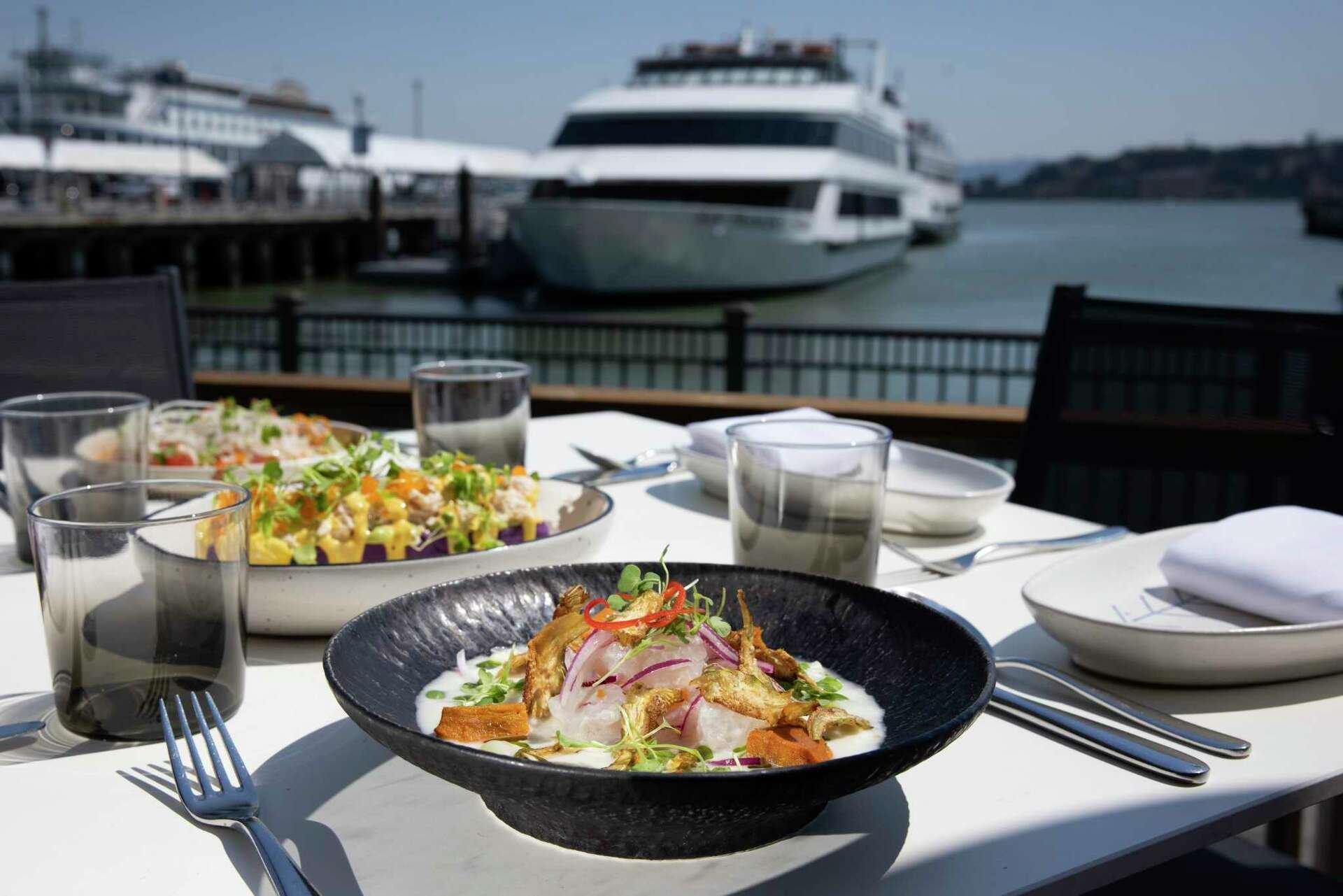
A Waterfront Address That Sets the Scene Before You Sit Down
The approach to Pier 1½ does a lot of the work. Walking north along the Embarcadero, with the Ferry Building receding behind you and the Bay Bridge framing the eastern skyline, La Mar's position registers as one of the more considered dining addresses in San Francisco. Waterfront restaurants in this city occupy a complicated market: tourist-volume venues with bay views and uninspiring menus on one end, and serious kitchens that happen to face the water on the other. La Mar lands in the second category.
The setting is not incidental to the experience. Peruvian coastal cooking, built around raw fish, citrus-cured proteins, and the clean acidity of leche de tigre, has a logical relationship with a location where the Pacific's influence is immediate. The genre connects to a long tradition of cebicherias on Lima's waterfront districts, and the Embarcadero context gives that lineage somewhere plausible to land in Northern California.
Where La Mar Fits in San Francisco's Dining Picture
San Francisco's high-end restaurant scene clusters around a handful of recognizable formats. The tasting-menu tier, anchored by venues like Benu, Atelier Crenn, and Quince, operates through reservation windows that open weeks to months ahead. Lazy Bear and Saison occupy their own progressive American tier with a similarly controlled booking structure. La Mar operates outside that framework entirely. It is a different kind of serious: a full-service, à la carte Peruvian restaurant with a menu built around shared plates, ceviches, and grilled proteins rather than sequenced tasting courses.
This positions La Mar in a comparable set that has no direct local equivalent. Nationally, Peruvian cooking at this level of execution is concentrated in a few urban markets. The Latin American fine-dining conversation more broadly includes venues like Le Bernardin in New York and Emeril's in New Orleans as reference points for seafood-forward serious kitchens, though the cuisine traditions differ substantially. Within California, Providence in Los Angeles and Addison in San Diego represent the kind of seafood-centred ambition that La Mar's waterfront format invites comparison with, even if the culinary DNA is distinct.
The Booking Experience: What Planning Looks Like Here
The logistics at La Mar differ from the city's tasting-menu tier in ways that matter for how you plan. Unlike the controlled-release ticket systems used by venues such as Alinea in Chicago or the months-out availability windows common at Michelin-starred counters, La Mar recommends reservations. Weekend dinner slots and weekend lunch fill faster and warrant booking further ahead.
The waterfront seat differential matters here. Tables facing the water versus interior tables represent a meaningful experiential gap, and that preference is worth specifying when booking. Pier dining rooms in this city do not guarantee views from every position, and the room's geometry means proximity to the glass is the relevant variable. Request a window table explicitly, and if you're flexible on time, a weekday lunch slots into the calendar with far less friction than a Saturday dinner.
À la carte format also changes the time commitment calculus relative to San Francisco's tasting-menu tier, where a two-to-three hour minimum is structural. At La Mar, a focused order of ceviches and a few hot plates can resolve in about ninety minutes, or extend to a full evening depending on pacing and table rhythm. That flexibility is itself a feature for travellers working a dense San Francisco itinerary alongside reservations at places like The French Laundry in Napa or Single Thread Farm in Healdsburg.
The Cuisine Tradition and What It Means for Ordering
Peruvian cooking draws on one of the more complex culinary syntheses in the Americas, combining indigenous Andean ingredients with Japanese, Chinese, Spanish, and African influences accumulated over centuries. The Japanese influence on Peruvian ceviche is direct and documented: Nikkei cooking, which emerged from Japanese immigration to Peru beginning in the late nineteenth century, shaped the precision of knife work and the handling of raw fish in ways that distinguish Peruvian ceviche from Mexican or Caribbean equivalents. This history has a practical effect on what appears on the menu and how it is executed.
Leche de tigre, the citrus-based curing liquid central to ceviche, is both marinade and sauce, and the quality of its balance is the technical marker separating serious Peruvian kitchens from approximations. Tiraditos, the sashimi-adjacent preparation that reflects the Nikkei strand directly, sit alongside anticuchos, pisco sours, and causa in the architecture of a full Peruvian meal. At a restaurant with this address and positioning, the raw fish preparations are the logical centre of an order, with grilled and hot plates filling out the table.
For context on how Peruvian cooking fits within the broader category of internationally trained seafood-forward kitchens operating at serious levels, 8½ Otto e Mezzo Bombana in Hong Kong represents one model of international cuisine landing with genuine discipline in a major port city, which is the structural template La Mar occupies in San Francisco. Other points of reference for multi-influence serious kitchens include Atomix in New York and Blue Hill at Stone Barns, though neither is culinarily adjacent. The comparison is architectural rather than culinary.
Pisco cocktails are the canonical pairing at a Peruvian restaurant. The Pisco Sour, with its egg-white foam and Angostura bitters finish, functions as a table-setter rather than a wine replacement, and the bar program at a venue of this type typically runs parallel to the kitchen in seriousness. Pisco cocktails are a natural companion to the food.
Know Before You Go
Location: Pier 1½, The Embarcadero N, San Francisco, CA 94111
Getting There: The pier sits a short walk north of the Ferry Building along the waterfront promenade.
Booking: Reservations recommended. Weekend lunch and dinner book faster. Request a window table explicitly at the time of reservation.
Format: À la carte, shared plates. Meal duration flexible: about ninety minutes to a full evening depending on order scope and pacing.
Practical Note: Waterfront evenings in San Francisco run cold year-round. If the restaurant offers any outdoor or semi-open seating, a layer is practical regardless of forecast.
At a Glance
Comparable venues nearby, for context on price, style, and recognition.
| Venue | Price | Notes |
|---|---|---|
| La MarThis venue — the venue you are viewing | $$$ | Not listed |
| Altamirano | $$ | Lone Mountain/USF, Modern Peruvian |
| Mokuku | $$$ | Inner Richmond, Modern Japanese Shabu-Shabu |
| Bon Délire | $$$ | Financial District/South Beach, Parisian French Bistro |
| John's Grill | $$$ | Financial District/South Beach, Classic American Steakhouse |
| Biscuits & Blues | $$$ | Nob Hill, Southern Soul Food with Live Blues |
Recognition history
Dated appearances from independent guides and award organizations, with the underlying list record or original source where available.
Wine Spectator Best of Award of Excellence
Wine Spectator
Continue exploring
More in San Francisco
Restaurants in San Francisco
Browse all →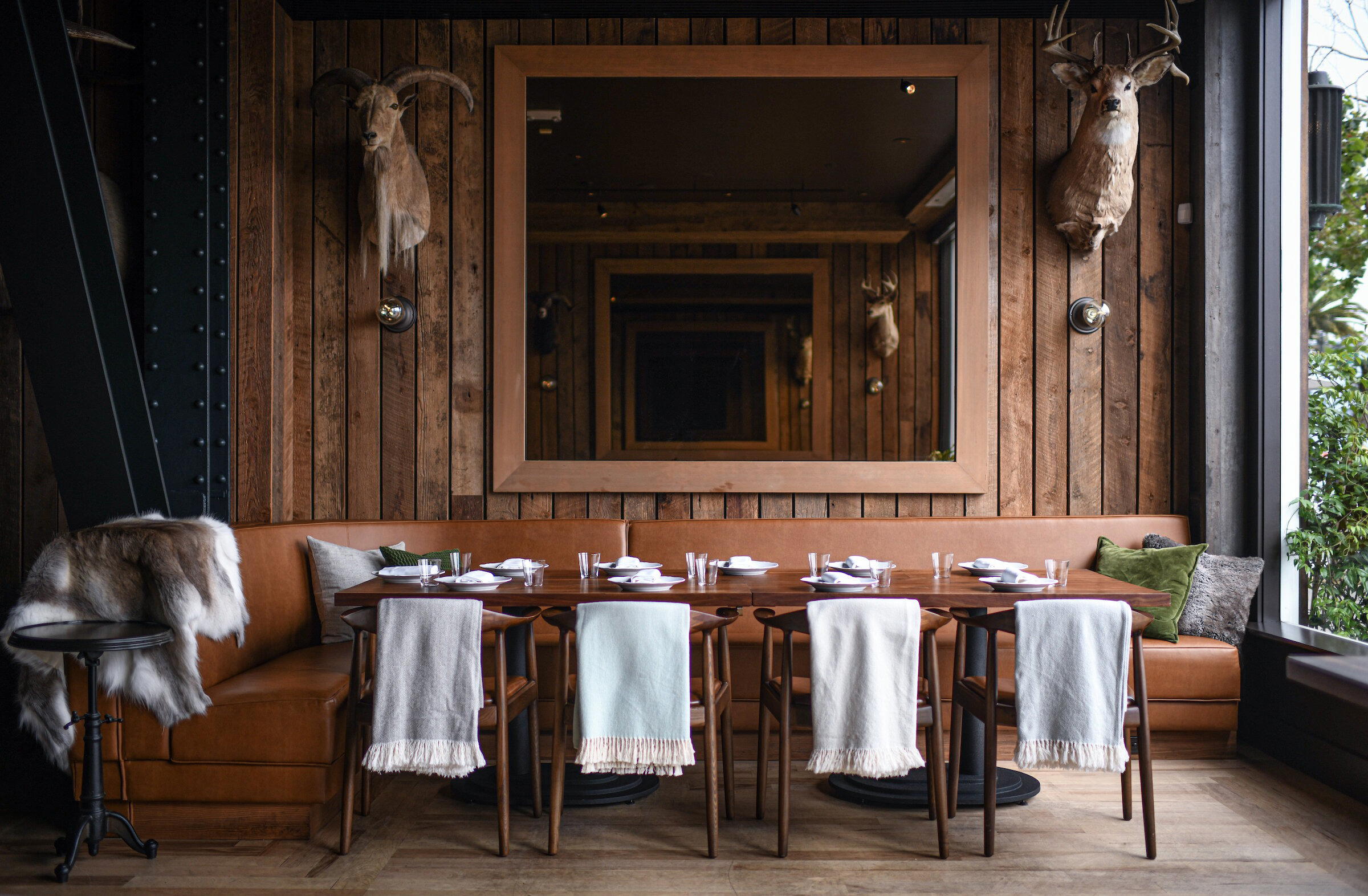
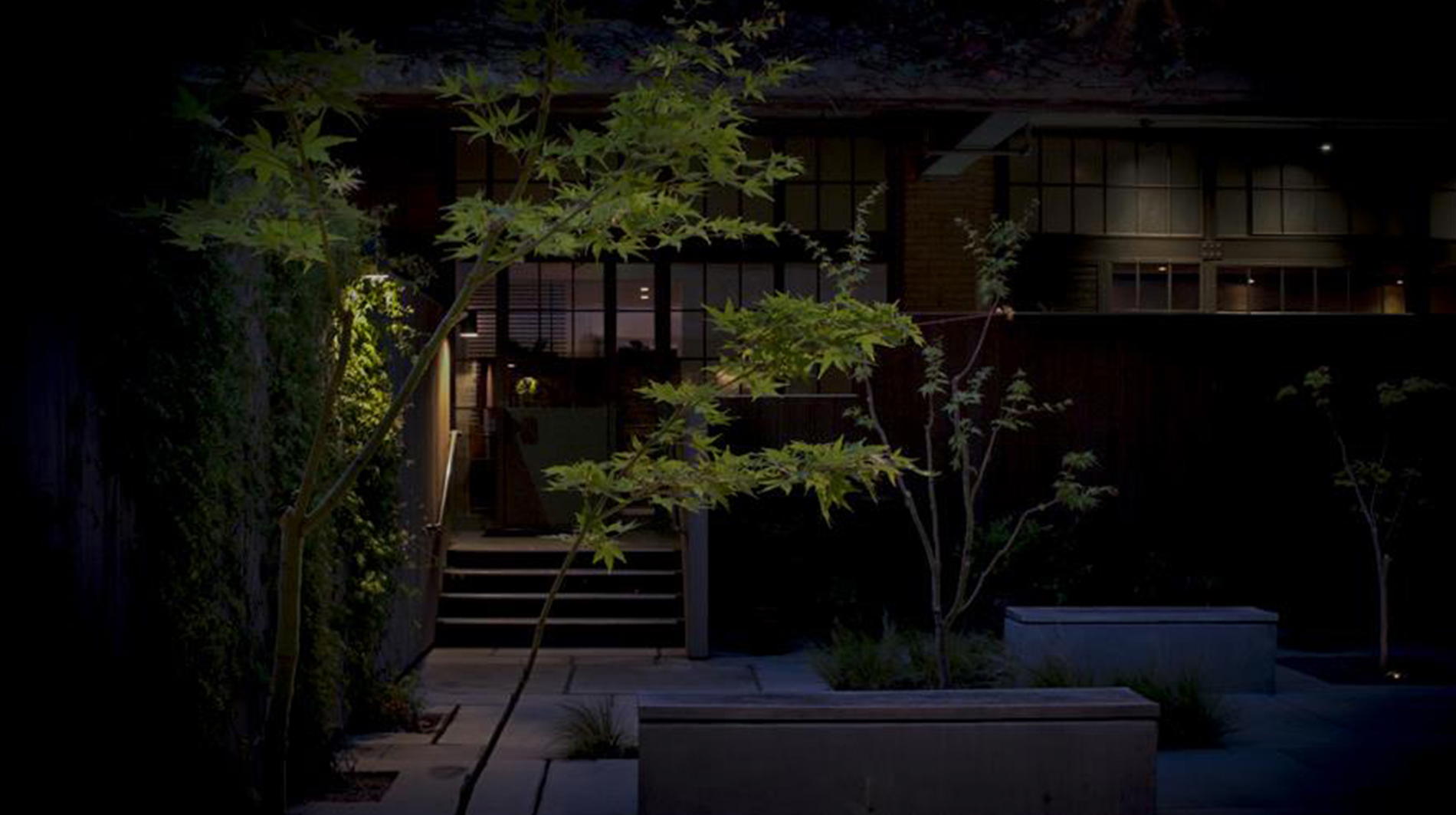
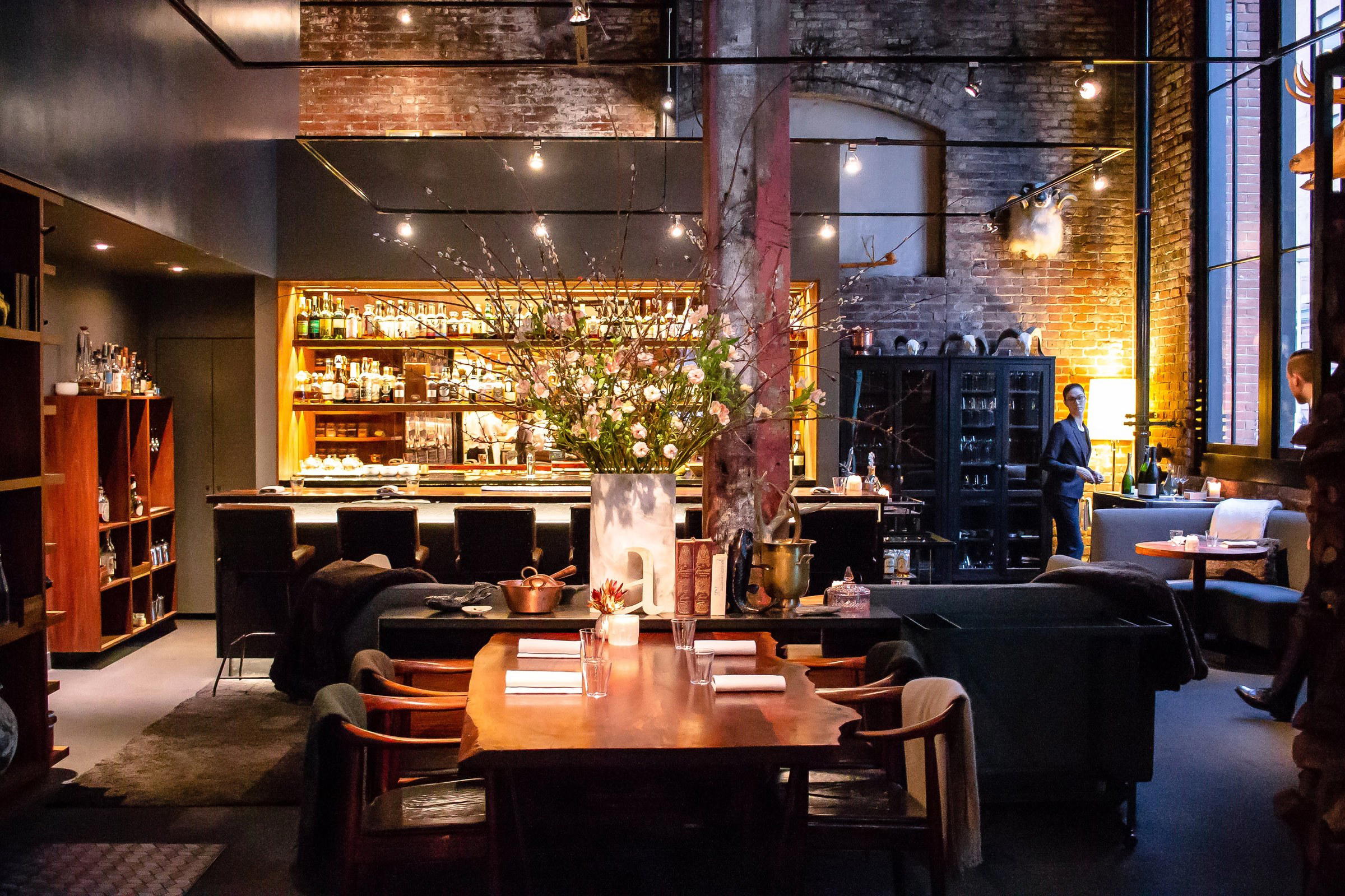
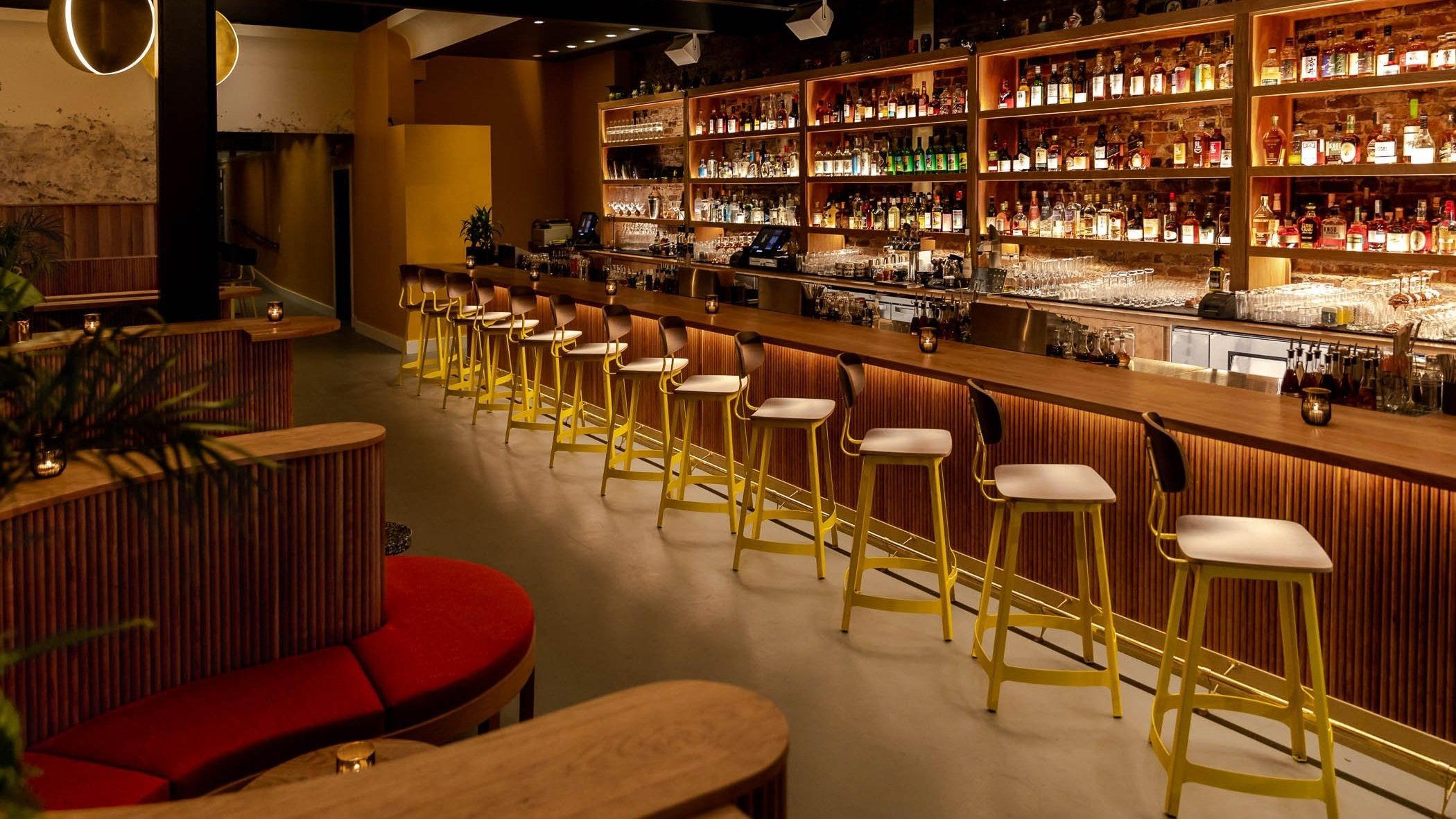
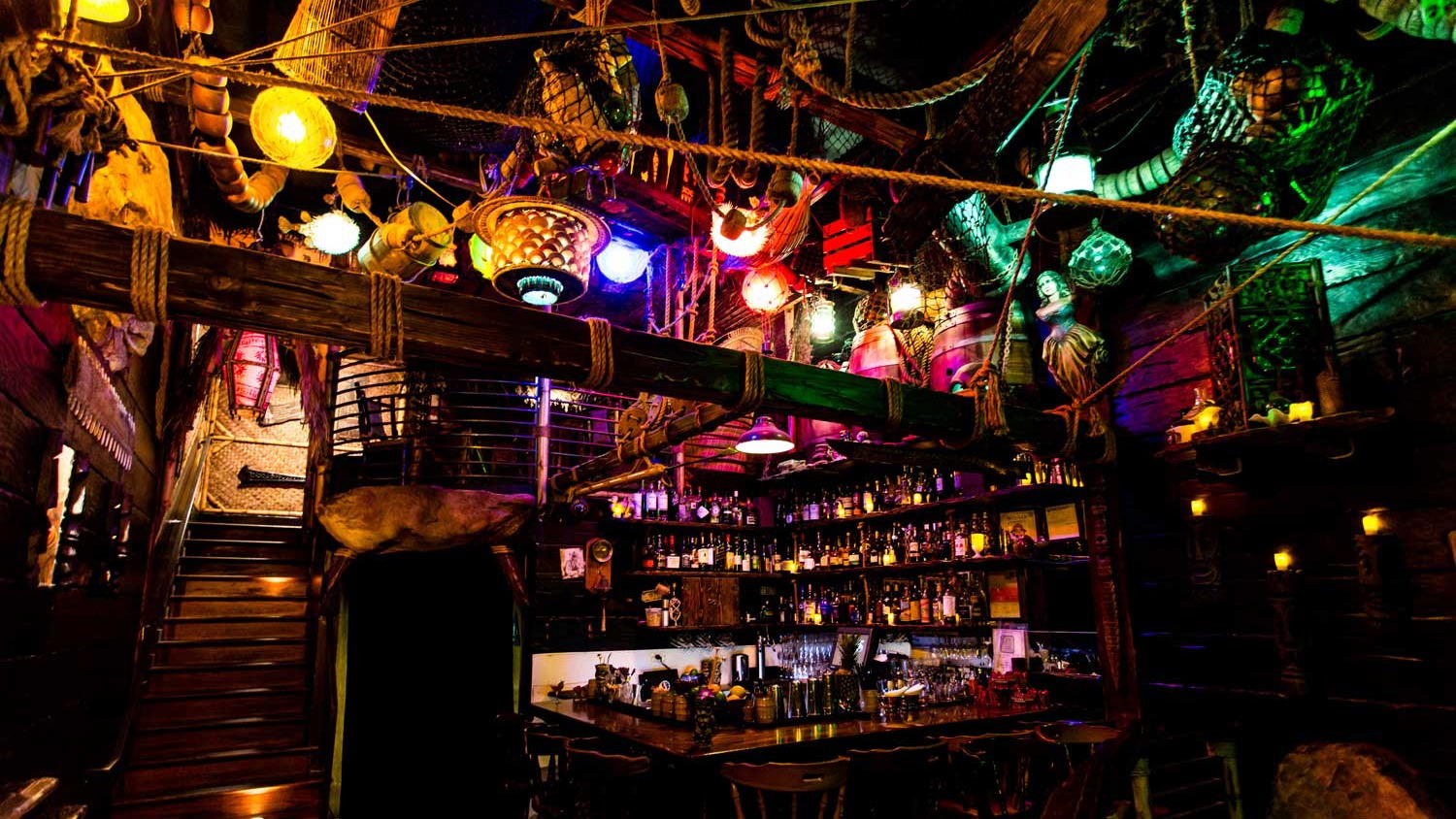
Bars in San Francisco
Browse all →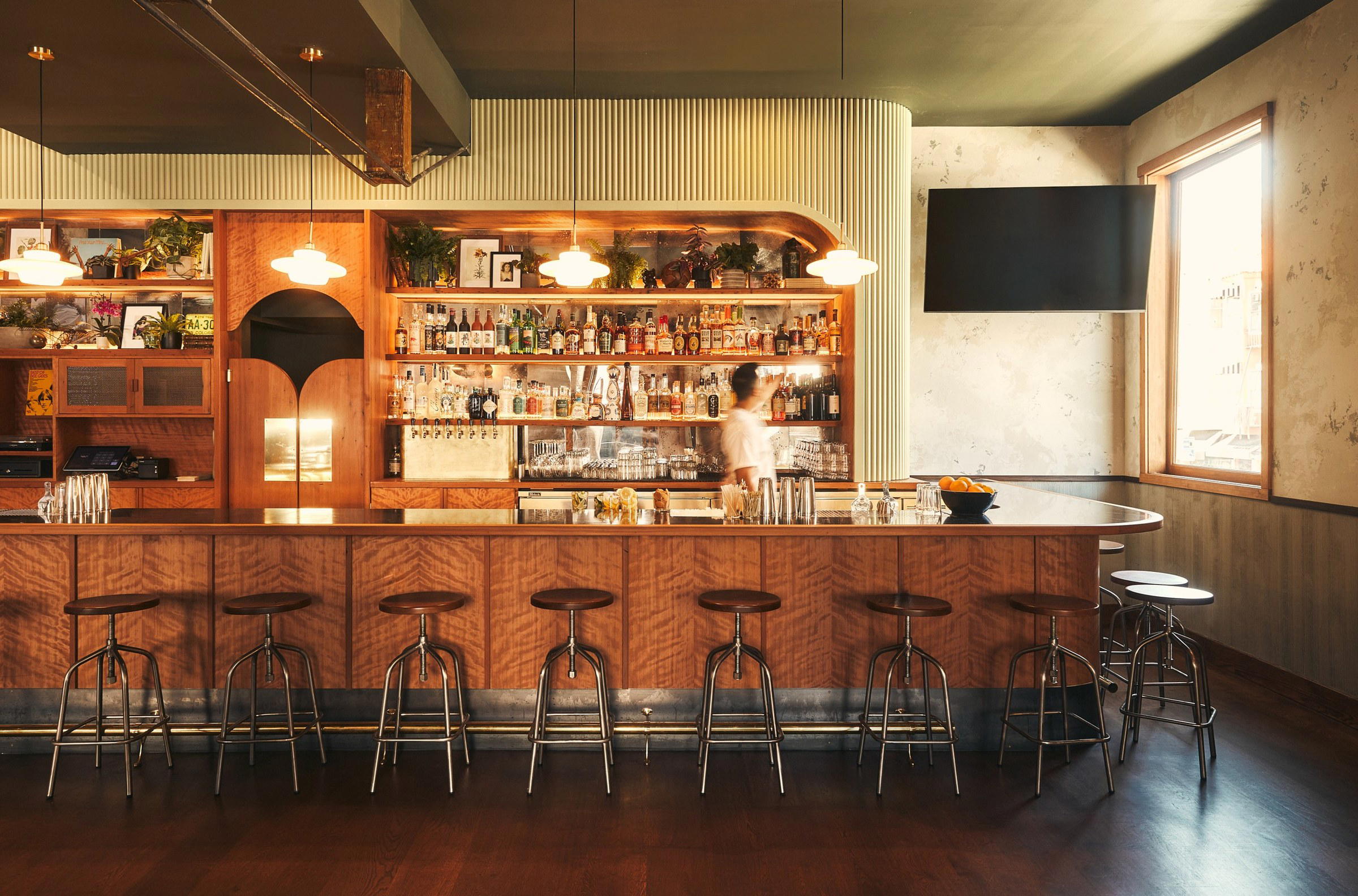
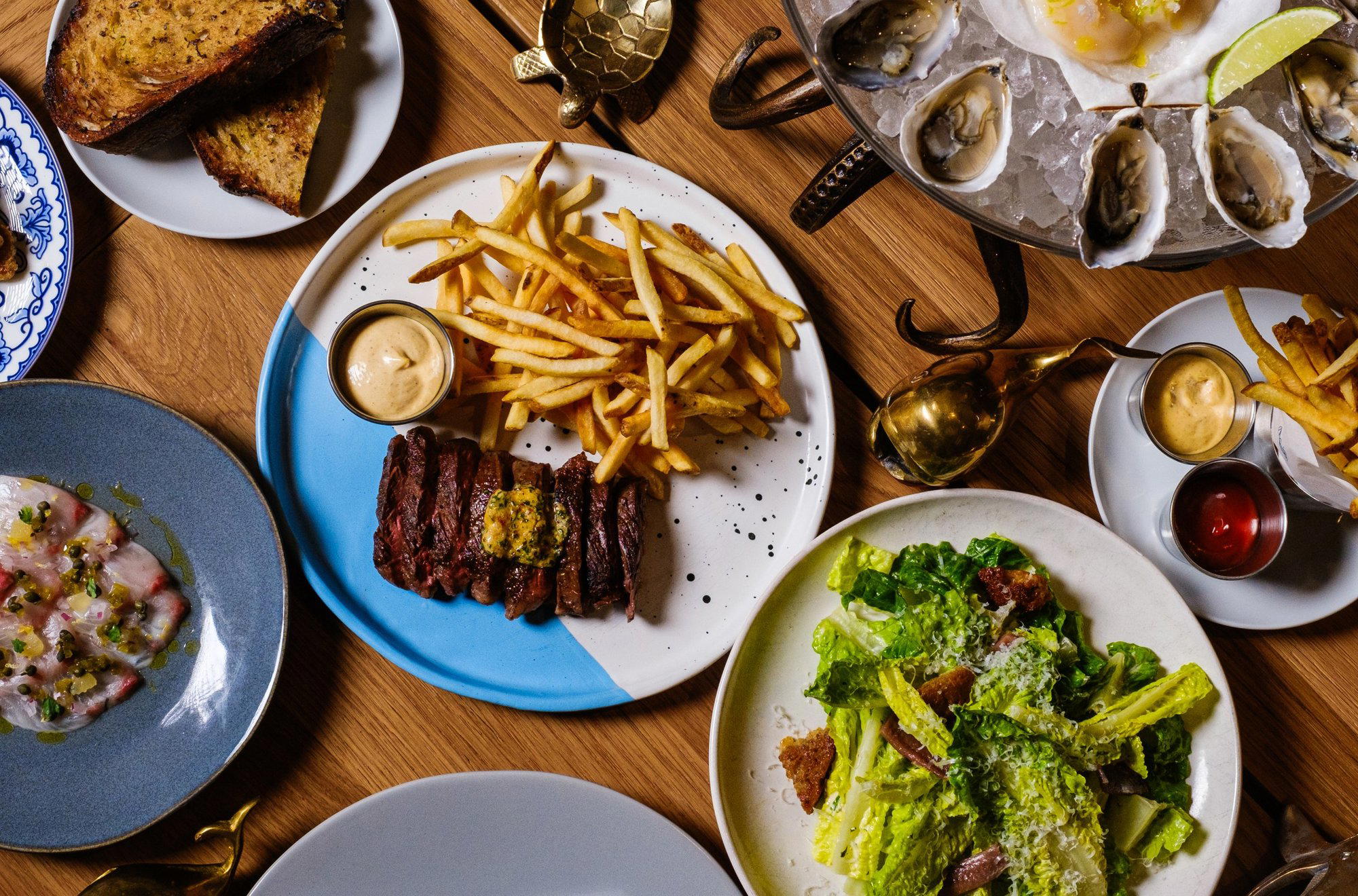
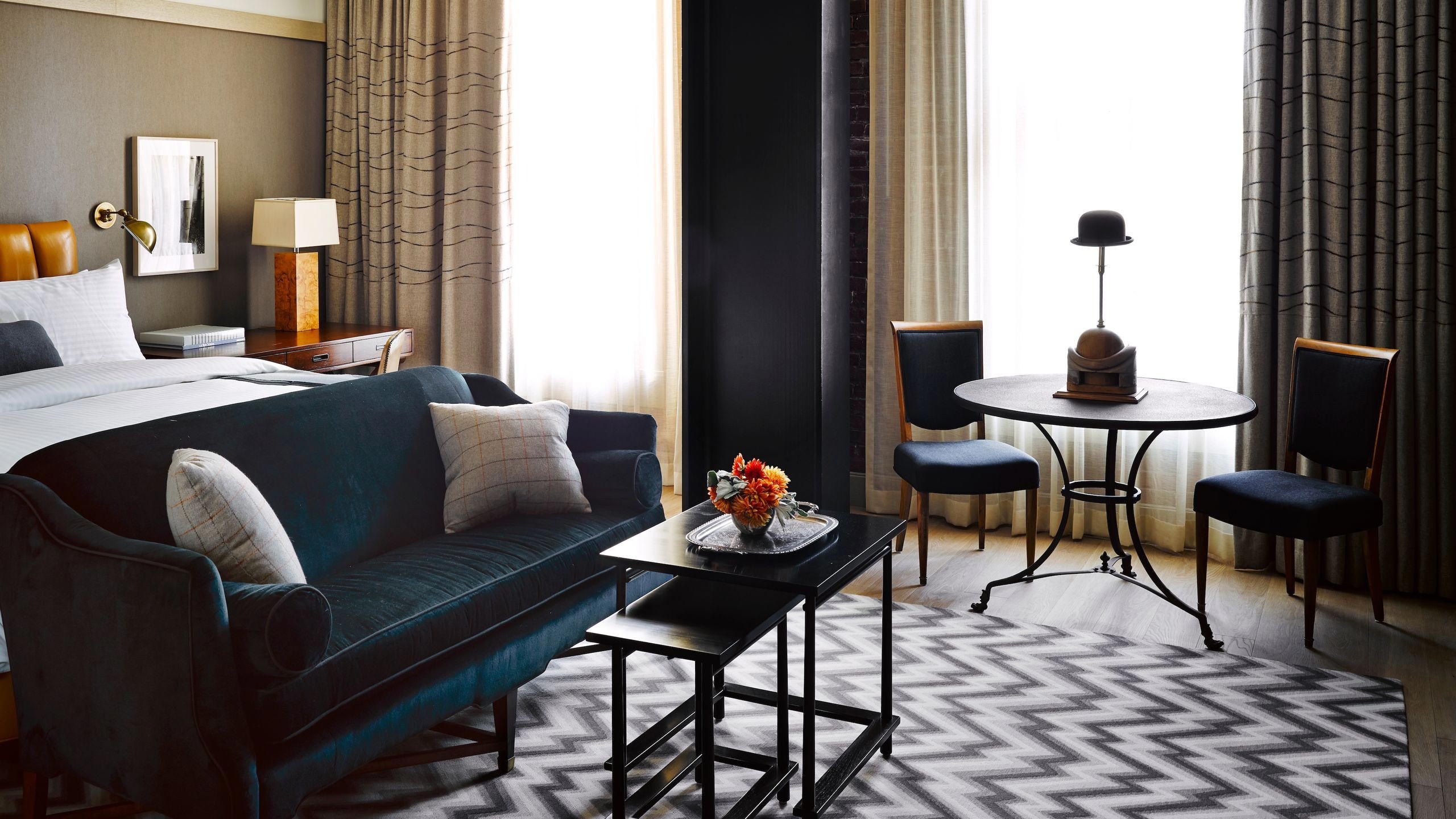
Hotels in San Francisco
Browse all →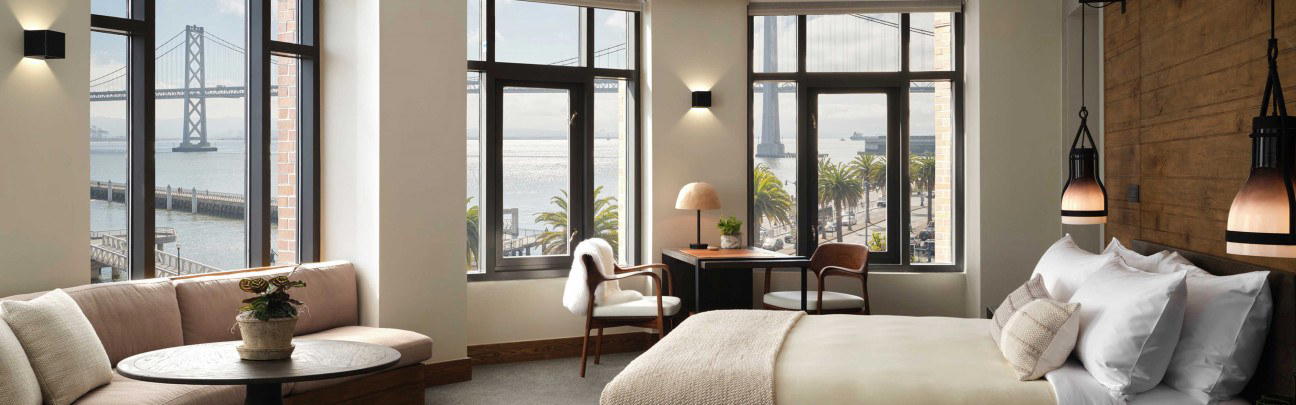
At a Glance
- Lively
- Elegant
- Modern
- Scenic
- Date Night
- Special Occasion
- Group Dining
- Brunch
- Waterfront
- Open Kitchen
- Craft Cocktails
- Waterfront
- Skyline
Current opening hours
- Monday
- 11:30 AM–2:30 PM, 5–9 PM
- Tuesday
- 11:30 AM–2:30 PM, 5–9 PM
- Wednesday
- 11:30 AM–2:30 PM, 5–9 PM
- Thursday
- 11:30 AM–2:30 PM, 5–9 PM
- Friday
- 11:30 AM–2:30 PM, 5–9:30 PM
- Saturday
- 11:30 AM–2:30 PM, 5–9:30 PM
- Sunday
- 11:30 AM–2:30 PM, 5–9 PM
Hours can change for holidays and private events. Last verified .
Romantic décor with sweeping waterfront views, recently refreshed interior creating a lively and elegant atmosphere.