Moani Waikīkī
Our verdict
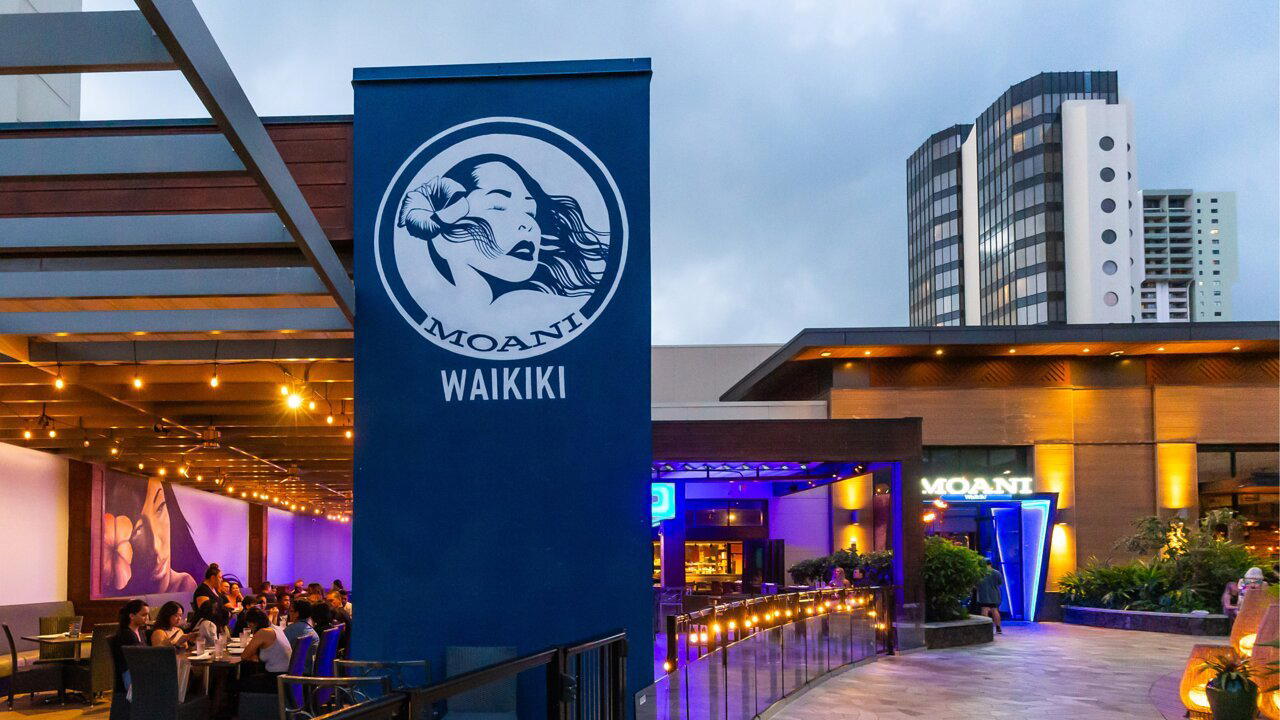
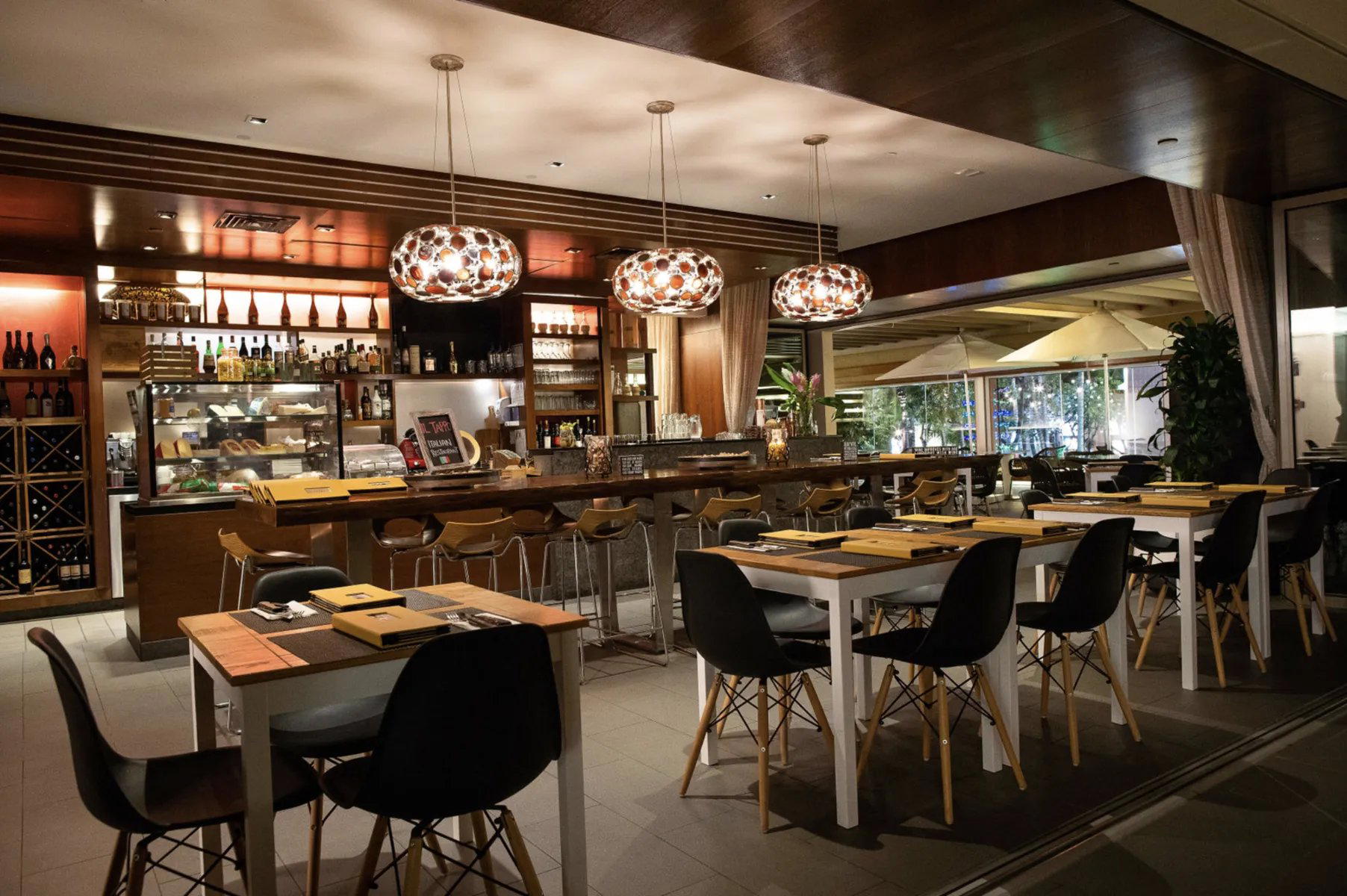
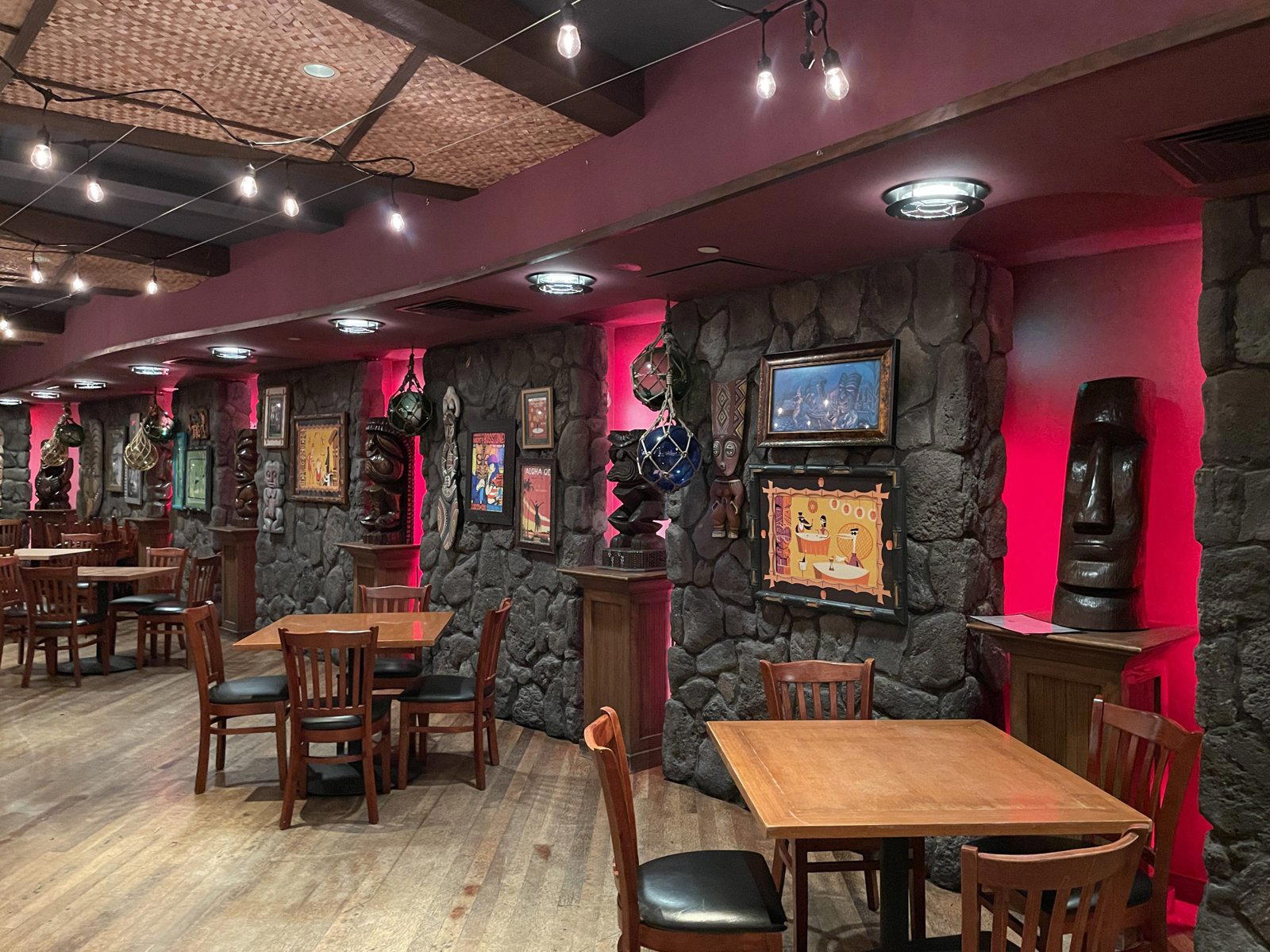
Moani Waikīkī serves island-style Hawaiian comfort food, craft cocktails, and live music at 2330 Kalākaua Ave #312, with a casual, lively setting for dinner or late night.

Pearl is the En Primeur Club membership app — saves, bookings, and concierge access live there. Same editors, same standards.
- Address
- 2330 Kalākaua Ave #312, Honolulu, HI 96815
- Phone
- (808) 466-2629
- Hours
- Mon–Thu 4–11 PMFri–Sat 4 PM–12 AMSun 4–11 PM
- Website
- moaniwaikiki.com
- Directions
- Get directions
- Booking
- Book on OpenTable
The menu
What to order
- Hawaiian Style Ahi Poke
- Spicy Ahi Nachos
- Kanaka Kalbi
- Garlic Chicken
- Peleʻs Prawns
- Crispy Calamari
Where Waikīkī's Dining Scene Meets the Pacific
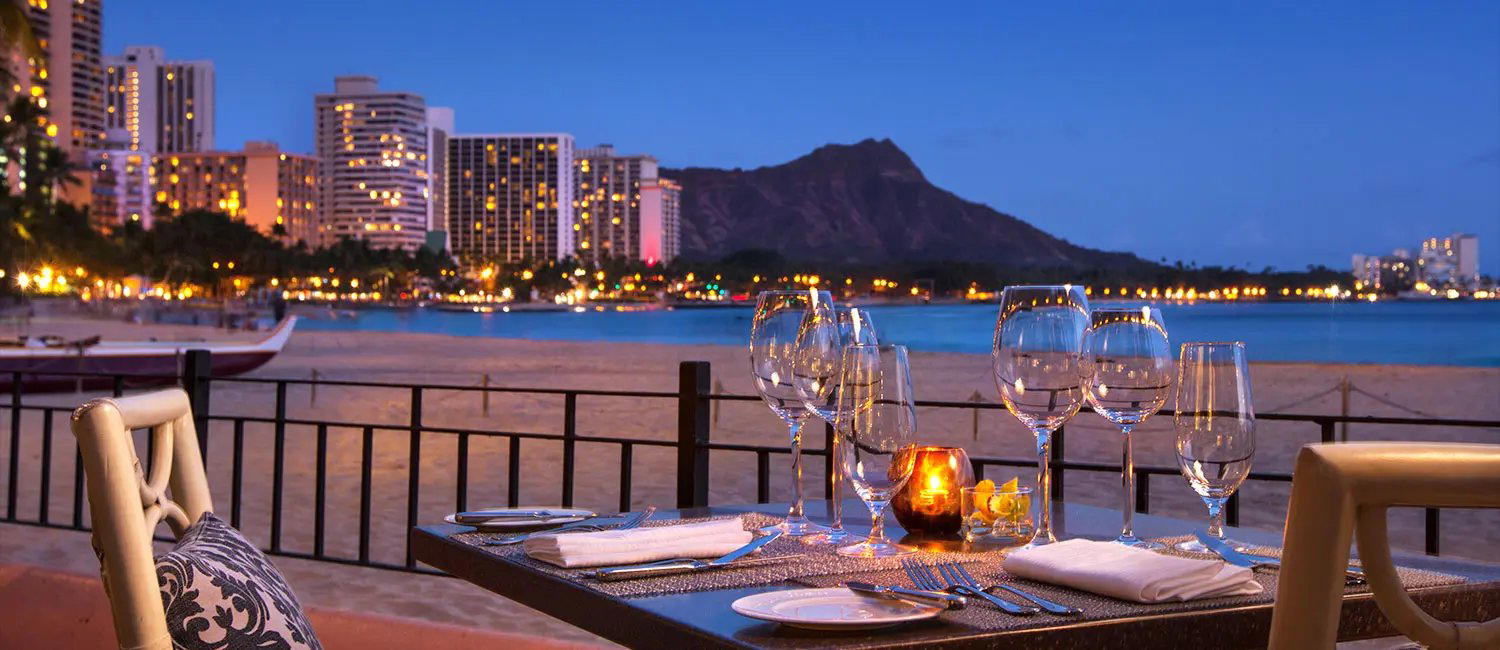
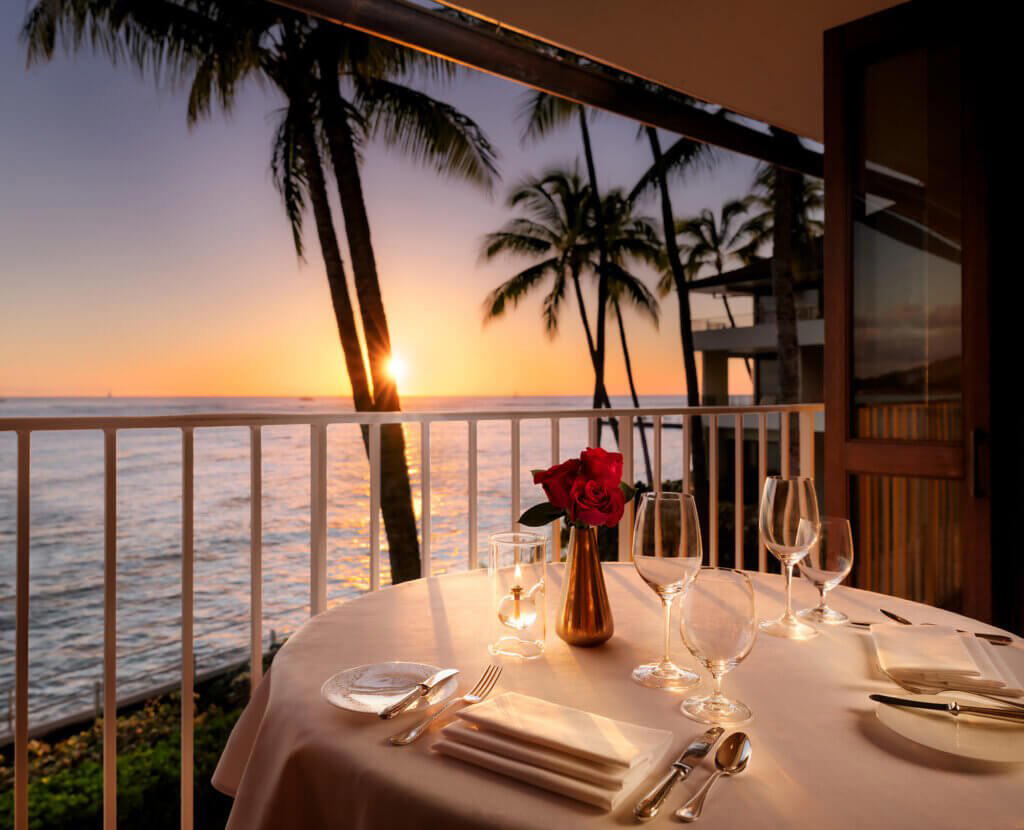
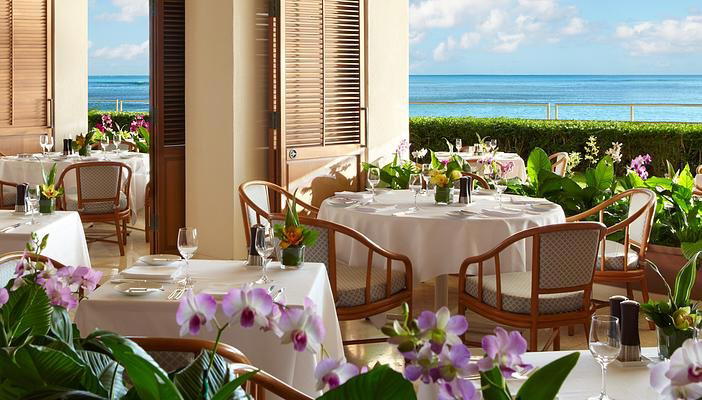
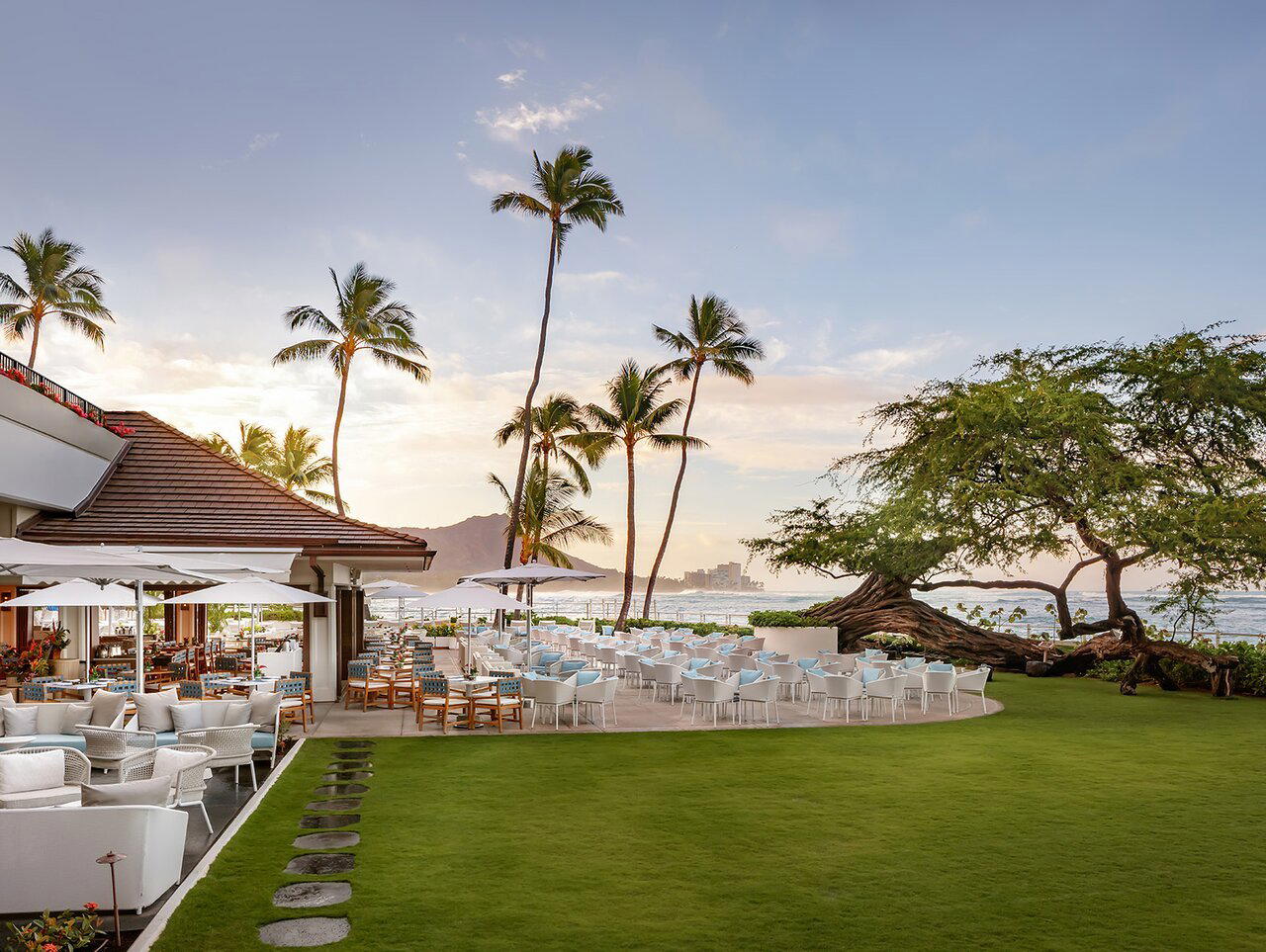
The stretch of Kalākaua Avenue that runs through Waikīkī has long concentrated Hawaii's most ambitious dining in a relatively compact corridor. At street level, the avenue reads as tourist-facing and high-volume. But the addresses above the ground floor tell a different story: a cluster of chef-driven rooms, each positioned to draw on the Pacific's exceptional produce while addressing an audience that travels specifically for the table. Moani Waikīkī, on the third floor of 2330 Kalākaua, sits within that upper tier, occupying a position where the view toward the ocean becomes part of the meal's architecture rather than a backdrop to something generic.
Honolulu's fine-dining tier has been quietly reconfiguring over the past decade. The city's leading rooms have moved away from the fusion novelty that defined Hawaii Regional Cuisine in the 1990s and toward something more focused: a willingness to let the islands' fish, produce, and cultural layering speak in a more disciplined register. That shift mirrors what has happened at rooms like Fête (New American) and 3660 On the Rise, both of which operate in the same city and occupy different but adjacent positions in Honolulu's premium dining hierarchy. Moani's location on Kalākaua puts it in direct conversation with those rooms and with the broader category of destination dining that travelers increasingly route through Honolulu when Hawaii is the destination.
The Logic of a Multi-Course Format in This Setting
Progressive tasting formats have found particular purchase in the Pacific, partly because the region's ingredient calendar rewards structured sequencing. A kitchen drawing on Hawaii's waters and farms has natural movement available to it: lighter preparations early, richer proteins mid-course, and the island's fruit and dairy traditions at the close. This is the same logic that animates tasting menus at rooms across the American fine-dining spectrum, from Lazy Bear in San Francisco and Single Thread Farm in Healdsburg to, at the more architecturally elaborate end, Alinea in Chicago.
What distinguishes a well-executed tasting progression in the Hawaiian context is the tension between European course structure and the Pacific's own culinary grammar. The islands carry Polynesian, Japanese, Chinese, Korean, Portuguese, and Filipino inflections simultaneously, and a kitchen that uses a multi-course format honestly must decide how to weight those influences against classical progression logic. The leading rooms in Honolulu treat that tension as the actual subject of the meal rather than a problem to be resolved by defaulting to European fine dining with a garnish of local color.
At the mid-tier of Honolulu's tasting format rooms, the sequencing question often gets answered too conservatively. The rooms operating at the upper level, where Moani's address places it, face more pressure to make the progression feel purposeful: each course should advance a culinary argument, not merely fill a slot. That pressure is what separates a room worth booking three months in advance from one that performs the gestures of fine dining without the editorial discipline behind them. For reference, rooms with comparable ambition in other American cities, such as Providence in Los Angeles and Addison in San Diego, have built sustained reputations on exactly that kind of course-by-course intentionality.
Honolulu is occasionally underestimated as a fine-dining city, partly because its hospitality economy is so dominated by resort scale and volume. The rooms that operate above that volume layer tend to be small, chef-driven, and reliant on a mix of island regulars and destination travelers. 53 By The Sea occupies a similar position in terms of setting and ambition, while 855-ALOHA and Ahaaina Luau address different but overlapping audiences. The common thread across Honolulu's upper tier is a reliance on local sourcing: the fish markets, the small farms on Oahu's North Shore and windward side, and the network of producers that supply premium kitchens across the state.
Nationally, the rooms that Honolulu's fine-dining scene aspires to benchmark against include Le Bernardin in New York City for seafood discipline, The French Laundry in Napa for course structure and ingredient sourcing as philosophy, and Blue Hill at Stone Barns in Tarrytown for the model of terroir-led progressions. At the international end, Atomix in New York City is instructive for how a kitchen can fold cultural layering into a tasting format without losing structural coherence, which is precisely the challenge a Hawaii kitchen faces. 8 1/2 Otto e Mezzo Bombana in Hong Kong demonstrates how an refined address in a high-tourism corridor can sustain credibility among serious diners alongside a leisure audience.
Other reference points worth considering: Emeril's in New Orleans for the model of regional identity at fine-dining scale, and The Inn at Little Washington in Washington for the long-term discipline required to hold a destination audience. These are not direct comparisons to Moani so much as markers for the standards that serious diners carry into any room operating at this level.
Waikīkī as a Dining Address
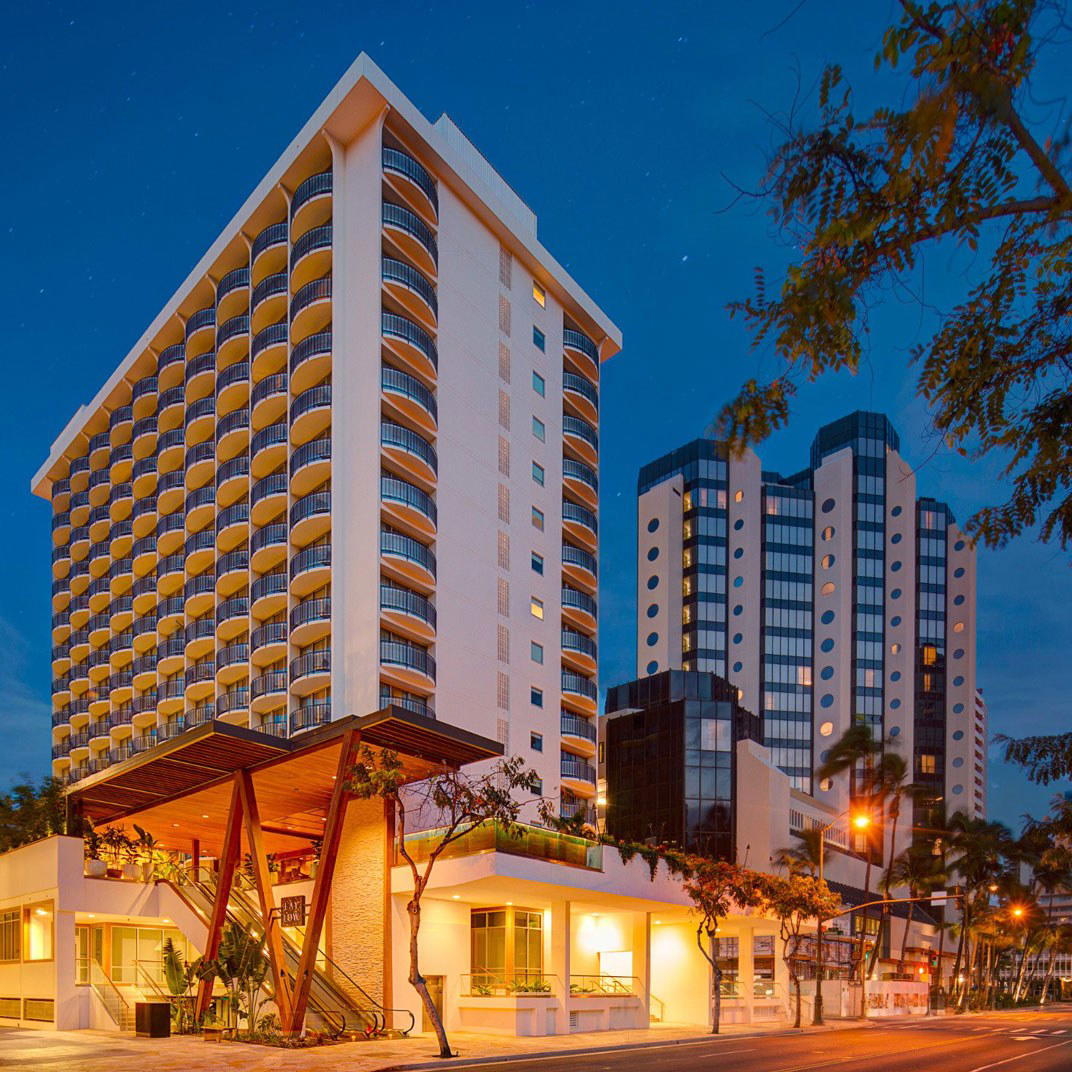
The Waikīkī address carries complicated associations for serious diners. The neighborhood's concentration of resort hotels, chain dining, and beachfront volume operations means that rooms with genuine ambition have to work harder to signal their seriousness to an audience primed to be skeptical. The third-floor position at 2330 Kalākaua creates some separation from street-level foot traffic, which in Waikīkī is a practical advantage: it filters toward guests who arrive with a reservation in hand rather than those wandering in from the beach. That same dynamic plays out in other high-tourism corridors globally, where elevation above street level functions as an informal vetting mechanism.
For visitors building an itinerary around Honolulu's dining, the broader picture is well covered in our full Honolulu restaurants guide, which maps the city's premium rooms across neighborhoods and formats. Waikīkī, despite its tourist density, holds several rooms worth a deliberate booking, and Moani's address places it squarely in that category.
Know Before You Go
- Address: 2330 Kalākaua Ave, Suite 312, Honolulu, HI 96815
- Location: Third floor, Waikīkī corridor, Honolulu
- Booking: Contact details not currently listed; check the venue's own channels directly for reservations
Frequently asked questions
What part of town is Moani Waikīkī in?
Moani Waikīkī is located at 2330 Kalākaua Ave #312, Honolulu, HI 96815, Honolulu.
How does Moani Waikīkī's location on the third floor of 2330 Kalākaua Ave affect the dining experience?
A third-floor address on Kalākaua Avenue puts Moani physically above the street-level foot traffic and beachfront noise that define much of Waikīkī's dining corridor. That separation is not incidental: rooms positioned above ground floor in this neighbourhood tend to draw a more deliberate diner rather than walk-in resort traffic, which shapes both pacing and the overall atmosphere.
What do people recommend at Moani Waikīkī?
EP Club does not currently hold confirmed dish data for Moani Waikīkī. The venue's third-floor Kalākaua Avenue address and positioning within Honolulu's upper dining tier suggest a kitchen working with Pacific-sourced ingredients across a structured multi-course format. Diners familiar with Hawaii's fine-dining corridor tend to prioritize seasonal fish preparations and locally grown produce, which define the stronger plates at rooms of this calibre in the city.
What's the best way to book Moani Waikīkī?
EP Club does not hold a confirmed direct booking contact for Moani Waikīkī at this time. For rooms at this address tier on Kalākaua Avenue, reservations typically move through the venue's own online system or a hotel concierge if the dining room sits within a resort property. Waikīkī demand patterns, particularly during peak winter and summer travel windows, mean advance planning of two to four weeks is advisable.
What's the defining dish or idea at Moani Waikīkī?
What the Waikīkī context and third-floor positioning at 2330 Kalākaua Ave indicate is a format built around the Pacific ingredient calendar, where structured sequencing across courses allows the kitchen to track Hawaii's shifting seasonal supply. That progressive logic, rather than any single plate, tends to be the organising idea at Honolulu rooms operating above the resort baseline.
Pricing, Compared
Comparable venues nearby, for context on price, style, and recognition.
| Venue | Cuisine | Price | Awards | Notes |
|---|---|---|---|---|
| Moani WaikīkīThis venue — the venue you are viewing | Island-Style Hawaiian Comfort Food | $30–50 | Not listed | Not listed |
| Nico's Pier 38 | Hawaiian Seafood | $20–30 | Diners, Drive-Ins and Dives Featured Restaurant | Iwilei, Hawaiian Seafood |
| Fort Ruger Market | Hawaiian & Filipino Plate Lunch with Fresh Poke | $10–20 | Not listed | Diamond Head, Hawaiian & Filipino Plate Lunch with Fresh Poke |
| Paia Fish Market Waikiki | Fresh Hawaiian Seafood | $20–30 | Not listed | Kapahulu, Fresh Hawaiian Seafood |
| Fire Grill Waikiki | American Steakhouse & Grill | $50–100 | Not listed | Kapahulu, American Steakhouse & Grill |
| Kamukura Surf + Dine | Japanese-Hawaiian Fusion Ramen and Sushi | $20–30 | Not listed | Kapahulu, Japanese-Hawaiian Fusion Ramen and Sushi |
Details
- Lively
- Energetic
- Casual
- Group Dining
- Casual Hangout
- Late Night
- After Work
- Live Music
- Standalone
- Craft Cocktails
- Local Sourcing
- Family Style
- A La Carte
- Tropical Drinks
- Craft Cocktails
Current opening hours
- Monday
- 4–11 PM
- Tuesday
- 4–11 PM
- Wednesday
- 4–11 PM
- Thursday
- 4–11 PM
- Friday
- 4 PM–12 AM
- Saturday
- 4 PM–12 AM
- Sunday
- 4–11 PM
Hours can change for holidays and private events. Last verified .