Miyake
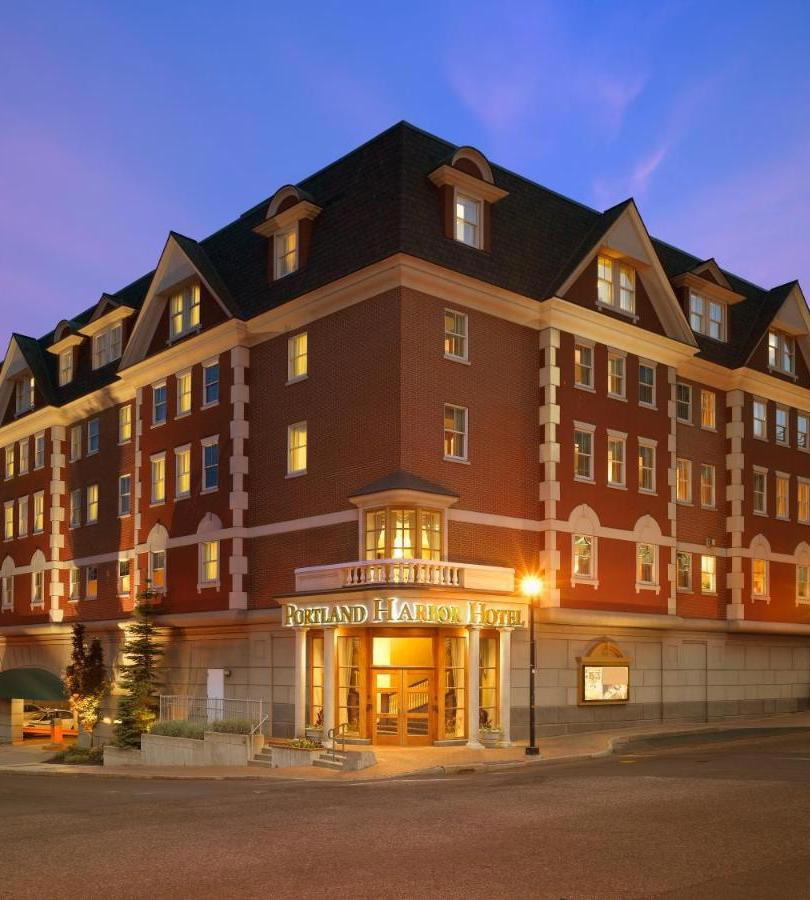
Miyake occupies a converted space on Fore Street in Portland, Maine, positioning itself within the city's serious dining tier. The restaurant draws on Japanese culinary discipline in a city better known for its New England seafood tradition, making it one of the more deliberate contrasts on the Old Port dining circuit. Address: 468 Fore St, Portland, ME 04101.
Pearl is the En Primeur Club membership app — saves, bookings, and concierge access live there. Same editors, same standards.
- Address
- 468 Fore St, Portland, ME 04101
- Phone
- +12078719170
- Website
- miyakerestaurants.com
 Saves & bookings on Pearl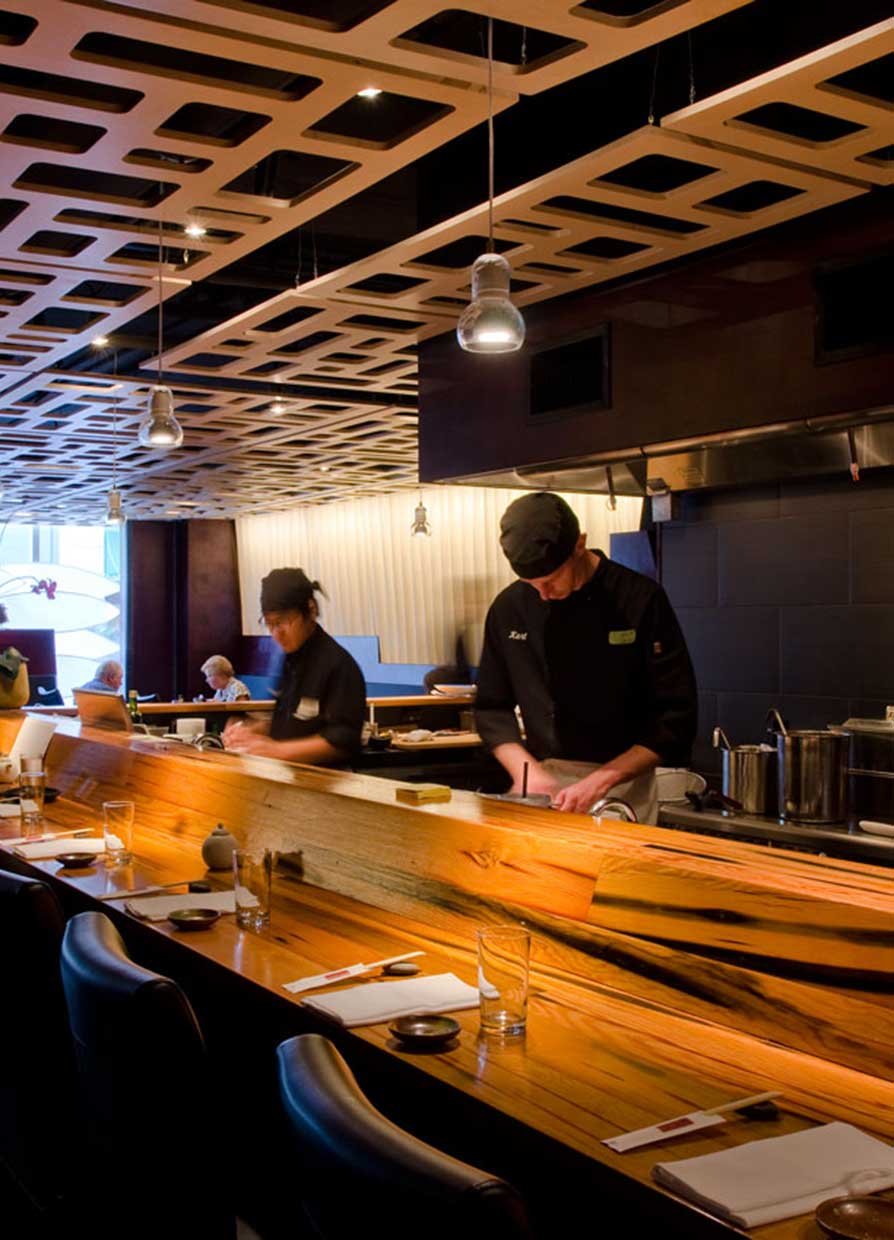
Fore Street's Japanese Counterpoint
Portland, Maine's Old Port sits at an intersection of traditions: raw bars, lobster shacks, and wood-fired kitchens have long defined the neighborhood's culinary character. Fore Street itself is home to some of the city's most referenced restaurants, most of them drawing directly from the coastal New England larder. Miyake, at 468 Fore St, operates against that grain. Japanese culinary discipline in a port city dominated by chowder and wood smoke is a deliberate editorial choice, and the restaurant's address in the Old Port's most-trafficked stretch makes the contrast sharper, not softer.
That positioning matters when reading the Portland dining scene as a whole. The city has developed a reputation, particularly over the past decade, for cooking that takes regional ingredients seriously without being limited by regional convention. Kann anchors that tendency from a Haitian perspective; Berlu does it from a Vietnamese one. Miyake's Japanese framework slots into the same pattern: a non-local culinary tradition applied with enough rigor to hold its own on a street where the competition is both well-established and geographically specific.
The Physical Container
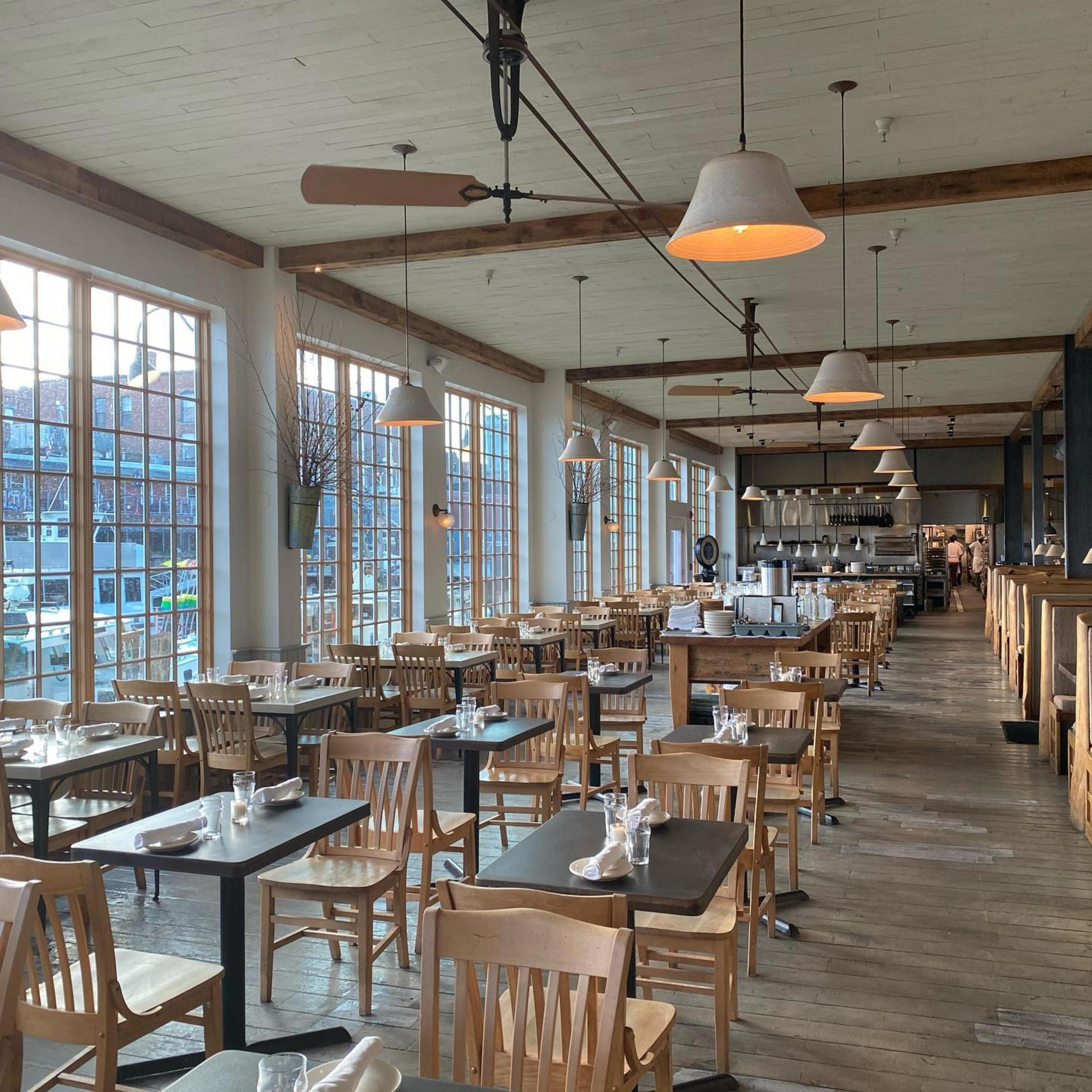
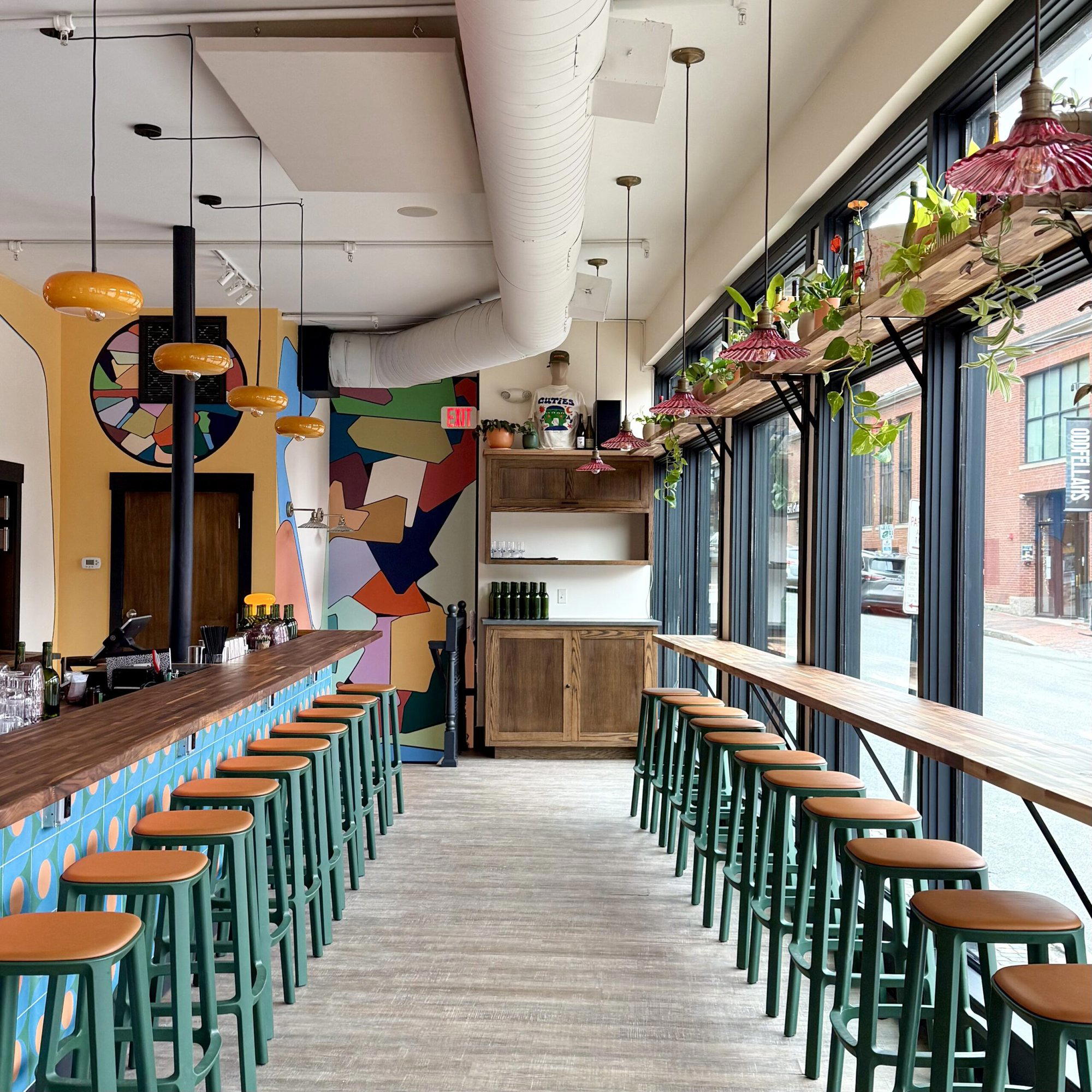
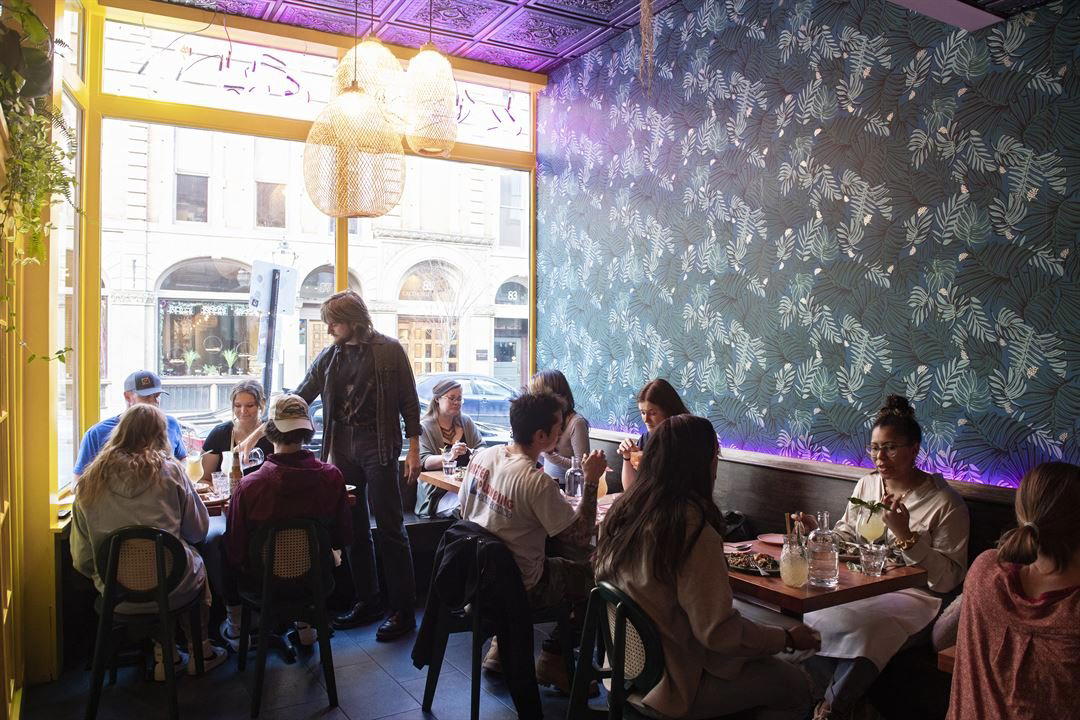
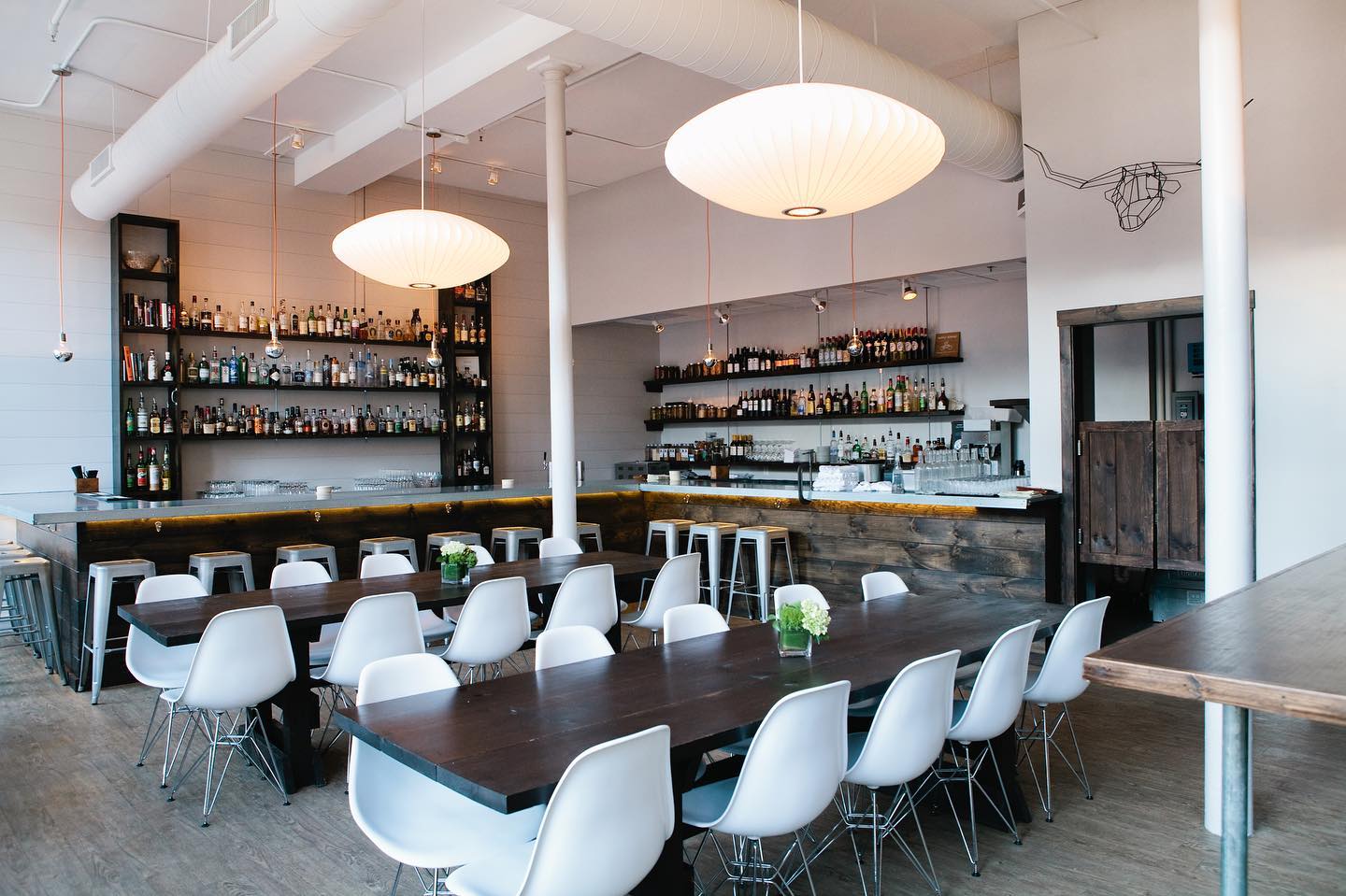
The design logic of Miyake reflects a set of choices that recur across serious Japanese dining rooms in American cities: reduction rather than decoration, material honesty over finish, spatial calm as a form of hospitality. In a neighborhood where most interiors lean into exposed brick and the aesthetic vocabulary of repurposed industrial New England, a Japanese-influenced dining room functions as a reset. The eye has less to process; the attention shifts to what arrives at the table.
Counter seating, where it exists in Japanese formats, is architectural as much as operational. It structures the relationship between diner and kitchen, turning preparation into something the room is organized around rather than concealed from. Whether Miyake operates a counter or a more conventional floor plan, the design ethos implied by Japanese dining tradition points toward that same logic: the physical container should make the food more visible, not compete with it. That discipline is harder to achieve in a converted Old Port commercial space than in a purpose-built room, which makes the execution worth examining on arrival.
Japanese Discipline Inside a New England Context
American cities have spent the past twenty years sorting out what Japanese-influenced dining actually means at the table. At one end, high-volume sushi operations that treat Japan as a flavor profile. At the other, omakase counters in Chicago, New York, and San Francisco that have absorbed the format, the pacing, and the sourcing logic as seriously as their Tokyo counterparts. Restaurants like Atomix in New York City and Alinea in Chicago sit at the highest-investment end of that spectrum, where the physical experience and the culinary program are designed as a single object.
Miyake operates in a smaller city with a different set of constraints and a different peer group. Portland, Maine supports a more measured spend than New York or San Francisco, which shapes the format and scale of ambitious dining here. What it does sustain, as evidenced by the track record of places like Langbaan in Portland, Oregon, and by the broader regional dining trajectory, is serious cooking at a price point that reflects local economic reality without abandoning ambition. That is the category Miyake is operating in, and it is a more demanding position than it looks from the outside.
Japanese culinary tradition is unusually well-suited to the Maine coastal context, for reasons that have nothing to do with fusion and everything to do with ingredient logic. Maine produces lobster, uni, and fin fish of a quality that Japanese technique is specifically designed to respect. The question is how deliberately that alignment is pursued, and at what level of sourcing discipline.
Portland's Serious Dining Tier
The restaurants on and around Fore Street occupy a meaningful position in how Portland presents itself to visitors. Nostrana and Ken's Artisan Pizza represent the wood-fired, ingredient-forward end of the city's serious casual tier. Miyake works in a different register, one that requires more active orientation from the diner and more precision from the kitchen. That gap in the city's dining map is real and not always filled. When a restaurant occupies it credibly, it tends to attract both the local audience that has exhausted the more conventional options and the visiting diner who arrives with a specific kind of curiosity about what Portland's dining scene can actually sustain.
For context on how other American cities have built Japanese dining programs at the serious end of the market, Providence in Los Angeles and Le Bernardin in New York City demonstrate how French-influenced seafood kitchens can absorb Japanese precision without formally becoming Japanese restaurants. Single Thread Farm in Healdsburg and Blue Hill at Stone Barns in Tarrytown show how Japanese-influenced thinking about seasonality and restraint translates into American farm-to-table programs at the high end. The French Laundry in Napa, Addison in San Diego, and The Inn at Little Washington each represent American fine dining that has absorbed technical rigor from multiple traditions without becoming a direct expression of any single one. Miyake's position in Portland is narrower in scope but operates from a comparable set of premises about what a serious dining room owes its guests.
Other reference points for ambitious American restaurants include Emeril's in New Orleans and Lazy Bear in San Francisco, both of which have navigated the question of how a strong culinary identity holds up over time in mid-size American cities. 8 1/2 Otto e Mezzo Bombana in Hong Kong is a useful comparison point for how European fine dining technique travels to a non-European context and finds its footing.
Planning Your Visit
Miyake is located at 468 Fore St in Portland's Old Port, a walkable neighborhood where parking is limited during peak summer months. Maine's tourist season concentrates heavily between June and September, which means tables at the more serious Old Port restaurants book ahead during that window. Visiting in the shoulder seasons, particularly April through May or October through November, generally offers more flexibility on short notice. Reservations are recommended, especially in summer.
Price and Positioning
Comparable venues nearby, for context on price, style, and recognition.
| Venue | Cuisine | Price | Awards | Notes |
|---|---|---|---|---|
| MiyakeThis venue — the venue you are viewing | Old Port, Refined Japanese Fine Dining | $$$ | , | |
| Mr. Tuna | Monument Square, Modern Japanese Sushi | $$$ | ||
| Grace | Old Port, Contemporary American | $$$ | , | |
| Street & Co | Old Port, Mediterranean Seafood Bistro | $$$ | , | |
| The Jewel Box | Arts District, Cocktail Bar with Snacks | $$ | , | |
| THAI TREE RESTAURANT | $$ | , | Congress Street, Portland, Authentic Korat & Isaan Thai |

At a Glance
- Elegant
- Intimate
- Modern
- Sophisticated
- Date Night
- Special Occasion
- Chefs Counter
- Open Kitchen
- Sake Program
- Local Sourcing
- Farm To Table
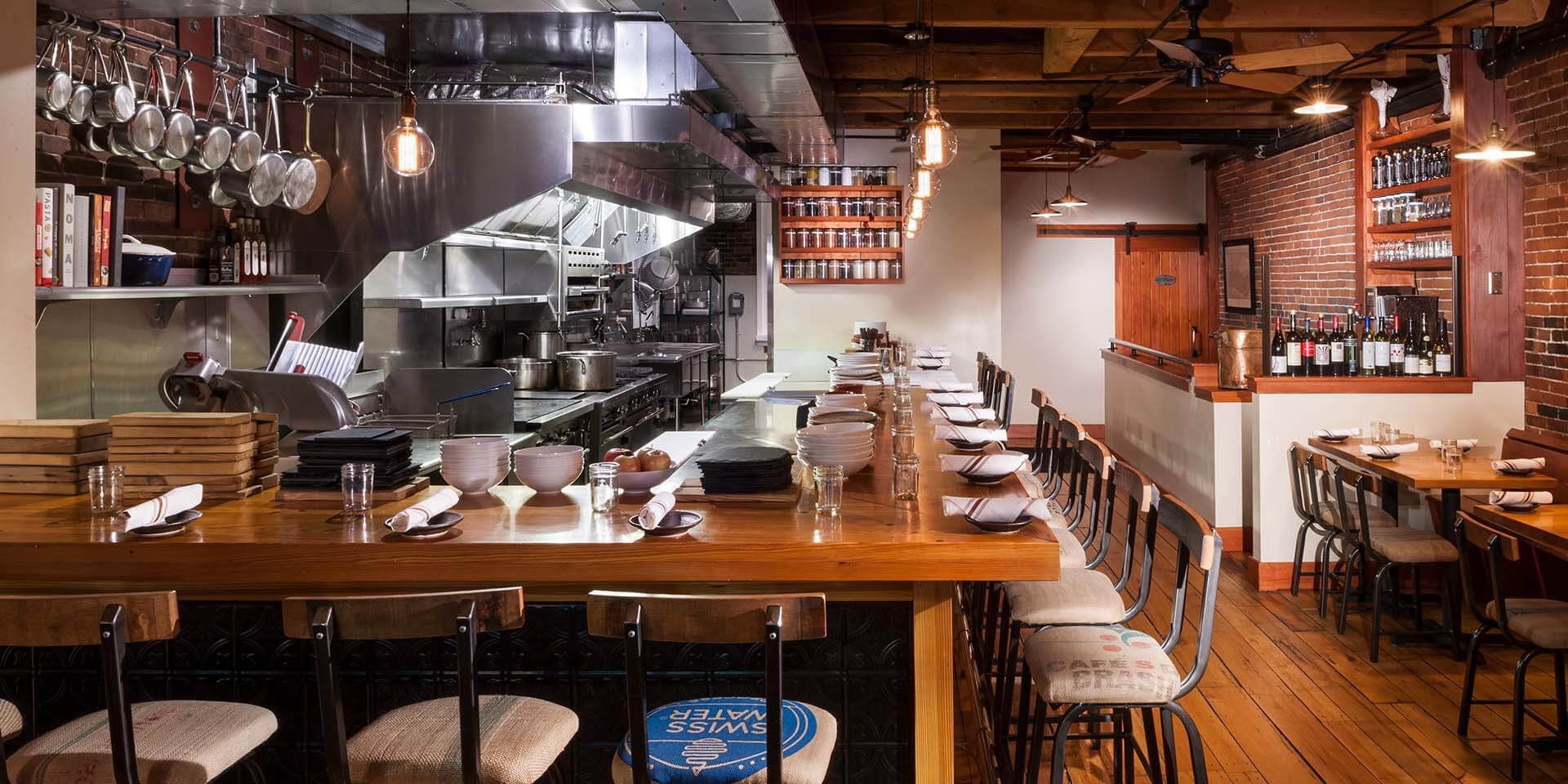
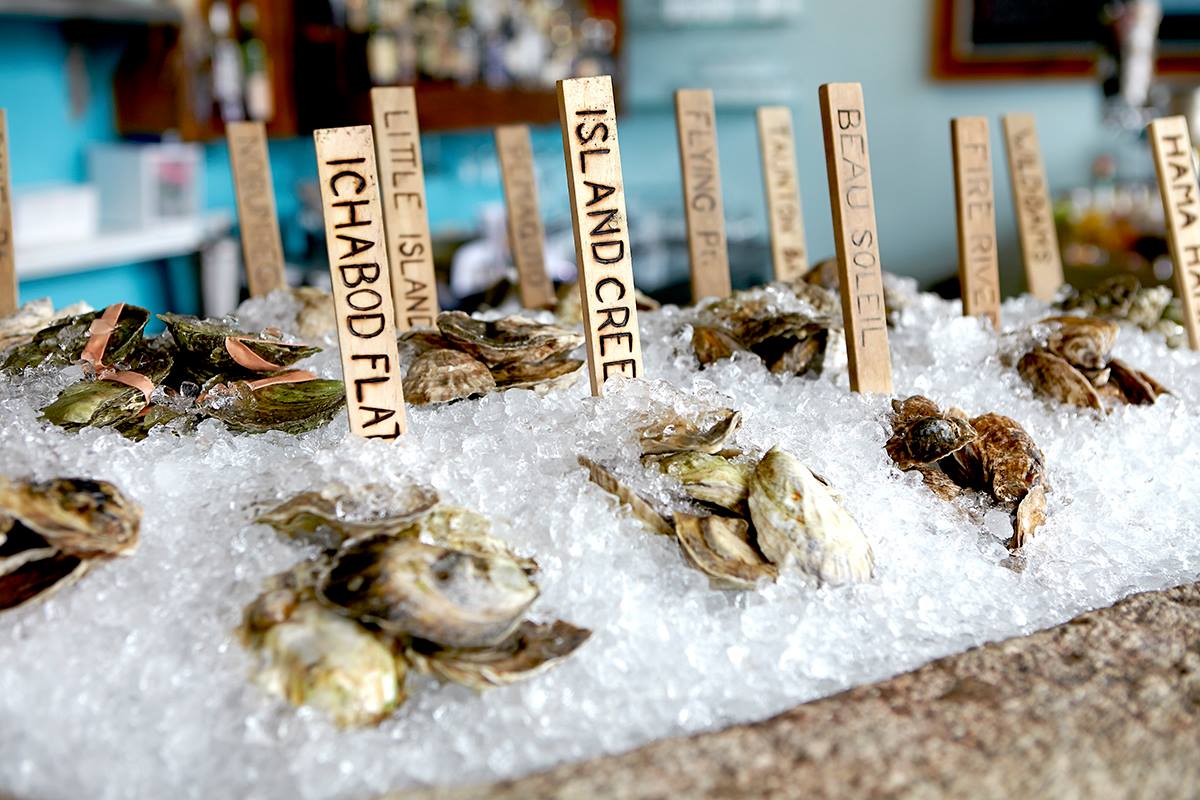
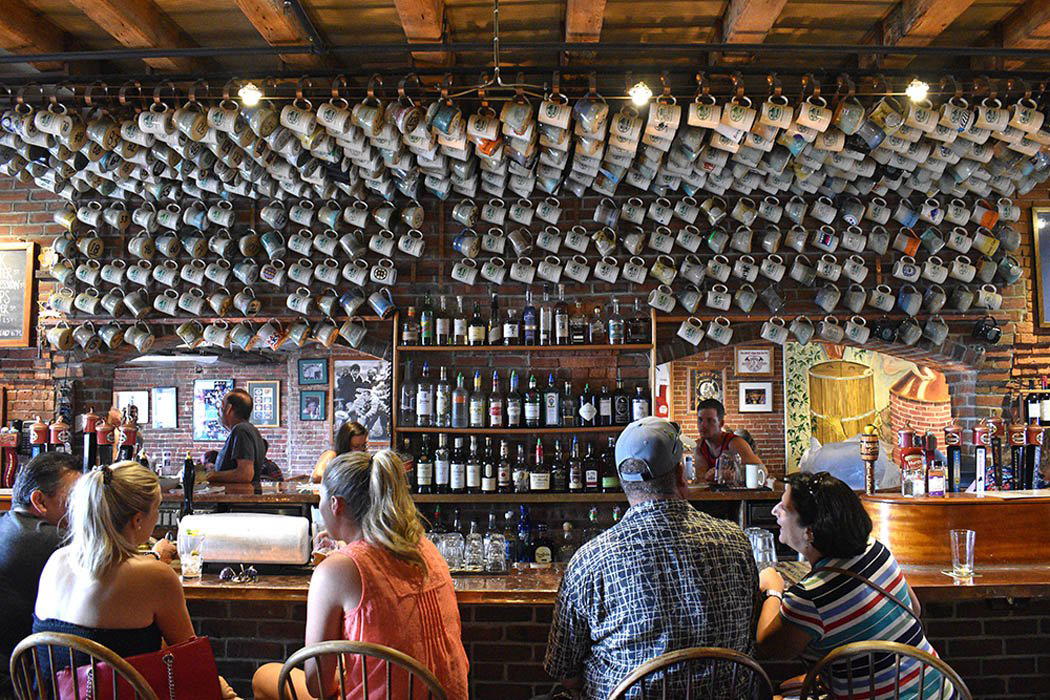
Small, renovated dining room with a stylized, warm atmosphere, counter seating facing the open preparation area, and background music creating an elegant and intimate setting.