The Jewel Box
At 644 Congress Street, The Jewel Box occupies a corner of Portland, Maine's dining scene where the city's commitment to regional sourcing meets considered technique. The address places it in the company of a food culture built on proximity to the Atlantic and the farms of the Northeast, a context that shapes what lands on the plate and how seriously the kitchen takes its supply chain.
 Discover on Pearl
Pearl is the En Primeur Club membership app — saves, bookings, and concierge access live there. Same editors, same standards.
- Address
- 644 Congress St, Portland, ME 04101
- Phone
- +12077475384
- Website
- jewelboxportlandmaine.com
Congress Street and the Logic of Place
Congress Street runs the spine of Portland, Maine's peninsula, and the stretch around 644 has accumulated enough serious restaurants over the past decade to constitute a genuine dining corridor rather than a lucky cluster. The city's food identity is built on a set of conditions that are genuinely structural: working fishing docks within miles of downtown, a farming belt across southern Maine and the Connecticut River Valley, and a wholesale network that lets smaller kitchens source at a level usually reserved for operations three times their size. The Jewel Box is a cocktail bar with snacks at 644 Congress St in Portland, Maine, with a 4.6 Google rating from 287 reviews and a price tier of 2.
What that means in practice is that Portland's better restaurants do not have to argue for local sourcing as a concept. The infrastructure is already there. The question for any kitchen on Congress Street is what it does with the access. For the city's dining scene broadly, this has produced a tier of restaurants where ingredient quality is largely assumed and the editorial interest shifts to technique, format, and how a kitchen interprets the season's available material. The Jewel Box occupies that tier.
The Northeast Larder as a Design Constraint
Maine's position in the American food supply is particular. The Gulf of Maine, despite well-documented pressures on certain fisheries, still delivers a range of species that few other coastal states can match for variety within a single day's catch: urchin, oysters from Damariscotta and the Pemaquid peninsula, lobster operating at a scale that keeps it accessible even at fine-dining volumes, and groundfish species that appear on serious menus nationally as premium items but price locally at something closer to regional staple. This is not a small advantage. Restaurants in cities like Chicago or Dallas pay a freight premium for the same product that a Portland kitchen can source direct.
On the produce side, the Northeast's short growing season creates a discipline that chefs working in year-round-supply markets rarely develop. What arrives in June is different from what arrives in September, and the gap is wide enough that menu continuity requires genuine seasonal adjustment rather than token rotation. Kitchens that operate in this environment develop a different relationship to their ingredient list than those in climates where tomatoes and asparagus coexist. The Jewel Box operates under those same seasonal constraints, which is less a limitation than a structural prompt for culinary focus.
Single Thread Farm in Healdsburg integrates its own farming operation directly into the tasting menu format. Blue Hill at Stone Barns in Tarrytown has built an entire institutional identity around the farm-to-table relationship as a formal proposition. Portland's sourcing model is less programmatic than either, but no less rigorous. The city's kitchens tend to wear the supply chain more quietly, letting the product speak through cooking rather than through narration.
Portland's Fine-Dining comparable set
The restaurant sits in a city where the serious dining options have diversified well beyond the seafood-shack-to-white-tablecloth binary that defined Maine's culinary reputation for most of the twentieth century. Kann brought Haitian-influenced cooking to a national spotlight. Berlu operates a Vietnamese tasting menu format that belongs to a different competitive conversation entirely. Langbaan's Thai format, which began as a supper club inside another restaurant, represents a model of low-capacity specialist dining that Portland has proven unusually hospitable to. Against that backdrop, The Jewel Box competes for the same pool of reservation-holders who treat a dinner out as a considered decision rather than a convenience.
The broader national fine-dining conversation provides useful calibration. Le Bernardin in New York City and Alinea in Chicago represent the formal, technically ambitious end of the American tasting-menu spectrum. Lazy Bear in San Francisco and The French Laundry in Napa sit at different points on the same axis. Portland's premium tier, including The Jewel Box, operates with the same sourcing seriousness but within a price and scale structure that the city's market supports, which tends to mean smaller covers, shorter wine lists, and a tighter editorial focus on what the region actually produces. Providence in Los Angeles and Addison in San Diego offer additional reference points for how coastal sourcing programs operate at the upper end of regional American dining.
What to Order
Without confirmed menu data, directing readers to specific dishes would overstate the available information. What the Congress Street address and the city's sourcing infrastructure suggest is that any kitchen operating here at a fine-dining level will be rotating its protein selections around whatever the Gulf of Maine is producing at volume that week. Oysters from the Damariscotta River and Pemaquid Point are a near-constant in Portland's serious kitchens; urchin appears seasonally. On the produce side, late-summer and early-autumn visits will find kitchens working through a range of material that the shoulder seasons cannot match. Visiting in February and expecting the same menu depth requires a different set of expectations.
For pizza specifically, Ken's Artisan Pizza and Nostrana represent the wood-fired Italian-American tradition at a level that holds its own against any comparable city. Emeril's in New Orleans, Atomix in New York City, and The Inn at Little Washington give a sense of what American fine dining looks like at other points on the geographic and conceptual map. 8 1/2 Otto e Mezzo Bombana in Hong Kong extends that reference set internationally.
Planning Your Visit
Congress Street is accessible by foot from most of Portland's Old Port hotels, and street parking is available in the surrounding blocks during evening hours. Portland's dining scene operates on relatively early timetables by major-city standards, with peak reservation demand falling between 6:30 and 8:00 pm on weekends.
Side-by-Side Snapshot
Comparable venues nearby, for context on price, style, and recognition.
| Venue | Cuisine | Price | Awards | Notes |
|---|---|---|---|---|
| The Jewel BoxThis venue — the venue you are viewing | Cocktail Bar with Snacks | $$ | , | |
| Jing Yan Tavern | Asian Fusion | $$ | , | East End |
| Novare Res Bier Cafe | European-Inspired Bier Cafe | $$ | , | Old Port |
| Papi Portland | Puerto Rican Bar & Kitchen | $$ | , | Old Port |
| Blyth & Burrows | American Seafood Bar with Asian Influences | $$ | , | Old Port |
| THAI TREE RESTAURANT | Authentic Korat & Isaan Thai | $$ | , | Congress Street, Portland |
At a Glance
- Intimate
- Elegant
- Cozy
- Hidden Gem
- Trendy
- Romantic
- Date Night
- Casual Hangout
- Design Destination
- Craft Cocktails
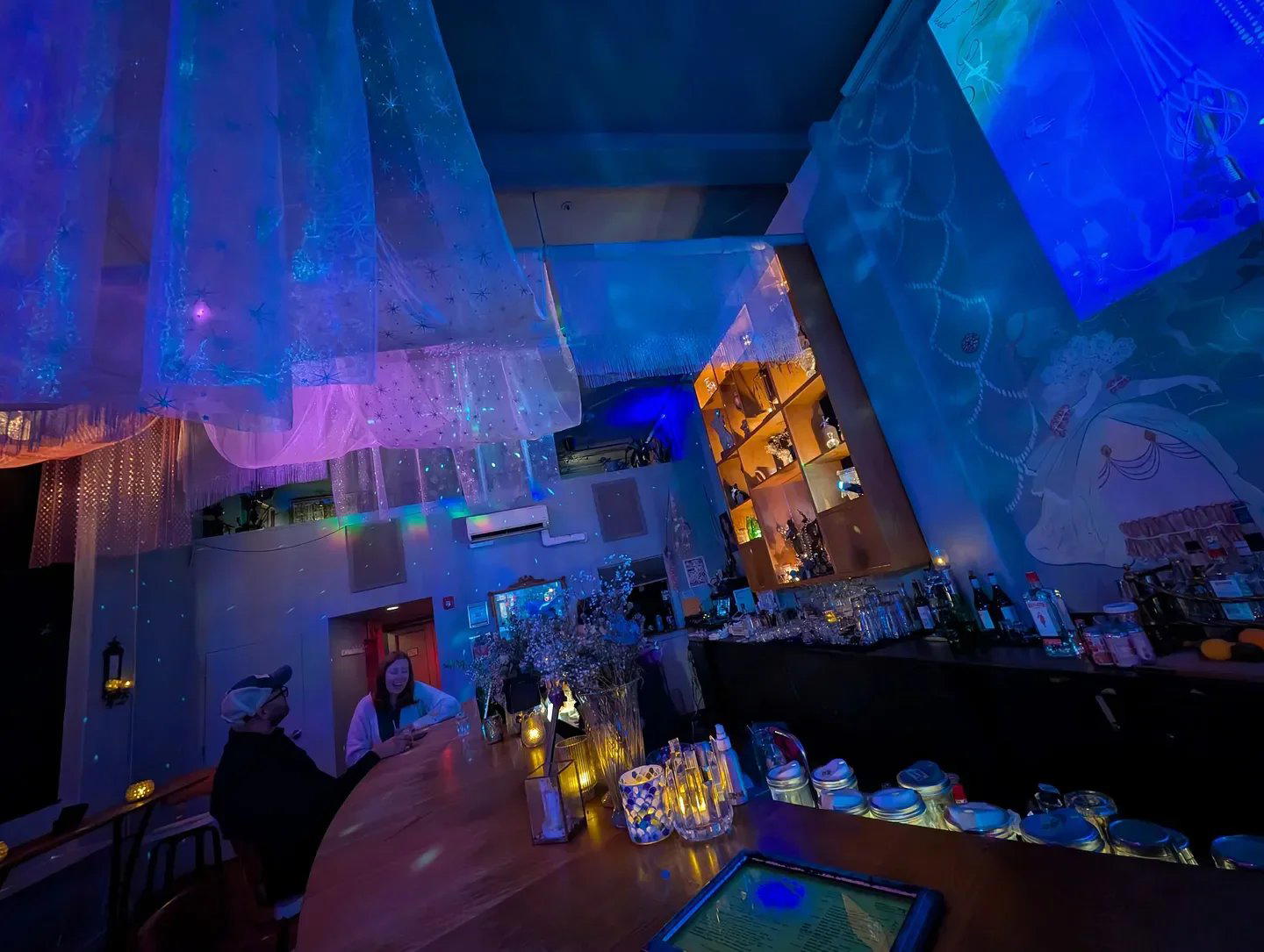
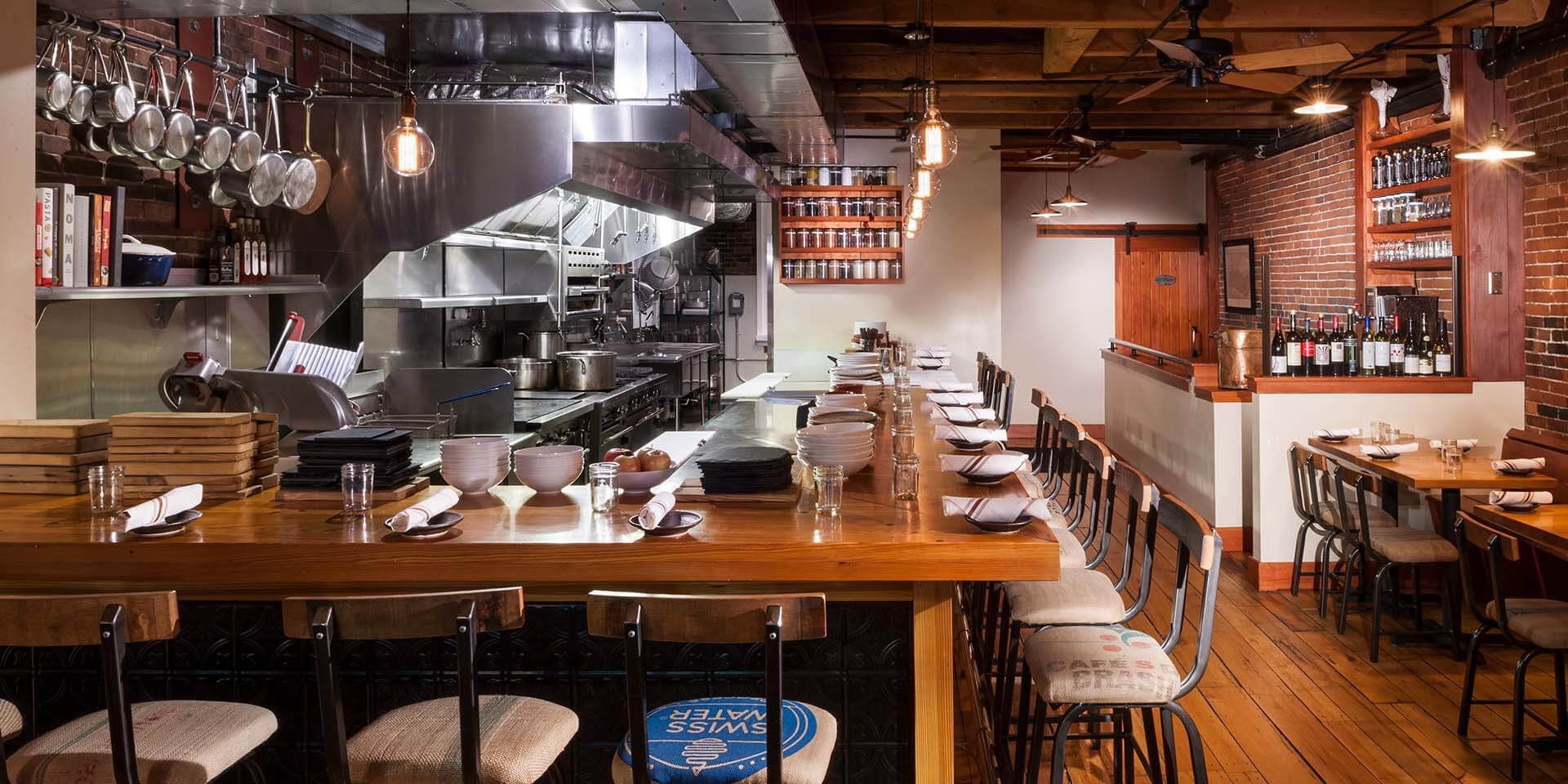
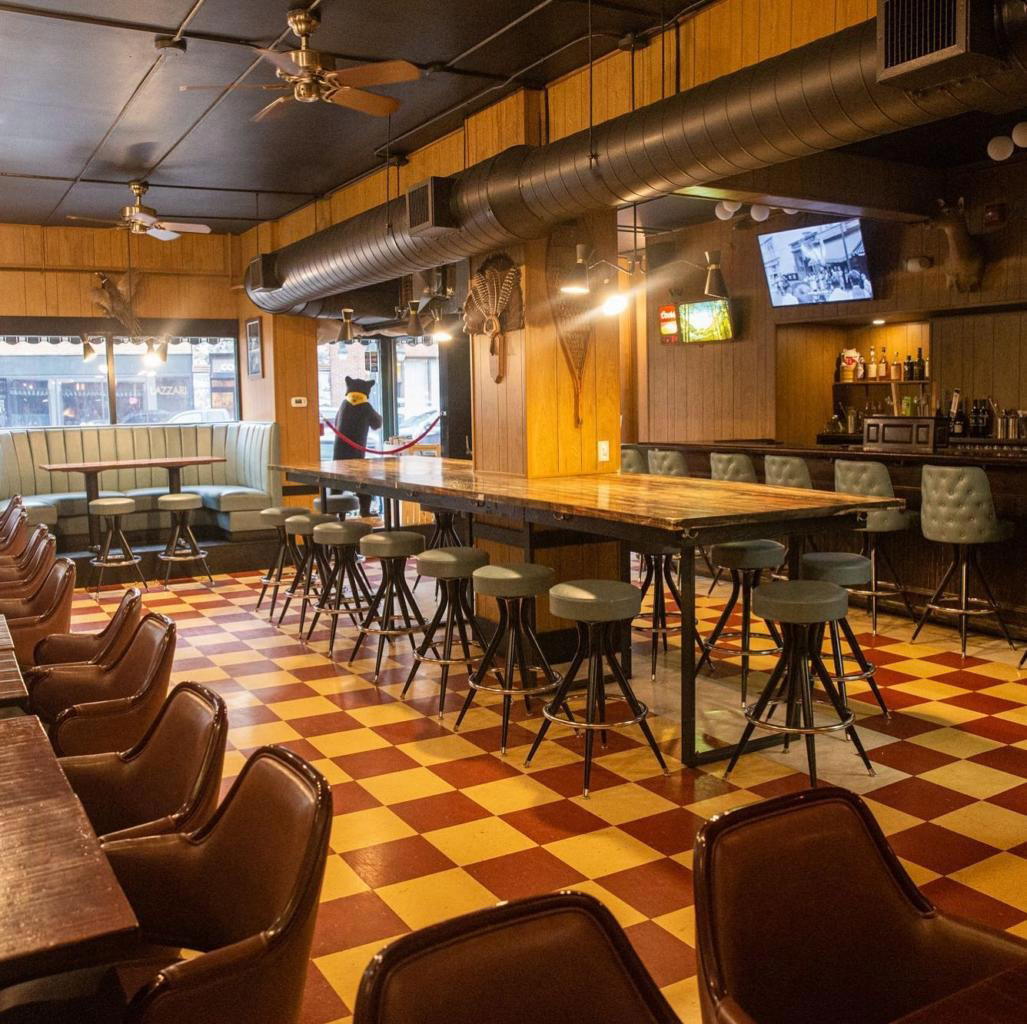
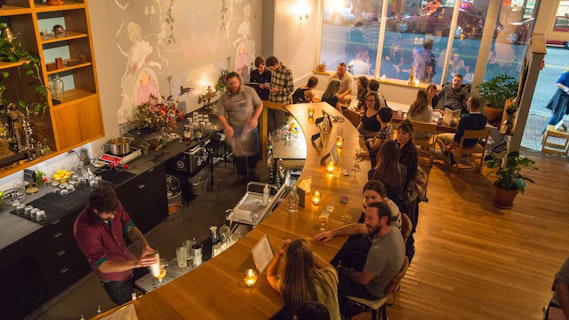
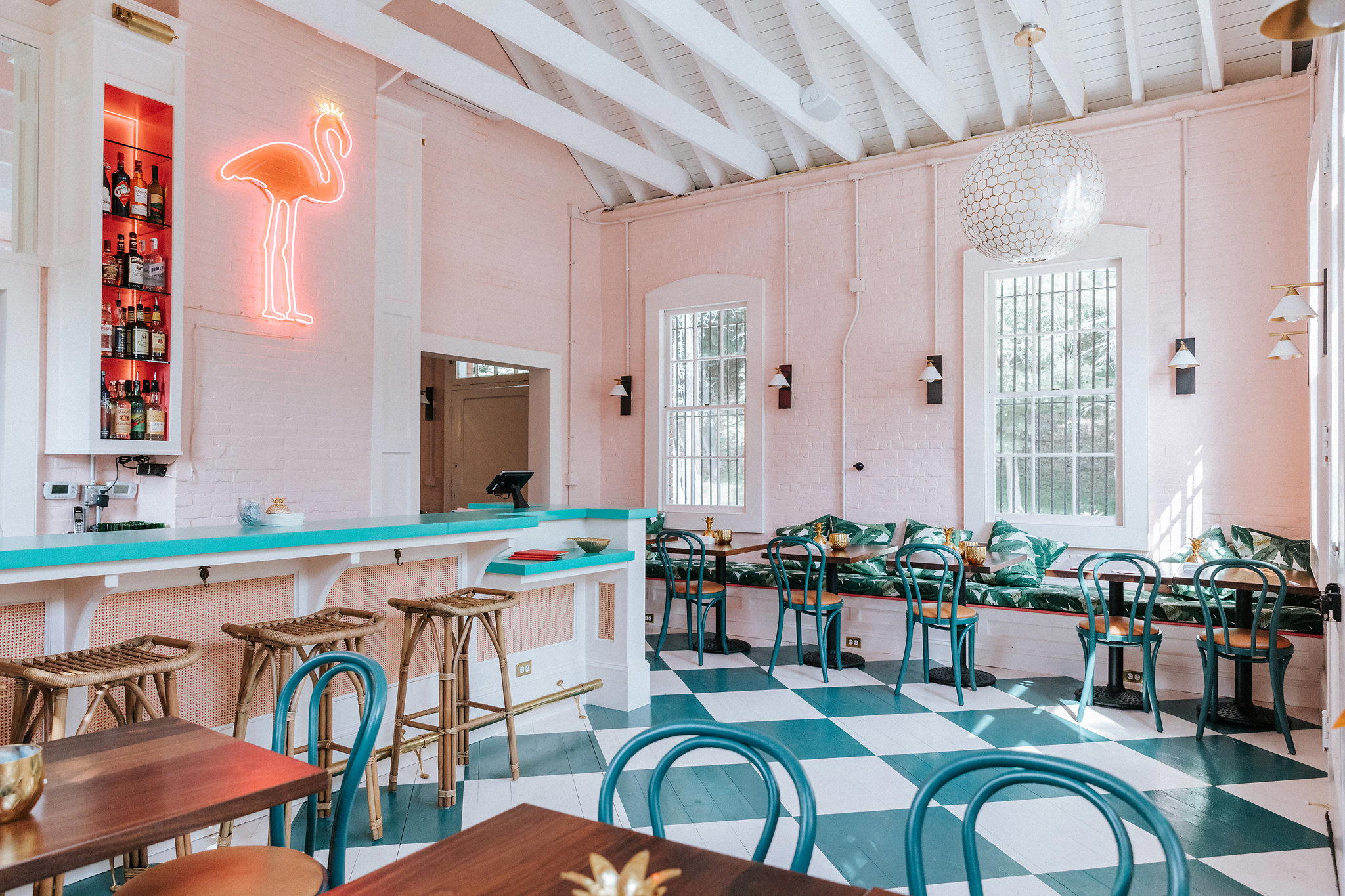
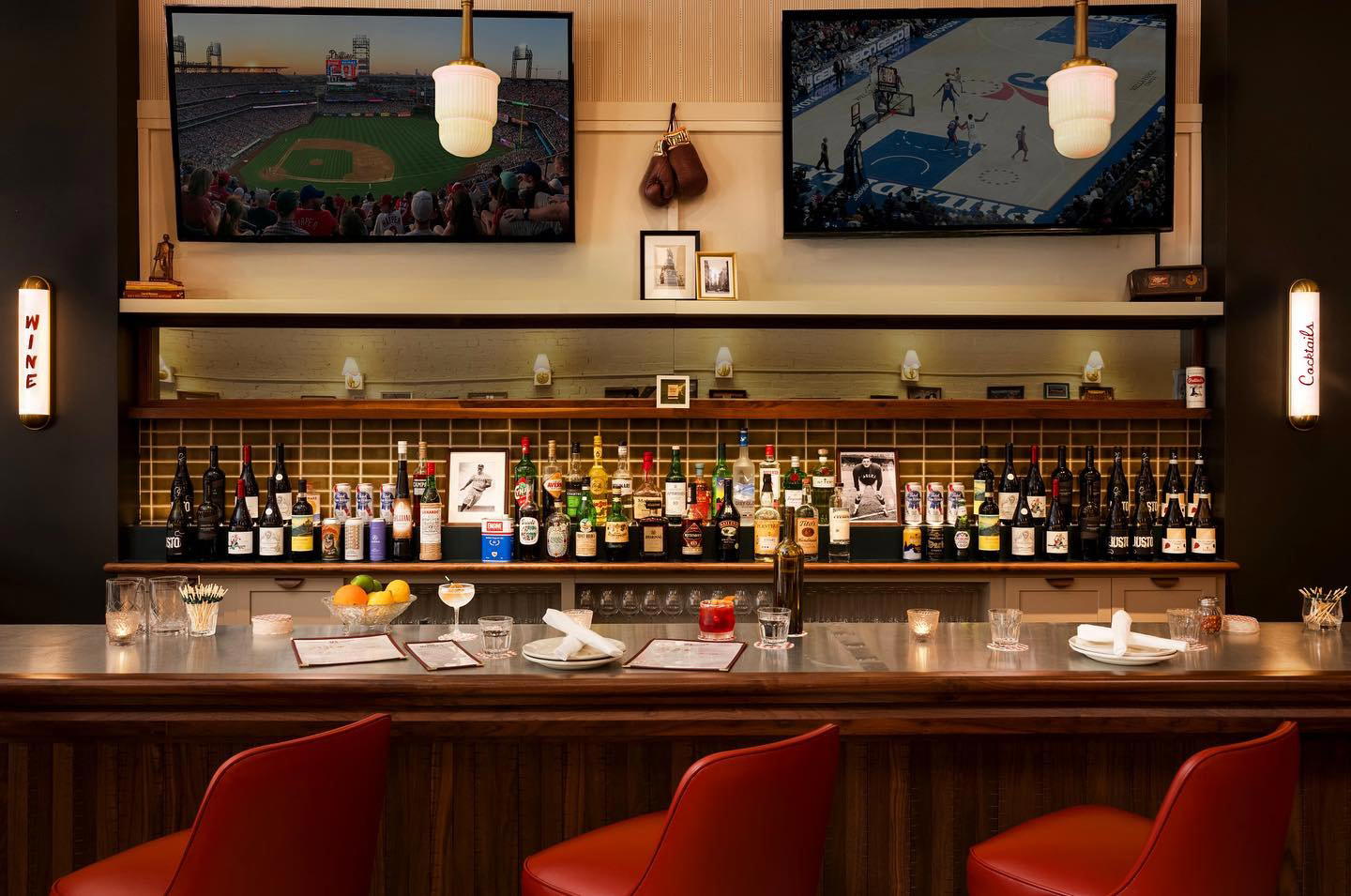
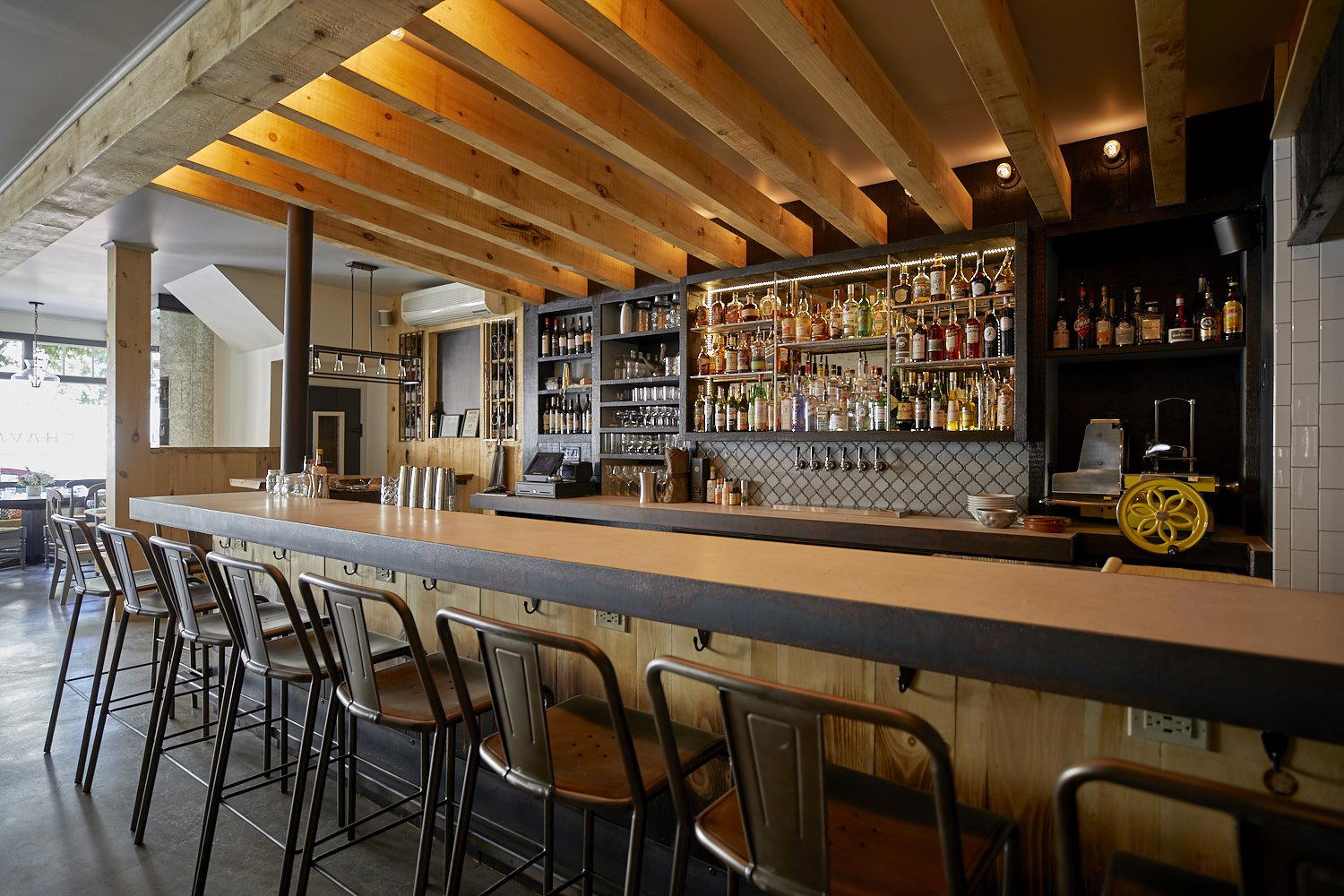
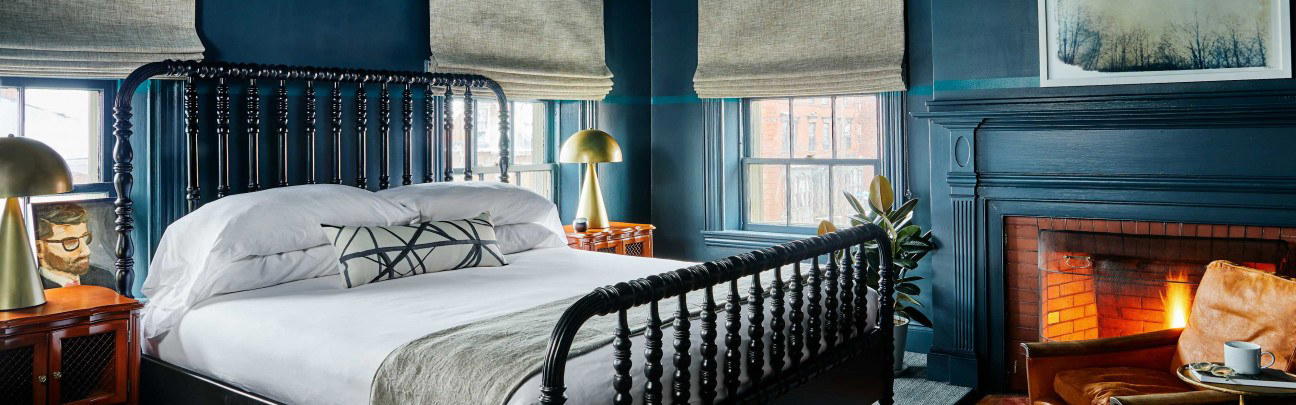
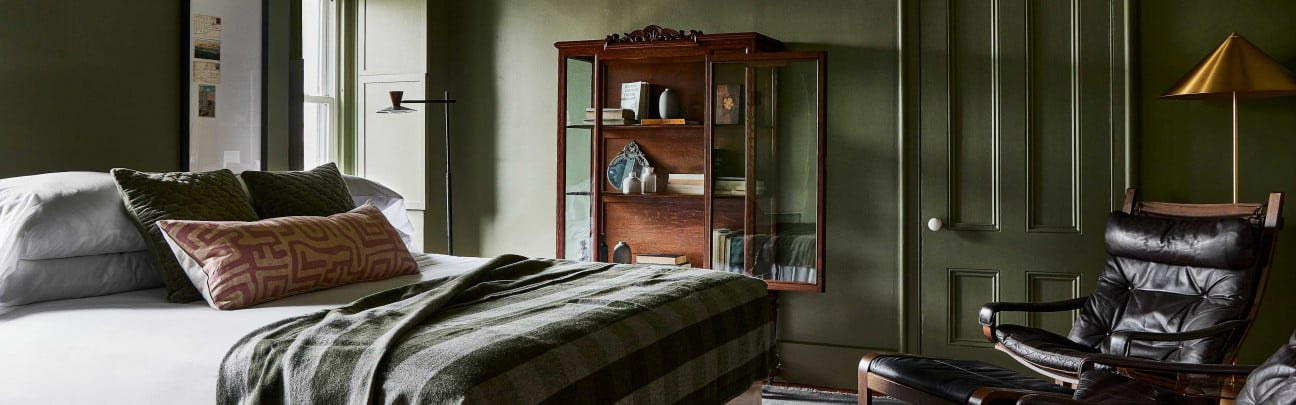
Moody, candlelit environment with vintage decor, dramatic murals, disco ball, sheer curtains, plants, and eclectic music creating a romantic, mysterious, and inclusive atmosphere.