Mr. Tuna


James Beard Award Semi Finalist
Our verdict
Few sushi operations in New England have built their identity as narrowly and as deliberately around a single fish as Mr. Tuna, where Atlantic bluefin tuna, sourced locally and broken down in-house, anchors everything from hand rolls to a tuna sashimi tasting that reads as a serious education in cuts and marbling. Started as a cart in 2017 and moved into a permanent Middle Street address in 2024, this is Portland, Maine's clearest argument for local fish handled with precision.

Pearl is the En Primeur Club membership app, where members save venues, book tables and use the concierge.
The menu
What to order
- Tuna sashimi tasting
- Blackbeard's Delight roll
- Spicy scallop and Maine crab maki
- Uni nigiri
- Unagi nigiri
A Fishing Port Takes Sushi Seriously
Portland, Maine sits at the intersection of two culinary identities that rarely appear on the same block: a working waterfront with direct access to some of the Atlantic seaboard's most prized catch, and a restaurant scene that has spent the past decade building genuine ambition without the self-consciousness that accompanies larger coastal cities. Middle Street, where Mr. Tuna now occupies a permanent brick-and-mortar space, runs through the heart of the Old Port neighborhood, a district whose cobblestoned character and proximity to the harbor make it the natural home for any serious conversation about New England seafood. Walking toward the address, the context does as much framing as the signage: this is a city where the fish on your plate may have come off a boat the same morning, and where that proximity is treated as a baseline condition rather than a selling point.
Portland's dining scene has grown more specific in recent years. Restaurants like Berlu have pushed Vietnamese cooking into serious tasting-menu territory, and Kann has put Haitian cuisine at the center of national conversations about the city. Against that backdrop, a sushi counter built around a single local species feels less like a novelty and more like a logical continuation of what Portland does well: take a geographically specific ingredient and treat it with focused craft. For a broader picture of what the city's restaurant scene offers right now, our full Portland restaurants guide maps the range.
Seven Years on Wheels Before a Permanent Address
The arc from street cart to dedicated restaurant is a well-worn path in American food culture, but the timeline here is worth noting. Chef Jordan Rubin, who trades under the name Mr. Tuna alongside his wife and partner Marisa Lewiecki (Mrs. Tuna), launched the cart in 2017 and ran that format for roughly seven years before opening the fixed location in 2024. That extended period operating without a permanent address gave the concept time to develop a customer base and a point of view before committing to the overhead and format demands of a full restaurant. In a city where dining concepts move quickly from buzz to closure, the patience behind that trajectory distinguishes Mr. Tuna from more hurried arrivals.
The 2024 opening places it in a peer group of newer Portland addresses that are worth watching, but it also means the brick-and-mortar experience is still relatively fresh. Booking habits and operational rhythms settle over time, so the practical experience of visiting will continue to sharpen.
Atlantic Bluefin as the Organizing Principle
Most sushi operations in the United States source from Pacific waters, and the bluefin tuna that appears at high-end counters from New York to Los Angeles is predominantly Atlantic fish that has been traded through intermediaries and flown across the country. The premise at Mr. Tuna inverts that logic: the Atlantic bluefin tuna that defines the menu here is local catch, the kind of 500-pound fish pulled from waters within reach of the Maine coast. Breaking down fish of that size in-house gives the kitchen access to cuts that rarely appear outside dedicated operations, and the variation in marbling between those cuts is the foundation for the sashimi tasting.
That tasting is what EP Club's restaurant editor flags as the reason to visit. In a market where most sushi menus treat tuna as a supporting player rather than a subject, a structured progression from lean akami through to fatty toro asks the diner to pay attention in a way that most casual hand roll formats do not. This kind of cut-specific presentation is common at high-end Japanese counters in Tokyo and at operations like Atomix in New York, where the sourcing and breakdown of a single species becomes an act of education. At those price points, the framing is expected. At a Maine street-cart-turned-restaurant, it is considerably less common.
The comparison set for serious bluefin tuna handling runs toward the upper tier of American seafood dining. Le Bernardin in New York has built its reputation around precisely sourced fish treated with restraint; The French Laundry in Napa and Single Thread Farm in Healdsburg operate on the principle that ingredient provenance is inseparable from the plate. Mr. Tuna operates in a different register entirely, but the underlying argument, that knowing the source of your fish and handling it with precision matters, connects to the same current running through American fine dining more broadly.
Hand Rolls, Espresso Martinis, and the Full Picture
The sashimi tasting may be the editorial recommendation, but Mr. Tuna built its following on hand rolls and espresso martinis, and that combination speaks to a tone that sits deliberately somewhere between precision craft and accessible fun. Hand rolls are a fast, tactile format suited to the pace of a lively room; espresso martinis occupy a similar register in cocktail culture, a drink that signals approachability rather than austere technique. That the same counter serves both a structured tasting and this kind of crowd-pleasing pairing reflects a common strategy among younger American restaurants: hold two audiences at once without fully committing to either the fine-dining scale or the casual bar format.
Portland supports this kind of tonal range better than most cities its size. The food culture here has the density of a larger market, with enough serious eaters to sustain format experimentation, but without the stratification that separates fine dining from neighborhood eating in places like San Francisco, where Lazy Bear sits in a clearly defined high-commitment tier, or Chicago, where Alinea occupies a bracket entirely its own. In Portland, Mr. Tuna can serve a tuna sashimi tasting and an espresso martini to the same table without either element undermining the other. For the full picture of what else the city offers across bars, hotels, and experiences, our guides cover Portland bars, Portland hotels, Portland experiences, and Portland wineries.
Know Before You Go
- Address: 83 Middle St, Portland, ME 04101
- Neighborhood: Old Port, Portland, Maine
- Opened (brick-and-mortar): 2024 (cart since 2017)
- Editorial recommendation: Tuna sashimi tasting (EP Club restaurant editor)
- Also order: Hand rolls
- Note on reservations: As a 2024 opening with a growing reputation, availability can tighten quickly; check in advance, particularly on weekends
Frequently asked questions
What's the address for Mr. Tuna?
Mr. Tuna is located at 83 Middle St, Portland, ME 04101, Portland.
What distinctions does Mr. Tuna have?
Mr. Tuna has received recognition including: Mr. Tuna, also known as chef Jordan Rubin, along with Mrs. Tuna, his wife and partner, Marisa Lewiecki, kickstarted a sushi cart in 2017, and finally opened a dedicated brick and mortar location in 2024. Rubin's into local Atlantic bluefin ….
What should I order at Mr. Tuna?
The tuna sashimi tasting is the move. EP Club's restaurant editor singles it out as a structured progression through cuts and marbling, akami through toro, from fish that can run 500 pounds and is broken down in-house. Hand rolls built the following, and the espresso martinis are part of the package, but the sashimi tasting is where the sourcing philosophy is most legible.
Do I need a reservation for Mr. Tuna?
Booking ahead is advisable, particularly for evenings and weekends. Walk-ins may find space at off-peak hours, but the sashimi tasting format rewards a seat you've planned for.
What's the defining dish or idea at Mr. Tuna?
The organizing principle is Atlantic bluefin tuna sourced from local waters and processed in-house at a scale, fish reaching 500 pounds, that most American sushi operations never see. Where U.S. sushi culture defaults to Pacific-caught product, Mr. Tuna's entire identity runs through New England's own fishery, which gives the counter a regional specificity that extends well beyond novelty.
At a Glance
| Venue | Cuisine | Price | Awards | Notes |
|---|---|---|---|---|
| Mr. TunaThis venue (the venue you are viewing) | Modern Japanese Sushi | $30–50 | James Beard Award Semi Finalist | Not listed |
| Kann | Modern Haitian Caribbean | $100–150 | World's 50 Best #27 · Wine Spectator Award of Excellence | Hatian, Haitian |
| Ken’s Artisan Pizza | Roman-Style Artisan Pizza | $30–50 | 50 Top Pizza USA #10 | Pizzeria |
| Nostrana | Farm-to-Table Italian Wood-Fired Pizza | $50–100 | 50 Top Pizza USA #48 | Italian |
| Apizza Scholls | New York-Style Pizza | $20–30 | Not listed | Pizzeria |
| Blue Star Donuts | Gourmet Brioche Donuts | $10–20 | Not listed | Doughnuts |
Recognition history
Dated appearances from independent guides and award organizations, with the underlying list record or original source where available.
James Beard Award Semi Finalist
James Beard Award
Food & Wine Global Tastemakers Top Restaurants #6
Food & Wine
Continue exploring
More in Portland
Restaurants in Portland
All restaurants in Portland →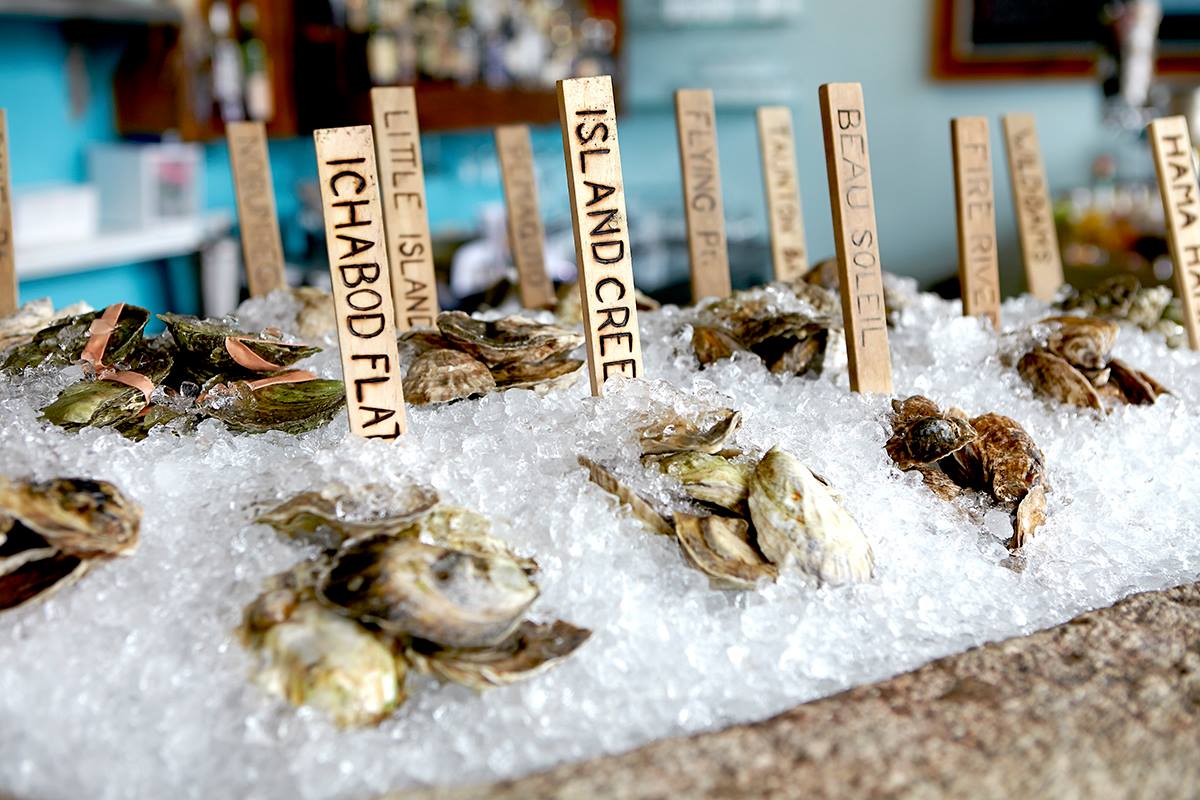


Details
- Modern
- Lively
- Trendy
- Intimate
- Date Night
- Casual Hangout
- Group Dining
- Celebration
- Open Kitchen
- Chefs Counter
- Sake Program
- Craft Cocktails
- Beer Program
- Sustainable Seafood
- Local Sourcing
- Counter Dining
- A La Carte
- Small Plates
- Sake
- Craft Cocktails
- Beer
- Gluten Free Options
- Allergy Accommodating
- Pescatarian Friendly
Current opening hours
- Monday
- 11 AM–9 PM
- Tuesday
- 11 AM–9 PM
- Wednesday
- 11 AM–9 PM
- Thursday
- 11 AM–9 PM
- Friday
- 11 AM–9 PM
- Saturday
- 11 AM–9 PM
- Sunday
- 11 AM–9 PM
Hours can change for holidays and private events. Hours as of .
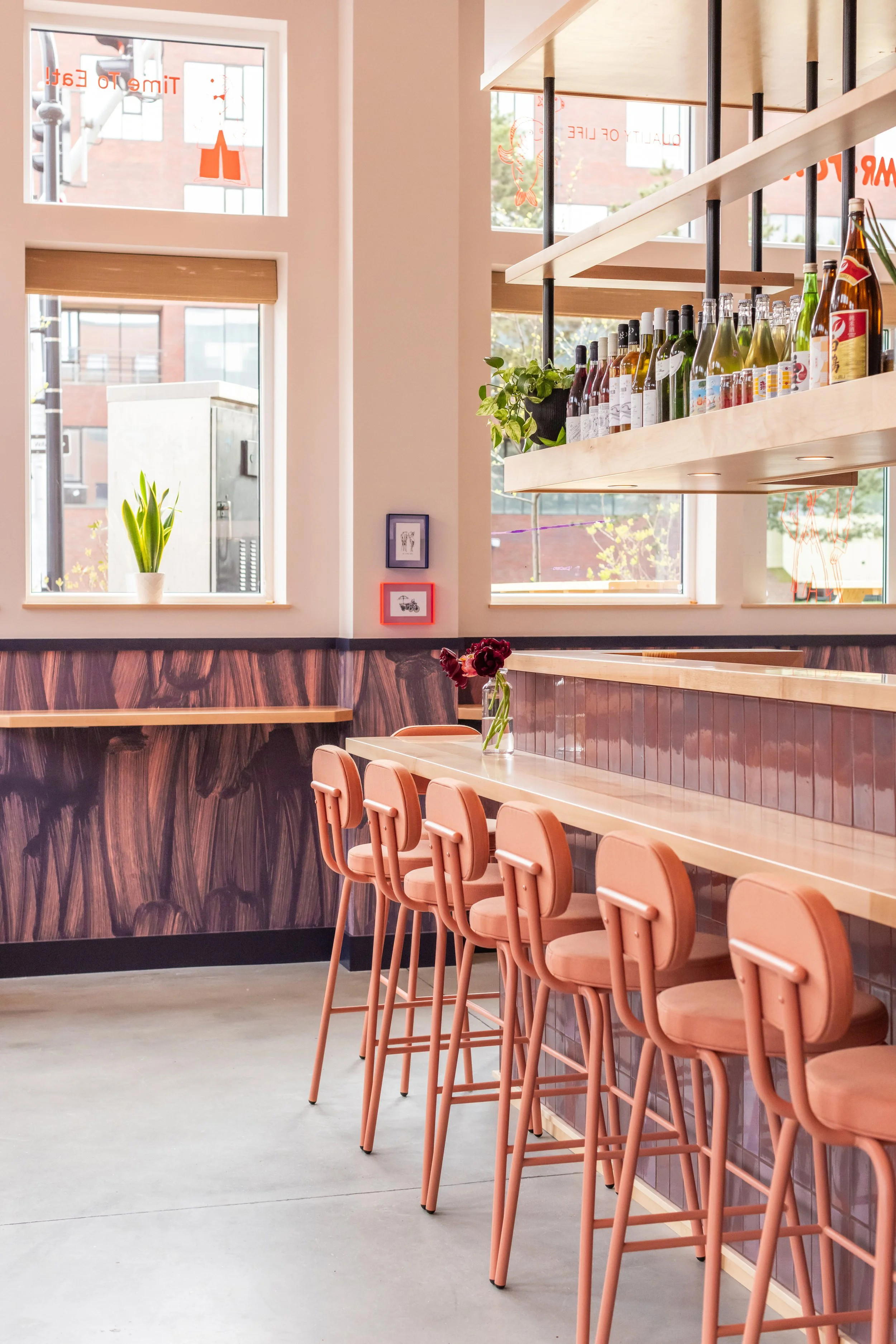
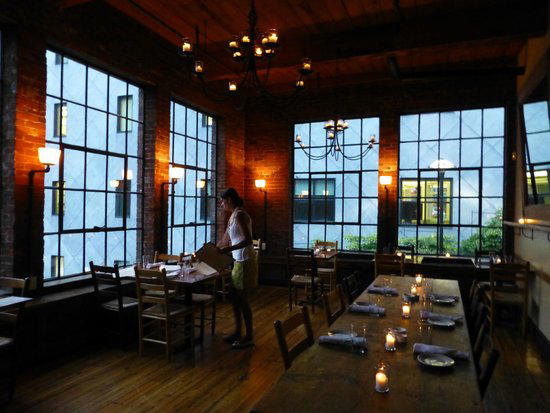
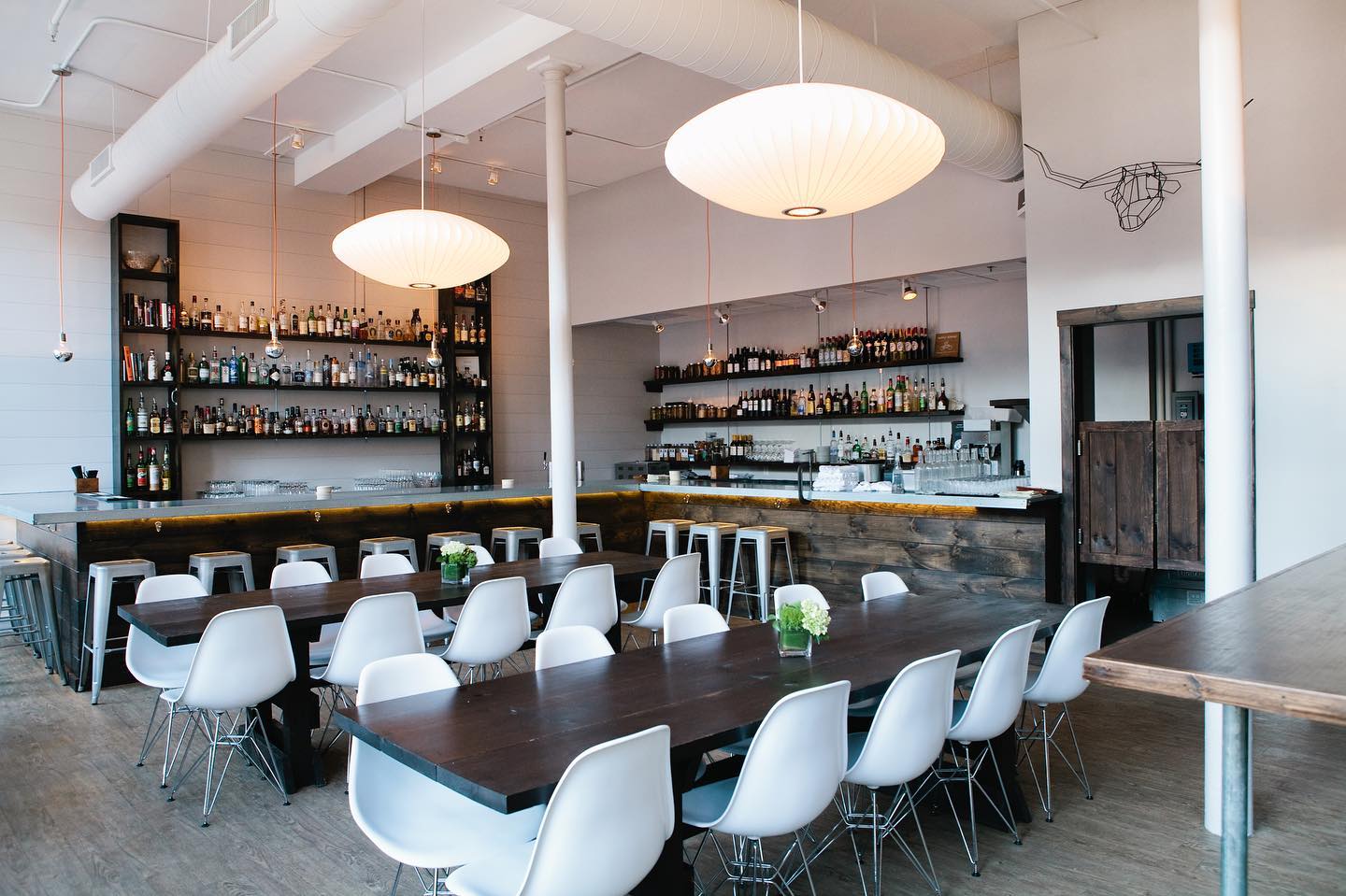
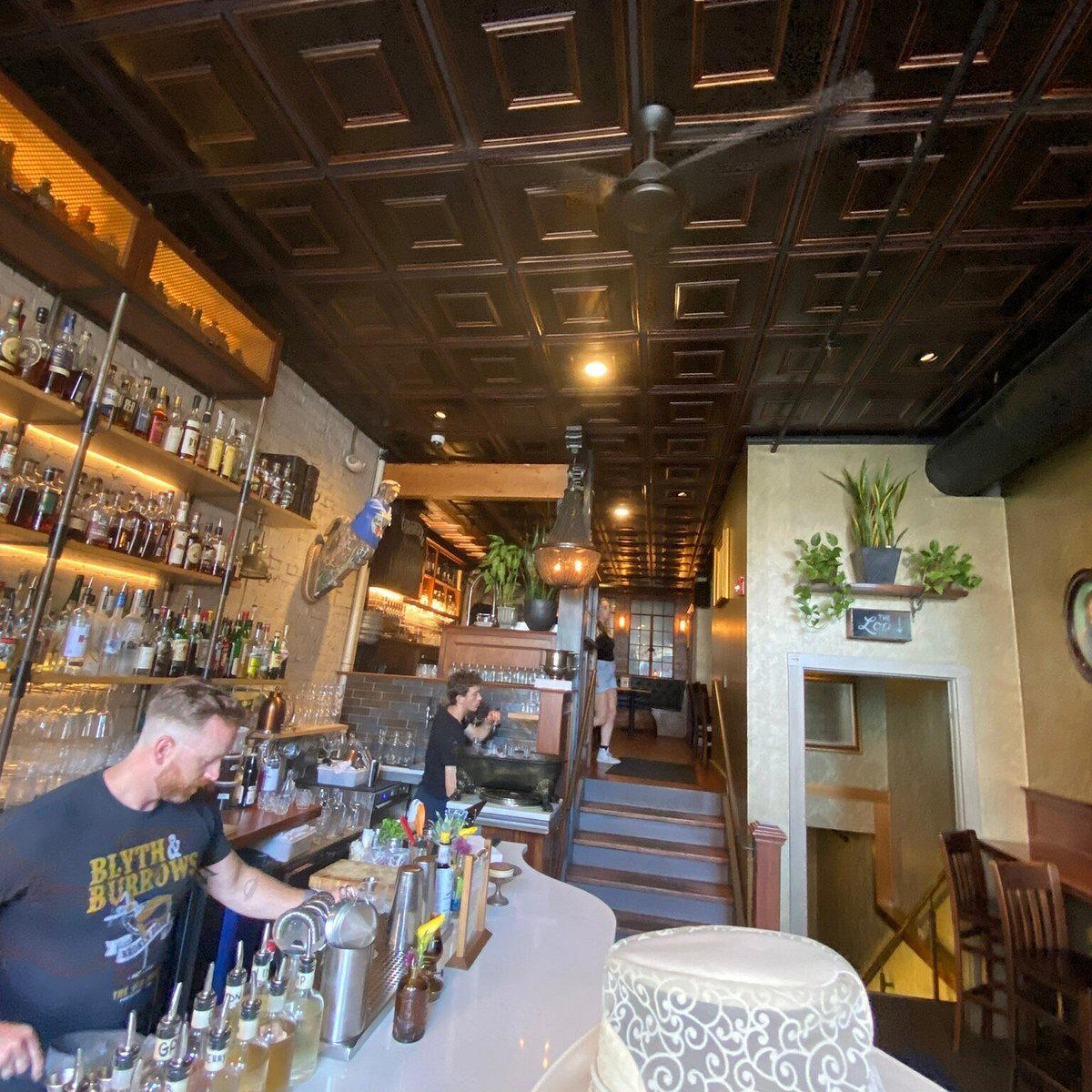
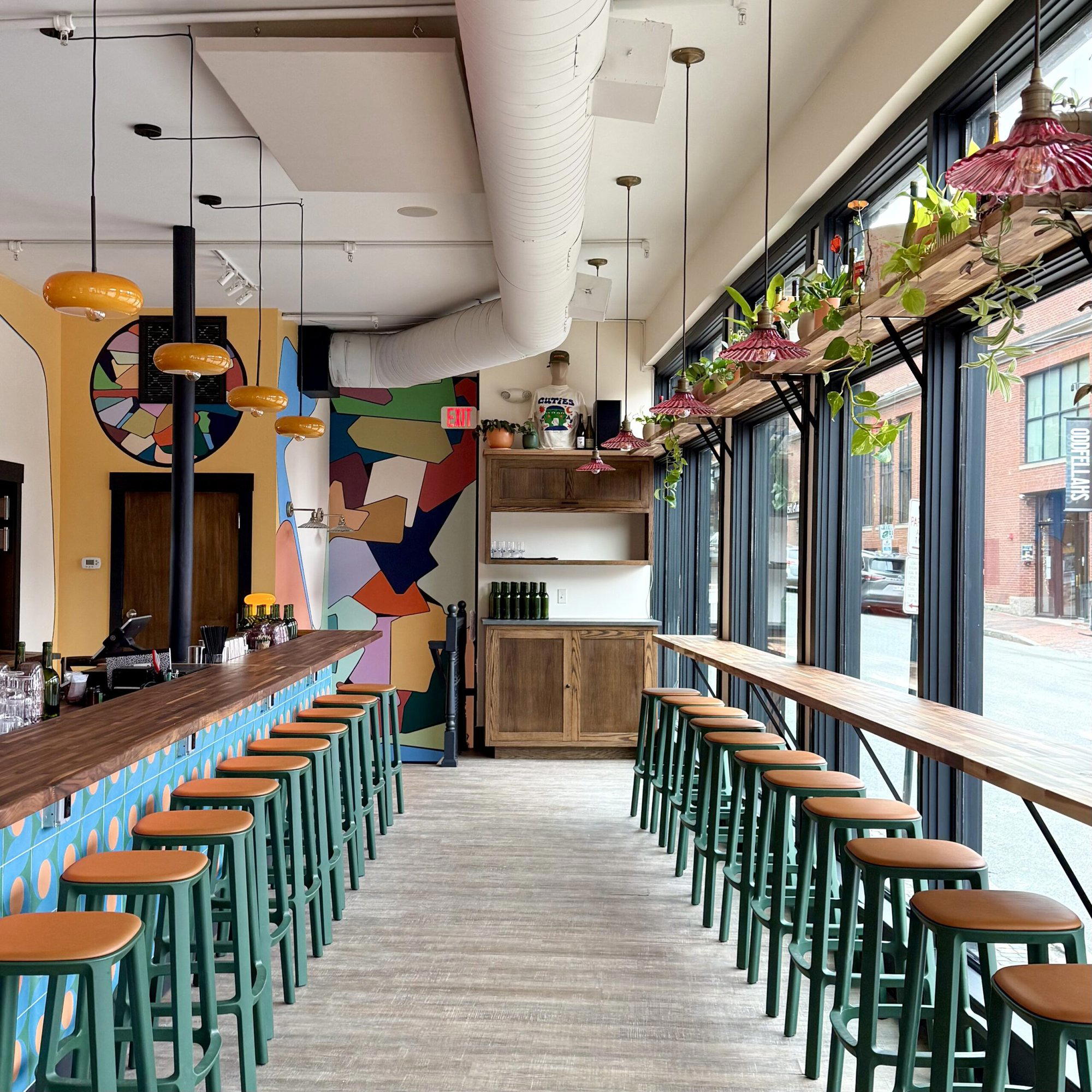
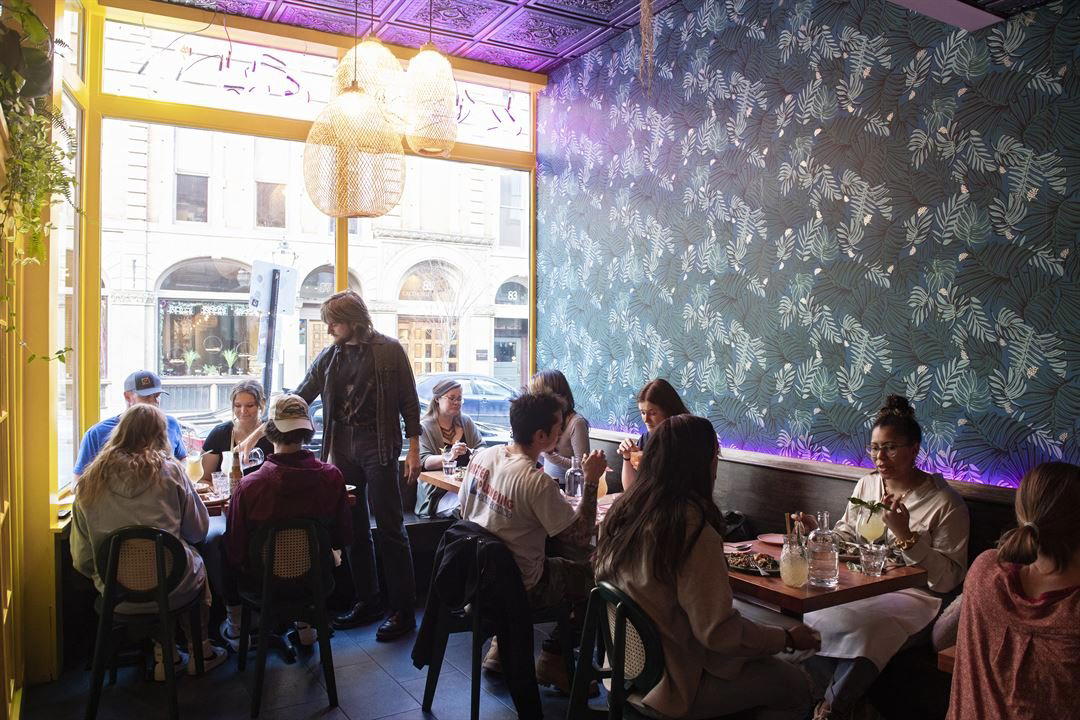
Bright, pastel-accented sushi bar with neon lighting and Scandinavian pop-inspired design; intimate counter seating with open kitchen views creates a lively yet cozy atmosphere.