Crispy Gai
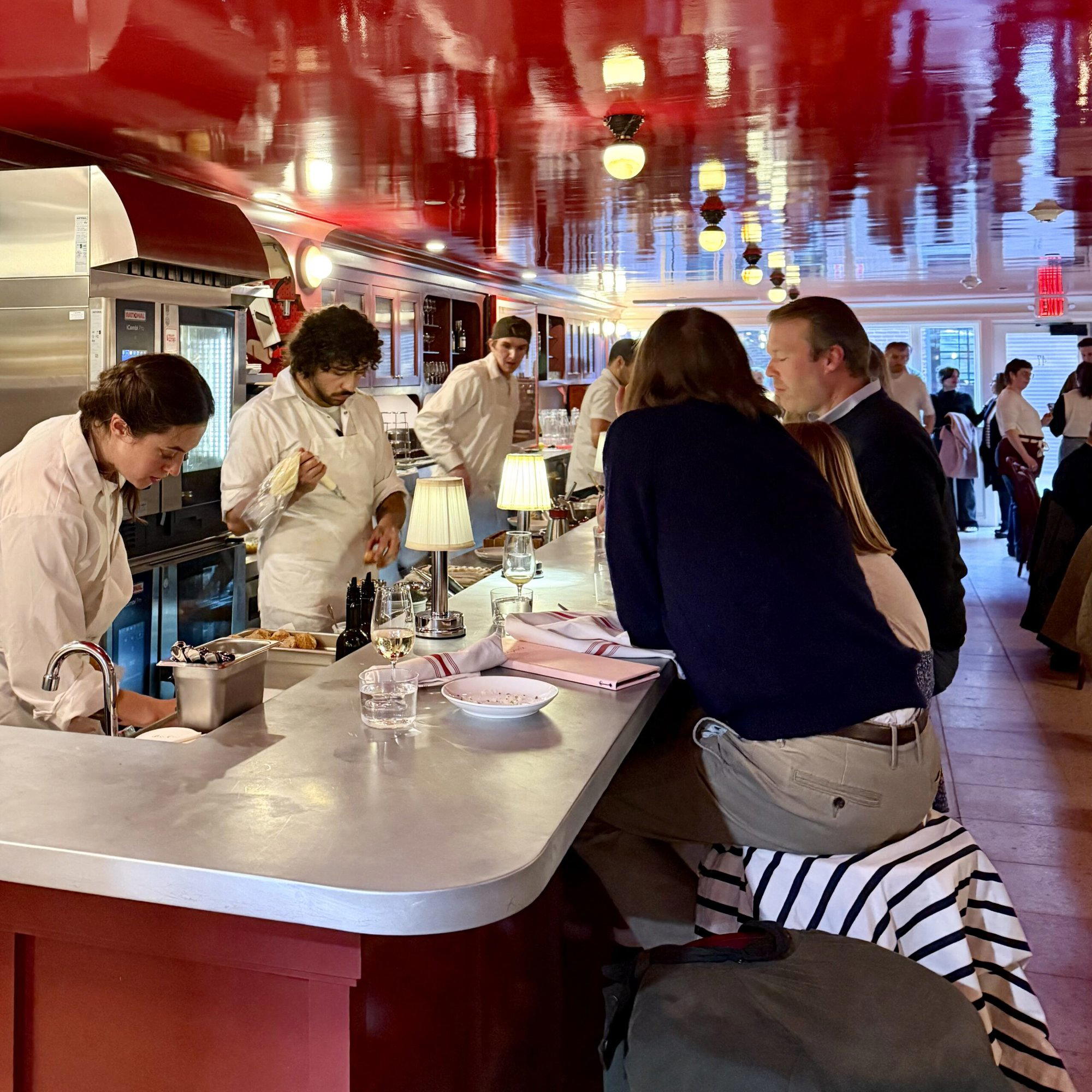
On Exchange Street in Portland, Maine, Crispy Gai occupies a spot in the Old Port's increasingly confident drinking and dining scene. The bar draws a mix of regulars and visitors looking for something more considered than the neighbourhood's louder options, anchoring itself as a community fixture rather than a destination curio. For a city still shaping its cocktail identity, it represents a useful reference point.

Pearl is the En Primeur Club membership app — saves, bookings, and concierge access live there. Same editors, same standards.
- Address
- 90 Exchange St, Portland, ME 04101
- Phone
- (207) 536-1017
- Hours
- Daily 11 AM–3 PM, 5–10 PM
- Website
- crispygai.com
- Directions
- Get directions
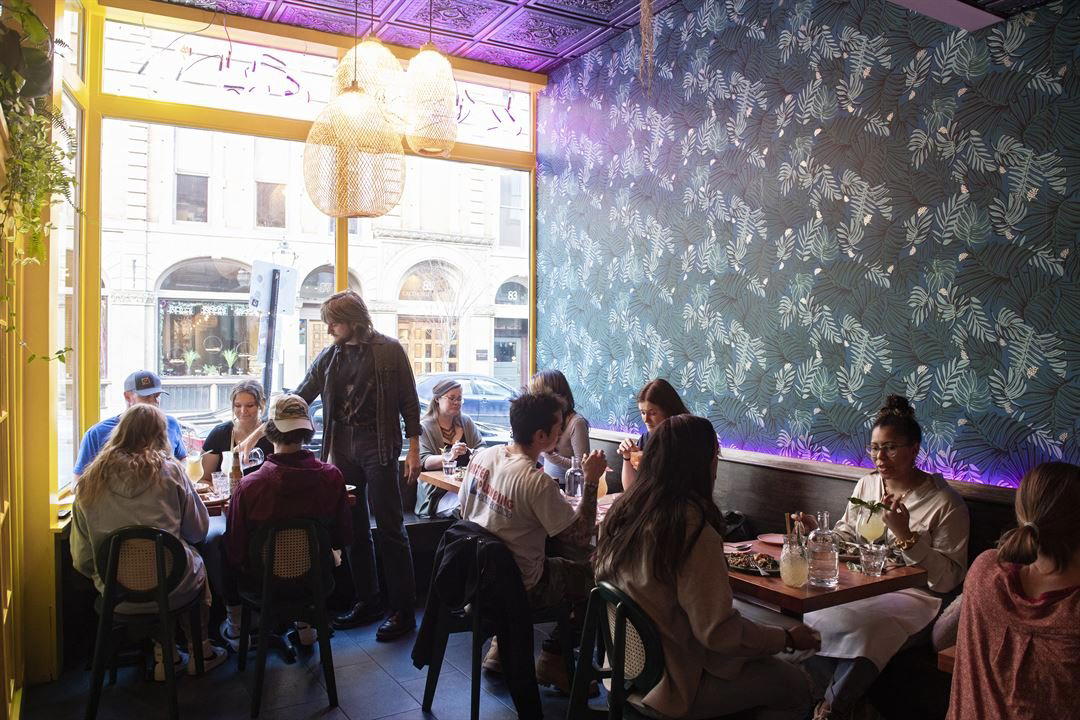
Exchange Street and the Bar That Belongs There
Portland, Maine's Old Port has a particular rhythm at street level. The cobblestone blocks of Exchange Street carry foot traffic from the working waterfront through boutique retail and into the kind of bars that feel genuinely inhabited rather than designed for a first visit. Among them, Crispy Gai at 90 Exchange St occupies the kind of address that rewards repeat visitors more than one-off tourists. The street itself functions as a connective tissue between the city's more formal dining corridor and its looser, bar-forward nightlife, and a spot mid-block here is less about destination status and more about community gravity.
That distinction matters in Portland. The city's food and drink culture has spent the past decade developing real density: a cluster of serious restaurants, a wine bar scene that outperforms the city's size, and a cocktail program culture that now holds its own against larger East Coast markets. Within that, the neighbourhood watering hole plays a specific role. It isn't competing with the white-tablecloth omakase counter or the reservation-only tasting menu; it's providing the kind of anchor that makes a neighbourhood feel inhabited by people who actually live there.
What the Old Port Drinks
Maine's bar culture sits at an interesting crossroads. The state's brewing industry has grown significantly over the past fifteen years, pushing craft beer into near-ubiquity, but the cocktail side has followed a different path. Portland's better bars have moved toward technique-forward programming, drawing on the same national influences that reshaped cocktail culture in cities like New York, Chicago, and San Francisco. The framing isn't always high-ceremony; in a port city with practical roots, the leading rooms tend to wear their expertise lightly.
Nationally, bars operating in the community-anchor tier have shown more staying power than the high-concept pop-up wave that crested around 2015 to 2019. Places like Teardrop Lounge in Portland, Oregon demonstrated early that a focused, technically sound program presented without pretension builds a more loyal room than spectacle alone. That model travels: what works in a mid-sized Pacific Northwest city also functions in a mid-sized New England one, where regulars expect craft without ceremony.
Across the country, bars that have earned lasting recognition in their cities tend to share a few structural qualities: a drinks program with a clear point of view, a room that functions at multiple hours of the day, and staff fluency that makes explaining the menu feel like conversation rather than performance. At spots like Kumiko in Chicago, Jewel of the South in New Orleans, and Julep in Houston, the common thread is confidence in a specific identity rather than chasing a broad audience. On a smaller scale, that same logic applies to Exchange Street.
Any honest assessment of a Portland, Maine cocktail bar has to account for what the city's scene currently offers and where gaps remain. Compared to the sheer volume of serious cocktail programming in a city like San Francisco, where places like ABV have helped define an entire neighborhood's drinking identity, Portland operates at a more intimate scale. The advantage of that scale is proximity: the city's bar community is small enough that reputations travel quickly, and a room that earns genuine loyalty from locals tends to do so without the marketing infrastructure that larger markets require.
Locally, the competition is real. Portland, Oregon bars including 10 Barrel Brewing Portland and spots along corridors like 3808 N Williams Ave and 7316 N Lombard St illustrate how a city can develop genuine drinking density across multiple neighborhoods simultaneously. Maine's Portland is earlier in that process, which means that bars now establishing strong local identities are doing so on relatively open ground.
Further afield, programs like Bar Leather Apron in Honolulu and Superbueno in New York City demonstrate what a focused, personality-driven bar can achieve even in markets that would seem to be oversupplied with options. The common factor is editorial confidence: knowing what the bar is for and who it's for, and executing consistently on that. The Old Port location gives Crispy Gai a natural audience; what the bar does with that audience is the more meaningful question.
The Role of the Neighbourhood Bar in a Changing City
Portland, Maine is in a recognizable phase of development that many mid-sized American cities have moved through: a rapid upgrade in culinary and hospitality ambition, accompanied by the real estate pressure that follows. The Old Port has absorbed most of that energy, which means it now contains a wider range of quality than it did a decade ago but also a wider range of intent. Some openings here target the seasonal visitor market directly; others are trying to build something that survives the winters and the off-weeks between leaf-peeping season and summer ferry traffic.
Bars that function as genuine neighbourhood fixtures provide a kind of calibration point for the rest of the scene. They're open when the tourists have gone, they're staffed by people who know the regulars by name, and they absorb the kind of low-stakes social occasions, end-of-shift drinks, pre-dinner pauses, post-show wind-downs, that keep a neighbourhood alive rather than merely visited. That role is less glamorous than a tasting menu destination, but it's arguably more structurally important to the health of a dining and drinking district. On Exchange Street, that kind of anchor has genuine value. For a broader look at what the city offers across categories, see our full Portland restaurants guide. And for an international comparison of how technically sophisticated bar programs operate in compact city formats, The Parlour in Frankfurt on the Main offers a useful European reference point.
Planning Your Visit
| Detail | Crispy Gai | Typical Old Port Bar | Destination Cocktail Bar (US) |
|---|---|---|---|
| Address | 90 Exchange St, Portland, ME | Old Port district | Varies by city |
| Booking | Usually walk-in | Often reservation-required | |
| Price tier | Not confirmed | Mid-range | Mid to premium |
| Atmosphere | Neighbourhood anchor | Mixed tourist/local | Often destination-led |
| Leading for | Repeat visits, locals | Casual drinking | Special occasions |
Accolades, Compared
A quick peer check to anchor this venue’s price and recognition.
| Venue | Price | Awards |
|---|---|---|
| Crispy GaiThis venue — the venue you are viewing | $20–30 | Not listed |
| Teardrop Lounge | $30–50 | World's 50 Best #48 |
| Bible Club PDX | $30–50 | Not listed |
| Rum Club | $30–50 | Not listed |

Details
- Lively
- Trendy
- Whimsical
- Group Outing
- Casual Hangout
- Standalone
- Seated Bar
- Outdoor Terrace
- Craft Cocktails
- Zero Proof
- Street Scene
Current opening hours
- Monday
- 11 AM–3 PM, 5–10 PM
- Tuesday
- 11 AM–3 PM, 5–10 PM
- Wednesday
- 11 AM–3 PM, 5–10 PM
- Thursday
- 11 AM–3 PM, 5–10 PM
- Friday
- 11 AM–3 PM, 5–10 PM
- Saturday
- 11 AM–3 PM, 5–10 PM
- Sunday
- 11 AM–3 PM, 5–10 PM
Hours can change for holidays and private events. Last verified .
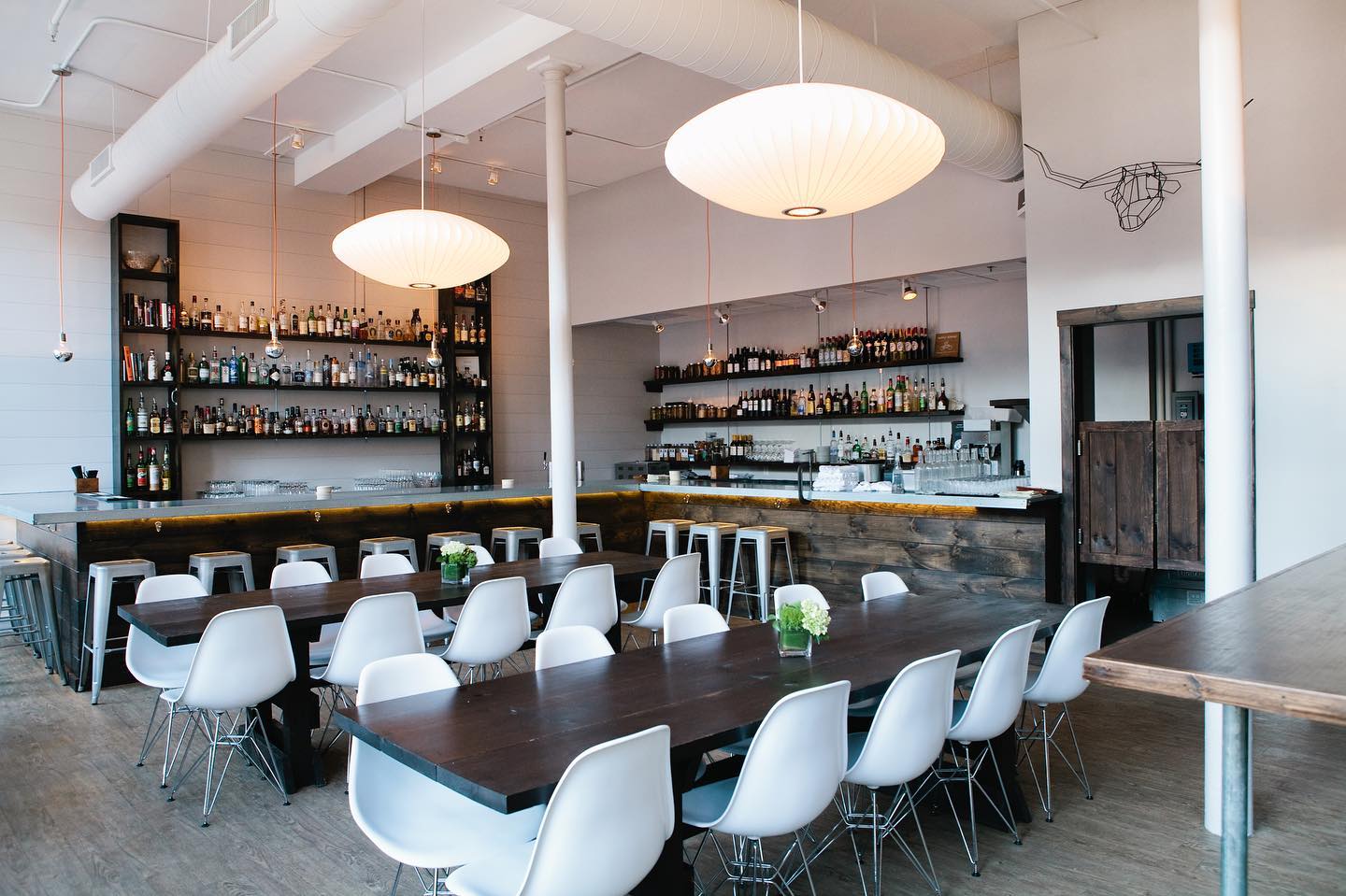
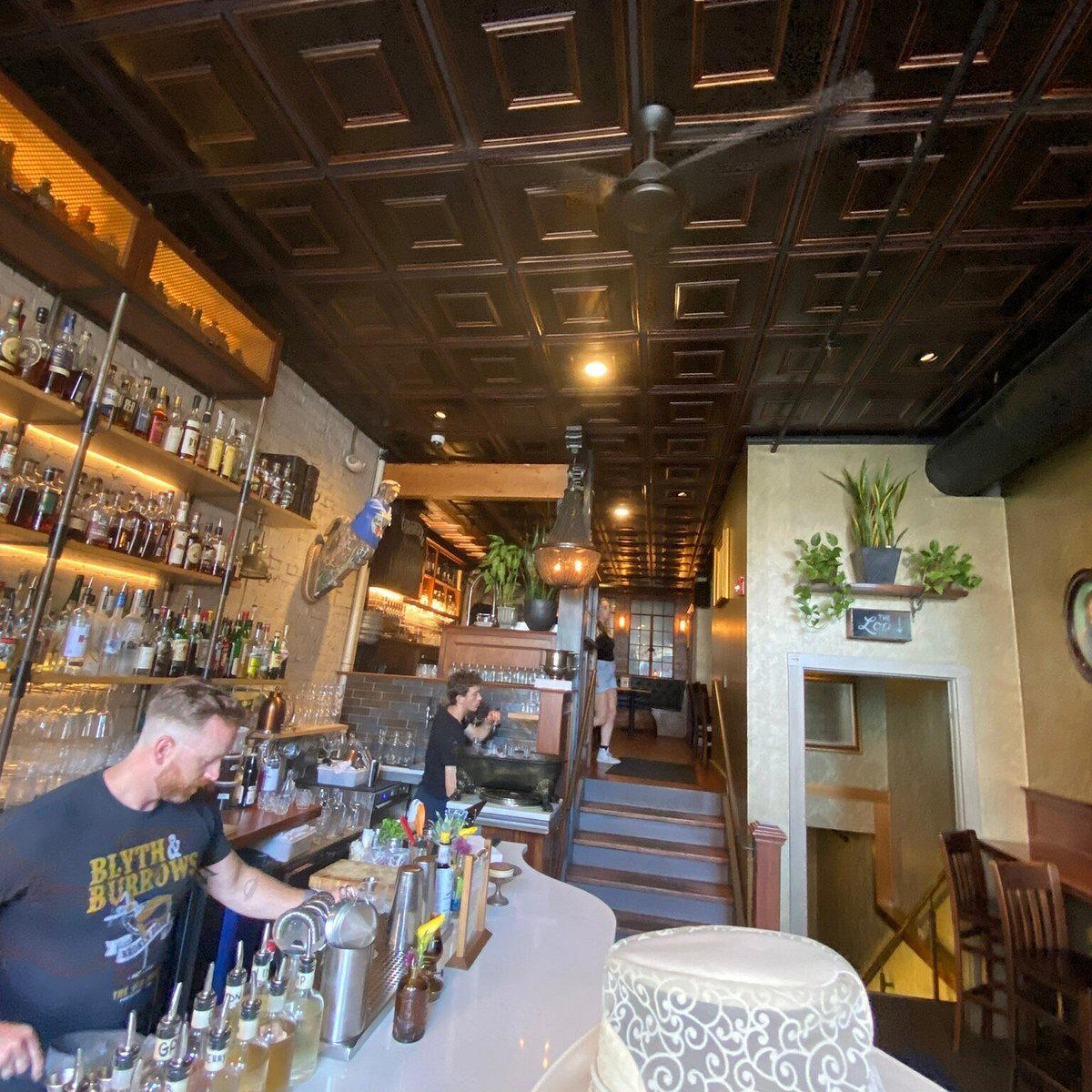
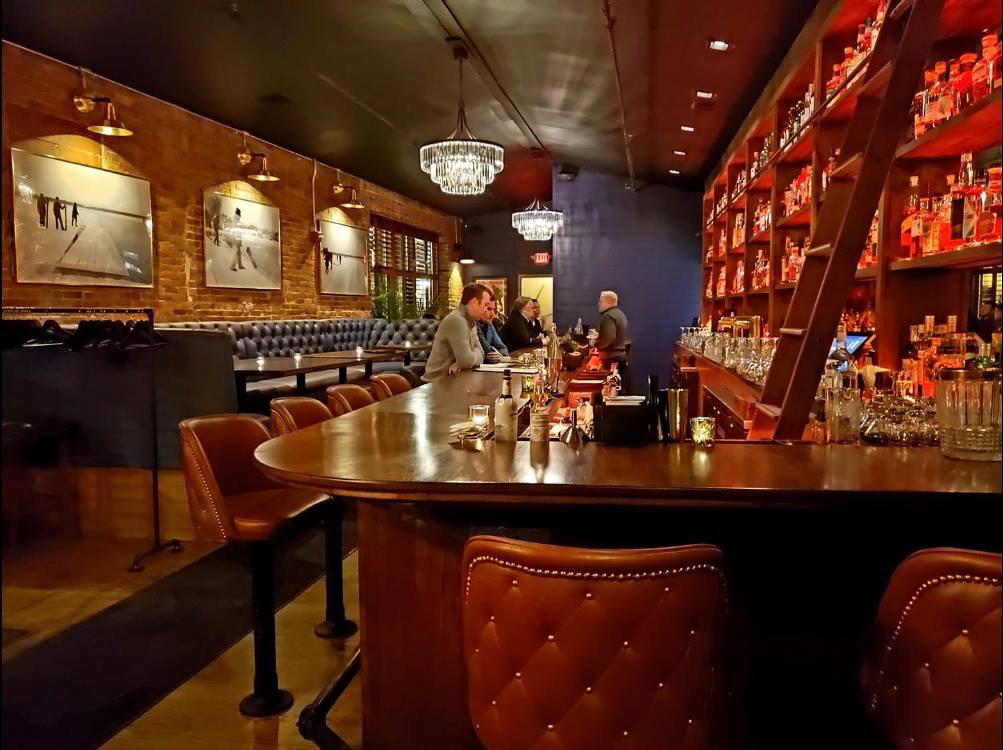
Low-key yet busy with lively music, playful tropical decor, and lively atmosphere.