AC Hotel Portland Downtown/Waterfront, ME
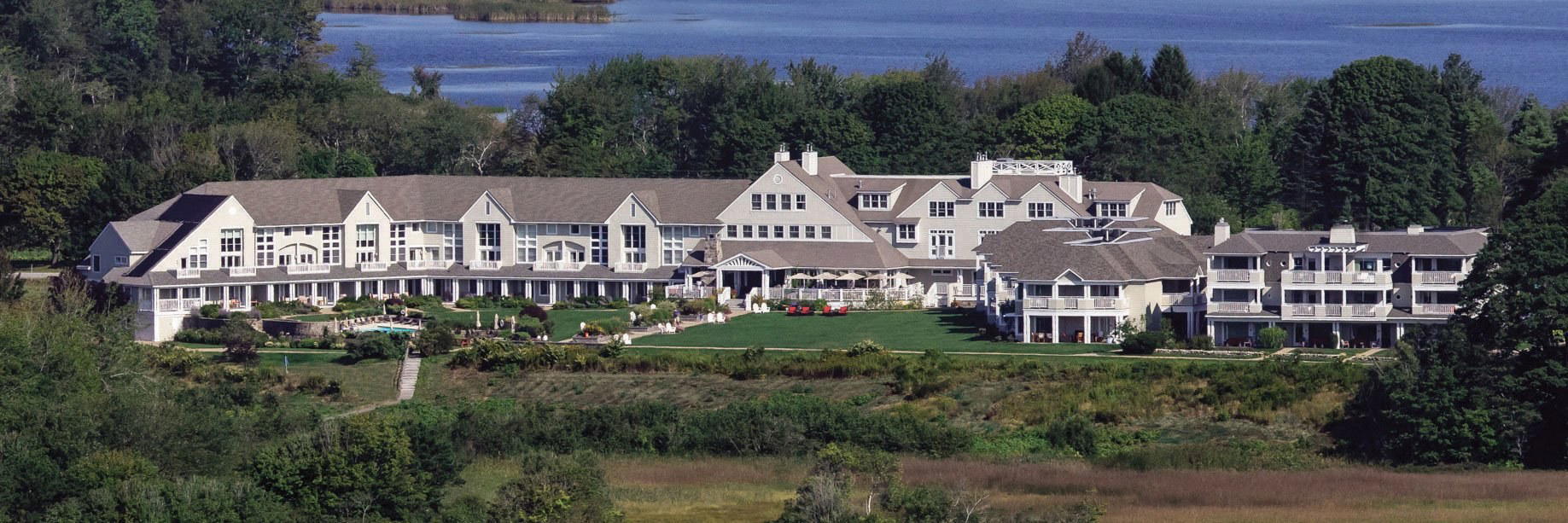
Positioned on Fore Street at the edge of the Old Port, AC Hotel Portland Downtown/Waterfront occupies one of the city's most walkable addresses for both the working waterfront and the dense concentration of independent restaurants that have put Portland, Maine on the national dining map. The property brings Marriott's AC brand format to a city whose hospitality scene increasingly rewards properties with a clear sense of place.

Pearl is the En Primeur Club membership app, where members save venues, book tables and use the concierge.
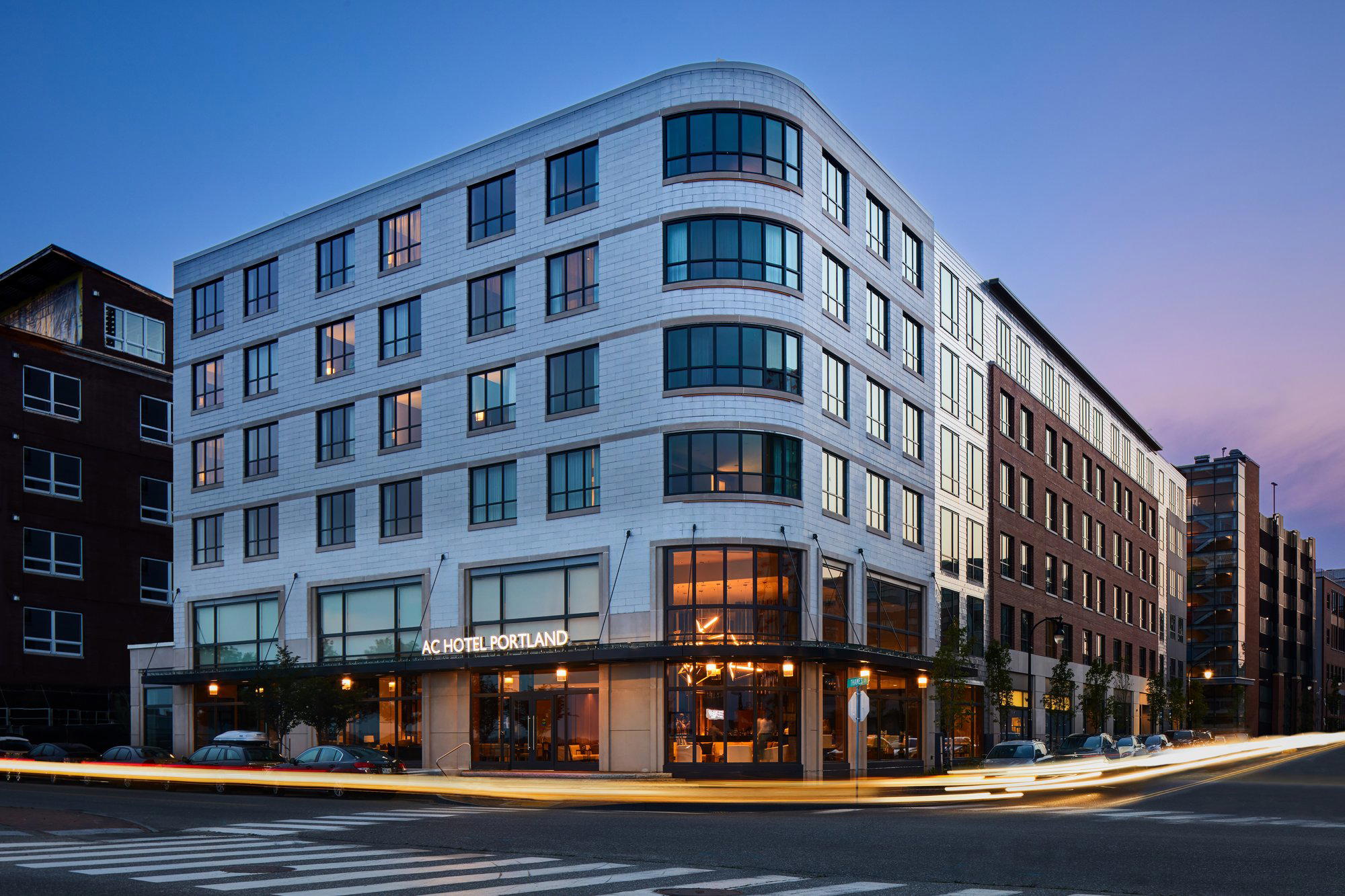
Where the Old Port Meets the Atlantic Supply Chain
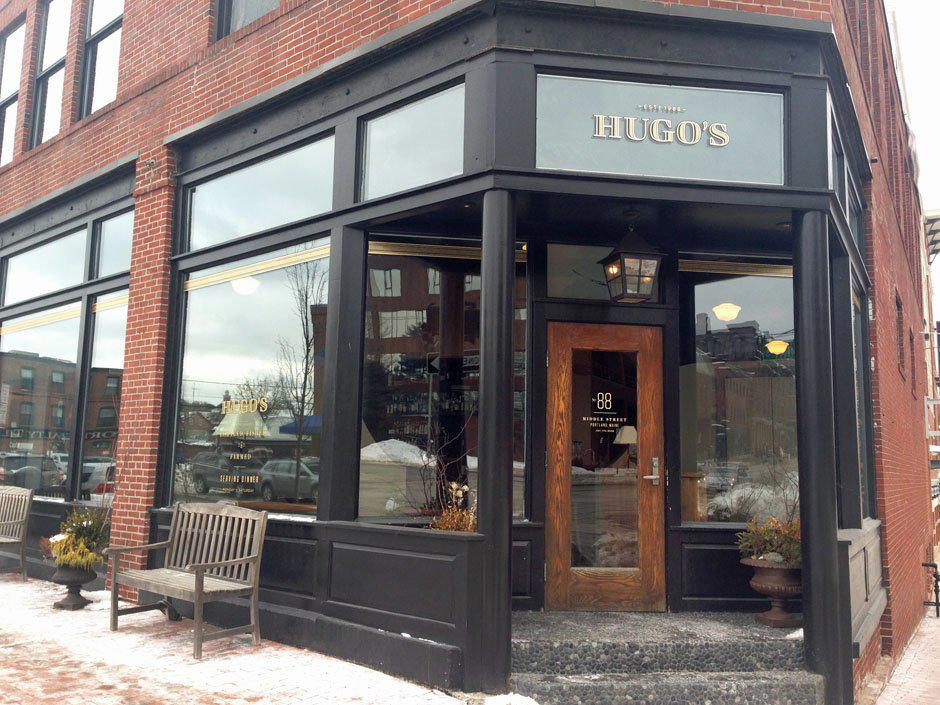
Fore Street runs along the southern edge of Portland's Old Port, close enough to the working waterfront that the smell of low tide is a periodic fact of life. That proximity is not incidental to what makes this address interesting: Portland's restaurant culture is built almost entirely on the argument that the Gulf of Maine is among the most productive cold-water fisheries accessible to any American city, and that the farms of coastal Maine and the western hills behind it produce ingredients worth paying attention to. A hotel at 158 Fore Street puts a guest within walking distance of the fish pier, the farmers markets at Monument Square and Deering Oaks, and the cluster of independent restaurants that have collectively made Portland one of the more talked-about food cities on the East Coast for the past decade.
The AC Hotel brand, operating within the Marriott portfolio, applies a European-inflected design vocabulary across its properties: clean lines, deliberate material choices, a lobby bar that functions as a social anchor. That format translates reasonably well to a city like Portland, where travelers are increasingly choosing the Old Port or the Arts District over generic suburban options. The waterfront location means guests get the density and walkability that define Portland's appeal without trading away proximity to the neighborhoods where most of the serious eating and drinking happens.
Portland's Ingredient Economy and Why It Matters Here
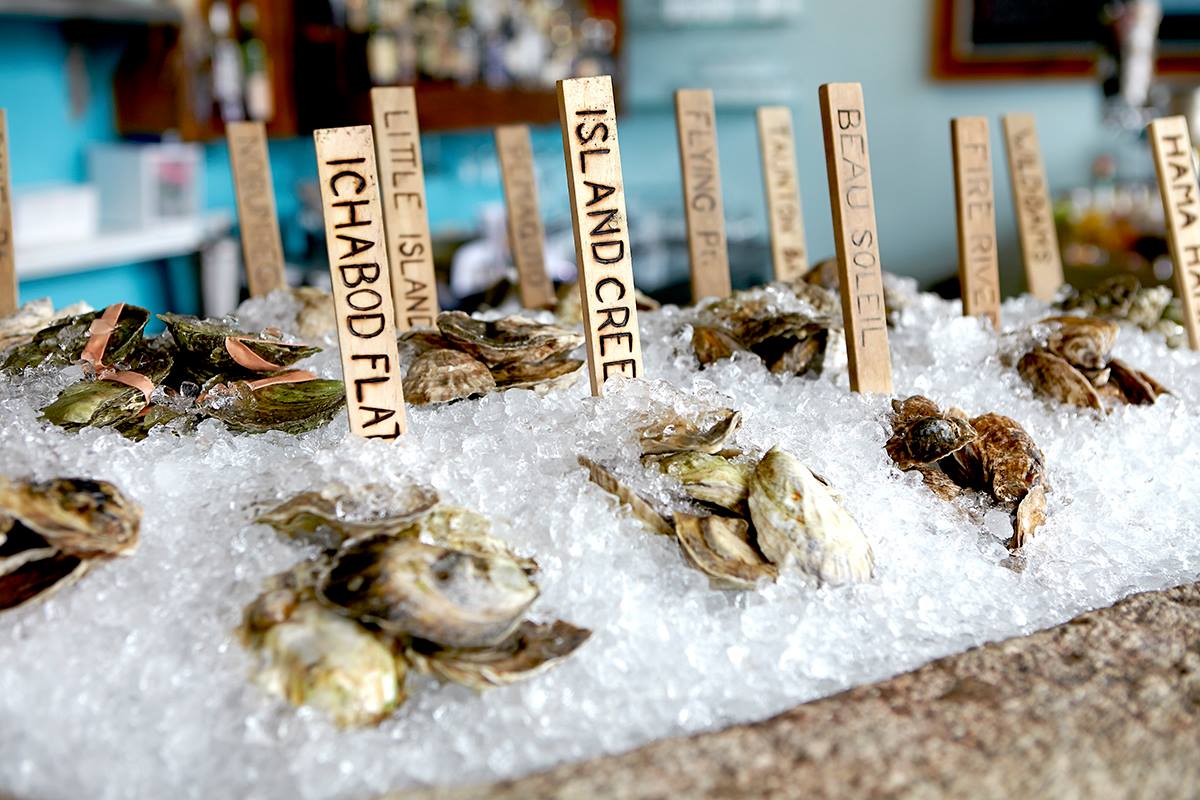
The sourcing story that underlies Portland's restaurant reputation starts with the water. The Gulf of Maine sits at the intersection of the cold Labrador Current and the warmer Gulf Stream, a confluence that produces exceptional shellfish and finfish, including the lobster that remains the city's most exported food product. Halibut, scallops, sea urchin, and jonah crab move through Portland's waterfront daily, and the city's better restaurants have built menus around that supply with a directness that is less common in larger urban markets where ingredient sourcing involves longer chains.
On the agricultural side, the farms within a two-hour radius of Portland supply a range of produce, dairy, and meat that has anchored farm-to-table approaches at restaurants operating at every price point. The concentration of serious independent kitchens in such a compact city creates a competitive environment where sourcing quality functions as a baseline rather than a differentiator. Restaurants like Eventide Oyster Co. Fore Street, and Drifters Wife have received national editorial attention, and the broader ecosystem of cheesemakers, creameries, brewers, and distillers fills out a food culture that extends well beyond restaurant meals. For a guest staying on Fore Street, all of this is accessible on foot or within a short ride.
Our full Portland restaurants guide maps that landscape in detail, covering neighborhoods, price tiers, and the categories where Portland most consistently delivers.
How the AC Hotel Fits Portland's Accommodation Tiers
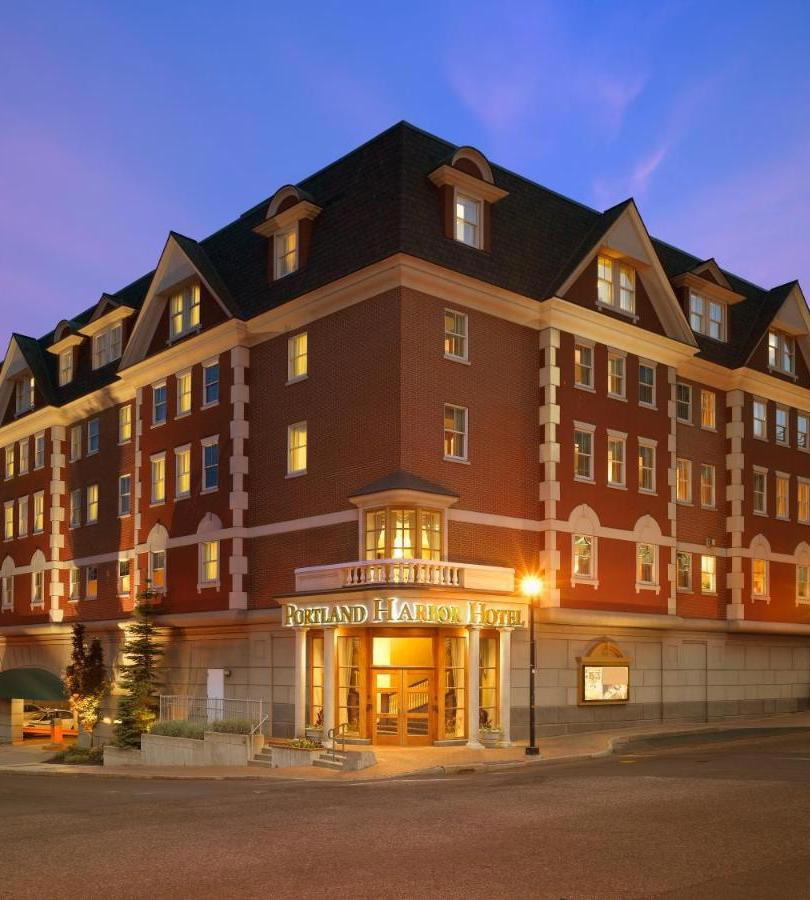
Portland's hotel market has diversified considerably over the past several years. At the upper end, properties like The Ritz-Carlton, Portland and Woodlark operate with full-service amenities and positioning that targets both leisure and corporate travelers willing to pay a premium. Design-led independents like The Hoxton, Portland have carved out a niche for travelers who want a recognizable international brand sensibility with a neighborhood-forward social program. Boutique formats like Blind Tiger Portland on Carleton Street and Blind Tiger Portland on Danforth Street offer a more residential, inn-like experience. Caravan, The Tiny House Hotel represents the experiential, lower-footprint end of the spectrum.
The AC Hotel occupies a middle tier: it carries the credibility of a recognized brand, provides a consistent physical product, and benefits from a location that competing midscale options in less central neighborhoods cannot match. For travelers whose primary reason for visiting Portland is the food and drink scene, the Fore Street address is a practical advantage. You are not spending time in transit to reach the restaurants you came for.
Other properties worth comparing against depending on your priorities include Hotel Eastlund and Hotel Lucia, both of which serve the Portland market with distinct positioning.
Planning Your Stay: Timing and Logistics
Portland's peak season runs from late June through September, when the combination of summer weather, the full farmers market calendar, and tourist volume pushes hotel rates and restaurant wait times to their highest points. The shoulder seasons, particularly May and October, tend to offer a more measured version of the same city: the sourcing story is still active, the restaurants are open, and the competition for tables and rooms is less intense. Winter in Portland is genuine New England winter, which suits travelers who come specifically for the oyster bars and the warmer indoor dining rooms rather than the harbor walks.
The Old Port is compact enough that most of what a food-focused traveler needs is within a fifteen-minute walk of 158 Fore Street. Portland International Jetport is roughly a fifteen-minute drive, and the city's parking situation, while manageable, makes the walkability of this location a genuine operational convenience for guests who arrive by car but prefer to leave it parked.
For travelers who use Portland as a Northeast anchor and want to compare it against other coastal or regional American options, properties like Raffles Boston and Troutbeck in Amenia represent different takes on the ingredient-driven, regionally specific hospitality format. At the other end of the domestic spectrum, properties like SingleThread Farm Inn in Healdsburg and Post Ranch Inn in Big Sur demonstrate how fully a property can commit to a regional sourcing identity when the brief extends to the room experience itself, not just the address. Auberge du Soleil in Napa operates in a different food-region context but with comparable logic around proximity to supply. For international reference points, Aman Venice and Badrutt's Palace Hotel in St. Moritz show how location-specific identity functions at the upper end of the global hotel market. Domestically, Amangiri in Canyon Point, Kona Village in Kailua Kona, Little Palm Island in Little Torch Key, Sage Lodge in Pray, and Canyon Ranch Tucson each anchor their identity in a specific geography and its associated supply or landscape. Four Seasons at The Surf Club in Surfside, Hotel Bel-Air in Los Angeles, The Fifth Avenue Hotel in New York City, and Aman New York anchor the urban luxury tier for comparison.
Cuisine Lens
A quick snapshot of similar venues for side-by-side context.
| Venue | Price | Awards |
|---|---|---|
| AC Hotel Portland Downtown/Waterfront, METhis venue (the venue you are viewing) | $200–300 | Not listed |
| The Ritz-Carlton, Portland | Not listed | 1 Michelin Key · Forbes Recommended |
| The Nines, A Luxury Collection Hotel | $100–200 | Michelin Selected · Forbes Recommended |
| Woodlark | Not listed | 1 Michelin Key · La Liste Top Hotels |
| Blind Tiger Portland – Carleton Street | Not listed | 1 Michelin Key · Mr & Mrs Smith Seal of Approval |
| The Hoxton, Portland | $100–200 | 1 Michelin Key |
Continue exploring
More in Portland
Hotels in Portland
All hotels in Portland →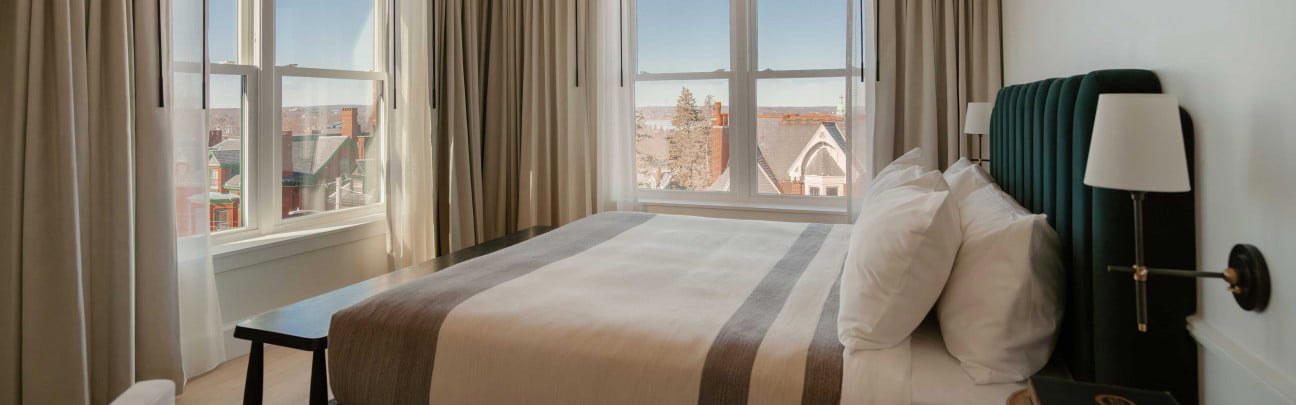
Details
- Modern
- Elegant
- Sophisticated
- Business Trip
- Weekend Escape
- Waterfront
- Terrace
- Wi Fi
- Fitness Center
- Room Service
- Concierge
- Waterfront
- Wheelchair Accessible
- Elevator
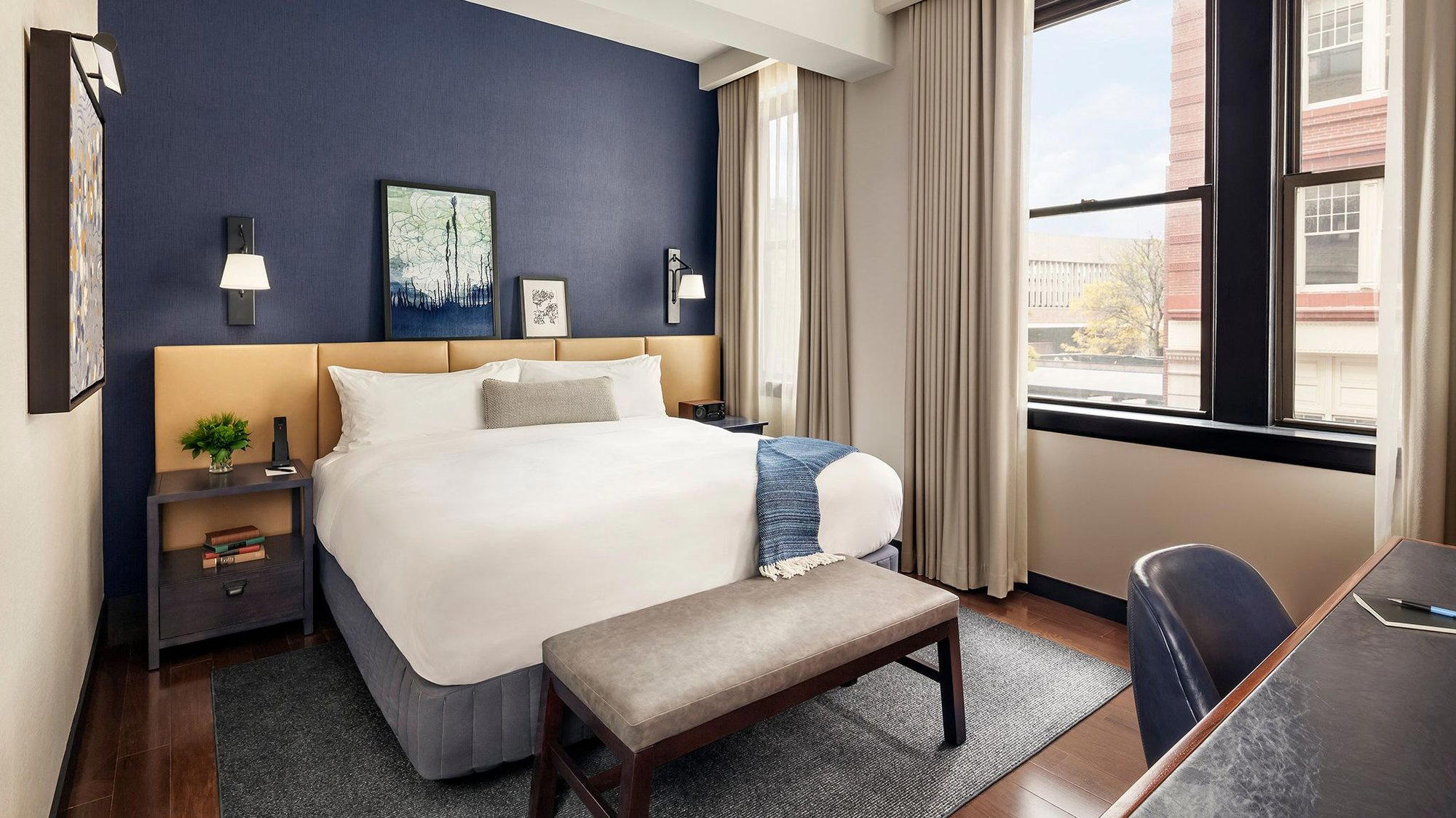
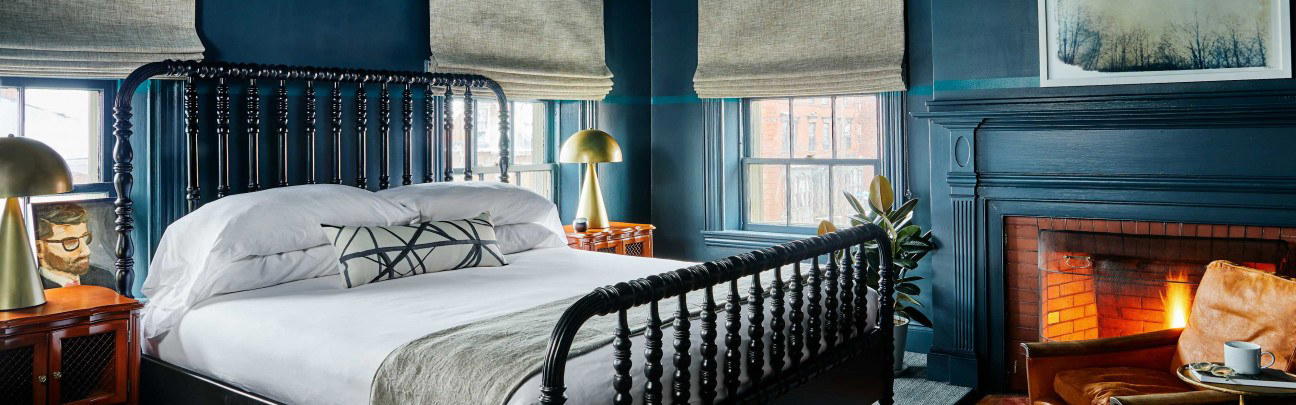
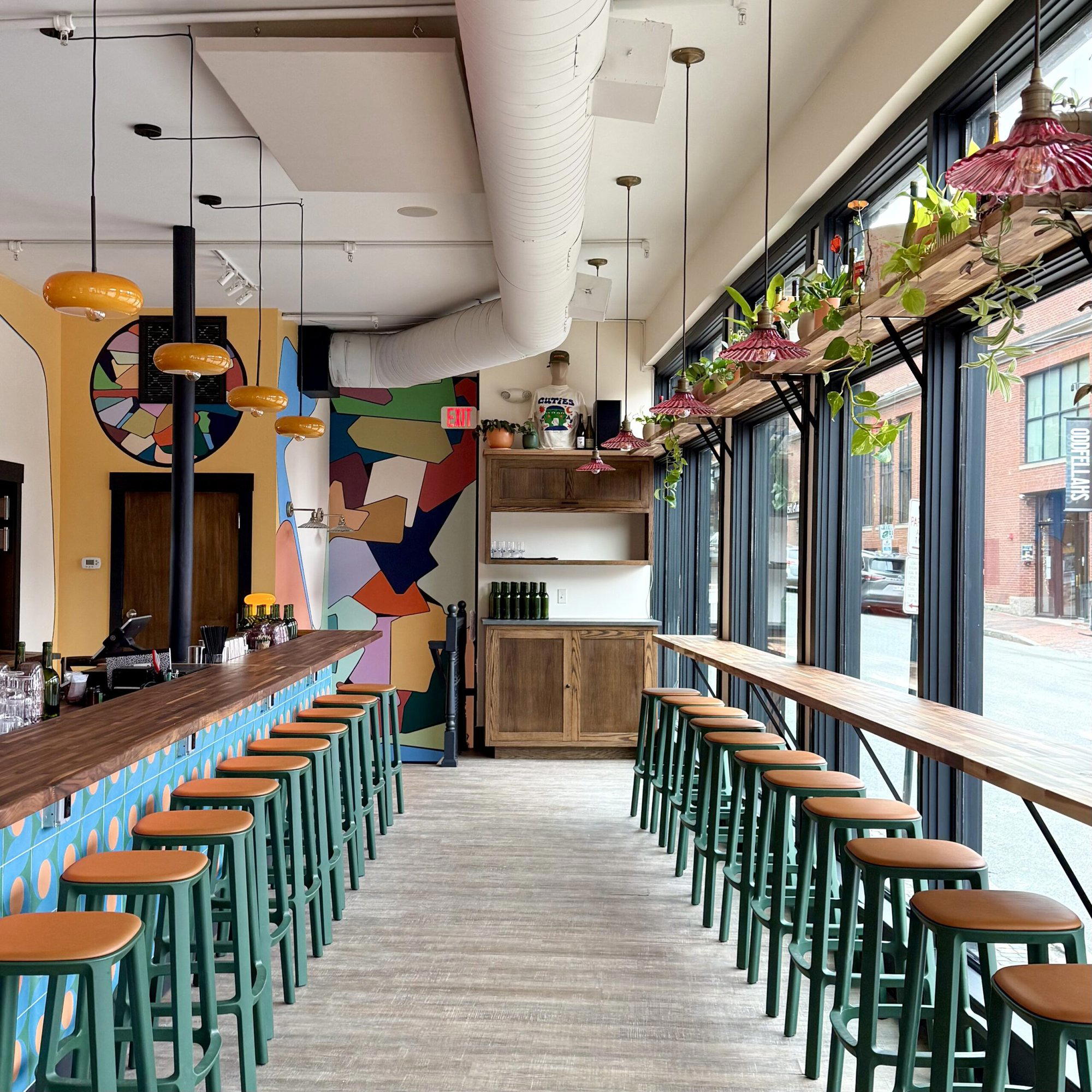
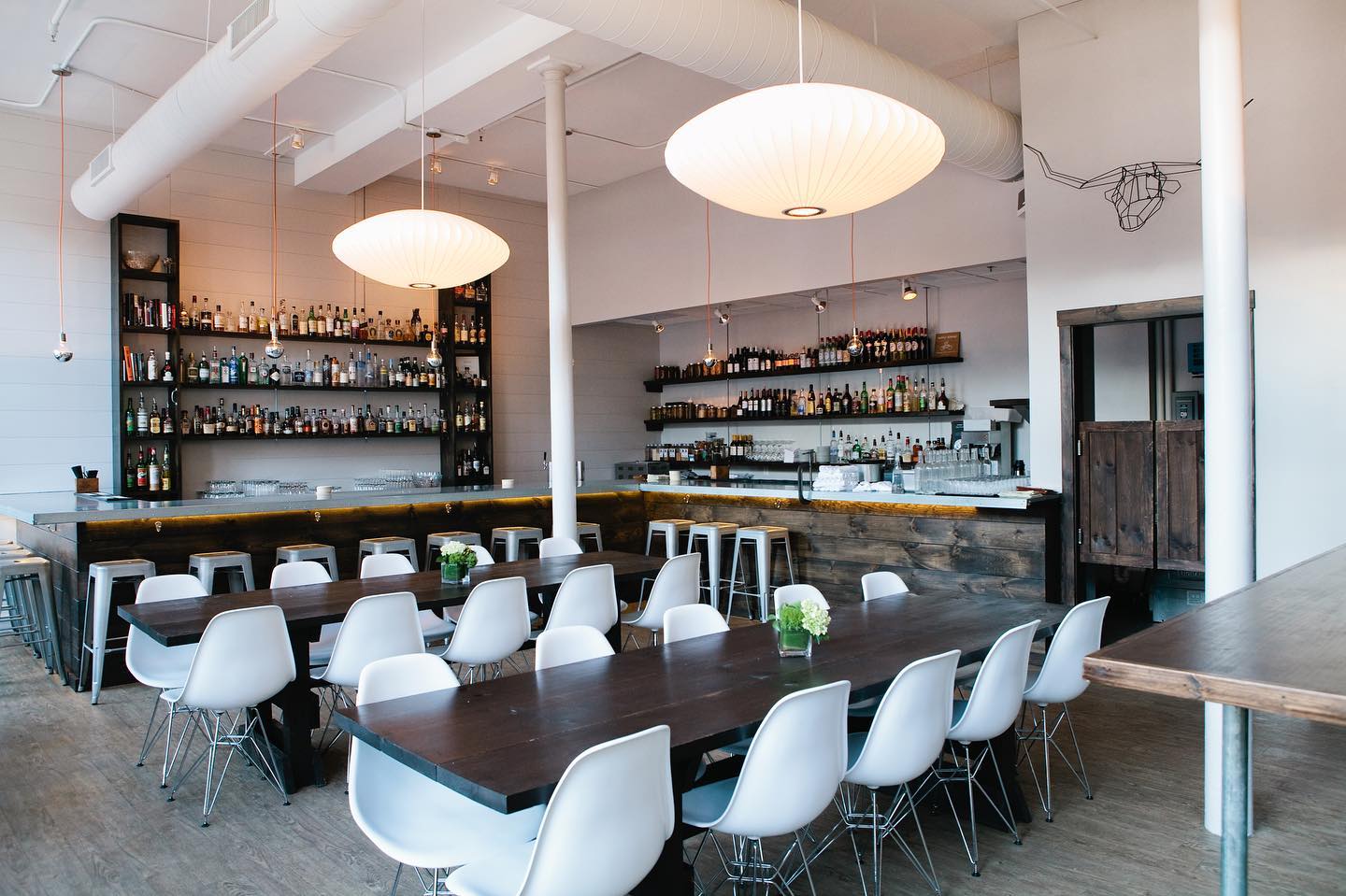
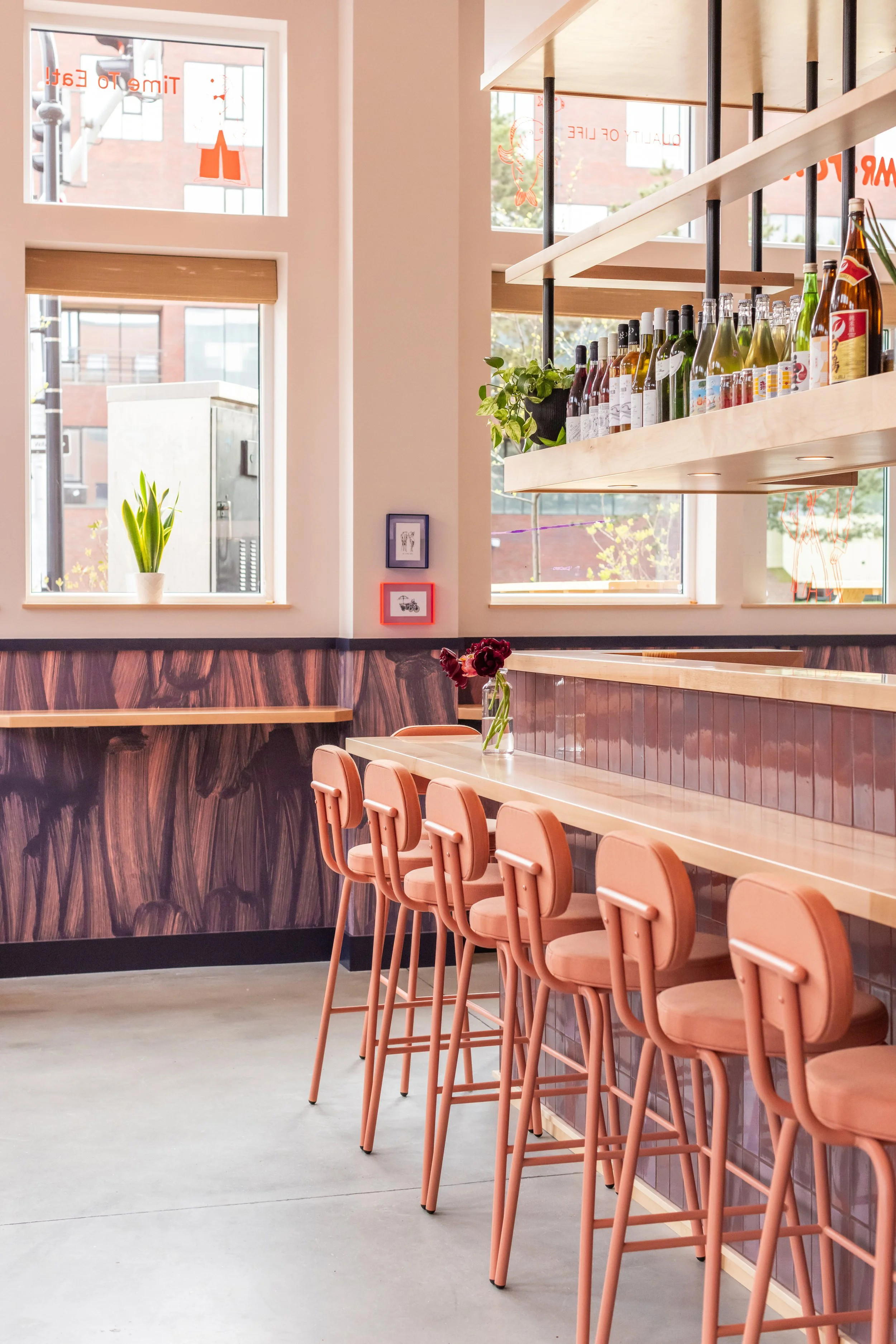
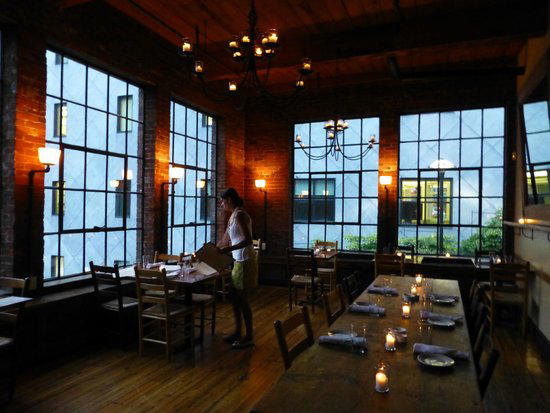
Modern and stylish with an elegant lobby, clean and comfortable rooms, and a relaxed lounge atmosphere featuring European-inspired design.