Grace
Grace occupies a restored church on Chestnut Street in Portland, Maine, where the vaulted architecture frames a dining room that reads as one of the city's most visually striking spaces. The kitchen positions itself within the farm-to-table tradition that has come to define serious fine dining in the Northeast, with sourcing decisions that reflect both ethical conviction and geographic opportunity. For Portland's upper tier of occasion dining, it is a consistent reference point.
- Address
- 15 Chestnut St, Portland, ME 04101
- Phone
- +12078284423
- Website
- trineeventsgrace.com
- Directions
- Get directions
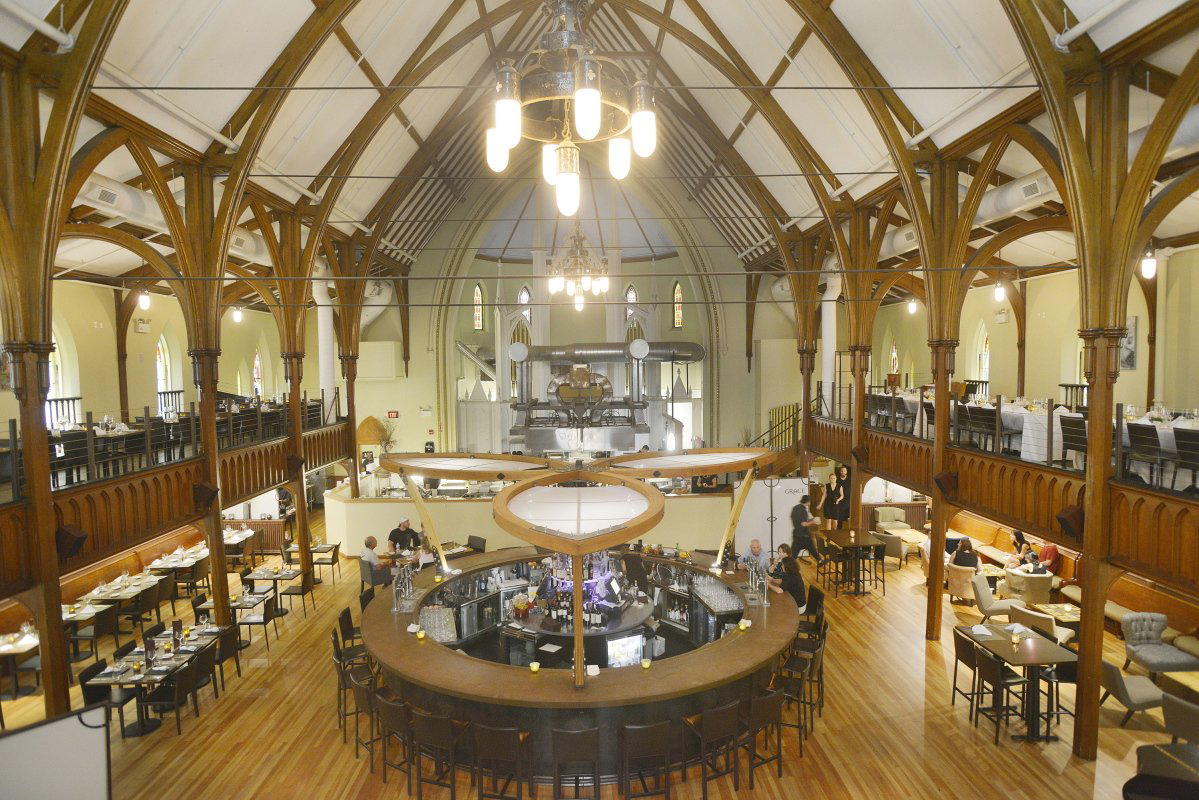
A Church Repurposed, a City's Fine Dining Anchor
Portland, Maine has spent the past fifteen years building a restaurant culture disproportionate to its size. A city of roughly 68,000 people now draws food-focused visitors from Boston, New York, and beyond, and the dining room at Grace sits near the best of that argument. The building is a deconsecrated Gothic Revival church on Chestnut Street, and the space does something that most fine dining rooms in mid-sized American cities struggle to do: it provides genuine architectural drama without theatrical contrivance. Stone walls, soaring ceilings, and the structural bones of the original 1857 building do the heavy lifting. The effect is atmosphere earned rather than designed.
That physical context matters because it sets expectations Grace's kitchen has to meet. Diners arriving at a room of this scale are not expecting a quiet neighborhood bistro. They are expecting occasion dining, and the kitchen is calibrated accordingly. This positions Grace in the same tier as places like Lazy Bear in San Francisco or Addison in San Diego — fine dining operations where the physical environment and the menu ambition are mutually reinforcing, and where the sourcing story is as much a part of the pitch as the food on the plate.
Sourcing as Editorial Statement
The most significant shift in American fine dining over the past decade has not been technique or format — it has been the increasing seriousness with which kitchens treat their supply chains. What began as marketing language around terms like "farm-to-table" has, at the better end of the market, become operational discipline: direct relationships with growers, reduced reliance on industrial distributors, genuine seasonal constraint, and waste reduction practices built into kitchen culture rather than bolted on as afterthought.
Grace operates within this tradition, and Portland, Maine gives it unusual geographic advantage. The Gulf of Maine fishery remains one of the most productive and closely regulated on the Eastern Seaboard. Maine's agricultural producers, from root vegetable and grain farms inland to coastal shellfish operations, have built direct relationships with the city's restaurant community in ways that parallel what Blue Hill at Stone Barns in Tarrytown and Single Thread Farm in Healdsburg have done with their own regional producers, albeit at a different scale and without the same vertical integration. For Grace, this means the sourcing choices are not imported constraints from a sustainability ethos but are available precisely because of where Portland sits geographically.
Restaurants operating with genuine ethical sourcing commitments make different decisions than those performing them. That distinction shows up in what is not on a menu as much as what is. Seasonal gaps, shorter supply windows, and proteins that reflect what Maine producers are actually raising rather than what a national sysco catalogue offers are markers of that discipline. It also shows up in waste management: nose-to-tail approaches to protein, preservation techniques to extend short-season produce, and kitchen cultures that treat food cost through a lens of waste reduction rather than pure margin.
Portland's Fine Dining Tier: Where Grace Sits
Portland's restaurant scene has genuine range, and understanding where Grace fits requires mapping that range honestly. At the casual, community-rooted end of the spectrum, Kann brings Haitian culinary tradition to a wood-fire format that has generated national attention, while Berlu represents the Vietnamese fine dining conversation that a handful of American cities are now having seriously. Pizza traditions are anchored by Ken's Artisan Pizza and Nostrana, both of which represent the craft end of that category. And then there are destination tasting-menu formats like Langbaan, which operates a Thai tasting menu inside a bookable private format that has become a national reference point for the genre.
Grace occupies a specific niche within this: the occasion-dining restaurant anchored in a physically dramatic room, with a menu pitched at the upper end of the city's price range and a sourcing story that makes a claim about what serious cooking in Maine should look like. That is a narrower position than some competitors, but it is a clearly defined one. The peer comparison for Grace is not local casual dining but rather national restaurants like Providence in Los Angeles or Emeril's in New Orleans, where a single restaurant carries a significant portion of a city's fine dining identity and reputation beyond its immediate market.
The Seasonal Discipline of a Northeast Kitchen
Northeast seasonal cooking operates under genuine constraint in a way that Sun Belt kitchens do not. Maine winters reduce local produce availability sharply, and kitchens that commit to ethical regional sourcing have to either preserve aggressively through the summer months or shift menus toward what is actually available in February. The better operations do both, and it produces cooking that is more honest about place than restaurants in climates where the seasonal story is easier to tell.
That constraint also produces interesting moments at the upper end of the year, when Gulf of Maine seafood, summer produce from farms across central and southern Maine, and wild-harvested ingredients from the region's forests and coastline arrive in quick succession. Serious kitchens in this geography have a short window to do their most distinctive work, and how a restaurant uses that window says something about its priorities. For visitors planning around peak availability, late summer through early autumn represents the window when a Maine kitchen committed to regional sourcing is working with the widest and most interesting ingredient range.
For context on how America's most serious fine dining rooms handle the sourcing and sustainability argument at national scale, The French Laundry in Napa, Alinea in Chicago, Atomix in New York City, and Le Bernardin in New York City each represent different resolutions of that question. Grace's answer is grounded in the specific resources and limitations of coastal Maine. That is a more modest claim than those rooms make, but it is an honest one. And 8 1/2 Otto e Mezzo Bombana in Hong Kong and The Inn at Little Washington illustrate how fine dining in architecturally significant rooms carries its own particular set of expectations globally, expectations Grace meets on its own regional terms.
Planning Your Visit
Grace is located at 15 Chestnut Street in Portland, Maine 04101, within walking distance of the Old Port district and the downtown hotel cluster. Portland's dining scene is compact enough that most visitors can cover significant ground on foot. For occasion dining at this level, booking in advance is advisable, particularly on weekends and through the summer tourist season when the city's population of visitors rises sharply. Visiting in the quieter shoulder months of early spring or late autumn tends to produce a more relaxed room, though the seasonal menu will reflect what is actually available from Maine producers at those times of year. For a broader map of where Grace sits within Portland's restaurant culture, see our full Portland restaurants guide.
At a Glance
| Venue | Cuisine |
|---|---|
| GraceThis venue — the venue you are viewing | Not listed |
| Ken’s Artisan Pizza | Pizzeria |
| Nostrana | Italian |
| Kann | Hatian, Haitian |
| Apizza Scholls | Pizzeria |
| Blue Star Donuts | Doughnuts |


At a Glance
- Elegant
- Intimate
- Historic
- Sophisticated
- Date Night
- Special Occasion
- Historic Building
- Craft Cocktails
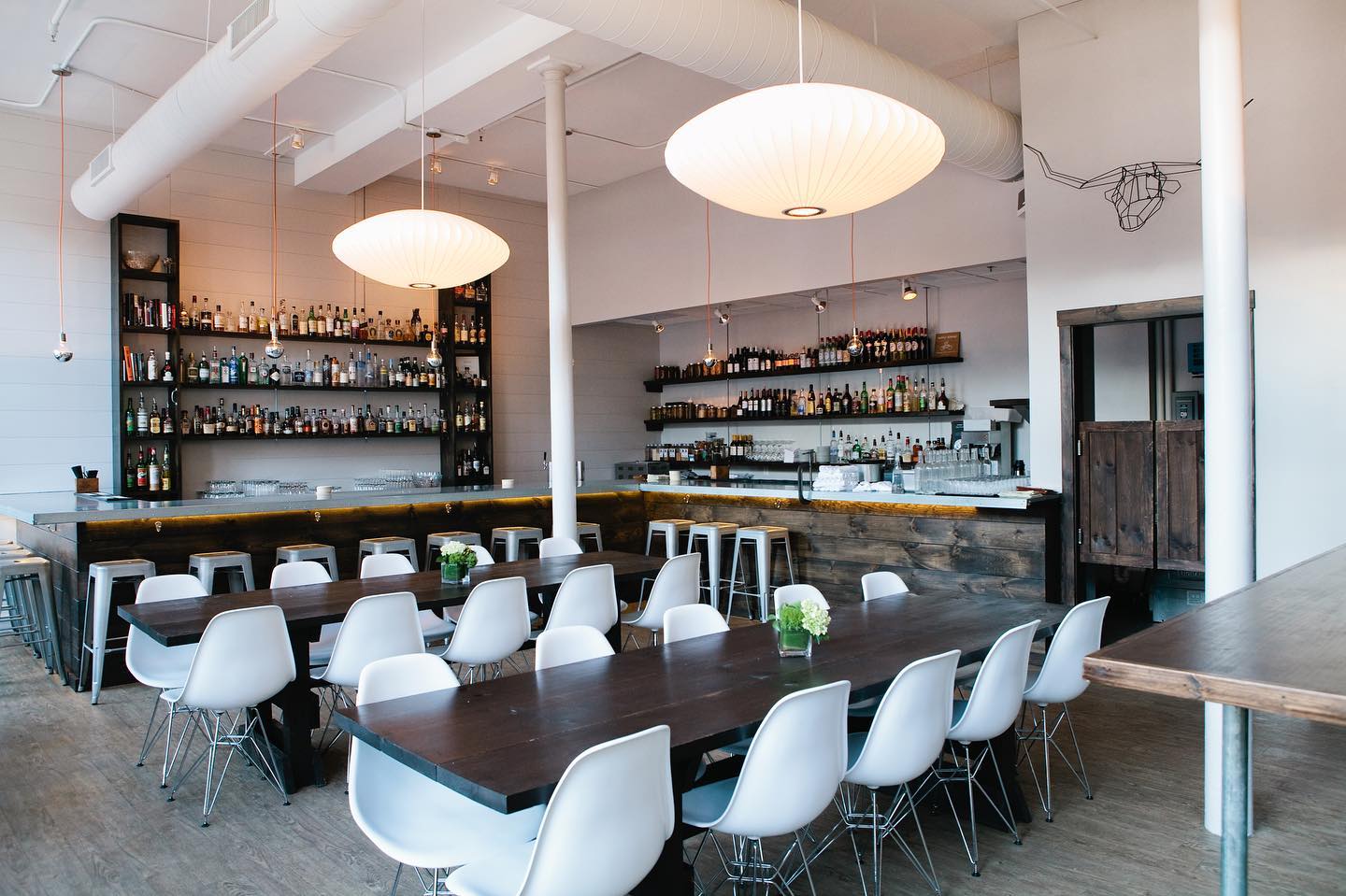
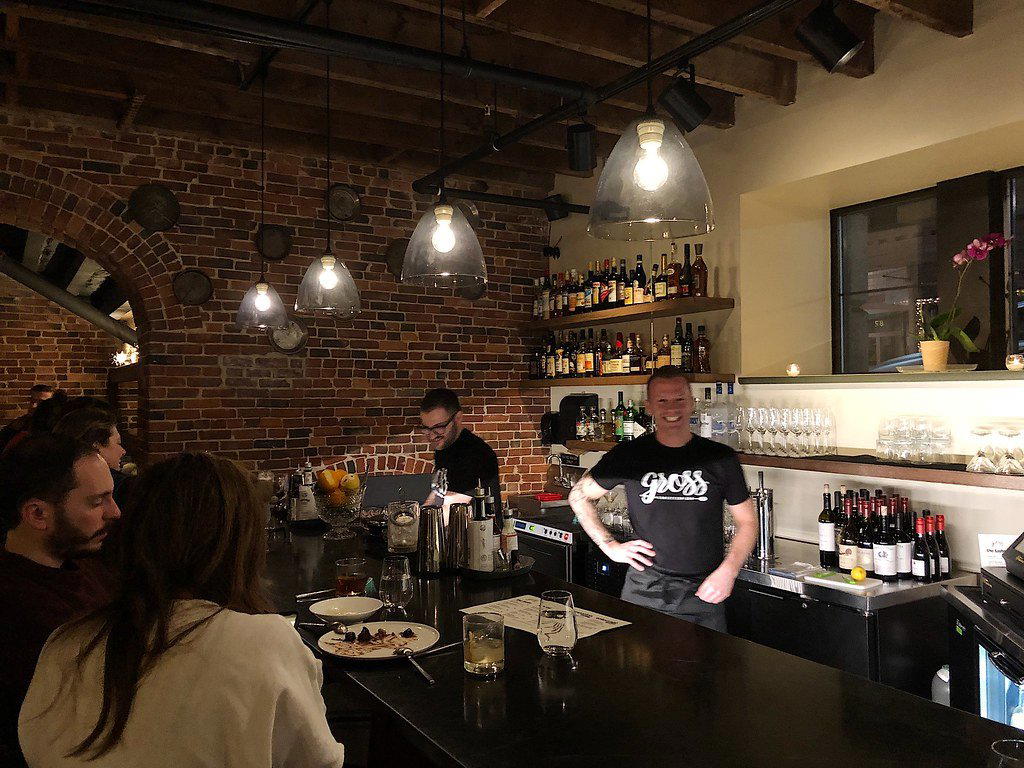
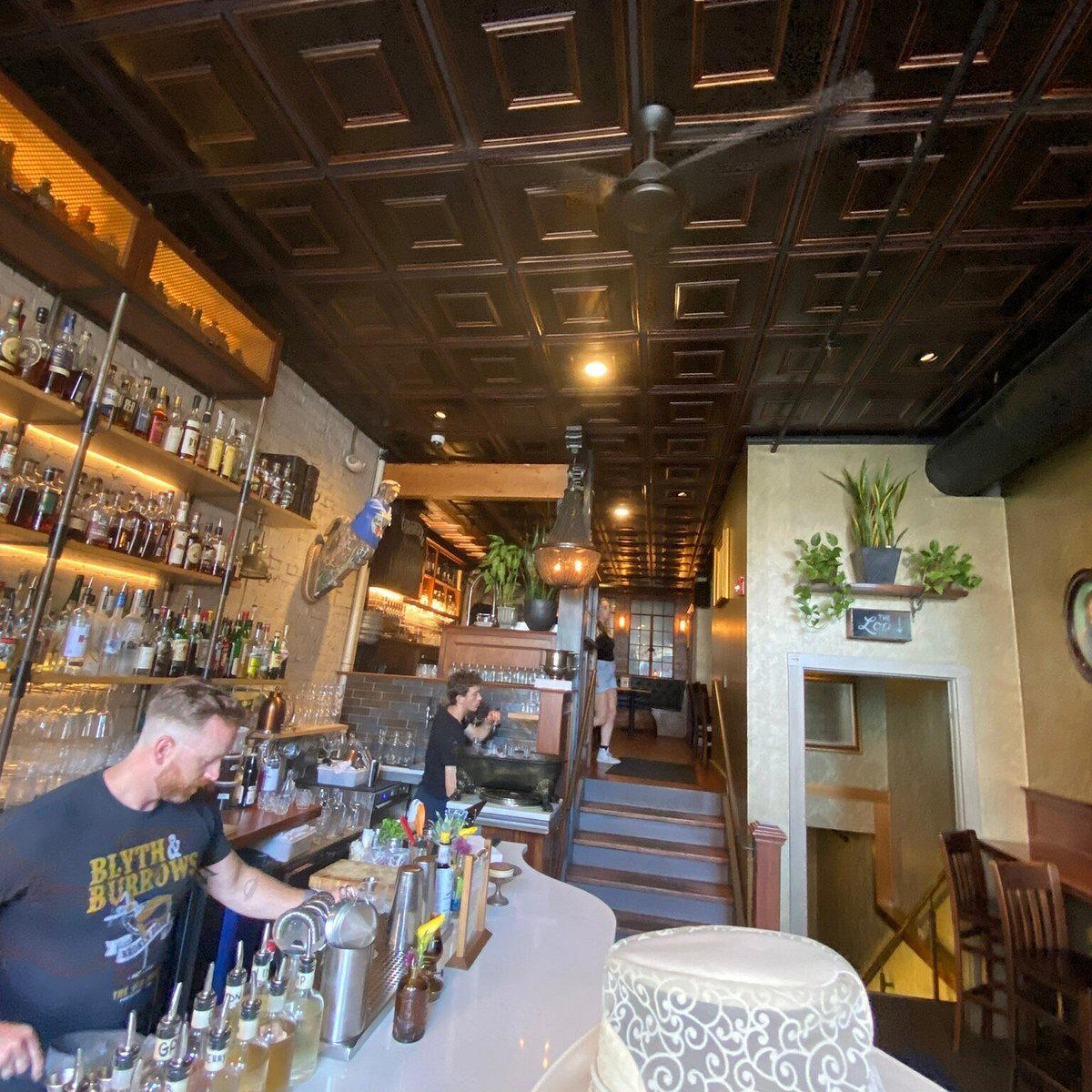
Intimate yet wide open atmosphere with high ceilings, stained glass windows streaming light, and a modern interior complementing original sculptural details.
Know Before You Go
- Getting there
- 15 Chestnut St, Portland, ME 04101